

If you own a German shorthaired pointer, picking the right food matters more than with many other breeds. these dogs are athletic, high-energy, and prone to joint stress and sensitive digestion at different life stages. the right diet helps maintain energy for field work or long walks, supports lean muscle, and protects joint health without upsetting a sensitive stomach. this guide shortlists the five best dog foods for german shorthaired pointer owners, focusing on quality protein, joint-supporting nutrients, digestibility, and life-stage suitability. below you'll find what we evaluated and why each shortlisted option is a practical choice for this active breed.
Top Picks at a Glance
| Best Overall Food for German Shorthaired Pointer A balanced daily formula that fits most active GSPs' needs | Hill's Science Diet Adult 1-6 Dry Dog Food | 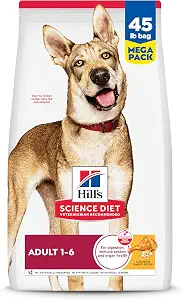 |
| Best Budget Food for German Shorthaired Pointer An affordable daily option that still meets basic nutritional needs | Nutrish Beef Pea & Brown Rice 40 lb |  |
| Best High-Protein Food Formulas with elevated protein to support active, muscular dogs | Nutro Natural Choice Chicken & Brown Rice 30 lb |  |
| Best Large-Breed Food Kibble and formulas sized and balanced for medium-to-large active dogs | Hill's Science Diet Large Breed |  |
| Best Sensitive-Stomach Food Gentle recipes formulated for easy digestion and fewer irritants | ROYAL CANIN German Shepherd Dry Dog Food 30 lb |  |
Hill's Science Diet Adult 1-6 Dry Dog Food
Best Overall Food for German Shorthaired Pointer

| Flavor | Chicken & Barley |
|---|---|
| Age Range Description | Adult 1-6 |
| Item Form | Dry Food |
| Unit Count | 720 Ounce |
| Breed Recommendation | All Breed Sizes |
Hill's Science Diet Adult 1-6 is a dry kibble designed for everyday feeding of adult dogs, formulated around chicken and whole grains to provide balanced nutrition. It is typically used as a daily maintenance diet and features high-quality protein sources for lean muscle support, natural fibers and a proprietary prebiotic blend for digestion, plus omega-6 and vitamin E for skin and coat health. Practical benefits include a veterinarian-backed formulation and clear feeding guidance on the bag that helps owners transition dogs gradually. The inclusion of fruits and vegetables and a range of vitamins and minerals supports overall nutrient completeness rather than an extreme high-protein or grain-free approach. Trade-offs are that it is a traditional grain-inclusive kibble, so owners seeking grain-free or novel-protein formulas for allergy management or very high-performance, high-protein regimens may prefer a different formulation, and the larger bag size requires proper storage to preserve freshness.
Best for: Owners who want a balanced, vet-recommended everyday diet that supports lean muscle, digestion and coat health for an active medium-to-large breed dog.
Less Ideal for: Owners seeking grain-free formulas, novel proteins for food sensitivities, or specialized very high-protein performance rations should consider alternative diets.
- Formulated with high-quality chicken protein to support lean muscle maintenance
- Contains natural fibers and ActivBiome+ prebiotic blend to support healthy digestion
- Includes omega-6 fatty acids and vitamin E for skin and coat support
- Veterinarian-recommended brand with clear feeding and transition guidance
- Grain-inclusive formula may not suit dogs that require grain-free or novel-protein diets
- Not positioned as an ultra high-protein performance diet for extreme working or sporting dogs
Verdict: The best overall food for a German Shorthaired Pointer that balances protein, fats, and nutrients to support high energy, lean muscle, and everyday health.
Nutrish Beef Pea & Brown Rice 40 lb
Best Budget Food for German Shorthaired Pointer

| Flavor | Real Beef, Pea & Brown Rice |
|---|---|
| Age Range | Adult |
| Item Form | Chunk |
| Container Type | Bag |
This 40 lb bag of Rachael Ray Nutrish Real Beef, Pea & Brown Rice is an everyday dry dog food aimed at adult dogs of all breeds. It uses real beef as the number one ingredient and includes added vitamins, minerals, taurine, and natural prebiotics to support digestion, skin and coat, and muscle maintenance. Typical use is two meals a day with portion sizes adjusted by weight and activity; the product suggests a gradual 7–10 day transition if switching foods. The formula contains a mix of meat meals, grains, peas, and added fats for calories and palatability, which helps active dogs eat enough to meet higher energy needs without specialty high-protein pricing. Limitations are the inclusion of plant proteins and grains rather than a meat-only kibble and some ingredients like corn and soybean meal that some owners avoid for sensitive dogs. For owners prioritizing cost and reliable nutrition over premium single-protein or grain-free formulas, this delivers consistent performance for daily feeding of active medium to large dogs.
Best for: Buyers seeking an affordable, complete adult dry food that keeps feeding costs down while providing enough calories and protein for active medium to large hunting or sporting dogs.
Less Ideal for: Owners who need limited-ingredient, grain-free, or single-source protein diets for food-sensitive dogs should consider specialized formulations instead.
- Real beef listed as the first ingredient for flavor and animal protein
- Large 40 lb bag lowers per-meal cost for regular feeding
- Includes added vitamins, minerals and taurine for complete and balanced adult nutrition
- Contains natural prebiotics to support digestion and ingredients aimed at skin and coat health
- Contains grain ingredients and plant protein sources rather than a single high-meat formula
- Includes common ingredients some owners avoid such as corn and soybean meal
Verdict: The best budget food for a German Shorthaired Pointer that provides adequate protein and calories for activity while keeping cost low for regular feeding.
Nutro Natural Choice Chicken & Brown Rice 30 lb
Best High-Protein Food

| Flavor | Chicken |
|---|---|
| Age Range Description | Adult |
| Item Form | Dry Kibble |
| Package Size Name | 30 lb |
| Special Ingredients | Flaxseed |
Nutro Natural Choice Adult Chicken & Brown Rice is a chicken-first dry kibble designed for daily feeding to adult dogs. It is typically used as a straightforward maintenance diet, served dry or lightly moistened, and the bag includes suggested feeding amounts by weight. The recipe lists whole chicken and chicken meal near the top along with whole grain brown rice and barley, providing a protein-forward profile with supporting grains for steady energy. Notable features include non-GMO ingredients, no chicken by-product meal, and added functional ingredients such as flaxseed, chia, pumpkin, and vitamins and minerals to support skin, coat, digestion, and immune health. Practical benefits are easy portioning for active dogs, recognizable ingredient sourcing, and a nutrient mix aimed at daily vitality and moderate activity. Important limitations are that the formula uses grains rather than a grain-free or very high isolated-protein formulation, so very high-performance athletes or dogs needing an elevated percent protein may require a specialized high-protein sport diet or veterinary formulation instead.
Best for: Owners of active, athletic breeds who want a reliable, chicken-first daily maintenance kibble that supports overall vitality and steady energy during regular exercise.
Less Ideal for: Handlers seeking an ultra high-protein or grain-free performance diet for intense training or dogs with grain sensitivities should consider specialized sport or veterinary formulas instead.
- Real chicken listed as the #1 ingredient, supported by chicken meal for concentrated protein
- Contains whole grains and fat sources for sustained energy during activity
- Includes functional ingredients like flaxseed and chia to support skin and coat
- Formulated without chicken by-product meal, corn, wheat, soy, or artificial flavors/colors
- Not marketed as a high-percent protein or sport performance formula compared with specialized high-protein diets
- Includes grains which some handlers avoid for maximum lean-mass diets
Verdict: The best high-protein food for owners who need a formula that supports a German Shorthaired Pointer's high activity level and lean muscle maintenance.
Hill's Science Diet Large Breed
Best Large-Breed Food

| Flavor | Chicken & Barley |
|---|---|
| Age range | Adult 1-5 |
| Item form | Pellet |
| Unit count | 240 Ounce |
Hill's Science Diet Large Breed is a dry kibble designed for adult large dogs and formulated to support joint health, lean muscle, skin and digestive function. It is typically used as an everyday maintenance diet for large-breed adults and contains high-quality protein, glucosamine and chondroitin for joint support, plus omega-6 fatty acids and vitamin E for coat health. The formula also includes prebiotic fibers and antioxidants (ActivBiome+) to promote digestion and immune health. Practical benefits include a nutrient profile aimed at supporting the higher calorie and musculoskeletal needs of big dogs and a kibble profile intended for large muzzles and chewing. Trade-offs are that this is a maintenance diet rather than a therapeutic prescription food, so dogs with advanced joint disease, weight-management needs, or food sensitivities may require a veterinarian-recommended alternative, and feeding should be adjusted by monitoring body condition.
Best for: Buyers seeking a vet-recommended everyday dry food that supports joint health, digestion, and coat condition in active large-breed adult dogs, especially when choosing a reliable maintenance diet.
Less Ideal for: Owners whose dogs need a prescription therapeutic diet for medical conditions, strict grain-free formulas, or novel-protein elimination diets should consider other specialized options.
- Formulated specifically for large-breed adults with nutrient balance for size-related needs
- Includes glucosamine and chondroitin to help support joint health and mobility
- High-quality protein to help build and maintain lean muscle
- Added prebiotic fibers and antioxidants to support digestion and immune health
- Omega-6 and vitamin E blend to promote healthy skin and a shiny coat
- Not a veterinary prescription formula for dogs with diagnosed orthopedic disease or special medical needs
- Contains common grains and animal-derived ingredients that may not suit dogs with specific food sensitivities
Verdict: The best large-breed food for German Shorthaired Pointers that provides appropriate calorie density, joint-support nutrients, and kibble size for larger muzzles.
ROYAL CANIN German Shepherd Dry Dog Food 30 lb
Best Sensitive-Stomach Food

| Flavor | Chicken |
|---|---|
| Age Range Description | Adult |
| Item Form | Pellet |
| Breed Recommendation | German Shepherd |
| Animal Food Diet Type | Veterinary Diet |
This Royal Canin formula is a breed-targeted dry kibble designed to meet the nutritional needs of adult German Shepherds and similar large breeds. It uses highly digestible proteins, specific fibers, and added EPA/DHA to support digestive health and skin and coat condition, while glucosamine and chondroitin address bone and joint support in big dogs. The kibble shape and texture are made for long muzzles, which can make picking up pieces easier for dogs with that jaw structure. In practical use you would feed this as a daily maintenance diet for adult dogs 15 months and older; the veterinary-style formulation aims to reduce digestive strain compared with generic diets through targeted ingredients and fiber balance. Limitations for the pick scope: it is not a limited-ingredient or explicitly hypoallergenic formula and includes multiple grain ingredients and chicken by-product meal, so dogs with protein-specific intolerances or severe food sensitivities may still react. Also the recipe is tailored to German Shepherd anatomy and life-stage rather than being formulated specifically for German Shorthaired Pointers, so monitor stool quality and tolerance when switching.
Best for: Owners seeking a breed-specific adult maintenance diet that emphasizes digestive support, skin health, and joint care for large, active dogs and who want a complete everyday kibble.
Less Ideal for: Owners who need a strict limited-ingredient or novel-protein diet for diagnosed food sensitivities or who require a veterinarian-prescribed hypoallergenic formula.
- Formulated for large-breed digestive support using highly digestible proteins and specific fibers
- Contains EPA/DHA to help maintain skin and coat health
- Includes glucosamine and chondroitin to support joint and bone health in big dogs
- Kibble shape and texture designed for long muzzles, aiding pickup and chewing
- Contains multiple grain ingredients and chicken by-product meal, so not limited-ingredient
- Not marketed as hypoallergenic or specifically designed for sensitive-stomach formulas
Verdict: The best sensitive-stomach food for German Shorthaired Pointers that need a limited-ingredient, low-irritant formula to reduce digestive upset and improve stool quality.
Choosing the Right Dog Food German Shorthaired Pointer: Key Factors to Consider
Protein Quality and Level
High-quality protein is central for german shorthaired pointers because they are muscular, active dogs that need amino acids to maintain lean mass and support recovery after exercise. look for named meat sources near the top of the ingredient list and a guaranteed crude protein percentage appropriate for the dog's life stage. puppies and working adults usually benefit from higher protein levels than sedentary adults.
Protein digestibility also affects how much usable nutrition a dog gets from each serving. highly digestible proteins reduce stool volume and deliver more energy, which helps active pointers stay lean and energetic without needing excessive portion sizes.
Fat Content and Fatty Acid Profile
Fat is the primary concentrated energy source in dog food and is particularly important for high-energy breeds. evaluate total fat percentage and the types of fats used. omega-3 and omega-6 fatty acids support skin and coat health and have anti-inflammatory effects that can benefit joints.
A balanced fat profile lets you meet energy needs without overfeeding calories. look for named sources of healthy fats, such as fish oil or canola, and avoid unspecified hydrogenated or overly processed fat sources that can compromise palatability and long-term health.
Joint and Bone Support
German shorthaired pointers are prone to joint stress from sustained activity and athletic performance. diets that include joint-supporting ingredients like glucosamine and chondroitin, plus appropriate levels of vitamin D, calcium, and phosphorus, help maintain healthy cartilage and bone over time.
While nutrition cannot prevent all joint conditions, it can reduce wear and support recovery. consider life-stage specific requirements: growing puppies need controlled calcium and phosphorus ratios to avoid developmental orthopedic issues, while adults may benefit from supplemental joint nutrients.
Digestibility and Ingredient Sensitivity
Gsp owners often report sensitive digestion in the breed. choosing a food with easily digestible carbohydrates and clearly identified protein sources reduces the chance of loose stools or food reactions. ingredients such as cooked grains, sweet potato, or peas may be easier for some dogs to digest than highly processed fillers.
If your dog has a history of allergies or intolerances, look for limited-ingredient or novel-protein formulas. also consider whether the food includes prebiotics or probiotics to support gut health and consistent stool quality.
Calorie Density and Feeding Practicality
Active pointers burn a lot of calories, so calorie-dense foods can meet energy needs with a reasonable kibble volume. check calories per cup or per kilogram so you can accurately manage portions and body condition. foods that are too low in calorie density may require impractically large portions, while overly dense diets can make portion control difficult for less active dogs.
Feeding practicality also covers kibble size and texture. appropriately sized kibble encourages efficient chewing and can help reduce gulping. consider how easy the food is to portion, store, and serve for your household routine.
Life-stage Formulation and Transitions
Nutritional needs shift across life stages. puppies need higher protein and calorie density with controlled mineral ratios for proper development. adult maintenance diets focus on balanced nutrients to support activity, while senior formulas often reduce calorie density and add joint-supporting nutrients.
When switching between life-stage diets, transition gradually over a week to avoid digestive upset. choose formulations that match your dog's current activity level and growth phase rather than using a one-size-fits-all product.
How Much Should I Feed My German Shorthaired Pointer Daily?
Daily feeding depends on age, activity level, and calorie density of the food. active adults and working dogs often need two to three times the calories of a sedentary dog of the same weight. consult the food's calorie information and start with the manufacturer's feeding chart, then adjust based on body condition score and activity. monitor weight and energy: if your dog gains excess fat, reduce portions modestly; if the dog loses muscle or seems lethargic, increase calories or choose a higher-energy formula.
- Treat feeding as part of the daily calorie budget; account for treats and table scraps.
- Split daily ration into two meals to support steady energy and reduce hunger-driven behaviors.
- Weigh portions for the first few weeks to establish a reliable baseline.
What Ingredients Commonly Trigger Digestion Issues in Pointers?
Some pointers react to certain protein sources, highly processed fillers, or abrupt ingredient changes. common culprits include unspecified meat byproducts, artificial additives, and excessively high levels of novel legumes for dogs not adapted to them. sudden switching between very different recipes often provokes loose stools or vomiting.
If you suspect sensitivity, try a limited-ingredient or single-protein formula and introduce changes gradually. also consider products with added digestive support such as prebiotics and probiotics to stabilize stool quality.
- Introduce new foods over 7 to 10 days, mixing increasing proportions.
- Observe stool consistency, energy, and coat condition during the trial.
- Consult your veterinarian for persistent or severe digestive symptoms.
Should I Choose a Grain-inclusive or Grain-free Diet?
Both grain-inclusive and grain-free diets can be appropriate, depending on your dog's sensitivities and energy needs. whole grains provide fiber and a steady carbohydrate source for endurance activity, while some dogs with specific intolerances may do better on grain-free recipes that rely on alternative carbohydrates like sweet potato.
Make decisions based on your dog's history. do not switch solely because of marketing trends. if your pointer has no diagnosed grain intolerance and does well on a grain-inclusive formula, those diets remain a sound option for meeting energy and fiber needs.
- Consider stool quality and coat condition when evaluating grain choices.
- Avoid frequent recipe hopping that can confuse the gut microbiome.
- Discuss suspected food sensitivities with your veterinarian before making major changes.
How to Support Joint Health Through Diet and Routine
Dietary support is one piece of joint care. include foods with glucosamine, chondroitin, and omega-3 fatty acids to help manage inflammation and support cartilage. maintaining a lean body condition reduces stress on joints and is as important as any dietary supplement.
Pair nutrition with lifestyle measures: maintain regular low-impact exercise, manage body weight, and use targeted strength-building activities. for dogs with known joint issues, ask your veterinarian about additional medical or therapeutic options; diet can complement but not replace veterinary care.
- Aim to keep a healthy body condition score to limit joint load.
- Prioritize consistent, moderate exercise over sporadic intense workouts.
- Consider joint supplements only after consulting your veterinarian.
Can Diet Help a High-energy Pointer Perform Better in Field Work?
Yes. a balanced diet that provides sufficient high-quality protein and appropriate calorie density supports endurance and muscle recovery. timing meals so the dog is not digesting a large meal immediately before heavy activity reduces the risk of gastrointestinal upset during work.
Hydration, electrolyte balance, and recovery snacks after prolonged exercise also influence performance. choose portable, nutrient-dense options for long outings and monitor your dog's condition during and after activity.
- Feed a meal several hours before intense exercise rather than immediately prior.
- Have small, high-energy snacks or recovery chews available for long sessions.
- Monitor for signs of fatigue, excessive panting, or lameness and adjust workload or nutrition accordingly.
How We Chose the Best Dog Food German Shorthaired Pointer
We evaluated candidate foods with the specific needs of german shorthaired pointers in mind. primary evaluation criteria included protein quality and level, because these dogs require higher protein for muscle maintenance and sustained activity; digestibility and ingredient transparency, to reduce gastrointestinal upset and food sensitivity; joint and bone support, assessing presence of glucosamine, chondroitin, and appropriate calcium-to-phosphorus balance; calorie density and fat profile, to ensure active dogs get enough energy without excess weight gain; and life-stage and size-appropriate formulations, so puppies, adults, and seniors can be matched to nutritional needs. We filtered out recipes lacking clear ingredient sourcing or guaranteed analysis, options using unspecified meat byproducts, and formulas with excessive fillers that dilute nutrient density. we prioritized whole-protein sources, named carbohydrates that support digestion, and inclusion of omega fatty acids for skin and coat. foods that relied primarily on novel gimmicks rather than established nutritional features were excluded. the result is a focused list of practical, breed-suited choices that balance performance, digestibility, and joint health.
Our full evaluation process is outlined in our review methodology.
FAQ
How do I transition my pointer to a new food without upsetting its stomach?
Transition gradually over 7 to 10 days by increasing the new food proportion each day. monitor stool quality and energy; slow the transition if you see loose stools or decreased appetite. for dogs with sensitive digestion, extend the transition to two weeks.
Are puppy formulas necessary for german shorthaired pointer pups?
Yes, puppies need diets formulated for growth with higher protein and calorie density and controlled mineral ratios for proper bone development. choose a life-stage appropriate puppy formula and follow feeding guidelines to support healthy growth.
What signs indicate my dog might need a higher-calorie food?
Signs include unintentional weight loss, loss of muscle mass, persistent lethargy, or difficulty maintaining body condition during periods of heavy activity. if these appear despite adequate portioning, consider a more calorie-dense formula and consult your veterinarian.
Can diet alone prevent joint problems in athletic pointers?
Diet helps reduce wear and provides supportive nutrients but cannot guarantee prevention of joint conditions. maintaining lean body weight, appropriate exercise, and early veterinary care are all essential alongside nutrition to manage joint health.
Is kibble size important for german shorthaired pointers?
Kibble size matters for feeding comfort and chewing efficiency. medium-sized kibble that encourages chewing without being too large for the dog's mouth is usually best. proper kibble size can also slow rapid eating and improve digestion.
Final Verdict
Choose a food that matches your german shorthaired pointer's activity level, life stage, and digestion. prioritize high-quality, named protein sources, a balanced fat profile, and joint-supporting nutrients while monitoring calorie intake to keep your dog lean and energetic. Tradeoffs are inevitable: extremely high-calorie diets help working dogs but can cause excess weight in less active pets, and novel-protein formulas may solve sensitivities but limit ingredient variety. use the factors above to weigh those tradeoffs and select the option that fits your dog's routine and health profile with confidence.