

When you use high-value rewards in short, focused sessions, you can speed up learning and reinforce desirable behaviors. Choosing the right treats for training matters because texture, scent, and size directly affect how reliably your dog will respond during practice. This guide looks at a shortlist of top tastiest training treats that are suited to frequent reinforcement, quick delivery, and mixed-session work. The selections emphasize flavor intensity, convenient portioning, and suitability for repeated use. Below you will find clear buying factors and practical tips to help you pick treats that keep sessions productive, whether you are teaching basic cues or working on more advanced behaviors.
Top Picks at a Glance
| Best Overall Tastiest Treat for Training A top all-around training treat that dogs find irresistible | Pupford Freeze Dried Training Treats 4 oz |  |
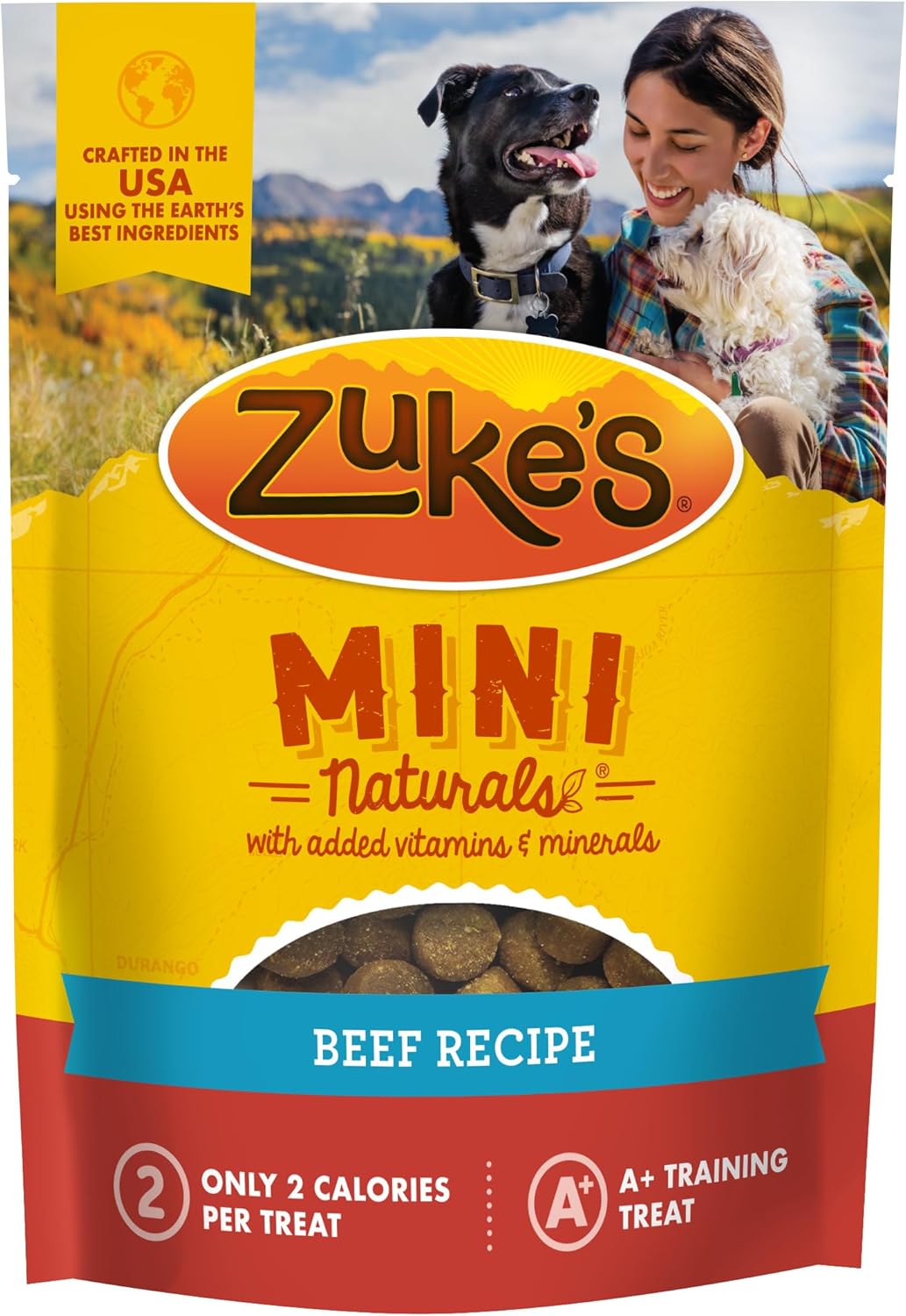
| Best Budget Tastiest Treat for Training An inexpensive training-friendly treat that still tastes great to dogs | Zuke's Mini Naturals Beef 6 oz |  |
| Best Premium Tastiest Treat A higher-end treat focused on superior ingredients and flavor | JustFoodForDogs JustChicken Dog Treats 5 oz |  |
| Best Low-Calorie Tastiest Treat Very low-calorie options suitable for frequent training rewards and dieting dogs | Good 'N' Tasty Wag-A-Toni Bites 12 oz |  |
| Best Small-Bite Tastiest Treat Tiny, quick-to-eat pieces made specifically for rapid training repetition | Blue Buffalo BLUE Bits Beef 11 oz |  |
| Best Soft-Texture Tastiest Treat Soft, moist treats that are easy to chew and quick to consume | Bil-Jac Little-Jacs Soft Training Treats 16oz |  |
| Best High-Protein Tastiest Treat Protein-forward treats that appeal to dogs and support active metabolisms | Stewart Freeze Dried Beef Liver Treats 4 oz |  |
Pupford Freeze Dried Training Treats 4 oz
Best Overall Tastiest Treat for Training

| Flavor | Beef |
|---|---|
| Item Form | Pellet |
| Unit Count | 4 Ounce |
| Ingredients | Beef Liver, Beef Heart, Mixed Tocopherols (Natural Antioxidant) |
These freeze-dried beef liver treats are made from just a few natural ingredients and are built for everyday training. The pellets are bite-sized and lightweight so you can give multiple rewards in a short session without overfeeding, and the dry texture keeps hands and treat pouches clean during walks, classes, or clicker work. Because they are essentially meat, they are highly motivating for most dogs and work well for shaping behaviors, recall practice, and reward-based training. The simple ingredient list and low calorie profile also make them a reasonable choice for dogs with sensitive stomachs or owners tracking intake. Limitations include the small 4 ounce pouch, which will be used up quickly with frequent sessions, and the single-flavor profile may not suit dogs that need stronger variety to stay interested long term.
Best for: Trainers who want a simple, highly motivating everyday reward that stays mess free and supports frequent, low-calorie reinforcement.
Less Ideal for: People looking for large bulk quantities or multiple flavor mixes for long-term variety should consider larger or multi-flavor packs.
- Single-ingredient, natural meat formula that boosts motivation
- Freeze-dried, low-odor pellets that do not make hands or pockets messy
- Small, bite-sized pieces suitable for rapid repetition during training
- Low calorie so you can reward frequently without large calorie load
- Small 4 oz pouch can be depleted quickly with heavy training use
- Only one flavor option in this listing limits variety for picky dogs
Verdict: The best overall tasting training treat that balances flavor, easy portioning, and quick rewards to keep dogs motivated during sessions.
Zuke's Mini Naturals Beef 6 oz
Best Budget Tastiest Treat for Training
| Flavor | Beef |
|---|---|
| Unit Count | 6 Ounce |
| Item Form | Treats |
| Target Species | Dog |
Zuke's Mini Naturals Beef are bite-sized, soft training treats made with real beef as the first ingredient and a few simple additions like cherries and oats. They are designed for frequent rewards during sessions or outings: each treat has about 2 calories, a chewy texture that dogs find easy to eat quickly, and a resealable pouch for on-the-go use. The formula avoids corn, wheat, and soy and lists added vitamins and minerals, which supports using many small rewards without heavily increasing daily calories. Practical strengths are the palatable beef-forward flavor, small portion size for repetitive training, and the convenient pouch. Limitations include a simple ingredient list that contains glycerin and cane sugar, so owners aiming for ultra-low-sugar or single-ingredient options may prefer alternatives, and the 6 oz pouch is modest in volume if you train frequently and need bulk. For routine clicker work, leash training, or high-repetition reward drills these treats deliver tasty, low-calorie reinforcement in a portable package.
Best for: Owners who need many low-calorie, tasty rewards for frequent training sessions and value portability and straightforward ingredients.
Less Ideal for: People seeking single-ingredient, no-sugar treats or bulk packaging for extremely high-volume training should consider other options.
- Real beef listed as the first ingredient for strong palatability
- About 2 calories per treat, suitable for high-frequency training
- Soft, chewy texture dogs can eat quickly during sessions
- Resealable 6 oz pouch keeps treats fresh and is easy to carry
- Contains cane sugar and glycerin, so not a single-ingredient or no-sugar option
- 6 oz pouch may be small for owners who train very frequently or need bulk supplies
Verdict: The best low-cost training treat for owners who need lots of tasty rewards without sacrificing palatability or basic ingredient quality.
JustFoodForDogs JustChicken Dog Treats 5 oz
Best Premium Tastiest Treat

| Flavor | Chicken |
|---|---|
| Item Form | Treats |
| Unit Count | 5 Ounce |
| Age Range Description | All Life Stages |
| Specific Uses For Product | Behavior, Coat, Skin, Stomach, Weight |
These treats are thin strips of real chicken breast dried into a chewy, semi-crisp jerky that works well as a high-value training reward or an everyday healthy snack. They are single-ingredient, human-grade chicken breast with no preservatives, fillers, artificial colors, or growth hormones, which makes them easy to feed to dogs with sensitivities and straightforward to track in an elimination diet. The resealable pouch helps keep portions fresh and the low-calorie profile is convenient for reinforcing behavior without adding many extra calories. Texture is appealing to most dogs and breaks into small pieces for training sessions, though because they are real meat they can be softer or more pliable than baked crunchy treats and may not last as long for very enthusiastic chewers. Packaging is pantry-stable but should be stored in a cool, dry place after opening. If you want a simple, high-quality meat-only treat with a gourmet ingredient list, these deliver the expected flavor and simplicity.
Best for: Pet owners who prioritize clean, transparent ingredient lists and want a human-grade, single-protein treat for training, allergy management, or everyday healthy rewards.
Less Ideal for: Owners seeking long-lasting chew toys or large bulk packs for frequent dispensing should consider firmer or higher-quantity alternatives.
- Single-ingredient recipe (100% chicken breast) suitable for dogs with food sensitivities
- Human-grade sourcing and no artificial colors, preservatives, or growth hormones
- Resealable 5 oz pouch for freshness and easy portioning
- Low-calorie, high-protein formulation appropriate for training and weight management
- Real-meat texture can be softer and less long-lasting than baked or hard chews
- Small 5 oz pouch may require frequent repurchasing for multi-dog households
Verdict: The best premium tasty treat for owners willing to pay more for gourmet ingredients, intense flavor, and careful sourcing.
Good 'N' Tasty Wag-A-Toni Bites 12 oz
Best Low-Calorie Tastiest Treat

| Unit Count | 12 Ounce |
|---|---|
| Item Form | Bone |
| Age Range Description | All Life Stages |
| Special Ingredients | Chicken, Chicken Liver, Peanut Butter |
| Allergen Information | Soy Free |
Good 'n' Tasty Wag-A-Toni Bites are bite-sized, pasta-shaped training treats meant for frequent rewarding without a big calorie hit. Dogs get a crunchy bone/macaroni-shaped snack made with real chicken, chicken liver, and peanut butter and the recipe avoids artificial flavors and colors from artificial sources. They are small and low calorie, which makes them handy for pocket storage and repeated on-the-spot reinforcement during training sessions. The bagged format and bite-size pieces work well for leash walks, clicker training, and multiple short training reps. Ingredients include wheat flour and peas, so these are not grain-free and contain common allergens for some dogs, and they are intended as supplemental feeding only; the manufacturer recommends keeping treats under 10% of daily calories and supervising chewers that swallow whole. For trainers wanting a flavorful, economical low-calorie option, these deliver consistent crunchy rewards, but owners of dogs on restrictive diets or with specific ingredient sensitivities should check the ingredient list first.
Best for: Trainers and owners who need an affordable, flavorful low-calorie reward to give many small treats during sessions without adding excessive calories.
Less Ideal for: Dogs on grain-free or ingredient-restricted medical diets and owners who require single-ingredient or hypoallergenic treats should consider alternatives.
- Low calorie formulation suitable for frequent rewards
- Bite-sized pasta-shaped pieces that are easy to carry and dispense
- Uses real chicken, chicken liver, and peanut butter for strong palatability
- No artificial flavors or colors from artificial sources listed
- Contains wheat and other common ingredients so not suitable for grain-free or highly sensitive diets
- Made for intermittent supplemental feeding and not intended as a meal replacement
Verdict: The best low-calorie tasty treat for trainers who need to give frequent rewards without adding excess calories to a dog’s diet.
Blue Buffalo BLUE Bits Beef 11 oz
Best Small-Bite Tastiest Treat

| Flavor | Beef |
|---|---|
| Item Form | Semi Moist |
| Unit Count | 11 Ounce |
| Age Range Description | All Life Stages |
| Allergen Information | Corn-Free, Soy Free, Wheat Free |
BLUE Bits are soft, moist, heart-shaped training treats made with real beef as the first ingredient and formulated for quick, repeatable rewards during training. They come in an 11-ounce bag of small, tender morsels that are easy to break or hand out rapidly, and DHA from fish oil is included to support cognitive development in puppies and older dogs. The recipe lists wholesome grains like oatmeal and brown rice and excludes corn, wheat, and soy while avoiding poultry by-product meals and some artificial preservatives. Practically, their texture and small size mean you can run through many repetitions without filling your dog up or slowing lessons, and the moisture helps dogs with sensitive teeth or older mouths. On the downside the bag is a single 11-ounce pouch, so heavy trainers will go through it quickly and may want to store portions to keep treats fresh. Also the ingredient list includes cane sugar and glycerin, so owners watching strict low-sugar routines should consider that when using these as frequent rewards.
Best for: Buyers who run frequent, fast-paced training sessions and need small, highly palatable rewards that can be delivered with minimal interruption.
Less Ideal for: Owners who prefer bulk, economy-sized training treats for prolonged sessions or strict no-sugar ingredient profiles should consider alternate options.
- Small, soft morsels designed for rapid, repeatable training rewards
- Real beef is the first ingredient for strong palatability
- Includes DHA to support cognitive development
- Free from corn, wheat, soy and poultry by-product meals
- 11-ounce single bag can be consumed quickly by frequent trainers
- Contains cane sugar and vegetable glycerin, so not ideal for no-sugar feeding plans
Verdict: The best small-bite tasty treat for training sessions that require rapid reinforcement and minimal interruption between repetitions.
Bil-Jac Little-Jacs Soft Training Treats 16oz
Best Soft-Texture Tastiest Treat

| Flavor | Liver |
|---|---|
| Unit Count | 16 Ounce |
| Item Form | Chunk |
| Calorie Count | < 3 kcals / treat |
Bil-Jac Little-Jacs are soft, bite-sized liver treats designed specifically for training and frequent rewarding. Packaged in a 16-ounce bag, each morsel is made with real chicken liver as the primary ingredient and contains under 3 calories per treat, which makes them suitable for repeated use during short training sessions. The soft, chewy texture resists crumbling in a pocket and is easy for puppies, seniors, or dogs with sensitive teeth to chew. They are marketed as limited-ingredient, with no poultry by-product meals and added preservatives for shelf stability, so they hold up through multiple training sessions without becoming messy. The strong liver aroma and flavor make them highly motivating for many dogs, though dogs with dietary sensitivities to the listed preservatives or grains should be checked against the ingredient list. The bag format gives plenty of treats for longer courses of training, but portion control is still needed to avoid overfeeding across the day. Overall these treats excel as a moist, low-calorie training reward for dogs that need an easy-to-chew option.
Best for: Dog owners running frequent short training sessions who need a moist, highly palatable reward that is easy for puppies, seniors, or dogs with sensitive teeth to eat.
Less Ideal for: Owners seeking a preservative-free or grain-free treat option for dogs with specific food allergies should look for specialized formulations instead.
- Very low calorie per treat for frequent rewarding (<3 kcals)
- Soft, moist texture that is easy for puppies and senior dogs to chew
- Real chicken liver listed as the first ingredient for strong palatability
- Bagged 16 oz size provides a large supply for extended training sessions
- Contains preservatives and grain ingredients that may not suit dogs with specific allergies
- Strong liver aroma may be too intense for some handlers to carry in pockets
Verdict: The best soft-texture tasty treat for puppies, seniors, or dogs that need an easily chewable, fast-reward option during training.
Stewart Freeze Dried Beef Liver Treats 4 oz
Best High-Protein Tastiest Treat

| Flavor | Beef Liver |
|---|---|
| Item Form | Freeze Dried |
| Unit Count | 4 Ounce |
| Target Species | Dog |
These Stewart freeze-dried beef liver morsels are a concentrated, single-ingredient treat designed to grab attention during training or to top meals. The pieces are lightweight and highly aromatic because they are 100% beef liver and freeze-dried to preserve flavor and nutrients, which makes them easy to carry in a pocket or bag for quick rewards. The tub is resealable to help maintain freshness and the size yields roughly 90 small pieces per 4 oz container, so you can give tiny portions during repeated training sessions without overfeeding. Because they are single-ingredient, grain-free, and non-GMO, they work well for pets with simple-diet needs or sensitivities. Expect some powdery residue from the freeze-drying process that can make storage areas slightly dusty and the strong liver smell may be intense in small spaces, which is exactly why picky or performance dogs respond so well. The product is not rehydrated and is meant as a topper or reward rather than a balanced meal on its own.
Best for: Owners who need a compact, intensely flavored reward that reliably motivates picky or performance-focused dogs during frequent training sessions.
Less Ideal for: People seeking multi-ingredient or rehydrating treats intended as a primary meal replacement should look elsewhere.
- Single-ingredient 100% beef liver for strong aroma and flavor
- Freeze-dried to lock in nutrients and make pieces lightweight and shelf-stable
- Resealable tub keeps treats convenient and portable for training
- Versatile use as a high-value reward or meal topper for dogs and cats
- Grain-free, gluten-free, and free of artificial colors or flavors
- Strong liver odor can be overpowering in confined spaces
- Powder from freeze-dried pieces can be messy on hands or surfaces
Verdict: The best high-protein tasty treat for owners seeking more meat-focused rewards that help satisfy active dogs and support lean muscle.
Choosing the Right Tastiest Dog Treat Training: Key Factors to Consider
Flavor Intensity
How strongly a treat smells and tastes will often determine whether it functions as a high-value reward during training. Dogs working on challenging cues or in distracting environments need treats with pronounced aroma and rich flavor to keep focus. Strong flavor helps in early stages of learning and in value-shift situations, such as switching from low-distraction to high-distraction settings.
When treats lack sufficient intensity you may need to give multiple rewards or resort to praise alone, both of which slow progress. For consistent performance choose treats with concentrated flavors that are noticeable on first sniff and small enough to be delivered rapidly between repetitions.
Portion Size and Texture
Bite-size pieces let you reward many repetitions without overfeeding. Thin, soft textures are fastest to chew and swallow, which reduces downtime between trials and keeps training momentum. Hard or bulky treats interrupt pacing because dogs spend longer consuming them and you lose teaching opportunities.
Consider how a treat breaks apart when you need micro-rewards; some options compress easily so you can split a piece into several tiny rewards. Texture also affects how long the reward holds a dog's interest and whether it is suitable for continuous-reward phases.
Ingredient Profile and Digestibility
Frequent reinforcement means treats may make up a significant portion of daily caloric intake during training. Simple ingredient lists with identifiable protein sources and limited fillers reduce the chance of gastrointestinal upset. High-quality protein often boosts palatability and provides better nutritional value per calorie.
Dogs with food sensitivities benefit from single-protein or limited-ingredient treats. Always factor in your dog's total daily calories and choose treats formulated for frequent use or labeled for training to help maintain overall diet balance.
Convenience and Storage
Treat packaging that preserves freshness and aroma makes training more reliable over time. Resealable pouches, airtight containers, or individually portioned pieces prevent treats from drying out and losing scent. Products that are easy to carry and access during sessions reduce fumbling and keep your attention on the dog.
Consider whether the treat requires refrigeration or special handling. For handlers who train on the go, compact and spill-proof options improve consistency and reduce waste.
Versatility for Different Training Contexts
Effective training treats work across contexts: low-distraction indoor practice, outdoor fieldwork, and high-distraction public environments. Some treats are excellent for close-quarter reinforcement but not durable enough for long outdoor sessions, while others maintain appeal in noisy settings.
Choose treats that can be used for both continuous reinforcement and intermittent high-value rewards. Versatile treats allow you to shape behavior with many small rewards and then transition to variable reinforcement schedules without changing the reward system.
Calorie Density and Dietary Impact
Calorie-dense treats are powerful motivators but can add up quickly when given repeatedly. You should balance reward frequency with your dog's overall caloric needs to avoid unwanted weight gain. Low-calorie but flavorful options are useful for high-volume training days or for dogs that need strict weight management.
Track how many treats you use per session and choose lower-calorie pieces or subdividable treats if you train many repetitions. Consider using portions of your dog's regular kibble as low-value rewards in conjunction with tastier options for high-value reinforcement.
How Do I Use Treats for Clicker and Marker Training?
Mark-and-reward systems rely on precise timing, so deliver the treat immediately after you mark the correct response. Use very small, highly palatable pieces so your dog can eat quickly and return attention to the next repetition.
Keep treats within easy reach in a pocket or pouch so you can maintain a steady rhythm. During early shaping phases favor the most flavorful pieces; as behavior becomes reliable, you can reduce portion size or shift to intermittently rewarding with larger pieces.
- Use soft or semi-moist pieces that are quick to chew
- Keep a dedicated pouch to avoid fumbling
- Start with continuous reinforcement then thin rewards gradually
What to Do when Treats Lose Their Novelty
If a treat becomes less motivating, rotate in a different high-value option for that session or reserve the top-tier flavors for only the hardest behaviors. Novelty can be preserved by only using the most enticing treats for proofing in high-distraction situations.
You can also switch textures or warm a treat briefly to enhance aroma. Avoid overusing the same reward type every session to maintain responsiveness when it matters most.
- Rotate flavors between sessions
- Reserve the highest-value treats for the most challenging cues
- Use scent enhancement like briefly warming to renew interest
Can I Use Training Treats for Puppies and Senior Dogs?
Puppies and seniors often need softer, easily chewed treats. For puppies, small, nutrient-appropriate pieces help avoid filling them up too quickly and interfering with balanced meals. For seniors, softer textures protect dental comfort and make swallowing easier.
Adjust portion sizes and frequency based on life stage and veterinary guidance. For both groups, choose treats with simple ingredient lists and monitor for digestive sensitivity after introducing a new option.
- Choose soft, small pieces for puppies and seniors
- Monitor caloric intake relative to daily food
- Introduce new treats gradually and watch for upset
How to Balance Treat Rewards with Non-food Reinforcement
Food drives quick learning, but combining treats with praise, play, or toy rewards creates a durable reward system. Use treats to establish the behavior and then layer in non-food rewards as part of a variable reinforcement schedule.
This approach preserves treat value and reduces dependence on food while still offering powerful motivation when needed. Tailor the mix of rewards to your dog's preferences and the specific behavior you are teaching.
- Start with treats, then gradually add praise or play
- Use toys for high-energy dogs as occasional high-value rewards
- Switch to intermittent treat delivery to maintain response rates
Practical Tips for Carrying and Portioning Treats
Use small resealable bags or a training pouch with compartments to keep portions accessible. Pre-portioning pieces into single-reward sizes before a session saves time and prevents overfeeding. For very small dogs, break pieces into micro-rewards to allow more repetitions.
Consider a dedicated pocket or belt clip so you always have treats available during walks or training classes. Avoid bulky containers that slow you down or create awkward handling during timing-sensitive training.
- Pre-portion treats into single-use amounts
- Carry a pouch that allows hands-free access
- Use micro-rewards for tiny breeds or high-repetition sessions
How We Chose the Best Tastiest Dog Treat Training
We prioritized treats that make training efficient and repeatable, using criteria that reflect real-world session needs. First, flavor intensity: treats needed a strong palatability profile that typically prompts immediate attention and engagement during short reinforcement windows. Second, bite size and texture: options had to allow quick mouth delivery and easy chewing so you can mark and reward without long interruptions. Third, ingredient simplicity and digestibility: we favored treats with recognizable primary ingredients and minimal fillers to reduce the risk of stomach upset during frequent use. Fourth, shelf life and storage: treats that maintain aroma and texture after opening are more reliable for ongoing training programs. Fifth, versatility across rewards: we looked for treats that work for lure, clicker, and marker training as well as for use in high-distraction environments. We excluded novelty treats designed solely for single-use enrichment or very large chew items that are unsuitable for on-the-spot reinforcement. We also filtered out treats with irregular portion sizes that interrupt pacing. The final list emphasizes consistent performance in real training scenarios and treats that support progressive learning without introducing unnecessary dietary complexity.
Our full evaluation process is outlined in our review methodology.
FAQ
How many treats should I give during a training session?
It often depends on session length and your dog's size. Short sessions of 5 to 10 minutes may use many small treats; monitor total calories and aim for brief, frequent rewards rather than large single pieces. For heavier use, choose low-calorie options or split larger treats into multiple micro-rewards.
Are soft or hard treats better for training?
Soft treats are usually better because they are faster to eat and reduce downtime between repetitions. Hard treats may be useful for occasional high-value rewards but are less practical for rapid, repeated reinforcement.
Can I use regular kibble as training treats?
Kibble can work for low-value behaviors or for maintenance training, especially if your dog finds it motivating. For challenging cues or high-distraction environments, higher-flavor treats are more effective.
How do I prevent weight gain when treating frequently?
Track the number of treats given and account for them in your dog's daily caloric allotment. Use lower-calorie treats or reduce meal portions on heavy training days. Splitting a single treat into multiple micro-rewards also helps control calorie intake.
What if my dog refuses a new treat?
Try a different texture or warming the treat briefly to increase aroma. Introduce new treats alongside a familiar reward so the dog associates the new item with positive outcomes. If refusal continues, try a different flavor profile or consult your veterinarian for dietary guidance.
Final Verdict
Prioritize treats that are highly palatable, easily portioned, and appropriate for the dog's life stage and dietary needs. Strong flavor and fast-to-eat textures make training sessions more efficient, while thoughtful portion control prevents excess calories. Consider storage and portability so you can reward consistently across different environments. Ultimately, choose treats that let you deliver many small, timely rewards and that support a gradual transition from continuous to intermittent reinforcement for lasting behavior change.

