

If your Maltese puppy is developing reddish-brown tear stains you want options that address the underlying causes without upsetting a sensitive gut. The right puppy food can reduce dietary triggers for staining, support healthy tear production, and improve coat condition while meeting growth needs. This guide shortlists the top foods for Maltese puppies prone to tear staining. Each pick was chosen for ingredients and digestibility that matter for tear-stain control, plus nutrient balance for growing small-breed puppies. Read on to see the evaluation criteria and find a starter food that fits your puppy's needs.
Top Picks at a Glance
| Best Overall Food The best all-around formula that fits most Maltese puppies | Hill's Science Diet Puppy Small Bites |  |
| Best Budget Food A low-cost formula that still meets basic puppy nutritional needs | Blue Buffalo Baby BLUE Puppy Small Breed |  |
| Best Premium Food A higher-end formula with superior ingredients and nutrient profile | Royal Canin X-Small Puppy 14 lb |  |
| Best Puppy Food Formulated specifically for growing puppies with appropriate nutrient balance | Royal Canin Small Puppy Dry Dog Food 4 lb |  |
| Best Grain-Free Food A recipe without grains for puppies with grain sensitivities | Nature's Protection Superior Care Puppy Salmon 22 lb |  |
| Best Limited-Ingredient Food A simplified ingredient list to reduce potential food triggers | Purina Pro Plan Puppy Sensitive Salmon 4 lb |  |
| Best Digestive Support Food Formulas focused on gut health, probiotics, and gentle proteins | Hill's Science Diet Puppy Small & Mini |  |
Hill's Science Diet Puppy Small Bites
Best Overall Food
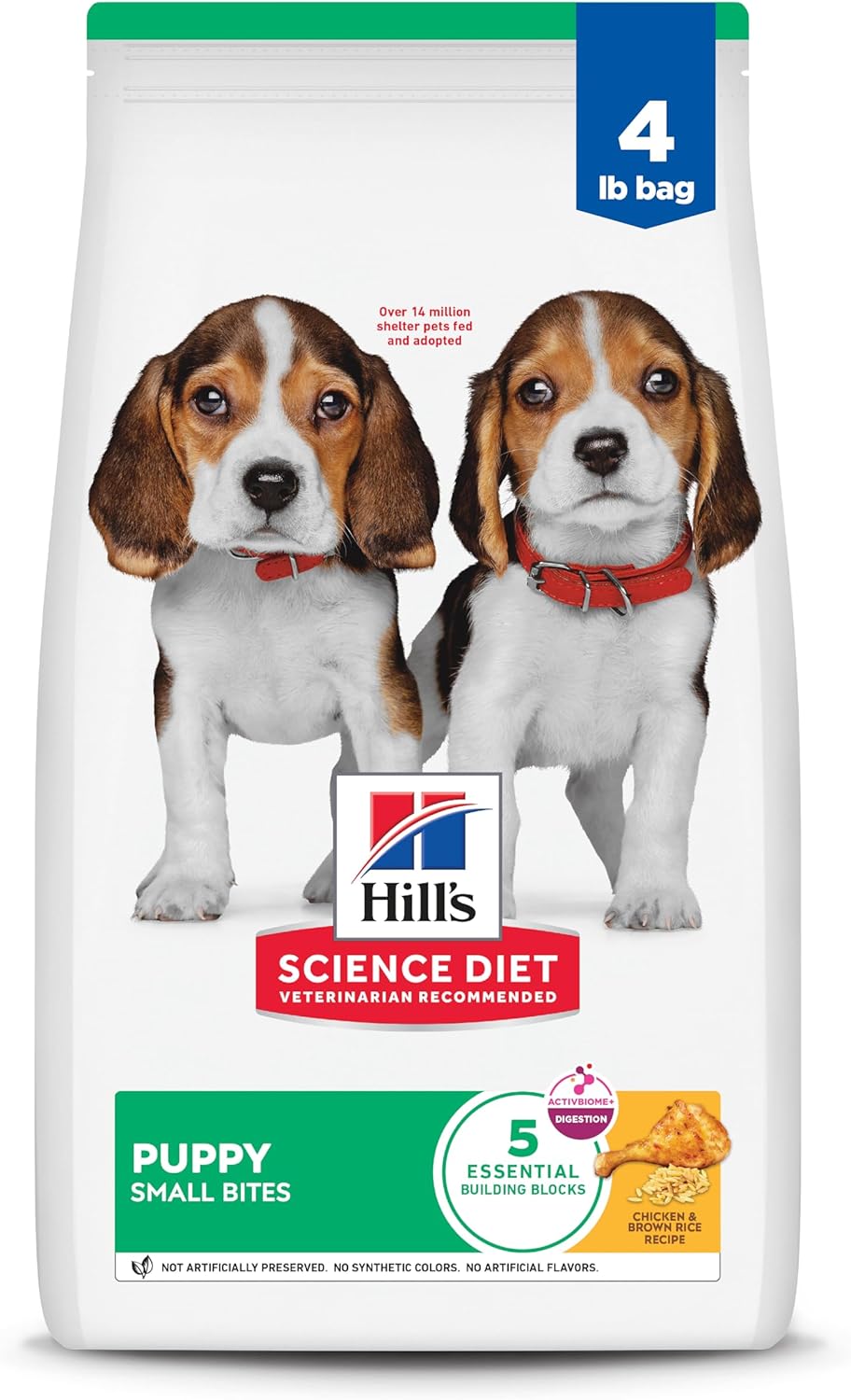
| Flavor | Chicken & Brown Rice |
|---|---|
| Age Range | Puppy |
| Dog Breed Size | Small |
| Unit Count | 72 Ounce |
Hill's Science Diet Puppy Small Bites is a dry puppy food made with small kibble sized for puppies and small-breed mouths and formulated to support growth, digestion, and developing systems. It is typically fed as a daily diet for puppies and can be introduced gradually over a week when switching foods. Notable features include chicken as the primary ingredient, brown rice and whole grains for energy, a blend of vitamins and minerals to support muscle, bone, brain and eye development, and ActivBiome+ prebiotic fibers to support gut microbiome health. Practical benefits are easy chewing for small mouths, nutrient balance targeted at growing puppies, and guidance from feeding charts on the package. Limitations are that the ingredient list includes common allergens like chicken and whole grains, so it may not suit puppies with specific protein or grain sensitivities, and the formula is a standard puppy recipe rather than a limited-ingredient or hypoallergenic prescription diet for pronounced skin sensitivities. The kibble size and nutrient focus make it a convenient everyday option for small-breed puppies that tolerate chicken and grain ingredients.
Best for: Buyers looking for an everyday growth-focused puppy kibble sized for small mouths and aimed at supporting development and digestive health.
Less Ideal for: Puppies with diagnosed food allergies, persistent skin reactions, or owners seeking a veterinary hypoallergenic or grain-free prescription diet should consider specialized alternatives.
- Small, bite-sized kibble designed for puppies and small breeds
- Formulated with DHA and fish oil to support brain and eye development
- Includes prebiotic fiber blend (ActivBiome+) to support digestion
- Balanced vitamins and minerals to support bone, muscle and immune development
- Contains common protein and grain ingredients that can trigger sensitivities in some puppies
- Not a limited-ingredient or veterinary hypoallergenic prescription formula
Verdict: The best overall food balances optimal nutrition, palatability, and ingredient quality to address general health and reduce tear-stain contributors for most Maltese puppies.
Blue Buffalo Baby BLUE Puppy Small Breed
Best Budget Food

| Flavor | Chicken & Oatmeal |
|---|---|
| Age Range Description | Puppy |
| Breed Recommendation | Small Breeds |
| Crude Protein | 29.0% min. |
| Crude Fat | 17.0% min. |
Blue Buffalo Baby BLUE Small Breed Puppy is a dry kibble formulated to support the growth and development of small-breed puppies. It uses deboned chicken as the first ingredient and includes chicken meal, DHA and ARA for cognitive and retinal development, plus LifeSource Bits of vitamins and antioxidants to support immune health. The recipe lists higher protein and fat levels appropriate for energetic young dogs and includes sources of omega fatty acids for skin and coat support. Typical use is daily feeding using the package feeding chart and adjusting for activity and body condition; the kibble is sized and calorie-dense for small mouths and faster metabolisms. It avoids corn, wheat, soy and poultry by-product meals, which can help owners seeking simpler ingredient sets. Limitations for the hypoallergenic pick: the formula contains common proteins like chicken and multiple grains such as oatmeal and barley, so it is not strictly single-protein or grain-free for puppies with confirmed meat or grain allergies. The bag size and ingredient list make this an easy-to-feed, nutrient-forward option for small-breed pups without strict protein or grain sensitivity.
Best for: Small-breed puppy owners who want a nutrient-dense, bite-sized kibble that supports growth and cognitive development without corn, wheat or soy.
Less Ideal for: Owners whose puppies have confirmed chicken or multi-grain sensitivities or who require a strictly single-protein or grain-free hypoallergenic diet.
- Real deboned chicken listed as first ingredient for high-quality protein
- Includes DHA and ARA to support brain and eye development
- LifeSource Bits provide added vitamins, minerals and antioxidants for immune support
- Formulated with smaller, calorie-dense kibble suitable for small mouths and metabolisms
- No corn, wheat, soy, or poultry by-product meals
- Contains chicken and multiple grains so it is not suitable as a single-protein or grain-free hypoallergenic formula
- Only available in a 4 lb bag in this listing which may require more frequent repurchases for multi-puppy households
Verdict: The best budget food provides complete, balanced nutrition appropriate for puppies while minimizing cost for owners on a tighter budget without sacrificing essential nutrients.
Royal Canin X-Small Puppy 14 lb
Best Premium Food

| Age Range | Puppy |
|---|---|
| Breed Recommendation | X-Small Breeds |
| Item Form | Pellet |
| Package Size Name | 14 lb |
Royal Canin X-Small Puppy is a dry kibble made specifically for extra-small breed puppies expected to weigh no more than about 8 pounds as adults. The formula uses very small, crunchy kibble designed for tiny mouths and is intended for puppies roughly 2 to 10 months old. Key practical features include DHA and omega-3s for brain development, antioxidants for immune support, prebiotics and highly digestible proteins to promote healthy digestion, and a kibble texture that mixes well with Royal Canin wet puppy foods for variety. In everyday use it serves as a complete primary diet for toy-breed puppies and can help ease chewing and feeding for small-jawed breeds like Yorkie Poos. Limitations to consider are the ingredient list, which includes common cereal ingredients and chicken by-product meal rather than single-source novel proteins, so dogs with specific ingredient sensitivities may need an alternative. The product is focused on nutrition tailored by breed size rather than being a limited-ingredient or grain-free option.
Best for: Buyers seeking a balanced, size-tailored puppy diet for toy or extra-small-breed puppies who prioritize easy-to-chew kibble and targeted growth support.
Less Ideal for: Owners who need a limited-ingredient, novel-protein, or grain-free formula for diagnosed food allergies should consider alternative specialty diets.
- Extra-small kibble size suitable for tiny mouths and easy chewing
- Formulated for growth with DHA and omega-3s for brain development
- Includes antioxidants and prebiotics to support immunity and digestion
- Mixes well with complementary Royal Canin wet puppy foods for meal variety
- Uses chicken by-product meal and common grains rather than single novel protein sources
- Not formulated as a limited-ingredient or grain-free diet for dogs with food sensitivities
Verdict: The best premium food is for owners willing to pay more for higher-quality ingredients, targeted nutrient ratios, and manufacturing standards that may reduce tear-stain triggers.
Royal Canin Small Puppy Dry Dog Food 4 lb
Best Puppy Food

| Flavor | Chicken |
|---|---|
| Age Range Description | Puppy |
| Specific Uses For Product | Brain Health, Digestive Health, Immune Support |
| Item Form | Pellet |
| Package Size Name | 4 lb |
Royal Canin Small Breed Puppy Dry Dog Food is a targeted kibble made for 2-to-10-month-old puppies expected to reach about 9–22 pounds as adults. The formula combines small, crunchy kibble with nutrients sized and balanced for small mouths and higher energy needs, delivering DHA and omega-3s for brain development plus antioxidants for immune support. It also includes prebiotics and highly digestible proteins to promote steady digestion during rapid growth. Owners typically feed this as a primary dry diet or mix with the brand's wet thin-slices for variety during transition periods. Practical benefits include thoughtfully portioned kibble texture that encourages chewing and a nutrient profile tuned for small-breed metabolism. Limitations are that the formula contains ingredients like chicken by-product meal, grains, and fish, so buyers seeking grain-free or single-protein limited-ingredient diets will need alternatives, and puppies with specific allergies to listed allergens should avoid it. Packaging is a standard bag so expect typical storage needs to maintain freshness.
Best for: Buyers with small-breed puppies who need a nutrient-dense dry food with appropriately sized kibble and focused support for growth and digestion.
Less Ideal for: Owners seeking grain-free, single-source protein, or hypoallergenic limited-ingredient formulas should consider other options.
- Small, crunchy kibble sized for puppies with small mouths
- Includes DHA and omega-3s to support brain development
- Prebiotics and highly digestible proteins help support digestion
- Antioxidants such as vitamins E and C for immune support
- Contains multiple common allergens and grain ingredients, not grain-free
- Uses chicken by-product meal rather than single whole-protein labeling
Verdict: The best puppy food is tailored to the developmental needs of young dogs, offering the right calories, DHA, and protein levels to support growth and coat health.
Nature's Protection Superior Care Puppy Salmon 22 lb
Best Grain-Free Food

| Flavor | Salmon |
|---|---|
| Age Range Description | Baby |
| Item Form | Pellet |
| Animal Food Diet Type | Limited Ingredient |
| Unit Count | 352 Ounce |
This 22 lb bag of Nature's Protection Superior Care Puppy is a grain-free salmon formula made for the first months of life and aimed at supporting digestion, skin and coat development. It uses salmon as the sole protein source plus salmon oil and flaxseed to provide omega fatty acids, and includes added vitamins and minerals and DHA for brain and growth support. The kibble is small and designed for easy chewing by young pups and the formula lists ingredients and supplements intended to reduce tear staining and support clear tear and saliva composition for light-coated breeds. In practice you can use this as a sole dry diet during the starter period and follow the bag's gradual-transition feeding schedule; it is positioned for puppies up to about four months though dosing guidance covers older ages. Limitations: the recipe is calorie- and fat-moderate rather than hypoallergenic to all novel-protein intolerances, and owners should watch portion sizes when switching from milk or another food to avoid digestive upset. Also the formulation claims targeted coat benefits but individual results for tear staining will vary with genetics and grooming.
Best for: Owners who prioritize grain-free, limited-ingredient starters for puppies—especially those with sensitive digestion or light-coated breeds where tear staining is a concern.
Less Ideal for: Households seeking a long-term adult diet or those needing a veterinary-prescribed hypoallergenic formula for confirmed food allergies should choose a different product.
- Single animal protein source (salmon) reduces exposure to multiple proteins
- Grain-free formulation and limited-ingredient positioning for sensitive digestion
- Includes salmon oil and flaxseed for omega fatty acids that support skin and coat
- Small kibble size suited to young puppies and easier transition from milk to dry food
- Formulated for starter-stage puppies up to 4 months so longer-term feeding requires switching to appropriate life-stage formulas
- Not a guaranteed solution for tear staining because results depend on genetics, grooming, and other factors
Verdict: The best grain-free food suits puppies with grain sensitivities or owner preferences, replacing grains with alternative carbohydrates while still delivering complete puppy nutrition.
Purina Pro Plan Puppy Sensitive Salmon 4 lb
Best Limited-Ingredient Food

| Flavor | Salmon & Rice |
|---|---|
| Item Form | Dry |
| Manufacturer recommended age | 1 month and up |
| Unit Count | 64 Ounce |
Purina Pro Plan Sensitive Skin & Stomach Puppy Salmon & Rice is a dry puppy formula designed to support digestive health and skin development in young dogs. It uses real salmon as the first ingredient and includes rice and other easily digestible carbohydrates to help maintain stool quality, while added live probiotics and natural prebiotic fiber promote healthy gut bacteria. The formula also supplies DHA from fish oil for brain and vision development, omega-6 fatty acids and vitamin A for skin and coat, and a blend of vitamins and minerals for overall growth. In everyday use you would feed smaller, frequent meals for young puppies and follow the gradual transition guidance to avoid upset tummies. Practical strengths are the focus on digestive tolerance and targeted nutrients for growth, but the 4 lb bag size means more frequent repurchase for multi-puppy households and the recipe is not grain-free. For buyers prioritizing a high-fiber, probiotic-supported puppy diet that still delivers complete growth nutrition, this is a reliable option.
Best for: Pet owners who want a balanced, growth-focused puppy food that emphasizes digestive tolerance and gut support for everyday feeding.
Less Ideal for: Owners specifically seeking grain-free or limited-ingredient elimination diets should consider alternative formulas designed for those needs.
- Real salmon as the first ingredient for animal protein and omega fatty acids
- Guaranteed live probiotics plus natural prebiotic fiber to support digestion
- Includes DHA from fish oil to support brain and vision development
- Formulated to nourish skin and coat with omega-6s and vitamin A
- 4 lb bag may require frequent replacement for larger or multiple puppies
- Contains grains so not suitable for owners seeking grain-free recipes
Verdict: The best limited-ingredient food minimizes protein and carbohydrate sources to help identify or avoid ingredients that may contribute to tear staining or digestive upset.
Hill's Science Diet Puppy Small & Mini
Best Digestive Support Food
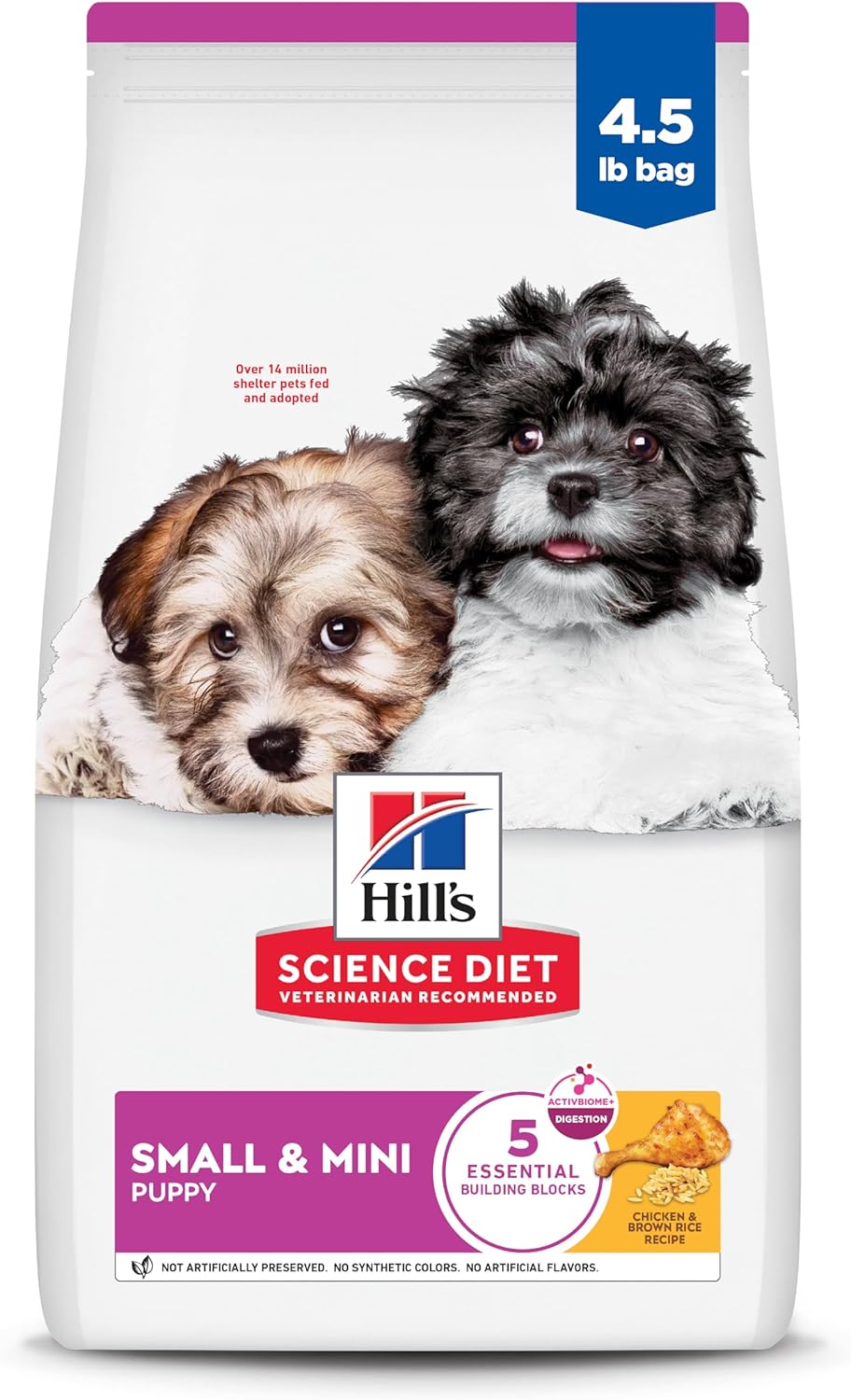
| Flavor | Chicken & Brown Rice |
|---|---|
| Age Range Description | Puppy |
| Specific Uses For Product | Small & Mini Breeds Puppy Premium Nutrition |
| Unit Count | 72 Ounce |
Hill's Science Diet Puppy Small & Mini is a dry kibble formulated specifically for toy and small-breed puppies, combining concentrated calories, high-quality proteins, and nutrients aimed at early development. The small nibble size and calorie density make it convenient for frequent small meals and help meet the higher metabolic needs of little puppies. Notable features include DHA and fish oil for brain and eye development, balanced minerals to support growing bones and teeth, a special antioxidant blend for immune support, and prebiotic fibers to aid digestion. In practice the food is used as a complete diet from weaning through the puppy stage with feeding amounts adjusted to body condition; the bag includes feeding guidelines and the manufacturer recommends transitioning over seven days. Limitations are that the ingredient list includes grains and several plant proteins, so owners preferring grain-free or novel-protein formulas for allergy management may need alternatives, and the 4.5 lb bag size may require frequent repurchasing for multi-puppy households. For most small-breed puppies this provides a vet-focused, nutrient-dense base for growth.
Best for: Buyers seeking a veterinary-recommended, nutrient-dense puppy formula tailored to toy and small breeds who prioritize brain, bone, and immune development in early life.
Less Ideal for: Owners who need a grain-free, limited-ingredient, or novel-protein diet for food sensitivities should look at specialized alternatives.
- Kibble sized for small and toy breed mouths
- Contains DHA and fish oil to support brain and eye development
- Antioxidant blend and vitamins to support immune health
- Prebiotic fibers to support digestion and gut microbiome
- Formulated with concentrated calories and high quality proteins for growth
- Contains grains and common plant proteins that may not suit dogs with specific food sensitivities
- Smaller 4.5 lb bag may require frequent repurchase for multiple puppies
Verdict: The best digestive support food contains easily digested proteins, prebiotics or probiotics, and fiber to promote gut health and reduce tear-stain–linked digestive issues.
Choosing the Right Dog Food Maltese Puppy Tear Stain: Key Factors to Consider
Protein Source and Quality
The type and quality of protein affect digestibility and the risk of food-related eye discharge. Lean, single-source animal proteins are often easier for puppies to digest and are less likely to provoke gut inflammation that can affect tear composition. Poor-quality or multiple unnamed meat meals can be harder to break down and may contribute to digestive disturbances.
For Maltese puppies, choose formulas where the protein is clearly identified and appropriate for growth. Adequate, high-quality protein supports healthy tissue development without overloading immature digestive systems, which can indirectly influence tear staining.
Carbohydrates and Fillers
Carbohydrate type can influence stool consistency and digestive health. Highly processed starches and excessive fillers may be harder for small-breed puppies to handle and can lead to mild digestive upset. Digestive issues sometimes affect tear composition or eye health by increasing the chance of mild irritation.
Look for sources of digestible carbohydrates such as rice or sweet potato in moderate amounts and avoid long lists of unnamed cereal fillers. Lower glycemic, easily digestible carbs can help maintain stable digestion and support overall comfort for a sensitive puppy.
Additives, Dyes, and Dairy Content
Artificial colors, unnecessary preservatives, and dairy-derived ingredients are common contributors to tear staining in some dogs. Dyes offer no nutritional benefit and can worsen staining or eye irritation. Dairy is a frequent trigger of mild intolerance in puppies and may increase tear discoloration or drainage.
Choosing formulas free from artificial colors and with minimal or no dairy reduces the chance of diet-related staining. Check ingredient lists for obvious additives and prefer recipes focused on whole-food ingredients.
Omega Fatty Acids and Skin Support
Omega-3 and omega-6 fatty acids help maintain healthy skin and coat condition, which can reduce secondary irritation around the eyes that contributes to staining. Adequate levels of these fats support a shiny coat and can lessen inflammation of skin and eyelids.
For Maltese puppies, look for formulas that include fish oil or other reliable omega sources in amounts appropriate for growth. Balanced fatty acids work together with other nutrients to support the skin-barrier function that helps keep tear stains from worsening.
Kibble Size and Texture
Puppies of small breeds need appropriately sized kibble to chew comfortably and reduce the risk of gulping, which can cause swallowing issues and choking. Kibble texture also affects saliva production and how fur around the mouth and eyes stays clean.
Select foods designed for small-breed puppies with bite-size pieces or consider wet food if chewing is difficult. Properly sized kibble helps ensure full consumption, steady digestion, and less drooling or mess that can contribute to staining.
Digestive Aids and Probiotics
Formulas that include digestive enzymes or probiotics can support a stable gut microbiome during the transitional puppy months. Better digestion reduces the chance of mild gastrointestinal upset that sometimes correlates with increased tear discharge or staining.
When choosing a food, consider whether it contains proven probiotic strains and whether the label indicates inclusion of digestive enzymes. These additions are not required but can help puppies with sensitive systems adapt to solid food more comfortably.
How Quickly Can a Diet Change Affect Tear Stains?
Diet changes can influence tear-stain appearance over weeks rather than days. Improvements in digestion and reductions in dietary triggers usually show gradual effects as the body adjusts and excess pigment clears from the fur.
Expect to allow at least four to eight weeks after switching foods to evaluate whether staining improves. During that time, combine dietary change with gentle facial cleaning and monitor for any signs of eye irritation or ongoing discharge.
- Initial digestive adjustment often occurs within the first two weeks.
- Visible coat and stain improvements commonly take a month or more.
- Consistent feeding and hygiene make evaluation easier.
Wet Food, Dry Kibble, or a Mixed Feeding Plan?
Both wet and dry foods can work for tear-stain management. Wet food tends to be higher in moisture and can be easier to eat for some puppies, while kibble can help reduce local mess if pieces are appropriately small for the breed.
A mixed feeding plan can provide the benefits of both formats but introduce additional variables when trying to identify a staining trigger. If stains are a concern, keep the feeding routine consistent while you observe any changes.
- Wet food: good moisture, easy to chew, may reduce crusting around eyes.
- Dry kibble: convenient, helps with bite-size needs when formulated for small breeds.
- Mixing formats: useful but complicates cause-and-effect when troubleshooting staining.
Managing Feeding Amounts and Frequency for Small-breed Puppies
Small-breed puppies need frequent, controlled meals to maintain energy and steady digestion. Overfeeding or very large meals can upset the stomach and affect tear composition indirectly.
Divide daily calories into three to four small feedings for very young puppies, then reduce frequency as they grow. Follow general feeding guidelines on the formula while adjusting based on your puppy's body condition and activity level.
- Smaller, more frequent meals stabilize digestion.
- Monitor body condition score rather than relying only on package portions.
- Adjust meal size if stool quality changes after a diet switch.
Simple At-home Hygiene Tips to Complement Dietary Changes
Diet helps address internal causes of tear staining, but regular, gentle facial cleaning removes accumulated pigment and prevents matting. Use a soft, damp cloth or vet-recommended wipes to clean the area daily until staining improves.
Trim hair around the eyes carefully to reduce moisture trapping and avoid products with harsh chemicals near the eye area. Combining good hygiene with an appropriate diet gives the best chance of visible improvement.
- Clean the eye area daily with a soft, damp cloth.
- Keep facial hair trimmed to prevent staining from trapped moisture.
- Avoid human cleansers and fragranced wipes near the eyes.
When to Consult Your Veterinarian About Tear Stains
Tear staining can be cosmetic but sometimes signals underlying issues such as eye irritation, blocked tear ducts, or allergies. If staining is sudden, accompanied by redness, swelling, or persistent discharge, contact your veterinarian.
If dietary changes and hygiene do not improve the stains after several weeks, a vet exam can rule out medical causes and advise on targeted treatments or tests.
- Seek veterinary care for pain, redness, or thick discharge.
- Persistent or worsening stains after dietary trials merit professional evaluation.
- A vet can check tear production, eyelid alignment, and the duct system.
How We Chose the Best Dog Food Maltese Puppy Tear Stain
We focused on factors that matter most when selecting foods for Maltese puppies prone to tear staining. Primary filters included ingredient quality, digestive tolerance, and the presence or absence of common staining triggers. We also evaluated protein source simplicity, carbohydrate type, and whether formulas included nutrients that support skin and eye health. Size-appropriate kibble or wet formulations and overall nutrient profiles for small-breed puppy growth were required for consideration. Excluded from the list were adult formulas, foods with incomplete nutrient profiles for growth, and products with likely common staining triggers such as high amounts of certain dyes or excessive dairy-derived ingredients. We prioritized easily digested recipes with minimal ingredient lists, omega fatty acids for coat health, and appropriate calorie density for small puppies. Finally, we checked label clarity and whether the formula provided complete and balanced nutrition for puppy development.
Our full evaluation process is outlined in our review methodology.
FAQ
Can changing my puppy's food stop tear stains completely?
It depends. Diet change can reduce staining when the cause is dietary or digestive, but not all stains are diet-related. Often you will see improvement over several weeks if food was a contributing factor.
Are there specific ingredients that commonly cause tear stains?
Ingredients like dairy, certain artificial additives, and overly complex protein blends can contribute to digestive sensitivity in some puppies. Simplifying the ingredient list and avoiding unnecessary dyes often helps reduce staining risk.
How long should I wait after switching foods to assess results?
Allow at least four to eight weeks to judge whether a diet change is helping. The puppy's digestion and coat take time to reflect dietary improvements, so be patient and maintain consistent hygiene during the trial.
Is it safe to give probiotics to a Maltese puppy?
Probiotics are commonly safe and can support digestion in many puppies, but effectiveness varies. Choose products formulated for puppies or foods that include proven probiotic strains, and consult your veterinarian if your puppy has health concerns.
Should I switch immediately to a hypoallergenic diet for tear stains?
Not necessarily. Hypoallergenic diets can help when allergies are suspected, but they are not always required. Start with a simple, high-quality puppy formula and consult a vet before moving to specialized therapeutic diets.
Final Verdict
Prioritize a simple, easily digested puppy formula with clearly identified protein sources, appropriate small-breed kibble sizing, and supportive nutrients for skin and coat. Combine any diet change with consistent hygiene and controlled feeding to get the clearest picture of whether food is affecting staining. Balance digestion, ingredient simplicity, and coat-supporting fats when choosing food for a Maltese puppy prone to tear stains. If stains persist or are accompanied by eye irritation, seek veterinary advice to rule out medical causes and select the next steps with confidence.

