

If your dog struggles with food sensitivities or skin reactions, picking the right allergy-friendly treat matters for everyday training and bonding. The wrong treat can trigger itching, digestive upset, or chronic inflammation, while a well-chosen option keeps rewards safe and enjoyable. This guide shortlists seven top allergy treats for dogs that prioritize simple ingredient lists, limited novel proteins, and digestibility. We evaluated each pick for ingredient transparency, allergen avoidance, and how easy the treats are to use during training. Read on to find options that fit your dog's sensitivity profile and routine.
Top Picks at a Glance
| Best Overall Allergy Treat A well-rounded allergy-friendly treat that suits most dogs | Zesty Paws Dog Allergy Chews 90 Ct |  |
| Best Budget Allergy Treat A low-cost allergy-friendly option that still meets safety needs | SDJUFEI Dog Allergy Relief Chews 150ct |  |
| Best Premium Allergy Treat Higher-end allergy treats with superior sourcing and ingredient quality | WINPRO Allergy Soft Chews 60 Count |  |
| Best Limited-Ingredient Allergy Treat Simple recipes with few components to reduce exposure risks | Smart Cookie Rabbit & Pumpkin Treats 5 oz |  |
| Best Grain-Free Allergy Treat Formulated without grains for dogs with grain sensitivities | Waggin' Train Salmon Jerky 12 oz |  |
| Best Soft Allergy Treat Tender, easy-to-chew treats for older or finicky dogs | PetLab Co. Allergy & Immune Soft Chews 30ct |  |
| Best Bite-Sized Allergy Treat Small, low-calorie pieces made for training and frequent rewards | Artullano Dog Allergy Chews 70 Count |  |
Zesty Paws Dog Allergy Chews 90 Ct
Best Overall Allergy Treat

| Flavor | Lamb |
|---|---|
| Item Form | Soft Chew |
| Active Ingredients | Colostrum, EpiCor fermentate, Apple Cider Vinegar, Astragalus, 5-Strain Probiotic Blend |
| Unit Count | 90 Count |
Zesty Paws Dog Allergy Chews are daily soft chews designed to reduce itching and support immune and digestive health in dogs. They are given as a tasty treat once or twice daily depending on weight, and include active ingredients like colostrum, EpiCor fermentate, apple cider vinegar, astragalus root and a multi-strain probiotic blend that together address immune response and gut support tied to skin health. The chews are lamb flavored and come in a 90-count bottle, which makes them easy to dose across a month for most dogs. Practical benefits include a palatable format that most dogs will accept, combined immune and probiotic support meant for seasonal and year-round relief, and clear dosing guidance by weight. Important limitations are that results may take a couple weeks to appear and they are a supplement rather than a veterinary medication, so severe or worsening conditions still require a vet visit; directions also advise starting at a lower dose and increasing gradually. The product includes safety notes about pregnancy and drug interactions, so check with your veterinarian if your dog is on medications.
Best for: Buyers who want an all-in-one, tasty daily chew that pairs immune support with probiotics to help reduce common seasonal and environmental itching in most dogs.
Less Ideal for: Owners seeking an immediate pharmaceutical treatment for severe allergic reactions or dogs with complex medical conditions should consult a veterinarian and consider prescription options instead.
- Combines immune-supporting EpiCor fermentate with a 5-strain probiotic blend for gut and skin health
- Soft, lamb-flavored chew format that is easy to give and generally palatable
- 90-count bottle provides multiple weeks of daily dosing for most dogs
- Includes botanical ingredients like astragalus and apple cider vinegar aimed at supporting histamine response
- Supplement results can be gradual and are not a substitute for veterinary treatment in severe cases
- Contains multiple active and inactive ingredients that may interact with medications or be unsuitable for pregnant/breeding animals
Verdict: The best overall allergy treat balances gentle ingredient choices, palatability, and texture so most dogs with sensitivities can enjoy treats without triggering common allergens.
SDJUFEI Dog Allergy Relief Chews 150ct
Best Budget Allergy Treat

| Flavor | Allergy Relief 150 chews |
|---|---|
| Item Form | Oil |
| Dog Breed Size | Small |
| Unit Count | 13.2 Ounce |
These soft chews are an economy-formulated allergy supplement designed for daily use to help ease itching, redness, and other mild allergy symptoms. Each chew combines omega-3 EPA/DHA from fish oil, pumpkin enzymes, and added vitamins and probiotics to support skin, coat, gut health, and immune response. The duck/chicken-flavored soft texture makes them easy to give to picky eaters and suitable for puppies through seniors, and the 150-count packaging keeps per-dose cost down. In practice you would use them once daily as a preventive or adjunct to other treatments rather than an emergency fix for severe reactions. The formulation emphasizes broad nutritional support rather than a restricted single-ingredient diet, so owners managing strict food sensitivities should watch ingredient lists closely. Packaging and unit count make this a budget-friendly way to maintain coat health and reduce mild seasonal or environmental itch when used consistently.
Best for: Owners seeking an affordable daily supplement to reduce mild itching and support skin and coat health without paying for premium specialty formulas.
Less Ideal for: Dogs with diagnosed food allergies or severe allergic reactions that require elimination diets or veterinary-prescribed medications.
- Large 150-count supply lowers cost per dose for regular use
- Soft chew format is easy to give to puppies and picky dogs
- Includes omega-3s and probiotics to support skin, coat, and gut health
- Formulated for daily use to target itching, redness, and seasonal allergy symptoms
- Not a limited-ingredient or hypoallergenic formula for dogs with strict food allergies
- Ingredients list emphasizes general immune support rather than targeted clinical dosing
Verdict: The best budget allergy treat provides a reliable, affordable option for owners managing food sensitivities while still using limited or simple ingredient lists and acceptable palatability.
WINPRO Allergy Soft Chews 60 Count
Best Premium Allergy Treat

| Flavor | Natural Bacon & Natural Hickory |
|---|---|
| Item Form | Soft Chew |
| Active Ingredients | K-Thrive Formula D; Bromelain; Nettle Extract; Quercetin |
| Unit Count | 60 Count |
| Target Species | Dog |
WINPRO Allergy Soft Chews are a grain-free supplement designed to reduce occasional itching and paw licking from seasonal allergies by supporting skin and coat health. They come as bacon and hickory flavored soft chews that owners give once daily according to weight — 1 chew for small dogs, 2 for medium, and 3 for large — making them easy to administer as a treat. The formula centers on a proprietary K-Thrive Formula D (spray-dried plasma) combined with bromelain, nettle extract, and quercetin, ingredients commonly used to modulate mild inflammatory responses and support a healthy immune reaction. Made in the USA and NASC quality sealed, these chews emphasize sourcing and manufacturing controls that align with higher-end supplement expectations. Limitations to note are that results with seasonal allergies can be gradual and individual, and the product is positioned as a complementary supplement rather than a medication for severe or chronic dermatologic conditions.
Best for: Buyers who prioritize higher-quality sourcing and manufacturing controls and want a palatable, single-jar supplement to support mild seasonal itch and coat health.
Less Ideal for: Owners seeking an immediate clinical treatment for severe allergies or those who need veterinary-prescribed medications should look elsewhere.
- Grain-free soft chew format that is easy to give as a daily treat
- Uses spray-dried plasma (K-Thrive Formula D) alongside bromelain, nettle, and quercetin for multi-pronged skin support
- Made in the USA with NASC quality seal indicating stricter manufacturing controls
- Clear weight-based dosing makes it simple to dose across dog sizes
- Palatable natural bacon and hickory flavors increase acceptance in picky dogs
- Not a veterinary medication so may not resolve severe or chronic allergy cases
- Benefits may take time and vary between individual dogs
Verdict: The best premium allergy treat is aimed at owners willing to pay more for higher-quality sourcing, novel or single proteins, and stricter manufacturing controls to reduce allergy risk.
Smart Cookie Rabbit & Pumpkin Treats 5 oz
Best Limited-Ingredient Allergy Treat
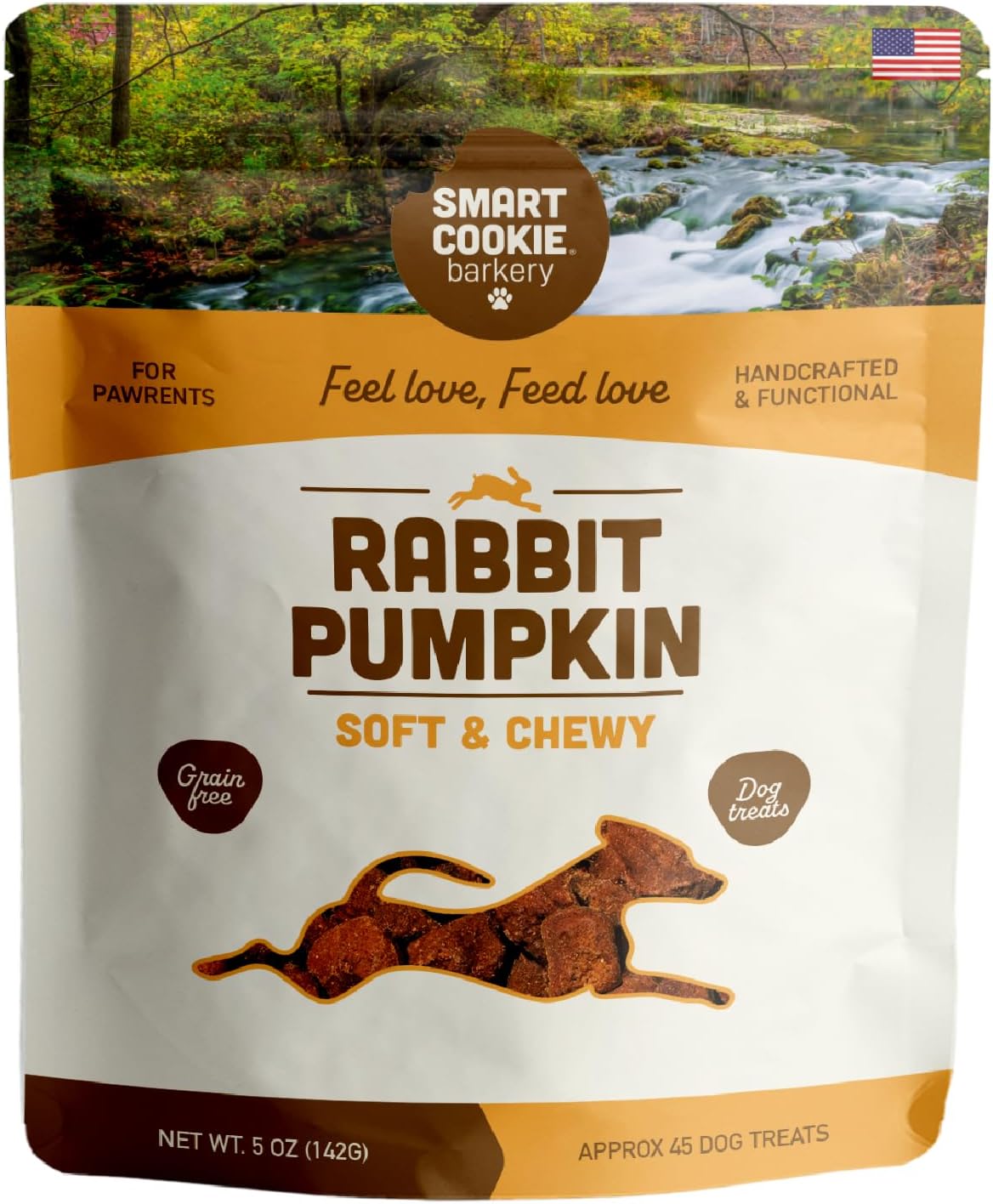
| Flavor | Rabbit and Pumpkin |
|---|---|
| Unit Count | 5 Ounce |
| Item Form | Chunk |
| Allergen Information | Gluten Free, Soy Free, Wheat Free |
| Animal Food Diet Type | Limited Ingredient |
These Smart Cookie Rabbit & Pumpkin treats are a soft, single-protein snack aimed at dogs with sensitivities. Each bite is made primarily from dehydrated rabbit, pumpkin and lentils with minimal extra ingredients and natural preservatives, which keeps the ingredient list short and easier to digest for allergy-prone pups. The treats are soft and chewy, tear easily into smaller pieces for training or for puppies and seniors, and the resealable pouch helps keep them fresh. At roughly 7 calories per treat and about 45 pieces per 5 oz bag, they work well for repeated rewards without adding many calories. The limited formula and grain free, gluten free labeling make it a sensible choice when avoiding common triggers like chicken, beef, wheat and soy. Drawbacks are the small package size for frequent trainers and the single flavor profile that may not interest very picky dogs used to beef or chicken tastes. For dogs truly sensitive to common proteins this product provides a straightforward, low-ingredient option but you may need to buy multiple pouches if you use them heavily.
Best for: Dog owners prioritizing minimal, single-protein recipes for pets with food sensitivities or digestive issues who want a soft, low-calorie training reward.
Less Ideal for: Owners who need large bulk packs for high-volume training sessions or who want multiple protein options in one purchase.
- Single novel protein (rabbit) reduces exposure to common allergy triggers
- Short ingredient list with pumpkin for digestive fiber
- Soft, tearable texture suitable for puppies, seniors, and training
- Grain free, gluten free, and no artificial colors or flavors
- Resealable 5 oz pouch keeps treats fresh
- Small 5 oz pouch may require frequent repurchase for heavy training use
- Single flavor/protein may not entice dogs accustomed to common meats
Verdict: The best limited-ingredient allergy treat is for dogs that need minimal, transparent ingredient lists to help owners control and identify potential triggers.
Waggin' Train Salmon Jerky 12 oz
Best Grain-Free Allergy Treat

| Flavor | Salmon |
|---|---|
| Item Form | Stick |
| Unit Count | 12 Ounce |
| Age Range Description | Adult |
| Allergen Information | Corn-Free, Dairy Free, Grain-Free |
Waggin' Train Salmon Jerky are single-ingredient-forward treats made with real salmon plus a few simple binders, sold in a 12-ounce pouch. They are dehydrated salmon tenders that function as high-protein training rewards or occasional chews, and the package guidance lets you break pieces down for small breeds. Notable features include salmon as the first ingredient, added omegas for skin and coat support, and a grain- and corn-free recipe with no artificial colors or flavors. In practice these treats are very aromatic and palatable, so they work well for picky Shih Tzus and for reinforcing good behavior during short training sessions. Because they are dense and protein-rich, portion control is important and the manufacturer recommends keeping treats under 10% of daily calories. Also, the chew texture may be chewier than soft training treats, so break pieces appropriately for tiny mouths and supervise to avoid large swallows. If you want a simple, limited-ingredient salmon treat that emphasizes coat benefits, this is a solid choice.
Best for: Owners of Shih Tzus seeking a limited-ingredient, grain-free treat that still delivers strong flavor and coat-supporting omegas.
Less Ideal for: People who need very soft, melt-in-the-mouth training rewards for frequent use or owners wanting a hypoallergenic novel-protein treat not containing fish.
- First ingredient is 100% real salmon for a clear protein source
- Grain-free and corn-free formulation suited to sensitive diets
- High protein content supports muscle maintenance and is very enticing to dogs
- Contains balanced Omega-3 and Omega-6 fatty acids for skin and coat support
- Chewy, dense texture requires breaking into smaller pieces for very small dogs
- Treats are calorie-dense so portion control is necessary to avoid exceeding daily calories
Verdict: The best grain-free allergy treat suits dogs suspected of grain-related reactions, offering alternatives that omit wheat, corn, and other common cereal ingredients.
PetLab Co. Allergy & Immune Soft Chews 30ct
Best Soft Allergy Treat

| Unit Count | 30 Count |
|---|---|
| Item Form | Soft Chew |
| Flavor | Pork – Allergy & Immune |
| Active Ingredients | Probiotics, colostrum, prebiotics, postbiotics, omega fatty acids, vitamin E |
PetLab Co. Allergy & Immune Probiotic Chews are pork-flavored soft chews designed for daily supplementation to support digestive health, yeast balance, and seasonal allergy symptoms. Each chew combines a proprietary probiotic blend with colostrum, prebiotics, postbiotics, omega fatty acids including EPA and DHA, and vitamin E, which together aim to reduce intermittent itchiness and support immune function. The soft chew form makes these easy to give and suitable for dogs that struggle with hard tablets, and dosing is weight-based so owners can scale daily servings. Practical benefits include a palatable pork liver flavor and a formula that targets both gut health and skin-related allergy signs, which may help dogs that paw lick or have mild seasonal itching. Important limitations are that results require consistent daily use and are not a replacement for veterinary care for moderate or severe allergic conditions, and the product contains pork-derived ingredients which may be unsuitable for dogs with specific protein sensitivities or owners avoiding pork. Directions specify 1 chew for dogs under 25 lb, 2 for 25–75 lb, and 3 for over 75 lb.
Best for: Pet owners seeking an easy-to-administer soft chew that supports gut balance and mild seasonal allergy symptoms, especially for dogs that dislike hard tablets or have sensitive teeth.
Less Ideal for: Dogs with known pork or ingredient-specific allergies, or owners seeking an immediate veterinary treatment for moderate to severe allergic reactions.
- Soft, palatable chew format that is easy to give to dogs with dental sensitivity
- Contains probiotics, prebiotics, and postbiotics to support gut balance and healthy yeast levels
- Includes omega fatty acids and vitamin E to support skin and immune health
- Weight-based dosing makes daily use simple to adjust by dog size
- Contains pork and other animal-derived ingredients which may not suit dogs with protein sensitivities
- Not a veterinary treatment for severe allergies and requires consistent long-term use to see results
Verdict: The best soft allergy treat is ideal for dogs with dental issues, seniors, or picky eaters who need gentle textures without common allergenic ingredients.
Artullano Dog Allergy Chews 70 Count
Best Bite-Sized Allergy Treat

| Unit Count | 70 Count |
|---|---|
| Flavor | Duck |
| Item Form | Powder |
| Specific Uses For Product | Food Allergies |
Artullano Dog Allergy Chews are bite-sized supplement treats intended to reduce itching and support skin and coat health by combining ingredients like salmon oil, hemp oil, turmeric, apple cider vinegar, and colostrum. They are given directly as treats or mixed into food and are designed for daily use to help normalize digestion and support a healthy immune response to seasonal allergens. The small chew format and duck flavor make them convenient for training or frequent rewarding without a large bulk of calories per serving, and the formulation avoids added sugar, wheat, and corn which helps limit common dietary triggers. Practical benefits include easy portioning for multiple short training sessions, ingredients that address inflammation and skin health, and a palatable flavor profile that appeals to many dogs. Limitations are that specific dosing guidance is not clearly listed on the product page and results with allergy symptoms can vary by dog and may require several weeks to evaluate; these chews are a supplement rather than a replacement for veterinary treatment in moderate or severe allergies.
Best for: Buyers who want a low-calorie, palatable chew they can give multiple times per day during training or as regular supplemental support for mild seasonal itching.
Less Ideal for: Dogs with moderate to severe allergic reactions, or owners seeking a medicated treatment regimen, should consult a veterinarian and consider alternatives focused on prescription therapy.
- Small, bite-sized chews suitable for frequent rewards or training
- Formulated without added sugar, wheat, or corn to reduce common dietary triggers
- Contains multiple ingredients (salmon oil, turmeric, hemp oil, apple cider vinegar, colostrum) targeting skin, coat, and immune support
- Duck flavor and chewable form improve palatability for picky eaters
- Dosage instructions are not detailed on the product page which can make portion planning harder
- Supplement results vary and are not a substitute for veterinary allergy diagnosis or medication
Verdict: The best bite-sized allergy treat fits training sessions and frequent rewarding by offering small, low-calorie portions made from allergy-friendly ingredients to avoid overfeeding and limit exposure.
Choosing the Right Allergy Treat Dog: Key Factors to Consider
Ingredient Simplicity
Dogs with allergies often react to one or two trigger ingredients rather than long lists of additives. Choosing treats with short, clearly labeled ingredient lists reduces the chance of unexpected allergens. Look for named protein sources instead of vague terms like "meat meal" and avoid artificial colors and flavors.
Simple ingredients also make it easier to rotate proteins and isolate triggers during an elimination process. Treats with fewer components are less likely to contain cross-reactive items such as dairy or soy disguised under complex labels, which matters when you are troubleshooting chronic skin or digestive issues.
Single or Novel Protein Source
Using a single identifiable protein or a novel protein can reduce immune reactions if your dog is sensitive to common meats like chicken or beef. Novel proteins such as venison, duck, or rabbit are less likely to have been in the dog's regular diet, which helps when conducting an elimination trial.
When treats list a single protein, it is easier to pair them with a matched hypoallergenic diet during testing. For long-term use, rotating between a few novel proteins can prevent repeated exposure while still offering variety for motivation.
Limited Carbohydrate and Filler Content
High filler levels can contribute to digestive upset and can mask potential allergens. Ingredients like wheat, corn, and soy are common culprits and often serve as cheap bulkers in treats. Choosing treats with digestible carbohydrates or low filler content helps maintain stool quality and reduces the workload on the gut's immune system.
For dogs with gastrointestinal sensitivity, look for treats where carbohydrate sources are clearly named and minimal in proportion relative to the protein. That approach helps keep treat calories concentrated and digestion predictable.
Hypoallergenic Formulation and Labeling
Clear hypoallergenic labeling is useful but not sufficient on its own. Labels that specify which common allergens are excluded and provide full ingredient disclosure give owners the confidence to use treats during elimination diets. Certifications or third-party checks are helpful when available.
Be cautious of marketing terms that are vague. Real hypoallergenic value comes from the actual ingredient list and manufacturing practices that minimize cross-contact with common allergens.
Texture and Format for Your Training Needs
Treat texture affects both palatability and suitability for training. Soft, small treats are better for high-repetition training or older dogs with dental issues. Firmer treats or chews may be useful for longer engagement but are harder to break into frequent rewards.
Consider the format you need: tiny bite-sized pieces for clicker work, thin strips for quick reinforcement on walks, or chew-style treats for longer calm-down sessions. The right format reduces calorie load while keeping rewards effective.
Packaging and Shelf Life
Packaging that protects freshness reduces the need for preservatives and helps maintain treat texture and smell, which affects palatability. Resealable bags or portion-controlled packs are convenient for training and reduce waste.
Shelf life matters if you do not use treats quickly. While shorter shelf life can indicate fewer preservatives, make sure storage instructions are practical for your routine to prevent spoilage that could upset a sensitive dog's stomach.
How Do I Introduce an Allergy Treat Safely?
Introduce a new allergy-friendly treat gradually over several days while monitoring for signs of digestive upset or skin changes. Start by offering a single small piece once or twice a day and watch for diarrhea, vomiting, increased scratching, or new hotspots.
If you see any adverse signs, stop the treat and consult your veterinarian before trying other novel proteins. When introducing during an elimination trial, use the treat alongside a controlled diet to avoid mixed exposures that confound results.
- Offer one small serving initially for three to five days
- Keep a simple log of feeding times and any symptoms
- Pause other new food or treat introductions during the trial
What Treat Formats Work Best for Sensitive Dogs?
Soft, bite-size training treats are usually the most practical for dogs with sensitivities because they are low in calories, easy to chew, and easy to portion. They are suitable for frequent reinforcement without adding excessive filler ingredients.
If your dog needs longer engagement, consider single-ingredient chew alternatives made from novel protein or vegetable-based options. Avoid complex chews with multiple binders and flavorings that could mask allergens.
- Soft micro-treats for high-frequency training
- Thin strips for outdoor recall or walking rewards
- Single-ingredient chews for longer solitary chewing sessions
Can Treats Be Part of an Elimination Diet?
Yes, treats can be included in an elimination diet, but they must match the limited-ingredient strategy of the main food. Use only treats that contain the same single protein or are confirmed hypoallergenic to avoid introducing new variables.
During a formal elimination trial, minimize the number of treat exposures and document every ingredient. If the goal is to identify a trigger, even occasional treats with unlisted components can invalidate the trial.
- Use only one treat type during the trial
- Match the treat protein to the test diet when possible
- Record all treat ingredients and feeding occasions
How to Read Labels to Avoid Hidden Allergens
Check for clearly named proteins and avoid vague terms that hide mixed sources. Look for statements about cross-contact risk and whether the product was made on lines that also process common allergens.
Also pay attention to additive names and uncommon ingredients that may be derivatives of common allergens. When in doubt, contact the manufacturer for clarification about sourcing and processing practices.
- Look for specific protein names rather than generic terms
- Check for 'may contain' or 'processed on shared equipment' notes
- Verify unfamiliar ingredient names before use
Managing Treats with Multiple Dogs and Different Sensitivities
If you have multiple dogs with different sensitivities, keep allergy treats separate and label storage containers. Offer the sensitive dog their designated treats in a controlled area to avoid accidental sharing.
Train other dogs with generic treats in a different location or at different times. Consistent routines and clear separation prevent cross-exposure and make it easier to track any reactions that arise.
- Store sensitive-dog treats in labeled, sealed containers
- Feed and train sensitive dogs separately when possible
- Rotate training schedules to limit accidental access
When Should I Consult a Veterinarian About Treat Reactions?
Consult your veterinarian if your dog shows persistent vomiting, diarrhea, worsening skin lesions, or difficulty breathing after trying a new treat. These can be signs of a severe reaction that needs professional evaluation.
For milder issues such as intermittent itching or loose stool, document the timing relative to treat introduction and ask your vet whether an elimination trial or allergy testing is appropriate. A veterinary plan helps you rule out non-dietary causes and create a safe strategy for future treats.
- Seek urgent care for severe or sudden reactions
- Bring a treat ingredient list to your appointment
- Ask about structured elimination trials or diagnostics
How We Chose the Best Allergy Treat Dog
To assemble this list we applied practical filters that matter for dogs with suspected food allergies or sensitivities. We prioritized treats with minimal and clearly labeled ingredients, single or novel protein sources, and no common allergens such as wheat, soy, or dairy. Digestibility was assessed by ingredient selection and the presence of simple carbohydrates and limited additives. We also evaluated texture and format because treat size and chewability affect use in training and for dogs with dental issues. Sourcing and manufacturing transparency were considered where packaging lists sourcing info or limited processing claims. Shelf stability and packaging that protects freshness rounded out the selection criteria. Excluded items included treats that relied on complex blends, undisclosed flavorings, or long unknown ingredient lists. We did not consider human-food snacks repurposed as treats or veterinary prescription diets. The resulting picks balance safety for sensitive dogs, practical usability for owners, and clear labeling that helps you avoid triggers.
Our full evaluation process is outlined in our review methodology.
FAQ
are single-ingredient treats always safe for allergic dogs?
Single-ingredient treats reduce the number of potential triggers but are not guaranteed safe. The dog may still be allergic to that specific ingredient, so introduce any single-ingredient treat cautiously and monitor for reactions.
how many days should i wait to check for a reaction?
Watch for immediate reactions within hours and for delayed signs over seven to fourteen days. Some skin or gut symptoms take longer to emerge, so keep a short log of treats and symptoms during that window.
can vegetable-based treats be better for allergies?
Vegetable-based treats avoid common meat proteins and can help in some cases, but they may contain fillers or additives that provoke different sensitivities. Check ingredient lists closely and introduce them gradually.
is 'hypoallergenic' labeling trustworthy?
Hypoallergenic labeling can be helpful but varies by manufacturer. Verify the actual ingredients and check for cross-contact statements to ensure the label aligns with your dog's needs.
what if my dog reacts to multiple treat types?
If reactions occur across different treats, stop all nonessential treats and consult your veterinarian. A supervised elimination trial or diagnostic testing can help identify the underlying cause and guide safe treat choices.
Final Verdict
When choosing allergy treats for dogs, prioritize transparency and simplicity over marketing claims. Focus on single, named proteins or novel protein sources, minimal fillers, and formats that fit your training routine to reduce accidental exposures and calorie overload. Balance convenience with safety by introducing treats slowly, keeping careful records, and consulting a veterinarian if reactions persist. With clear labeling and the right format, you can reward a sensitive dog confidently while minimizing the risk of flare-ups.

