

When you take your dog on multi-day hikes, the shelter you pack matters for safety, comfort, and how easy the trip feels. A backpacking dog tent provides a compact, weatherproof place for your dog to sleep, rest, and stay contained at camp without adding heavy bulk to your pack. This guide covers the top shortlisted backpacking tents for dogs, focusing on options that balance low weight, weather protection, and quick setup. Below you'll find our top picks plus clear guidance on how to choose the right tent based on weight, storm performance, and trail use.
Top Picks at a Glance
| Best Overall Backpacking Tent The best all-around tent for most backpacking needs and conditions | OneTigris COSMITTO 2 Person Tent | 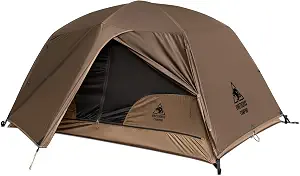 |
| Best Budget Backpacking Tent A low-cost, reliable option for starters and cost-conscious hikers | Wakeman Outdoors 2 Person Camping Tent |  |
| Best Ultralight Backpacking Tent Minimal weight and pack size for fast, long-distance treks | KAZOO Rrr 1-Person Backpacking Tent |  |
| Best 1-Person Backpacking Tent A single-occupant shelter optimized for compactness and solo comfort | Night Cat 1-Person Backpacking Tent |  |
| Best Freestanding Backpacking Tent Easy-to-pitch tents that stand up without trekking-pole support | Naturehike Cloud-Up 2 Person Tent |  |
| Best Weatherproof Backpacking Tent Superior rain and wind performance for harsh conditions and storms | Marmot Crane Creek 3 Person Tent |  |
| Best Premium Backpacking Tent A higher-end model with advanced materials and refined features | Big Agnes Pitchpine VST 1.5 |  |
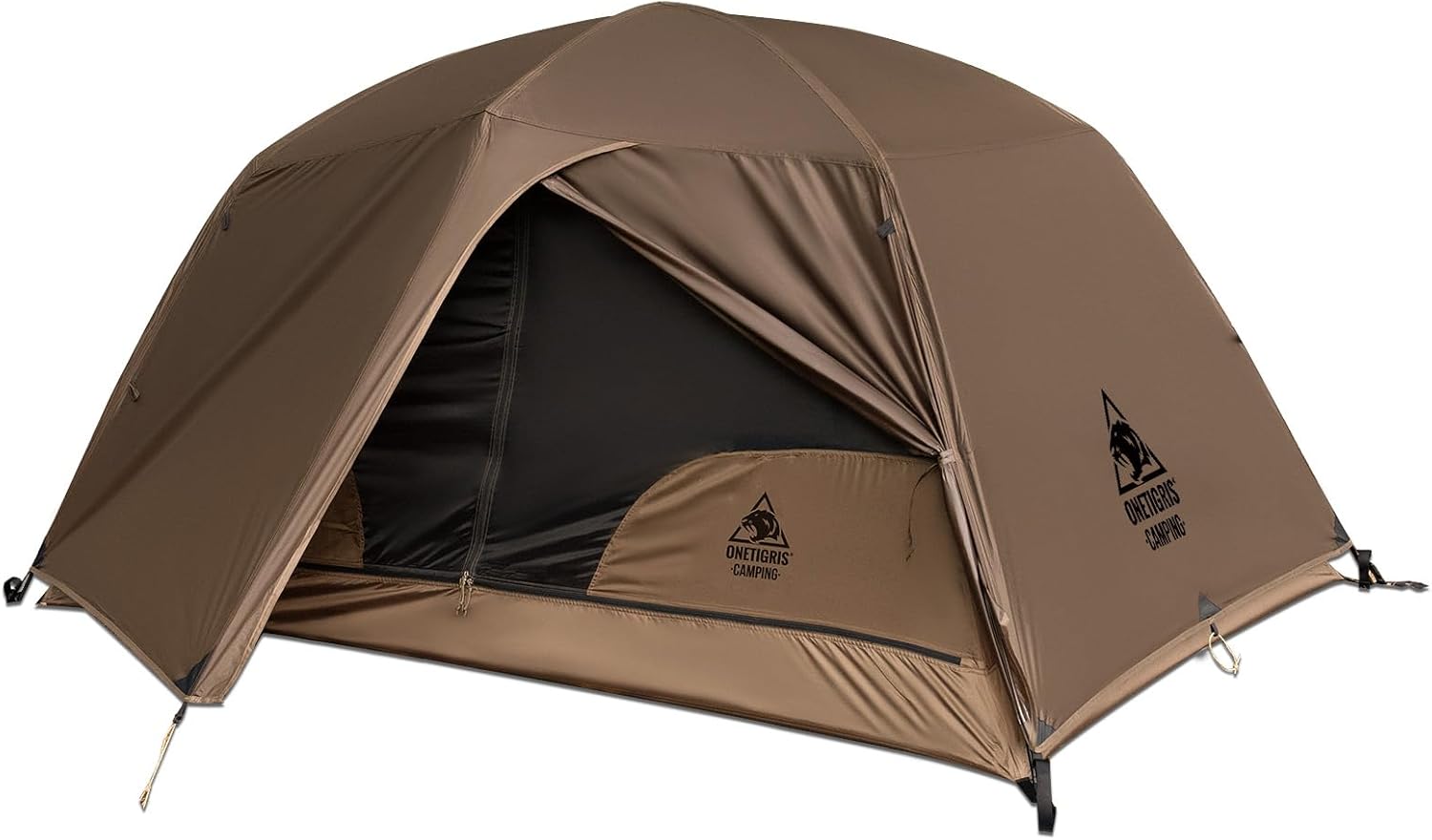
OneTigris COSMITTO 2 Person Tent
Best Overall Backpacking Tent
| Occupancy | 2 Person |
|---|---|
| Seasons | 3 Season |
| Water Resistance Technology | 1500 Mm |
| Number Of Poles | 3 |
| Pole Material Type | Aluminum |
The OneTigris COSMITTO is a compact two-person backpacking tent designed for quick setup and basic three-season protection. It uses three aluminum poles and a clip attachment system to create a stable dome footprint that packs down small for carrying. The tent includes a full rainfly, taped floor seams and a 1500 mm waterproof coating on 20D ripstop polyester with a 75D nylon floor, which is suitable for light to moderate rain and typical summer through fall conditions. Inside there are two organizer pockets and a top loop for a small light, and the hexagonal floor plan gives a balanced interior with usable floor area for two sleepers and some gear. Setup is straightforward and can be done in a few minutes, and included stakes, guylines, and stuff sack make it ready for trail use. Limitations are the modest waterproof rating and single door configuration, which reduce comfort in persistent heavy storms and make gear access slightly awkward for two people, and the tent is not intended for harsh winter conditions.
Best for: Hikers and overnight backpackers who want a lightweight, easy-to-pitch two-person shelter that balances packability and livable space for typical three-season trips.
Less Ideal for: Those planning multi-day trips in frequent heavy rain, cold-season mountaineering, or users who need dual doors and extra vestibule space for bulky gear.
- Lightweight, backpackable minimum trail weight suitable for multi-day hikes
- Simple, fast freestanding setup with three aluminum poles and clip attachments
- Full rainfly and 20D ripstop polyester fabric provide basic waterproofing and abrasion resistance
- Hexagonal floor plan and interior pockets maximize usable space for two occupants
- 1500 mm waterproof rating is modest compared with higher-rated tents for prolonged heavy rain
- Single door limits exterior access and can be less convenient when two people camp together
Verdict: The best overall backpacking tent balances weight, livable space, weather protection, and ease of setup to serve most hikers and overnight trekkers.
Wakeman Outdoors 2 Person Camping Tent
Best Budget Backpacking Tent

| Occupancy | 2 Person |
|---|---|
| Seasons | 3 Season |
| Water Resistance Technology | 190 Mm |
| Number Of Poles | 3 |
| Pole Material Type | Fiberglass |
This Wakeman Outdoors 2-person dome tent provides a simple, budget-friendly shelter for casual backpacking, festivals, and beach trips. It uses three fiberglass poles and a removable polyester rainfly to keep out light rain while a mesh inner door and a ventilation window help airflow and bug protection. Setup is straightforward and the included carrying bag keeps it compact for transport. Inside you get a single room with one storage pocket and enough floor space for two sleepers or one person plus gear. The practical benefits are low weight and a low price point, plus easy teardown and a dual-layer door for added ventilation or privacy. Limitations are its entry-level materials and 190 mm water resistance rating, which make it better suited to fair-weather hikes rather than heavy or prolonged downpours, and fiberglass poles are less durable than higher-end aluminum options. If you need ultralight performance, stronger seam sealing, or extended-season protection you will likely want a more robust tent, but for budget-minded hikers wanting basic shelter this tent covers the essentials.
Best for: Hikers and budget-minded backpackers who prioritize low cost and a lightweight, easy-to-pitch two-person shelter for fair-weather trips and festivals.
Less Ideal for: Serious backpackers seeking ultralight packs, multi-day alpine trips, or frequent wet-weather use should choose a more durable, higher-waterproofing tent.
- Lightweight and compact for easy carrying
- Removable rainfly provides basic protection from rain
- Mesh door and ventilation window improve airflow and insect protection
- Simple setup with included carrying bag
- 190 mm water resistance is modest for heavy rain
- Fiberglass poles are less durable and heavier than aluminum alternatives
Verdict: The best budget backpacking tent gives affordable shelter with acceptable weight and weather resistance for hikers who prioritize cost over high-end features.
KAZOO Rrr 1-Person Backpacking Tent
Best Ultralight Backpacking Tent

| Occupancy | 1 Person |
|---|---|
| Seasons | 3 Season |
| Waterproof Rate | 3000mm |
| Number Of Poles | 1 |
| Included Components | Pole, Rainfly |
The KAZOO Rrr is a 1-person, ultralight backpacking tent designed to keep pack weight and packed size to a minimum while still offering a full-coverage rainfly and basic living space. It uses one integrated aluminum pole with clip attachments for quick freestanding setup and includes taped seams and a 210T ripstop rainfly rated around 3000 mm for weather protection. Large mesh panels and a D-shaped door provide ventilation and entry, and interior pockets give small-item storage. At roughly 3.3 pounds packed, it is easy to carry on long hikes and stashes into a compact carry bag. The tent's recycled fabric construction is a practical plus for environmentally minded campers. Limitations to note are the single-door, single-pole layout that reduces interior space and headroom compared with multi-pole designs, and the narrow floor suitable only for one occupant and minimal gear; side vestibule space is limited. For buyers prioritizing minimal weight and straightforward shelter, this tent delivers, but those wanting extra living area or heavy-weather robustness may prefer a heavier, multi-pole alternative.
Best for: Hikers and backpackers who prioritize the lowest possible carried weight and a small packed size and need a no-frills, fast-setup shelter for solo trips.
Less Ideal for: People who want roomy sleeping quarters, extensive interior headroom, or large dry vestibules for gear should choose a larger multi-pole tent instead.
- Very light packed weight for true ultralight hiking (about 3.3 lb).
- Freestanding single integrated aluminum pole enables fast, tool-free setup.
- Full-coverage 210T ripstop rainfly and taped seams provide strong waterproofing (~3000 mm).
- Large mesh panels and dual vents improve airflow and reduce condensation.
- Made from GRS-certified recycled fabrics for a more sustainable choice.
- Single-pole, one-door layout limits usable interior space and headroom.
- Minimal gear storage and small vestibule area for pack storage.
Verdict: The best ultralight backpacking tent is the top pick for hikers who need the lowest possible weight and smallest packed size while still providing basic shelter.
Night Cat 1-Person Backpacking Tent
Best 1-Person Backpacking Tent
| Occupancy | 1 Person |
|---|---|
| Seasons | 3 Season |
| Water Resistance Technology | 3000 mm |
| Installation Type | Free Standing |
| Number Of Poles | 2 |
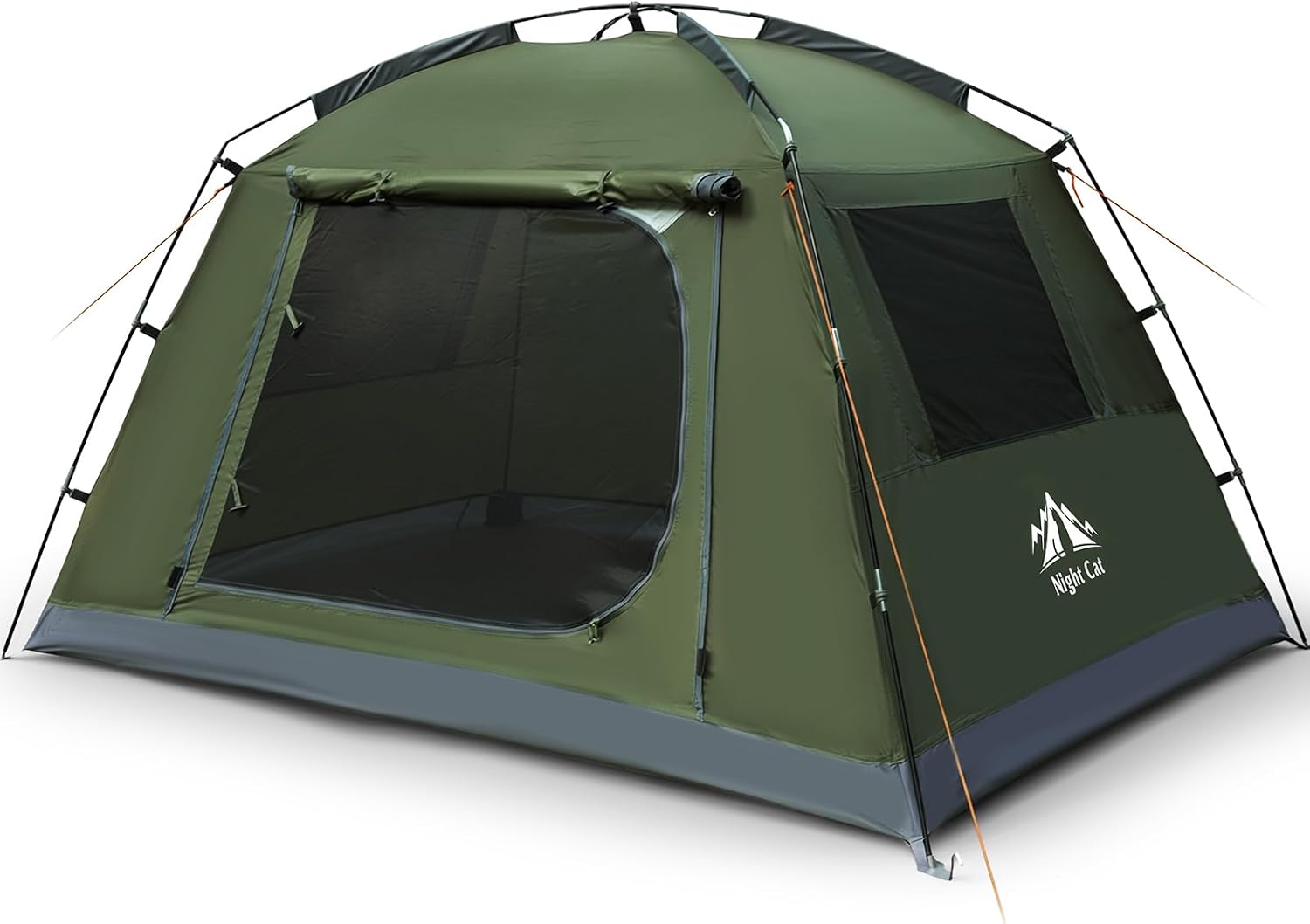
The Night Cat 1-Person Backpacking Tent is a freestanding dome shelter designed for solo hikers who need a compact, weatherproof shelter. It uses a two-pole pre-bent design with polyester fabric and a PU3000mm waterproof rating, plus included stakes and guylines for wind resistance. Setup is straightforward using pole sleeves and clips and the maker advertises a five-minute assembly time, which makes it convenient for short breaks or quick campsites. Inside the tent there are mesh door and side windows to help ventilation while preserving privacy, and the taller apex gives enough headroom to sit up comfortably compared with many ultralight one-person tents. At about 5 pounds packed with a carrying bag, it is portable for multi-day hikes where weight matters but ultralight performance is not the top priority. Limitations are its heavier trail weight relative to ultralight one-person shelters and a single door layout that can make gear access or exiting with a dog awkward in tight sites.
Best for: Solo hikers who prioritize a durable, weatherproof shelter with extra interior room and easy setup over absolute ultralight packing weight.
Less Ideal for: Thru-hikers or backpackers chasing minimal ounces and those who need two-way access or more spacious two-person layouts.
- PU3000mm waterproof rating provides reliable rain protection in typical three-season conditions
- Pre-bent two-pole dome offers more interior room and headroom than many one-person tents
- Mesh door and side windows improve airflow and reduce condensation
- Quick setup with pole sleeves and clips, advertised at about five minutes
- Includes stakes and guylines for added wind resistance and campsite security
- Trail weight around 5 lbs is heavier than ultralight one-person backpacking tents
- Single door design limits easy gear access and can be awkward when camping with a dog
Verdict: The best 1-person backpacking tent is ideal for solo hikers who want a snug, lightweight shelter that minimizes bulk without sacrificing protection.
Naturehike Cloud-Up 2 Person Tent
Best Freestanding Backpacking Tent

| Occupancy | 2 Person |
|---|---|
| Seasons | 3 Season |
| Water Resistance Technology | 3000mm+ |
| Installation Type | Free Standing |
| Minimum Trail Weight | 4.3 pounds |
The Naturehike Cloud-Up 2 Person is a freestanding backpacking tent designed for quick setup and weather protection on the trail. It uses a single aluminum pole clip system so you can pitch it fast without relying on perfect staking, and the included footprint, 14 stakes, and five guylines add site flexibility in mixed terrain. The tent is double-layered with a breathable mesh inner and a 210T polyester fly rated to 3000mm PU, which keeps rain out while the added ventilation above the door reduces condensation. At roughly 4.3 pounds packed it is light enough for bikepacking or short backpacking trips and packs down small to fit inside a larger pack. Inside there is reasonable headroom and a vestibule for gear storage so you can keep a dog mat or small canine kit under the fly. Trade-offs are that the single-pole clip design sacrifices some internal livability compared with larger multi-pole tents, and the polyester fabric is heavier than ultralight silnylon options, so longer-distance ultralight hikers may prefer lighter choices.
Best for: Campers who prioritize easy, freestanding setup and weather resistance on short backpacking or bikepacking trips and want a tent that handles varied campsite placement.
Less Ideal for: Backpackers focused on cutting every ounce for long-distance thru-hikes or those who need multiple doors and more internal livability for extended basecamp stays.
- Freestanding single-pole clip design allows quick, stake-independent pitching
- 3000mm+ waterproof fly with taped seams and included footprint for reliable wet-weather protection
- Lightweight and compact pack size suitable for backpacking and bikepacking
- Spacious 2-person interior with a larger front door and vestibule for gear storage
- Heavier polyester fabric compared with ultralight silnylon tents
- Only one door may hinder access when camping with two people or a dog
Verdict: The best freestanding backpacking tent is for campers who value quick, stake-independent pitching and easier site placement on varied terrain.
Marmot Crane Creek 3 Person Tent
Best Weatherproof Backpacking Tent
| Occupancy | 3 Person |
|---|---|
| Seasons | fall/winter |
| Water Resistance Technology | Waterproof Coating and Seam Taping |
| Installation Type | Free Standing |
| Number Of Poles | 3 |
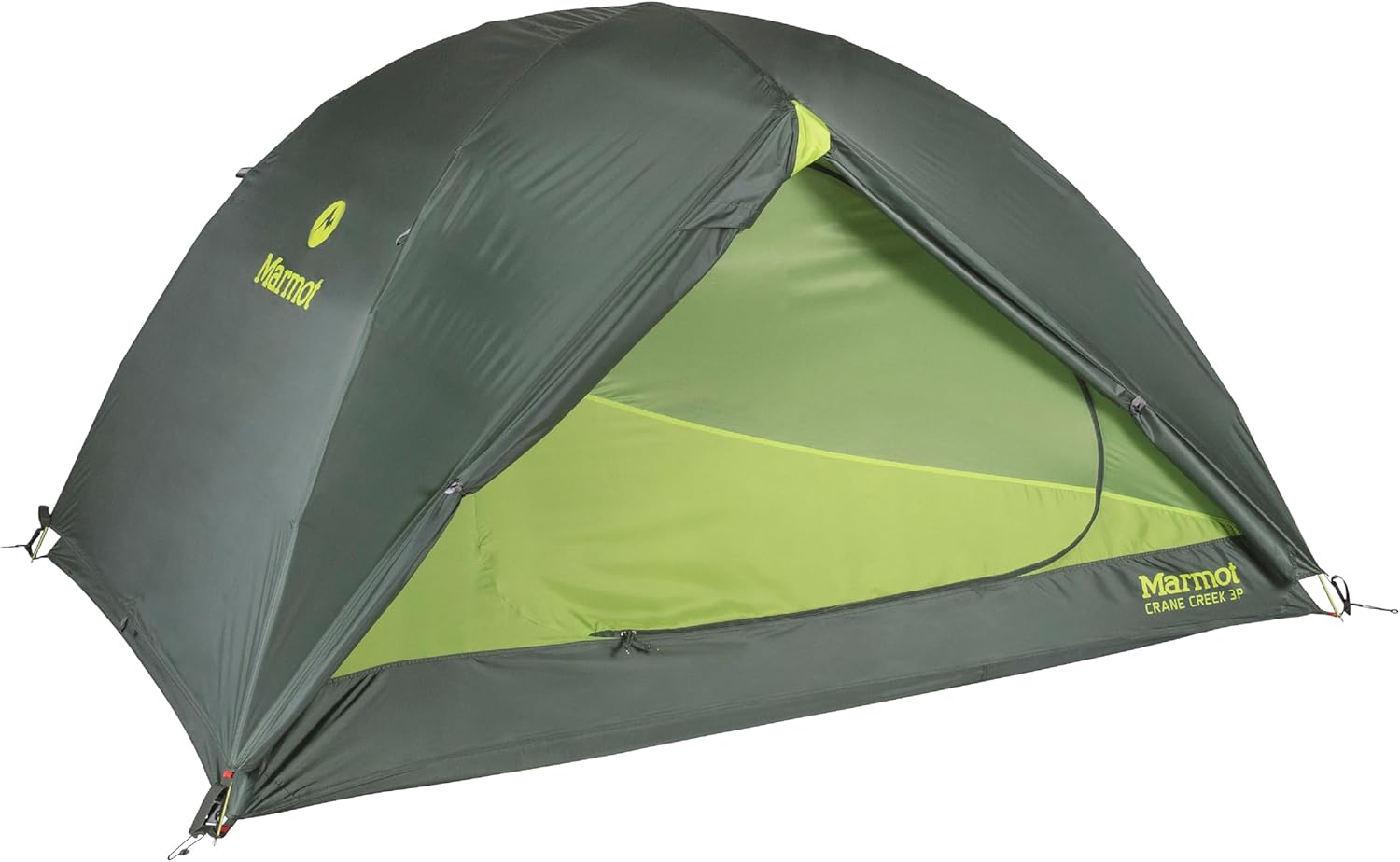
The Marmot Crane Creek 3 Person Tent is a lightweight, three-person shelter built for wet-weather camping and backpacking. It uses a seam-taped polyester fly and a seam-taped floor to keep water out while vents and dual large D-shaped doors help control condensation and provide easy access. The tent packs with three aluminum poles that give a stable structure in wind and rain and two overhead vestibules offer useful covered storage for packs and muddy boots. Practical benefits include a roomy interior for three adults or two adults and a dog plus dedicated gear space in the vestibules, and a footprint-free option for lighter setups. Expect a straightforward freestanding setup with conventional zipper closures. Trade-offs are that a 3-person tent is bulkier and heavier than solo or two-person options for long-distance ultralight trips, and the floor area and vestibule space may feel tight with larger dogs or lots of gear.
Best for: Hikers who prioritize waterproofing and a robust, weather-ready shelter for backcountry trips and want room to bring a dog or extra gear without sacrificing reliability.
Less Ideal for: Thru-hikers and ultralight backpackers who need the smallest, lightest shelter possible should choose a smaller two- or one-person tent instead.
- Seam-taped fly and floor provide strong waterproofing in storms
- Three aluminum poles offer a stable, durable structure in bad weather
- Two large D-shaped doors make entry and ventilation easy
- Two overhead vestibules give covered storage for packs and wet gear
- Roomy interior suitable for two people plus a dog or three occupants in fair conditions
- Heavier and bulkier than two-person backpacking tents for long-distance hikers
- Vestibule and floor area are limited when carrying larger dogs or lots of gear
Verdict: The best weatherproof backpacking tent is chosen by hikers who need enhanced waterproofing, strong seam construction, and durable structure for bad-weather excursions.
Big Agnes Pitchpine VST 1.5
Best Premium Backpacking Tent

| Occupancy | 1.5 Person |
|---|---|
| Seasons | 3 Season |
| Water Resistance Technology | HyperBead fabric technology |
| Installation Type | Free Standing |
| Pole Material Type | Aluminum |
The Pitchpine VST 1.5 is an ultralight backpacking tent that prioritizes low weight and weather protection while offering slightly more interior room than a standard one-person shelter. It uses Big Agnes HyperBead fabric with a high waterproof rating and recycled materials to keep trail weight down without sacrificing durability, and a single-pole DAC Featherlite architecture that makes solo pitching fast and stable. The 1.5-person footprint gives usable protected space for a pack or a small dog, and the hybrid wall plus integrated ventilation reduces condensation on damp nights. Practical details like YKK DynaPel water-shedding zippers, ErgoZip fly access, and included ultralight stakes make it trail-ready out of the bag. Expect limited floor space for two adults and a bulkier dog, and the ultralight materials mean you should be careful with campsite rocks and abrasion compared with heavier car-camping tents. For hikers who value a high-performance, low-weight shelter with a bit of extra room for gear or a pet, this tent balances comfort and packability well.
Best for: Buyers who prioritize premium, ultralight materials and superior weather performance and want a bit more interior space than a standard one-person tent for gear or a small dog.
Less Ideal for: People who need roomy two-person shelter space for larger dogs, frequent car camping where durability and interior volume are the priority, or those who prefer multiple doors.
- Very low trail weight thanks to HyperBead fabrics and DAC Featherlite pole
- 1.5-person footprint provides extra protected space for a backpack or small dog
- High waterproof rating and PFC-free waterproof coating for reliable wet-weather protection
- Hybrid wall design and integrated ventilation reduce condensation
- Durable YKK DynaPel zippers and included ultralight stakes make pitching secure
- Ultralight fabric and minimal floor area increase vulnerability to abrasion and limit room for larger dogs or two adults
- Single-door layout can be less convenient when sharing space
Verdict: The best premium backpacking tent suits owners willing to pay more for top-tier materials, superior durability, and extra livability features on the trail.
Choosing the Right Backpacking Dog Tent: Key Factors to Consider
Weight and Packed Size
On a multi-day hike, every ounce matters. Lower weight reduces fatigue and makes it more feasible to carry both human and canine gear. Packed size matters because a bulky tent can monopolize limited space inside a backpack, forcing compromises elsewhere.
Look for shelters with minimal pole systems and combined components that compress tightly. Consider whether the pack weight includes stakes and any footprint. A marginal increase in packed volume or ounces can change how you distribute gear across packs and whether you can comfortably carry food, water, and emergency equipment alongside the dog tent.
Weather Protection and Waterproofing
Backcountry weather can change quickly, so a dog tent must shed rain and block wind without water migration through seams or floor fabric. Check waterproof ratings for the rainfly and floor, taped seams, and how well the shelter's geometry blocks wind-driven rain.
A proper vestibule or raised floor edge helps keep bedding and the dog dry when gear is stored at the entrance. Also evaluate how the tent performs in wind: low-profile shapes and secure guy points improve stability. Waterproof fabrics and a durable floor reduce the risk of a wet, cold dog overnight, which can become a safety concern on remote trips.
Durability and Floor Construction
Dogs can be rough inside a tent: paws, nails, and excited digging can abrade fabric. A thicker, more abrasion-resistant floor fabric and reinforced stress points extend the life of the shelter. Long-lasting materials reduce the likelihood of punctures that compromise weather protection.
Consider how the tent handles contact with rocky ground and root-strewn campsites. A durable tent reduces the need for improvised ground protection and lowers the chance of sudden failures that would force you to improvise shelter in adverse conditions.
Ventilation and Condensation Control
Proper airflow limits condensation inside a small shelter, keeping bedding drier and the dog more comfortable. Mesh panels, adjustable vents, and the option to separate inner and outer layers help balance insulation and breathability across different temperatures.
Poor ventilation leads to damp sleeping gear and a colder environment when external temperatures drop. For dogs with thicker coats, good airflow prevents overheating during warm nights while still allowing you to retain some shelter from wind and insects.
Setup Speed and Simplicity
When weather turns or light is fading, you want a shelter you can pitch quickly. Simple pole designs, color-coded clips, and minimal separate components reduce the time spent assembling the tent. A reliable, repeatable setup lowers stress for both you and your dog at camp.
Complex multi-piece systems increase the chance of user error and can be awkward when you are managing a restless dog. Prioritizing straightforward setups makes campsite routines faster and leaves more time for rest, cooking, and early trail starts.
Security and Anchoring
A backpacking dog tent must stay put in wind and keep a dog contained when needed. Robust stake points, guy lines, and options for low-profile anchors improve stability on uneven ground. Some shelters include internal clip points for tethering a leash or securing gear.
Anchoring also affects safety: a poorly anchored tent can collapse or shift, startling the dog and making nighttime rest less restful. Evaluate if the tent design allows secure placement on hard-packed or rocky sites where conventional stakes may be less effective.
How Much Weight Can You Realistically Add for a Dog Shelter on a Multi-day Trip?
Budgeting pack weight for a dog shelter depends on the dog's size and your overall kit. For most backpackers who already carry lightweight human shelters, adding a dedicated dog tent should be balanced against food, water, and emergency gear. A good rule of thumb is to limit the dog shelter to a fraction of your total base pack weight so it does not compromise endurance on longer days.
If you plan long mileage or rough terrain, prioritize ultralight options and minimalist designs. For shorter overnight trips or when you have more spare carrying capacity, slightly heavier shelters with better features or sturdier floors can be acceptable.
- Aim for the lowest weight you can carry without sacrificing essential protection.
- Consider shared shelter strategies if carrying two-person human tents is an option, but keep in mind comfort and contamination.
- Think about how often and how far you will carry the tent when deciding how much weight is reasonable.
Can a Dog Tent Keep a Dog Warm on Cold Nights?
A dog tent provides a layer of wind and precipitation protection, which helps retain the dog's natural heat overnight. However, a tent alone is not an insulating system. Use insulated bedding or pads rated for the expected temperatures to ensure the dog stays warm. Layering with a waterproof outer and breathable inner ventilation reduces heat loss while preventing excessive condensation.
Smaller, low-profile shelters trap more body heat but may reduce airflow. Balance insulation and ventilation according to nightly lows and your dog's coat condition.
- Add an insulated sleeping pad or blanket to increase warmth without adding bulky tent components.
- Monitor the dog for signs of overheating or chilling and adjust bedding accordingly.
What to Pack with the Tent to Reduce Wear and Keep It Clean
A lightweight footprint or groundsheet protects the tent floor from abrasion and moisture. Pack a small mat for the dog to lie on to limit direct contact between paws and the tent floor. Bring a compact brush or damp cloth to clear mud and debris before packing the tent to avoid carrying grit that can damage fabrics.
Store the tent in a breathable bag and dry it thoroughly whenever possible after wet nights. Proper care extends fabric life and preserves waterproof coatings, reducing the chance of failures on future trips.
- Small footprint or groundsheet sized to the tent floor.
- Lightweight bedding and a foldable mat for the dog.
- Repair tape and a needle for quick field repairs.
How to Choose the Right Size for Your Dog Without Wasting Pack Space
Measure your dog standing and curled to estimate the floor area needed. Allow a little extra length for bedding and movement. Oversized tents add weight and bulk, while undersized shelters restrict movement and can lead to soiling or stress. Choose the smallest shelter that still gives the dog room to turn and lie comfortably.
If your dog tends to sprawl, prioritize length over width. For dogs that sleep tightly curled, a snug, low-profile shelter will be more efficient.
- Measure your dog from nose to tail and add at least 8 to 12 inches for bedding.
- Match tent floor shape to sleeping style—long rectangles for sprawlers, compact squares for curlers.
Pitching on Uneven or Rocky Ground: Tips to Keep the Tent Stable
Choose the most level spot available and clear the area of sharp objects before pitching. Use multiple guy points to spread load and reduce flutter in wind. If conventional stakes will not hold, use rocks, logs, or a deadman anchor to secure corners securely.
Raise the floor slightly by placing a thin insulating layer beneath it to create a thermal break from cold ground. This also helps prevent moisture transfer into bedding and keeps the dog more comfortable overnight.
- Use natural anchors where stakes fail.
- Distribute tension evenly across stake points to avoid concentrated strain.
- Reposition bedding to maintain a dry sleeping area if condensation forms.
How We Chose the Best Backpacking Dog Tent
We prioritized criteria that matter most for dogs on the trail and the hikers who carry their gear. Weight and packed volume were primary filters because trail miles and pack space are limited on backpacking trips. We also evaluated weather resistance by checking fabric waterproof ratings, seam construction, and vestibule coverage to judge how well a tent keeps a dog dry during rain or wind. Setup speed and simplicity were included because quick erecting tents reduce exposure to bad weather and make campsite routines easier. Durability and abrasion resistance were considered with attention to floor thickness and reinforced stress points, since dogs can scratch and shift around inside. Ventilation and airflow were assessed to reduce condensation and keep a dog comfortable in variable temperatures. Finally, stability in wind and the quality of stake and guy systems were part of the selection filters. We excluded heavy backyard- or car-camping dog shelters that are impractical for backpacking. Items were removed if they lacked clear packability specs, insufficient weather ratings, or no practical way to secure the shelter at a typical backcountry campsite.
Our full evaluation process is outlined in our review methodology.
FAQ
Will a backpacking dog tent fit inside a standard backpack?
Many backpacking dog tents compress small enough to fit inside or attach to a standard backpack, but it depends on the specific pack's capacity and how much gear you already carry. Look for compact pole systems and integrated stuff sacks when you need interior pack space.
Do I need a footprint under a dog tent?
A footprint is recommended because it protects the floor from abrasion, punctures, and moisture. It is a lightweight accessory that extends the life of the shelter and helps keep bedding dry.
How do I prevent condensation inside a small dog shelter?
Use ventilation vents and keep some airflow between inner layers. Avoid sealing the tent completely unless temperatures require it. Dry bedding and ensuring the shelter has a breathable inner layer reduce condensation buildup.
Can I use a dog tent in snowy conditions?
Some backpacking dog shelters handle light snow if they have sturdy structure and sufficient weatherproofing, but deep snow and heavy loads can stress ultralight systems. Combine the tent with insulating bedding and choose pitches that shed snow away from the entrance.
How do I clean a dog tent in the field?
Brush off dirt and wipe seams with a damp cloth. Spot-clean with mild soap and water for stubborn stains, and let the tent dry before packing when possible. Avoid harsh detergents that can damage waterproof coatings.
Final Verdict
Choose a backpacking dog tent by prioritizing the features that match how and where you hike. Start with weight and packed size for long treks, then confirm adequate weather protection and a durable floor for rough campsites. Consider ventilation, setup simplicity, and anchoring options to keep your dog comfortable and secure in variable conditions. Balancing these tradeoffs will help you select a shelter that protects your dog without overburdening your pack. Focus on the performance characteristics that matter most for your typical trips and you will have a reliable canine shelter for the trail.

