

Finding the right brush for a husky matters because these dogs have dense double coats that shed heavily seasonally and require regular maintenance. The right tool makes brushing faster, reduces loose hair around the house, and helps prevent matting and skin irritation. This guide covers seven top brushes shortlisted for effectiveness with husky coats and explains the specific features that make each one a solid choice. Below you will find the top picks followed by detailed buying factors and practical care tips to help you choose the best brush for your husky and your routine.
Top Picks at a Glance
| Best Overall Brush A reliable all-around choice for regular grooming of huskies | SleekEZ Deshedding Brush 5 Inch |  |
| Best Budget Brush A low-cost option that still handles frequent shedding well | DSKRUI Undercoat Rake |  |
| Best Deshedding Brush Designed specifically to reduce loose undercoat and heavy shedding | DOGI Deshedding Brush Medium |  |
| Best Slicker Brush Fine wire bristles for removing tangles and finishing the coat | Paw Brothers Extra Long Pin Slicker Brush |  |
| Best Undercoat Rake Brush A tool built to reach and clear dense underfur safely | JW GripSoft Double Row Undercoat Rake |  |
| Best Gentle Brush Softer bristles for sensitive dogs or post-bath grooming | Paw Brothers Soft Flat Slicker Brush Small/Medium |  |
| Best Premium Brush Higher-end materials and ergonomics for frequent, long-term use | Chris Christensen Big K Slicker Brush Medium |  |
SleekEZ Deshedding Brush 5 Inch
Best Overall Brush

| Item model number | 4121411 |
|---|---|
| Manufacturer | SleekEZ |
| UPC | 731236552734 |
The SleekEZ Deshedding Brush uses a patented metal deshedding blade to grab loose fur at the tips and pull it out without cutting healthy hair, making it useful for routine grooming and heavy-shed seasons. You use it with smooth strokes from head to tail, applying light to moderate pressure depending on coat density; the same tool can also be used as a carpet or upholstery rake to lift embedded pet hair. Its compact 5 inch profile and lightweight construction make it easy to handle for quick touch-ups and weekly maintenance, and cleanup is straightforward since the lifted fur collects where you can remove it by hand. The brush performs well on short, medium, long, and double-coated breeds but is not recommended for curly or non-shedding coats. Expect to use it more frequently during seasonal blowouts, and be careful to follow the directions to avoid overworking sensitive areas around the face and belly.
Best for: Buyers who want a single, easy-to-use groomer that handles most shedding coat types and reduces the need for frequent professional deshedding.
Less Ideal for: Owners of dogs with curly or non-shedding coats or those who need a wide-head tool for very large breeds should consider specialized alternatives.
- Patented blade designed to lift and remove loose fur and undercoat without cutting healthy hair
- Works across short, medium, long, and double-coated breeds
- Also functions off-pet as a hair remover for carpets, upholstery, and car interiors
- Compact, lightweight design is easy to hold for short grooming sessions
- Not recommended for curly or non-shedding coat types
- Small 5 inch head may require more passes on very large dogs
Verdict: The best overall brush for huskies balances effective undercoat removal, gentle topcoat grooming, comfort for the dog, and ease of use for owners.
DSKRUI Undercoat Rake
Best Budget Brush
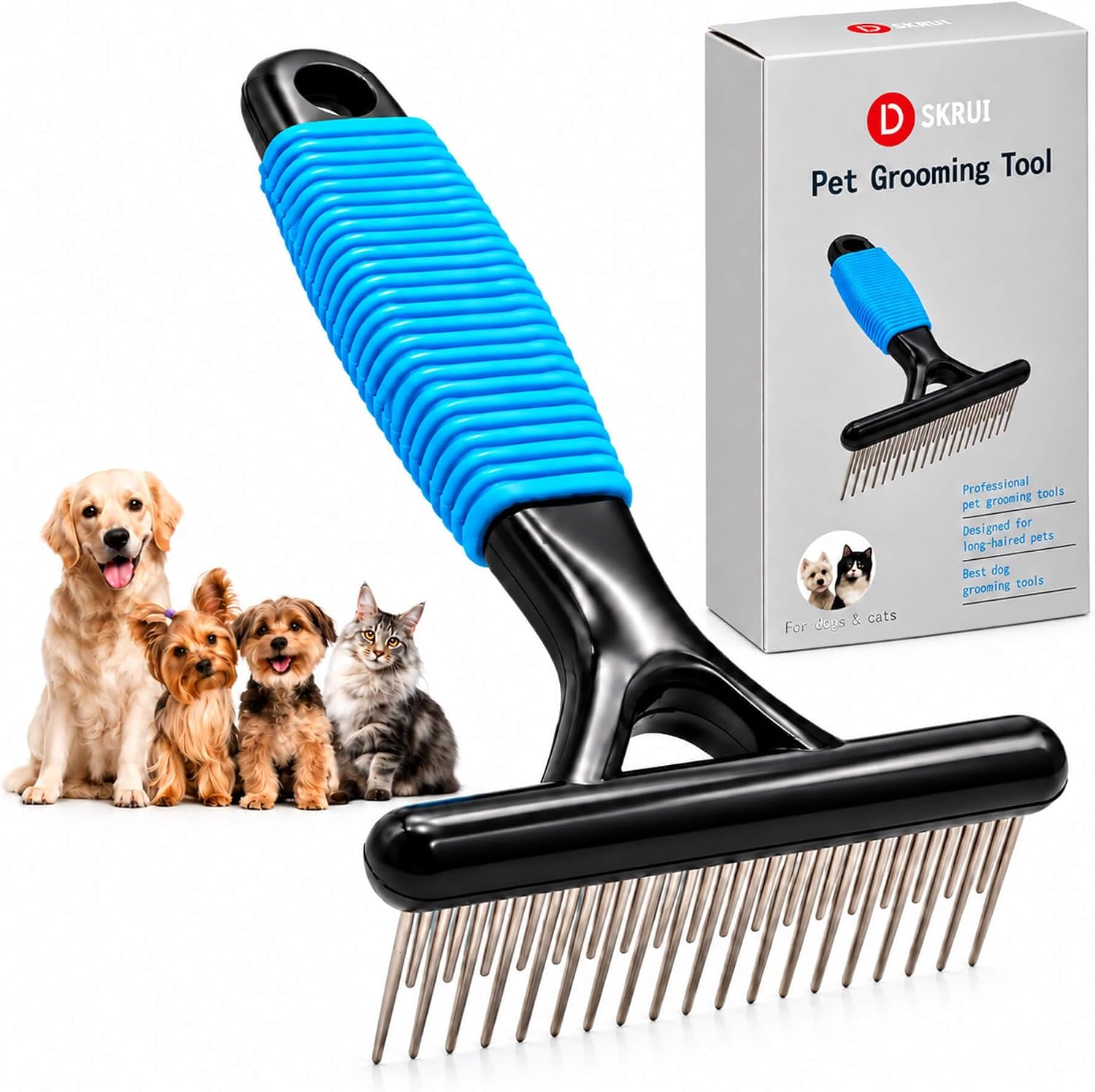
| Power Source | Manual |
|---|---|
| Hair Type | All |
| Material Type | Metal |
| Unit Count | 1 Count |
The DSKRUI undercoat rake pairs long and short stainless steel teeth to work through dense undercoats in a single pass, lifting mats with the long teeth and smoothing the top coat with the short teeth. It is used on dry coats with short, controlled strokes and is intended for breeds with medium to long undercoats; rounded stainless pins reduce the risk of scratching while providing a massaging action. The rubberized, non-slip handle helps maintain control during longer sessions and the manual design means no batteries or charging. At this price point the build is straightforward metal and plastic rather than premium materials, but it still delivers effective de-shedding for routine grooming and can cut brushing time when used correctly. Users should avoid forcing the rake through very tight mats and may need scissors or a dematting tool for severe tangles, and heavy users may find the tool shows wear sooner than higher-end groomer tools.
Best for: Buyers who want an affordable, practical tool for regular de-shedding of medium to long undercoats and prioritize straightforward, no-power grooming that still removes loose hair effectively.
Less Ideal for: Owners facing chronic, severe matting or professional groomers who need a heavier-duty, longer-lasting tool should consider more robust dematting equipment.
- Alternating long and short stainless steel teeth tackle undercoat and top coat in one pass
- Rounded steel pins minimize skin scratching while grooming
- Rubberized non-slip handle improves grip and reduces hand fatigue
- Manual design requires no power and is simple to use for routine sessions
- Not intended to force through very tight or cemented mats and may require additional dematting tools
- Basic metal and plastic construction may wear faster than premium groomer tools
Verdict: The best budget brush for huskies gives strong basic de-shedding performance and durability at an affordable price for routine grooming.
DOGI Deshedding Brush Medium
Best Deshedding Brush

| Power Source | Manual |
|---|---|
| Hair Type | All |
| Material Type | Stainless Steel |
| Size | Medium |
The DOGI deshedding brush is a compact undercoat rake intended to pull loose hair from short to long coats without harsh tugging. It is used by running the double row of stainless steel pins through the coat to capture shed fur and reduce matting and loose hair around the home. The pins are spaced and shaped to reach the undercoat while the non-slip silicone handle provides a controlled grip during longer grooming sessions. Practical benefits include fast removal of loose hair compared with a standard brush, reduced airborne dander and a smoother top coat that looks shinier after brushing. Because it is manual and small, it is easy to keep on hand for quick touch-ups or use in the car, but sessions on very thick or severely matted coats will take longer than an electric tool or a professional groomer. The tool is best for routine deshedding rather than heavy-duty dematting, and care is needed near sensitive skin to avoid irritation if used aggressively.
Best for: Buyers who need an efficient, handheld deshedding tool to cut down loose fur on short-haired dogs and keep shedding under control between full grooming sessions.
Less Ideal for: Owners who need a motorized deshedder for very heavy seasonal shedding or a dedicated dematter for severe mats should look elsewhere.
- Double-row stainless steel pins reach the undercoat for effective loose-hair removal
- Non-slip silicone handle gives a secure, comfortable grip during grooming
- Compact, lightweight design is easy to store and use for quick touch-ups
- Suitable for a range of hair types from short to long, reducing surface shedding
- Manual tool so heavy shedding requires longer sessions compared with power deshedders
- Not designed as a specialized dematting tool for severe mats
Verdict: The best deshedding brush for huskies removes loose undercoat efficiently to cut down on shedding and reduce hair around the house.
Paw Brothers Extra Long Pin Slicker Brush
Best Slicker Brush

| Bristle Material | Stainless Steel |
|---|---|
| Hair Type | All |
| Unit Count | 1 Count |
| Item model number | TM31170 |
The Paw Brothers Extra Long Pin Flat Slicker Brush is a grooming tool designed to reach deep into dense coats to remove loose hair, dirt, and minor mats. It is typically used for regular brushing sessions on dogs and cats with medium to long fur, where the long pins penetrate the undercoat without needing repeated passes. The stainless steel pins and flat slicker head provide broad coverage, while the ergonomic handle improves control during longer grooming sessions and reduces hand fatigue. Practical benefits include effective undercoat removal, stimulation of skin oils for a shinier coat, and a durable stainless construction that holds up to frequent use. Important limits are that the long, firm pins can feel sharp on very short-coated or extremely sensitive animals and it is focused on detangling and deshedding rather than delicate finishing or dematting severe mats. For Cocker Spaniels the brush works well for maintaining a full, healthy coat but should be used gently around the ears and feathering.
Best for: Owners who groom frequently and need a brush that stays comfortable in the hand for longer sessions and gives good undercoat access for breeds with fuller coats.
Less Ideal for: People who only need a very gentle brush for short-coated or extremely sensitive pets or who need a dedicated dematting razor for severe mats.
- Extra-long stainless steel pins penetrate to the undercoat for effective deshedding
- Flat slicker head covers a wide area to speed up grooming sessions
- Ergonomic handle improves grip and reduces hand fatigue during extended use
- Durable stainless-steel construction for frequent, professional-style grooming
- Firm long pins can be too harsh on very short or highly sensitive skin
- Not intended as a specialized dematting tool for severe, tightly formed mats
Verdict: The best slicker brush for huskies smooths and detangles the topcoat while removing small mats and loose hairs without irritating skin.
JW GripSoft Double Row Undercoat Rake
Best Undercoat Rake Brush

| Bristle Material | Boar |
|---|---|
| Handle Material | Plastic |
| Additional Features | Non Slip |
| Unit Count | 1 Count |
The JW GripSoft Double Row Undercoat Rake is a handheld deshedding tool with two rows of round-tipped stainless steel teeth and a non-slip rubberized handle. You use it by gently running the rake through the coat to loosen lightly matted areas and extract dead undercoat; the rounded teeth are intended to reduce snagging and irritation while the double rows pull more hair per stroke than a single-row tool. The ergonomic GripSoft handle makes longer grooming sessions easier on the hand and the stainless teeth are durable for repeated use. For thick-coated breeds like huskies it will help reduce seasonal blowouts and cut down on loose fur around the house when used regularly and carefully. Limitations: it is meant for undercoat removal and light mats rather than heavy dematting, and the user must avoid applying pressure to prevent skin pinching or discomfort on sensitive areas.
Best for: Owners of thick double-coated breeds who want a tool that reaches the dense underlayer to reduce seasonal shedding while preserving the topcoat and minimizing hand fatigue during grooming.
Less Ideal for: People looking for a heavy-duty dematting tool or a full coat trimmer should choose a dedicated dematting comb or clipper instead.
- Double row of round-tipped stainless steel teeth lifts more undercoat per pass than a single-row rake
- Rounded tips reduce risk of scratching or snagging the topcoat when used gently
- Non-slip ergonomic GripSoft handle improves comfort during longer grooming sessions
- Durable stainless steel teeth suitable for repeated use on dense coats
- Not intended for cutting through heavy mats or severe tangles
- Requires careful, gentle use to avoid skin pinch on sensitive areas
Verdict: The best undercoat rake for huskies penetrates through thick fur to extract dense undercoat without damaging the topcoat or pinching the skin.
Paw Brothers Soft Flat Slicker Brush Small/Medium
Best Gentle Brush

| Bristle Material | Stainless Steel |
|---|---|
| Handle Material | Metal, Plastic |
| Hair Type | Curly |
| Unit Count | 1 Count |
The Paw Brothers Soft Flat Slicker Brush is a compact grooming tool aimed at removing tangles, mats and loose fur while minimizing skin irritation. It features stainless steel pins with plastic-coated tips and rounded head corners that help the brush slide through the coat without catching or scratching. The small/medium flat head and curved profile make it useful for working around faces, paws and sensitive areas on dogs with softer or curlier coats, and the non-slip ergonomic grip helps during longer sessions. In practice the coated pins provide a gentler feel than raw metal slickers, so you can use shorter, frequent brushing sessions to reduce shedding without upsetting a skittish or young German Shepherd. This brush is professional-quality for basic maintenance but its smaller head limits coverage on a large breed, so brushing a full-size German Shepherd will take more time or multiple passes compared with larger slickers. It is best used for regular touch-ups, delicate areas, and puppies rather than heavy-duty dematting on mature double-coated adults.
Best for: Owners who need a gentle slicker for sensitive-skinned German Shepherds or young dogs and prioritize gentle, precise grooming over rapid coverage.
Less Ideal for: People who need a single tool to quickly strip heavy undercoat or remove severe mats on full-grown large-breed dogs.
- Coated stainless steel pin tips reduce risk of skin irritation
- Rounded head corners prevent catching and pulling fur
- Curved flat head fits faces, paws, and small sensitive areas
- Non-slip ergonomic grip for controlled brushing
- Professional-quality construction for regular grooming
- Smaller head size means slower coverage on large breeds like German Shepherds
- Not intended for heavy dematting or aggressive undercoat removal
Verdict: The best gentle brush for huskies offers soft touch and reduced skin irritation while still removing loose hair, ideal for dogs with sensitive skin.
Chris Christensen Big K Slicker Brush Medium
Best Premium Brush

| Hair Type | All |
|---|---|
| Bristle Material | Plastic |
| Handle Material | Rubber |
| Item Type Name | hairbrush |
The Chris Christensen Big K Slicker Brush is built like a pro tool for heavy, hard-to-manage coats and frequent use. It uses extra-long, angled pins set sparsely in a flexible cushioned pad so the pins reach deep into dense undercoats to remove trapped hair and break up mats without cutting the coat. The long curved handle with a rubber GroomGrip and ergonomic shape reduces wrist strain during long sessions and provides secure control even in the bath. In practice the brush covers large areas quickly and excels at deshedding and detangling on thick double coats and curly doodle-style coats, leaving the coat lifted and voluminous. The design emphasizes durability and comfort rather than being lightweight or inexpensive, and the sparser pin pattern is less effective on very fine, silky coats that need delicate finishing. Handmade construction from quality components means it should hold up to daily grooming, but buyers should expect a premium purchase aimed at serious grooming tasks rather than casual quick touch-ups.
Best for: Owners who groom frequently or tackle thick, double or curly coats and want a durable, comfortable brush that makes dematting and deshedding faster and less tiring.
Less Ideal for: People with short, fine, silky-coated breeds or those seeking a lightweight, inexpensive brush for occasional touch-ups should consider a different tool.
- Extra-long angled pins reach deep into dense undercoats for efficient deshedding
- Sparsely spaced pins reduce resistance and pull through heavy, wavy or curly coats
- Flexible cushioned pin pad and curved body minimize pulling and adapt to coat contours
- Ergonomic long handle with rubber grip reduces hand and wrist fatigue during long sessions
- Handmade, durable construction intended for professional or frequent use
- Sparser pin spacing is not ideal for very fine or silky single coats that need delicate finishing
- Premium build and size make it heavier and more tool-like for casual users
Verdict: The best premium brush for huskies pairs durable construction, superior grip, and refined grooming performance for owners who brush frequently and want longevity.
Choosing the Right Brush On Husky: Key Factors to Consider
Coat Type and Shedding Cycle
Huskies have a dense double coat with a soft undercoat and a coarser topcoat. Understanding your dog's seasonal shedding pattern matters because de-shedding needs intensify during blowouts in spring and fall. A brush that reaches and extracts loose undercoat without damaging guard hairs will be useful during heavy-shed periods.
Choosing a tool matched to seasonal demands helps you avoid repeatedly overbrushing. A gentler brush is fine for weekly maintenance outside blowout seasons, while a more aggressive de-shedding tool or rake is appropriate for concentrated undercoat removal at peak times.
Tooth and Bristle Design
Brushes for huskies use a range of tooth and bristle geometries, from fine pins to wider-spaced metal teeth. Finer, closely spaced teeth remove short, loose undercoat fibers while wider teeth handle thicker clumps. The ideal design extracts dead hair without catching and pulling live coat fibers, which prevents discomfort and damaged guard hairs.
Also consider whether the teeth are rounded or have safety tips. Rounded tips reduce the chance of scratching or irritating the skin during vigorous brushing. If your husky has sensitive skin, prioritize designs known for minimizing direct pressure on the skin while still removing loose hair efficiently.
Handle Comfort and Grip
Because brushing a husky can take time, an ergonomic handle minimizes wrist strain and makes longer sessions more manageable. Look for non-slip grips that maintain hold when your hands get slightly damp from sweat or pet hair oils. The handle length and angle also matter; a well-angled handle lets you maintain a natural wrist position when working along the dog's back and flanks.
A comfortable grip also helps with control when you need to apply steady, moderate pressure to reach the undercoat. If household members with different hand sizes will be grooming, a universally comfortable grip is a meaningful convenience factor.
Durability and Maintenance
Frequent use and exposure to dog hair, moisture, and grooming products demand durable construction. Metal teeth should resist bending and rust, while plastic and rubber components should hold up to repeated handling. A brush that is easy to clean will save time; designs that let you remove trapped hair quickly or rinse the tool clean are preferable.
Consider whether replacement parts are available for multi-component designs. Durable materials and straightforward maintenance reduce the chance of tool failure mid-season and lower long-term replacement frequency.
Safety Features and Skin Protection
Because you will be working close to the skin to remove undercoat, safety features matter. Look for rounded tooth tips, guarded edges, or flexible heads that conform to body contours to reduce pressure points. These features minimize the risk of scratching, causing small abrasions, or breaking guard hairs, which can lead to irritation or hotspots.
If your husky has a history of sensitive skin, prioritize tools specifically described as gentle or having protective tip designs. Slow, careful grooming and choosing the right tool will decrease the chance of causing discomfort or skin problems.
Size and Coverage Area
Brush width affects how quickly you can groom and how easy it is to reach tight areas. Wider brushes cover large swaths of the back and flanks faster, making them efficient for routine sessions. Narrower tools give more control around legs, tail base, and underarms where tangles and matting frequently form.
A balanced grooming kit often includes a combination of widths or a single tool that is effective across body zones. Consider how much time you want to spend brushing and how much precision you need to manage common problem areas.
How Often Should I Brush My Husky to Control Shedding?
For most huskies, a weekly brushing routine outside of seasonal blowouts keeps loose hairs under control and prevents light matting. During heavy shedding seasons, daily or every-other-day sessions are common until the undercoat is reduced. Short, frequent sessions are often better tolerated than long, infrequent ones.
Adjust frequency based on how quickly hair accumulates in your home and how your dog tolerates grooming. If you notice clumps of loose undercoat forming, increase session frequency and use a de-shedding-specific tool designed to reach the undercoat.
- Weekly maintenance brushing for non-shed seasons
- Daily or every-other-day brushing during seasonal blowouts
- Short sessions are gentler and more manageable for both dog and owner
What Is the Safest Way to Remove Loose Undercoat?
Start by using a gentler brush to smooth the topcoat and remove surface hair, then follow with a de-shedding tool or rake to extract undercoat fibers. Work in the direction of hair growth and use light, steady strokes. Avoid digging the tool into the skin; let the brush catch and pull loose hair naturally.
Check the skin frequently for redness or irritation, especially if the dog is in the middle of a heavy shed. Pause if your husky shows signs of discomfort and switch to a softer tool or reduce pressure.
- Begin with a soft brush, finish with a de-shedding tool
- Brush in the direction of hair growth with steady, gentle strokes
- Monitor skin and stop if irritation appears
Which Grooming Tools Are Worth Keeping in a Husky Kit?
A simple, practical kit includes a soft bristle brush for finishing, a de-shedding tool or rake for undercoat removal, and a narrow brush or comb for precision areas like legs and tail. A rubber curry or mitt can help lift loose hair and distribute skin oils for a healthy sheen. Having one multipurpose tool and one precision tool covers most at-home needs.
Also include basic cleaning supplies such as a lint roller or vacuum attachment for hair cleanup and a towel to remove loose hairs from the dog after brushing.
- Soft bristle brush for finishing and smoothing
- De-shedding tool or rake for undercoat extraction
- Narrow comb or brush for tight areas and touch-ups
How Do I Groom a Husky with Sensitive or Irritated Skin?
If your husky has sensitive skin, use brushes with rounded tips or softer bristles and avoid aggressive rakes. Test a small area first and watch for redness or discomfort. Shorter, more frequent sessions with gentle pressure reduce the chance of aggravating problem spots.
If you find scabs, open sores, or persistent irritation, pause brushing those areas and consult a veterinarian before continuing. Gentle hygiene and avoiding abrasive tools will help skin recover and reduce grooming-related issues.
- Use rounded-tip or soft-bristle tools
- Test a small area before full brushing
- Stop on open wounds and consult a veterinarian
How to Care for and Clean Grooming Brushes
Remove hair from the tool after each session to keep it working efficiently. Many brushes allow you to pull out trapped hair manually; for tools that can be rinsed, use warm water and mild soap, then dry thoroughly to prevent rust and mildew. Pay attention to moving parts and metal components that might trap moisture.
Inspect brushes periodically for bent teeth, broken bristles, or worn handles and replace or repair as needed. Proper storage in a dry place extends tool life and keeps grooming sessions hygienic for your dog.
- Pull hair from the tool after each use
- Rinse washable tools and dry thoroughly
- Inspect for damage and replace worn tools
When Should I Seek Professional Grooming Help?
Consider a professional groomer if your husky has severe matting, persistent skin issues, or behavior that makes home grooming unsafe. Groomers can handle intensive deshedding sessions and can advise on coat care routines suited to your dog's condition. They also can safely trim problem areas and address hygiene tasks that are difficult to do at home.
Use professional services as a supplement rather than a replacement for regular at-home brushing. Frequent at-home maintenance reduces the scope and cost of occasional professional appointments.
- Seek help for severe matting or skin problems
- Professionals can perform intensive de-shedding safely
- Use grooming services to complement home care
How We Chose the Best Brush On Husky
We evaluated brushes with a focus on real-world suitability for husky coats and owner workflows. Selection criteria included effectiveness at removing loose undercoat, ease of use for owners of different strengths and experience, and build quality to ensure the tool holds up to frequent seasonal brushing. We also considered bristle and tooth design to balance aggressive de-shedding with gentle treatment of skin, plus handle ergonomics to reduce wrist fatigue during longer sessions. Additional filters included safety features that reduce the risk of skin nicking or discomfort, maintenance needs such as cleaning hair from the tool, and materials that resist rust and wear. We excluded tools made primarily for grooming other coat types that lack features necessary for dense double coats. Items that required specialized training or professional handling were not included because this guide focuses on practical, at-home grooming options. The final list represents brushes that meet the technical needs of husky coat care while remaining accessible for regular owner use.
Our full evaluation process is outlined in our review methodology.
FAQ
Can I use a slicker brush on a husky every day?
A slicker brush can be used for finishing and removing surface hair, but daily use is not always necessary and may irritate sensitive skin if used aggressively. Use light strokes and alternate with gentler tools during non-shedding seasons.
Will brushing reduce my husky's shedding permanently?
Brushing removes loose hair and reduces how much sheds around your home, but it will not stop seasonal shedding entirely. Regular grooming helps manage the volume of loose hair and keeps the coat healthier, but natural shedding cycles will continue.
Is bathing my husky more effective than brushing for shedding?
Bathing can loosen dead undercoat hair, making subsequent brushing more effective, but it is not a replacement for regular brushing. Frequent bathing without proper drying and follow-up brushing can lead to skin issues, so use baths strategically during heavy-shed periods.
How can I make brushing a husky easier if my dog dislikes it?
Start with short, positive sessions and use treats and praise to create a relaxed routine. Use gentler brushes first, increase time gradually, and stop before your dog becomes restless. Consistency and positive association reduce resistance over time.
Are de-shedding tools safe for young or senior huskies?
De-shedding tools can be safe for dogs at different life stages when used gently and correctly. For puppies and seniors, reduce pressure and frequency as their skin may be more delicate, and consult a veterinarian if you have concerns about coat or skin health.
Final Verdict
Choose a brush that balances effective undercoat removal with gentle treatment of guard hairs and skin. Prioritize tools with appropriate tooth design and ergonomic handles so you can groom comfortably and consistently, and match the brush to the season and your dog's sensitivity. Regular, short grooming sessions during heavy-shed periods and routine maintenance the rest of the year deliver the best results. Focus on safety, durability, and ease of cleaning when deciding, and you will be better equipped to manage shedding and keep your husky's coat healthy.

