

When a dog develops loose stools, food can make a big difference in how quickly they recover and how comfortable they feel. Choosing a canned dog food formulated for diarrhea focuses on digestibility, gentle protein choices, and the right fiber balance to firm stool and reduce intestinal upset. This guide shortlists the top options for managing diarrhea and explains the practical criteria used to evaluate them. Use the picks and guidance here to narrow choices based on your dog's size, medical history, and how quickly you need to stabilize digestion before checking with your veterinarian.
Top Picks at a Glance
| Best Overall Canned Food for Diarrhea A balanced, vet-friendly wet formula that soothes loose stools | Hill's Prescription Diet i/d Low Fat Canned Dog Food |  |
| Best Budget Canned Food for Diarrhea An affordable wet option that helps manage mild digestive upset | Purina ONE Wet Dog Food Variety Pack |  |
| Best Limited-Ingredient Canned Food Simplified recipes with fewer proteins and carbs to reduce triggers | Blue Buffalo Basics Lamb Wet Dog Food 12-pack |  |
| Best Low-Fat Canned Food Lower-fat wet formulas that reduce gastrointestinal irritation after meals | SquarePet VFS Low Fat Formula 13oz |  |
| Best High-Fiber Canned Food Higher soluble-fiber wet options to firm stools and regulate transit | Fromm Turkey & Pumpkin Pate |  |
| Best Probiotic Canned Food Formulas fortified with live probiotics to support gut flora recovery | Blue Buffalo True Solutions Wet Dog Food Chicken |  |
| Best Premium Canned Food Higher-end wet formulas with superior ingredients and digestibility focus | Open Farm Goodbowl Whitefish & Salmon 12.5oz (12pk) |  |
Hill's Prescription Diet i/d Low Fat Canned Dog Food
Best Overall Canned Food for Diarrhea

| Flavor | Rice, Vegetable, & Chicken Stew |
|---|---|
| Item Form | Wet Food |
| Specific Uses For Product | Sensitive Stomach |
| Special Ingredients | Prebiotic |
| Animal Food Diet Type | Veterinary Diet |
Hill's Prescription Diet i/d Low Fat is a wet, veterinary diet formulated to help dogs with sensitive stomachs absorb nutrients more easily while keeping dietary fat low. It is typically fed as a complete meal or as part of a transition plan when a vet recommends a low-fat, highly digestible diet for diarrhea, vomiting, or chronic GI issues. Notable features include ActivBiome+ technology and a blend of prebiotic fibers to promote a healthier gut microbiome, plus added omega fatty acids and antioxidants for immune support. The stew-style texture and highly digestible protein make it easy to serve and generally well accepted by picky or unwell dogs. Because it is a prescription diet, it is intended for dogs under veterinary guidance and may require a transition period; some dogs might need additional appetite stimulation or mixing with other foods during the switch. The product comes in multipacks which is convenient for ongoing management but means storage and portioning are considerations for multi-dog households.
Best for: Buyers seeking a vet-formulated canned diet to quickly and gently support nutrient absorption and reduce GI stress in dogs with upset stomachs or chronic digestive conditions.
Less Ideal for: Pet owners looking for an everyday maintenance food for healthy dogs or those unwilling to follow veterinary feeding guidance should consider non-prescription options instead.
- Formulated specifically for digestive upsets with low fat content
- Includes ActivBiome+ and prebiotic fibers to support gut microbiome balance
- Wet stew texture with highly digestible protein encourages intake during illness
- Contains omega fatty acids and antioxidants for additional immune and coat support
- Veterinary diet that should be used under veterinary supervision
- Multipack packaging requires refrigerating opened cans and planning portions
Verdict: The best overall canned food for diarrhea that balances gentle digestibility, appropriate fiber and fat levels, and ingredients proven to calm an upset gut for most dogs.
Purina ONE Wet Dog Food Variety Pack
Best Budget Canned Food for Diarrhea

| Flavor | Chicken, Beef |
|---|---|
| Item Form | Ground |
| Age Range Description | Adult |
| Unit Count | 78 Ounce |
| Number of Items | 6 |
Purina ONE Wet Dog Food Variety Pack delivers two classic ground wet formulas—Chicken & Brown Rice and Beef & Brown Rice—sold as a six-can pack for routine feeding or rotation. Each 13 oz can is made with real meat listed first and includes added vitamins, minerals, and antioxidants intended to support immune health and muscle maintenance. The texture is a soft ground entrée that mixes easily with dry kibble or is served on its own at mealtime, and the absence of artificial colors, flavors, and preservatives is a practical benefit for owners prioritizing simpler ingredient lists. The formulas contain grains (brown rice and oatmeal) so they are not grain-free, which suits many dogs but may not fit dogs on specific grain-free prescriptions. Ingredients include meat meals and organ components alongside stabilizers such as carrageenan and guar gum, which improve texture but may concern some purchasers who prefer minimally processed wet food. Packaging in a multipack makes it convenient to test both flavors and rotate meals without buying large single-flavor cases. For everyday feeding, this is a solid, broadly palatable option that balances nutrition, convenience, and familiar ingredients from a major brand.
Best for: Buyers who want a dependable everyday canned food that balances recognizable animal proteins, added nutrients, and easy meal rotation for adult dogs.
Less Ideal for: Owners seeking grain-free diets or minimally processed wet foods without common texturizing agents should consider specialized formulas instead.
- Real meat is listed as the first ingredient for each formula
- Formulated with added vitamins, minerals, and antioxidants to support overall health
- No artificial colors, flavors, or preservatives listed
- Two flavors in one pack make rotating meals easy and reduce flavor fatigue
- Contains carrageenan and other stabilizers that some owners prefer to avoid
- Not a grain-free formula, so it is not suitable for grain-free feeding plans
Verdict: The best budget canned food for diarrhea for owners seeking an economical, gentle formula that still supports digestion and stool consistency without breaking the bank.
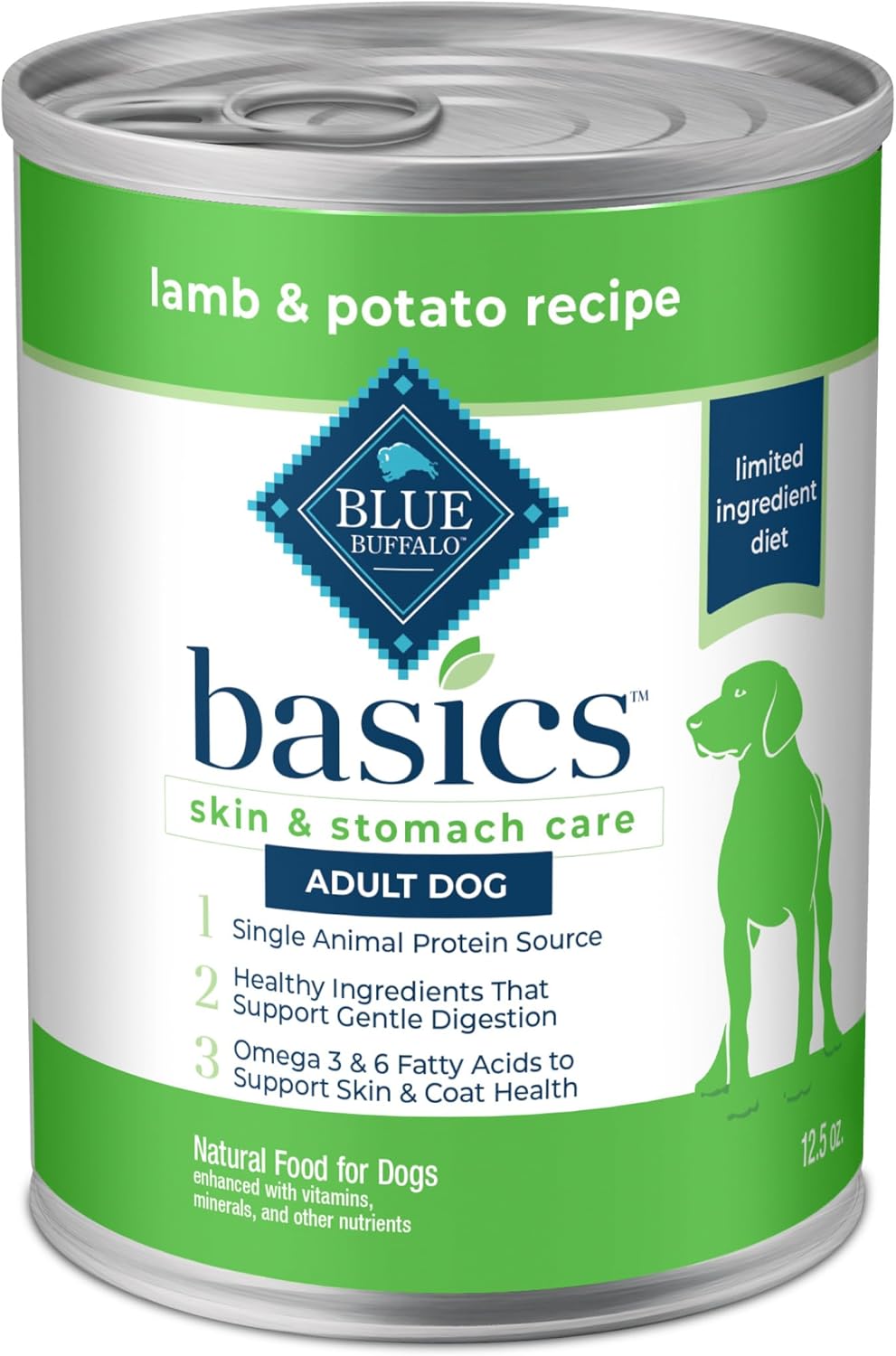
Blue Buffalo Basics Lamb Wet Dog Food 12-pack
Best Limited-Ingredient Canned Food
| Flavor | Lamb |
|---|---|
| Item Form | Wet |
| Special Ingredients | grain-free |
| Unit Count | 150 Ounce |
| Number of Items | 12 |
Blue Buffalo Basics Lamb & Potato wet dog food is a limited-ingredient, grain-free canned formula intended for adult dogs with sensitive stomachs or skin concerns. Each 12.5-ounce can centers on real lamb and lamb broth with a short list of accompanying ingredients like potatoes, peas, and pumpkin, plus added omega 3 and 6 fatty acids to support coat and skin health. In practice it can be fed as a complete meal or mixed with dry food for added moisture and palatability, and the soft texture and savory aroma often appeal to picky eaters. The formula omits common triggers such as corn, wheat, soy, and poultry by-product meals, which simplifies elimination feeding and reduces exposure to some allergens. Guaranteed analysis shows moderate protein and fat levels appropriate for many adults, but dogs with very specific amino acid or micronutrient needs should consult a vet since this is a single-routine wet food. Also, canned feeding can be more costly per serving than dry food and requires refrigeration of leftovers. For owners prioritizing a short ingredient list and digestive/skin support, this is a practical, ready-to-serve option.
Best for: Buyers who need a simple, grain-free wet food to reduce dietary triggers and who want a ready-to-serve option to support skin and digestive health.
Less Ideal for: Owners seeking a high-protein or performance diet, or those who prefer a single complete dry food solution to lower daily feeding costs.
- Real lamb is the first ingredient for a recognizable protein source
- Grain-free and excludes corn, wheat, soy, and poultry by-product meals
- Includes omega 3 and 6 fatty acids to help skin and coat health
- Shorter ingredient list suited to elimination or limited-ingredient diets
- Moderate protein and fat levels may not meet all performance or growth needs
- Canned food can be more expensive per feeding and needs refrigeration after opening
Verdict: The best limited-ingredient canned food for dogs with suspected food sensitivities, designed to minimize potential dietary triggers while supporting easier digestion.
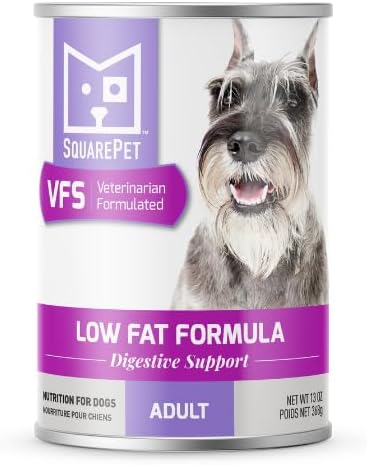
SquarePet VFS Low Fat Formula 13oz
Best Low-Fat Canned Food
| Flavor | Ocean Whitefish |
|---|---|
| Item Form | Chunk |
| Age Range Description | All Life Stages |
| Specific Uses For Product | Weight Management |
| Unit Count | 12 Count |
SquarePet VFS Low Fat Formula is a canned wet dog food formulated to help dogs with fat-sensitive digestion by using naturally lean Pacific whitefish as the primary protein. It is typically used as a complete meal for dogs with sensitive stomachs or as a short-term dietary option while working with a veterinarian. The recipe includes a GI Health blend of dietary fiber and prebiotics to support gut motility and nutrient absorption, plus added DHA and EPA to help maintain skin and coat health. Sold in 13 oz cans and packaged as a 12-count case, it is convenient for households that prefer fewer open cans and larger servings. The formula is made in the USA without artificial ingredients and was developed with input from veterinary nutritionists, which adds confidence for therapeutic use. Limitations include that the product is positioned for digestive support rather than weight loss alone, and caregivers should follow veterinary guidance for transitioning and portioning, since larger cans can lead to waste if not used promptly once opened.
Best for: Owners with multiple dogs or those who prefer larger single-serve cans who need a veterinarian-formulated, low-fat option to manage digestive sensitivity in their dogs.
Less Ideal for: Pet owners who need single-serve portions for tiny dogs or who require a labeled therapeutic weight-loss diet should consider other formats or formulas.
- Low-fat, lean whitefish primary protein suited for dogs with fat intolerance
- Proprietary GI Health blend with dietary fiber and prebiotics to support digestion
- Includes DHA and EPA to support skin and coat health
- Sold as 13 oz cans in a 12-count case for fewer open-can events and bulk serving convenience
- Larger 13 oz can size may require refrigeration and prompt use after opening
- Not marketed specifically as a weight-loss diet so calorie control must be managed with vet input
Verdict: The best low-fat canned food for diarrhea for dogs whose loose stools are aggravated by high dietary fat, offering calories and nutrition with reduced fat content.
Fromm Turkey & Pumpkin Pate
Best High-Fiber Canned Food

| Flavor | Turkey & Pumpkin |
|---|---|
| Item Form | Pate |
| Age Range Description | All Life Stages |
| Unit Count | 146.4 Ounce |
| Number of Items | 12 |
Fromm Turkey & Pumpkin Pate is a wet dog food sold in a case of twelve cans that pairs minced turkey with pumpkin, carrots, and sweet potatoes in a pâté texture. It is typically used as a meal, meal topper, or hydrating complement to dry food and is formulated for all life stages and breeds. The inclusion of pumpkin and other soluble-fiber sources helps support digestion and can bulk stools, while the pâté texture makes it easy to mix into kibble or serve on its own to stimulate appetite in dogs with soft stool. The recipe is grain-free and packaged without artificial colors, flavors, or preservatives, and the cans are convenient for portion control and warming before serving. Limitations include the product being a case-pack of cans, which may be excessive for single-dog households unless frozen or refrigerated after opening, and the nutritional details and precise soluble fiber content are not listed on the product page so dosing for therapeutic fiber needs requires consultation with a veterinarian.
Best for: Buyers seeking a canned formula with natural fiber sources to help firm stools and support digestion in dogs that need a gentle dietary approach to diarrhea recovery.
Less Ideal for: Owners who need a labeled high-soluble-fiber veterinary therapeutic with exact fiber percentages or those who cannot store multiple unopened cans.
- Contains pumpkin and other fiber-containing ingredients to help bulk and normalize stool
- Pate texture mixes easily with dry food or can be served alone to encourage intake
- No artificial colors, flavors, or preservatives listed
- Sold as a multi-can case for easy long-term stocking and portion control
- Exact fiber content and guaranteed analysis for therapeutic dosing are not provided on the product page
- Case of 12 may be more than needed for small households and requires storage after opening
Verdict: The best high-fiber canned food for diarrhea for dogs who benefit from added soluble fiber to bulk and normalize stool consistency and digestive transit time.
Blue Buffalo True Solutions Wet Dog Food Chicken
Best Probiotic Canned Food

| Flavor | Chicken |
|---|---|
| Item Form | Wet |
| Special Ingredients | Prebiotic |
| Allergen Information | Corn-Free, Soy Free, Wheat Free |
| Unit Count | 150 Ounce |
This wet formula is designed to support dogs with sensitive stomachs by using real chicken as the first ingredient and adding prebiotic fiber to promote healthy digestion and stool quality. It is typically fed as a primary wet diet or mixed with dry food to increase moisture and fiber; feeding guidelines recommend roughly half to one can per 10 pounds of body weight per day and unused portions should be refrigerated. Notable features include limited-ingredient styling with no corn, wheat, soy, or poultry by-product meals, added antioxidant ingredients like apples, and a composition aimed at gentle digestibility. In practice the texture and chicken-forward flavor make it palatable for many dogs while the formula's fiber sources and moderate protein and fat levels help ease sensitive stomachs. Limitations are that guaranteed analysis shows relatively low protein and higher moisture typical of wet foods, so owners wanting a high-protein therapeutic diet or veterinary prescription formulas should consult their vet first.
Best for: Pet owners who want an everyday wet food that gently supports digestion with added fiber and recognizable ingredients and who prioritize ingredient quality and palatability for sensitive stomachs.
Less Ideal for: Owners seeking a veterinary prescription diet for confirmed medical gastrointestinal disorders or those needing a very high-protein performance diet should look elsewhere.
- Prebiotic fiber included to support digestive health and maintain stool quality
- Real chicken listed as the first ingredient for palatability
- Free from corn, wheat, soy, and poultry by-product meals
- Formulated by veterinarians and PhD animal nutritionists with added antioxidants
- Lower crude protein percentage compared with many high-protein wet or dry therapeutic diets
- Not a prescription formula for specific medical digestive disorders
Verdict: The best probiotic canned food for diarrhea for pet owners wanting added live cultures and prebiotic support to help restore healthy intestinal bacteria and reduce recurrence.
Open Farm Goodbowl Whitefish & Salmon 12.5oz (12pk)
Best Premium Canned Food

| Flavor | Whitefish & Salmon |
|---|---|
| Item Form | Wet |
| Age Range Description | All Life Stages |
| Unit Count | 12 Count |
Open Farm Goodbowl Whitefish & Salmon is a grain-inclusive pate built around wild-caught whitefish and salmon with non-GMO vegetables and wholesome grains to serve as a full meal or a topper. It is typically fed straight from the can or mixed into kibble and is formulated for all life stages with an emphasis on appetite stimulation and sensitive digestion. Ingredient choices like fish broth, added soluble fiber from dried chicory root, and turmeric suggest a focus on gentle digestion and gut-supporting nutrients, while the absence of corn, wheat, and soy can help reduce common triggers for some dogs. Because it is a pate, it is easy to portion and digest for dogs recovering from gastrointestinal upset. Limitations: it is grain-inclusive rather than grain-free, so dogs with specific grain allergies may need alternatives, and as a higher-quality, sustainably sourced canned diet it is a premium option that may cost more than basic wet food. Feeding directions recommend roughly one 12.5 oz can per 12 pounds of body weight per day, so plan portions accordingly.
Best for: Owners seeking a thoughtfully sourced, highly digestible wet food to support dogs with sensitive digestion and who prioritize ingredient traceability and gut-friendly additions.
Less Ideal for: Shoppers who need a grain-free clinical recovery diet or those looking for the lowest-cost canned food options should consider other products.
- First ingredient is wild-caught whitefish for a high-quality protein source
- Pate texture that is easy to digest and useful for dogs with sensitive stomachs
- Includes prebiotic fiber (dried chicory root) and turmeric which may support gut health
- Made with non-GMO vegetables and no corn, wheat, or soy
- Comes in a 12-count case for consistent supply and portioning
- Grain-inclusive formulation may not suit dogs with grain-specific allergies
- Premium, sustainably sourced ingredients make it a higher-cost option
Verdict: The best premium canned food for diarrhea for owners willing to pay more for thoughtfully sourced ingredients, advanced digestibility, and targeted formulations aimed at long-term gut health.
Choosing the Right Canned Dog Food Diarrhea: Key Factors to Consider
Ingredient Simplicity
Dogs with diarrhea benefit from short, recognizable ingredient lists. A concise ingredient panel reduces the number of potential dietary triggers and makes it easier to run an elimination trial if sensitivities are suspected. When ingredients are simple, you also know whether a protein or carbohydrate is likely to be the culprit, which speeds troubleshooting.
Look for whole-food ingredients and avoid formulas that rely on multiple protein sources or long strings of additives. Simpler recipes let you transition in and out of recovery diets without introducing unnecessary variables that could prolong loose stools.
Protein Choice and Digestibility
The type and quality of the protein affects how quickly the gut can process a meal. Highly digestible single proteins reduce workload on the intestine and lower the chance of undigested material irritating the colon. Novel proteins can help when a food allergy is suspected, but switching proteins should be done with care and ideally under veterinary guidance.
Processed methods matter too; gently cooked or canned proteins that retain moisture are generally easier on inflamed guts than heavily processed dry blends. Prioritizing recognizable, single-source proteins helps maintain consistent digestion during recovery.
Fiber Profile and Quantity
Fiber influences stool texture and gut transit time. Soluble fibers absorb water and can help firm loose stool, while insoluble fibers add bulk and speed transit. For diarrhea, a measured amount of soluble fiber is often beneficial to moderate water loss and promote a firmer stool. Excessive insoluble fiber, however, can worsen loose stools in some dogs.
Check the label for sources like beet pulp, psyllium, pumpkin, or oats, and prefer formulas that state fiber purpose. A balanced fiber profile supports short-term recovery and helps maintain regularity once the dog transitions back to normal feeding.
Fat Level and Fat Digestibility
High fat can worsen diarrhea by increasing intestinal motility and making stool more liquid. Lower-fat formulas or foods that use highly digestible fats are easier to tolerate during bouts of loose stool. However, fat is calorie-dense and important for energy, especially in small or recovering dogs, so the goal is moderation rather than elimination.
Owners should look for clear fat content on the label and prefer formulas that emphasize digestible fat sources. If pancreatitis is a concern, consult a veterinarian and prioritize very low-fat therapeutic diets.
Added Digestive Supports
Ingredients such as probiotics, prebiotics, and digestive enzymes can help rebalance intestinal flora and improve nutrient breakdown during recovery. Probiotics often reduce duration of diarrhea in otherwise healthy dogs, and prebiotics feed beneficial bacteria to help establish a more resilient microbiome.
Not all supplements are equal; look for guaranteed live probiotic strains or natural prebiotic sources and avoid phrases that lack measurable guarantees. These additions are supportive, not curative, and should complement veterinary care when diarrhea is severe or persistent.
Transition and Palatability
A food that settles the gut but is refused will not help recovery. Palatability is important to ensure consistent intake during a digestive episode. Equally important is how easy the food is to transition from the dog's current diet: abrupt changes can worsen diarrhea, so choose a formula that can be mixed gradually into existing food.
Consider wet texture and aroma for picky dogs, and plan a stepwise transition over several days unless a rapid therapeutic switch is advised by a veterinarian. Having a product the dog will eat consistently speeds recovery and reduces the risk of secondary problems like dehydration.
How Quickly Can I Expect Stool to Improve After Switching Foods?
Improvement timelines vary with the cause and severity of diarrhea. In mild cases caused by a simple dietary upset, stool can begin to firm within 24 to 72 hours after switching to a gentler canned food and ensuring hydration. If diarrhea is due to an infection or parasite, resolution may take longer and require veterinary treatment.
When making a dietary change, monitor hydration and stool quality closely. If there is no meaningful improvement within 48 to 72 hours, or if symptoms worsen or include blood, lethargy, or vomiting, contact a veterinarian.
- Mild dietary upset: often improves within 1 to 3 days.
- Infectious or parasitic causes: may need medication and several days to weeks.
- Worsening signs or systemic symptoms: seek veterinary care promptly.
Can I Use a Home-cooked Bland Diet Instead of Canned Food?
A bland home-cooked diet of plain protein and rice can be effective for short-term management of mild diarrhea and gives you full control over ingredients. However, it may not provide balanced nutrition if fed beyond a few days and may lack beneficial functional ingredients like specific fibers, probiotics, or digestive enzymes found in formulated canned options.
If you use a home diet, keep meals plain, small, and frequent, and reintroduce normal food gradually once stool firms. For dogs with chronic or severe diarrhea, consult a veterinarian before relying on homemade diets long term.
- Short-term option for mild cases.
- Not balanced for long-term feeding without formulation guidance.
- Monitor hydration and stool; seek veterinary care if no improvement.
How Do Probiotics and Prebiotics Help During Diarrhea?
Probiotics introduce beneficial live bacteria that can outcompete harmful strains and reduce the duration of diarrhea in many dogs. Prebiotics are nondigestible fibers that feed these beneficial bacteria, supporting a healthier microbiome over time. Together, they can help restore balance after a digestive upset.
Not all probiotic products are the same: look for clear strain information and guaranteed live counts through the product's shelf life. When included directly in canned foods, these ingredients are convenient and reduce the need for separate supplements.
- Probiotics may shorten diarrhea duration.
- Prebiotics support long-term microbiome resilience.
- Check labels for strain and potency information when possible.
When Is Diarrhea an Emergency and Not Just a Food Problem?
Diarrhea becomes urgent when it is accompanied by severe vomiting, weakness, collapse, high fever, or if there is significant blood in the stool. Young puppies, older dogs, and dogs with underlying health conditions are at higher risk of rapid dehydration and complications. In those cases, immediate veterinary attention is required.
Minor loose stools without other signs can often be managed at home for a short period with dietary adjustments and close monitoring. Always err on the side of caution if you notice rapid deterioration or if symptoms last more than a couple of days.
- Emergency signs: persistent vomiting, collapse, severe blood in stool.
- High-risk groups: puppies, seniors, immunocompromised dogs.
- If unsure, contact a veterinary professional promptly.
How to Transition Your Dog to a New Canned Food Safely
Transition slowly to avoid triggering more digestive upset. Mix a small portion of the new canned food with the current food and increase the new food's proportion over 3 to 7 days depending on how sensitive your dog is. For dogs already experiencing diarrhea, some veterinarians recommend a more conservative approach: start with a very small amount and increase only if stool shows signs of improvement.
Keep meals small and frequent during the transition and ensure fresh water is available. Record stool quality daily to assess whether the new food is helping or if you need to stop the trial and consult a vet.
- Start with 10 to 25 percent new food mixed into current food.
- Increase over several days, watching stool quality.
- Pause or revert if diarrhea worsens and consult a vet.
How We Chose the Best Canned Dog Food Diarrhea
We prioritized practical, measurable criteria that matter when selecting canned foods to help dogs with diarrhea. First, ingredient simplicity: fewer, recognizable ingredients reduce the chance of dietary triggers and make elimination easier. Second, protein digestibility: we favored foods that rely on single, easily digested protein sources and avoid complex novel protein blends that may irritate sensitive guts. Third, fiber type and level: the balance of soluble and insoluble fiber influences stool water content and transit time, so we looked for formulas with appropriate fiber profiles for firming stool. Fourth, fat content and digestibility: lower or highly digestible fat reduces the risk of fat-driven loose stools while still supplying needed calories. Fifth, added functional ingredients: gentle prebiotics, probiotics, or digestive enzymes can support recovery without masking an underlying issue. We excluded foods with long ingredient lists, many artificial additives, or aggressive fillers that are likely to worsen loose stools. Finally, we considered sourcing transparency and labeling clarity so owners can make informed substitution and transition plans during recovery.
Our full evaluation process is outlined in our review methodology.
FAQ
Is canned food better than dry food for dogs with diarrhea?
Canned food can be easier to digest for some dogs because it is higher in moisture and often contains more digestible proteins and fats. That said, whether canned or dry is better depends on the specific formula and the underlying cause of diarrhea.
How long should I feed a recovery canned diet?
Short-term use of a recovery canned diet is common for a few days to a couple of weeks while monitoring improvement. If diarrhea persists beyond that or recurs after returning to the regular diet, seek veterinary advice to investigate underlying causes.
Can I add rice or pumpkin to canned food to help firm stool?
Plain cooked rice or canned pumpkin can help firm stool for some dogs because rice provides gentle starch and pumpkin adds soluble fiber. Use small amounts and avoid sweetened or spiced varieties. Monitor stool and hydration when adding supplemental ingredients.
Are probiotics safe to give during diarrhea?
Probiotics are generally safe and often helpful during routine cases of diarrhea, as they can support beneficial gut bacteria. If your dog is immunocompromised or critically ill, consult a veterinarian before adding probiotic supplements.
Should I withhold food when my dog has diarrhea?
Brief fasting is sometimes recommended for adult dogs with mild diarrhea to give the gut a rest, but it depends on the dog's age, size, and health. Puppies and small breeds should not be fasted due to the risk of low blood sugar. If in doubt, check with a veterinarian for tailored guidance.
Final Verdict
When managing canine diarrhea, prioritize digestibility, a balanced fiber profile, and moderate fat. Choose canned foods with simple, single-source proteins and clear labeling that support a short recovery window while keeping your dog well hydrated. Balance palatability and transition strategy so the dog will eat consistently, and be prepared to consult a veterinarian if symptoms persist or worsen. With careful selection and monitoring, most cases of mild dietary diarrhea can be resolved at home using the criteria outlined here.

