

Finding the right canned food for a small breed dog matters more than you might think. Small dogs have faster metabolisms, smaller mouths, and different calorie needs than larger breeds, so the wrong texture or nutrient profile can lead to picky eating, excess weight, or gaps in essential vitamins and amino acids. This guide highlights a short list of the seven best canned foods for small breed dogs, chosen for palatability, appropriate calorie density, and nutrient balance. You will see the key criteria we used to evaluate options and practical notes to help you match a product to your dog's age, appetite, and health needs. Continue to the product list for our top picks and quick buying notes.
Top Picks at a Glance
| Best Overall Canned Food for Small Breed Dogs The top all-around canned formula for most small-breed needs | Purina Pro Plan Adult Small Breed Beef |  |
| Best Budget Canned Food for Small Breed Dogs A lower-cost canned option that still meets basic nutritional needs | Pedigree Small Dog Tender Bites |  |
| Best Premium Canned Food Higher-end formulations with superior ingredients and richer nutrient profiles | ZIWI Peak Canned Dog Food Variety Pack |  |
| Best Grain-Free Canned Food Formulas without grains, for dogs with specific dietary preferences | Wellness CORE Mini Meals Variety Pack | 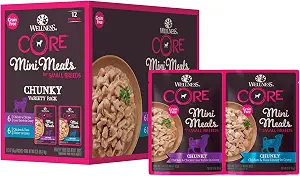 |
| Best High-Protein Canned Food Higher-protein recipes to support active metabolisms and lean mass | Instinct Original Small Breed Chicken |  |
| Best Limited-Ingredient Canned Food Simpler recipes with fewer ingredients to reduce allergy risk | Blue Buffalo Basics Lamb Small Breed |  |
| Best Pate Canned Food Smooth, easy-to-eat pâté textures favored by many small dogs | Nulo Small Breed Pate Salmon & Pumpkin |  |
Purina Pro Plan Adult Small Breed Beef
Best Overall Canned Food for Small Breed Dogs
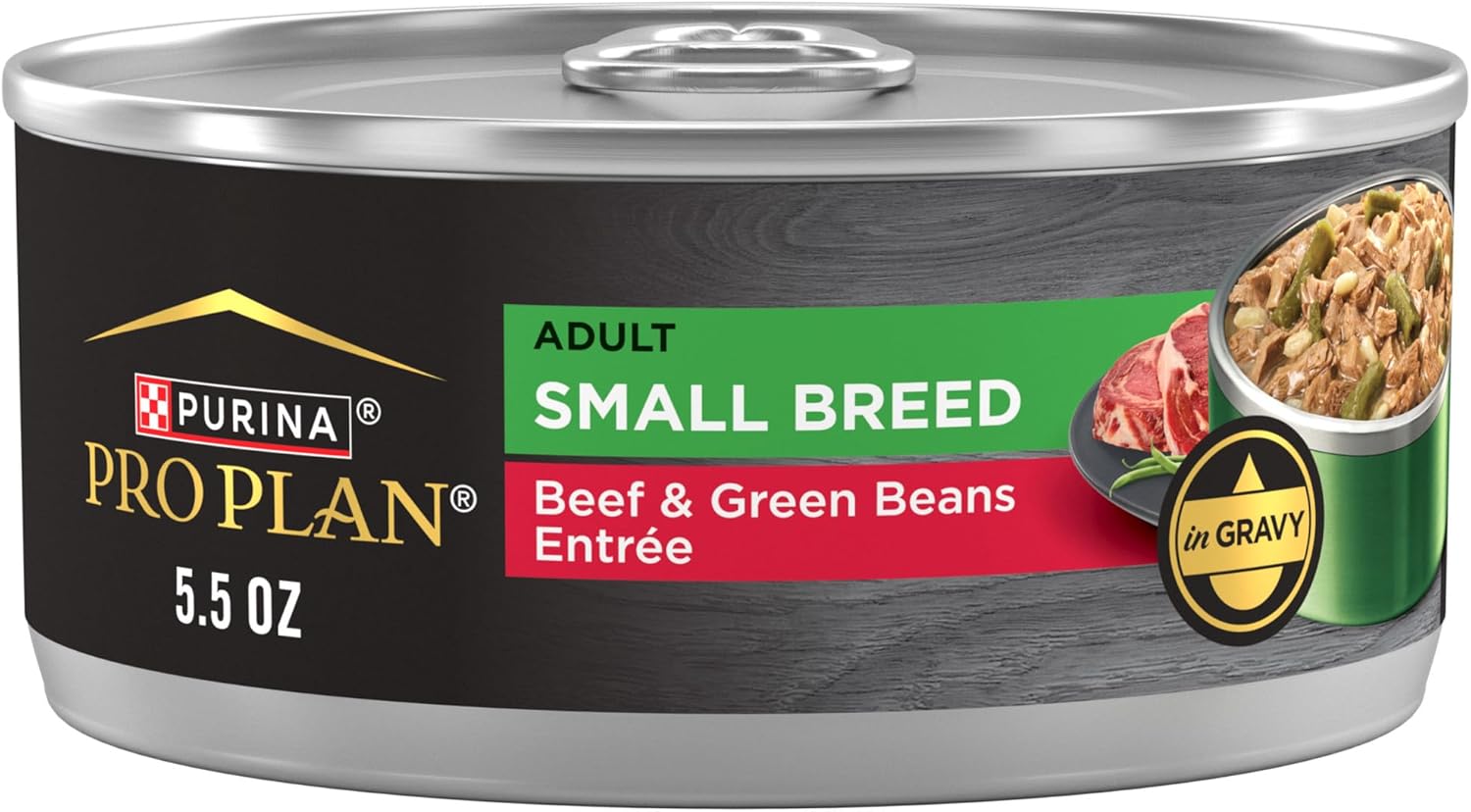
| Flavor | Beef & Green Beans |
|---|---|
| Age Range Description | Adult – Small Breed |
| Item Form | Wet |
| Unit Count | 132 Ounce |
| Number of Items | 24 |
Purina Pro Plan Adult Small Breed Beef & Green Beans is a high-protein wet formula designed to meet the elevated metabolic and nutrient needs of adult small dogs. It is typically served as a meal or mixed with dry food; feeding guidelines suggest roughly one can per 3 to 5 pounds of body weight daily divided into multiple feedings. The formula lists real beef and complementary ingredients like green beans and brown rice and delivers 100 percent complete and balanced nutrition for active small breeds. Notable features include a focus on lean muscle support through higher protein, no artificial colors flavors or preservatives, and veterinarian-recommended positioning backed by Purina's nutrition team. In practice this will appeal to owners who want a meat-forward, nutrient-dense wet option to support activity, appetite, and coat health, and it works well as the primary wet meal or as a topper for picky eaters. Limitations: as a wet canned food it requires refrigerated storage of opened cans and may be more costly per feeding than dry diets, and the ingredient list includes some by-products and grains that some buyers may prefer to avoid.
Best for: Buyers seeking a meat-forward, higher-protein wet meal for active or muscular small-breed adult dogs who prioritize appetite and targeted nutrition.
Less Ideal for: Owners who require grain-free, novel-protein, or strictly single-ingredient diets for allergy management should consider specialty formulas instead.
- Formulated specifically for small-breed adults with feeding guidance tailored by weight
- High-protein recipe featuring real beef to support lean muscle maintenance
- No artificial colors flavors or preservatives listed
- Complete and balanced nutrition for active small dogs according to the product claim
- Contains meat by-products and grains which some buyers avoid
- Opened cans must be refrigerated and used within a short period
- Wet format is generally more expensive per serving than dry food
Verdict: The best overall canned food for small-breed dogs that balances nutrition, palatability, portion sizes, and ingredient quality for everyday feeding.
Pedigree Small Dog Tender Bites
Best Budget Canned Food for Small Breed Dogs
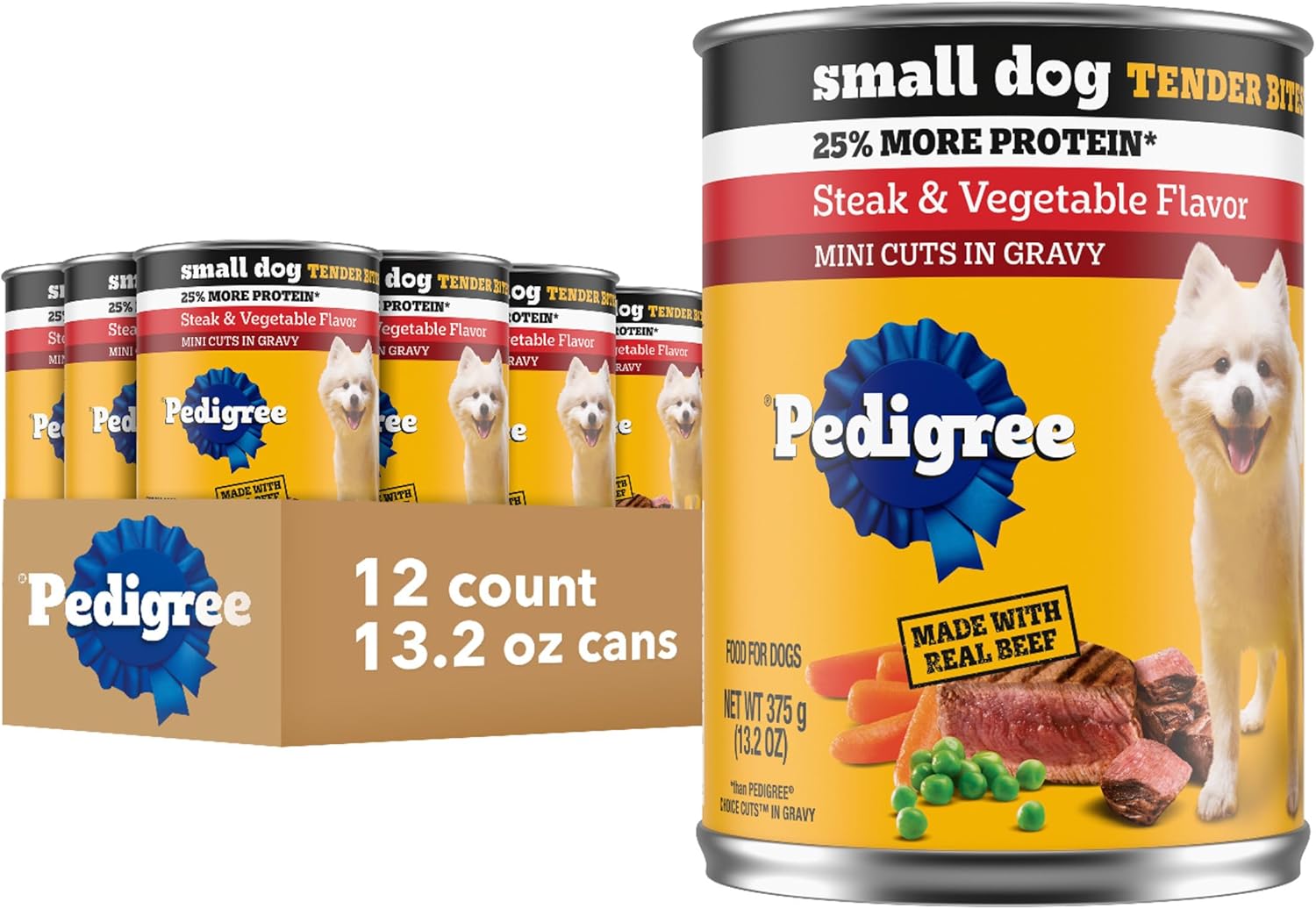
| Flavor | Steak & Vegetable |
|---|---|
| Item Form | Wet |
| Breed Recommendation | Small Breeds |
| Unit Count | 12 Count |
Pedigree Small Dog Tender Bites in Gravy is a canned wet food formulated for adult small breeds and designed to be served as a complete meal or mixed as a topper. The product features small, easy-to-eat cuts slow-cooked with real beef in a gravy that appeals to picky eaters and helps add moisture to dry food. It lists 36 vitamins, minerals, and amino acids and claims higher protein than Pedigree adult recipes for active small dogs, which supports everyday nutrition and lean muscle maintenance. Practical benefits include easy portioning from 13.2 oz cans and a feeding guide tailored for small dogs, plus the convenience of refrigerating leftovers for up to three days. Limitations are that the ingredient list includes meat by-products, grains, and added color rather than single-source named meats, so buyers seeking premium or grain-free formulations may prefer other options. As a budget-friendly canned choice, it balances palatability and basic nutritional completeness for small-breed adult dogs rather than offering specialty ingredients or novel proteins.
Best for: Cost-conscious owners of adult small-breed dogs who want a palatable, complete canned food they can feed on its own or mix with dry kibble to add moisture and flavor.
Less Ideal for: Owners seeking premium, single-protein, grain-free, or limited-ingredient diets for dogs with food sensitivities should consider higher-end specialty formulas instead.
- Formulated specifically for small-breed adult dogs with smaller morsels for easy chewing
- Comes in easy-to-open 13.2 oz cans that refrigerate well for up to three days
- Contains a broad vitamin and mineral profile to provide complete and balanced nutrition
- Palatable steak and vegetable flavor in gravy that works as a meal or as a topper to dry food
- Uses meat by-products and includes grains and added color instead of single-source premium proteins
- Not a grain-free or limited-ingredient formula for dogs with specific sensitivities
Verdict: The best budget canned food for small-breed dogs that delivers acceptable nutrition and flavor at a lower price for cost-conscious pet owners.
ZIWI Peak Canned Dog Food Variety Pack
Best Premium Canned Food

| Unit Count | 36 Ounce |
|---|---|
| Number of Items | 6 |
| Item Form | Pate |
| Age Range Description | All Life Stages |
| Animal Food Diet Type | Limited Ingredient |
ZIWI Peak Canned Dog Food comes as a six-pack variety of pate-style wet food with beef, chicken, lamb, mackerel & lamb, tripe & lamb, and venison recipes formulated to be high in animal protein and moisture rich. It is typically used as a complete meal or a topper for picky or active dogs, and the recipes emphasize whole-prey ingredients such as meat, organs, bone and New Zealand green-lipped mussels for natural chondroitin and glucosamine. The formula is grain-free and avoids common fillers, which helps dogs with sensitivities or those on limited-ingredient diets, and the moist pate texture supports hydration and texture stimulation. Guaranteed analysis values show relatively high protein and moderate fat with low carbs across flavors, and feeding guidance covers all life stages with transition instructions. Trade-offs to consider are the premium ingredient sourcing and specialized formulation, which make it a higher-cost option than standard wet food, and the pate format may not suit dogs that prefer chunky or shredded textures.
Best for: Active, lean, or growing dogs and owners focused on high animal-protein nutrition and whole-prey ingredients who want a moisture-rich, grain-free canned option to support muscle maintenance and energy.
Less Ideal for: Owners prioritizing low-cost bulk feeding or dogs that strongly prefer chunky or shredded wet food textures should consider other formats or brands.
- High proportion of animal-sourced ingredients including meat, organ, and bone for dense protein
- Moisture-rich pate supports hydration and can be used as a complete meal or topper
- Grain-free, limited-ingredient recipes suitable for dogs with common carbohydrate sensitivities
- Includes New Zealand green-lipped mussel for natural sources of chondroitin and glucosamine
- Premium sourcing and formulation make it more expensive than many canned dog foods
- Pate texture may not appeal to dogs that prefer chunkier wet food formats
Verdict: The best premium canned food for owners who want top-tier ingredients, targeted nutrient levels, and a focus on quality protein and manufacturing standards.
Wellness CORE Mini Meals Variety Pack
Best Grain-Free Canned Food

| Package size | Pack of 12 |
|---|---|
| Unit count | 36 Ounce |
| Item form | Chunk |
| Age range | Adult |
Wellness CORE Small Breed Mini Meals Chunky Variety Pack delivers single-serve grain-free wet pouches designed for small adult dogs. Each 3 oz pouch contains chunky pieces of real protein in a light gravy and is intended to be fed alone or mixed with dry food as a topper. The recipes list meat first and include added vitamins and minerals for complete and balanced nutrition, and feeding directions are scaled by body weight to simplify portioning. Practical benefits include the mess-free pouch format, convenient portion control for small breeds, and a variety pack that helps prevent flavor fatigue. The grain-free formulation and lack of corn, wheat, soy, artificial colors, or preservatives will appeal to owners managing ingredient sensitivities or preferring grain-free diets. Limitations are that grain-free is not required for all dogs and some veterinarians recommend against long-term grain-free feeding for certain dogs; also pouches are single-use so they create more packaging per meal and may be more expensive per ounce than canned or dry options. For small poodles needing a tasty, easy-to-serve wet meal or topper, these pouches are a straightforward option.
Best for: Owners of small poodles who want a grain-free, ready-to-serve wet meal or topper to manage ingredient sensitivities or add moisture and variety to daily feeding.
Less Ideal for: Owners prioritizing minimal packaging, the lowest cost per meal, or those whose veterinarians advise against grain-free diets for long-term feeding.
- Grain-free recipes with real meat as the first ingredient
- Convenient single-serve pouches for mess-free feeding and easy portion control
- Formulated as complete and balanced nutrition with added vitamins and minerals
- Variety pack offers multiple flavors to reduce menu boredom for small dogs
- Single-use pouches increase packaging waste compared with bulk cans or dry food
- More expensive per serving than many dry foods
Verdict: The best grain-free canned food for owners seeking recipes that omit grains while still providing balanced nutrition and palatable protein sources.
Instinct Original Small Breed Chicken
Best High-Protein Canned Food

| Flavor | Chicken |
|---|---|
| Item Form | Raw |
| Age Range Description | Adult |
| Number of Items | 12 |
| Unit Count | 66 Ounce |
Instinct Original Small Breed Chicken is a wet, loaf-style dog food designed to deliver higher animal protein and calories tailored for small dogs. It is typically served as a meal or mixed as a topper and is intended to support lean muscle and the elevated energy needs of active small breeds. The formula lists chicken and chicken liver up front and includes vegetables, fruits, and healthy oils for added nutrients and moisture. Being grain‑free and free of common fillers such as potato, corn, wheat, soy, by‑product meals, and artificial colors, it can suit dogs with certain sensitivities and those on grain‑free diets. Practical benefits include easier portioning for small mouths, high moisture content that helps hydration, and ingredients that emphasize animal protein. Limitations are that calorie and feeding needs still must be adjusted by weight and activity, and dogs with specific dietary restrictions should review the full ingredient and nutrient profile before switching. The loaf texture may not appeal to every dog and refrigerated storage is needed after opening.
Best for: Buyers seeking a canned food that boosts animal protein and calories specifically for active or muscle‑focused small-breed dogs who need nutrient‑dense wet meals.
Less Ideal for: Owners looking for veterinary-prescribed therapeutic diets or dogs that require chunk-style wet formulas may prefer other options.
- High animal protein with chicken and chicken liver as primary ingredients
- Grain‑free recipe without potato, corn, wheat, soy, or by‑product meals
- Loaf-style wet formula provides moisture and is easy to portion for small mouths
- Formulated with added fruits, vegetables, and oils for broader nutrient support
- Made in the USA with globally sourced ingredients
- Loaf texture may be disliked by some dogs who prefer chunks or pâté
- Requires refrigeration after opening and has limited leftover shelf life
- Not tailored to specific medical diets beyond general veterinary diet claim
Verdict: The best high-protein canned food for small-breed dogs needing elevated protein for activity, muscle maintenance, or higher energy requirements.
Blue Buffalo Basics Lamb Small Breed
Best Limited-Ingredient Canned Food

| Flavor | Lamb & Potato |
|---|---|
| Item Form | Pate |
| Breed Recommendation | Small Breeds |
| Special Ingredients | grain-free |
| Unit Count | 42 Ounce |
Blue Buffalo Basics Lamb Small Breed is a grain-free, limited-ingredient wet dog food sold in 3.5-ounce cups designed for adult small dogs. It uses lamb and lamb broth as the primary protein sources and lists a short roster of carbohydrate and binding ingredients such as potatoes, pea protein, and pumpkin, plus fish oil and flaxseed to supply omega fatty acids for skin and coat. The single-protein focus and absence of corn, wheat, soy, poultry by-product meals, artificial flavors, and preservatives make it practical for owners trying to isolate dietary triggers. Cups are portioned for small breeds and the recipe aims to meet higher energy needs with slightly increased protein and carbs relative to typical adult formulas. Nutritionally the product provides modest crude protein and fat levels appropriate for wet food, but because it is a multi-ingredient canned diet rather than a novel single-ingredient ration, dogs with extremely complex or multiple sensitivities may still require veterinary guidance and longer elimination trials. Packaging in individual cups is convenient for portion control but creates more waste than bulk cans for multi-dog households.
Best for: Owners of small adult dogs looking to narrow ingredient exposure and test or manage common food sensitivities with convenient single-protein wet cups.
Less Ideal for: Families needing a veterinary prescription elimination diet or multi-dog households that prefer bulk, low-packaging options.
- Single animal protein listed first (lamb) to simplify ingredient tracking
- Formulated without corn, wheat, soy, or poultry by-product meals
- Includes omega-3 and omega-6 sources to support skin and coat health
- 3.5-oz cups sized for small-breed portioning and easy feeding
- Not a prescription or hydrolyzed formula for dogs with severe allergies
- Moderate protein and fat levels may not suit extremely active small dogs
Verdict: The best limited-ingredient canned food for owners who want minimal, straightforward recipes to help identify or avoid food sensitivities.
Nulo Small Breed Pate Salmon & Pumpkin
Best Pate Canned Food

| Flavor | Salmon & Pumpkin |
|---|---|
| Item Form | Pate |
| Breed Recommendation | Small Breeds |
| Age Range Description | All Life Stages |
| Unit Count | 33.6 Ounce (12 cans) |
Nulo Small Breed Pate Salmon & Pumpkin is a wet, single-serve canned formula designed for small dogs and puppies that need a smooth, easy-to-eat texture. It is typically fed as a primary diet or used as a topper for dry kibble and is portioned in 2.8 oz cans that suit small appetites and weaning puppies. The recipe centers on animal proteins like chicken and salmon with pumpkin and sweet potato for gentle digestion, and it includes functional ingredients such as L-carnitine and salmon oil to support lean muscle and heart health. Because it is grain free and formulated for lower carbohydrates, it provides a denser protein profile and stable energy for small, active breeds. Practical benefits include ready-to-serve convenience, a pate texture that simplifies feeding young mouths, and formulations intended for all life stages so you can use the same cans through growth phases. Limitations are the small can size if you need larger portions per feeding and that a limited-ingredient label does not eliminate the need to monitor for individual allergies or sensitivities.
Best for: Owners of small-breed puppies who need a smooth, easy-to-eat wet food for weaning, short-nosed mouths, or as a topper to increase palatability while supporting growth.
Less Ideal for: Owners who prefer bulk feeding formats or need larger single-serve portions for medium and large breed puppies should consider larger can sizes or different product formats.
- Smooth pate texture suited to weaning puppies and dogs that prefer soft food
- Formulated for small breeds and all life stages so puppies and adults can eat the same recipe
- High animal-based protein with salmon and chicken to support lean muscle
- Includes functional ingredients like L-carnitine and salmon oil for metabolic and heart support
- Grain-free formulation with pumpkin and sweet potato for easier digestion
- Small 2.8 oz cans may require multiple portions for growing or very active puppies
- Limited-ingredient positioning does not guarantee suitability for dogs with specific protein allergies
Verdict: The best pâté-style canned food for small-breed dogs and picky eaters who prefer a smooth, easy-to-chew texture with consistent portioning.
Choosing the Right Canned Food Small Breed Dog: Key Factors to Consider
Protein Source and Level
Small breed dogs need high-quality protein to support lean muscle and metabolic function. Look for identifiable animal proteins listed near the top of the ingredient panel and a guaranteed analysis showing an appropriate crude protein percentage for adult maintenance or growth stage. Higher protein levels help maintain muscle mass in active small dogs and support satiety during shorter meals.
Also consider the form of protein. Whole-muscle proteins are generally more digestible and palatable than unspecified meat by-products. For dogs with sensitivities, single-source or limited-ingredient canned foods can reduce the chance of adverse reactions while still delivering necessary amino acids.
Calorie Density and Portion Size
Calorie density matters because small dogs eat smaller volumes at each meal. A canned food with an appropriate calorie per can or per cup value helps you measure portions that meet daily energy needs without overfeeding. Look for product labeling that provides feeding guidelines for small-breed weight ranges so you can estimate the right serving size.
Concentrated formulas can be useful for dogs that need more calories in smaller portions, but they require careful portion control. Conversely, very low-calorie wet foods may necessitate larger portions to meet energy needs and could be impractical for small-stomach dogs.
Texture and Particle Size
Small breed mouths and teeth often struggle with large chunks or overly firm pâtés. The right texture promotes comfortable chewing and encourages hesitant eaters to finish meals. Consider shredded or finely ground textures for older dogs with dental wear and chunkier but small-piece recipes for dogs that enjoy more chew engagement.
Particle size also affects how easily you can combine canned food with dry kibble or toppers. A smoother texture mixes evenly, while chunkier wet food may be better as a standalone meal or occasional topper depending on your dog's chewing ability.
Digestibility and Ingredient Tolerance
Digestive sensitivity is common in small breeds, so choose canned formulas with easily digestible carbohydrate sources and moderate fiber levels. Ingredients like easily digestible rice or sweet potato are preferable to heavy filler grains. Prebiotic fibers and limited novel proteins can support stool quality and reduce gas or loose stools.
If your dog has known food intolerances, seek limited-ingredient or single-protein canned foods and introduce new formulas slowly over several days to monitor tolerance. Avoid foods with unnecessary artificial colors or flavors that may upset sensitive gastrointestinal tracts.
Essential Micronutrients and Life-stage Suitability
Ensure the canned food is labeled complete and balanced for your dog's life stage. Small-breed adult maintenance, puppy growth, and senior formulas have different needs for calcium, phosphorus, vitamin D, and other micronutrients. For example, puppies need higher calcium for bone growth, while adult small breeds need controlled levels to avoid excess weight gain.
Also check for taurine and sufficient B vitamins, which support cardiac health and energy metabolism. If you follow a homemade feeding plan, canned food used as a primary component should still meet these micronutrient baselines or be combined with appropriate supplements under veterinary guidance.
Palatability and Aroma
Small dogs can be notoriously picky, so palatability is a major factor in whether a canned food will be accepted. Ingredients that provide aroma and taste, such as real meat broths and identifiable protein chunks, increase acceptance. Texture and moisture content also influence how appealing the food is.
While taste preferences vary between dogs, look for formulas that balance aroma with wholesome ingredients rather than heavy reliance on artificial flavor enhancers. Trial-size portions or gradual mixing with a current food can help determine a new formula's acceptance before committing to regular feeding.
How Do I Transition My Small Dog to a New Canned Food?
Switching canned foods should be done gradually to avoid digestive upset. Start by mixing 25 percent of the new formula with 75 percent of the current food for two to three days. If your dog tolerates that mix well, increase the new food to 50 percent for another two to three days, then 75 percent before moving to 100 percent.
Monitor stool quality, appetite, and energy levels during the transition. If loose stools or vomiting occur, slow the change down and consult your veterinarian if problems continue. For dogs with very sensitive stomachs, mixes of 10 percent increments over a longer period may be more appropriate.
- Introduce new protein sources slowly to watch for reactions
- Keep water available; moist food increases thirst in some dogs
- Use measured portions to avoid accidental overfeeding during transition
Which Textures Work Best for Small Mouths and Older Teeth?
Finely shredded or smooth pâté-style canned foods are often easiest for small mouths and senior dogs with dental wear. These textures require minimal chewing yet still provide the moisture and nutrients needed for daily feeding. Small soft chunks in gravy can also be suitable if pieces are small enough to be chewed comfortably.
For dogs that enjoy more texture, choose products with uniformly small chunks rather than large, irregular pieces. Chunks should be no larger than a size the dog can handle without having to tear or gnaw excessively.
- Pâté: easiest for seniors and dogs with missing teeth
- Shredded: good balance of texture and chewability
- Small chunks: best for dogs that prefer bite-sized morsels
Can Canned Food Help a Picky Small Breed Dog Eat More Consistently?
Yes, canned food's aroma and moisture often stimulate appetite in picky dogs. Wet textures release flavors more readily than dry kibble, which can entice dogs that have reduced interest in food. High palatability formulas with real meat and natural broths are particularly effective at increasing mealtime interest.
If a dog is persistently picky, try rotating protein sources and textures while maintaining consistent feeding times. Avoid frequent free-feeding, as scheduled meals help maintain appetite and make the canned food more appealing at mealtimes.
- Offer wet food at regular, scheduled meal times
- Warm canned food slightly to enhance aroma, but do not overheat
- Mix a small amount of canned food with kibble as a bridge for reluctant eaters
How Much Canned Food Should I Feed My Small Breed Dog Each Day?
Feeding amounts depend on calorie density, age, activity level, and body condition. Use the product's feeding chart as a starting point and adjust based on your dog's weight trends and body condition score. Small dogs can gain weight quickly from small portion overages, so precise measuring is important.
Divide daily portions into two or more meals to stabilize energy levels and reduce begging behaviors. If you are unsure, consult your veterinarian for a tailored caloric target and portion plan.
- Measure portions with a food scale or calibrated scoop
- Adjust portions by 5 to 10 percent if weight changes over a few weeks
- Account for treats when calculating daily calories
Is It Okay to Mix Canned Food with Dry Kibble?
Mixing wet canned food with dry kibble is a common strategy to boost palatability and moisture intake. Combine small amounts of canned food with measured kibble to maintain overall calorie control. Ensure the final portion still aligns with your dog's daily calorie needs.
Be aware that wet food can soften kibble quickly; feed mixed meals promptly and discard leftovers after two hours to prevent bacterial growth. For dental health, do not rely solely on wet food if your dog benefits from the abrasive action of dry kibble; work with your veterinarian on a balanced dental care plan.
- Mix in small amounts to avoid excess calories
- Serve mixed meals immediately and discard uneaten portions after two hours
- Use mix-ins strategically to encourage eating without creating reliance
When Should I Choose a Life-stage Specific Formula?
Life-stage formulas matter when your dog is a growing puppy, a senior with specific health concerns, or a reproducing female. Puppies need higher calories and different calcium-to-phosphorus ratios, while seniors may benefit from controlled calories, joint-support nutrients, and softer textures.
If your dog is an adult with no special medical needs, an adult maintenance formula labeled for all life stages may be acceptable. When in doubt, follow life-stage guidance on the label and consult your veterinarian to match formula choice to health status and activity level.
- Puppies: higher calories and growth nutrients
- Adults: maintenance formulas with balanced macros
- Seniors: lower calorie, joint-support, and softer textures
How We Chose the Best Canned Food Small Breed Dog
We applied practical, dog-focused filters to narrow hundreds of canned formulas down to the seven listed here. First, we prioritized nutrient profiles tuned for small breeds: adequate protein from identifiable animal sources, controlled fat levels to match high metabolic rates, and appropriate calorie density so small portion sizes meet daily energy needs. Second, we evaluated texture and particle size that suit small mouths and encourage eating by dogs that are picky or have dental wear. Third, ingredient clarity and inclusion of essential nutrients—complete amino acid profiles, added taurine where appropriate, and balanced vitamins and minerals—were required. We also considered digestibility and gastrointestinal tolerance, favoring formulas with moderately digestible carbohydrates and limited ingredient dyes or unnecessary fillers. Safety and manufacturing transparency were factored in via labeling and nutrient completeness statements. Exclusions included products lacking clear guaranteed analysis, formulas designed only for puppies or large breeds without a small-breed option, and novelty or seasonal flavors that do not offer sustained nutritional balance. The final list balances palatability, nutrient density, texture, and clear labeling to serve everyday feeding and common small-breed concerns.
Our full evaluation process is outlined in our review methodology.
FAQ
Can canned food alone meet all my small dog's nutritional needs?
Often, yes. Many canned foods are formulated to be complete and balanced for specific life stages and can serve as a sole diet. Always check that the label states the formula is complete and balanced for your dog's life stage and monitor weight and health with regular veterinary checkups.
How long can opened canned food sit out during a meal?
Opened canned food should be offered at a single meal and discarded if left out for more than two hours at room temperature. Store unused portions in the refrigerator in a sealed container and use them within a couple of days to reduce bacterial growth.
Is grain-free canned food better for small breeds?
Grain-free is not inherently better and depends on your dog's specific sensitivities. Some small dogs benefit from grain-free formulas if they have proven grain intolerances, but for many dogs, grains provide digestible carbohydrates and energy. Discuss suspected sensitivities with your veterinarian before switching to grain-free diets.
How do I handle picky eating without overfeeding treats?
Stick to scheduled meals and use a small portion of canned food as a topper rather than extra treats. Limit high-calorie treats and use low-calorie options for training. Increasing feeding activity by using puzzle feeders with appropriate portions can also encourage consistent eating without extra calories.
Will canned food help with my small dog's dental health?
Canned food alone does not provide the abrasive cleaning action of dry kibble. For dental health, combine regular toothbrushing, dental chews appropriate for small breeds, and professional cleanings as recommended by your veterinarian. If dental issues limit chewing, softer wet food may be necessary while addressing dental care.
Final Verdict
When choosing canned food for a small breed dog, prioritize nutrient density, appropriate calorie concentration, and a texture your dog can comfortably eat. Balance protein quality with digestible carbohydrate sources, and select life-stage formulas that match your dog's current needs. Weigh palatability against long-term nutrition and watch portion sizes closely to avoid rapid weight changes. Use the evaluation criteria above to decide quickly and confidently, and consult your veterinarian for tailored advice when special health concerns are present.

