

Picking the right chest harness for a small dog matters for everyday walks, training, and safety. The wrong harness can rub, slip, or restrict movement, while a well-fitted option makes walks more comfortable and easier to control. This guide shortlists the top chest harness options for small dogs and explains how we judged them. Below you will find harnesses that prioritize fit, adjustability, escape resistance, and comfort, along with practical notes to help you choose the right style for your dog and routine.
Top Picks at a Glance
| Best Overall Chest Harness A well-balanced harness that works for most small dogs | rabbitgoo Dog Harness Small |  |
| Best Budget Chest Harness An affordable harness that still provides reliable fit and function | Best Pet Supplies Voyager Step-In Harness Small |  |
| Best Lightweight Chest Harness A low-profile, minimal-weight harness ideal for tiny or delicate pups | Gooby Simple Step-In III Small Harness |  |
| Best Escape-Proof Chest Harness Extra-secure construction to prevent slipping out during walks or scares | JUFOO Soft Mesh Dog Harness XXXS |  |
| Best Reflective Chest Harness High-visibility materials and reflective trim for safer low-light walks | Copatchy No-Pull Reflective Dog Harness X-Small |  |
| Best Easy-On Chest Harness A harness that slips on quickly for fuss-free daily use | PUPTECK No Pull Dog Harness Small |  |
| Best Premium Chest Harness A higher-end harness with upgraded materials, fit, and craftsmanship | Ruffwear Front Range Dog Harness Small | 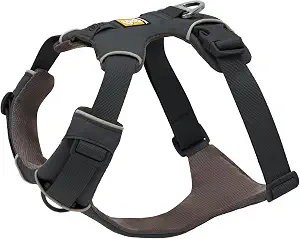 |
rabbitgoo Dog Harness Small
Best Overall Chest Harness

| Closure Type | Buckle |
|---|---|
| Dog Breed Size | Small |
| Material Type | Polyester |
| Included Components | Harness |
The rabbitgoo Dog Harness is a step-in style no-pull vest designed for small dogs and puppies that need a secure, adjustable fit. It slips over the head and secures with two quick-release buckles while four adjustable straps let you fine-tune chest and girth sizing as puppies grow. Two leash attachment points give you options for training or casual walks: a front clip to discourage pulling and a back clip for relaxed walking or jogging. Soft padding and breathable mesh reduce rubbing during longer outings, and reinforced buckles plus a padded top handle provide confident control for traffic or crowded situations. Reflective strips improve low-light visibility for early morning or evening walks. Limitations include that it is not chew-proof and the manufacturer advises it is not intended for all-day wear, so very active chewers or dogs that need continuous confinement may require a different solution. Overall, it is a practical, adjustable harness that balances comfort and control for growing puppies and small breeds.
Best for: Buyers who need a harness that can be repeatedly adjusted as a puppy grows and who prioritize ease of fitting, comfort, and training control during daily walks.
Less Ideal for: Owners looking for a chew-resistant, all-day wearable restraint or those who need a harness for very large or powerful dogs should consider heavier duty alternatives.
- Multiple adjustment points for chest and girth to accommodate growth
- Front and back leash clips for training and casual walks
- Soft padded design with breathable mesh to reduce chafing
- Padded top handle and reinforced buckles for quick control and security
- Reflective strips for improved visibility in low light
- Not chew-proof so unsuitable for heavy chewers
- Manufacturer recommends against all-day continuous wear
Verdict: The best overall chest harness for small dogs balances comfort, secure fit, durable materials, and ease of use for everyday walks and outings.
Best Pet Supplies Voyager Step-In Harness Small
Best Budget Chest Harness

| Material Type | Air mesh |
|---|---|
| Closure Type | Buckle, Double Ring, Hook & Loop |
| Size | S (Chest: 14.5 – 16") |
| Pet Type | Cat, Dog |
| Product Care Instructions | Machine Wash |
The Voyager Step-In Air harness is a low-profile vest harness built for quick on/off and everyday walks with small dogs or cats. Pets step through the soft air-mesh body and the harness secures with hook-and-loop plus a buckle and double D-rings for leash attachment, which makes it both easy to use and reassuringly secure. The mesh construction is breathable and fast-drying, so it works well year-round and is comfortable for warm-weather outings or active pets. Two reflective bands improve visibility on dawn or dusk walks. Sizing is chest-based rather than breed- or weight-based, so measuring against the size chart is important to get a snug, escape-resistant fit. The harness is lightweight and machine washable, but it is not meant for large dogs or heavy pullers and lacks specialized padding or reinforced no-pull hardware for very strong pullers. For owners who value speed and simplicity, the step-in design and multiple closures deliver practical convenience for daily use.
Best for: Owners who want a quick, low-fuss harness for small dogs or cats and prioritize easy on/off and breathable comfort for everyday walks.
Less Ideal for: People with large breeds, very strong pullers, or those who need heavy-duty no-pull or padded support should consider sturdier alternatives.
- Step-in design for fast, low-fuss donning and removal
- Breathable air mesh that is lightweight and machine washable
- Triple security with hook-and-loop, buckle, and double D-rings for leash attachment
- Reflective bands increase visibility in low light conditions
- Not engineered for large dogs or heavy pullers
- Sizing uses chest measurement so incorrect sizing can lead to fit issues
Verdict: The best budget chest harness gives cost-conscious owners a safe, functional option with decent durability and an acceptable fit for regular use.
Gooby Simple Step-In III Small Harness
Best Lightweight Chest Harness

| Size | Small chest (14.25∼17") |
|---|---|
| Dog Breed Size | Small |
| Weight Range | Up to 35 lbs |
| Material Type | Mesh |
| Closure Type | Buckle |
The Gooby Simple Step-In III is a minimalist step-in chest harness built for small or sensitive dogs who prefer a low-profile fit. It puts on by having the dog step into the openings, then fastening a quick-release buckle and fine-tuning fit with a sliding adjustment tab on the chest. The harness uses a breathable inner mesh to keep dogs cool and a scratch-resistant outer layer to resist wear, while a POM plastic leash ring provides a lightweight, durable leash attachment. Typical use is everyday walks and short outings where ease of use and minimal bulk matter; it is machine washable for easy cleaning. Because the harness is very light and designed for small breeds, it provides comfort and freedom of movement but offers only basic control rather than heavy-duty no-pull management, and sizing between measurements may require sizing up for a secure fit.
Best for: Buyers seeking a minimal, low-bulk chest harness for small or sensitive dogs that prioritizes comfort and easy on/off operation for daily walks.
Less Ideal for: Owners who need a heavy-duty no-pull solution or who walk large, strong dogs should choose a sturdier harness with reinforced control features.
- Very lightweight breathable mesh for comfort in warm weather
- Scratch-resistant outer layer improves durability against paw wear
- Quick-release buckle for fast on and off
- Slide-to-fit adjustment tab helps keep the harness secured without complex straps
- POM leash ring offers lightweight, durable attachment
- Designed for basic control only and not for heavy pullers
- Limited to small-breed sizing and weight range
Verdict: The best lightweight chest harness is designed for small or sensitive dogs who need minimal bulk and freedom of movement without sacrificing basic control.
JUFOO Soft Mesh Dog Harness XXXS
Best Escape-Proof Chest Harness

| Included Components | Harness, Leash |
|---|---|
| Closure Type | Hook & Loop |
| Size | XXXS |
| Pet Type | Cat, Dog |
This JUFOO soft mesh vest harness is a lightweight, breathable harness sold as a set with a 4.9 ft leash and sized here in XXXS for very small dogs and cats. It is put on by slipping the front paw through the opening, fastening wide hook-and-loop straps, then securing the safety buckle; the layered mesh and wide Velcro make it comfortable for daily walks, training, and short runs. The harness emphasizes escape prevention with a triple-safety approach: strong Velcro, a buckle, and multiple D-rings that help disperse tension when a dog pulls. Reflective wide bands around the vest improve visibility for low-light outings. Practical limits are the basic hook-and-loop closure and lightweight construction, which perform well for small, less-strong dogs but are not intended for heavy pullers or larger breeds, and the XXXS sizing requires careful measuring to avoid slippage or pressure points. Overall, the set is a good secure option for tiny, nervous dogs that need a snug, breathable vest for regular walks and training.
Best for: Buyers who need a breathable, snug vest harness to keep tiny, fidgety dogs or cats secure during daily walks and short training sessions.
Less Ideal for: Owners of strong pullers, larger breeds, or anyone who needs a heavy-duty all-buckle harness for high-force control.
- Breathable double-layer air-mesh keeps small dogs cool during activity
- Multiple D-rings and a buckle disperse tension to reduce choking risk
- Wide hook-and-loop closure plus buckle offers layered security against escape
- 360 degree reflective strips and wide reflective bands improve nighttime visibility
- Hook-and-loop closure may wear faster than all-buckle systems with heavy daily use
- Lightweight construction is not suited for strong pullers or larger dogs
- XXXS sizing requires precise measurement to ensure a secure fit
Verdict: The best escape-proof chest harness is built to keep wiggly or nervous small dogs secure with reinforced closures and a snug, anti-slip fit.
Copatchy No-Pull Reflective Dog Harness X-Small
Best Reflective Chest Harness

| Size | X-Small |
|---|---|
| Dog Breed Size | Extra Small, Small |
| Weight Range | 7-19 lbs |
| Material Type | Mesh |
| Closure Type | Buckle |
This Copatchy harness is a padded, mesh vest-style harness meant to reduce neck strain and make walks easier for dogs that pull. It fastens with two quick-release buckles and has adjustable straps around the neck and chest so you can tune the fit and leave a little room for growth. The all-weather breathable mesh and sponge padding make it comfortable for year-round use while the sewn reflective material improves low-light visibility on early-morning or evening walks. A reinforced top handle and dual leash-clip options give quick control during training or roadside corrections, and the harness is machine washable for easy cleaning. Limitations include that the sizing runs by measured weight range rather than breed, so careful measuring is important, and the lightweight mesh and plastic buckles are better suited to small, low- to moderate-pulling dogs rather than very strong pullers or frequent heavy-duty use.
Best for: Buyers who prioritize making small dogs more visible and comfortable on early-morning or evening walks and want a simple, adjustable harness with a handle for control.
Less Ideal for: Owners who need a heavy-duty restraint for very strong or frequently pulling dogs should choose a sturdier, reinforced harness designed for high-force use.
- Reflective trim increases visibility in low light
- Breathable sponge-filled mesh for year-round comfort
- Top handle and dual clip options for added control
- Two quick-release buckles and adjustable straps for an easier fit and on/off
- Plastic buckles and lightweight mesh are not built for very strong pullers
Verdict: The best reflective chest harness improves nighttime and early-morning visibility so small dogs are easier to spot by drivers and pedestrians.
PUPTECK No Pull Dog Harness Small
Best Easy-On Chest Harness

| Size | Small |
|---|---|
| Chest girth | 14.8"-20.5" |
| Material Type | Nylon |
| Closure Type | Buckle |
The PUPTECK small step-in harness is a lightweight, adjustable nylon vest made for everyday walks and puppy use. It fastens with a buckle after your dog steps in, then you fine-tune fit with the adjustable straps so the harness sits across the chest rather than the neck to discourage pulling and choking. The widened webbing and soft construction make it comfortable for short outings and for dogs that are still growing, and the included metal ID tag is a handy addition that can be removed before washing. Because the harness is hand-wash only and explicitly not chew-proof, it works best for supervised walking rather than heavy-duty or unsupervised wear. The harness offers simple on/off convenience and reasonable control for small breeds, but owners seeking heavy pulling control or rugged, chew-resistant gear should consider sturdier alternatives.
Best for: Owners of small or growing dogs who prioritize an easy step-in harness that can be repeatedly adjusted for a close, comfortable fit during daily walks.
Less Ideal for: People whose dogs are aggressive pullers, left unattended with gear, or who need a heavy-duty, chew-resistant harness for rough use.
- Step-in design and buckle closure make it quick and easy to put on small dogs
- Adjustable straps allow tailored fit as puppies grow or body shape changes
- Widened high-density webbing and soft nylon construction for daily comfort
- Chest-focused load distribution reduces pressure on the neck
- Includes durable metal ID tag that can be removed for washing
- Not chew-proof so it can be damaged if left unsupervised with chewers
- Hand wash only which requires more maintenance than machine-washable covers
Verdict: The best easy-on chest harness is for owners who want a fast, low-stress harnessing routine with simple closures and straightforward sizing.
Ruffwear Front Range Dog Harness Small
Best Premium Chest Harness
| Closure Type | Pull On |
|---|---|
| Dog Breed Size | Small |
| Material Type | Polyester |
| Adjustment Points | 4 Points |
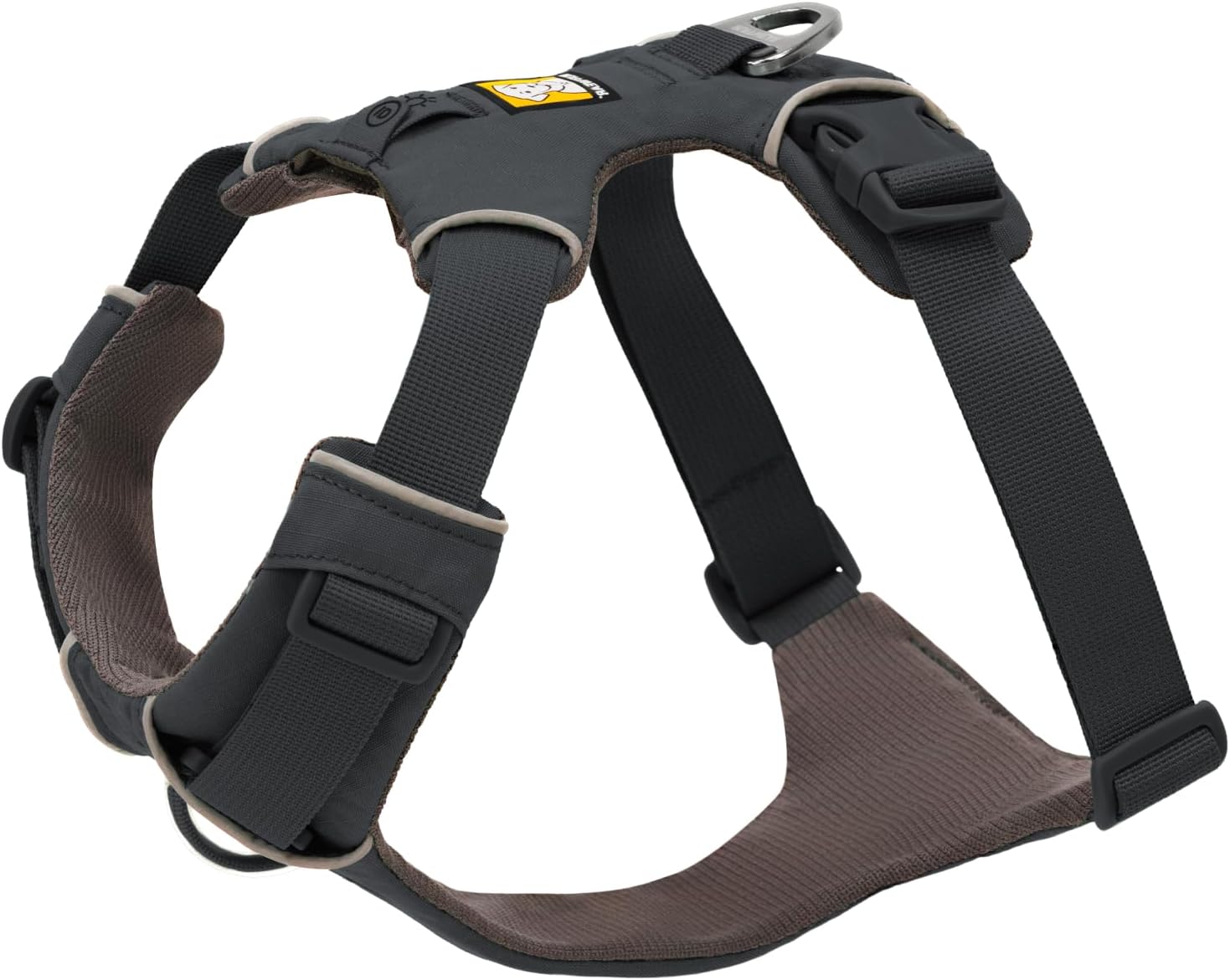
The Ruffwear Front Range is a versatile everyday harness built for comfortable, controlled walks and outdoor adventures. It fastens with durable side-release buckles and offers four points of adjustment so you can dial in a snug fit, while closed-cell foam padding across the chest and belly reduces chafing during long wear. Two leash attachment options—an aluminum V‑ring on the back for normal walking and a reinforced webbing chest attachment for redirecting pullers—make it useful for both casual strolls and basic no-pull training. The harness also includes reflective trim and a light loop for low-light visibility plus an ID pocket for tags. Practical limitations are that it is a pull-on closure style rather than a full step-in design and hand wash care is required, so maintenance is a bit more involved than fully machine-washable harnesses. Fit accuracy depends on following the sizing instructions since comfort and function hinge on a correct girth measurement.
Best for: Buyers who want a single, durable harness that balances comfort, adjustability, and everyday control for walks, hikes, and general outdoor use.
Less Ideal for: Owners looking for a harness that is fully machine-washable or who prefer a step-in design for very anxious or fussy dogs should consider other styles.
- Four points of adjustment for a customizable fit
- Closed-cell foam padding on chest and belly for long-wear comfort
- Two leash attachment points (back V-ring and chest webbing) for versatile control
- Reflective trim and light loop increase visibility in low-light conditions
- Durable side-release buckles and quality materials suited to regular outdoor use
- Hand wash only care instead of machine washable
- Pull-on closure may be less convenient for some dogs compared with step-in designs
Verdict: The best premium chest harness is aimed at owners willing to pay more for superior materials, refined fit, and long-term durability for everyday wear.
Choosing the Right Chest Harness Small Dog: Key Factors to Consider
Fit and Sizing
A precise fit is essential for small dogs because even small gaps allow slipping or cause chafing. Look for harnesses with multiple adjustment points so you can tighten or loosen around the neck and chest independently.
Measure both girth and neck circumference and compare to a sizing chart rather than guessing by weight. A harness that sits low across the sternum and high enough over the chest avoids pressure on the throat and reduces the chance of the dog backing out of it.
Escape Resistance
Small dogs can be agile and determined, so escape-resistant design is important. Features that improve security include secure buckles, step-in closures that enclose the chest, and a snug fit that limits upward movement of the harness when the dog pulls backward.
Partial slip or a loose neck opening are common failure points. A harness that offers a wide contact area across the chest and secondary fastening points reduces the likelihood of the dog wriggling free during walks or around distractions.
Comfort and Padding
Comfort matters especially for small dogs with thinner fur or sensitive skin. Padding across the chest and along edges helps prevent rubbing and hotspots during longer walks or active play.
Materials that breathe and resist moisture will stay more comfortable in warm conditions. Also consider seam placement; flat seams and wide straps distribute pressure more evenly than narrow webbing that can dig into skin.
Adjustability and Ease of Use
A harness that is easy to put on and adjust saves time and reduces stress for both dog and owner. Quick-release buckles and step-in designs are popular because they let you secure the harness without wrestling the dog.
Frequent adjustment points let you fine-tune fit as the dog grows or if coat thickness changes seasonally. Consider how accessible the buckles are and whether the design allows single-person fitting when needed.
Attachment Points and Control
Different walking styles and training goals require different leash attachment options. A back D-ring is common for everyday walking, while a front-clip option helps reduce pulling by redirecting forward momentum.
For small dogs, avoid overly heavy hardware that adds unnecessary weight. The placement and number of attachment points affect how force is distributed and how easy it is to steer or correct during walks.
Materials and Durability
Durable, washable materials extend the life of a harness that sees daily use. Look for corrosion-resistant hardware and fabric that holds up to tugging and outdoor wear while remaining soft against the dog.
Consider how easy the harness is to clean; machine-washable or wipeable fabrics simplify care. Also evaluate stitching quality and reinforcement at stress points to make sure the harness will not fail at the seams.
How Do I Measure My Small Dog for the Best Chest Harness Fit?
Measure girth at the widest part of the ribcage just behind the front legs and record neck circumference where a collar would sit. Use a soft measuring tape and keep it snug but not tight. If your dog is between sizes, choose the larger size and use adjustment points to refine the fit.
Also observe the dog's shoulder placement and chest depth; some small breeds are deep-chested while others are more compact. A harness that sits properly across the sternum avoids pressure on the trachea and reduces backing out.
- Measure while the dog is standing.
- Record both girth and neck measurements.
- Compare to the brand's sizing chart, not weight.
Which Harness Style Is Best for Pullers Versus Calm Walkers?
For dogs that pull, a front-clip option helps redirect forward momentum and gives the handler more steering control. It is not a cure-all, but combined with training it reduces pulling behavior over time.
Calm walkers often do well with a back-clip harness that provides comfortable day-to-day control and is usually simpler to attach. Choose a design with enough padding and a secure fit regardless of clip placement to avoid rubbing or slipping.
- Front-clip: better for training and discouraging pulling.
- Back-clip: simpler for steady, polite walkers.
Will a Chest Harness Affect My Dog's Movement or Breathing?
A correctly fitted chest harness should not restrict normal movement or breathing because it distributes pressure across the chest instead of the throat. Ensure straps do not sit over joints or rub behind the front legs where they can interfere with stride.
If you notice labored breathing or visible restriction, stop using the harness and re-evaluate fit. Padding and strap placement both influence comfort during active play or vigorous walks.
- Check that two fingers fit between harness and body as a general fit check.
- Observe gait during a short walk after fitting to catch any interference.
How to Prevent Chafing and Hotspots with a Harness
Choose harnesses with soft, breathable lining in areas that contact skin. Inspect the dog's coat and skin after walks and adjust strap positions if you see redness or fur wear.
Regular grooming helps reduce friction. If your dog has very sensitive skin, test the harness in short sessions and increase wear time gradually while monitoring for irritation.
- Look for flat seams and wide, padded straps in contact zones.
- Air-dry harnesses after washing to maintain shape and comfort.
Should Small Dogs Wear Harnesses All the Time?
Harnesses are great for walks and outings, but continuous wear is not usually recommended. Remove the harness during unsupervised indoor time to prevent rubbing, entanglement, or pressure points from prolonged wear.
If your routine requires frequent outings, rotate harnesses or check the fit often to ensure no irritation develops from daily use.
- Remove for long crate stays or unattended rest.
- Check skin weekly where the harness sits to catch issues early.
How We Chose the Best Chest Harness Small Dog
We focused on features that matter most for small-dog chest harnesses and applied filters to exclude items that do not meet basic safety or fit standards. Our evaluation emphasized secure fit across a range of small-dog body shapes, ease of adjustment for a snug but comfortable seal, materials that resist chafing, and hardware durability. We prioritized harnesses with multiple adjustment points, soft contact surfaces across the chest, and attachment options that work for both casual walks and light training. Escape resistance and the ability to distribute pressure across the chest rather than the throat were key selection criteria. We also considered how easy each harness is to put on and remove, and whether the design minimized rubbing on underarm and armpit areas. Excluded from consideration were harnesses intended solely for large-breed or working-dog applications, products lacking any sizing options for small dogs, and designs with hard seams or exposed hardware likely to irritate sensitive skin. Final picks balance security, comfort, and practical usability for typical daily use with small dogs.
Our full evaluation process is outlined in our review methodology.
FAQ
How tight should a chest harness be on a small dog?
It should be snug enough to prevent slipping but not so tight that it restricts breathing. A useful rule is that you should be able to fit two fingers between the harness and the dog's body across both neck and chest areas.
Can I use a chest harness for puppy training?
Yes, chest harnesses work well for puppy training because they reduce pressure on the throat and give you better control. Choose a fully adjustable, lightweight harness so you can retighten as the puppy grows.
Are padded harnesses better for small dogs?
Padded harnesses are often more comfortable because they spread pressure and reduce rubbing. For small dogs with thin coats or sensitive skin, padding helps prevent hotspots and chafing during longer walks.
How often should I replace a harness?
Replace a harness when you notice worn straps, frayed stitching, weakened buckles, or persistent fit changes that cannot be corrected by adjustment. Regular inspection after heavy use helps you spot problems before a failure occurs.
Is a step-in harness easier for small dogs?
Step-in harnesses can be easier for small dogs because they reduce the need to pull legs through openings and often secure with quick buckles. However, the best choice depends on your dog's temperament and whether the step-in design allows a secure, adjustable fit.
Final Verdict
Focus on fit, adjustability, and comfort when choosing a chest harness for a small dog. Prioritize multiple adjustment points, soft contact materials, and secure attachment hardware to reduce the chance of escape and prevent rubbing. Balance pull-control features with lightweight construction so the harness does not overwhelm a small dog's frame. Ultimately choose the harness that fits your dog's measurements, matches your walking or training needs, and shows no signs of irritation after a test walk. That approach minimizes tradeoffs and keeps walks safer and more comfortable for both of you.

