

If you have a labrador that leans, lunges, or pulls on the leash, the right collar can make daily walks calmer and safer for both of you. This guide focuses on collars designed to manage pulling behavior in labradors, highlighting options that prioritize secure fit, durable construction, and reduced discomfort. We shortlisted six collars that suit the strength and activity level typical of labradors and evaluated them on control, fit, and durability. Read on to find collars that match your dog's neck size, walking style, and training approach.
Top Picks at a Glance
| Best Overall Collar for Pulling Labrador A balanced choice combining control, comfort, and durable construction | PetSafe Gentle Leader Headcollar Medium | 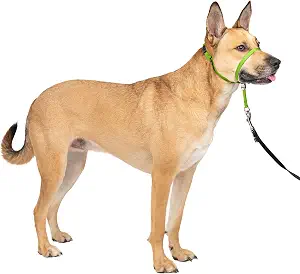 |
| Best Budget Collar for Pulling Labrador An affordable option that still offers basic control and durability | Joytale Martingale Collar Large |  |
| Best No-Pull Collar Designed specifically to reduce pulling and improve walking control | Country Brook Petz Martingale Collar Large |  |
| Best Heavy-Duty Collar Built for strength and longevity with rugged materials and hardware | Mayerzon Heavy Duty No Pull Collar Large |  |
| Best Padded Collar Extra cushioning to reduce chafing and increase wearing comfort | kazazoo Reflective Padded Dog Collar Large |  |
| Best Adjustable Collar Flexible sizing and easy adjustments for a secure, custom fit | DEYACE Stainless Steel Training Collar M/L |  |
PetSafe Gentle Leader Headcollar Medium
Best Overall Collar for Pulling Labrador
| Breed Recommendation | Medium |
|---|---|
| Material Type | Nylon |
| Closure Type | Snap |
| Size | Medium |
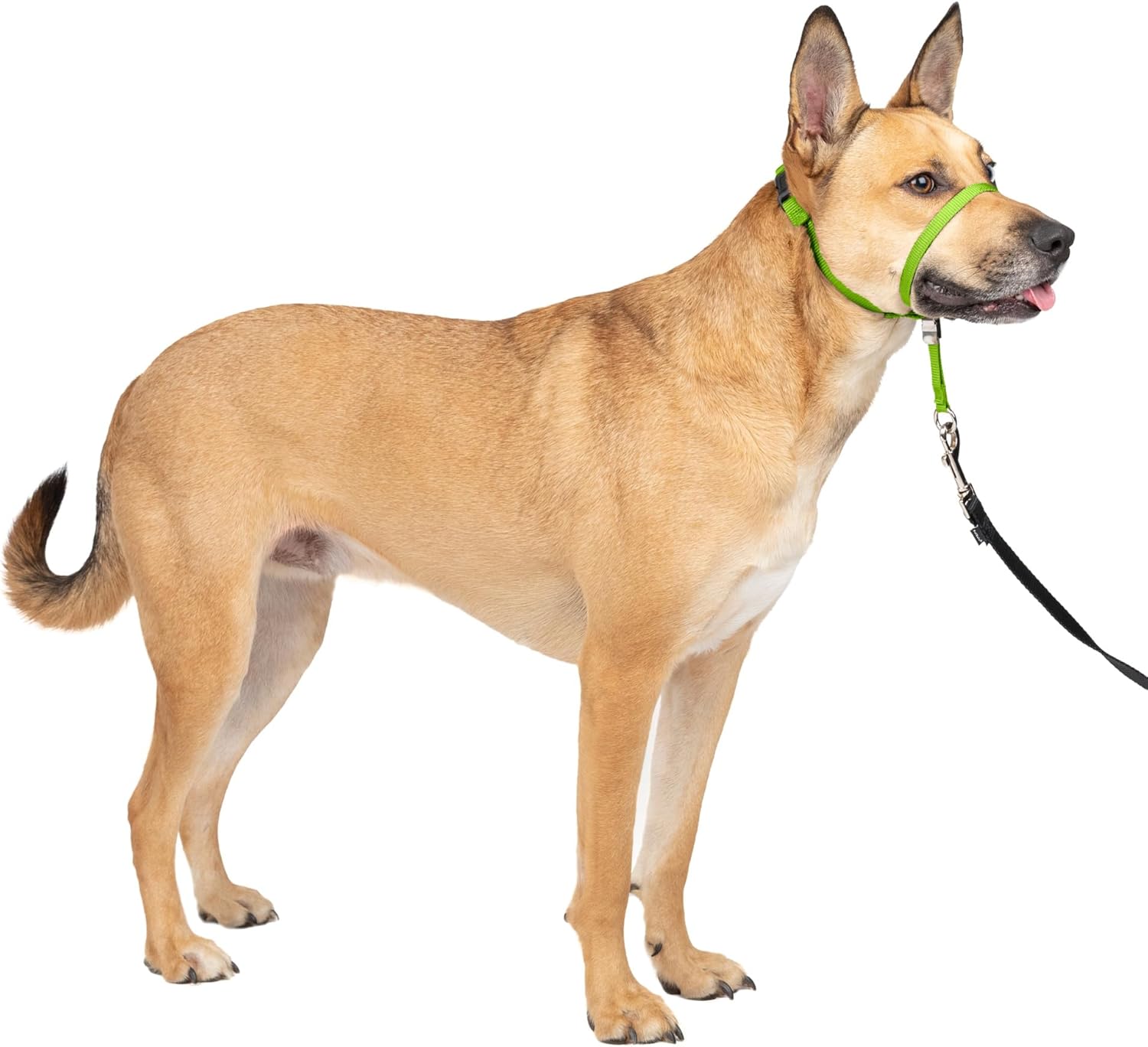
The PetSafe Gentle Leader is a headcollar designed to stop dogs from pulling by guiding the head rather than applying pressure to the throat or chest. You fit the nose loop over the snout and secure the neck strap high behind the ears, then attach a leash to the center ring under the chin so forward pulling gently turns the dog toward you. The padded neoprene nose loop and minimal nylon straps make it comfortable for extended walks while allowing the dog to pant, eat treats, and play. The quick-snap buckle and adjustable nose loop make fitting straightforward, and the included fitting directions and measurement ranges help pick the right size. It is most effective for dogs with standard snout lengths and may not work for short-muzzled breeds. Proper fitting and gradual desensitization are important to avoid rubbing or resistance during training. For everyday use it gives firm, predictable control without heavy choking force, but it requires practice so the dog accepts the nose loop calmly.
Best for: Buyers who want a reliable no-pull solution that prioritizes effective control while keeping walks comfortable and usable for daily training and outings.
Less Ideal for: Owners of short-muzzled breeds or people unwilling to spend time fitting and training their dog to wear a headcollar should consider other no-pull options.
- Directly reduces pulling by steering the head for predictable control
- Padded neoprene nose loop improves comfort during walks
- Quick-snap neck buckle and adjustable nose loop simplify fitting
- Minimal strap design keeps the dog cooler and reduces bulk
- Allows normal behaviors like panting, eating treats, and playing while worn
- Not suitable for short-nosed breeds such as pugs or bulldogs
- Requires time and positive training for dogs to accept the nose loop comfortably
Verdict: The best overall collar for a pulling Labrador, offering dependable control, secure fit, and durable materials for everyday walks and training.
Joytale Martingale Collar Large
Best Budget Collar for Pulling Labrador

| Material Type | Nylon |
|---|---|
| Closure Type | Buckle |
| Size | L |
| Reflective | Yes |
The Joytale Martingale Collar is a budget-friendly nylon training collar designed to give owners more control over dogs that back out of standard collars or pull. It uses a cinch loop that tightens gently when the dog pulls, providing a corrective cue without a choke-chain feel, while a tri-glide slider and quick-release buckle make it easy to size and remove. Reflective stitching runs around the collar for added nighttime visibility and a rust-proof D-ring provides a leash attachment point. The collar is machine washable and made from high-density ripstop nylon, so it stands up to outdoor use and muddy walks. On the downside the corrective action is modest compared with heavier training systems, so very strong or highly reactive dogs may still require a harness or stronger head-control option, and the nylon hardware is basic compared with metal-only trainers. For owners on a tight budget who need a dependable escape-proof collar with decent durability and visibility, this is a practical choice.
Best for: Owners looking for an affordable, escape-resistant collar that gives gentle corrective feedback and improves visibility during everyday walks and basic leash training.
Less Ideal for: Handlers needing strong forceful control for very large, power-pulling or dangerously reactive dogs should consider a sturdier head halter or certified training harness instead.
- Cinch-style martingale provides gentle correction without a choke-chain effect
- Reflective stitching improves night visibility up to road headlight range
- Machine washable ripstop nylon holds up to outdoor use and mud
- Safety quick-release buckle and tri-glide slider allow easier on/off and a more precise fit
- Not as strong or forceful as specialty head-control collars or heavy-duty training gear
- Basic hardware may wear faster under extreme pulling or very large, highly reactive dogs
Verdict: The best budget collar for a pulling Labrador that prioritizes solid performance and safety at a lower price without unnecessary frills.
Country Brook Petz Martingale Collar Large
Best No-Pull Collar

| Material Type | Nylon |
|---|---|
| Closure Type | Pull On |
| Size | Large (18 – 26" neck) |
This Country Brook Petz martingale collar is a no-buckle, pull-on style made from ribbed 100% nylon with nickel-plated hardware, designed to give gentle control during walks and training. You slide it over the head and the loop tightens when the dog pulls, which helps stop escape artists without choking because the closure limits how tight it can get. The construction is sturdy and colorfast, so the orange dye and woven texture hold up to regular wear and machine washing. It is sized for large breeds and intended for dogs with necks in the 18" to 26" range, so it works well for adult Golden Retrievers and growing dogs experiencing seasonal coat changes because you can adjust fit by where the collar sits on the neck. It is not meant for tie-out or constant tethering and lacks a conventional buckle, so it is best paired with supervised walks and training rather than unsupervised restraint. Made in the USA and simple to use, this collar balances security and comfort for active large dogs when properly fitted.
Best for: Buyers who need a simple, reliable collar that prevents escape and is easy to adjust as a Golden Retriever grows or changes coat thickness, prioritizing fit and everyday training control.
Less Ideal for: Owners who require a collar for unattended tethering or who prefer a quick-release buckle for frequent removal should consider alternatives.
- No-buckle martingale design prevents slipping without full constriction
- Durable 100% nylon webbing with colorfast dye resists fading and is machine washable
- Nickel-plated steel hardware adds strength for large-breed use
- Sized and shaped to accommodate large breeds including Golden Retrievers
- Not designed for tie-out or continuous tethering
- No quick-release buckle can make on/off slower compared with buckle collars
Verdict: The best no-pull collar for owners who need extra walking control and leash guidance to discourage strong pulling behavior.
Mayerzon Heavy Duty No Pull Collar Large
Best Heavy-Duty Collar

| Size | Large, 2.5mm, 18.5"-21.25" Neck |
|---|---|
| Material Type | Alloy Steel, Polyester, Rubber, Stainless Steel |
| Closure Type | Buckle |
| Included Components | Rubber Caps |
This Mayerzon heavy-duty no-pull collar is built for strong Labrador-type dogs that pull hard on leash. It combines reinforced polyester webbing, foam-padded edges, and a wide alloy buckle to give a secure, comfortable fit while the martingale links apply balanced correction when the dog lunges. The symmetrical 2.5mm links and removable rubber caps soften the pinch for dogs new to this style, and an integrated reflective strip improves visibility in low light. Adjustment is straightforward with the slider and the included D-ring works for leash attachment or ID tags. Expect durable hardware and abrasion-resistant materials that stand up to frequent walks and rough use, though martingale collars require correct sizing and higher placement on the neck to work properly and are not a substitute for supervision. Also this style is a training tool rather than a permanent everyday-only collar and should be removed when unsupervised.
Best for: Buyers who need a rugged, training-focused collar for a strong Labrador that routinely pulls and want heavy hardware and long-lasting construction.
Less Ideal for: Owners looking for a non-correction everyday-only collar or those who cannot reliably size and supervise a martingale-style training collar.
- Reinforced webbing and foam-padded edges for durability and comfort
- 25mm alloy buckle and sturdy D-ring provide secure, heavy-duty hardware
- 2.5mm symmetrical links with removable rubber caps for gentler corrections
- Reflective strip increases visibility on early morning or evening walks
- Easy size adjustment with smooth slider for a better fit
- Martingale correction style requires precise fit and supervision during use
- Not intended to be left on an unattended dog or as the only collar for ID
Verdict: The best heavy-duty collar for strong Labradors that require reinforced construction, heavy hardware, and abrasion-resistant materials for long-term use.
kazazoo Reflective Padded Dog Collar Large
Best Padded Collar

| Breed Recommendation | German Shepherd, Golden Retriever, Labrador Retriever |
|---|---|
| Dog Breed Size | Large |
| Material Type | Nylon |
| Closure Type | Buckle |
This kazazoo collar combines a thick neoprene cushioning layer with durable nylon to give large dogs a softer contact point while maintaining strength for daily walks. It is meant to be used as a regular collar for attaching a leash, with a chrome-coated D-ring and a curved quick-release ABS buckle that contours to the neck for comfort and fast removal. The reflective threading improves nighttime visibility, and the corrosion-resistant metal hardware and herringbone stitching add durability and a finished look. In practice the neoprene padding reduces chafing for dogs that tend to pull and the adjustable design fits from puppy to adult large breeds, while the nylon exterior is abrasion resistant and washable for easy upkeep. Important limitations are that it is a basic collar rather than a hands-free or specialized no-pull harness solution, so heavy or sustained pulling is still best managed with training or a front-clip harness; the plastic buckle and D-ring placement can concentrate force at the neck if a dog lunges hard. For owners wanting a softer, more visible everyday collar for a pulling large dog, this model balances comfort and durability well.
Best for: Buyers who prioritize cushioning at the neck for a large dog that sometimes pulls and want a simple, everyday collar that reduces chafing and improves visibility on walks.
Less Ideal for: Owners whose dogs pull heavily on every walk or who need active pull control should choose a dedicated no-pull harness or training solution instead.
- Neoprene padding reduces neck chafing for dogs that pull
- Reflective stitching enhances low-light visibility
- Durable nylon exterior is water resistant and easy to wash
- Quick-release curved buckle contours for easier on and off
- Chrome-coated D-ring and corrosion-resistant hardware for reliable leash attachment
- Not a substitute for a no-pull harness for strong, sustained pullers
- Plastic buckle can concentrate force on the neck during hard lunges
Verdict: The best padded collar for pets that pull but need softer contact on the neck to prevent chafing and discomfort during walks.
DEYACE Stainless Steel Training Collar M/L
Best Adjustable Collar

| Material Type | Stainless Steel |
|---|---|
| Closure Type | Buckle |
| Size | M/L Neck Girth 14.5"-18.6" |
| Included Components | EXTRA LINKS |
This DEYACE stainless steel training collar is built for walking and behavior correction, using interlocking links to distribute pressure evenly around the neck and a tactical quick-release buckle for fast on/off. In use it functions like a chain training collar but with slightly beveled link tips, rubber covers for comfort, and additional blunt tops to reduce skin contact, which helps make short corrections without focusing pressure on the trachea. The buckle is metal and designed for secure fastening yet can be released quickly with two fingers in an emergency, so it is convenient for owners who need to change collars often. Links are removable or addable for a tailored fit and the stainless finish improves rust resistance and keeps light fur from staining in most cases. Important limitations are that this is a training tool rather than an everyday flat collar and it should not be left on an unattended dog, and some dogs may still resist or react to correction-style collars during training.
Best for: Owners who prioritize a fast, reliable buckle for quick on/off during walks and want a training collar that lets them fine-tune fit and pressure distribution while working on loose-leash behavior.
Less Ideal for: Pet owners seeking a soft everyday flat collar for constant wear or those uncomfortable using correction-style collars should choose a different style.
- Quick-release metal tactical buckle allows fast, secure on and off
- Interlocking stainless steel links provide even pressure distribution
- Includes rubber covers and extra link for added comfort and fit adjustment
- Two-step plating increases rust resistance for humid or wet conditions
- Designed as a correction/training collar so not intended for continuous wear
- May require link adjustments and minor tools or effort to size precisely
Verdict: The best adjustable collar for owners who need a reliable, fine-tunable fit to accommodate growth, weight changes, or varied coat thickness.
Choosing the Right Collar Pulling Labrador: Key Factors to Consider
Fit and Sizing
A precise fit is crucial for an active labrador. A collar that is too loose risks slipping over the head during a pull, while one that is too tight can cause rubbing, breathing restriction, or discomfort. Measure the neck and allow room for two fingers between collar and skin as a baseline, and check adjustment range to ensure the collar still fits if your dog gains or loses a little weight.
Different collar constructions change how they sit on the neck. Wider bands spread pressure and reduce chafing, while narrower collars can cut into the coat. For pulling dogs, look for collars with multiple adjustment points or micro-adjust features so you can fine-tune the fit without compromising security.
Material and Durability
Materials determine longevity and comfort. Heavy-duty nylon and braided webbing resist fraying and handle repeated tension without stretching excessively. Natural leathers offer durability and a softer feel over time but require maintenance to avoid drying and cracking. Metal hardware should be corrosion-resistant and rated for heavy loads to prevent deformation under sudden pulls.
Inspect stitching quality and joint reinforcements because weak seams are common failure points on collars used by strong pullers. Reinforced stitching, bar tacks at stress points, and welded hardware will extend service life and reduce the chance of sudden failure during a strong tug.
Hardware and Attachment Points
The type and placement of attachment points affect control and leash behavior. D-rings positioned at the center back are standard for daily walks, but when dealing with pulling, consider designs that offer alternative attachment points to change the direction of force or allow training clips.
Look for hardware rated for the dog's size, such as thicker-gauge metal rings or welded buckles. Quick-release buckles are convenient but must be sturdy; metal buckles or heavy-duty polymer with reinforced locking are better for strong pullers. Multiple attachment points give you options for short leads, long lines, or training tools without switching collars.
Pressure Distribution and Padding
How a collar distributes pressure matters for both safety and dog comfort. Pulling concentrates force on a small neck area, which can irritate skin, compress soft tissues, or encourage unwanted behaviors. Wider collars, padded collars, or contoured designs reduce focal pressure and lower the risk of chafing or neck soreness.
Padding materials should resist absorbing odors and moisture while maintaining shape. Mesh or foam liners provide comfort but must be securely bonded to the outer layer to avoid bunching. Consider collars with smooth edges and recessed hardware to prevent localized rubbing.
Control Features and Training Compatibility
Some collars incorporate features intended to discourage pulling or assist training. Low-profile martingale-style elements add gentle tightening to prevent slippage while avoiding full choke effects. Front-clip options change the mechanics of a pull by redirecting the dog's shoulder and head, which can reduce forward momentum when used with appropriate leash technique.
Consider whether the collar works with your training plan. Devices that require specific leash attachment or handling may be less versatile. Choose a collar that supports the reward-based or corrective methods you use, and ensure any tightening action is gradual and stops before becoming painful.
Maintenance and Weather Resistance
Collars used outdoors will face dirt, rain, salt, and frequent cleaning. Materials that dry quickly, resist mildew, and tolerate repeated washing will keep the collar sanitary and functional. Leather needs conditioning and may not be ideal for consistently wet environments, while synthetic webbings are usually easy to rinse and air-dry.
Hardware exposed to moisture should be stainless or treated metal to prevent rust. Consider how easy it is to clean seams and padding, and whether the collar retains odor after heavy use. Low-maintenance collars save time and stay comfortable for dogs that swim, roll, or get muddy frequently.
How Can a Collar Reduce Pulling Without Causing Harm?
A well-designed collar reduces pulling by changing how force is applied and by providing consistent feedback to the dog. Collars that broaden the contact area and avoid sudden, sharp tightening distribute force more safely. Gentle tightening that stops before causing pain can be used alongside training cues to discourage forward lunges without reliance on harsh corrections.
Good practice combines collar choice with leash handling and reinforcement. Short, consistent leash cues and prompt rewards for loose-leash walking help the dog associate walking calmly with positive outcomes. The collar is a behavioral aid, not a single solution.
- Increase surface area to reduce focal pressure
- Use collars with gradual tightening rather than abrupt slips
- Pair collar use with consistent leash cues and rewards
What Size and Measurements Should I Take for a Labrador?
Measure the widest part of the dog's neck where the collar will sit, usually just behind the ears. Use a flexible tape measure and allow two fingers' space for a comfortable baseline. If you are between sizes, choose the larger size and tighten as needed.
Also note the collar width recommended for medium to large dogs. Wider collars are generally better for labradors because they distribute force and are less likely to slide. Record the neck circumference and consult sizing guides; ensure the chosen collar has sufficient adjustment range to accommodate seasonal coat changes.
- Measure neck at the widest point behind the ears
- Allow about two fingers of clearance
- Prefer wider collars for force distribution
When Should I Consider Alternative Attachments Instead of a Back-clip?
If your labrador consistently pulls, a front-clip or multi-attachment collar can be more effective than a single back-clip because it redirects the dog's momentum and gives you better steering control. Front-clip attachments are particularly useful during training sessions when you are teaching loose-leash behavior.
However, alternative attachments are not substitutes for training. They are tools to change mechanics and provide leverage. Use them for walks where control is needed and to practice leash skills, then transition to back-clip walking as the dog improves.
- Use front-clip attachments to redirect momentum during training
- Switch attachment points based on walk demands and progress
- Combine attachment changes with positive reinforcement
How Do I Care for a Collar That Gets Wet or Dirty Often?
Rinse synthetic collars with fresh water after saltwater or muddy outings and let them air dry thoroughly to prevent mildew. For mild soiling, a quick scrub with a soft brush and gentle soap usually restores appearance and function. Remove any detachable padding if the design allows and clean separately to maintain shape.
Leather collars need a different approach: wipe off surface dirt promptly, avoid soaking, and condition periodically with a leather care product to keep the material supple. Inspect all collars after cleaning for weakened stitching or hardware that may need replacement.
- Rinse and air-dry synthetic collars after exposure to salt or mud
- Condition leather occasionally and avoid soaking
- Inspect seams and hardware after heavy use
Can Collars Be Used Safely with Training Harnesses?
Yes, collars and training harnesses can complement each other when used for different purposes. A collar remains useful for holding ID tags and as a backup restraint, while a front-clip harness or no-pull harness takes primary responsibility for reducing forward force during walks.
When combining a collar and harness, ensure both are properly fitted and avoid attaching the leash to both simultaneously in a way that creates conflicting pressure points. Use the harness to manage pulling and the collar for identification and short-term control if needed.
- Use harnesses to redirect pulling forces and collars for ID
- Avoid attaching a leash to collar and harness at the same time
- Fit both devices independently to prevent chafing
Signs a Collar Is Causing Discomfort or Is Unsafe
Watch for redness, hair loss, resistance to having the collar put on, or rubbing sores at the contact points. Frequent scratching at the neck or sudden changes in breathing or voice after wearing the collar can also indicate problems. If you notice these signs, remove the collar and assess fit and material choice.
Hardware failures, frayed stitching, or visible deformation indicate the collar should be retired. Regularly check for wear and replace collars that no longer maintain secure fastening or structural integrity to avoid accidental escapes or injury.
- Look for redness, hair loss, or chafing
- Inspect hardware and stitching for deformation
- Replace collars showing structural wear
How We Chose the Best Collar Pulling Labrador
Our selection process focused on real-world factors that matter for labradors that pull. We prioritized collars that offer secure, adjustable fit to accommodate thick necks and muscular builds; robust hardware that resists bending or breaking under sustained force; and materials that balance strength with skin and coat comfort. We also considered design features that reduce chafing and distributed pressure to avoid concentrated strain on the neck. Practical usability was tested conceptually by examining ease of fastening, adjustment range, and compatibility with common leash attachment styles. Longevity and maintenance were judged by material resilience and cleaning recommendations. We excluded novelty or fashion-only collars that lack functional reinforcement, and we filtered out items that are clearly undersized for a medium to large dog. The final list reflects a mix of straightforward control solutions and more specialized designs suitable for training or steady pulling, always emphasizing safety and reliable restraint over cosmetic features.
Our full evaluation process is outlined in our review methodology.
FAQ
Is a martingale collar safe for a pulling labrador?
A martingale collar can be safe when properly sized because it tightens only enough to prevent slipping without choking. It is best used as a training aid combined with leash handling rather than as a long-term solution for heavy, sustained pulling.
Should I pick a wider collar for my labrador?
Yes, wider collars distribute pressure over a larger area and reduce the risk of chafing and localized soreness. For strong pullers, a wider band also resists rolling and offers more surface for secure hardware attachment.
Can I leave a pulling collar on my dog all day?
It depends on the design. Collars with padding and breathable liners are more comfortable for extended wear, but it is good practice to remove training or specialized control collars when not walking to let the neck rest and to check for irritation regularly.
How often should I replace a collar used by a puller?
Replace collars as soon as you see worn stitching, bent hardware, or stretching of the material. For actively used collars, inspect them monthly; high-use situations may require more frequent replacement to maintain safety and control.
Will a stronger buckle always mean better safety?
Stronger buckles reduce the risk of accidental failure, but buckle type should match the dog's size and activity. Some strong polymer quick-release buckles are adequate for many dogs, but metal buckles or reinforced closures are advisable for heavy, sustained pulling.
Final Verdict
Choose a collar that fits well, distributes pressure, and uses hardware sized for a labrador's strength. Prioritize secure adjustments and durable materials that stand up to daily activity and weather exposure. Balance control features with comfort and pair collar choices with consistent leash training; the right collar should assist your training plan rather than replace it. Focus on safety, fit, and long-term durability when making your final decision.

