

Feeding a Golden Retriever a diet formulation that supports weight control and joint health matters more than many owners realize. Excess weight increases stress on hips and elbows and can worsen long-term mobility problems, while inadequate nutrients can leave a dog lacking energy or lean mass. This guide presents our shortlist of the top diet food options chosen specifically for Golden Retrievers, focusing on calorie density, protein quality, and ingredients that support joint function. Below you will find the shortlisted diet foods and the reasons each made the list, plus the decision factors you should weigh when choosing the right option for your dog.
Top Picks at a Glance
| Best Overall Diet Food for Golden Retrievers The best all-around diet food suited to most Golden Retrievers | Hill's Science Diet Large Breed |  |
| Best Budget Diet Food for Golden Retrievers A lower-cost diet formula that still meets essential nutritional needs | IAMS Healthy Weight Dry Dog Food 5 lb |  |
| Best Premium Diet Food Higher-end formulas emphasizing superior ingredients and advanced nutrition | Royal Canin Large Adult Dry Dog Food 40 lb |  |
| Best High-Protein Diet Food Formulas with elevated protein to support muscle maintenance and activity | Purina Pro Plan High Protein Puppy Food 34 lb |  |
| Best Limited-Ingredient Diet Food Simpler recipes with fewer components to reduce allergy triggers | Natural Balance Fat Dogs 4 lb |  |
| Best Large-Breed Diet Food Formulated for larger dog breeds with size-appropriate nutrients | Hill's Science Diet Large Breed Dry Dog Food |  |
| Best Sensitive-Stomach Diet Food Gentle, easily digestible recipes to calm digestive upset | Purina Pro Plan Sensitive Skin & Stomach Salmon 16 lb |  |
Hill's Science Diet Large Breed
Best Overall Diet Food for Golden Retrievers

| Flavor | Chicken & Barley |
|---|---|
| Age range | Adult 1-5 |
| Item form | Pellet |
| Unit count | 240 Ounce |
Hill's Science Diet Large Breed is a dry kibble designed for adult large dogs and formulated to support joint health, lean muscle, skin and digestive function. It is typically used as an everyday maintenance diet for large-breed adults and contains high-quality protein, glucosamine and chondroitin for joint support, plus omega-6 fatty acids and vitamin E for coat health. The formula also includes prebiotic fibers and antioxidants (ActivBiome+) to promote digestion and immune health. Practical benefits include a nutrient profile aimed at supporting the higher calorie and musculoskeletal needs of big dogs and a kibble profile intended for large muzzles and chewing. Trade-offs are that this is a maintenance diet rather than a therapeutic prescription food, so dogs with advanced joint disease, weight-management needs, or food sensitivities may require a veterinarian-recommended alternative, and feeding should be adjusted by monitoring body condition.
Best for: Buyers seeking a vet-recommended everyday dry food that supports joint health, digestion, and coat condition in active large-breed adult dogs, especially when choosing a reliable maintenance diet.
Less Ideal for: Owners whose dogs need a prescription therapeutic diet for medical conditions, strict grain-free formulas, or novel-protein elimination diets should consider other specialized options.
- Formulated specifically for large-breed adults with nutrient balance for size-related needs
- Includes glucosamine and chondroitin to help support joint health and mobility
- High-quality protein to help build and maintain lean muscle
- Added prebiotic fibers and antioxidants to support digestion and immune health
- Omega-6 and vitamin E blend to promote healthy skin and a shiny coat
- Not a veterinary prescription formula for dogs with diagnosed orthopedic disease or special medical needs
- Contains common grains and animal-derived ingredients that may not suit dogs with specific food sensitivities
Verdict: The best overall diet food for Golden Retrievers that balances nutrient profile, digestibility, ingredient quality, and real-world palatability for everyday feeding.
IAMS Healthy Weight Dry Dog Food 5 lb
Best Budget Diet Food for Golden Retrievers

| Flavor | Chicken |
|---|---|
| Age Range Description | Adult |
| Item Form | Dry Kibble |
| Specific Uses For Product | Weight Management |
| Unit Count | 80 Ounce |
IAMS Proactive Health Healthy Weight is a budget-minded dry kibble formulated to help adult dogs lose or maintain weight while supplying balanced daily nutrition. The recipe uses real chicken as the primary protein, added L‑carnitine to support fat metabolism, and a blend of natural fiber and prebiotics to aid digestion. In everyday use you would feed measured portions according to the package guide and adjust based on your small dog's activity level to achieve a calorie deficit. Practical benefits include high animal-based protein for muscle support, lower fat content for fewer calories per cup, and convenient 5 lb bag sizing that is easy to store for small-breed households. Limitations are visible in the ingredient list, which includes grains and some by‑products and common allergens like soy and barley, so dogs with grain sensitivities may need a different formula. The formula is not a veterinary prescription product despite diet-type labeling, so dogs with complex medical conditions should get a vet consult before switching foods.
Best for: Cost-conscious small-breed owners who want a calorie-controlled, nutritionally complete kibble to support gradual weight loss without paying premium prices.
Less Ideal for: Owners of dogs with grain or soy allergies, or those needing a veterinary prescription weight-loss diet for medical conditions should consider alternatives.
- Real chicken is the first ingredient providing high-quality animal protein
- Formulated with L‑carnitine to help support healthy metabolism
- Tailored fiber and prebiotics support digestion and nutrient absorption
- Small 5 lb bag size is convenient and reduces waste for small-breed owners
- Contains grains and soybean meal which may trigger sensitivities in some dogs
- Includes chicken by-product meal rather than only whole‑muscle proteins
Verdict: The best budget diet food for Golden Retrievers that provides complete nutrition and acceptable ingredient quality while minimizing cost for value-conscious owners.
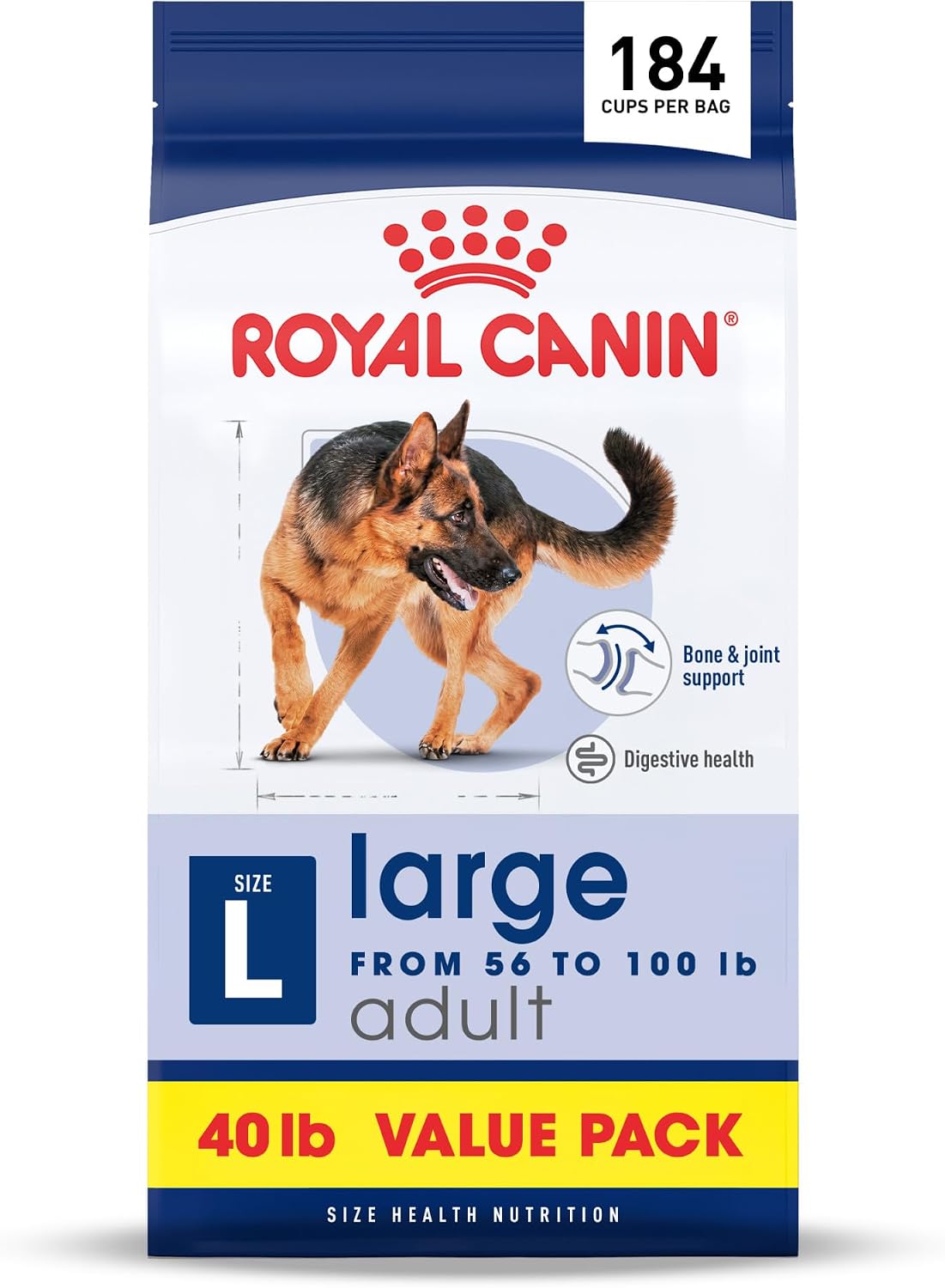
Royal Canin Large Adult Dry Dog Food 40 lb
Best Premium Diet Food
| Flavor | Chicken |
|---|---|
| Age Range | Adult |
| Dog Breed Size | Large |
| Unit Count | 640 Ounce |
| Package Size Name | 40 lb |
Royal Canin Large Adult Dry Dog Food is a large-breed kibble formulated for adult dogs roughly 56–100 lb and intended to support bone, joint and digestive health. It is used as a daily complete diet and features crunchy, size-specific kibble with high-quality proteins, added glucosamine and chondroitin for joint support, fish oil for skin and coat, and clinically proven antioxidants and prebiotics to help digestion and immunity. In practice the formula is easy to portion for multi-dog households and mixes well with wet food for added palatability; the prebiotics and fibers aim to improve stool quality, which owners of big dogs will appreciate. The focus on targeted nutrients makes this a reasonable choice for owners prioritizing long-term musculoskeletal and digestive support, but the ingredient list includes chicken by-product meal and grains, so buyers seeking single-protein or grain-free premium recipes should look elsewhere. Packaging is a large 40 lb bag intended for frequent feeding schedules typical of extra large dogs, so expect storage and handling considerations at home.
Best for: Buyers who prioritize targeted, size-specific nutrition and are willing to invest in a formulation aimed at long-term joint, digestive and immune support for large adult dogs.
Less Ideal for: Owners who require grain-free, single-protein, or limited-ingredient diets for food-sensitive dogs should consider specialized premium alternatives.
- Formulated specifically for large adult dogs with kibble sized for big mouths
- Includes glucosamine and chondroitin to support bone and joint health
- Contains prebiotics and fibers to support digestion and improve stool quality
- Clinically proven antioxidants (vitamins C and E) to support immune health
- High palatability that pairs well with mixed feeding of wet and dry food
- Uses chicken by-product meal rather than single muscle protein
- Not a grain-free or novel-protein formula for dogs with specific ingredient sensitivities
Verdict: The best premium diet food for owners willing to invest in elevated ingredient quality, targeted nutrient profiles, and formulation standards for long-term health.
Purina Pro Plan High Protein Puppy Food 34 lb
Best High-Protein Diet Food

| Flavor | Chicken & Rice Shredded Blend |
|---|---|
| Age Range Description | Puppy |
| Unit Count | 34 Pounds |
| Animal Food Nutrient Content Claim | High Protein |
| Added Features | DHA from fish oil; live probiotics |
Purina Pro Plan High Protein Puppy Food Shredded Blend is a dry formula that mixes crunchy kibble with tender shredded chicken to keep puppies interested at mealtime while delivering targeted nutrition. It uses real chicken as the first ingredient and a higher protein profile to support lean muscle development for active, growing pups. DHA from fish oil and added antioxidants help support brain, vision, and immune development, while guaranteed live probiotics aid digestion. The shredded texture can be helpful for picky eaters or puppies learning to chew, and calcium plus phosphorus support bone and tooth growth. Practical limitations include that the ingredient list contains poultry by-product meal, grain ingredients, and corn, which some owners avoiding those items may not prefer, and the large 34 lb bag requires proper storage to maintain freshness. This formula works well when used as part of a consistent feeding schedule and transitioned gradually per the directions to avoid digestive upset.
Best for: Buyers seeking a protein-forward puppy formula to support active growth and muscle development in energetic breeds, and who prioritize vet-backed nutrition over grain-free or all-meat ingredient lists.
Less Ideal for: Owners who require grain-free or limited-ingredient diets, or those who prefer formulas without by-product meals should consider alternative specialty puppy diets.
- Real chicken listed as first ingredient for protein-focused growth support
- High protein formulation to support lean muscle development in active puppies
- Includes DHA from fish oil for brain and vision development
- Guaranteed live probiotics to support digestive and immune health
- Shredded blend texture can increase palatability and engagement at mealtime
- Contains poultry by-product meal and grain ingredients rather than an all-meat or grain-free recipe
- Large 34 lb bag requires airtight storage to keep kibble fresh between uses
Verdict: The best high-protein diet food for dogs that need extra protein for active lifestyles or muscle maintenance, offering concentrated animal-based protein sources and balanced amino acids.
Natural Balance Fat Dogs 4 lb
Best Limited-Ingredient Diet Food

| Flavor | Chicken |
|---|---|
| Item Form | Pellet |
| Age Range Description | Adult |
| Unit Count | 64 Ounce |
Natural Balance Fat Dogs is a reduced-calorie dry kibble built around chicken meal and salmon meal as primary protein sources and barley and other grains for fiber. It is intended for dogs that need weight management and includes L-carnitine and a special fiber blend to help pets feel full while supporting muscle health and digestion. The formula lists a relatively straightforward ingredient panel with recognizable items such as chickpeas, peas, oat groats, pearled barley, and select fruits and vegetables, and it is free of corn, soy, and wheat which can simplify elimination trials. In practice this bag works well for controlled portion feeding and slow transitions thanks to standard kibble form and clear feeding directions, and the inclusion of vitamins, minerals, and antioxidants addresses broad nutrient needs. Limitations are that it is not an explicitly single-protein or novel-protein limited-ingredient diet and it contains multiple legumes and grains that may still trigger some sensitivities, so it is better suited as a reduced-calorie, simpler option rather than a strict elimination food.
Best for: Buyers seeking a simpler, reduced-calorie kibble to help a Golden Retriever lose weight or feel fuller during an elimination trial while keeping nutrition balanced.
Less Ideal for: Owners who need a strict single-protein or novel-protein elimination diet for confirmed food allergies should choose a dedicated limited-ingredient or single-protein veterinary diet instead.
- Formulated for weight management with L-carnitine and reduced calories
- Uses named meat meals (chicken meal, salmon meal) for concentrated protein
- Contains fiber-rich grains and legumes to promote satiety
- Free of corn, soy, and wheat which can simplify some elimination efforts
- Includes vitamins, minerals, and antioxidant ingredients for balanced nutrition
- Not a strict limited-ingredient or single-protein formula because it contains multiple protein sources and legumes
- Includes grains and legumes that may still provoke sensitivities in some dogs
Verdict: The best limited-ingredient diet food for Golden Retrievers suspected of food sensitivities, featuring a short, transparent ingredient list to simplify elimination and reduce reactive ingredients.
Hill's Science Diet Large Breed Dry Dog Food
Best Large-Breed Diet Food

| Flavor | Lamb & Brown Rice |
|---|---|
| Age Range Description | Adult 1-5 |
| Breed Recommendation | Large Breeds |
| Unit Count | 528 Ounce |
Hill's Science Diet Large Breed adult dry food is a nutrition-focused kibble designed for big dogs in their prime. It is typically fed as a daily maintenance diet and includes lamb meal and easily digestible grains as primary ingredients, plus a blend of prebiotic fibers and antioxidants labeled ActivBiome+ to support digestion and immune health. Notable for joint support, the formula lists natural sources of glucosamine and chondroitin to help maintain cartilage and mobility, and it supplies high-quality protein to support lean muscle. Omega-6 fatty acids and vitamin E help nourish skin and coat, while the feeding guidelines on the bag let you adjust portions to maintain ideal weight. Limitations to consider are the grain-containing carbohydrate sources, which some owners avoid, and that individual response to joint-support ingredients varies so improvements may be gradual. The product is marketed for large-breed adults and is made with natural ingredients and no artificial colors or preservatives.
Best for: Owners of large-breed adult dogs looking for a maintenance kibble that prioritizes joint support, muscle maintenance, and digestive health as part of everyday feeding.
Less Ideal for: Owners seeking grain-free diets, elimination diets for ingredient sensitivities, or therapeutic veterinary-prescribed formulas for advanced joint disease should consider alternatives or consult a veterinarian.
- Includes natural sources of glucosamine and chondroitin for joint support
- High-quality protein first ingredients to help maintain lean muscle
- Prebiotic fibers and antioxidants (ActivBiome+) to support digestion and immune health
- Omega-6 fatty acids and vitamin E to promote healthy skin and coat
- Contains grain sources rather than a grain-free carbohydrate base
- Joint-support nutrients are supportive but not a guaranteed treatment for existing severe joint disease
Verdict: The best large-breed diet food tailored for bigger dogs, providing controlled calorie density, joint-support nutrients, and growth-relevant mineral balances suitable for large-frame adults.
Purina Pro Plan Sensitive Skin & Stomach Salmon 16 lb
Best Sensitive-Stomach Diet Food

| Flavor | Salmon & Rice |
|---|---|
| Age Range Description | Adult |
| Item Form | Dry |
| Specific Uses For Product | Digestive Health, Sensitive Skin, Sensitive Stomach |
| Special Ingredients | Omega Rich |
This formula is built around salmon as the first ingredient and rice and oatmeal as gently digestible carbohydrates, making it appropriate for dogs with mild stomach sensitivities. It includes guaranteed live probiotics and prebiotic fiber to support beneficial gut bacteria and help reduce digestive upsets during diet transitions. Fish oil and sunflower oil provide omega fatty acids to support skin, coat, and joint health while the recipe omits corn, wheat, and soy to limit common allergens. In practice the kibble works as a daily adult maintenance diet for sensitive dogs and is easy to switch to over 7 to 10 days using the recommended gradual transition. Be aware this is a high-protein veterinary-style formula and not a limited-ingredient single-protein diet, so dogs with strict novel-protein or multiple-food allergies may still need a prescription or elimination feeding under veterinary guidance. Packaging is a standard bag format, so scoop-and-serve feeding is straightforward but bulk handling and storage should be planned for larger households.
Best for: Owners of Golden Retrievers looking for a daily maintenance dry food to reduce mild GI upset and improve skin and coat condition while keeping a balanced, high-protein diet.
Less Ideal for: Dogs with confirmed multiple or severe food allergies or those requiring a veterinarian-prescribed elimination diet should consider a single-protein prescription alternative.
- Real salmon listed as the first ingredient for a high-quality protein source
- Contains guaranteed live probiotics and prebiotic fiber to support digestion
- Formulated without corn, wheat, or soy to reduce common allergen exposure
- Includes omega fatty acids from fish and sunflower oil to support skin, coat, and joints
- Not a limited-ingredient or single-novel-protein prescription formula for severe food allergies
Verdict: The best sensitive-stomach diet food for dogs with frequent digestive issues, focusing on highly digestible proteins, prebiotic fibers, and limited irritants to support gut comfort and regularity.
Choosing the Right Diet Dog Food Golden Retriever: Key Factors to Consider
Calorie Density and Portion Control
Calorie density determines how much food you need to feed to meet daily energy requirements without overfeeding. For Golden Retrievers, maintaining a healthy body condition requires watching calories per cup and adjusting portion sizes based on activity level, age, and neuter status.
Foods with lower calorie density make it easier to feed satisfying portions without excess energy, while very calorie-dense diets require more precise measuring and smaller portions. Look for clear feeding charts and consider using a kitchen scale to track intake accurately. Proper portion control reduces the risk of gradual weight gain, which is especially important for this breed's joints.
Protein Quality and Quantity
Protein preserves lean muscle mass during weight loss or maintenance and supports overall metabolic health. For Golden Retrievers, choose diets with named animal proteins high on the ingredient list and a guaranteed protein percentage appropriate for adult maintenance or weight-management formulas.
Higher-quality proteins are more digestible and support satiety, which helps control begging or scavenging behaviors. In weight-loss phases, slightly elevated protein helps preserve muscle while calories are reduced. Avoid diets that rely on vague protein sources or list carbohydrates ahead of proteins.
Joint-supporting Nutrients
Golden Retrievers are prone to hip and elbow strain; diets that include glucosamine, chondroitin, and omega-3 fatty acids can help support joint health over time. These nutrients are not a cure for structural conditions but can reduce inflammation and support cartilage maintenance when part of a comprehensive care plan.
When evaluating diet foods, check amounts where provided and consider supplemental strategies if levels are low. Long-term feeding of diets with joint-supporting ingredients may help delay mobility decline and support comfort during activity.
Controlled Fat Content and Healthy Fatty Acids
Fat is a concentrated energy source, so controlling total fat helps manage calorie intake. At the same time, essential fatty acids such as EPA and DHA support skin, coat, and joint health. For Golden Retrievers, look for formulas that balance lower total fat with added omega-3 sources from fish oil or algae.
Extremely low-fat diets can leave a dog short on essential fatty acids, so the aim is moderation and clear labeling of omega-3 content. Proper fat balance supports coat shine and reduces inflammatory responses that can impact joints.
Fiber and Satiety
Diet foods often rely on added fiber to increase volume without calories, helping dogs feel full on smaller portions. Soluble and insoluble fibers both play roles: soluble fibers slow digestion and stabilize blood sugar, while insoluble fibers add bulk and promote regular stool quality.
Select formulas with moderate fiber from recognizable sources like beet pulp, pumpkin, or whole grains rather than proprietary fiber blends with unclear benefits. Adequate fiber helps prevent hunger-driven overeating during weight-management phases.
Kibble Size, Texture, and Palatability
Golden Retrievers are medium-large dogs with relatively large mouths, so kibble size and shape affect chewing comfort and eating speed. A kibble that is too small may encourage gulping; a kibble that is too hard may discourage older dogs with dental wear.
Palatability matters because even the most balanced diet is ineffective if your dog refuses to eat it. Look for formulas that advertise gradual flavor profiles and consider mixing with warm water or low-calorie toppers during transitions. Feeding behavior and kibble form also influence how easily you can use the diet for training or rewards.
How Do I Transition My Golden Retriever to a Diet Formula Safely?
Transition gradually over 7 to 10 days by mixing increasing proportions of the new diet into the current food. Start with about 25 percent new food and 75 percent old food for two to three days, then move to a 50/50 split, then 25/75, and finally 100 percent new food. Monitor stool quality, appetite, and energy during the switch.
If your dog has a sensitive stomach, extend the transition to two weeks and consider feeding smaller, more frequent meals while swapping foods. Always provide fresh water and consult your veterinarian if you see prolonged diarrhea, vomiting, or loss of appetite.
- Increase new food gradually over at least a week
- Watch for changes in stool and energy
- Slow transitions further for sensitive dogs
Can Diet Foods Meet All Nutritional Needs During Weight Loss?
Well-formulated diet foods are designed to provide complete and balanced nutrition while reducing calories. They include vitamin and mineral supplements to prevent deficiencies during weight loss, but meeting protein and essential fatty acid needs remains critical. Choose diets labeled as complete and balanced for adult maintenance or the specific life stage.
In some cases, a veterinarian may recommend temporary supplementation if a dog has preexisting deficiencies or special medical needs. Regular body condition scoring and periodic weight checks will help ensure nutritional adequacy during a weight-management program.
- Look for complete and balanced labeling
- Monitor weight and body condition regularly
- Consult a veterinarian for special medical needs
How to Use Treats and Toppers Without Undoing Progress
Treats and toppers can easily add excess calories. Choose low-calorie training treats or use small pieces of the diet food itself for rewards. When using wet toppers, measure and subtract those calories from the daily allotment to keep within calorie targets.
Consider using fresh vegetables like carrot sticks or green beans as low-calorie treats. If you want to add flavor, use small amounts of low-sodium broth rather than high-calorie sauces.
- Use diet kibble as training treats
- Prefer low-calorie vegetables or minimal-calorie toppers
- Subtract topper calories from daily allowance
What Role Does Exercise Play Alongside Diet Food?
Diet alone rarely solves weight issues; controlled exercise is essential to preserve muscle mass and increase calorie expenditure. Tailor activity to your dog's age and joint health: brisk walks and controlled swimming are good low-impact options for many Golden Retrievers.
Increase activity gradually during a weight-management plan to avoid injury. Combine regular exercise with portion control and monitor progress monthly so you can adjust feeding and activity as weight changes.
- Pair portion control with regular, appropriate exercise
- Choose low-impact activities for dogs with joint concerns
- Adjust activity and portions based on progress
When Should I Consult My Veterinarian About a Diet Plan?
Consult your veterinarian before starting a weight-loss diet if your dog has chronic health conditions, is under one year old, or is pregnant or lactating. A vet can recommend target weight, safe loss rates, and whether a prescription diet or medical evaluation is needed.
Also seek veterinary advice if your dog fails to lose weight despite a controlled plan, or if there are signs of underlying issues such as increased thirst, lethargy, or abnormal stool. Veterinary input ensures weight management is safe and tailored to your dog's overall health.
- Get a vet check for chronic conditions or life-stage concerns
- Ask about target weight and safe loss rates
- Seek help if weight does not respond to diet and exercise
How We Chose the Best Diet Dog Food Golden Retriever
We evaluated diet foods for Golden Retrievers using criteria that reflect the breed's typical health priorities and life stages. Primary evaluation factors included calorie density and portion control ease to help manage healthy body weight; high-quality protein sources to preserve lean muscle; and the presence and level of joint-supporting nutrients such as glucosamine, chondroitin, and omega-3 fatty acids. We also assessed macronutrient balance to ensure adequate vitamins and minerals for coat and immune health, and ingredient transparency to avoid excessive fillers that add empty calories. We favored formulations with clearly stated guaranteed analysis, sensible kibble size for medium-large mouths, and those formulated for adult or senior life stages as appropriate. Foods that relied heavily on unnamed meat by-products or excessive simple carbohydrates were excluded. We also applied practical usability filters including package sealing and feeding guidelines that make portioning straightforward for owners. Finally, veterinary-formulated or nutritionist-reviewed recipes were given additional weight where documentation was available.
Our full evaluation process is outlined in our review methodology.
FAQ
How much weight should a Golden Retriever lose per week?
Safe weight loss is typically 1 to 2 percent of body weight per week for most dogs. The exact target depends on starting weight, age, and overall health, so work with a veterinarian to set a realistic plan and monitor progress.
Are grain-free diet foods better for Golden Retrievers?
Grain-free is not inherently better. Some dogs tolerate grains well and benefit from whole-grain fiber, while others with specific sensitivities may need grain-free options. Nutrient balance and ingredient quality matter more than the presence or absence of grains.
Can I use homemade diet meals for weight control?
Homemade meals can be effective but require careful formulation to meet all nutrient needs. Consult a veterinary nutritionist to ensure recipes provide complete nutrition and appropriate calorie control before using homemade diets long term.
Will a diet food alone protect my dog's joints?
Diet food with joint-supporting nutrients can help reduce inflammation and support cartilage health, but it cannot correct structural joint issues. Combine diet, appropriate exercise, and veterinary care for the best long-term outcomes.
How do I know if my dog is losing fat and not muscle?
Monitor body condition by feel and visual cues: decreased neck and chest fat with noticeable muscle retention is ideal. Regular weight checks and possibly periodic body composition assessment by a veterinarian help ensure weight loss preserves lean mass.
Final Verdict
Focus on a balanced approach: choose a diet food that provides clear calorie guidance, high-quality protein, and joint-supporting nutrients while fitting your dog's life stage and activity level. Expect to combine portion control with regular, appropriate exercise and mindful treat use to reach and maintain a healthy weight. Prioritize long-term nutritional completeness and ease of portioning over short-term quick fixes. With consistent monitoring and veterinary input when needed, you can select a diet food that supports your Golden Retriever's weight and mobility goals confidently.

