

When you're carrying everything on your back, the right dog bed makes a noticeable difference for both you and your dog. A dedicated backpacking dog bed protects paws and joints, adds insulation from cold ground, and compresses small enough to fit inside a pack without adding unnecessary bulk. This guide reviews seven top choices shortlisted for common overnight and multi-day trail scenarios. We'll focus on warmth, weight, durability, and how compact each bed packs, so you can choose the right combination of comfort and convenience for your trips. Read on for practical buying guidance before the product list.
Top Picks at a Glance
| Best Overall Bed for Backpacking The all-around camping bed that balances comfort, weight, and durability | Ruffwear Highlands Dog Pad Large |  |
| Best Budget Bed for Backpacking A low-cost sleeping option that keeps pack weight and price down | Kritter Planet Foldable Dog Bed PM |  |
| Best Lightweight Bed Ultra-light designs that minimize carry weight for fast-moving hikers | Happy Trails PNW Dog Sleeping Bag Large |  |
| Best Inflatable Bed Air-filled options that compress small and offer adjustable firmness | Outdogs Airpad Inflatable Dog Bed Medium |  |
| Best Insulated Bed Built-in insulation to keep dogs warm on cold nights outdoors | GeerDuo Dog Sleeping Bag Large |  |
| Best Packable Bed Folds or stuffs into a tiny package for tight pack space | Rubyloo Travel Dog Bed Medium |  |
| Best Premium Bed Higher-end materials and features for owners wanting top comfort | YETI Boomer Dog Bed Small |  |
Ruffwear Highlands Dog Pad Large
Best Overall Bed for Backpacking
| Size | Large |
|---|---|
| Item model number | 10501 |
| Fill Material | Polyester Fiber |
| Material Type | Foam |
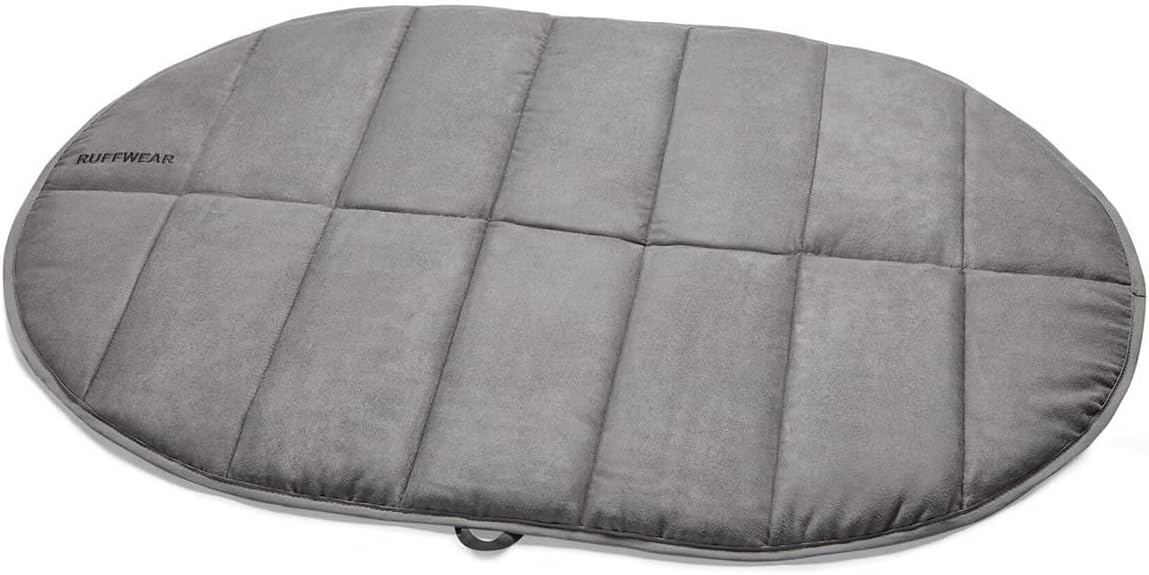
The Ruffwear Highlands Dog Pad is an ultralight, accordion-fold foam sleeping pad intended for backpacking and other travel where weight and packability matter. It uses closed-cell foam plus synthetic down to insulate dogs from cold ground and a soft microsuede top for comfort, while a waterproof, grippy base keeps the pad from sliding and protects against damp surfaces. The integrated fold-and-strap design compresses small for stuffing in a pack or slipping into the Highlands Sleeping Bag sleeve for a secure sleep system. Typical use is on-trail nights, in tents, or inside a car where you need a thin, warm layer rather than a bulky bed. Practical benefits include high warmth-to-weight performance and simple cleanup by hand washing or wiping the base. The pad is not a thick mattress, so larger dogs that need deep cushioning may feel the firm foam, and hand washing only means extra care after muddy trips. For ounce-conscious hikers who want reliable insulation and a durable, packable pad, it delivers a sensible balance of weight, warmth, and portability.
Best for: Backpackers and overnight campers who prioritize low pack weight and need a reliable insulated sleeping surface for their dog on trail nights.
Less Ideal for: Owners seeking a plush, deeply cushioned everyday bed or a machine-washable option for heavy indoor use should consider alternatives.
- Very light and packable accordion-fold design for backpacking
- Closed-cell foam plus synthetic down provides thermal insulation from cold ground
- Waterproof, grippy base resists moisture and prevents sliding
- Soft microsuede sleeping surface adds comfort while remaining long-wearing
- Integrates with the Highlands Sleeping Bag to create a secure sleep system
- Relatively thin foam offers limited deep cushioning for heavy or arthritic dogs
- Requires hand washing and air drying rather than machine wash
- Not intended as an everyday plush bed for extended indoor lounging
Verdict: The best overall bed for backpacking that balances low pack weight, reliable insulation or padding, and durable materials for comfortable rest on trail nights.
Kritter Planet Foldable Dog Bed PM
Best Budget Bed for Backpacking

| Material Type | Flannel |
|---|---|
| Fill Material | flannel |
| Size | 31"x24" |
| Other Special Features of the Product | Foldable, Lightweight, Portable, Waterproof |
This foldable dog bed functions as a simple, packable sleeping mat for short backpacking or day-hike trips with a dog. One side uses waterproof Oxford cloth to shed dampness and protect gear or vehicle seats, while the flannel reverse provides a softer, warmer surface for rest. The mat rolls up small, has built-in handles for carrying, and is light enough to add without much bulk to a pack. It is machine washable and the manufacturer recommends tucking handles to discourage chewing, which helps longevity on repeated outings. The 31 x 24 inch size suits small to medium dogs or a dog that likes a compact sleeping spot, but it will be cramped for larger breeds and offers limited cushioning compared with dedicated inflatable or foam sleeping pads. For hikers who want an inexpensive, easy-to-clean surface that keeps pets off wet ground and inside gear clean, this is a practical choice; for multi-night trips where insulation and thick padding matter, a thicker, insulated pad is a better option.
Best for: Hikers and weekend backpackers who need an inexpensive, easy-to-pack mat to keep a small or medium dog off damp or dirty ground on occasional trips.
Less Ideal for: Extended, cold-weather backpacking or owners of large dogs who need thicker insulation and a larger sleeping surface.
- Reversible design with waterproof Oxford on one side and soft flannel on the other
- Foldable and lightweight with built-in handles for easy packing
- Machine washable for simple field and post-trip cleaning
- Compact 31 x 24 inch footprint suitable for small to medium dogs
- Minimal padding provides limited cushioning and insulation for cold ground
- Size is too small for most large-breed dogs
Verdict: The best budget bed for backpacking that gives hikers an affordable, lightweight sleeping surface with acceptable comfort and weather resistance for occasional trips.
Happy Trails PNW Dog Sleeping Bag Large
Best Lightweight Bed
| Occupancy | 1 Dog |
|---|---|
| Seasons | 3 Seasons, Spring, Summer |
| Temperature Rating | 3-Season |
| Fill Material Type | Down |
| Additional Features | Durable Water Repellent, PFAS-Free |
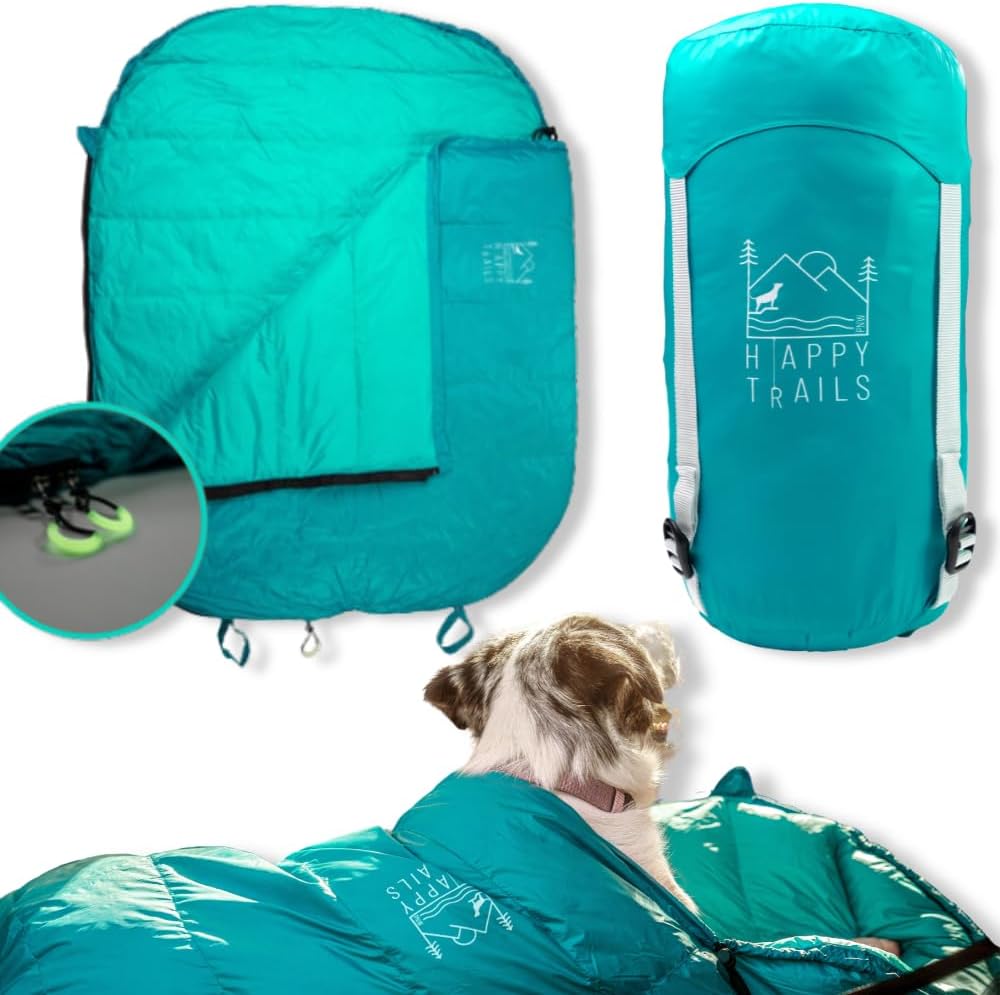
This ultralight dog sleeping bag is built for short backcountry trips where low weight and compact packing matter. It functions as a sleep system and trail-side bed, using RDS-certified 80/20 duck down for insulating warmth while a 20D rip-stop nylon shell and lining with DWR/WR treatment help shed light moisture. The bag has a drawstring closure for retaining heat, a half-length zipper with a glow-in-the-dark pull for easy entry and ventilation, and two hang loops plus a compression stuff sack for compact storage. At roughly 1.3 pounds and an included stuff sack, it packs down small enough to clip into or stow in a pack without adding much bulk. The design favors warmth and weight savings over heavy-duty abrasion resistance, so it is best used on established trails, in a tent, or on a sleeping pad rather than directly on rough, rocky ground for repeated use. Careful handling and occasional airing will keep the down loft and DWR treatment performing well on multi-day outings.
Best for: Owners who prioritize cutting pack weight and need a compact, insulating sleep option for trail-side camping and backpacking.
Less Ideal for: People seeking a rugged, ground-proof bed for frequent off-trail use or those needing a cold-weather, four-season sleeping system.
- Very low pack weight suitable for multi-day backpacking
- RDS-certified 80/20 duck down provides good warmth-to-weight ratio
- 20D rip-stop nylon shell with DWR/WR offers light water resistance
- Includes compression stuff sack and hang loops for compact packing and drying
- Convenient drawstring and half-length zipper with glow pull for easy entry and ventilation
- Not designed for heavy abrasion or constant use on rocky surfaces
- Limited temperature rating aimed at 3-season conditions rather than cold alpine nights
Verdict: The best lightweight bed for owners who prioritize minimal pack weight and compact size while still getting enough cushioning for trail-side sleep.
Outdogs Airpad Inflatable Dog Bed Medium
Best Inflatable Bed

| Material Type | Thermoplastic Polyurethane |
|---|---|
| Included Components | Kennel body, inner cushion, outer cushion, patches |
| Recommended Uses For Product | Outdoor |
| Breed Recommendation | Suitable for dogs weighing 26-46 list, length 28-35inch |
The Outdogs Airpad is an inflatable outdoor dog bed designed to pack small for backpacking and campsite use while providing tunable firmness via its valve. It inflates quickly with most common pumps and the dual-valve design makes inflating and deflating straightforward for fast setup and breakdown. The air chamber is protected by a removable inner cushion and an outer pad so claws and rough ground are less likely to puncture the TPU air bladder, and the smooth waterproof surface rinses clean and dries quickly after muddy use. The bed also floats, which can be useful on calm water or wet sites, and a contoured rear section gives curled dogs a little back support. Expect a very light, compact sleeping pad that gives decent cushioning for medium dogs but will not offer the same long-term joint support as a thick foam mattress, and puncture risk still exists with very sharp objects or persistent chewers.
Best for: Backpackers and campers who need a lightweight, highly packable dog sleeping pad that lets them adjust firmness and rinse off mud after outdoor outings.
Less Ideal for: Owners seeking maximum orthopedic or long-term joint support for senior or large dogs should consider thicker foam or hybrid beds instead.
- Packs down very small thanks to inflatable design for compact backpacking
- Double-sided TPU fabric and removable pads protect the air bladder from abrasion
- Universal valve compatible with common pumps enables adjustable firmness
- Waterproof surface rinses clean and dries quickly after outdoor use
- Lighter inflatable construction provides less long-term orthopedic support than thick foam beds
- Still vulnerable to punctures from very sharp rocks, sticks, or determined chewers
Verdict: The best inflatable bed for backpacking that packs down very small, lets you tune firmness, and provides cushioned support without excessive weight when inflated.
GeerDuo Dog Sleeping Bag Large
Best Insulated Bed

| Material Type | Nylon |
|---|---|
| Fill Material | Synthetic Fiber |
| Cover Material | Polyester and Fleece |
| Size | Large |
| Product Care Instructions | Machine Wash |
This GeerDuo dog sleeping bag is a waterproof, insulated pet bed that packs down for backpacking, car trips, and camping. It combines a waterproof nylon outer shell with a thick fleece lining and synthetic fill to trap body heat and repel damp ground, and the anti-slip bottom helps it stay put on tent floors, sleeping pads, or car seats. The bag zips and secures with velcro for an enclosed, nest-like space that can reduce anxiety and keep small to medium dogs tucked in during cold nights. At under 2 pounds and supplied with a storage sack it is easy to carry in a backpack, and the whole unit is machine washable for easy cleaning after muddy trips. Important limitations are the stated 2 pound maximum weight recommendation and the large size labeling that may still be small for truly large or heavy breeds, so confirm fit for your dog before relying on it for extended high-altitude trips.
Best for: Backpackers and campers who need a lightweight, compressible insulated bed to keep a small to medium dog warm and dry on multi-day outdoor trips.
Less Ideal for: Owners of large or heavy-boned dogs, or those planning extended overnight use in extreme cold or high-altitude conditions where heavier, thicker sleeping systems are required.
- Waterproof outer fabric keeps damp ground and light moisture out
- Fleece lining and synthetic fill provide insulated warmth in cold conditions
- Ultra lightweight and packable with included storage bag for backpacking
- Anti-slip bottom helps the bed stay in place on tent floors and vehicle seats
- Machine washable for straightforward post-trip cleaning
- Manufacturer lists a very low maximum weight recommendation that limits use to smaller dogs
- May be too small or lightly insulated for large heavy breeds on very cold, high-altitude nights
Verdict: The best insulated bed for backpacking when keeping your dog warm on cold or high-altitude nights is the top priority, combining thermal layers with manageable weight.
Rubyloo Travel Dog Bed Medium
Best Packable Bed

| Size | Medium (42 x 30 in) |
|---|---|
| Fill Material | Polyester Fiber |
| Material Type | Nylon |
| Care | Machine Wash, Tumble Dry Low |
| Includes | Travel carry bag |
The Rubyloo Travel Dog Bed is a compact, roll-up mat built for on-the-go dogs and owners. It provides modest 3-inch cushioning filled with polyester fiber inside a ripstop nylon shell that is water-resistant, fur-resistant, and machine washable, so it works as a quick floor pad for camping, car trips, hotels, or park breaks. The bed ships with a small travel bag and compresses to a very small packed size for stashing in a backpack or car trunk, and reinforced stitching improves durability for typical outdoor use; the brand recommends avoiding heavy chewers. Cleaning is straightforward: brush off debris, wipe spot-clean, or run in a front-loading washer then tumble dry low to loft the filling. The main compromise is thickness and padding—it is light and packable rather than luxurious, so larger dogs or pups that need deep support may find it too thin for long overnight use. For backpacking and short stops it gives a familiar, insulated surface that sets up and packs down quickly.
Best for: Owners who prioritize minimal packed size and fast setup for day hikes, backpacking, or travel and need a lightweight, easily stowed sleeping surface.
Less Ideal for: People seeking a thick, highly supportive bed for overnight cabin stays or dogs with joint issues who need deep cushioning.
- Very lightweight and rolls into a compact carry bag for easy backpack packing
- Water-resistant, fur-resistant nylon that wipes clean and is machine washable
- Ripstop nylon and reinforced stitching improve ruggedness for travel use
- Includes modest 3-inch polyester fill that insulates from cold or uneven ground
- Thin padding—designed for portability rather than long-term orthopedic support
- Not intended for dogs that chew destructively
Verdict: The best packable bed for owners who need a very small packed size and quick setup so the bed stows easily in a backpack or side pocket.
YETI Boomer Dog Bed Small
Best Premium Bed

| Size | Small |
|---|---|
| Recommended Uses For Product | Indoor, Outdoor |
| Material Type | 400D polyester twill fabric, HydroBarrier Bottom |
| Fill Material | Thick Foam |
| Care | Machine Wash, Spot Clean |
The YETI Boomer Dog Bed Small is a compact, rugged resting pad built for everyday at-home comfort and lightweight outdoor use. It pairs a 400D polyester twill top with a HydroBarrier waterproof TPU bottom and a thick foam core, so dogs get cushioned support while the base resists ground moisture and easy cleanup. The removable cover lets you machine wash or spot clean the top and the waterproof bottom can be hosed off, which makes it convenient after muddy hikes or campsite naps. At small size it is aimed at dogs under 35 pounds and the construction feels more durable than typical soft beds, though it is not insulated like a dedicated sleeping pad for cold-weather backpacking. The bed is portable and water resistant but not fully waterproof through the top, so prolonged exposure to wet conditions may allow moisture to seep into the fill. For owners who want a premium, durable dog bed that tolerates outdoor dirt and is simple to clean, the Boomer delivers; for technical insulation or ultralight packability look to specialized backpacking pads instead.
Best for: Owners who value a premium, rugged bed that withstands outdoor mess and cleans easily and who prioritize durability and comfort over ultralight packability.
Less Ideal for: People seeking a specifically insulated or ultralight backpacking sleep system for their dog should consider technical sleeping pads designed for cold-weather camps.
- Durable 400D polyester twill top and HydroBarrier TPU bottom for rugged, outdoor-ready construction
- Removable cover that is machine washable for easy cleaning after trips
- Waterproof base lets you hose off the underside and keeps ground moisture out
- Thick foam fill provides noticeable cushioning for small dogs during rest
- Not designed as an insulated sleeping pad so it offers limited warmth for cold nights
- Relatively heavier and bulkier than lightweight backpacking dog pads
Verdict: The best premium bed for backpacking for owners willing to pay more for superior fabrics, advanced insulation or padding, and durable construction that lasts through many trips.
Choosing the Right Dog Bed Backpacking: Key Factors to Consider
Weight and Packed Volume
Weight and packed volume are probably the two most important practical limits on a backpacking dog bed. Every ounce and cubic inch you add affects how much food, water, and gear you can carry, and a bulky bed can prevent the rest of your kit from fitting comfortably in a single pack space.
Choose beds that compress well and list compressed dimensions so you know how they will fit alongside your sleeping system. Lightweight materials are desirable, but be aware that extreme weight savings can sacrifice durability. For many hikers the best compromise is a bed with modest insulation and a highly compressible fill.
Insulation and Warmth
Insulation determines how well the bed keeps your dog off cold ground overnight. Packed-season temperatures and the dog's tolerance to cold both matter when deciding loft and fill type. Synthetic fills that trap air while compressing are common because they maintain loft better when damp and dry faster than some alternatives.
Look for rated warmth or an R-value if provided, or compare fill thickness and construction. In colder conditions prioritize higher loft or a bed designed to accept an insulating pad beneath it. For warm-weather trips, low-profile foam or thin synthetic padding will reduce weight while providing a barrier against rough ground.
Durability and Fabric
Trail use exposes a bed to abrasion from rocks, branches, and dirt, so durable outer fabrics and reinforced stitching matter. Ripstop nylon or tightly woven polyester offer good abrasion resistance while remaining lightweight. Check for double-stitched seams and reinforced stress points at corners or attachment loops.
Durability also affects how easy the bed is to clean after muddy nights. Fabrics that resist staining and shed debris save time in camp. Evaluate how the material balances toughness with weight; a slightly heavier fabric may be worthwhile if it prevents repeated repairs on long trips.
Pack Attachment and Carrying Options
How the bed integrates with your pack affects convenience. Some beds compress into their own stuff sack and stow inside your pack, while others have external straps or loops so you can lash them to the outside. Internal storage protects the bed from trail grime, but external carry can free interior space for food or sleeping gear.
Consider whether the bed has buckles, loops, or attachment points that match your pack's daisy chains or strap layout. Also check if the included stuff sack or straps are durable enough for repeated use on multi-day trips.
Cleanability and Maintenance
On the trail you will encounter mud, sweat, and naturally occurring dirt. Beds that accept quick spot cleaning, have removable covers, or are machine washable when you return home simplify care. Materials that dry quickly reduce the risk of mildew when temperatures and humidity vary.
Evaluate the effort required to clean the bed mid-trip if needed. Removable covers are useful, but they add complexity and possible failure points. A simple wipeable surface can be the most practical for fast turnaround between nights.
Fit and Sleeping Surface
The bed should match your dog's sleeping style and size so they can curl comfortably or stretch out as needed. Pay attention to overall dimensions and usable sleep area, not just the nominal size label. Edge bolsters can provide a sense of security, but they add weight and bulk.
Also consider surface grip and texture. A slightly textured shell helps a dog keep position on inclined tent floors, while slippery fabrics can cause sliding. Choose a surface that balances comfort and stability for nighttime rest.
How Much Insulation Does My Dog Really Need on a Backpacking Trip?
Insulation needs depend on expected nighttime lows and your dog's tolerance to cold. Short-haired or older dogs usually benefit from beds with more loft or a separate insulating pad underneath. For mild summer nights a thin foam pad or low-loft synthetic is often adequate and saves weight.
If you plan mixed-season trips, consider a modular approach: a highly compressible base bed with the option to add a lightweight insulated pad when temperatures drop. That way you only carry the extra bulk when it matters.
- Cold-tolerant dogs may be fine with minimal padding
- Add an insulated pad for subfreezing nights
- Modular systems let you carry warmth only when needed
Can I Use a Regular Sleeping Pad Instead of a Dedicated Dog Bed?
A regular sleeping pad can work in a pinch, especially if it is durable and compact. However, many pads are designed for human weight distribution and may not hold up to a dog's claws or chewing. Dedicated dog beds often use tougher shells and reinforced seams for exactly these reasons.
If you choose a human pad, protect it with a thin cover or a secondary barrier and check attachment options to keep it from sliding in-tent. Durable construction or repair kits are useful if you plan to rely on a human pad for multiple trips.
- Human pads are viable but may be less durable
- Protect pads from claws with a cover
- Consider repairability if using non-dog-specific gear
Storing and Transporting a Dog Bed on Long Hikes
Plan where the bed will live in your pack before each trip. Stowing inside keeps the bed clean and avoids snagging but consumes interior space. External carry frees interior volume but exposes the bed to trail wear and weather. Use a stuff sack that compresses the bed and protects it from dirt and moisture.
For multi-day trips, alternate carrying arrangements between people if pack space is tight. Some backpacking beds include straps that allow you to secure them to the outside of a pack without obstructing access to gear compartments.
- Stuff sacks protect and compress
- Coordinate carry between hikers on group trips
- External carry saves interior space but increases exposure
Cleaning and Repair Tips for Trail Use
Bring a small repair kit with patches, a needle and durable thread, and a compact scrub cloth. Quick patching keeps a bed serviceable until you can perform a full repair at home. Spot-clean mud with water and a mild soap, then air-dry in sunlight whenever possible.
For removable covers, rinse and hang to dry at camp. If a bed becomes soaked, remove damp fill and stuff the shell with dry clothing inside your pack to speed drying, then finish drying at your next stop with greater sunlight or a campfire-safe distance.
- Carry a compact repair kit
- Spot clean with mild soap and water
- Air-dry removable covers in sun when possible
How to Pick the Right Size and Shape for Your Dog
Measure your dog while lying in a natural sleeping position and add a few inches for comfortable movement. Consider how your dog sleeps: curlers need less length but may appreciate bolsters, while stretchers need additional length and a stable surface.
Round or rectangular shapes can both work; pick the shape that fits your tent and gives your dog room without wasting packable volume. If in doubt, choose a slightly larger size that still compresses efficiently.
- Measure your dog in a sleeping pose
- Add inches for movement and joint comfort
- Match shape to tent layout and pack constraints
How We Chose the Best Dog Bed Backpacking
We selected beds that address the unique constraints of backpacking: low weight, small packed size, durability against rough terrain, and adequate insulation for typical overnight conditions. Our evaluation emphasized rugged materials and reinforced seams to resist abrasion and dirt, stuffing or insulation systems that retain loft while compressing efficiently, and packability metrics like compressed volume and included stuffsacks. We also looked at surface fabrics that balance water resistance with breathability, attachment or strap options for easy carry, and how easy each bed is to clean in the field. We excluded heavy, oversized indoor-style beds and any design intended strictly for vehicle or home use because those do not meet backpacking packability or weight limits. We did not consider decorative-only features that add bulk without functional benefit. Final selections were based on a blend of objective specs and real-world practicality for multi-day hiking, favoring options that provide warmth, durability, and minimal impact on your pack load.
Our full evaluation process is outlined in our review methodology.
FAQ
What is the lightest bed option that still provides warmth?
The lightest practical options use high-loft synthetic fills or ultralight foam with a durable shell. These minimize weight while offering a thermal barrier. If warmth is a priority, balance weight savings with insulating performance, and consider adding a thin insulated pad when nights are cold.
How should I protect a bed from wet conditions?
Choose a water-resistant outer fabric or use a waterproof stuffsack for storage. In camp, keep the bed elevated under a tent footprint or tarp and dry it in sunlight when possible. Quickly wringing and airing damp fill reduces the risk of mildew.
Can small dogs use the same backpacking bed as large dogs?
You can use the same model across sizes, but small dogs need less surface area and may do better with a higher-loft, thinner bed to trap warmth. Large dogs require more durable construction and larger contact area to distribute weight evenly.
Is a removable cover necessary for trail beds?
Removable covers make cleaning easier after muddy nights, but they add weight and extra components. A wipeable shell is often the simpler choice on shorter trips, while removable covers are helpful for extended outings where washing at home between trips is expected.
How do I keep the bed from sliding on my tent floor?
Look for beds with textured undersides or nonslip coatings, or place a thin grip layer between the bed and the tent floor. Reducing slope inside the tent and positioning the bed flat against the tent wall can also help maintain stability during sleep.
Final Verdict
Prioritize a balance of weight, insulation, and durability when choosing a dog bed for backpacking. Decide whether warmth or minimal pack impact is more important for your typical trips, and choose materials and construction that match those priorities. Remember that modular solutions and protective covers let you adapt a single bed to a range of conditions. Focus on realistic tradeoffs: a slightly heavier, tougher bed can prevent mid-trip failures, while ultralight options save pack weight at the cost of some warmth or longevity. Use the factors above to match a bed to your dog's size and sleeping habits so you can hike and camp with confidence.

