

Picking the right dog bowl material matters for hygiene, durability, and your pet's comfort. The wrong material can trap bacteria, chip or scratch easily, or shift during meals and create frustration for both you and your dog. This guide shortlists seven common bowl materials and explains what makes each one a strong choice under typical home conditions. We evaluated options for safety, long-term care, and everyday practicality. Below you will find clear pros and cons and the criteria we used to choose these top materials, so you can match the right bowl to your dog's habits and your household needs.
Top Picks at a Glance
| Best Overall Bowl Material The all-around best choice for most dogs and households | Loving Pets Bella Bowl Medium |  |
| Best Budget Bowl Material A low-cost material that still performs reliably for daily use | Loving Pets Dolce Luminoso Dog Bowl Large |  |
| Best Premium Bowl Material Higher-end material with superior durability, finish, and longevity | YETI Boomer 4 Dog Bowl |  |
| Best Stainless Bowl Material Rust-resistant, hygienic choice that suits most active pets | Amazon Basics Stainless Steel Dog Bowl |  |
| Best Ceramic Bowl Material Heavier, breakable material that looks nice and stays put | Kitwinney Ceramic Dog Bowl Large |  |
| Best Silicone Bowl Material Flexible, collapsible option good for travel and storage | Rest-Eazzzy Collapsible Dog Bowl 2-Pack |  |
| Best Non-Toxic Bowl Material Materials with low chemical risk and safer long-term use | Disco Pets Biodegradable Pet Bowls 8oz 50ct |  |
Loving Pets Bella Bowl Medium
Best Overall Bowl Material

| Material Type | Stainless Steel |
|---|---|
| Capacity | 1.7 pounds |
| Recommended Uses For Product | Feeding, Indoor, Outdoor |
| Product Care Instructions | Dishwasher Safe, Remove rubber ring before placing in dishwasher |
The Loving Pets Bella Bowl is a simple, everyday feeding dish built around a stainless steel interior and a polished poly-resin exterior. It is designed for routine use with dry or canned food and water and includes a removable soy-based rubber ring that prevents sliding and reduces spills and noise during mealtimes. The bowl is top-rack dishwasher safe after removing the rubber base, which keeps cleanup quick and hygienic, and the stainless steel interior resists rust and odors compared with plastic. The Bella Bowl's low-profile shape suits medium dogs and makes it easy to fill and store, and the colorful finish lets it sit out between meals without looking utilitarian. Limitations are basic: it has no elevation, no slow-feed features, and the decorative exterior can chip if subjected to heavy impacts, so it is best as a straightforward, low-cost feeder rather than a specialty bowl for anxious or large, heavy chewers.
Best for: Pet owners seeking an inexpensive, durable, and easy-to-clean bowl for daily feeding who prioritize basic function and low maintenance over specialty features.
Less Ideal for: Owners who need elevated feeders, slow-feed designs, or heavy‑duty bowls for very large or destructive chewers should consider other options.
- Stainless steel interior resists rust and odors and is dishwasher safe
- Removable rubber base reduces skidding, spills, and mealtime noise
- Durable poly-resin exterior with decorative finish for everyday countertop use
- Compact medium size suitable for routine feeding of medium dogs
- No elevation or ergonomic shaping for large or senior dogs
- Exterior finish may chip if dropped or roughly handled
- Not designed as a slow-feed or anti-gulping bowl
Verdict: The best overall bowl material balances durability, safety, ease of cleaning, and pet comfort for most everyday feeding needs.
Loving Pets Dolce Luminoso Dog Bowl Large
Best Budget Bowl Material

| Capacity | 1.5 liters |
|---|---|
| Material Type | Plastic |
| Additional Features | Nonslip |
| Product Care Instructions | Hand Wash Only |
The Loving Pets Dolce Luminoso is a budget-friendly plastic bowl intended for everyday feeding and watering. Its thick, crock-style plastic construction feels sturdier than thin disposable bowls and the low-profile, wider base lowers the center of gravity to help prevent tipping during meals. A molded non-skid base reduces sliding and noise on hard floors, and the embossed paw detailing gives it a more finished look than plain bowls. It is BPA-free and dishwasher safe for easy cleaning, though the manufacturer recommends hand wash only in one place, so buyers may prefer to check care instructions. At 1.5 liters capacity it holds several cups of food or water, making it a good fit for larger dogs or multi-meal periods. The main compromises are material longevity compared with stainless steel and potential staining or odor retention over very long use, but for owners prioritizing affordability, easy cleaning, and a stable, everyday bowl, it performs well.
Best for: Buyers seeking an inexpensive, everyday bowl that balances sturdiness and easy maintenance for regular use and who want a stable, low-profile option for larger dogs.
Less Ideal for: Owners who prioritize maximum sanitary performance or extreme chew resistance should consider metal or heavy-duty alternatives instead.
- Thick crock-style plastic construction offers greater durability than thin disposable bowls
- Non-skid base reduces sliding, spills, and mealtime noise on hard floors
- Low-profile, wide base design helps resist tipping
- BPA-free and dishwasher safe for straightforward cleaning
- 1.5 liter capacity suits larger dogs or longer intervals between refills
- Plastic may stain or retain odors over extended use compared with metal options
- Not as scratch- or chew-resistant as stainless steel
Verdict: The best budget bowl material gives pet owners an affordable option that holds up to regular use while remaining safe and easy to maintain.
YETI Boomer 4 Dog Bowl
Best Premium Bowl Material
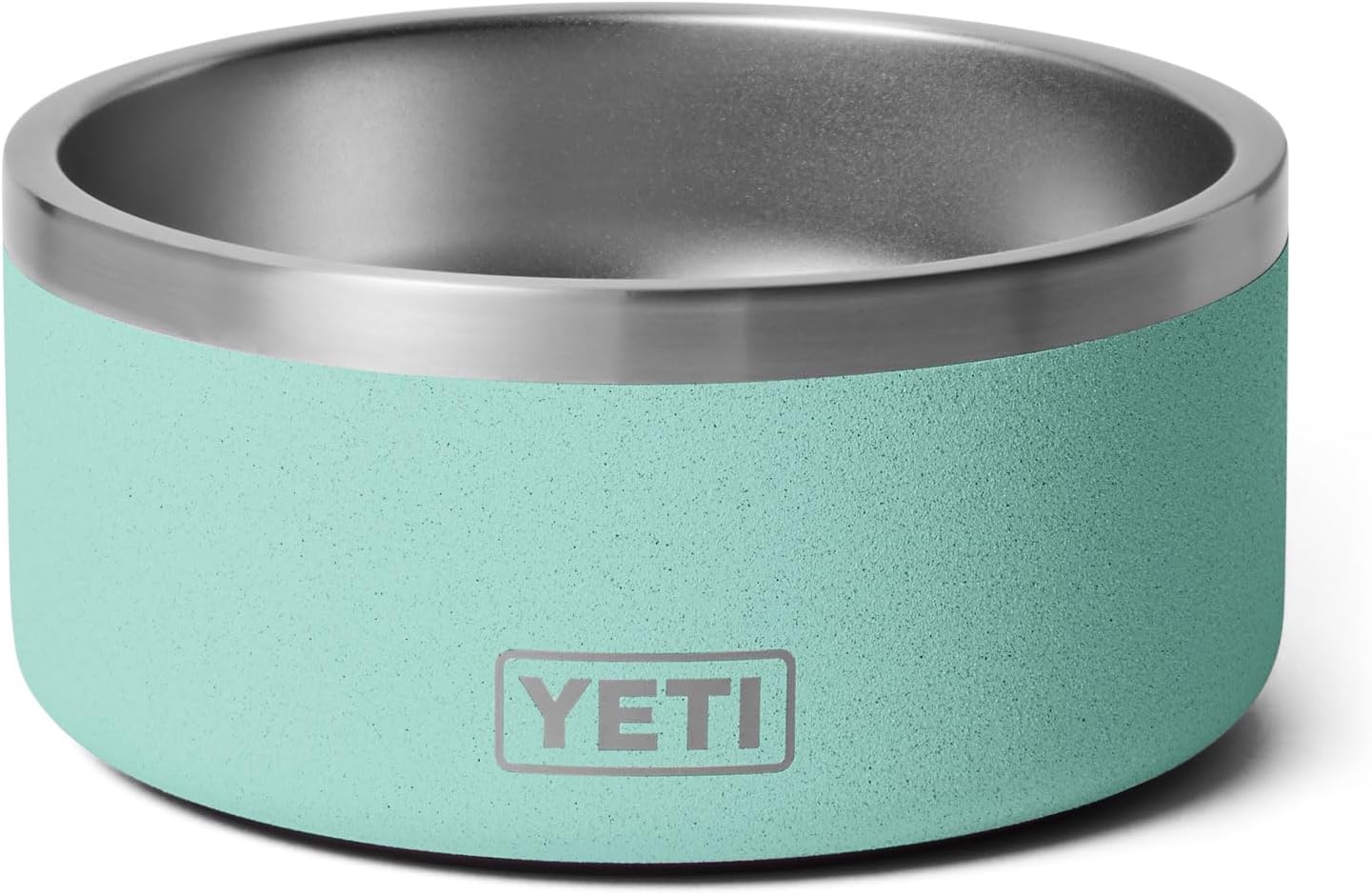
| Target Species | Dog |
|---|---|
| Capacity | 4 cups |
| Included Components | BEARFOOT NON-SLIP RING |
| Additional Features | Durable, Nonslip, Portable |
The YETI Boomer 4 is a rugged 4-cup dog bowl designed for everyday feeding and travel. Its 18/8 stainless steel construction resists rust and punctures, so it stands up to active dogs and outdoor use, while the included Bearfoot non-slip ring keeps the bowl from sliding during enthusiastic meals. The shallow, wide profile works for kibble or water and the dishwasher-safe finish makes cleanup simple after messy meals. Because it is compact at 4 cups, it fits small to medium servings and is easy to pack for trips, but larger dogs that need more capacity will require the bigger Boomer 8. The textured exterior and solid build give a premium, durable feel, and the manual operation means there are no moving parts to fail. If you value a bowl that balances durability, stability, and low-maintenance cleaning, the Boomer 4 performs well, though its capacity limits use for very large or multiple-dog feeding situations.
Best for: Buyers who want a durable, easy-to-clean everyday bowl that stays put during meals and is suitable for small to medium portions or travel.
Less Ideal for: People who regularly feed large-breed dogs, multiple dogs at once, or need an insulated/elevated feeding solution should look elsewhere.
- 18/8 stainless steel construction for durability and rust resistance
- Bearfoot non-slip ring prevents sliding during meals
- Dishwasher-safe for easy cleaning
- Compact 4-cup capacity suits single-dog daily use and travel
- 4-cup capacity may be too small for large dogs or multi-dog households
- No insulated or elevated option included
Verdict: The best premium bowl material is for owners willing to pay more for top-tier durability, finish quality, and long-term performance.
Amazon Basics Stainless Steel Dog Bowl
Best Stainless Bowl Material

| Capacity | 35-38 ounces |
|---|---|
| Material Type | Rubber, Stainless Steel |
| Dishwasher Safe | Yes |
| Target Species | Dog |
This Amazon Basics stainless steel dog bowl is a simple, durable feeding dish built for everyday use. Made from rust-resistant stainless steel with a rubber ring on the bottom, it holds roughly 35 to 38 ounces and stays put while pets eat or drink. The metal surface resists odors and scratches better than typical plastic bowls and is dishwasher safe, so routine cleaning is quick and hygienic. Its low profile and wide opening make it easy to scoop kibble or dish wet food, and the non-skid base helps reduce tipping and floor mess. The design is minimal—there are no lids, partitions, or elevated stands—so it is best as a basic bowl rather than a specialty solution for slow feeding or medical needs. Larger dogs that gulp aggressively might still nudge it, and the exposed stainless interior can show water spots between washes, but for owners prioritizing cleanliness and longevity this is a practical, no-frills choice.
Best for: Owners who prioritize a hygienic, long-lasting, easy-to-clean feeding surface and want a straightforward bowl for daily food or water service.
Less Ideal for: People looking for specialized feeder features like slow-feed ridges, elevated stands, or multi-compartment bowls should consider other options.
- Rust-resistant stainless steel surface that does not retain odors
- Dishwasher-safe for easy, hygienic cleaning
- Rubber non-skid base reduces sliding and helps protect floors
- Holds a generous amount suitable for food or water for most pets
- Basic, low-profile design without slow-feed or elevated features
- May show water spots and requires regular cleaning to maintain shine
Verdict: The best stainless bowl material is ideal for owners who prioritize hygiene, scratch resistance, and a long-lasting, easy-to-clean feeding surface.
Kitwinney Ceramic Dog Bowl Large
Best Ceramic Bowl Material

| Material Type | Ceramic |
|---|---|
| Capacity | 4 pounds / 64 oz / 1900 ml |
| Non-slip? | Yes, silicone bottom |
| Recommended Uses For Product | Dry Food, Wet Food, Water |
| Dog Breed Size | Medium, Large, Giant |
This Kitwinney ceramic bowl is a heavy, stable feeder intended for medium and large dogs that tend to push or tip lighter dishes. The bowl pairs thick, food‑grade ceramic with a molded silicone ring on the bottom so it stays put during mealtime and cuts down on clanking noise and floor scratches. Its wide, deep profile holds about 64 oz (1900 ml), so you refill less often and it suits both water and large servings of kibble or wet food. The glazed matte finish is smooth and easy to wipe or wash and the manufacturer lists it as dishwasher and microwave safe, which simplifies cleaning and reheating. Because it is substantially heavier than typical stainless or thin ceramic bowls, it resists flipping but is also less portable and will chip if dropped; owners should handle it carefully and avoid heavy impacts. The design is minimalist and home-friendly, so it doubles as a tidy-looking bowl on the floor or in a feeding area.
Best for: Buyers who prioritize a heavy, stable bowl with a smooth, nonreactive surface and a stylish, minimalist look for medium to large dogs.
Less Ideal for: Owners who need lightweight, portable bowls for travel or households with very active pets that may knock ceramic off hard surfaces should consider alternate materials.
- Heavy ceramic construction adds stability and resists tipping by large dogs
- Integrated silicone non-slip base prevents sliding and reduces noise
- Large 64 oz capacity holds substantial water or food portions
- Glazed matte surface is smooth, odor-resistant and dishwasher safe
- Heavy and brittle — can chip or break if dropped
- Not the best choice if you need a lightweight or travel-friendly bowl
Verdict: The best ceramic bowl material fits owners who want a heavier, stable bowl with a smooth, nonreactive surface and an emphasis on aesthetics.
Rest-Eazzzy Collapsible Dog Bowl 2-Pack
Best Silicone Bowl Material
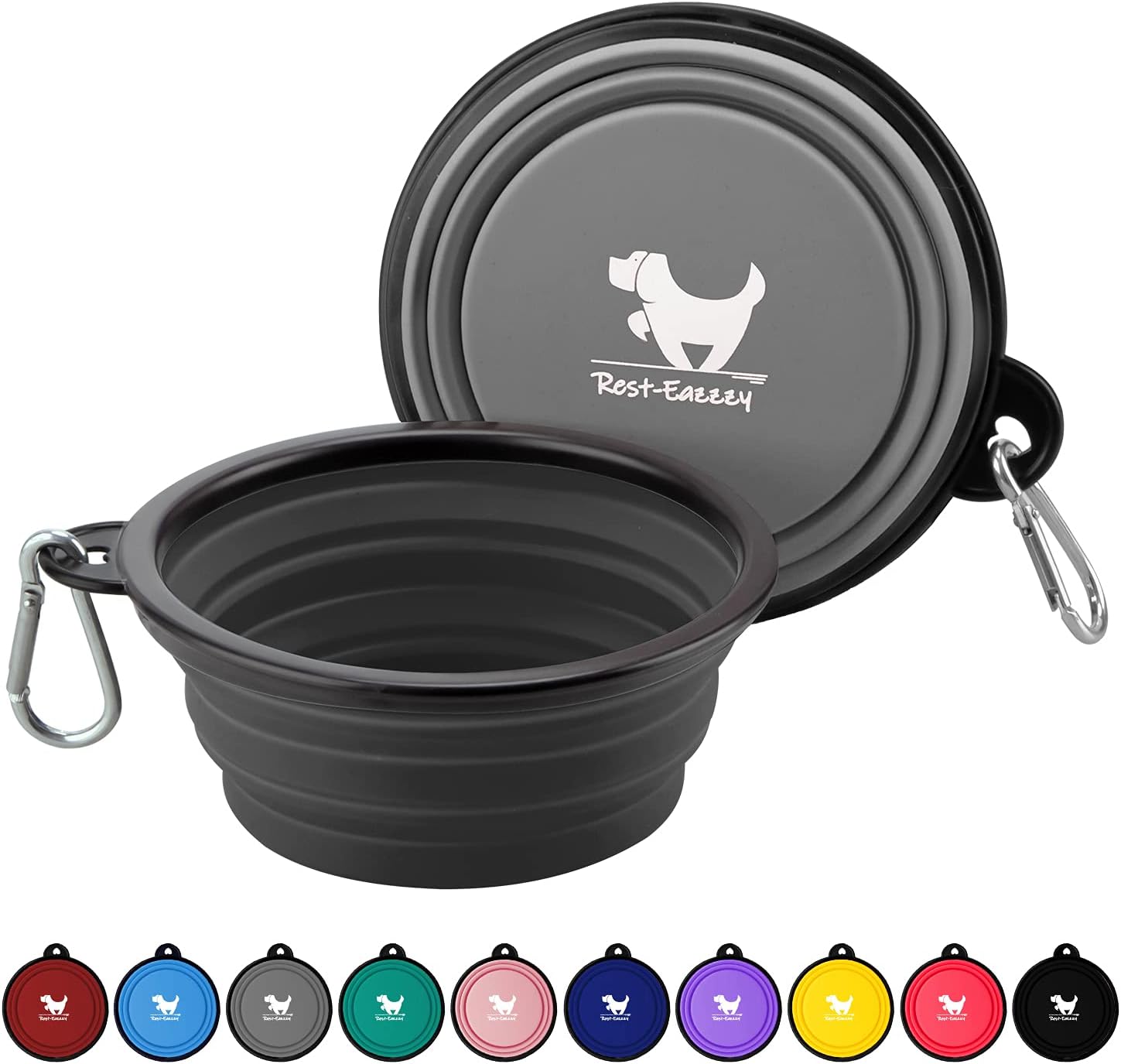
| Material Type | Silicone |
|---|---|
| Capacity | 355 milliliters_per_minute |
| Number of Packs | 2 |
| Product Care Instructions | Dishwasher Safe |
These collapsible travel bowls are a practical, space-saving feeding solution for outings, hikes, and everyday storage. Made from an upgraded firmer TPE material rather than soft silicone, each bowl expands to hold water or kibble and snaps back flat for packing in a bag or car. The set includes two bowls and a clip so you can hang one to a leash or backpack, and the reinforced rim and anti-sag structure keep the bowl open and stable while pets drink. They are dishwasher safe and wipe clean easily after muddy hikes, and a textured non-skid base helps reduce spills on uneven ground. Limitations: capacity is modest (best for small to medium dogs or single-serve portions) and very large breeds will need a larger, more rigid dish for heavy drinkers. Still, for travel and quick outdoor use these bowls balance durability and portability effectively.
Best for: Owners who prioritize a lightweight, packable feeding solution for travel, hiking, or small-space storage and need bowls that stay open and clean up easily.
Less Ideal for: Households with large or multiple heavy-drinking dogs that require higher-capacity or rigid water dishes for extended use.
- Firm TPE material resists wear and wipes or rinses clean easily
- Collapsible design folds flat for compact packing and storage
- Reinforced rim and anti-sag structure keep the bowl open when filled
- Includes clip for attaching to bags or leashes during travel
- Dishwasher safe for easy cleanup after outdoor use
- Modest single-bowl capacity suitable mainly for small to medium dogs
- Not as rigid as a hard travel bowl for very large or heavy-drinking dogs
Verdict: The best silicone bowl material serves owners who need a lightweight, collapsible, and easy-to-pack feeding solution for travel or space-saving storage.
Disco Pets Biodegradable Pet Bowls 8oz 50ct
Best Non-Toxic Bowl Material

| Material Type | wheatgrass |
|---|---|
| Capacity | 8 ounces |
| Number of Items | 50 |
| Product Care Instructions | Hand Wash Only |
These single-use bowls are molded from wheatstalk fiber to give pet owners a compostable, vet-grade alternative to plastic or paper disposables. They hold wet or dry food and water, maintain shape while in use, and are intended for quick feeding situations like travel, boarding, shelters, or multi-pet feeding where laundering is impractical. The pack of 50 keeps fresh bowls on hand and the wheatstalk material is labeled biodegradable, anti-bacterial, and anti-allergic, which reduces concerns about odor or residue buildup compared with reused bowls. Practical benefits include lightweight portability, compostability after use, and the option to use them as liners inside existing bowls for easier cleanup. Limitations are typical for disposable fiberware: they require hand washing if you intend to reuse them, are best for short-term feeding rather than long-term daily use, and may not be as durable as thick plastic or ceramic for persistent chewers or very active pets.
Best for: Buyers who prioritize minimizing chemical exposure and want a compostable, low-chemical alternative to plastic bowls for occasional or travel use.
Less Ideal for: Owners seeking a permanent everyday bowl for heavy chewers or those who want a dishwasher-safe long-term dish should consider ceramic or stainless steel instead.
- Compostable wheatstalk material reduces single-use plastic waste
- Anti-bacterial and anti-allergic labeling helps minimize germ buildup
- Lightweight and portable for travel, shelters, or pet-sitting
- Sturdy enough for wet food and water without leaking during typical use
- Designed as single-use disposables so long-term durability is limited
- Requires hand washing if reused rather than dishwasher-safe
Verdict: The best non-toxic bowl material is chosen by owners prioritizing safety and minimal chemical exposure, favoring materials with clear non-toxic certifications or low-leach properties.
Choosing the Right Dog Bowl Material: Key Factors to Consider
Durability and Impact Resistance
How well a material resists chips, cracks, and deformation affects long-term value. A durable bowl retains its shape and surface finish after everyday knocks and falls, which reduces places where food and bacteria can collect.
Materials that dent, fracture, or flake will develop rough edges and crevices that are harder to clean and can harbor microbes. For households with chewers or active feeders, stronger materials reduce the need for frequent replacement and maintain safe feeding surfaces over time.
Hygiene and Bacterial Resistance
Nonporous, smooth surfaces are easier to sanitize and less likely to trap food particles and bacteria. Materials that resist staining and do not absorb moisture are generally more hygienic for repeated daily use.
Consider how the material responds to common cleaning methods, including hand washing, dishwasher cycles, and occasional disinfecting. Some materials can develop micro-scratches that promote bacterial growth, so surface hardness and scratch resistance are key hygiene considerations.
Weight and Stability
A bowl's weight affects how easily it moves when a dog eats or drinks. Lightweight materials are more likely to slide or tip, which can create messes or discourage picky eaters. Heavier bowls sit more securely and reduce spills without needing extra accessories.
For energetic dogs or those that nudges bowls while eating, choose a material or bowl design that provides a low center of gravity and enough mass to stay put. Consider non-slip bases and how the material interacts with common floor surfaces to prevent sliding.
Cleaning and Maintenance
How often you want to clean a bowl and the methods you use should guide material choice. Some materials tolerate frequent dishwasher cycles without degrading, while others require gentle hand washing and mild cleaners.
Think about stain resistance, odor retention, and whether the material can be sanitized with household disinfectants. If you prefer low-effort maintenance, choose materials that clean easily and dry quickly to discourage mold and bacteria buildup.
Reactivity and Safety
Certain materials can react chemically with acidic foods, cleaners, or prolonged moisture, leaching residues or degrading surface finishes. Safety considerations include whether the material contains coatings that wear off with use and whether it can tolerate typical pet feeding conditions without releasing harmful substances.
For households that mix wet and dry foods or use acidic marinades, select materials known for chemical stability. Verify that finishes and glazes are intact and that the material will not break down with routine exposure to food and cleaning agents.
Temperature Tolerance and Versatility
Temperature tolerance matters if you switch between hot wet food, frozen treats, or warmed meals. Materials that handle temperature swings without cracking or warping are more versatile.
If you plan to use the bowl outdoors seasonally or subject it to hot water cleaning, choose a material with proven thermal stability. Versatile materials also often work for both food and water and can be used in different environments without special precautions.
Which Bowl Materials Are Easiest to Keep Clean?
Nonporous surfaces with smooth finishes are the easiest to keep hygienic. Materials that resist scratching and do not absorb moisture make daily washing and occasional sanitizing straightforward and effective.
Dishwasher-safe, nonreactive materials reduce the effort needed to keep bowls sanitary. If you hand-wash, choose a material that tolerates warm water and a mild detergent without degrading.
- Look for smooth, seamless surfaces.
- Avoid materials that show micro-scratches after routine use.
- Check compatibility with your cleaning routine before choosing.
How Much Does Bowl Weight Affect Feeding Behavior?
Weight and balance influence whether a dog will tip or push a bowl while eating. Heavier materials and bowls with wider bases stay put better during active feeding. Lightweight bowls are convenient to move but may frustrate dogs that nudge during meals.
If your dog tends to be lively while eating, prioritize materials that allow a stable, low-profile bowl rather than the lightest option available.
- Choose heavier materials for stability.
- Consider non-slip feet or mats for added security.
Are Certain Materials Better for Puppies or Senior Dogs?
Puppies and senior dogs have different needs. Puppies may chew and test bowls, so choose impact-resistant materials that will not shatter. Senior dogs might benefit from shallower bowls and materials that do not retain cold or heat unpleasantly against sensitive muzzles.
Also consider weight and rim design so bowls are easy for small or stiff-necked dogs to access without strain.
- Puppies: prefer dent- and bite-resistant materials.
- Seniors: prioritize low rims and steady, stable bowls.
What to Expect From Bowls Used for Water Versus Wet Food
Water bowls demand materials that do not trap odors and are easy to refill and rinse. Wet food bowls need materials that resist staining and can be effectively scrubbed to remove residues that attract bacteria.
Some materials are fine for water but less ideal for sticky, fatty food residues. If you use the same bowl for both, choose a material that balances odor resistance with easy degreasing during cleaning.
- Water-only bowls: focus on odor resistance and ease of rinsing.
- Food bowls: focus on grease and stain resistance and cleanability.
How Do Temperature Changes Affect Material Choice?
Materials that handle hot cleaning water, occasional freezing, or year-round outdoor use are more practical for varied household conditions. Some materials expand, crack, or warp with repeated temperature swings, becoming less sanitary over time.
If you often warm foods or use hot-water sanitation, select materials rated for thermal stability to avoid long-term damage and preserve a smooth, cleanable surface.
- Confirm dishwasher or hot-water tolerance if you sanitize frequently.
- For outdoor use, choose materials that tolerate cold without cracking.
How to Tell when a Bowl Material Needs Replacing
Look for surface degradation such as cracks, deep scratches, chips, stubborn stains, or persistent odors that do not respond to cleaning. These signs indicate that the material may no longer provide a sanitary feeding surface and should be replaced.
Routine inspection and prompt replacement when the surface condition deteriorates will reduce bacterial risk and keep feeding areas hygienic.
- Replace bowls with hard-to-remove stains or odors.
- Do not use bowls with cracks, chips, or exposed porous areas.
How We Chose the Best Dog Bowl Material
We prioritized factors that matter most when selecting bowl materials for dog feeding: safety under repeated use, resistance to bacterial growth, physical durability, ease of cleaning, and compatibility with common feeding routines. Each candidate material was assessed for nonporous surfaces, reaction to drops and scratches, resistance to odors and staining, and whether it tolerates routine cleaning methods. We also considered weight and stability to reduce tip-overs, and whether the material is suitable for both food and water long-term. Products were excluded if they required special cleaning equipment, contained known reactive coatings that degrade quickly, or were impractical for daily household use. We focused on materials that are readily available in standard sizes and finishes, and that match typical pet owner expectations for longevity and hygiene. Final selections emphasize real-world usability and maintenance needs over niche performance claims.
Our full evaluation process is outlined in our review methodology.
FAQ
Is stainless steel the best option for hygiene?
Stainless steel is often favored for hygiene because it is nonporous, resists staining, and tolerates regular dishwasher cleaning. However, a bowl's finish and how it is maintained matter; scratched or dented metal can trap debris and should be replaced when damaged.
Can plastic bowls be safe for regular use?
Plastic bowls can be safe if they are hard, food-grade, and free of cracks and scratches. Softer plastics may retain odors and scratch easily, creating places for bacteria. Replace plastic bowls at the first sign of surface wear.
Are ceramic bowls okay for dogs that chew?
Ceramic bowls provide a smooth, nonporous surface and can be very hygienic, but they can chip or break if chewed or dropped. For chewers, a more impact-resistant material is a safer choice to avoid sharp fragments or exposed porous surfaces.
How often should I replace a dog bowl regardless of material?
Replace a bowl whenever you notice persistent odors, deep scratches, chips, or any surface damage that cannot be cleaned. Otherwise, routine replacement every year or two can be reasonable for frequently used bowls, depending on how well the material holds up.
Do ceramic glazes or coatings pose a health risk?
Most modern glazes are formulated to be food-safe, but coatings that flake or wear can become a concern. Ensure the bowl has an intact finish and stop using it if the glaze chips or shows wear that exposes the underlying material.
Should I use different bowls for food and water?
Using separate bowls for food and water reduces cross-contamination and makes cleaning simpler. Water bowls need frequent rinsing, while food bowls may require more thorough cleaning to remove greasy residues and stuck food particles.
Final Verdict
Choose a bowl material that balances hygiene, durability, and practicality for how you feed your dog. Prioritize nonporous surfaces that tolerate your cleaning routine, and pick enough weight or a stable design to prevent tipping. Keep an eye on surface damage and replace bowls when chips, deep scratches, or persistent odors appear. By focusing on durability, cleanability, and stability, you can select a material that fits your dog's feeding habits and your household maintenance preferences, ensuring safer and more pleasant mealtimes.

