

If you own a long-haired dachshund, picking the right brush makes routine grooming faster and keeps your dog comfortable. Long coats on dachshunds are prone to tangles, matting along the ears and chest, and loose undercoat that travels through the house. The right brush minimizes painful pulls, removes loose fur before it tangles, and helps distribute natural oils for a healthier shine. This guide shortlists the seven best long-haired brushes chosen for dachshund coats, focusing on effectiveness, gentle handling, and ease of use. We'll explain the key features that matter and how each brush type performs for common dachshund grooming needs, so you can pick the best tool for regular maintenance or quick touch-ups.
Top Picks at a Glance
| Best Overall Brush for Long-Haired Dachshund The all-around best choice for long-haired dachshunds' grooming | FURminator Undercoat deShedding Tool Large |  |
| Best Budget Brush for Long-Haired Dachshund An affordable brush that still works well on long coats | Depets Self Cleaning Slicker Brush | 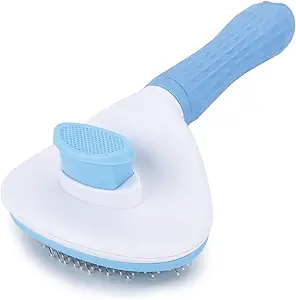 |
| Best Deshedding Brush Designed to reduce loose undercoat and seasonal shedding effectively | Swihauk Self Cleaning Slicker Brush |  |
| Best Gentle Brush Soft on skin and ideal for sensitive or thin-coated areas | JZDACH Hair Brush |  |
| Best Compact Brush Small, portable grooming tool for travel and quick touch-ups | MAEELOU Small Dog Brush |  |
| Best Ergonomic Brush Designed for comfortable grip and less wrist strain during grooming | Paw Brothers Extra Long Pin Slicker Brush |  |
| Best Premium Brush A higher-end grooming tool with superior materials and performance | Chris Christensen Big G Slicker Brush Large |  |
FURminator Undercoat deShedding Tool Large
Best Overall Brush for Long-Haired Dachshund

| Item model number | P-92926-5 |
|---|---|
| Manufacturer | SPECTRUM BRANDS PET LLC |
| Suitable for | Large dogs with long hair |
The FURminator Undercoat deShedding Tool for large long-haired dogs is built to reach through the topcoat and pull out loose undercoat hair without cutting the topcoat when used as directed. You use it weekly as part of a grooming routine to reduce household shedding and keep coats cleaner; the curved edge follows your dog's contours and the ergonomic handle makes longer sessions easier on your hands. The FURejector button is a practical convenience that releases collected hair with a single push, speeding cleanup between passes. In practice this tool removes noticeably more loose hair than a standard brush or comb, which can cut down on vacuuming and lint-rolling. It is intended for dogs over 50 pounds with long coats and works best when combined with regular brushing and periodic bathing. The blade is effective but requires care around sensitive skin and should be used only as directed to avoid overworking the coat; it is not a replacement for detangling mats or trimming severely matted fur.
Best for: Owners of large, long-haired dogs who want a tool that aggressively reduces loose undercoat hair and cuts down on household shedding through regular at-home use.
Less Ideal for: People who primarily need a detangling tool for mats, owners of small or short-coated breeds, or those seeking a gentler daily brush for frequent stroking.
- Designed to remove loose undercoat hair effectively, reducing visible shedding
- Curved edge conforms to the dog’s body for more comfortable grooming
- Ergonomic handle reduces hand fatigue during longer sessions
- FURejector button quickly releases collected hair for easy cleanup
- Not suitable for detangling or removing mats
- Requires careful use on sensitive skin and should be used as directed
Verdict: The best overall brush for long-haired dachshunds balances effective undercoat removal, gentle teeth or bristles, and comfortable handling for frequent home grooming.
Depets Self Cleaning Slicker Brush
Best Budget Brush for Long-Haired Dachshund

| Target Species | Dog, Cat |
|---|---|
| Item Form | Brush |
| Product Benefits | Deshedding |
| Scent Name | Unscented |
The Depets Self Cleaning Slicker Brush is a basic, affordable grooming tool that removes loose undercoat and surface hair from short- and long-haired pets. It uses fine bent stainless steel pins with rounded ends to lift loose fur and provide a gentle massage that can improve coat shine and circulation. The ergonomically shaped, nonslip handle makes short grooming sessions comfortable and the one-click release button pushes trapped hair off the pad for quick cleaning. The brush is washable, which helps keep it hygienic between uses, and Depets provides usage notes about pressure and mat handling so owners avoid discomfort. This brush is not designed for heavy-duty dematting or for curly, wire-haired, or hairless breeds, and its small head means longer sessions on very large dogs. For the price it delivers dependable shedding control and an easy-clean design that suits regular at-home brushing.
Best for: Pet owners who want an inexpensive, easy-to-use brush for regular de-shedding and light grooming sessions at home.
Less Ideal for: People needing a tool for heavy dematting, professional groomers, or owners of curly, wire-haired, or hairless breeds should look at purpose-built alternatives.
- One-click hair release makes cleanup fast
- Rounded-pin stainless steel bristles lift loose fur while minimizing skin scraping
- Washable construction keeps the brush hygienic
- Comfort-grip nonslip handle reduces wrist strain during use
- Small brush head can make sessions longer on very large dogs
- Not suitable for severe mats or specialized coat types like curly or wire-haired breeds
Verdict: The best budget brush for long-haired dachshunds gives reliable detangling and loose-hair removal at a low price for owners on a tight grooming budget.
Swihauk Self Cleaning Slicker Brush
Best Deshedding Brush

| Item model number | DB-202301 |
|---|---|
| Manufacturer | Swihauk |
| UPC | 649762637279 |
The Swihauk Self Cleaning Slicker Brush is a lightweight, self-cleaning grooming tool aimed at removing loose fur and detangling coat without irritating the skin. It uses fine, round-tipped metal bristles set in a flexible pad to catch undercoat and surface hair, then a bottom release button retracts the bristles for a quick wipe-away of collected fur. The TPR handle and compact stainless steel construction make it comfortable to hold for longer sessions and durable for regular use. In practice this brush works well for routine maintenance on medium to long coats, breaking mild mats and reducing shedding between baths. The soft rounded tips help prevent scratching, so it is suitable for dogs with sensitive skin when used gently. Limitations are that very dense undercoats or severely matted areas may require a de-matting tool or comb to finish the job, and the brush is manually operated so thorough sessions still take time on a large, heavily shedding dog.
Best for: Owners who want a balanced, easy-to-maintain slicker that handles regular de-shedding and light detangling with comfort for both pet and groomer.
Less Ideal for: People needing aggressive de-matting tools or very rapid grooming solutions for heavily matted coats should consider specialized de-matters or rakes instead.
- Self-cleaning release button that retracts bristles for fast fur removal
- Rounded plastic-tipped metal bristles designed to be gentle on skin while removing loose hair
- Lightweight ergonomic TPR handle for comfortable, extended grooming sessions
- Sturdy stainless steel construction for long-term durability
- Not optimized for cutting through very heavy mats or extremely dense undercoats
- Manual brushing can be time-consuming on large, heavily shedding dogs
Verdict: The best deshedding brush is built to reach the undercoat and remove loose fur efficiently to cut down on shedding around the home.
JZDACH Hair Brush
Best Gentle Brush

| Item Weight | 3.52 ounces |
|---|---|
| Manufacturer | JZDACH |
| ASIN | B0FP9J9CCV |
This JZDACH brush is a lightweight, travel-friendly detangler built around a ventilated TPR air cushion and soft nylon pins that glide through knots with minimal tugging. It is used like a standard detangling brush on wet or dry coats to remove tangles, smooth the hair, and give a gentle scalp massage; the cushioned, ventilated base conforms to the scalp or skin for less pulling and adds airflow when used during blow-drying. Notable features include the anti-static nylon bristles to reduce frizz, a non-slip rubberized handle with a hanging loop for easy storage, and a compact profile that fits in a grooming kit. For long-haired dachshunds the tapered pins and flexible cushion help work through fine undercoat and longer guard hairs without aggressive snagging, and the scalp massage action can improve circulation in sensitive areas. Limitations are that the brush is small and better suited to spot grooming or travel rather than full-session heavy undercoat removal, and it lacks wider paddle area needed for very thick coats.
Best for: Buyers who want a gentle, travel-ready brush that detangles long hair or delicate skin without aggressive pulling and provides a soothing massage during routine grooming.
Less Ideal for: Owners needing a full-size deshedding tool for heavy undercoat removal or those who groom large numbers of dogs at once should choose a larger, de-shedding specific brush.
- Soft, tapered nylon pins that reduce snagging and irritation
- TPR ventilated cushion that flexes to scalp contours and eases tugging
- Anti-static design helps reduce frizz during blow-drying
- Non-slip rubberized handle and hanging loop for easy storage and travel
- Compact size limits effectiveness for full deshedding on very thick coats
- Not intended for heavy undercoat removal or intensive grooming sessions
Verdict: The best gentle brush uses soft bristles or rounded tips to detangle and smooth long hair without causing irritation on delicate skin.
MAEELOU Small Dog Brush
Best Compact Brush

| Bristle Material | TPEE (Soft Plastic) |
|---|---|
| Handle Material | Plastic |
| Hair Type | Normal |
| Unit Count | 1 Count |
The MAEELOU Small Dog Brush is a compact, cloud-shaped grooming tool with soft TPEE bristles and a plastic handle that is intended for quick touch-ups and gentle daily brushing. It is used by holding the comfortable handle and stroking the coat in smooth motions to remove loose hair, dust, and minor tangles while providing a light massage that can soothe skin and stimulate circulation. The flexible soft-plastic bristles make it pleasant for short sessions on sensitive faces and bodies, and its small size and light weight make it easy to tuck into a bag or keep in a drawer for on-the-go maintenance between full grooming sessions. Because it is designed for normal hair types and small breeds, it excels at surface-level shedding control and keeping a pug's short coat tidy without overworking the skin. Limitations include its lack of firm pins for deep undercoat de-shedding and a plastic construction that is less durable than metal alternatives for heavy use.
Best for: Owners who want a small, gentle brush to keep a pug’s short coat tidy between baths and full groomings and who value portability for travel or quick touch-ups.
Less Ideal for: People looking for a heavy-duty de-shedding tool or a brush to remove deep undercoat on double-coated breeds should choose a firmer, specialist tool instead.
- Compact, lightweight shape easy to carry for quick touch-ups
- Soft TPEE bristles provide a gentle massage and are comfortable on sensitive skin
- Ergonomic plastic handle for easy one-handed brushing
- Effective at removing loose hair, dust, and small tangles from short coats
- Not designed for heavy de-shedding or removing dense undercoat
- All-plastic build is less robust than metal brush options for long-term durability
Verdict: The best compact brush is lightweight and easy to pack, making it ideal for on-the-go touch-ups and travel with a long-haired dachshund.
Paw Brothers Extra Long Pin Slicker Brush
Best Ergonomic Brush

| Bristle Material | Stainless Steel |
|---|---|
| Hair Type | All |
| Unit Count | 1 Count |
| Item model number | TM31170 |
The Paw Brothers Extra Long Pin Flat Slicker Brush is a grooming tool designed to reach deep into dense coats to remove loose hair, dirt, and minor mats. It is typically used for regular brushing sessions on dogs and cats with medium to long fur, where the long pins penetrate the undercoat without needing repeated passes. The stainless steel pins and flat slicker head provide broad coverage, while the ergonomic handle improves control during longer grooming sessions and reduces hand fatigue. Practical benefits include effective undercoat removal, stimulation of skin oils for a shinier coat, and a durable stainless construction that holds up to frequent use. Important limits are that the long, firm pins can feel sharp on very short-coated or extremely sensitive animals and it is focused on detangling and deshedding rather than delicate finishing or dematting severe mats. For Cocker Spaniels the brush works well for maintaining a full, healthy coat but should be used gently around the ears and feathering.
Best for: Owners who groom frequently and need a brush that stays comfortable in the hand for longer sessions and gives good undercoat access for breeds with fuller coats.
Less Ideal for: People who only need a very gentle brush for short-coated or extremely sensitive pets or who need a dedicated dematting razor for severe mats.
- Extra-long stainless steel pins penetrate to the undercoat for effective deshedding
- Flat slicker head covers a wide area to speed up grooming sessions
- Ergonomic handle improves grip and reduces hand fatigue during extended use
- Durable stainless-steel construction for frequent, professional-style grooming
- Firm long pins can be too harsh on very short or highly sensitive skin
- Not intended as a specialized dematting tool for severe, tightly formed mats
Verdict: The best ergonomic brush prioritizes handle design and balance so owners can groom long coats for longer sessions without hand fatigue.
Chris Christensen Big G Slicker Brush Large
Best Premium Brush

| Bristle Material | Stainless Steel |
|---|---|
| Handle Material | Wood |
| Hair Type | thick, curly |
| Included Components | Brush |
The Chris Christensen Big G Slicker Brush is a salon-grade grooming tool built for heavy use on curly, cottony, and dense coats. Its densely packed, extra-long stainless steel pins reach deep into the coat to remove undercoat, loosen fine knots, and lift hair for a voluminous finish while the flexible cushioned pad lets the pins flex without irritating skin. An ergonomically curved wooden handle with a non-slip grip reduces hand and arm fatigue during long sessions and the curved body gives better control when shaping heads, toplines, and legs. Groomers praise it for cutting grooming time thanks to a 30 percent higher pin density than comparable slickers, and it pairs well with detangling sprays for easier mat removal. The brush is optimized for professional results on doodles and poodles but will perform well on many thick or curly-coated dogs; owners of long, straight-coated retrievers may find its styling benefits less relevant. It is a premium, durable tool with salon intent, so buyers should expect a higher upfront cost for long-term performance rather than a budget replacement.
Best for: Owners who prioritize salon-level performance and durability and are willing to invest in a premium tool for efficient detangling, deshedding, and coat shaping on thick or curly coats.
Less Ideal for: Buyers looking for a low-cost, general-purpose slicker for occasional brushing of short, straight-coated breeds should consider simpler, cheaper brushes instead.
- High pin density for faster deshedding and detangling
- Extra-long, angled stainless steel pins reach deep into curly and dense coats
- Ergonomic curved wooden handle with non-slip grip reduces fatigue
- Flexible cushioned pad and curved body allow gentle, controlled brushing and styling
- Designed primarily for curly and cottony coats so styling benefits are less useful on straight-coated retrievers
- Premium build and materials command a higher price than basic slickers
Verdict: The best premium brush offers top-quality materials, durable construction, and enhanced grooming performance for owners wanting long-term value and results.
Choosing the Right Dog Brush Long Hair Dachshund: Key Factors to Consider
Bristle and Tooth Type
Bristles and teeth determine how a brush interacts with fine, long hairs. Soft natural bristles help distribute oils and smooth the outer coat without pulling, while flexible metal pins reach the undercoat to remove loose fur. For dachshunds, a mix of softer outer bristles and finer pins often works best because the coat includes long guard hairs and a finer undercoat.
Too-stiff pins can pull painfully on a thin-skinned dog, especially along the chest and behind the ears. Conversely, only soft bristles may not remove enough loose undercoat, leaving mats to form. Choose a tool whose bristles are long enough to reach through the guard hairs but gentle enough to avoid scraping the skin.
Handle Comfort and Control
Ergonomics matter because grooming sessions often require steady, controlled strokes along narrow body parts and sensitive areas. A comfortable, non-slip handle reduces wrist fatigue and makes it easier to use proper pressure so you do not tug at tangles. For dachshunds, where you will frequently groom ears, chest, and tail feathering, a slim handle can improve access and precision.
Also consider whether the brush balances well in your hand. Brushes that are too head-heavy make it hard to maintain even pressure; lightweight models reduce arm strain but must still be sturdy enough to detangle without bending or breaking.
Size and Shape
The size and shape of the brush influence how quickly you can work and how well you reach awkward spots. A compact brush head gives more control for delicate areas like ears and the underside, while a larger head speeds up work on the back and sides. For dachshunds, a mid-size head is often ideal because it balances coverage with the ability to groom narrow contours.
Oval or curved heads conform better to the dog's body than flat paddles, reducing the need to reposition the brush constantly. Consider where you spend most grooming time and pick a shape that offers access without sacrificing coverage.
Detangling and Dematting Capability
Long-haired dachshunds commonly develop small mats where friction occurs—behind the ears, under the collar, and along the belly. A brush should be able to gently work through these without causing pain or shredding the hair. Some tools are designed specifically to loosen mats gradually using staggered teeth or blades that slice through tangles; others rely on repeated gentle strokes.
When evaluating detangling capability, consider whether you will need a separate dematting tool and how often mats form. A brush that can handle light to moderate tangles reduces the need for additional tools and shortens overall grooming time.
Maintenance and Cleaning
Brushes collect hair and dander, and how easy they are to clean affects long-term use. Removable pads, self-cleaning buttons, or comb-out designs speed hair removal and keep the tool sanitary. For a dog that sheds moderately throughout the year, a brush you can clear in seconds encourages more frequent grooming sessions.
Materials that resist rust and corrosion matter for metal components, and brushes with washable handles or heads are easier to maintain. Regular cleaning also prevents trapped oils and skin flakes from redepositing on the coat.
Coat Health and Maintenance Frequency
Consider how often you will realistically groom your dachshund. Daily light brushing prevents tangles from forming and helps control shedding, while weekly deeper sessions address undercoat removal and mat prevention. The brush you choose should match the maintenance frequency you can commit to; aggressive tools are useful for occasional deep cleaning, while gentler brushes are better for daily touch-ups.
Also think about how brushing affects skin health. Tools that evenly distribute natural oils reduce dry patches and improve sheen, while overly aggressive brushing can irritate the thin skin of a dachshund and create hotspots.
How Often Should I Brush a Long-haired Dachshund?
Long-haired dachshunds benefit from daily short sessions and one longer weekly session. A quick daily brush keeps surface tangles and loose hairs at bay and prevents mats from forming in friction zones like the ears and belly. The weekly session is the time to focus on undercoat removal and more thorough detangling.
Adjust frequency if your dog is in seasonal heavy-shedding periods or spends lots of time outdoors. More frequent brushing during those times reduces loose hair accumulation and makes maintenance easier overall.
- Daily 5-minute brushing for surface grooming and shine
- Weekly 15- to 30-minute session for undercoat and dematting
- Extra short sessions after outdoor play to clear debris
What to Do when You Find a Mat
Tackle small mats with patience and the right approach. Start by separating the mat with your fingers to work out any debris. Apply a detangling spray or conditioner if desired, then work from the mat's edges toward the center using short, gentle strokes with a dematting tool or a pin brush designed for long coats.
Never pull quickly or use excessive force; that can damage the hair and irritate the skin. For large or very tight mats, consider trimming carefully close to the mat rather than yanking, or seek professional help if you are unsure.
- Loosen edges first, then work inward
- Use a detangling aid to reduce friction
- Trim only when necessary and with caution
Which Brush Styles Work Best for Dachshund Feathering and Ears?
Feathering along the ears and tail is best managed with a soft bristle brush or a small pin brush that can move through the long guard hairs without snagging. These areas have thinner skin and finer hair, so a gentler approach prevents irritation and preserves length. Small, narrow heads help you reach tight curves and thin patches without brushing the whole back.
For the chest and belly, a brush with slightly firmer pins but rounded tips can remove loose undercoat without digging into the skin. Using two complementary tools—one gentle for finishing and one more effective for undercoat removal—often gives the best overall result.
- Soft bristle brush for smoothing and shine
- Small pin brush for delicate contours
- Round-tipped pins to protect thin skin
How to Groom a Nervous or Fidgety Dachshund
Make grooming sessions short and positive. Use treats and calm praise to create a routine association. Start with very short brushes in low-stress areas and gradually move to more sensitive spots as your dog accepts the process. A calm environment and consistent timing help a nervous dachshund relax.
If your dog resists, try breaking grooming into multiple mini-sessions during the day rather than one long session. Pauses and rewards reduce the chance of stress-related snapping or pulling away, which can lead to skin injury.
- Keep sessions under 10 minutes for anxious dogs
- Use treats and a calm voice for positive reinforcement
- Switch hands or positions to keep your dog comfortable
How to Maintain Coat Health Between Full Grooming Sessions
Regular brushing is the most effective way to maintain coat health, but other simple habits help too. Wiping paws and belly after outdoor play removes grit that can lead to tangles. A light conditioning spray can reduce static and make daily brushing smoother. Check for debris or burrs after walks and remove them gently before they become mats.
Also monitor skin condition during grooming. Redness, flaking, or persistent hotspots may signal an underlying issue that needs veterinary attention. Routine check-ins while you brush help you spot problems early and prevent coat damage.
- Wipe high-contact areas after walks
- Use a leave-in conditioner sparingly
- Inspect skin regularly during brushing
How We Chose the Best Dog Brush Long Hair Dachshund
We prioritized tools designed specifically for long, fine coats and evaluated each option against criteria that matter to dachshund owners. Key evaluation points included brush safety on a delicate skin and boney frame, detangling performance on face, ear, and feathering areas, ability to remove loose undercoat without overstripping, ergonomics for one-handed use during short sessions, and durability of materials for repeated use. We also considered ease of cleaning, whether the brush reduces time spent on grooming, and whether it minimizes discomfort during mat removal. Products were excluded if they were obviously intended for short-coated breeds, lacked teeth or bristles suitable for fine long hairs, or presented known safety concerns for thin-skinned breeds. We focused on tools that balance gentle action with effective fur capture, and on designs that let owners maintain coat health without professional-level skill. The result is a set of brushes that perform reliably for long-haired dachshunds across routine brushing and periodic dematting tasks.
Our full evaluation process is outlined in our review methodology.
FAQ
Can i use a slicker brush on my long-haired dachshund?
Slicker brushes can work for light tangles and removing loose hair, but choose a fine-toothed version with rounded tips to avoid irritating thin skin. Use gentle pressure and short strokes, and switch to a softer brush for finishing to restore shine.
Will brushing too much damage my dachshund's coat?
Brushing itself does not damage the coat if done correctly. Overbrushing with stiff tools or using excessive force can cause breakage and skin irritation. Match the brush to the task and use softer tools for daily finishing sessions.
How do i prevent matting behind the ears and under the collar?
Daily light brushing in those friction-prone zones prevents small tangles from worsening. Keep hair trimmed just enough to reduce heavy feathering at contact points and remove collar irritation by ensuring the collar is a comfortable fit and cleaned regularly.
Should i bathe my dachshund before brushing?
For heavy mats or very dirty coats, a bath before dematting can help loosen debris and make brushing easier. For routine upkeep, dry brushing is usually sufficient and avoids over-drying the skin from frequent baths.
What do i do if my dog has sensitive skin?
Use brushes with soft bristles or rounded pins and keep sessions brief. Test new tools on a small area first and look for signs of redness or discomfort. If sensitivity persists, consult a veterinarian before changing grooming routines.
Final Verdict
Choose the brush that matches how often you groom and where you need the most control. For daily upkeep, favor softer bristles or gentle pin brushes that smooth and remove loose hairs without irritating thin skin. For periodic deep grooming, choose tools that can reach the undercoat and handle light tangles without aggressive pulling. Weigh tradeoffs between speed and gentleness: a larger head saves time on the back but a smaller, gentler tool protects delicate areas like ears and chest. Prioritize comfort for both you and your dachshund and commit to a consistent routine to keep the coat tangle-free and healthy.

