

Picking the right brush for a small dog matters more than you might think. A well-matched brush makes regular grooming quicker and less stressful, reduces loose hair around the home, and helps you spot skin or coat issues early. Because small breeds vary from short, dense coats to long, fine fur, the right tool can prevent pulling, skin irritation, and uneven trimming. This guide presents seven top small dog brushes shortlisted for their gentleness, effectiveness, and ease of use. We evaluated bristle and tooth design, handle comfort, and cleaning simplicity to help you find a dependable everyday brush. Read on to see which styles suit different small-coat types and grooming routines.
Top Picks at a Glance
| Best Overall Brush A versatile, well-rounded brush that suits most small-dog coats | MAEELOU Small Dog Brush |  |
| Best Budget Brush An affordable, no-frills brush that still grooms reliably | PetJoyHaven Comma-Shaped Small Dog Brush |  |
| Best Premium Brush Higher-end materials and construction for a superior grooming experience | Chris Christensen Mark I Slicker Brush |  |
| Best Compact Brush Small, portable design ideal for travel and tight storage spaces | Paw Brothers Mini Slicker Brush |  |
| Best Dematting Brush Tools designed to remove tangles and prevent painful mats | Poodle Pet Dematting Comb |  |
| Best Gentle Brush Extra-soft bristles or paddles for sensitive skin and puppies | Myselect Boar Bristle Palm Brush |  |
| Best Self-Cleaning Brush Brushes with easy hair-release features for fast post-groom cleanup | Swihauk Self Cleaning Slicker Brush |  |
MAEELOU Small Dog Brush
Best Overall Brush

| Bristle Material | TPEE (Soft Plastic) |
|---|---|
| Handle Material | Plastic |
| Hair Type | Normal |
| Unit Count | 1 Count |
The MAEELOU Small Dog Brush is a compact, cloud-shaped grooming tool with soft TPEE bristles and a plastic handle that is intended for quick touch-ups and gentle daily brushing. It is used by holding the comfortable handle and stroking the coat in smooth motions to remove loose hair, dust, and minor tangles while providing a light massage that can soothe skin and stimulate circulation. The flexible soft-plastic bristles make it pleasant for short sessions on sensitive faces and bodies, and its small size and light weight make it easy to tuck into a bag or keep in a drawer for on-the-go maintenance between full grooming sessions. Because it is designed for normal hair types and small breeds, it excels at surface-level shedding control and keeping a pug's short coat tidy without overworking the skin. Limitations include its lack of firm pins for deep undercoat de-shedding and a plastic construction that is less durable than metal alternatives for heavy use.
Best for: Owners who want a small, gentle brush to keep a pug’s short coat tidy between baths and full groomings and who value portability for travel or quick touch-ups.
Less Ideal for: People looking for a heavy-duty de-shedding tool or a brush to remove deep undercoat on double-coated breeds should choose a firmer, specialist tool instead.
- Compact, lightweight shape easy to carry for quick touch-ups
- Soft TPEE bristles provide a gentle massage and are comfortable on sensitive skin
- Ergonomic plastic handle for easy one-handed brushing
- Effective at removing loose hair, dust, and small tangles from short coats
- Not designed for heavy de-shedding or removing dense undercoat
- All-plastic build is less robust than metal brush options for long-term durability
Verdict: The best overall brush for small dogs that balances grooming effectiveness, comfort, and ease of use for everyday coat maintenance.
PetJoyHaven Comma-Shaped Small Dog Brush
Best Budget Brush

| Manufacturer | PetJoyHaven |
|---|---|
| ASIN | B0FBVHWDKT |
| Package Dimensions | 5.75 x 2.99 x 1.81 inches |
| Customer Reviews | 4.5 out of 5 stars (161) |
This comma-shaped small dog brush is a compact grooming tool aimed at quick touch-ups and gentle daily brushing for small breeds like Havanese. Its ergonomic curved shape gives a secure grip for short sessions, and the dense ultra-soft bristles move through fine hair without irritating sensitive skin while helping distribute natural oils. Because it is lightweight and pocketable it works well for travel, quick coat tidy-ups before outings, or brushing between full grooming appointments. The brush performs best removing loose fur and smoothing tangles rather than tackling heavy matting or deep undercoat work, so you will still need a slicker or comb for serious de-matting. Build quality appears adequate for frequent handling but the small size means sessions take longer on a very thick or long Havanese coat. For owners who want an easy, gentle tool for maintenance and quick grooming on the go, this brush is a handy, low-friction choice.
Best for: Owners who need a lightweight, easy-to-store brush for quick coat tidy-ups, travel, and gentle daily maintenance of a Havanese between full grooming sessions.
Less Ideal for: People who need a tool for heavy de-matting, deep undercoat removal, or full-length grooming sessions should choose a larger slicker or deshedding tool instead.
- Ergonomic comma shape provides a comfortable, secure grip for short grooming sessions
- Ultra-soft dense bristles are gentle on sensitive skin and good for smoothing fine hair
- Compact, lightweight design is easy to pack for travel or on-the-go touch-ups
- Effective at picking up loose hair and reducing surface shedding between full grooms
- Not suited for heavy de-matting or removing dense undercoat
- Small head means brushing long, thick coats takes more time
Verdict: The best budget brush for owners who want effective basic grooming for small dogs without spending much.
Chris Christensen Mark I Slicker Brush
Best Premium Brush
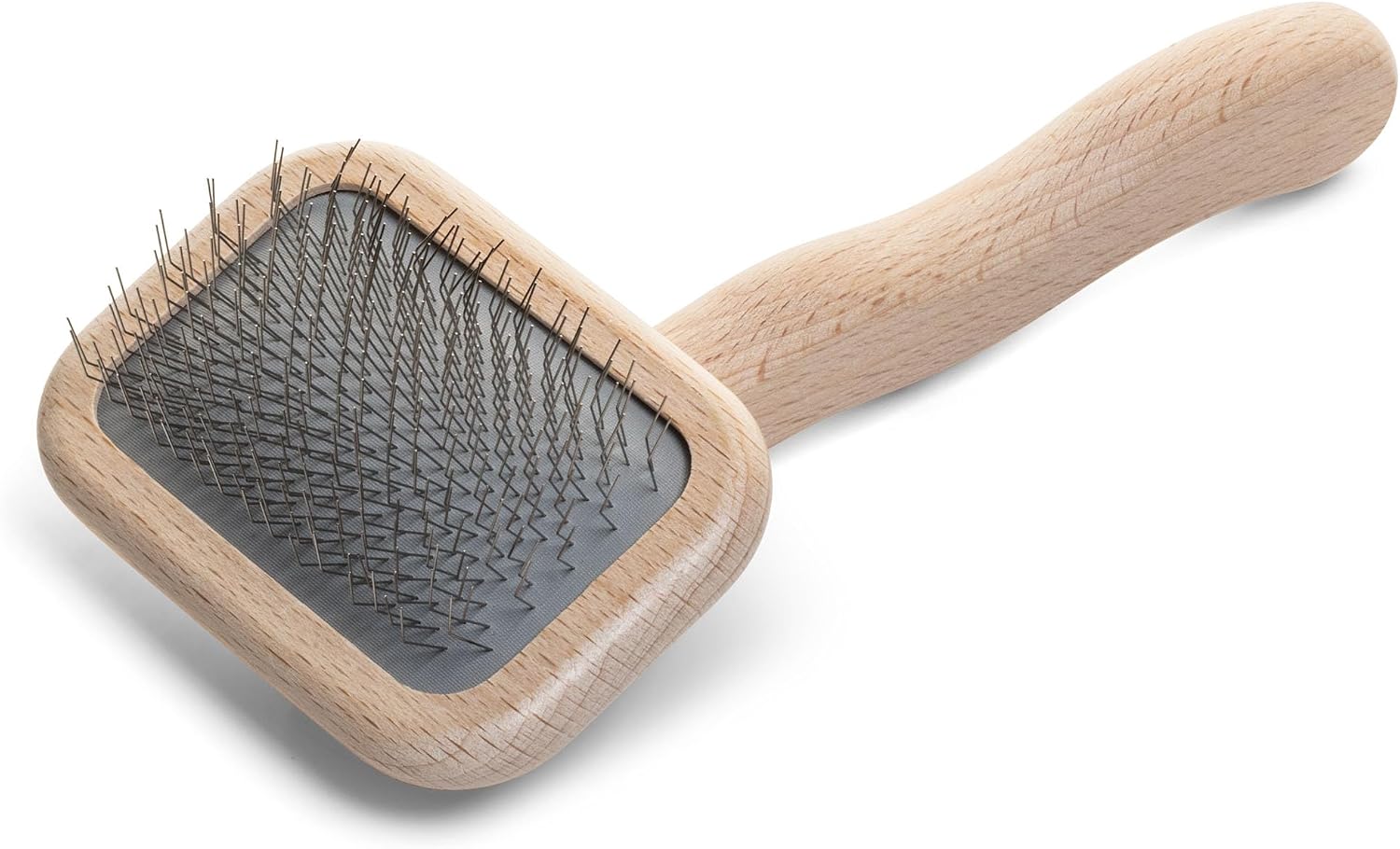
| Bristle Material | Stainless Steel |
|---|---|
| Handle Material | Beech Wood |
| Pin Length | 12mm |
| Cushion Base | 1/4" foam |
The Mark I Slicker is an extra-small, precision slicker designed for short coats, delicate areas, and small pets but it also serves as a hardworking detail tool on larger dogs. It uses 12mm high-grade stainless-steel pins set in an ultra-soft, highly flexible pad with a quarter-inch foam cushion to gather shed fur, detangle small mats, and clear debris with a gentle feel. The handcrafted beechwood handle is contoured for multi-directional brushing and reduces wrist fatigue during longer sessions. Because the head is compact (2.75 inches) the brush excels at faces, paws, armpits, and spot work on thicker-coated breeds where precision is needed rather than full-body undercoat removal. It is handmade in Germany and built to last with professional grooming performance, though its small head and shorter pins make it less efficient for heavy deshedding on a full-size Golden Retriever coat without supplemental larger tools. For owners who need a durable, precise slicker for frequent detail maintenance and mat cleanup, this brush performs reliably; for bulk undercoat removal use a larger, longer-pin tool alongside it.
Best for: Buyers who prioritize precise, professional-level detail work and durable construction for frequent spot grooming and mat cleanup on dogs and cats.
Less Ideal for: Owners looking for a single brush to quickly remove large amounts of undercoat or to deshed an entire thick-coated large breed without additional tools.
- High-grade 12mm stainless-steel pins for effective detangling and deshedding in short to medium areas
- Ultra-soft flexible pad with 1/4" foam cushion for gentle grooming and reduced skin irritation
- Ergonomic beechwood handle handcrafted to reduce hand and wrist fatigue during use
- Handmade German construction designed for long-term durability and professional use
- Extra-small head and shorter pins are not ideal for fast, full-body undercoat removal on very thick coats
- Designed primarily for detail work so multiple tools are needed for heavy matting and large-breed grooming
Verdict: The best premium brush for owners willing to pay more for durable construction, refined finishes, and gentler, more efficient grooming results.
Paw Brothers Mini Slicker Brush
Best Compact Brush

| Bristle Material | Stainless Steel |
|---|---|
| Handle Material | Stainless Steel |
| Hair Type | All |
| Additional Features | Flexible |
This mini slicker brush is built for quick touch-ups and travel grooming for Shih Tzu and other small-breed coats. The brush uses stainless steel soft pins on a flexible head that conforms to the pet's body to remove loose hair, dirt, and minor tangles without aggressive pulling, and the non-slip comfort grip makes it easy to control during short sessions. Its compact footprint is convenient for carrying in a bag or keeping by the grooming station for face, paw, and behind-the-ear detail work. Because it is mini-sized, it is not intended for full-body brushing on medium or long coat areas where a wider paddle brush or rake would be faster, but for targeted maintenance and sensitive spots it is gentle and effective. The simple stainless-steel construction is durable and easy to rinse, though there is no self-cleaning mechanism or protective cover for the pins during storage.
Best for: Shih Tzu owners who want a travel-friendly, gentle brush for quick touch-ups and spot grooming between full grooming sessions.
Less Ideal for: Owners who need a primary brush for full-body brushing or heavy deshedding should choose a larger paddle brush or deshedding tool instead.
- Compact size that fits easily in a travel bag for on-the-go touch-ups
- Flexible head conforms to body contours for gentler detangling
- Stainless steel pins effective at removing loose fur and dirt
- Comfort grip handle improves control during detail grooming
- Mini size makes full-coat brushing slow compared with larger brushes
- No protective cover or self-cleaning feature for pin maintenance
Verdict: The best compact brush for people who need a small, easy-to-store or travel-friendly grooming tool for their small dog.
Poodle Pet Dematting Comb
Best Dematting Brush

| Power Source | Manual |
|---|---|
| Hair Type | All |
| Material Type | Metal, Rubber |
| Size | Dematting Comb |
The Poodle Pet Dematting Comb is a manual undercoat rake built to cut through knots and mats in long or thick coats. It pairs long 2.5 inch stainless steel safety blades with a textured rubber handle so you can work through tangles without losing grip, and the blades are rust resistant for regular use. Typical use is targeted dematting sessions on dogs like poodles and other longhaired breeds, either on dry or wet fur; the blade length lets you reach deep into the undercoat to separate mats rather than only trimming the surface. The comb is simple to use and lightweight, which makes it practical for frequent touch-ups, but because it is a metal dematter you need to work slowly and gently near the skin to avoid irritation on very sensitive areas. It excels at breaking up stubborn tangles but is not a substitute for professional grooming on severe matting that requires clipping. Overall it is a durable, effective tool for owners who deal with regular tangles and want a hands-on solution for maintaining a poodle coat.
Best for: Owners of poodles and other longhaired dogs who need a reliable home dematting tool for frequent tangles and want control over targeted mat removal.
Less Ideal for: People who prefer a fully hands-off grooming solution or who mostly deal with extremely compacted mats that need clipping by a groomer.
- Long 2.5 inch stainless steel blades reach deep into undercoat to remove mats
- Textured rubber handle with hanging hole provides a secure, comfortable grip
- Safe-for-skin blade design balances effectiveness with gentleness when used correctly
- Rust-resistant materials and lightweight construction suit frequent home grooming
- Requires careful technique near the skin to avoid irritation on very sensitive areas
- Not intended as a replacement for professional clipping on severe, compacted mats
Verdict: The best dematting brush for small dogs with frequent tangles or prone-to-matting coats that need focused, safe detangling.
Myselect Boar Bristle Palm Brush
Best Gentle Brush

| Ingredients | Boar Bristle |
|---|---|
| Manufacturer | Myselect |
This palm brush uses densely packed natural boar bristles on a beech wood pad with a cotton hand band to deliver a gentle, massaging groom without the stiffness of wire or plastic bristles. It is held in the palm for control and reduced wrist strain, making it easy to work over a nervous or sensitive dog for short sessions. The bristles help lift loose hair and distribute natural oils, leaving coats smoother and shinier while picking up light shedding from short, fine fur. Because the brush is soft, it is safe around the face and ears when used gently and is more calming than stiff rakes or slickers. The brush will shed a few bristles initially since they are natural boar, and it is best suited to short coats rather than the dense, double coat of a Siberian Husky where deeper undercoat removal is needed. For huskies with reactive skin or anxiety, this brush provides a soothing, low-irritation option for maintenance brushing between more aggressive de-shedding sessions.
Best for: Owners of sensitive or anxious Siberian Huskies who need a very gentle brush for short maintenance sessions and calming grooming interactions.
Less Ideal for: Owners looking for a primary tool to remove heavy undercoat or manage seasonal blowing coat should consider a de-shedding rake or undercoat tool instead.
- Natural boar bristles gently lift loose hair while conditioning the coat
- Palm-style design and cotton band reduce wrist strain and improve control
- Soft bristles safe to use around face and ears for sensitive or anxious dogs
- Dense bristle packing produces a smoothing, shiny finish to short coats
- Not designed to penetrate thick double coats or remove heavy undercoat
- Natural bristles may shed slightly during initial use
Verdict: The best gentle brush for small dogs with sensitive skin, thin coats, or puppy fur that needs a softer touch during grooming.
Swihauk Self Cleaning Slicker Brush
Best Self-Cleaning Brush

| Item model number | DB-202301 |
|---|---|
| Manufacturer | Swihauk |
| UPC | 649762637279 |
The Swihauk Self Cleaning Slicker Brush is a lightweight, self-cleaning grooming tool aimed at removing loose fur and detangling coat without irritating the skin. It uses fine, round-tipped metal bristles set in a flexible pad to catch undercoat and surface hair, then a bottom release button retracts the bristles for a quick wipe-away of collected fur. The TPR handle and compact stainless steel construction make it comfortable to hold for longer sessions and durable for regular use. In practice this brush works well for routine maintenance on medium to long coats, breaking mild mats and reducing shedding between baths. The soft rounded tips help prevent scratching, so it is suitable for dogs with sensitive skin when used gently. Limitations are that very dense undercoats or severely matted areas may require a de-matting tool or comb to finish the job, and the brush is manually operated so thorough sessions still take time on a large, heavily shedding dog.
Best for: Owners who want a balanced, easy-to-maintain slicker that handles regular de-shedding and light detangling with comfort for both pet and groomer.
Less Ideal for: People needing aggressive de-matting tools or very rapid grooming solutions for heavily matted coats should consider specialized de-matters or rakes instead.
- Self-cleaning release button that retracts bristles for fast fur removal
- Rounded plastic-tipped metal bristles designed to be gentle on skin while removing loose hair
- Lightweight ergonomic TPR handle for comfortable, extended grooming sessions
- Sturdy stainless steel construction for long-term durability
- Not optimized for cutting through very heavy mats or extremely dense undercoats
- Manual brushing can be time-consuming on large, heavily shedding dogs
Verdict: The best self-cleaning brush for owners who want a grooming tool that quickly ejects collected hair for faster, less-mess cleanup.
Choosing the Right Dog Brush Small Dog: Key Factors to Consider
Coat Type and Hair Length
Different small breeds have very different coat structures, and the brush you choose should match that structure. Short, smooth coats benefit from soft-bristle or rubber grooming brushes that lift loose hair and stimulate skin without snagging. Medium and long coats usually need pins or slicker-style surfaces to remove tangles and prevent matting. Fine, silky hair calls for gentler pin spacing and smoother tips to avoid breakage.
Matching the brush to coat length reduces grooming time and lowers the risk of pulling or irritating the skin. It also affects how often you need to brush: long or double-coated small dogs typically require more frequent brushing than short-coated dogs to keep tangles and loose undercoat under control.
Bristle, Pin, and Tooth Design
The contact surface determines how the brush interacts with fur and skin. Soft natural or nylon bristles are good for finishing and distributing natural oils on short coats. Rubber or silicone bristles work well for lifting dead hair and massaging the skin without penetrating deeply. Metal pins or fine wire bristles remove tangles and undercoat but should have rounded tips and appropriate spacing to avoid scratching or tearing fine small-dog hair.
Consider whether the brush has a flexible head to follow body contours, and whether pins are spaced to match the hair density. A brush that is too aggressive will cause discomfort; one that is too gentle will require more time and fail to remove mats effectively.
Handle Shape and Grip
Comfortable handling is essential because grooming small dogs often requires precision and frequent short sessions. An ergonomic handle with a non-slip grip reduces wrist strain and gives you better control near sensitive areas like the face, paws, and underarms. Lightweight construction helps for longer grooming routines and makes it easier to maneuver around a small dog's body.
Also consider whether the handle allows one-handed operation for tasks like removing loosened hair or holding treats. A poor grip can lead to awkward angles that make grooming uncomfortable for both you and the dog.
Cleaning and Maintenance
You will reuse the brush frequently, so it needs to be easy to clean. Brushes with self-cleaning features, removable pads, or simple mechanisms to eject hair speed up maintenance and reduce hygiene issues. Solid, nonporous materials resist odor and bacteria buildup better than foam or fabric components.
Consider how the brush should be cleaned—rinsing, wiping, or using a small comb—and whether any parts are dishwasher-safe or easily disassembled. A brush that is hard to clean becomes less pleasant to use and can transfer oils or debris back onto the coat.
Safety Features and Build Quality
Durable materials and thoughtful safety details protect a small dog's delicate skin. Look for rounded pin tips, secure pin mounts that do not loosen with use, rust-resistant metal components, and non-toxic finishes on plastic or wooden parts. A flexible head or cushioned base can reduce pressure points and prevent accidental scraping when working over ribs, joints, or facial areas.
Build quality also influences longevity: brushes that crack, shed pins, or lose their finish will perform worse over time and could create hazards like loose parts or sharp edges.
Portability and Storage
Small-dog owners often groom in different spaces or while traveling, so portability can be important. Compact brushes with protective covers or collapsible handles are convenient for quick touch-ups on the go. A storage-friendly design that keeps pins or bristles protected prevents damage and accidental pokes when kept in a drawer or travel bag.
Consider whether you need a kit or single tool. A compact, well-protected brush is easier to carry and keeps grooming supplies ready for regular use.
Which Brush Works Best for a Short-coated Small Dog?
For short, smooth coats, choose a brush that lifts loose hair and spreads natural oils without abrading the skin. Rubber curry brushes, soft-bristle pads, or grooming gloves are ideal because they collect shedding hair while providing a gentle massage. These tools are also helpful for daily quick touch-ups and for dogs that dislike stiff metal pins.
When brushing short coats, use light pressure and follow the direction of hair growth. Regular gentle brushing keeps the coat glossy and reduces the amount of hair deposited around the house.
- Prefer rubber or soft nylon bristles for minimal skin contact
- Use short, controlled strokes to avoid overstimulation
- Groom daily or several times a week during shedding season
How to Detangle and Prevent Mats in Long-coated Small Breeds
Long-haired small dogs benefit from a two-step approach: first, use a wide-tooth comb or detangling tool to gently work through knots, then follow with a slicker or pin brush to smooth the topcoat. Start at the ends of the hair and work toward the skin to avoid pulling. Leave-in conditioning spray can make combing easier and reduce breakage.
Address common matting zones such as behind the ears, under the legs, and around the collar area frequently. Small dogs can develop tight mats quickly, so short, regular sessions are better than infrequent long ones.
- Work from tips toward the base to minimize pulling
- Keep a separate small comb for delicate tangles
- Trim severe mats carefully or seek professional grooming
Can Grooming Reduce Skin Issues and Improve Coat Health?
Regular brushing improves coat health by distributing natural oils and removing debris that can trap moisture and irritate skin. For small dogs with sensitive skin, select a brush with softer contact points and perform short sessions to observe any reactions. Brushing also helps you monitor skin for redness, lumps, or parasites so you can address issues early.
Avoid overbrushing a small dog with a very fine coat, as excess friction can dry the skin. Balance frequency and tool aggressiveness to maintain a healthy barrier and minimize irritation.
- Use gentler tools on sensitive or thin-skinned dogs
- Check skin regularly while brushing to catch problems early
- Adjust frequency if you notice increased dryness or irritation
What Features Make a Brush Easier to Use for Older Owners or Those with Limited Dexterity?
Look for ergonomic, large-profile handles with soft, textured grips and lightweight construction. Brushes with a wider surface area reduce the number of strokes needed and lessen hand fatigue. Self-cleaning pads or hair-eject buttons simplify maintenance without requiring fine motor actions.
Magnetic or snap-on protective covers keep the brush safe between uses and make storage simpler. Consider brushes with a secure, tapered grip that prevents slipping when you need precise control around a small dog's face or paws.
- Choose large, non-slip handles and lightweight heads
- Prefer one-button cleaning or easily removable pads
- Select simple shapes without fiddly attachments
How Often Should You Brush a Small Dog?
Brushing frequency depends on coat type: short coats typically need brushing one to two times per week, medium-length coats two to three times per week, and long or double coats several times per week to prevent tangles. During seasonal shedding, increase frequency to manage loose hair and reduce matting.
Short, consistent sessions are better tolerated than occasional long sessions. Monitor the coat and adjust frequency to keep the fur tidy without irritating the skin.
- Short coats: 1–2 times weekly
- Medium coats: 2–3 times weekly
- Long or double coats: several short sessions per week
Tips for Introducing a Nervous Small Dog to Regular Brushing
Start with very short sessions and combine brushing with pleasant rewards like treats or gentle praise. Let the dog sniff the brush before using it and begin on a low-contact setting such as a rubber or soft-bristle tool. Keep early sessions under five minutes and gradually increase duration as the dog grows comfortable.
Always watch for signs of stress, and pause if the dog tenses or pulls away. Consistency and positive reinforcement build tolerance; avoid forcing the dog into long sessions that reinforce fear.
- Begin with short, calm sessions and reward cooperation
- Use gentler tools initially and progress to more effective ones
- Stay patient and stop if the dog shows clear distress
How We Chose the Best Dog Brush Small Dog
We selected these brushes by focusing on features that matter most for small dogs and everyday grooming. Core evaluation criteria included grooming effectiveness across small coat types, bristle or pin design and its impact on detangling and undercoat removal, handle ergonomics for one-handed use, cleaning and maintenance ease, and material quality to avoid rust or degrading parts. We also considered safety: how likely a design is to irritate or scratch a small dog's delicate skin. Our process filtered out any brushes primarily designed for large breeds or heavy-duty deshedding tools that risk pulling on finer small-dog hair. We excluded items with fragile construction or designs that lack proper safety testing for pet contact. We prioritized products that deliver consistent results on short, medium, and long small-dog coats while remaining comfortable for both pet and owner. Final selections reflect a balance of gentle effectiveness, durability, and user-friendly features that support frequent grooming sessions without stressing a small dog.
Our full evaluation process is outlined in our review methodology.
FAQ
What brush is best for a small dog that sheds a lot?
For heavy shedders, a brush designed to remove loose undercoat is usually most effective. Choose a tool with fine pins or a deshedding edge that is safe for delicate skin, and brush more frequently during shedding seasons to control hair buildup.
Can I use a human hairbrush on my small dog?
Human brushes are not ideal because they are designed for different hair types and may lack the right spacing, tip shape, or flexibility. Using a tool made for pets reduces the chance of pulling or irritating your dog's skin.
How do I stop my small dog from biting or snapping during grooming?
Work in very short sessions, use a calm tone, and provide positive reinforcement. Introduce the brush slowly, and avoid working on sore spots. If biting persists, consult a trainer or behaviorist to address underlying anxiety.
Is a grooming glove a good alternative to a brush for small dogs?
Grooming gloves can be a good option for nervous dogs or those with short coats because they feel like petting and are less intrusive. They are less effective at removing deep tangles or heavy undercoat but work well for surface shedding and regular maintenance.
How do I clean and disinfect a dog brush?
Remove loose hair after each use, then wash the brush with mild soap and warm water. Rinse thoroughly and allow it to air dry completely before storing. For deeper cleaning, use a diluted pet-safe disinfectant and rinse well to avoid leaving residues.
Are rounded pin tips really necessary?
Yes, rounded pin tips reduce the risk of scratching or irritating a small dog's skin while still allowing the brush to reach tangles. Sharp or blunt pins increase discomfort and the chance of skin damage.
Final Verdict
When choosing a brush for a small dog, prioritize a tool that matches the coat type and minimizes skin irritation. Focus on bristle or pin design, handle comfort, and ease of cleaning, since those elements determine how often you will groom and how pleasant the experience will be for your dog. Balance effectiveness against gentleness: more aggressive pin styles remove tangles faster but require careful technique, while softer brushes are better for daily maintenance. Choose the style that fits your dog's coat and your grooming routine to keep their coat healthy and comfortable.

