

If you own a terrier, picking the right brush makes routine grooming faster and less stressful for you and your dog. Terrier coats vary from wiry to soft, and the best tools reduce matting, remove loose undercoat, and keep the skin healthy without irritating sensitive areas. This guide shortlists seven brushes that fit terrier needs and explains the practical features that matter. Expect clear notes on brushing action, ease of use, and durability to help you choose the right grooming tool for regular maintenance or periodic stripping. Read on to see which options best match your terrier's coat and grooming routine.
Top Picks at a Glance
| Best Overall Brush A well-rounded brush that works reliably for most terriers | SleekEZ Deshedding Brush 5 Inch |  |
| Best Budget Brush A low-cost option that still grooms effectively and lasts | Depets Self Cleaning Slicker Brush | 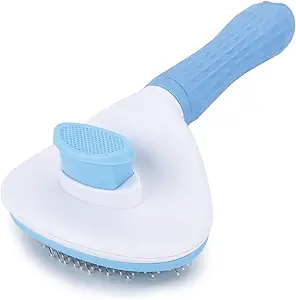 |
| Best Deshedding Brush Tools designed to remove loose undercoat and reduce shedding fast | Maxpower Planet Grooming Rake |  |
| Best Gentle Brush Soft-touch design for sensitive skin or dogs that dislike brushing | Chris Christensen Boar Dog Brush |  |
| Best Compact Brush Small, portable brush for travel, touch-ups, and tight storage | MAEELOU Small Dog Brush |  |
| Best Heavy-Duty Brush Built tough for thick coats and frequent, rigorous grooming sessions | Bixy Pixy Dog Slicker Brush Large |  |
| Best Premium Brush A higher-end pick with superior materials, ergonomics, and results | Chris Christensen Big G Slicker Brush Large |  |
SleekEZ Deshedding Brush 5 Inch
Best Overall Brush

| Item model number | 4121411 |
|---|---|
| Manufacturer | SleekEZ |
| UPC | 731236552734 |
The SleekEZ Deshedding Brush uses a patented metal deshedding blade to grab loose fur at the tips and pull it out without cutting healthy hair, making it useful for routine grooming and heavy-shed seasons. You use it with smooth strokes from head to tail, applying light to moderate pressure depending on coat density; the same tool can also be used as a carpet or upholstery rake to lift embedded pet hair. Its compact 5 inch profile and lightweight construction make it easy to handle for quick touch-ups and weekly maintenance, and cleanup is straightforward since the lifted fur collects where you can remove it by hand. The brush performs well on short, medium, long, and double-coated breeds but is not recommended for curly or non-shedding coats. Expect to use it more frequently during seasonal blowouts, and be careful to follow the directions to avoid overworking sensitive areas around the face and belly.
Best for: Buyers who want a single, easy-to-use groomer that handles most shedding coat types and reduces the need for frequent professional deshedding.
Less Ideal for: Owners of dogs with curly or non-shedding coats or those who need a wide-head tool for very large breeds should consider specialized alternatives.
- Patented blade designed to lift and remove loose fur and undercoat without cutting healthy hair
- Works across short, medium, long, and double-coated breeds
- Also functions off-pet as a hair remover for carpets, upholstery, and car interiors
- Compact, lightweight design is easy to hold for short grooming sessions
- Not recommended for curly or non-shedding coat types
- Small 5 inch head may require more passes on very large dogs
Verdict: The best overall brush balances effective hair removal, comfort for the dog, durable construction, and easy handling for most terrier coats and owners.
Depets Self Cleaning Slicker Brush
Best Budget Brush

| Target Species | Dog, Cat |
|---|---|
| Item Form | Brush |
| Product Benefits | Deshedding |
| Scent Name | Unscented |
The Depets Self Cleaning Slicker Brush is a basic, affordable grooming tool that removes loose undercoat and surface hair from short- and long-haired pets. It uses fine bent stainless steel pins with rounded ends to lift loose fur and provide a gentle massage that can improve coat shine and circulation. The ergonomically shaped, nonslip handle makes short grooming sessions comfortable and the one-click release button pushes trapped hair off the pad for quick cleaning. The brush is washable, which helps keep it hygienic between uses, and Depets provides usage notes about pressure and mat handling so owners avoid discomfort. This brush is not designed for heavy-duty dematting or for curly, wire-haired, or hairless breeds, and its small head means longer sessions on very large dogs. For the price it delivers dependable shedding control and an easy-clean design that suits regular at-home brushing.
Best for: Pet owners who want an inexpensive, easy-to-use brush for regular de-shedding and light grooming sessions at home.
Less Ideal for: People needing a tool for heavy dematting, professional groomers, or owners of curly, wire-haired, or hairless breeds should look at purpose-built alternatives.
- One-click hair release makes cleanup fast
- Rounded-pin stainless steel bristles lift loose fur while minimizing skin scraping
- Washable construction keeps the brush hygienic
- Comfort-grip nonslip handle reduces wrist strain during use
- Small brush head can make sessions longer on very large dogs
- Not suitable for severe mats or specialized coat types like curly or wire-haired breeds
Verdict: The best budget brush provides solid grooming performance and acceptable durability for owners who want decent results without a big investment.
Maxpower Planet Grooming Rake
Best Deshedding Brush

| Item model number | PGT-002 |
|---|---|
| Manufacturer | Maxpower Planet |
| UPC | 850050643067 |
| ASIN | B07P2N8HQH |
The Maxpower Planet Grooming Rake is a two-sided deshedding tool that combines a nine-teeth side for breaking up mats and tangles with a 17-teeth side for thinning and removing loose undercoat. It is used on dry coats and is intended primarily for pets with dense or double fur; start with the coarser side to work through problem areas, then finish with the finer side for overall deshedding. The teeth are sharpened but rounded, which lets the rake lift loose hair and trapped dirt while minimizing irritation when used with light, short strokes. A rubber-coated, non-slip handle keeps the tool comfortable and controllable during longer sessions, and the design sheds fur cleanly instead of packing it into the teeth. Important limitations: the rake is not effective on very short, fine coats because the teeth will glide over the surface, and it requires gentle technique around sensitive areas to avoid catching skin. For heavy shedders with thicker coats this rake is an efficient, handheld solution that reduces loose undercoat when used regularly.
Best for: Buyers who need a handheld deshedding solution for dogs or cats with thick fur or dense double coats and who prioritize removing undercoat to cut down on loose hair around the home.
Less Ideal for: Owners of short-haired breeds with fine coats or people wanting a tool that works aggressively without careful technique should consider alternatives designed for short coats or softer contact.
- Dual-sided heads for dematting (9 teeth) and deshedding (17 teeth) provide a clear workflow for mats then undercoat
- Sharpened yet rounded teeth lift loose hair and dander while reducing surface irritation when used gently
- Non-slip rubber-coated handle makes longer grooming sessions easier to control
- Design sheds hair out of the teeth rather than packing it, simplifying cleanup
- Not effective on very short, fine coats where teeth cannot engage hair
- Requires careful, gentle technique near sensitive areas to avoid catching loose skin
Verdict: The best deshedding brush excels at removing loose undercoat and loose hair to cut down household shedding while remaining safe for terrier skin and coat.
Chris Christensen Boar Dog Brush
Best Gentle Brush

| Bristle Material | Boar |
|---|---|
| Handle Material | Wood |
| Rows of Bristles | 8 rows |
| Item model number | A710 |
The Chris Christensen Boar Dog Brush is a simple, traditional bristle brush built for regular finishing and gentle grooming. It uses eight rows of natural boar bristles set into a lightweight beech wood handle to redistribute skin oils, smooth coat fibers, and lightly stimulate follicles without aggressive tugging. For routine brushing on Labradors with sensitive skin or older dogs, it works as a low-friction option that reduces surface dust and adds shine rather than detangling deep mats. The brush is best used following a bath or on dry fur for short, directional strokes following hair growth; its wooden handle feels balanced for one-handed use. Limitations are its lack of long pins or a slicker surface, so it will not remove heavy undercoat or tight tangles effectively, and natural bristles can wear faster than synthetic alternatives. If you need a gentle finishing tool to maintain coat health and reduce irritation, this brush performs well, but you may still need a de-shedding or slicker brush for heavy shedding or matted areas.
Best for: Owners of Labradors with sensitive skin or older dogs who prioritize a low-irritation, finishing brush to maintain coat sheen and comfort during routine grooming.
Less Ideal for: People who need a tool to remove heavy undercoat, tackle mats, or significantly reduce seasonal shedding should choose a de-shedding or slicker brush instead.
- Natural boar bristles redistribute skin oils to improve coat shine and condition
- Lightweight beech wood handle provides a balanced, comfortable grip for regular use
- Gentle on skin and coat, suitable for sensitive or older dogs
- Simple construction is durable and easy to rinse or wipe clean
- Not designed to remove heavy undercoat or deep mats
- Natural bristles may wear faster than synthetic pin brushes
Verdict: The best gentle brush minimizes pulling and skin irritation with softer bristles or guarded teeth, making grooming comfortable for sensitive terriers.
MAEELOU Small Dog Brush
Best Compact Brush

| Bristle Material | TPEE (Soft Plastic) |
|---|---|
| Handle Material | Plastic |
| Hair Type | Normal |
| Unit Count | 1 Count |
The MAEELOU Small Dog Brush is a compact, cloud-shaped grooming tool with soft TPEE bristles and a plastic handle that is intended for quick touch-ups and gentle daily brushing. It is used by holding the comfortable handle and stroking the coat in smooth motions to remove loose hair, dust, and minor tangles while providing a light massage that can soothe skin and stimulate circulation. The flexible soft-plastic bristles make it pleasant for short sessions on sensitive faces and bodies, and its small size and light weight make it easy to tuck into a bag or keep in a drawer for on-the-go maintenance between full grooming sessions. Because it is designed for normal hair types and small breeds, it excels at surface-level shedding control and keeping a pug's short coat tidy without overworking the skin. Limitations include its lack of firm pins for deep undercoat de-shedding and a plastic construction that is less durable than metal alternatives for heavy use.
Best for: Owners who want a small, gentle brush to keep a pug’s short coat tidy between baths and full groomings and who value portability for travel or quick touch-ups.
Less Ideal for: People looking for a heavy-duty de-shedding tool or a brush to remove deep undercoat on double-coated breeds should choose a firmer, specialist tool instead.
- Compact, lightweight shape easy to carry for quick touch-ups
- Soft TPEE bristles provide a gentle massage and are comfortable on sensitive skin
- Ergonomic plastic handle for easy one-handed brushing
- Effective at removing loose hair, dust, and small tangles from short coats
- Not designed for heavy de-shedding or removing dense undercoat
- All-plastic build is less robust than metal brush options for long-term durability
Verdict: The best compact brush is small and easy to pack while still delivering useful grooming performance for quick touch-ups and on-the-go care.
Bixy Pixy Dog Slicker Brush Large
Best Heavy-Duty Brush
| Bristle Material | Stainless Steel |
|---|---|
| Handle Material | ABS plastic with TPR grip |
| Additional Features | Non Slip |
| Item model number | 20504 |
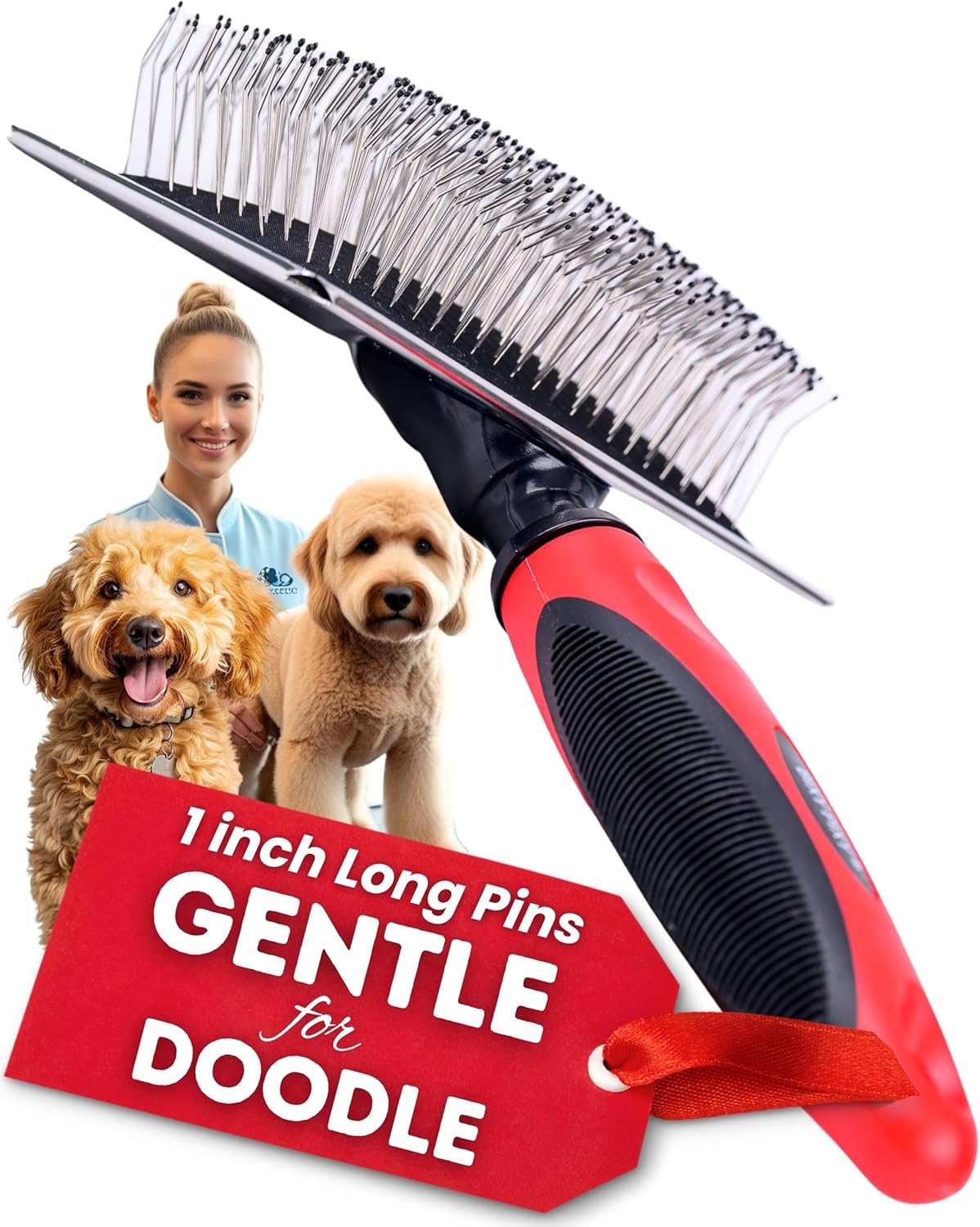
This large Bixy Pixy slicker brush is built to move through dense and long coats thanks to extra-long stainless steel pins with rounded plastic tips that reach deep under the topcoat to remove loose hair, dirt, and stubborn tangles. The pins sit in a soft rubber pad that cushions each stroke, which plus the ball tips helps reduce skin irritation on sensitive areas during longer sessions. The handle combines ABS plastic and a TPR soft-touch grip for a non slip hold, letting you maintain control when brushing a big dog. In use it excels at covering wide swaths of coat quickly while still working out undercoat and mats, so you can shorten grooming time on very large breeds. Expect it to be best for regular brushing and detangling of thick, curly, or double coats rather than aggressive dematting, and the rigid metal plate and thick wires prioritize durability over a plush, flexible feel. Overall this is a practical wide-head slicker for owners who need efficient, deep grooming on large dogs.
Best for: Great Dane owners and other large-breed caregivers who want to shorten brushing time by covering more coat per stroke while still removing loose hair and light tangles.
Less Ideal for: Owners looking for a dedicated dematter for severe mats or those caring for very small or fine-coated dogs who need a gentler, softer brush.
- Extra-long stainless steel pins with rounded ball tips reach deep into thick coats while protecting skin
- Wide brush head covers large areas quickly to speed grooming on big dogs
- Soft rubber pad cushions strokes to reduce pressure and increase comfort
- Non-slip TPR grip and ergonomic ABS handle provide secure control during long sessions
- Sturdy metal plate and thick wires offer long-term durability for frequent use
- Not specifically designed as a dematting tool for severe mats
- Stiffer construction can feel less gentle on very fine-coated or small dogs
Verdict: The best heavy-duty brush offers robust construction and aggressive grooming action to handle dense or matted terrier coats and frequent use.
Chris Christensen Big G Slicker Brush Large
Best Premium Brush

| Bristle Material | Stainless Steel |
|---|---|
| Handle Material | Wood |
| Hair Type | thick, curly |
| Included Components | Brush |
The Chris Christensen Big G Slicker Brush is a salon-grade grooming tool built for heavy use on curly, cottony, and dense coats. Its densely packed, extra-long stainless steel pins reach deep into the coat to remove undercoat, loosen fine knots, and lift hair for a voluminous finish while the flexible cushioned pad lets the pins flex without irritating skin. An ergonomically curved wooden handle with a non-slip grip reduces hand and arm fatigue during long sessions and the curved body gives better control when shaping heads, toplines, and legs. Groomers praise it for cutting grooming time thanks to a 30 percent higher pin density than comparable slickers, and it pairs well with detangling sprays for easier mat removal. The brush is optimized for professional results on doodles and poodles but will perform well on many thick or curly-coated dogs; owners of long, straight-coated retrievers may find its styling benefits less relevant. It is a premium, durable tool with salon intent, so buyers should expect a higher upfront cost for long-term performance rather than a budget replacement.
Best for: Owners who prioritize salon-level performance and durability and are willing to invest in a premium tool for efficient detangling, deshedding, and coat shaping on thick or curly coats.
Less Ideal for: Buyers looking for a low-cost, general-purpose slicker for occasional brushing of short, straight-coated breeds should consider simpler, cheaper brushes instead.
- High pin density for faster deshedding and detangling
- Extra-long, angled stainless steel pins reach deep into curly and dense coats
- Ergonomic curved wooden handle with non-slip grip reduces fatigue
- Flexible cushioned pad and curved body allow gentle, controlled brushing and styling
- Designed primarily for curly and cottony coats so styling benefits are less useful on straight-coated retrievers
- Premium build and materials command a higher price than basic slickers
Verdict: The best premium brush delivers top-tier materials, refined ergonomics, and noticeably better grooming results for owners willing to pay more for performance and longevity.
Choosing the Right Dog Brush Terrier: Key Factors to Consider
Bristle or Tooth Type
Different terrier coats respond to different bristle and tooth designs. Wire-pin brushes and stripping tools work well on wiry coats because their firmer pins reach through the outer coat to the undercoat and loosen dead hair, while softer nylon bristles are better for finishing and distributing oils on softer coats.
Choosing the right type prevents damage: too-stiff pins can irritate thin-skinned areas, while too-soft bristles will only skim the surface and fail to remove loose hair. Consider whether your terrier needs regular stripping, light maintenance, or a combination of both, and pick a tool whose bristle design matches that need.
Handle Comfort and Control
Grooming terriers often requires sustained strokes and precise work around legs, ears, and face. A well-shaped handle reduces hand fatigue and improves control during longer sessions. Look for ergonomic grips, non-slip textures, and a balance between head weight and handle length to avoid wrist strain.
Comfort becomes more important if you groom frequently or perform hand-stripping, which needs firm, controlled motions. Lightweight tools can be easier to maneuver but should still feel solid in hand to provide confident pressure without slipping.
Size and Head Shape
Head size and shape determine how quickly you can cover the coat and how well you can access tight areas. Larger heads are efficient for body work, while smaller, narrower heads reach between legs, under the chin, and around the face. For terriers that have both compact and longer-coated areas, having one versatile head shape or two complementary tools speeds up grooming.
Also consider how the head conforms to the dog's body; a slightly curved or flexible head can follow contours better and reduce snagging on irregular surfaces like the chest and ribcage.
Durability and Corrosion Resistance
Brushes see moisture, oils, and frequent handling, so materials matter. Stainless or plated pins, rust-resistant springs, and durable plastics extend tool life and maintain performance. Durable brushes preserve pin alignment and bristle integrity, which keeps grooming consistent over time.
Poorly made tools can bend, break, or corrode, which reduces effectiveness and risks scratching the skin. Consider construction quality and whether replacement parts or easy cleaning extends usable life.
Cleaning and Maintenance
A brush that is easy to clean stays hygienic and performs better. Removable pads, self-cleaning mechanisms, or simple-to-wash designs save time after sessions. Brush heads that trap hair tightly or have complex crevices require more effort to maintain, which can discourage regular grooming.
Regular cleaning prevents buildup of oils and dander that can harbor bacteria and makes each grooming session more effective at removing loose hair rather than redistributing it.
Safety and Skin Protection
Terriers can have sensitive patches, thin-skinned areas, or spots that are easily irritated. Brushes designed with rounded tips, protective guards, or flexible pins reduce the risk of scratching and ensure comfort. For tools intended for de-shedding or stripping, the mechanism should allow controlled pressure so you remove dead hair without abrading healthy fur or skin.
Safety features also matter when working near the face or paws. Choose tools that let you adjust force and angle to avoid pulling or catching, especially if your terrier is skittish or dislikes grooming.
How Often Should I Brush My Terrier to Prevent Mats and Keep a Healthy Coat?
Most terriers benefit from frequent, short sessions rather than long, infrequent brushing. For dogs with wiry or medium-length coats, brushing two to three times a week helps remove loose hair and prevent small tangles from turning into mats. Hand-stripping or targeted work may be needed every few months for wiry coats to remove dead hair effectively.
Short daily touch-ups around the face, ears, and legs are helpful for keeping small tangles from forming. Adjust frequency based on your dog's activity level, whether they spend time outdoors, and seasonal shedding patterns.
- Short sessions reduce stress for the dog and handler
- More frequent brushing minimizes matting and eases deeper grooming
- Increase frequency during seasonal coat changes or heavy outdoor activity
What Technique Reduces Discomfort when Working on Sensitive Areas?
Use gentle, confident strokes and hold the skin taut near the area you are brushing to avoid pinching. Start with a softer brush or finish brush around the face, ears, and belly, then use firmer tools only where necessary. If you encounter a mat, work from the edges inward and use small, controlled motions to loosen it rather than yanking.
Reward your dog with calm praise or treats to create positive associations. If a particular area is persistently sensitive, break grooming into shorter sessions and address that spot last so the dog does not become anxious early on.
- Use smaller, narrower heads for precision
- Employ a soft finishing brush near eyes and muzzle
- Loosen tangles gradually; avoid pulling
When Should You Switch Between Different Brush Types?
Switch tools according to the task: use firmer pins or a stripping tool to lift and remove dead wiry hairs, a slicker or medium-pin brush to detangle and remove loose undercoat, and a soft-bristle brush for finishing and distributing natural oils. Transitioning through these tools in that order produces a cleaner, healthier coat than using one tool for all tasks.
If your terrier's coat changes seasonally, you may need to use de-shedding or more aggressive tools during heavy shed periods and lighter brushes during calmer months. Observe how the coat responds and adapt the sequence accordingly.
- Start with firm or pulling tools for dead hair removal
- Follow with detangling brushes for mats
- Finish with soft bristles for shine and grooming comfort
How to Care for Brush Pins and Replace Parts when Needed
Inspect pins and teeth regularly for bending, corrosion, or rounded tips that reduce effectiveness. Clean hair and debris after each session to prevent buildup that accelerates wear. If the tool has removable pads or replaceable heads, follow manufacturer guidance for replacement intervals based on frequency of use.
Correct storage prevents moisture damage and maintains alignment. Avoid tossing brushes into damp spaces where metal parts can corrode. Regular light maintenance extends tool life and keeps grooming consistent.
- Clean out trapped hair after every session
- Check pins for straightness and intact tips
- Replace pads or heads when they show visible wear
What to Do if Your Terrier Strongly Resists Grooming
If your dog resists, shorten sessions to reduce stress and pair brushing with rewards. Begin with very brief, positive interactions and gradually increase duration as the dog becomes more comfortable. Use calming techniques such as a relaxed environment, gentle handling, and predictable routines so grooming becomes part of normal interaction.
Consider changing tools to ones with gentler action or a softer touch. Sometimes a different texture or a quieter tool reduces anxiety. If resistance continues or is severe, consult a professional groomer or trainer for hands-on desensitization methods.
- Start with 1- to 3-minute sessions and build up
- Offer treats and calm reassurance during and after grooming
- Switch to gentler brushes if the dog shows fear or discomfort
How We Chose the Best Dog Brush Terrier
We focused on attributes that directly affect grooming outcomes for terriers. Our evaluation emphasized brushing effectiveness on wiry and medium-length coats, the tool's ability to remove loose hair and undercoat without over-brushing, and how well the design protects delicate skin. We also prioritized handle ergonomics and weight for frequent use, since terrier grooming often requires longer sessions for hand-stripping or dematting. Durability of bristles or teeth and the ease of cleaning were included because they influence long-term value and sanitary maintenance. Materials and corrosion resistance were considered for brushes exposed to water and repeated use. We excluded tools meant solely for heavy-shedding large breeds or specialized trimming blades that require professional training. Items that rely mainly on chemicals or single-use disposables were not considered. The final shortlist reflects a balance of performance, comfort, and reliability for terrier coat types, with particular attention to gentleness, hair removal efficiency, and user control.
Our full evaluation process is outlined in our review methodology.
FAQ
Can I use the same brush on a terrier puppy as on an adult?
Often you can, but puppies may have finer, softer coats that need gentler bristles. Use softer tools for young dogs and introduce firmer brushes gradually as the coat matures to avoid irritating sensitive skin.
How do I tell if a brush is damaging my terrier's coat?
Watch for increased hair breakage, red or sore skin, or a dull-looking coat after grooming. If you notice these signs, switch to a softer brush or reduce pressure and frequency. Persistent issues may need veterinary or professional grooming advice.
Is hand-stripping necessary for all terrier types?
It depends on coat type and the look you want. Hand-stripping removes dead wiry hair to maintain texture and a tidy appearance. Some terriers kept as pets may be maintained with regular brushing and occasional stripping, while show or working dogs may need more frequent hand-stripping.
How do I remove small mats without shaving the area?
Loosen the mat from the edges with your fingers or a detangling tool, then use small, controlled strokes with a suitable brush or a dematting tool to work it free. Apply a light detangling spray if needed and be patient to avoid pulling the skin.
Are metal pins on brushes safe for all terrier coats?
Metal pins can be effective on wiry coats but should have rounded tips and be used with care on thin-skinned areas. Use gentler tools for soft-coated terriers and adjust pressure to prevent scraping or irritation.
Final Verdict
Prioritize a brush that matches your terrier's coat type and your grooming routine. Focus on bristle or tooth design, handle comfort, and safety features to balance effectiveness with gentleness. Expect to use a sequence of tools for best results: a firmer tool to lift dead hair, a detangling brush for mats, and a soft brush for finishing. Tradeoffs are inevitable: more aggressive tools remove dead hair faster but require careful technique to avoid skin irritation. Choose tools that give you control and are comfortable to use regularly so you can keep your terrier's coat healthy and manageable over time.

