

If you own a small dog, the right chew can keep them entertained, help control plaque, and prevent destructive chewing. Small dogs differ from larger breeds in jaw strength, tooth size, and chewing styles, so items designed for bigger dogs often wear out too quickly or risk dental damage. This guide highlights the top shortlisted small chews that suit lighter bites and smaller mouths while still offering satisfying texture and durability. We focus on products that balance safety, dental benefit, and long-term value and explain the evaluation criteria used to narrow the field.
Top Picks at a Glance
| Best Overall Chew for Small Dogs The best all-around chew that suits most small-breed needs | Benebone Wishbone Dog Chew Toy Small |  |
| Best Budget Chew for Small Dogs A low-cost chew that still delivers safety and basic enjoyment | Hartz Dental Duo Extra Small |  |
| Best Premium Chew A higher-end chew with superior materials and refined features | Natural Farm Bully Sticks 4" 10 Pack |  |
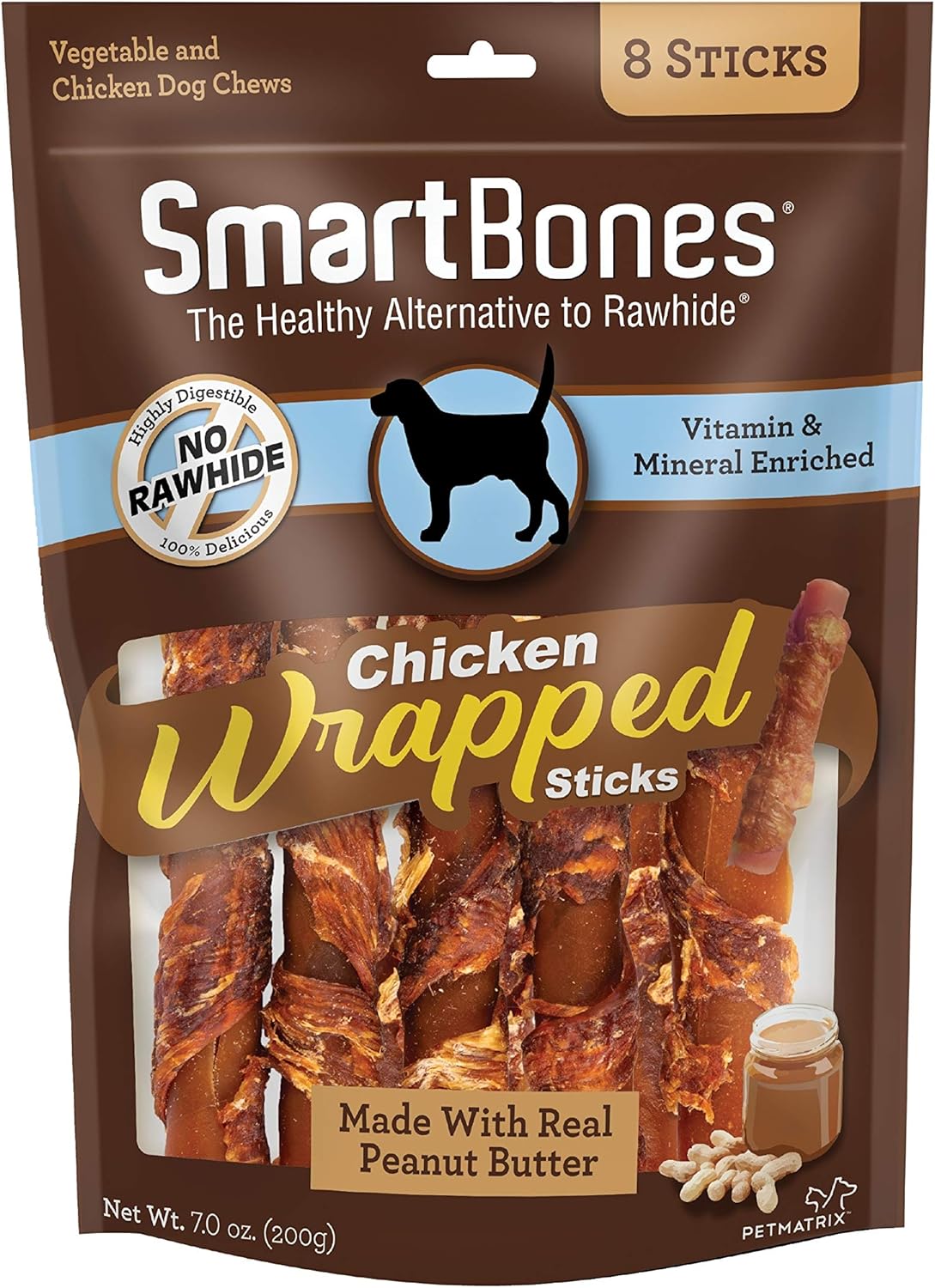
| Best Soft Chew A gentler chew made for small jaws and sensitive teeth | SmartBones Chicken-Wrapped Sticks Mini |  |
| Best Dental Chew Formulated to help reduce tartar and promote oral hygiene | Greenies Petite Dental Treats 60ct |  |
| Best Natural-Ingredient Chew Made from limited, recognizable ingredients for cleaner nutrition | Himalayan Dog Chew Small |  |
Benebone Wishbone Dog Chew Toy Small
Best Overall Chew for Small Dogs

| Material Type | Nylon |
|---|---|
| Breed Recommendation | Small |
| Scent Name | Bacon |
| Additional Features | Heavy Duty |
The Benebone Wishbone is a compact, curved nylon chew flavored with real bacon and shaped so small dogs can grip it with a paw and chew for extended periods. It is made from a hard, heavy-duty nylon intended for aggressive chewers and the ridged wishbone shape provides texture that helps scrape plaque and massage gums while keeping dogs engaged. Typical use cases include supervised crate time, post-walk calm-down sessions, car trips, or rotating into a daily enrichment lineup. Practical benefits include long-lasting durability compared with softer toys, a scent and flavor that encourages interest, and a paw-friendly shape that improves holdability. Important limitations are that the toy is very hard so it is only appropriate for dogs with strong, healthy teeth and should be monitored for wear; the manufacturer warns to discard if larger pieces appear and cautions about households with nut allergies due to facility handling. The Wishbone is best used as a durable flavored chew under supervision rather than a chew for puppies with developing teeth or dogs prone to ingesting large fragments.
Best for: Buyers who want a rugged, flavor-forward chew that keeps medium and small aggressive chewers occupied and reduces destructive chewing through long-lasting engagement.
Less Ideal for: Avoid this if you have a teething puppy, a dog with dental issues, or a chewer that tends to swallow chunks and needs softer, ingestible-safe options.
- Durable heavy-duty nylon construction built for aggressive chewers
- Real bacon flavor and scent that attracts interest
- Curved wishbone shape improves paw grip and sustained chewing
- Ridges provide dental scraping and gum massage during use
- Extremely hard material can risk tooth damage if dog lacks strong, healthy teeth
- Requires close supervision and replacement when significant wear or larger flakes appear
Verdict: The best overall chew for small dogs that balances safety, size, flavor appeal, and appropriate durability for everyday gnawing.
Hartz Dental Duo Extra Small
Best Budget Chew for Small Dogs

| Pet Toy Type | Chew Toy |
|---|---|
| Breed Recommendation | Small |
| Scent Name | Bacon |
| Material Type | Nylon |
| Size | X-Small (Pack of 1) |
The Hartz Chew 'n Clean Dental Duo is a chew toy built for mild to moderate chewers, combining a durable nylon shell with an edible bacon-flavored center and DentaShield technology intended to reduce new tartar formation. Puppies use it as a daily play-and-chew item; the textured nubs massage gums and help loosen plaque while the flavored core keeps interest high for short sessions. It is sized and marketed for extra-small dogs and puppies under about 10 pounds and works best indoors as a supervised treat-toy rather than an unsupervised long-term destroyable. Practical benefits include easy engagement for finicky chewers, a lightweight, replaceable single-count format, and a material that resists casual chewing better than soft toys. Limitations are that it is not for aggressive or heavy chewers, not water resistant, and the edible center will be consumed leaving the nylon shell behind, so owners should remove the toy if it becomes heavily worn or pieces separate.
Best for: Puppy owners who prioritize small, engaging dental toys that encourage chewing to massage gums and help limit plaque during supervised daily play.
Less Ideal for: Owners of strong-jawed puppies or dogs that destroy toys quickly should choose a heavier-duty or chew-proof alternative.
- Textured nylon surface massages gums and helps dislodge plaque during chewing
- Edible bacon-flavored center increases interest for picky puppies
- Designed specifically in an extra-small size suitable for tiny dogs and puppies
- Durable enough for mild to moderate chewers compared with soft plush toys
- Not intended for aggressive or heavy chewers and can be damaged by strong jaws
- Not water resistant so cannot be used in wet play or chews
Verdict: The best budget chew for small dogs that provides safe, satisfying chewing at a lower price while maintaining acceptable durability and ingredient quality.
Natural Farm Bully Sticks 4" 10 Pack
Best Premium Chew

| Item Form | Chewable |
|---|---|
| Flavor | Standard Bully |
| Special Ingredients | beef pizzle |
| Unit Count | 6.5 Ounce |
These Natural Farm 4-inch bully sticks are single-ingredient, oven-baked beef pizzle chews intended to occupy dogs with a fully digestible, odor-reduced chew. They are typically given as a training reward, boredom-buster, or dental chew — owners hand one to a puppy or leave it under supervision while the dog gnaws to reduce plaque and expend energy. The key features are the simple ingredient list of 100% beef from grass-fed cattle and the slow oven-baking process that reduces smell and preserves protein. For puppies that are persistent chewers, the shorter 4-inch length is easy to manage and suits small mouths, and the sticks soften as the dog chews which lowers the chance of tooth damage compared with very hard synthetic bones. Limitations are that thinner, short sticks will be consumed faster than thicker or longer bully sticks, so heavy chewers may go through them quickly and need stronger, thicker options for maximum longevity. As with any chew, supervision is recommended and the last small pieces should be removed to prevent choking.
Best for: Puppy owners who need a natural, short chew that fits small mouths and provides safe, digestible chewing during training or quiet time.
Less Ideal for: Puppies that are extreme power chewers who require extra-thick or longer industrial-strength bones for maximum durability.
- Single ingredient 100% beef from grass-fed cattle for clear sourcing
- Slow oven-baked and labeled odor-free, so they have minimal smell compared with typical bully sticks
- Fully digestible alternative to rawhide that helps reduce plaque while chewing
- Short 4-inch length is easy for puppies and small mouths to manage
- 4-inch standard sticks are relatively thin and will not last as long for very aggressive heavy chewers
Verdict: The best premium chew for owners who want top-tier materials, greater longevity, and added features like gourmet flavors or advanced manufacturing standards.
SmartBones Chicken-Wrapped Sticks Mini
Best Soft Chew
| Flavor | Peanut Butter |
|---|---|
| Item Form | Stick |
| Age Range Description | All Life Stages |
| Unit Count | 7 Ounce |
| Additional Features | Rawhide-free, Vitamin and Mineral Enriched |
SmartBones Chicken-Wrapped Sticks are soft, rawhide-free chew sticks wrapped with a real chicken layer and flavored with peanut butter, sold in individual packs. They are designed to provide the chewing satisfaction of a rawhide alternative while being easier to digest, which makes them suitable for short chew sessions and as training rewards. The product is marketed for all life stages and breeds but the mini size targets small dogs and puppies; the texture is noticeably softer than hard rawhide so dogs with delicate teeth or weaker jaws can bite through them without excessive force. Each pack contains multiple individually wrapped sticks and the formula includes added vitamins and minerals and vegetable ingredients for a more wholesome treat. Limitations include that these are not long-lasting heavy chews for power chewers and they are intended as occasional treats rather than a full-time chewing distraction, so they may need frequent replacement during longer chewing sessions.
Best for: Small-dog and puppy owners seeking an easy-to-bite, low-impact chew for training, rewards, or short supervised chewing sessions.
Less Ideal for: Owners of strong-jawed or power-chewing dogs who need long-lasting, heavy-duty chews should choose sturdier chew options.
- Rawhide-free formulation reduces rawhide-related digestion concerns
- Soft, easy-to-bite texture suitable for delicate teeth and weaker jaws
- Made with real chicken and peanut butter for strong palatability
- Vitamin and mineral enrichment adds nutritional value beyond a simple treat
- Not designed for aggressive or long-duration chewers who need durable toys or hard chews
- Intended as a treat or training reward rather than a replacement for dental chew routines
Verdict: The best soft chew for small dogs and puppies with delicate teeth or weaker jaws that need an easy-to-bite, low-impact option.
Greenies Petite Dental Treats 60ct
Best Dental Chew

| Flavor | Original |
|---|---|
| Item Form | Bone |
| Specific Uses For Product | Dental Care |
| Unit Count | 60 Count |
Greenies Petite dental treats are daily chew treats designed to support small-dog oral health by cleaning plaque and tartar and freshening breath. They are used as one treat per day for dogs in the 15–25 lb range and feature a chewy, flexible texture that bends rather than snaps, which makes them easier to eat and digest. The shape and texture act like a toothbrush to clean down to the gumline, and the formula includes vitamins and minerals to bolster overall nutrition. Veterinary organizations accept these treats for plaque and tartar control and the manufacturer cites reductions in tartar and plaque with regular use. Practical benefits include a convenient single-serving routine, broad flavor appeal, and a rawhide-free recipe that many owners prefer. Important limitations are that they are size-specific and not suitable for very small or very large dogs, and owners must supervise to prevent gulping or choking. For owners focused on daily dental support, these treats are an easy, vet-recommended addition to an oral care routine.
Best for: Owners of small dogs who prioritize daily oral health and want a simple, veterinarian-accepted chew to reduce plaque, tartar, and bad breath as part of a routine.
Less Ideal for: People looking for a chew that fits very small puppies under 6 months or very large dogs, or owners who need long-lasting, durable chews for heavy chewers.
- Designed to reduce plaque and tartar with a toothbrush-like texture
- Vet recommended and accepted by the Veterinary Oral Health Council
- Chewy, flexible formula that is rawhide-free and easy to digest
- Single daily treat simplifies a regular dental care routine
- Sized for small dogs only and not suitable for very small puppies or large breeds
- Requires owner supervision to avoid gulping or choking
Verdict: The best dental chew for small dogs whose owners prioritize oral health and want a chew that helps clean teeth and freshen breath with regular use.
Himalayan Dog Chew Small
Best Natural-Ingredient Chew

| Flavor | Cheese |
|---|---|
| Age Range Description | Adult |
| Item Form | Treats |
| Package Size Name | 3 Pack |
| Special Ingredients | Yak and Cow Milk |
These are hard, long-lasting cheese chews made from yak and cow milk using a traditional Himalayan curing process so they behave more like a durable chew than an ordinary soft treat. Designed for small dogs, the sticks are fed as occasional rewards or to occupy dogs that like to chew; pups soften the nub with licking and gnawing and eventually break off small pieces that are digestible. The recipe lists only milk-derived ingredients and the product is promoted as free of preservatives, binding agents, grains, gluten and lactose, which makes it a simple option for dogs with sensitivities to common fillers. Practical benefits include extended chew time for boredom relief and dental abrasion from firm chewing, plus low odor compared with some animal chews. Important limitations are that very aggressive chewers can still fracture off sharp shards so supervision is required and pieces should be removed when small, and the very hard texture means it is not suitable for puppies under 12 weeks or dogs with broken or sensitive teeth.
Best for: Owners who prioritize simple, transparent ingredients and need an enduring chew to occupy small adult dogs with suspected ingredient sensitivities.
Less Ideal for: Owners seeking soft or easily portioned treats, puppies younger than three months, or dogs with dental issues should choose a different option.
- Made from only yak and cow milk with no preservatives or binding agents
- Long lasting firm texture that keeps small dogs occupied
- Formulated to be gluten free, grain free and lactose reduced for sensitive dogs
- Low odor compared with many meat-based chews
- Very hard texture can produce small fragments that require supervision and removal
- Not suitable for puppies under 12 weeks or dogs with dental problems
Verdict: The best natural-ingredient chew for owners seeking minimal, transparent ingredients and fewer additives to reduce allergy risk and support simple nutrition.
Choosing the Right Dog Chew Small Dog: Key Factors to Consider
Size and Shape
Small dogs have shorter snouts and smaller mouths, so size and shape determine whether a chew is comfortable and safe to hold. A chew that is too large can be awkward and discourage interest, while one that is too small increases choking risk.
Look for chews that fit comfortably between your dog's front paws and allow the teeth to engage the surface without forcing the jaw into an extreme angle. Shapes with easy gripping points and tapered ends help maintain control during play. Consider how the shape affects wear patterns; flat or thin chews may splinter sooner, while rounded or thicker pieces often wear more evenly.
Material Hardness
Hardness affects both longevity and dental safety. Extremely hard materials reduce chewing satisfaction for many small dogs and can increase the risk of cracked teeth. Conversely, very soft materials may be shredded quickly and pose an ingestion hazard.
Choose chews with a moderate firmness that allow the dog to get purchase and abrasion without having to bite at full force. For edible chews, look for formulas that soften predictably as they are chewed. For nonedible options, select materials engineered to flex slightly under pressure rather than resist it rigidly.
Dental Benefits and Texture
The right texture can help remove plaque and massage gums, contributing to oral health between brushings. Textured surfaces, ridges, and nubs can assist mechanical cleaning, but the design should avoid sharp edges that irritate soft tissue.
Consider chews that balance abrasive surfaces with smooth contact areas so cleaning occurs without scraping enamel. Some chews incorporate subtle contours that encourage chewing in ways that reach back teeth for plaque control. If dental benefit is a priority, pair the chew with proper oral hygiene routines rather than relying on chews alone.
Ingredient Safety and Digestibility
For edible or consumable chews, ingredient quality and digestibility are central. Small dogs have lower body weight, so portion control and calorie load matter. Complex or unfamiliar ingredients can trigger gastrointestinal upset in sensitive individuals.
Prefer chews with short ingredient lists and clear sourcing statements. Avoid products that encourage large-piece ingestion; look for chews designed to break down into digestible fragments. If your dog has food sensitivities, prioritize hypoallergenic formulations and consult your veterinarian before introducing new edible chews.
Durability Versus Replaceability
You want a chew that lasts long enough to be worthwhile but not so durable that it risks dental injury when an energetic small dog attempts to power through it. Durability should match the dog's chewing intensity and play habits rather than a one-size-fits-all maximum toughness.
Consider how often you are willing to replace chews and whether the product's lifespan justifies convenience and cost. Chews intended for frequent replacement often use softer, digestible materials, while long-lasting nonedible options use engineered compounds. Think about what failure mode is safest: slow abrasion away or occasional small fragments that are easy to monitor.
Cleanability and Maintenance
Sanitary upkeep affects how long a chew remains suitable and safe. Chews that absorb saliva, food, or odors can harbor bacteria, so look for products that are easy to rinse, wipe, or wash.
Dishwasher-safe options or those with nonporous surfaces are simpler to maintain. For edible chews, proper storage to preserve freshness matters. Regular inspection for cracks, discoloration, or soft spots helps prevent accidental ingestion of degraded material.
How Do I Match Chew Toughness to My Small Dog's Bite?
Assess your dog's typical chewing behavior before choosing a toughness level. Light chewers may prefer softer, edible or pliable chews that can be gnawed gradually. Moderate chewers benefit from firmer options with a bit of give, and very aggressive chewers still need size-appropriate, engineered nonedible chews designed to flex rather than shatter.
A practical test is observing how your dog approaches toys generally: if they crush plush toys quickly but avoid hard bones, a softer chew is a better match. Start with short supervised sessions and monitor for teeth chipping, rapid fragmentation, or disinterest; then adjust the firmness accordingly.
- Start with 10-15 minute supervised sessions for new chews
- Watch for small sharp fragments; stop use if any appear
- Rotate chew types to reduce repetitive strain on the same teeth
Are Edible Chews Safe for Small Dogs and How Should I Portion Them?
Edible chews can be safe and enjoyable for many small dogs if portioned correctly and chosen with digestibility in mind. Check serving suggestions and tailor portions to your dog's weight and activity level. For calorically dense chews, account for those calories in daily food intake.
Breakable chews should be consumed under supervision until you are confident how they disintegrate. If a chew tends to come apart in large pieces, do not give it to an unsupervised dog. Keep fresh water available during and after chewing sessions.
- Follow manufacturer portion guidance and adjust for activity level
- Consider breaking larger chews into measured pieces for short sessions
- Monitor stools for signs of intolerance after introducing a new edible chew
Cleaning and Storing Chews to Keep Them Safe
Maintain hygiene by washing reusable chews after use and storing edible chews in airtight containers. Nonporous materials wipe clean easily and are less likely to trap bacteria. For soft or foam-like chews, check for internal moisture or odor before redistributing to your dog.
Discard any chew with persistent odor, visible mold, deep cracks, or soft spots. Regular inspection is the simplest safety habit and can prevent mouth irritation or gastrointestinal issues stemming from degraded material.
- Rinse and air-dry chew after each use when possible
- Keep edible chews in cool, dry places to reduce spoilage
- Inspect for cracks, discoloration, or texture changes before reuse
How to Introduce a New Chew to a Small Dog
Introduce new chews gradually and under supervision. Offer the chew during a calm period to encourage focused gnawing rather than frantic tearing. Use praise and short, supervised sessions to build positive association.
If your dog is hesitant, try smearing a small amount of-safe spreadable treat on the chew or pairing the chew with a favorite activity. Always watch how the chew breaks down on first uses and remove it at the first sign of unsafe fragmentation.
- Offer fresh chews for 10 to 20 minutes at first
- Never leave a newly introduced chew unsupervised
- Replace or retire chews that have changed shape or texture
When Should I Replace a Chew?
Replace a chew at the first sign of significant wear such as deep grooves, cracks, large missing chunks, or a change in flexibility. These changes indicate structural instability and increase the risk of choking or ingestion of unsafe fragments.
For edible chews, discard any that become excessively hard, misshapen, or moldy. Set a routine inspection schedule based on how often your dog uses chews—daily for heavily used items and weekly for occasional ones.
- Retire chews with deep cracks or sharp edges immediately
- Rotate and replace chews more frequently for heavy chewers
- Maintain a log or note to track chew age for multi-chew households
How We Chose the Best Dog Chew Small Dog
We selected contenders for this list by applying filters focused on how small dogs actually chew and on safety concerns specific to smaller mouths. First, we required appropriately sized chews with clear manufacturer sizing guidance or designs intended for small breeds. Durability was judged by material type and construction, favoring items that resist rapid fragmentation while still allowing controlled wear. Dental safety and texture were prioritized to avoid overly hard materials that can chip teeth, and we preferred chews with textures or shapes that help scrape plaque without forcing awkward jaw angles. Digestibility and ingredient transparency were important for edible or semi-edible options; we favored formulas with limited, recognizable ingredients and clear guidance on portioning. Ease of cleaning and maintenance was included so reusable chews stay sanitary between uses. We excluded any items with known safety recalls, unclear composition, or designs intended primarily for aggressive or large-breed chewers. In short, we filtered for size-appropriate design, balanced durability, dental friendliness, safe materials, and practical maintenance considerations.
Our full evaluation process is outlined in our review methodology.
FAQ
Can small dogs safely chew rawhide alternatives?
Many rawhide alternatives are designed to be more digestible, but safety depends on the specific material and how the chew breaks down. Choose alternatives with clear ingredient lists and observe initial chewing sessions to ensure they do not form large, hard fragments.
How often should I give my small dog a chew?
Frequency depends on the chew type and your dog's chewing style. Short supervised sessions several times a week are appropriate for most dogs. For edible chews, limit portions to avoid excessive calorie intake and digestive upset.
Are dental chews enough to keep my small dog's teeth clean?
Dental chews can help reduce plaque and provide supplementary cleaning, but they should not replace regular dental care. Combine chews with tooth brushing, veterinary dental checkups, and professional cleanings as recommended by your veterinarian.
What if my small dog swallows part of a chew?
If your dog swallows a small fragment and seems comfortable, monitor for signs of obstruction such as vomiting, lethargy, or loss of appetite and contact your veterinarian if any symptoms appear. For larger pieces or if the dog shows distress, seek immediate veterinary attention.
Which textures do puppies need compared with adult small dogs?
Puppies typically need softer, gentler textures to protect developing teeth and gums, while adult small dogs can handle firmer chews. Match chew firmness to the puppy's teething stage and transition to firmer options as adult teeth emerge.
Final Verdict
Prioritize size-appropriate design, moderate material hardness, and clear safety characteristics when choosing chews for small dogs. Balance durability with dental friendliness and consider ingredient quality for edible options. Regular inspection and supervised sessions reduce risks and extend chew life. With these tradeoffs in mind, choose a chew that fits your dog's chewing style and your maintenance preferences to keep them occupied and promote oral health.

