

If your dog pulls on walks, the right collar can make outings calmer and more comfortable for both of you. This guide covers the top shortlisted collars designed to reduce pulling, with attention to fit, control, and humane handling. You will find options that prioritize consistent leash response, even pressure distribution, and materials that stay secure during daily use. The selections below were chosen to help you match control needs to your dog's size, strength, and behavior. Read on for a concise evaluation of the features that matter most when choosing a collar made to discourage pulling.
Top Picks at a Glance
| Best Overall Collar for Not Pulling Top all-around no-pull choice balancing control, comfort, and safety | PetSafe Gentle Leader Headcollar Medium | 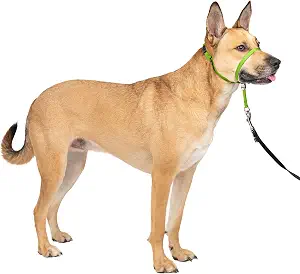 |
| Best Budget Collar for Not Pulling An affordable no-pull option that still delivers reliable control | PetSafe Martingale Quick-Snap Collar Medium |  |
| Best No-Pull Collar Specifically designed to reduce leash pulling and redirect motion | Mayerzon Martingale No Pull Collar Medium |  |
| Best Training Collar Designed to aid behavior work and teach proper leash manners | Herm Sprenger Prong Collar 20in |  |
| Best Heavy-Duty Collar Built for strong dogs needing extra strength and long-term durability | Mayerzon 2" Martingale Collar |  |
| Best Adjustable Collar Offers precise fit adjustments for growing or hard-to-fit dogs | Hikiko Martingale Dog Collar Medium |  |
| Best Reflective Collar Adds nighttime visibility while providing pulling control on walks | Joytale Reflective Padded Dog Collar Medium |  |
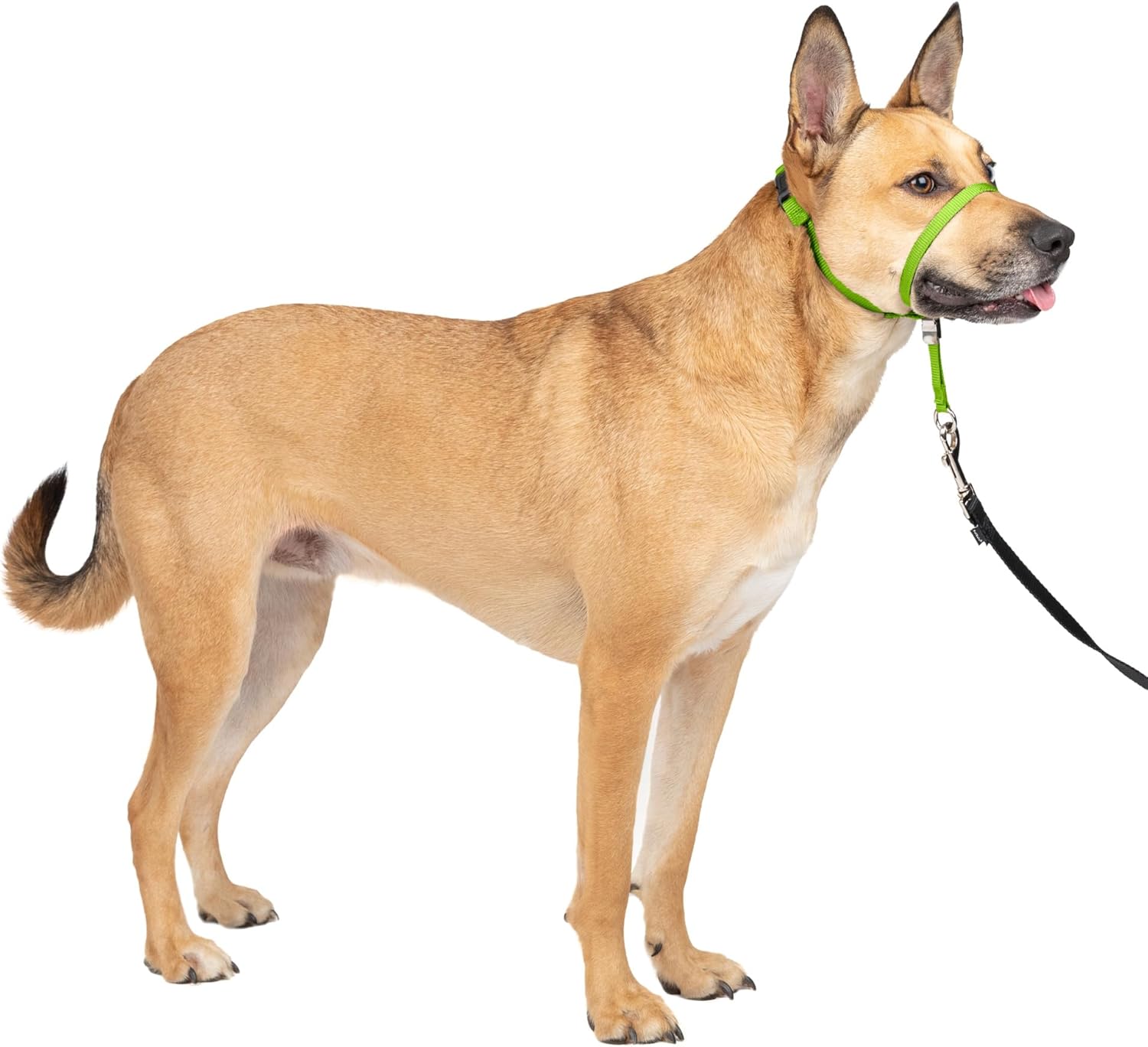
PetSafe Gentle Leader Headcollar Medium
Best Overall Collar for Not Pulling
| Breed Recommendation | Medium |
|---|---|
| Material Type | Nylon |
| Closure Type | Snap |
| Size | Medium |
The PetSafe Gentle Leader is a headcollar designed to stop dogs from pulling by guiding the head rather than applying pressure to the throat or chest. You fit the nose loop over the snout and secure the neck strap high behind the ears, then attach a leash to the center ring under the chin so forward pulling gently turns the dog toward you. The padded neoprene nose loop and minimal nylon straps make it comfortable for extended walks while allowing the dog to pant, eat treats, and play. The quick-snap buckle and adjustable nose loop make fitting straightforward, and the included fitting directions and measurement ranges help pick the right size. It is most effective for dogs with standard snout lengths and may not work for short-muzzled breeds. Proper fitting and gradual desensitization are important to avoid rubbing or resistance during training. For everyday use it gives firm, predictable control without heavy choking force, but it requires practice so the dog accepts the nose loop calmly.
Best for: Buyers who want a reliable no-pull solution that prioritizes effective control while keeping walks comfortable and usable for daily training and outings.
Less Ideal for: Owners of short-muzzled breeds or people unwilling to spend time fitting and training their dog to wear a headcollar should consider other no-pull options.
- Directly reduces pulling by steering the head for predictable control
- Padded neoprene nose loop improves comfort during walks
- Quick-snap neck buckle and adjustable nose loop simplify fitting
- Minimal strap design keeps the dog cooler and reduces bulk
- Allows normal behaviors like panting, eating treats, and playing while worn
- Not suitable for short-nosed breeds such as pugs or bulldogs
- Requires time and positive training for dogs to accept the nose loop comfortably
Verdict: The best overall collar for not pulling balances effective pulling control with comfort, secure fit, and safe materials for everyday walks.
PetSafe Martingale Quick-Snap Collar Medium
Best Budget Collar for Not Pulling

| Material Type | Nylon |
|---|---|
| Closure Type | Snap |
| Animal Collar Type | Animal Martingale Collar |
| Breed Recommendation | Medium, Large Breed |
The PetSafe Martingale Quick-Snap Collar is a simple nylon training collar that combines a tightening loop with a snap buckle so you can put it on and remove it quickly. In use the martingale design gives you short corrective pressure when a dog pulls, then loosens automatically to avoid continuous choking, which helps teach loose-leash behavior without a prong or choke chain. The nylon webbing is lightweight and durable for everyday walks, and the snap closure makes it convenient for dogs that wear a collar frequently. Because it is a basic martingale it provides greater escape prevention than a standard flat collar but does not include padding, a harness-style no-pull geometry, or built-in shock-absorbing features. Fit depends on correct adjustment to the dog's neck size, so measure and set the collar so the tightening loop engages before it becomes uncomfortably tight.
Best for: Buyers on a budget who want a simple, durable collar that reduces slipping and teaches lighter leash pressure during regular walks.
Less Ideal for: Owners who need a full no-pull solution for very strong or persistent pullers should consider a front-clip no-pull harness instead.
- Martingale loop tightens on pull then relaxes to reduce continuous pressure
- Quick-snap buckle for fast on/off without threading
- Durable nylon construction for everyday use
- Helps prevent dogs slipping out of collars during walks
- No padding or cushioning for dogs that need extra neck comfort
- Not a harness replacement so it offers limited force distribution for strong pullers
Verdict: The best budget collar for not pulling gives cost-conscious owners a dependable way to reduce pulling while maintaining basic comfort and durability.
Mayerzon Martingale No Pull Collar Medium
Best No-Pull Collar

| Size | Medium, 14.5"-18.5" neck |
|---|---|
| Material Type | Plastic, Polyester, Rubber, Stainless Steel |
| Closure Type | Buckle |
| Included Components | Rubber Caps, User Manual |
The Mayerzon martingale no-pull collar is a training collar that looks like a regular nylon collar but incorporates internal links that tighten gently to discourage pulling. It is typically used for on-leash walks and training sessions where you want clearer communication without harsh jerks; the collar is meant to sit high on the neck just below the base of the skull and the seller recommends removing it after training. Notable features include built-in smooth links with rubber caps to protect the neck, a sturdy D-ring for leash attachment, an adjustable slider for fit, and a plastic buckle closure on this variant. In practice the design provides an immediate cue when a dog lunges, which many owners report reduces pulling quickly, and the nylon construction and stainless components should hold up to regular use. Important limitations are that martingale collars are training tools, not tie-out collars, and they require proper sizing and positioning to be safe and effective; dogs left unattended wearing this type of collar could be at risk. The collar also may not replace behavioral training for chronic pullers and results depend on handler technique.
Best for: Buyers who want a discreet training tool that reduces leash pulling during walks and are willing to learn proper fitting and handling for short training sessions.
Less Ideal for: Owners looking for an everyday flat collar to leave on the dog, or handlers who prefer harness-based no-pull solutions for chronic, strong pullers.
- Martingale design provides a clear, immediate correction cue to reduce leash pulling
- Smooth metal links with rubber caps cushion pressure on the neck
- Adjustable slider allows a snug fit for recommended neck placement
- Sturdy D-ring and heavy-duty nylon construction suitable for regular walks
- Not intended for unattended wear or as a tie-out collar
- Requires correct sizing and placement to be safe and effective
Verdict: The best no-pull collar is built to discourage leash pulling through its design and fit, making walks calmer without harsh corrections.
Herm Sprenger Prong Collar 20in
Best Training Collar

| Material Type | Chrome Plated Steel |
|---|---|
| Size | 20in x 3.0mm (neck size up to 16in) |
| Closure Type | Pull On |
| Included Components | Collar |
The Herm Sprenger Prong Collar is a professional-grade chrome plated steel training collar designed to give handlers precise, even pressure around a dog's neck when correcting pulling or leash-reactive behavior. It is built with interlocking short links and a center plate so the links tighten symmetrically; links can be added or removed to fine-tune fit. The Ultra-Plus style uses blunt, slightly beveled prongs intended to avoid direct trachea pressure while still providing a clear feedback cue, and a swivel D-ring lets the leash move freely. In practice this collar is used for on-leash obedience sessions under supervision, fitted just below the ears and adjusted so it sits snugly. The German-made construction and solid hardware make it durable for frequent use, and the removable links allow precise sizing for many neck circumferences. Important limitations are that it requires knowledgeable, careful handling and is not appropriate for casual or unsupervised wear, and some owners prefer gentler alternatives for sensitive or light-colored dogs.
Best for: Owners who prioritize premium materials and refined hardware and who plan to use a high-quality training tool under guided, on-leash training to manage pulling.
Less Ideal for: Owners seeking a purely gentle or hands-off solution, first-time trainers unfamiliar with prong collar use, or those who need an everyday identification collar.
- Durable chrome plated steel construction and German engineering
- Interlocking short links and center plate deliver symmetrical, even pressure
- Removable links allow precise size adjustment for a snug fit
- Swivel D-ring reduces leash twist for smoother handling
- Requires experienced handling and proper fitting to be safe and effective
- Not suitable for unsupervised wear or as an everyday collar for all dogs
Verdict: The best training collar helps owners teach loose-leash walking through consistent, controlled cues while prioritizing pet safety and progressive learning.
Mayerzon 2" Martingale Collar
Best Heavy-Duty Collar

| Size | M: 17"-19" |
|---|---|
| Width | 2 inches |
| Material Type | Nylon, Stainless Steel |
| Closure Type | Buckle |
This Mayerzon 2" martingale collar is built as a no-pull training and walking collar for large, energetic breeds. It tightens evenly when a dog pulls to discourage lunging and then releases when pressure eases, making it useful during training or everyday walks. The collar pairs a durable nylon outer with a neoprene-padded, breathable inner lining for comfort on longer outings, and reflective stitching improves visibility after dark. Hardware includes a stainless steel D-ring for the leash and an extra ring for ID tags plus a quick-release safety buckle for fast on/off. In practice the 2-inch width gives extra surface area to distribute pressure on strong necks, but buyers should measure carefully—the martingale design requires correct sizing to avoid being too loose or too restrictive. The collar is hand-wash recommended and appears built for frequent outdoor use, though it lacks a metal-locking buckle option for extreme chewers or the heaviest pullers.
Best for: Buyers who need a padded, reinforced martingale collar for large, energetic dogs that pull and prioritize daytime training plus nighttime visibility.
Less Ideal for: Owners whose dogs are extreme chewers or who need a locking metal buckle and maximum abrasion resistance should consider collars with full metal hardware and reinforced stitching.
- 2-inch width spreads pressure for stronger dogs during no-pull corrections
- Neoprene inner lining and breathable mesh for added comfort on long walks
- Stainless steel D-ring and extra ID ring provide secure leash and tag attachment
- Reflective stitching increases nighttime visibility
- Quick-release buckle makes putting on and removing the collar fast and simple
- Martingale-style tightening requires accurate sizing and monitoring during use
- Buckle is plastic quick-release rather than a heavy-duty metal locking option
Verdict: The best heavy-duty collar is made with reinforced materials and hardware to withstand strong pullers and frequent outdoor use.
Hikiko Martingale Dog Collar Medium
Best Adjustable Collar

| Material Type | Nylon |
|---|---|
| Closure Type | Buckle |
| Size | Medium |
| Included Components | Dog Collar |
This Hikiko martingale collar is designed to tighten gently when a dog pulls and relax when the dog stops, giving owners a safer option to discourage escapes and reduce leash pulling during walks. It pairs a soft nylon webbing with heavy-duty hardware and a quick-release buckle so you can fit it over the head and secure it quickly in an emergency. The collar is adjustable and intended for medium dogs, so you can customize the circumference to get the snug-but-not-tight fit martingales require. Practical benefits include a patterned look for everyday wear and machine-cleanable nylon that stands up to outdoor use. Important limitations are that it is not a tie-out device and should not be left on an unattended dog, and sizing requires careful measurement so the collar slips over the head yet prevents the dog from backing out; it is also not a substitute for a harness when frontline pulling force is severe. For owners who want a simple, trainer-recommended collar that helps manage pulling with a customizable fit, this model is a strong, budget-friendly choice.
Best for: Buyers who prioritize a secure, adjustable collar that reduces escape risk and helps manage leash pulling during walks while keeping daily wear comfortable.
Less Ideal for: Owners who need a primary anti-pull restraint for very strong or persistent pullers or those who require a tie-out or long-term unattended collar solution should look elsewhere.
- Martingale design tightens briefly to discourage slipping and reduce pulling
- Adjustable fit for a customized, secure circumference
- Soft nylon construction with heavy-duty hardware for everyday durability
- Quick-release buckle for fast removal in emergencies
- Not suitable for unattended tie-out use or as a primary restraint for very strong pullers
- Medium size only so buyers must verify neck measurements before ordering
Verdict: The best adjustable collar provides a secure, customizable fit so it stays effective at reducing pulling across different body shapes and sizes.
Joytale Reflective Padded Dog Collar Medium
Best Reflective Collar

| Material Type | Metal, Neoprene, Nylon |
|---|---|
| Closure Type | Buckle |
| Size | Medium (Pack of 1) |
| Suitable For | All Life Stages |
This Joytale collar is a simple, comfort-focused collar that boosts nighttime visibility and stands up to regular leash use. The collar combines a soft neoprene padded lining over nylon webbing to reduce chafing and hair loss during all-day wear, while double-sided reflective threads provide 360 degree visibility for low-light walks. A solid metal D-ring gives a sturdy leash attachment that handles pulls better than plastic rings, and the quick-release buckle makes it easy to put on and take off. In practice it performs best as a daily-wear collar for walking and training where visibility and comfort matter; it is not a no-pull harness and will not eliminate strong pulling on its own, but the durable hardware and fit adjustments help maintain control and reduce wear. The collar comes in multiple colors and sizes, so measuring neck size is important to get a secure, comfortable fit. For owners who want a low-profile, reflective collar that is comfortable for the dog and reliable for leash attachment, this is a practical choice.
Best for: Owners who prioritize nighttime visibility and a comfortable everyday collar for walks and basic training will appreciate this design and reliable hardware.
Less Ideal for: People whose dogs pull strongly or require hands-off leash control should choose a no-pull harness or headcollar instead.
- Neoprene padding reduces chafing and increases comfort for extended wear
- Double-sided reflective threads provide 360° visibility in low light
- Solid metal D-ring offers a durable, secure leash attachment
- Quick-release buckle allows fast, reliable on/off
- Not a no-pull solution and will not stop strong pulling by itself
- Sizing must be checked carefully to ensure a secure fit
Verdict: The best reflective collar combines pulling-mitigating design with high-visibility trim so owners can manage leash behavior safely during low-light walks.
Choosing the Right Dog Collar Not Pulling: Key Factors to Consider
How the Collar Changes Leash Mechanics
A collar's primary effect on pulling is mechanical: some designs reduce forward momentum by redirecting force or by tightening in a controlled way. Understand whether the collar applies pressure across the neck, redirects force toward the shoulder, or offers partial leverage that helps you steer rather than stop abruptly.
Knowing the mechanical action matters because it determines how much effort you need to control a strong puller. A design that gives predictable, proportional response will be easier to phase out with training, while one that reacts unpredictably can create resistance or escalate pulling. Consider how the action feels on short leash corrections and during sustained pulling, and whether the mechanics match your handling style.
Fit and Adjustability
Proper fit is essential for safety and effectiveness. A collar that is too loose can slip over the head or rotate, reducing control. A collar that is too tight can cause discomfort or breathing restriction. Look for wide adjustment ranges and clear sizing guidance that accommodate your dog's neck shape and allow two-finger checks after fitting.
Adjustability also matters for growth and seasonal coat changes. A collar that can be fine-tuned lets you position attachment points where they work best, so corrections are delivered predictably. Durable adjustment hardware reduces the chance of slippage on long walks or when the dog is active.
Material and Padding
Material choices affect comfort, durability, and skin health. Soft, breathable fabrics and padding reduce chafing on repeated short corrections or long walks. Stiffer webbing holds shape better for certain control designs but can create pressure points if not properly padded.
Consider how materials perform in wet weather and whether they trap dirt or retain odors. Hypoallergenic textiles and smooth edges reduce irritation for dogs with sensitive skin. Robust stitching and reinforced layers extend service life when a collar is used daily.
Attachment Points and Hardware Quality
The location, number, and strength of attachment points determine how force is transmitted and how versatile the collar is for different leash setups. Solid metal D-rings and reinforced anchor points are important for safety and consistent performance under load.
Hardware that resists corrosion and holds up to repeated force is a must for regular walkers. Also evaluate whether the design keeps hardware away from the throat area to avoid direct rubbing and whether quick-release buckles are sturdy enough for daily clipping and unclipping without failing.
Safety Features and Breathing Concerns
Any collar intended to reduce pulling must be assessed for airway safety. Avoid collars that cause direct, sustained pressure on the trachea. Designs that distribute pressure or apply lateral guidance are usually safer for dogs prone to coughing or respiratory sensitivity.
Look for collars that allow unobstructed breathing at rest and that do not require excessive tightening to be effective. Features like wider contact surfaces, limited constriction ranges, or alternative attachment positions can reduce the risk of respiratory compromise while still improving control.
Ease of Use and Training Compatibility
A collar should be simple for an owner to fit, adjust, and use consistently during training walks. Complicated setups increase the chance of incorrect use, which can reduce effectiveness or create safety issues. Quick, repeatable fitting routines help keep corrections consistent and predictable for the dog.
Consider whether the collar works with your preferred training method—gentle redirection, short corrective cues, or as a transitional tool while working on loose-leash skills. A collar that pairs well with reward-based reinforcement will generally produce better long-term results than one that relies solely on physical control.
How Soon Can You Expect Reduced Pulling with a New Collar?
Results vary with the dog's previous training and the consistency of use. Some dogs show immediate behavioral changes because the collar changes leash feedback, while others need repeated, short sessions before they alter habitually strong pulling.
Use the collar as part of a consistent walking routine: short, regular walks with focused attention on leash manners tend to speed up progress. Combine collar use with positive reinforcement for checking attention and walking by your side for best results.
- Start with low-distraction routes to let the dog learn the new feedback.
- Keep correction intensity proportional and always follow up with a rewarded calm period.
Can You Use a Pulling Collar with Puppies or Developing Dogs?
Puppies have delicate necks and are still growing, so choose a collar that minimizes direct pressure on vulnerable structures. Lightweight, wide-contact collars with gentle guidance are preferable for young dogs.
Frequent fit checks are important as a puppy's neck circumference can change rapidly. For very young animals, prioritize training that reduces pulling through reward-based techniques and use physical-control collars only as a temporary aid when appropriate.
- Avoid heavy hardware or collars that require tight adjustments on puppies.
- Reassess fit every few weeks during rapid growth phases.
What to Do if Your Dog Chokes or Coughs with a New Collar
If you notice coughing, gagging, or signs of distress when using a collar, stop using that collar immediately and reassess fit and design. Check whether the collar is resting on the throat or if sudden jerks are causing airway compression.
Switch to a design that distributes pressure more broadly or alter attachment points to redirect force away from the trachea. If coughing persists, consult a veterinarian to rule out underlying respiratory sensitivity before continuing control-focused walking routines.
- Always monitor the dog closely during the first week of using a new collar.
- Use calm handling and brief practice sessions to reduce abrupt pulls that could trigger coughing.
How to Fit a Collar for Consistent Leash Response
Begin by measuring the neck and adjusting the collar so it sits snugly without compressing the throat. After fastening, you should be able to fit two fingers under the collar comfortably. Position attachment points so the leash applies force in the intended direction—some designs work best when the connection is centered, others when slightly offset.
Test leash response with short, controlled prompts rather than long tugs. Walk in a calm area and apply gentle directional cues to see how the dog responds. Fine-tune the fit if the collar slides or turns, because rotation changes where pressure is applied and reduces predictable control.
- Recheck fit after the dog moves vigorously or when the coat is wet.
- If the collar slips forward or backward, try adjusting strap length or adding a secondary stopper to keep it aligned.
Choosing Between a Collar and Alternative Control Tools
Collars are just one tool for addressing pulling. Harnesses and head-control options change how force is applied and may be preferable in situations where neck safety is the main concern. Consider the walking context, the dog's size and strength, and whether you need directional guidance or simple reduction of forward momentum.
A collar that reduces pulling can be an effective transitional tool when paired with consistent training. For chronic or extreme pulling, combining collar-based control with a structured training plan or professional guidance is often more effective than relying on equipment alone.
- For short, urban walks where steering is needed, certain collars can help with quick directional cues.
- For long hikes or dogs with respiratory issues, consider options that avoid neck compression.
Maintaining and Inspecting Your Collar
Regular inspection preserves performance and safety. Check stitching, webbing, and hardware for wear or corrosion and replace any part that shows significant deterioration. Clean fabric collars according to care instructions to remove grime and body oils that can cause irritation over time.
Replace a collar if it becomes permanently stretched or if hardware loosens. Proper maintenance keeps attachment points reliable and reduces the chance of unexpected failures during walks.
- Perform a quick hardware and strap check before each outing if your dog pulls with variable intensity.
- Store collars dry and out of direct sunlight to prevent material breakdown.
How We Chose the Best Dog Collar Not Pulling
We focused on features that directly affect leash control and dog comfort. Primary evaluation factors included how a collar distributes pressure during a pull, the mechanical advantage it provides the handler, length and adjustability for proper fit, and the quality of attachment points for secure leash connection. We also assessed materials for durability and skin-friendly properties, construction details that reduce chafing, and safety features such as quick-release or fail-safe closures. Products that required complex training-only setups or that compromise breathing and neck safety were excluded. We prioritized collars that balance humane control with reliable performance across common walking scenarios. Final selections reflect options that are practical for everyday walking, are simple to use, and address common handler concerns like slip, rotation, and hardware strength.
Our full evaluation process is outlined in our review methodology.
FAQ
Will a collar alone stop my dog from pulling permanently?
A collar can change leash feedback and reduce pulling quickly, but lasting improvement usually requires consistent training. Use the collar with short, focused reinforcement sessions to teach loose-leash skills rather than relying solely on the device.
Is a not-pulling collar safe for dogs with breathing problems?
Safety depends on the design and fit. Choose collars that distribute pressure broadly and avoid direct constriction of the trachea. If your dog has respiratory issues, consult a veterinarian before using any collar intended to modify pulling.
How often should I check the collar fit?
Check fit at least weekly and after any rapid growth, weight change, or heavy activity. For puppies or dogs with changing coats, inspect fit more frequently to ensure the collar remains snug but not tight.
Can I use a not-pulling collar for off-leash activities?
These collars are designed for on-leash control and are not substitutes for secure identification or off-leash training equipment. Remove or replace the collar with an appropriate non-control option for off-leash play where freedom of movement is needed.
What should I do if the collar rubs my dog's neck?
Stop using the collar and check for rough edges, improper fit, or material mismatch with your dog's skin. Try a padded, softer-contact option and limit session length while the skin recovers. Persistent irritation should be evaluated by a veterinarian.
Final Verdict
When choosing a collar made to reduce pulling, prioritize predictable leash mechanics, correct fit, and materials that protect your dog's skin and breathing. Balance control needs with safety: a collar that offers reliable, proportional feedback will be more effective and easier to pair with training than one that requires constant, heavy corrections. For most owners, the best approach is to use a collar as part of a consistent training plan, monitor fit and comfort regularly, and trade off short-term control for long-term behavior change.

