

Finding the right dog comb makes routine grooming faster, safer, and less stressful for both you and your dog. The right comb helps remove loose fur, detangle mats, and distribute natural oils without pulling or irritating the skin. This guide focuses on combs that work across common coat types and grooming routines, with picks narrowed to practical, reliable options. Below you will find our top seven comb selections, chosen for durability, tooth design, and ease of use. We highlight what to expect from each style and explain the main features to weigh when matching a comb to your dog and grooming habits.
Top Picks at a Glance
| Best Overall Comb A well-rounded pick that suits most grooming needs and coats | Andis 7-1/2" Steel Comb |  |
| Best Budget Comb A low-cost option that still performs for routine grooming tasks | Cafhelp Dog Comb 2-Pack |  |
| Best Wide-Tooth Comb Wider teeth for loosening tangles and working through thick fur | POODLIE Detangling Pet Comb |  |
| Best Fine-Tooth Comb Tighter teeth for finishing work and removing small debris and fleas | yumflan Fine Tooth Flea Comb |  |
| Best Dematting Comb Specialized teeth or blades to safely break up stubborn mats and tangles | Andis Stainless Steel Dematting Comb 10in |  |
| Best Ergonomic Comb Comfort-focused design for easier handling during longer grooming sessions | Paw Brothers Greyhound Teflon Comb 7 in |  |
| Best Premium Comb Higher-end materials and construction for long-lasting, top-tier performance | Chris Christensen 6in Buttercomb |  |
Andis 7-1/2" Steel Comb
Best Overall Comb

| Power Source | manual |
|---|---|
| Hair Type | All |
| Material Type | Stainless Steel |
| Size | 7 1/2 Inch |
The Andis 7-1/2-inch steel comb is a simple, manual grooming tool built from stainless steel with both coarse and fine teeth for tackling tangles, mats and loose hair. You use it by starting at the ends of the coat and working upward to gently loosen knots while the rounded pin ends help protect the skin; the lightweight, portable design makes it easy to use during short at-home sessions or touch-ups. The stainless construction resists corrosion and reduces static, so it stays slick through repeated use and keeps hair from sticking. Because it is a non-powered comb it relies on careful technique rather than force, which suits pets with sensitive skin or fine coats who need low-tension detangling. Limitations are that it is not a motorized dematter or a heavy-duty rake for very dense, heavily matted coats, and persistent severe mats may still require a dedicated dematting tool or professional grooming. For everyday maintenance and gentle mat removal this comb is effective and durable.
Best for: Buyers who want a low-tension, skin-friendly tool for routine detangling and gentle mat removal on dogs with sensitive skin or fine coats.
Less Ideal for: Owners managing very heavy undercoats, extensive matting, or who prefer powered dematting tools for faster removal should consider stronger dematting rakes or professional services.
- Stainless-steel construction resists corrosion and reduces static
- Coarse and fine teeth handle both thicker and finer sections of coat
- Rounded pin ends minimize skin irritation during use
- Lightweight and portable for quick touch-ups or travel
- Durable, manual design with no power required
- Not intended for very severe or deeply matted coats where a dematting rake or professional trim is needed
- Manual combing can be slow for long, dense coats
Verdict: The best overall comb balances tooth spacing, durability, and ease of use to handle everyday brushing and basic detangling for most dogs and cats.
Cafhelp Dog Comb 2-Pack
Best Budget Comb

| Material | Stainless steel |
|---|---|
| Pack | 2 pack |
| Rounded ends | Yes |
These two metal combs are a simple, low-cost kit for regular undercoat maintenance. The set includes a larger comb for working out bigger tangles and a smaller comb for detail work around the face, paws, and other tight areas. Stainless steel teeth with rounded ends let you work through mats while minimizing skin scraping, and the metal construction stands up to frequent use better than plastic alternatives. In practice they work best when used as part of a short grooming session—start with the large comb to break up dense areas and follow with the smaller comb for finishing. They also provide a mild massage that helps circulation and loosens more shedding hair. Limitations are their basic ergonomic design and lack of interchangeable heads, so extended sessions can be a bit tiring and the combs are not a substitute for a dedicated dematting tool on very heavy mats. For owners who want a durable, budget-friendly way to reduce undercoat shedding and maintain tangles between deep brushes, this pair is a practical choice.
Best for: Pet owners on a budget who want a durable, no-frills tool to reduce loose undercoat and keep tangles manageable between deeper grooming sessions.
Less Ideal for: People who frequently deal with heavy matting or very dense double coats that need specialized dematting tools and more ergonomic groomers.
- Stainless steel teeth resist corrosion and stand up to repeated use
- Rounded tooth ends are gentler on skin and help avoid scratching
- Two sizes cover large tangles and detailed areas for versatile grooming
- Simple to clean and remove trapped hair after use
- Basic handle design can be fatiguing during long grooming sessions
- Not intended as a primary tool for severe mats or heavy undercoat removal
Verdict: The best budget comb provides reliable grooming performance and adequate durability at a low price for pet owners who need a simple, affordable tool.
POODLIE Detangling Pet Comb
Best Wide-Tooth Comb

| Power Source | Manual |
|---|---|
| Hair Type | Long |
| Size | Detangling Pet Comb |
| Material Type | Plastic |
The POODLIE Detangling Pet Comb is a manual two-in-one grooming tool that combines long and short stainless steel teeth to tackle tangles, mats, and loose undercoat fur. You use the long-tooth side to work through heavy mats and the short-tooth side for finishing and smoothing, starting at the ends and working up toward the skin to reduce pulling. The steel tines are rigid enough to cut through tight knots yet shaped for everyday detangling on long or short coats, which makes it suitable for breeds like poodles, pomeranians, and longhaired cats. The compact plastic handle keeps the tool lightweight and easy to maneuver for quick touch-ups or regular grooming sessions. It is manual and simple so there are no replacement parts or batteries, but very thick severely matted areas may still require a dematting rake or professional attention. For owners who brush regularly this comb speeds up detangling and reduces coat maintenance time, while being gentle enough for sensitive skin when used properly.
Best for: Owners of long, curly, or dense-coated small to medium pets who want a gentle wide-tooth tool to work through tangles at home and reduce brushing time.
Less Ideal for: People with very large breeds or pets with extreme, hardened mats that need heavy-duty dematting tools or a groomer should look elsewhere.
- Two-length stainless steel teeth let you attack heavy mats and then smooth with finer tines
- Manual, no-power tool that is simple to use and easy to clean
- Suitable for both long and short hair types, including small dogs and cats
- Lightweight plastic handle makes the comb easy to control during grooming
- Plastic handle may feel less durable than metal-handled grooming tools
- Not intended for extremely severe matting where a dedicated dematting tool or professional groomer is needed
Verdict: The best wide-tooth comb is designed to gently work out mats and loose hair in thick, curly, or long coats without causing pull or discomfort.
yumflan Fine Tooth Flea Comb
Best Fine-Tooth Comb

| Material | Stainless steel teeth |
|---|---|
| Handle | Rubber-sheathed anti-slip |
| Length | 7 inches |
| Item weight | 1.47 ounces |
The yumflan Fine Tooth Flea Comb is a compact stainless-steel comb built for precision grooming and flea removal. Its closely spaced, higher-grade metal teeth pick up tiny clumps, flea dirt, and short undercoat fibers when stroked close to the skin, and the rubber-sheathed, anti-slip handle makes repetitive short strokes more comfortable and controlled. Typical use is systematic: start behind the ears and neck, work down the back and along the belly and hindquarters, and dip the comb into soapy water between passes to remove captured fleas. The comb is lightweight and easy to maneuver on small areas and finishing passes after a brush-out, but it is not intended for heavy de-matting or very dense, heavily matted coats where the fine teeth could bend or snag. It works across coat types for touch-ups and inspection and is especially useful for checking for flea dirt or targeting short guard and undercoat fibers that wider-tooth tools miss.
Best for: Buyers who need a precise finishing tool to remove tiny clumps, flea dirt, and short undercoat hairs and who prioritize accuracy during targeted grooming or flea checks.
Less Ideal for: Owners looking for a main all-in-one dematting tool or who need to process very thick, severely matted coats quickly should choose a wider-tooth brush or specialized de-matter instead.
- Very fine, high-grade stainless-steel teeth catch tiny fleas, flea dirt, and short undercoat fibers.
- Rubber-sheathed handle provides an anti-slip grip for controlled, repetitive strokes.
- Compact, lightweight design allows precise finishing work around ears, neck, and tail base.
- Suitable for use on both dogs and cats and useful for regular pet health checks.
- Not designed for heavy mats or very dense coats and may bend if used aggressively.
- Small comb covers less surface area so full-body combing is slower than using wider tools.
Verdict: The best fine-tooth comb is ideal for finishing touches, catching small tangles, flea eggs, and fine debris, and smoothing coats for a neat appearance.
Andis Stainless Steel Dematting Comb 10in
Best Dematting Comb

| Material Type | Stainless Steel |
|---|---|
| Size | 10 Inch |
| Power Source | Manual |
| Hair Type | All |
The Andis 10-inch stainless steel dematting comb is built to work through tangles, mats and loose hair while remaining lightweight and easy to handle. Its stainless steel teeth, offered in coarse and fine spacing, are rigid enough to cut through stubborn mats and to pull out loose undercoat without bending or breaking, and the rounded tips reduce discomfort when working close to the skin. The balanced, fatigue-free design makes it suitable for finishing and regular maintenance on both dogs and cats, and because it is manual there are no batteries or motors to worry about. Practical benefits include improved coat smoothness, less mat buildup between professional grooms, and a durable tool that should last for many sessions. Limitations are that manual dematting requires patience and a steady hand on heavily matted coats and the comb does not include a protective sleeve or storage case.
Best for: Buyers who want a durable, purpose-built hand tool for safely loosening and removing mats during regular grooming sessions and who prefer a simple, no-power solution.
Less Ideal for: Owners who need a faster, motorized dematting solution for very heavy or neglected matting should look at powered options or professional grooming services.
- Stainless steel teeth provide durability and resistance to bending
- Coarse and fine tooth spacing handles both thick mats and finer tangles
- Rounded tooth tips help reduce discomfort during grooming
- Lightweight, balanced design reduces hand fatigue for longer sessions
- Manual tool requires time and care on severe matting compared with powered dematting devices
- No included storage sleeve or protective cover
Verdict: The best dematting comb features sturdy, purpose-built teeth that safely cut through and loosen stubborn mats while minimizing pulling and discomfort during grooming.
Paw Brothers Greyhound Teflon Comb 7 in
Best Ergonomic Comb
| Hair Type | Fine/medium |
|---|---|
| Power Source | manual |
| Material Type | Metal |
| Size | Medium/Fine |
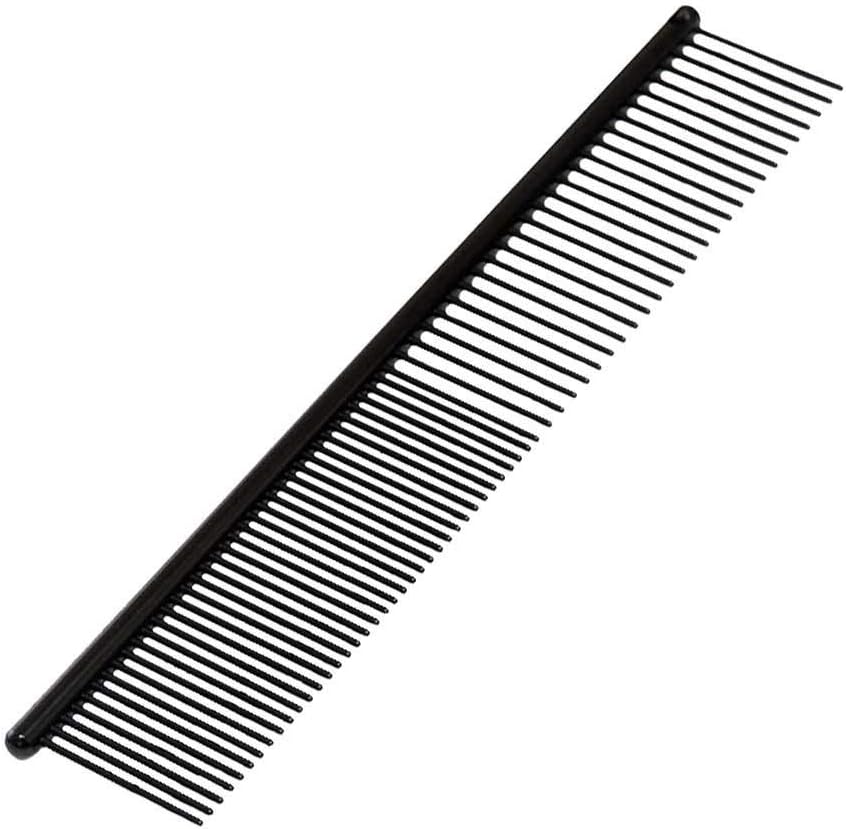
This Paw Brothers Greyhound Teflon Comb is a metal, dual-sided grooming comb built for detangling, fluffing and removing loose hair from medium to long coated dogs and cats. One end offers widely spaced teeth for general combing and detangling while the finer/mid side smooths and finishes the coat. The stainless steel pins are rounded and coated in true Teflon so the comb glides through fur with less friction and reduced pulling, which helps when working through tangles. The ergonomic handle gives a secure grip for longer sessions and the 7.5-inch overall length provides reach without feeling unwieldy. Because it is manual and metal, the comb is durable and easy to clean, but it does require careful use around sensitive skin and mats—you should work slowly on heavy tangles and use a dematting tool when needed. This is a practical, professional-style tool for regular at-home grooming and finishing before shows or photos.
Best for: Buyers who prioritize a comfortable grip for longer grooming sessions and want a sturdy comb that smooths and finishes medium to long coats with minimal pulling.
Less Ideal for: If you need a single tool for heavy shedding or dematting thick undercoats, choose a dedicated deshedding or dematting tool instead.
- Dual-sided teeth for both detangling and fine finishing
- True Teflon-coated stainless steel pins reduce friction and pulling
- Ergonomic handle provides a comfortable, secure grip for longer sessions
- Durable metal construction that is simple to clean and maintain
- Not suitable as a primary tool for severe mats or heavy undercoat removal
- Metal pins require careful use on sensitive skin to avoid irritation
Verdict: The best ergonomic comb reduces hand fatigue with a comfortable grip and balanced weight, making longer brushing sessions easier for owners and calmer for pets.
Chris Christensen 6in Buttercomb
Best Premium Comb
| Power Source | manual |
|---|---|
| Hair Type | All |
| Material Type | Brass, Stainless Steel |
| Size | 6in Cat/Carding |
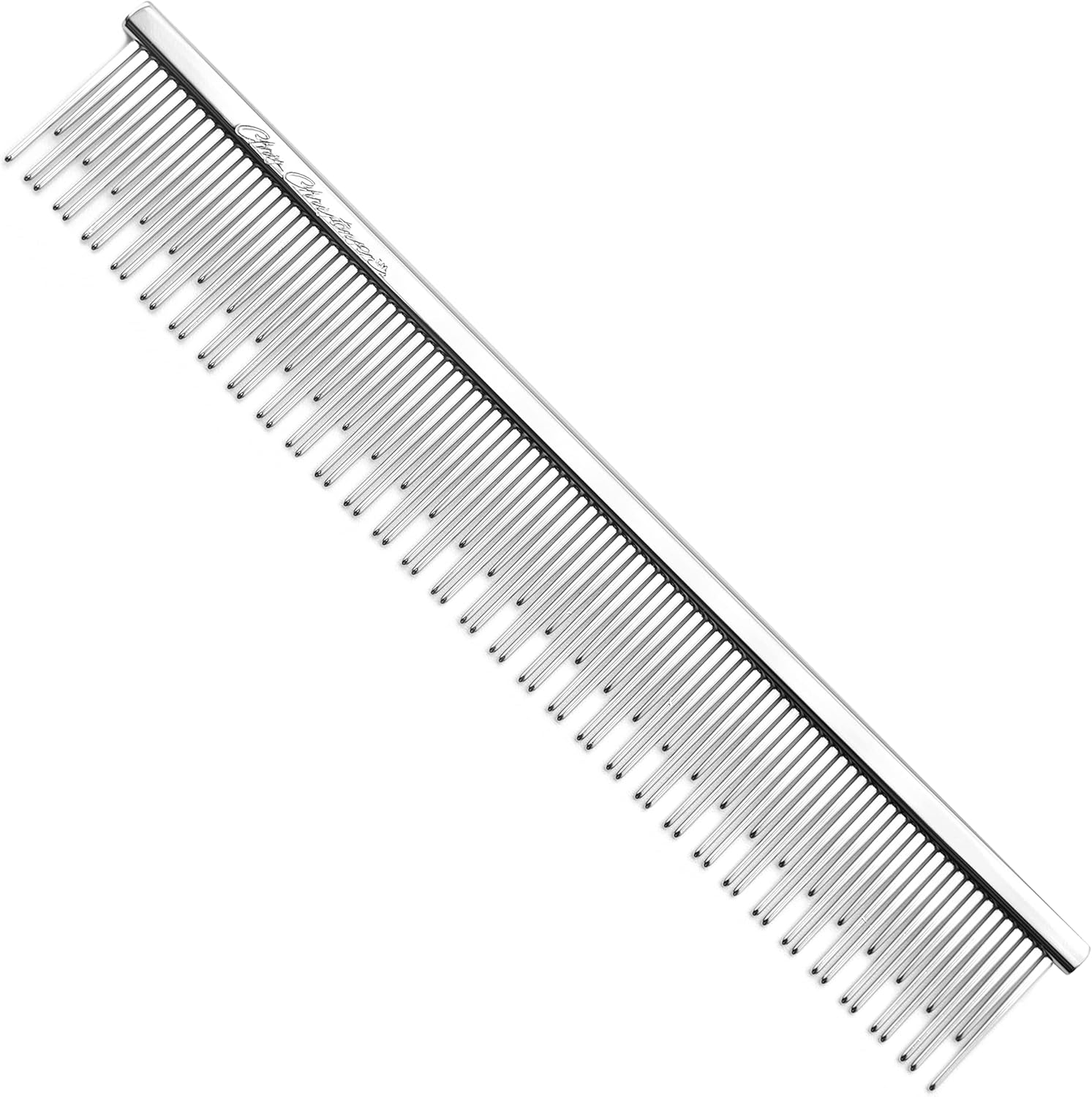
The Chris Christensen 6in Buttercomb is a dual-tooth carding comb built for frequent, careful grooming of cats and small dogs and for deshedding longer coats. Its alternating short and long stainless steel teeth let you comb and capture undercoat in a single pass while the polished, rounded tips reduce friction against skin and help avoid breakage or irritation. The solid brass spine adds weight and balance so the comb glides through the coat with less hand pressure, and the nickel chrome finish improves longevity and resists wear. In use it excels at finding and opening small knots, removing loose undercoat to cut down on hairballs, and finishing coats after brushing. The comb is manual and compact, which makes it easy to control in sensitive areas like faces and behind the ears, but the small 6-inch length means it covers less surface per stroke than wider de-shedding tools, so it is best for focused work rather than heavy-area denapping. For owners who groom often and want a durable, professional-grade tool, this Buttercomb is a long-lasting choice with salon-style performance.
Best for: Owners who groom frequently and are willing to pay for a durable, professional-quality comb for detailed deshedding and finishing work on cats or small dogs.
Less Ideal for: People who need a fast, wide-area deshedding solution for large dog coats or who prefer powered grooming tools for minimal effort.
- Alternating long and short stainless steel teeth comb and cards in one pass
- Polished rounded tips reduce friction and minimize coat breakage
- Solid brass core provides balance and durability for frequent use
- Nickel chrome finish resists wear and helps the comb glide through the coat
- 6-inch length covers smaller areas and is slower for full-body deshedding sessions
- Manual tool requires more time and effort compared with powered or wider deshedding tools
Verdict: The best premium comb uses superior materials and precision construction to deliver long-term durability, smoother grooming, and a more professional grooming experience for discerning pet owners.
Choosing the Right Dog Comb: Key Factors to Consider
Tooth Spacing and Configuration
Tooth spacing determines how a comb interacts with different coat textures. Wider teeth pass through thick, curly, or heavily matted hair with less snagging, helping to break up large tangles without pulling. Narrow teeth are better for finishing work and for smoothing short or fine coats, removing small loose hairs and catching fine debris.
Some combs combine both wide and narrow sections so you can switch between detangling and finishing without changing tools. Pay attention to how closely the teeth are set and whether they are tapered; blunt tips reduce skin irritation while tapered teeth penetrate mats more effectively.
Material and Corrosion Resistance
Comb material affects durability, flexibility, and how the tool performs when used on damp fur. Stainless steel teeth hold their shape and resist rust, which is important if you comb wet coats or regularly sanitize tools. High-quality metal also provides the tooth rigidity needed to work through dense undercoats.
Plastic combs are lighter and less likely to snag on very delicate skin, but cheaper plastics can deform or wear quickly. Some combs use a combination of metal teeth and a molded handle to balance strength with comfort. Consider how often you will wash the comb and whether you need a rustproof option.
Handle Ergonomics and Grip
Comfortable handles reduce hand fatigue during longer grooming sessions, which matters if you groom large dogs or tackle heavy mats. A contoured grip or rubber overmolding helps maintain control when your hands are wet or when a dog shifts suddenly.
Lightweight handles are easier to use for quick touch-ups, while heavier or well-balanced handles can provide steadiness when working through stubborn tangles. Also consider handle length and whether the design allows you to approach hard-to-reach areas without awkward wrist angles.
Tooth Length and Tip Design
Tooth length affects how deep into the coat the comb reaches. Longer teeth are useful for thick or long coats where you need to reach the undercoat; shorter teeth are gentler and more appropriate for short-haired breeds. Tips that are rounded or blunted reduce the risk of scratching the skin or creating hotspots during repeated passes.
Some combs have tapered or slightly flexible teeth to ease through mats without abrupt snagging. If you frequently work on dogs with sensitive skin, prioritize combs with clearly finished tips and a smoother tooth profile.
Cleaning and Maintenance
A comb that is easy to clean will stay sanitary and perform better over time. Straightforward designs with accessible teeth let you remove trapped hair and debris quickly. Metal combs can usually be rinsed and dried without concern, while some plastics may retain odors or degrade with repeated exposure to shampoo or cleaning agents.
Check whether the comb can be disassembled or has grooves where hair accumulates. Fewer crevices means less buildup and faster cleaning between sessions. Durability under routine cleaning is also important if you work with multiple dogs or need to disinfect between uses.
Suitability for Skin Sensitivity and Coat Condition
Some dogs have tender skin, allergies, or existing hotspots that demand gentler tools. A comb that minimizes pulling and has rounded tips is less likely to aggravate irritated areas. If a dog has a lot of mats, plan to use detangling sprays or conditioning treatments before combing to reduce breakage and discomfort.
For dogs with brittle hair or seasonal coat changes, selecting a comb that balances undercoat removal with minimal fiber damage will preserve coat health. Consider whether you will use the comb alone or as part of a wider grooming routine that includes brushing, bathing, and professional trimming.
How Often Should I Comb My Dog and Why
Frequency depends on coat type and lifestyle. Long, silky, and curly coats typically need combing several times a week to prevent mats and tangles, while short-haired dogs may only need a weekly pass to remove loose hairs and keep the coat tidy. Active dogs that spend time outdoors collect debris more often and benefit from more frequent checks.
Regular combing reduces matting, distributes oils from skin to hair, and lets you spot skin issues early. Short, focused sessions are better than infrequent marathon grooming; they keep the dog more comfortable and reduce the risk of creating painful tangles.
- Long or curly coats: comb 3–5 times per week
- Medium double coats: comb 2–3 times per week
- Short coats: comb once weekly or as needed
What to Do when You Find a Mat
Approach mats calmly to avoid making the dog anxious. Start by applying a detangling spray or conditioner to soften the hair, then use a wide-tooth section of the comb or a mat-splitting technique to work at the edges. Hold the base of the hair close to the skin to reduce pulling as you work through the tangle.
If a mat is very tight and close to the skin, avoid forcing the comb through; that can cause pain and skin damage. In those cases, work gradually from the ends, or consult a professional groomer to prevent injury. Regular prevention through routine combing is the best way to avoid severe mats.
- Soften with conditioner or detangler before combing
- Work from ends toward the skin and hold hair base to minimize pulling
- Stop and seek professional help for mats too close to skin
Can You Use a Comb on Wet Fur
Combing on wet fur can be effective when the coat is conditioned and soft, but it increases the risk of stretching and breaking hair if the comb is too aggressive. For dogs with thick undercoats, a damp coat can make it easier to remove loose hair, provided the comb has the appropriate tooth spacing and rounded tips.
If you plan to comb wet fur, use gentle, deliberate strokes and a comb designed to resist rust. Pat the coat rather than rubbing, and remove large tangles by working them out slowly. Always dry the dog thoroughly afterward to avoid prolonged dampness near the skin.
- Use only if coat is conditioned and comb has corrosion resistance
- Work gently to avoid hair breakage
- Dry the coat after grooming to prevent damp-related skin issues
How to Match a Comb to Your Dog's Coat Type
Assess coat length, density, and whether your dog sheds seasonally. For very dense double coats, look for longer metal teeth or a two-sided comb so you can reach through topcoat layers into the undercoat. For curly or wooly coats, wider teeth and flexible profiles help avoid felting and excessive tugging.
Short-haired breeds need finer teeth for finishing and removing small loose hairs. If your dog has mixed coat characteristics, a comb with both wide and narrow sections provides versatility. Always prioritize tip finish and overall gentleness for sensitive skin.
- Double coats: longer, sturdier teeth to reach undercoat
- Curly/wooly coats: wider, flexible teeth
- Short coats: narrow, fine teeth for finishing
Tips for Grooming Anxious or Wriggly Dogs
Keep sessions short and positive, using treats and praise to create a calm association with combing. Start with short strokes in areas the dog tolerates well and gradually increase duration as comfort builds. A stable, non-slip surface and a helper to gently hold anxious dogs can make the process safer and faster.
Choose a comb with a comfortable handle and rounded tips to reduce pain if the dog moves unexpectedly. If a dog becomes agitated, pause and try again later rather than forcing a session, which can worsen fear and resistance.
- Use short, positive sessions with treats
- Work from tolerant areas toward sensitive spots
- Stop if the dog shows signs of distress and try again later
How We Chose the Best Dog Comb
We shortlisted combs that perform the core grooming tasks owners expect: safe detangling, efficient undercoat removal, and long-term durability. Our evaluation prioritized four to six category-specific criteria: tooth spacing and configuration for different coat types, material and corrosion resistance for wet- or dry-use, handle ergonomics for longer sessions, build quality and robustness, ease of cleaning, and suitability for sensitive skin. We excluded tools that are primarily brushes, slickers, or de-shedding blades and focused on combs intended as standalone detangling and finishing tools. We also filtered out combs with obviously poor construction, inadequate tooth alignment, or designs that increase the risk of hair breakage or skin irritation. The remaining items were assessed on how well their design balanced tangle removal with gentleness, plus practical factors like grip comfort and maintenance. Final selection reflects tools that work reliably across common dog coat types and everyday grooming tasks rather than specialty or single-use designs.
Our full evaluation process is outlined in our review methodology.
FAQ
Will one comb work for multiple coat types?
Some combs are designed with both wide and narrow teeth to cover a range of coat types, but no single comb is perfect for every coat. For very dense undercoats or tightly curled fur, a specialized comb or companion tool will give better results.
How do I tell if the comb is hurting my dog
Watch the dog's body language for flinching, yelping, or trying to escape and check the skin for redness or broken hairs after grooming. If the dog reacts to light strokes or you see irritated skin, switch to a comb with smoother tips and use gentler technique.
Can I comb out seasonal shedding safely at home
Yes, regular combing can manage seasonal shedding by removing loose undercoat before it mats. Use tools with appropriate tooth spacing and work in short sessions to minimize stress and hair breakage.
Is a metal comb always better than plastic
Metal combs tend to be more durable and resistant to heat and corrosion, making them better for heavy-duty use or wet grooming. Plastic combs can be lighter and gentler on delicate skin, but quality varies and cheaper plastics may deform.
How should I care for and store my dog comb
Remove trapped hair after each use and rinse metal combs dry to prevent corrosion. Store combs in a dry, ventilated place away from direct sunlight and harsh chemicals to preserve material integrity and tip finish.
Final Verdict
Choosing the best dog comb comes down to matching tooth spacing, material, and tip finish to your dog's coat and skin sensitivity. Prioritize combs that balance effective detangling with gentle tooth tips and a comfortable handle so grooming is efficient without causing discomfort. Accept that some tradeoffs are inevitable: tools that excel at deep undercoat work can be harsher on delicate skin, while very gentle combs may take longer to finish thick coats. Use the factors above to decide which compromise makes the most sense for your routine and dog, and consider pairing a comb with other grooming steps like conditioning and short, frequent sessions for the best outcome.

