

If your boxer has colitis, choosing the right dog food matters for day-to-day comfort and long-term gut health. Diet can reduce flare-ups, improve stool consistency, and help your dog maintain strength and a healthy weight. This guide presents seven carefully shortlisted foods aimed at managing colitis symptoms in boxers and explains the specific nutritional features that matter. We evaluated options for ingredient simplicity, fiber type, and overall digestibility to identify choices that are sensible for dogs with colitis.
Top Picks at a Glance
| Best Overall Food for Boxer Colitis A balanced, vet-friendly formula that soothes sensitive digestion | Purina Pro Plan Veterinary Diets EN Gastroenteric Low Fat |  |
| Best Budget Food for Boxer Colitis An affordable formula that still targets digestive sensitivity | IAMS Advanced Health Healthy Digestion 4.5 lb |  |
| Best Limited-Ingredient Food A short, simple ingredient list to reduce dietary triggers | KOHA Bland Diet Beef Dry Dog Food 56 oz |  |
| Best High-Fiber Food Formulated with extra soluble and insoluble fiber for stool regulation | Hill's Prescription Diet GI Biome Dry Dog Food |  |
| Best Wet Food Moist, palatable recipes that are easier to digest for some dogs | Royal Canin Digestive Care Wet Dog Food |  |
| Best Probiotic-Enriched Food Includes beneficial strains to support a healthy gut microbiome | Pro Plan FortiFlora Probiotic Powder |  |
| Best Premium Food Higher-end formulations with specialized ingredients and superior sourcing | Open Farm GoodGut Dry Dog Food 3.5lb |  |
Purina Pro Plan Veterinary Diets EN Gastroenteric Low Fat
Best Overall Food for Boxer Colitis

| Flavor | Unflavored |
|---|---|
| Age Range Description | All Life Stages |
| Item Form | Pellet |
| Animal Food Diet Type | Veterinary Diet |
| Unit Count | 264 Ounce |
Purina Pro Plan Veterinary Diets EN Gastroenteric Low Fat is a prescription-style dry kibble made to help dogs with digestive sensitivity and reduced fat tolerance. It is typically fed as a veterinarian-directed diet during episodes of colitis or chronic digestive upset and as a transitional maintenance diet where low fat and high digestibility are priorities. The formula emphasizes highly digestible ingredients, added prebiotic fiber to support the gut microbiome, and antioxidants including vitamin E to support immune response. Practical benefits include easier nutrient absorption for dogs with malabsorption, a low-fat profile for dogs that struggle with fat digestion, and clear feeding guidance intended to be adjusted by a veterinarian. Limitations are that it is a single-flavor, pellet-form diet without novel protein claims, so dogs with specific ingredient sensitivities or those needing limited-ingredient/novel-protein plans may require an alternative, and this product is intended to be used under veterinary recommendation rather than as a general maintenance food.
Best for: Owners seeking a veterinarian-directed, low-fat, easily digestible diet to manage colitis and support stool quality in Boxers who tolerate standard proteins.
Less Ideal for: Owners whose dogs require a novel-protein or single-ingredient elimination diet for food-responsive colitis should consider alternative veterinary diets.
- Low-fat formulation suited for dogs with difficulty digesting fat
- Contains a select prebiotic to support GI microbiome balance
- Highly digestible recipe for improved nutrient absorption
- Includes antioxidants, such as vitamin E, to support immune health
- Not a limited-ingredient or novel-protein formula for dogs with specific protein sensitivities
- Pellet-only form may not suit picky eaters who prefer variety
Verdict: The best overall food for Boxer colitis offers balanced nutrition, gentle ingredients, and proven digestive support to manage inflammation and maintain stool quality for most affected dogs.
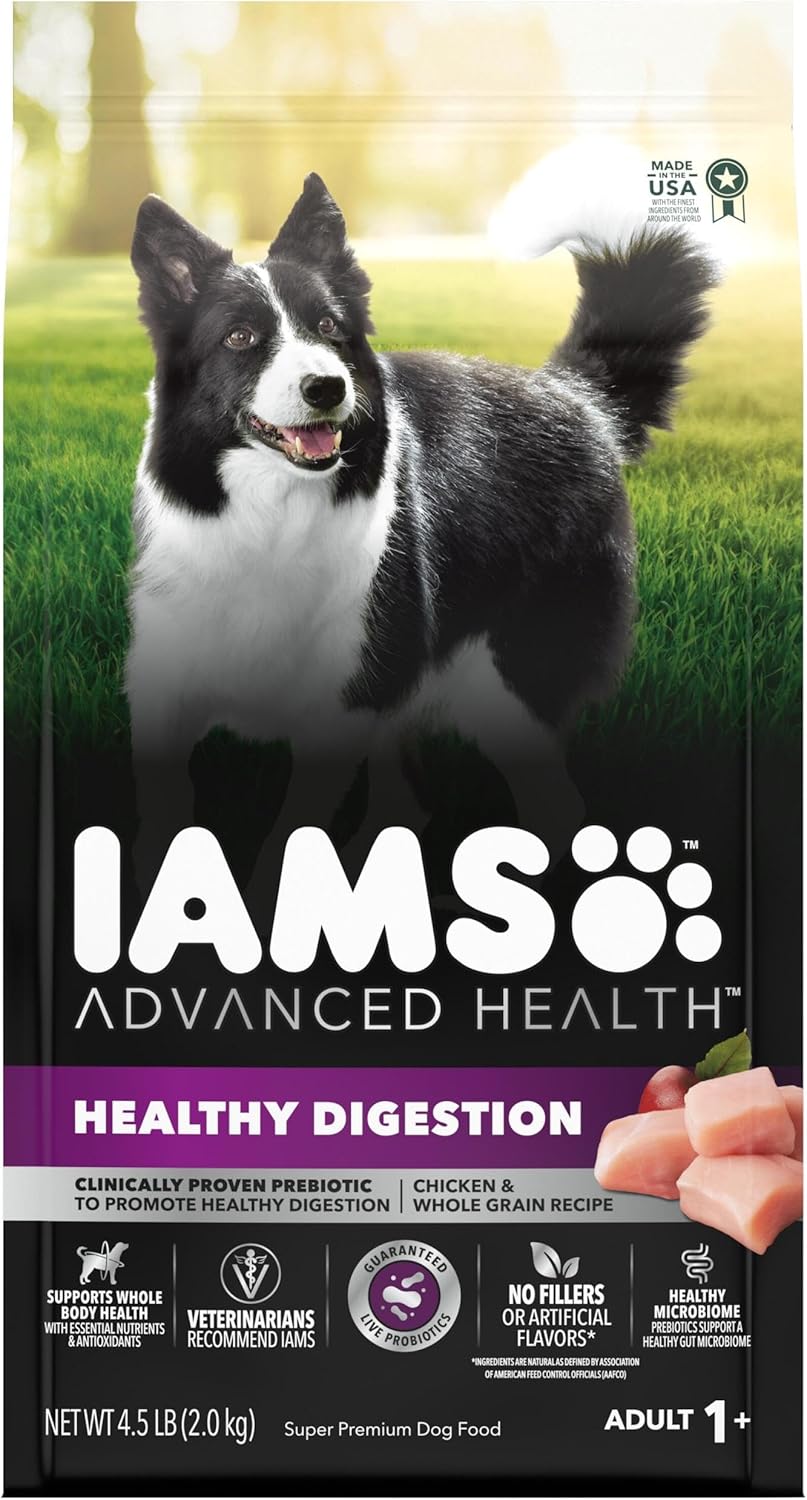
IAMS Advanced Health Healthy Digestion 4.5 lb
Best Budget Food for Boxer Colitis
| Flavor | Chicken |
|---|---|
| Age Range Description | Adult |
| Item Form | Dry Kibble |
| Specific Uses For Product | Digestive Health |
| Unit Count | 72 Ounce |
IAMS Advanced Health Healthy Digestion is a dry kibble aimed at supporting regularity and healthy stools through a fiber-forward recipe that includes beet pulp, prebiotics and guaranteed live probiotics. You feed it as an everyday adult maintenance diet and the package provides a clear feeding guide to adjust portions by weight and activity level. The formula lists real chicken first and avoids wheat, artificial flavors, and artificial preservatives, which helps keep ingredients straightforward for budget-conscious buyers. Practical benefits include easier stool consistency for dogs with mild digestive sensitivity and the convenience of a widely available kibble with nutrient targets for adult maintenance. Limitations to expect are that the ingredient panel includes chicken by-product meal and grain ingredients like corn and sorghum rather than novel or limited-ingredient proteins, so it is not tailored for dogs with specific protein or grain allergies. Also the 4.5 lb bag size is modest, so frequent repurchasing may be necessary for larger dogs or multi-dog households.
Best for: Owners who need an affordable, fiber-focused adult kibble that helps firm stools and supports routine digestive health without premium ingredient premiums.
Less Ideal for: Families seeking a grain-free, single-protein, or limited-ingredient diet for confirmed food allergies should consider alternatives designed for elimination diets.
- Blend of natural fiber and prebiotics to support digestion and stool regularity
- Real chicken listed as the primary ingredient for animal protein
- Includes guaranteed live probiotics for gut support
- Formulated without wheat, artificial flavors, or artificial preservatives
- Contains common grains and chicken by-product meal rather than novel or single-source protein
- Smaller 4.5 lb bag may require frequent repurchasing for larger dogs
Verdict: The best budget food for Boxer colitis gives owners a lower-cost option that still focuses on gentle, easily digestible ingredients and consistent stool-supporting nutrients without unnecessary extras.
KOHA Bland Diet Beef Dry Dog Food 56 oz
Best Limited-Ingredient Food

| Flavor | Beef |
|---|---|
| Item Form | Dry Kibble |
| Unit Count | 56 Ounce |
| Special Ingredients | Bone Broth, Brown Rice, Prebiotic, Probiotic, Pumpkin |
KOHA Bland Diet is a limited-ingredient dry kibble designed for dogs with sensitive stomachs or owners who prefer simple formulas. The recipe uses a single animal protein, beef, paired with brown rice and pumpkin for easy digestion and firmer stools, and each kibble is coated in bone broth to improve palatability. It includes prebiotics and probiotics to support gut health and adds omega-3 and omega-6 fatty acids for skin and coat support. The formula avoids common fillers and allergens such as corn, peas, potatoes, soy, and artificial colors or flavors, which makes it suitable as a daily maintenance diet for dogs prone to digestive upset. Practical limitations are that it is a single-protein beef recipe only, so dogs with beef-specific sensitivities or those needing a veterinary-prescribed therapeutic diet may need alternatives, and owners should monitor portions since higher-protein claims can affect caloric needs. For pet parents seeking a straightforward, easily readable ingredient list with digestive support features, this kibble is a sensible choice.
Best for: Buyers who need a simple, limited-ingredient daily kibble to manage mild to moderate food sensitivities and prioritize easily identifiable ingredients and digestive support.
Less Ideal for: Pet owners whose dogs are allergic specifically to beef or who require a veterinary-prescribed therapeutic formula for serious gastrointestinal disease should consider other options.
- Single animal protein formula to reduce ingredient exposure
- Includes pumpkin and brown rice for digestibility and stool regularity
- Contains prebiotics and probiotics to support gut microbiome
- Coated in bone broth to boost palatability
- Free from common fillers and artificial colors or flavors
- Only one protein option (beef), so not suitable for beef-allergic dogs
- Not marketed as a veterinary prescription therapeutic for severe clinical GI disorders
Verdict: The best limited-ingredient food minimizes protein and carbohydrate sources to reduce potential dietary triggers and make it easier to identify and avoid ingredients that worsen colitis.
Hill's Prescription Diet GI Biome Dry Dog Food
Best High-Fiber Food

| Flavor | Chicken |
|---|---|
| Item Form | Dry Food |
| Specific Uses For Product | Sensitive Stomach |
| Special Ingredients | Prebiotic |
| Animal Food Diet Type | Veterinary Diet |
Hill's Prescription Diet Gastrointestinal Biome is a veterinary therapeutic dry food meant to manage dogs with digestive upset and loose stool. It works as a daily feeding option under veterinary guidance, delivering a high-fiber recipe with a proprietary ActivBiome+ prebiotic blend that the brand says helps firm stool within 24 hours and reduces recurrence. The formula includes sources of soluble and insoluble fiber plus omega-3 fatty acids to support gut function and overall nutrition, and it is made in the U.S. with ingredients selected by Hill's nutritionists. Practical benefits include an evidence-backed focus on microbiome support and clear feeding and transition guidance for introducing the diet. Limitations are that it is a prescription-strength veterinary diet intended for dogs with GI issues, so it should be used under vet direction and may be more nutrient-specific than a general maintenance food, and some dogs may need a gradual transition if they are picky or have strong flavor preferences.
Best for: Buyers seeking a vet-formulated dry diet to manage active digestive upset and firm stools while maintaining daily nutrition for dogs.
Less Ideal for: Pet owners looking for a general everyday maintenance kibble for healthy dogs without GI issues or those who prefer an over-the-counter, non-therapeutic formula.
- Clinically shown formula aimed at firming loose stool quickly with ActivBiome+ prebiotic technology
- High-fiber blend designed to support regular bowel movements and reduce recurrence of diarrhea
- Includes omega-3 fatty acids (DHA and EPA) that support gut and overall health
- Formulated by Hill’s nutritionists and veterinarians and made in the USA
- Therapeutic veterinary diet intended for use under veterinary supervision rather than casual maintenance feeding
- May not suit picky eaters because of its focused formulation and flavor profile
Verdict: The best high-fiber food provides targeted soluble and insoluble fiber to help normalize stool consistency, support colonic health, and reduce flare-ups in dogs with chronic colitis.
Royal Canin Digestive Care Wet Dog Food
Best Wet Food

| Flavor | Chicken |
|---|---|
| Item Form | Pate |
| Specific Uses For Product | Digestive Health |
| Animal Food Diet Type | Veterinary Diet |
| Number of Items | 12 |
This canned wet formula is designed for adult dogs with sensitive stomachs and is typically fed as a meal or mixed into dry food to increase moisture and improve palatability. The loaf-in-sauce texture and veterinary diet formulation emphasize high digestibility and support for balanced intestinal flora, which helps produce firmer, more regular stools. It is often used by owners as a short-term sensitive-stomach solution or as a regular part of a rotation to add variety and extra hydration, and it pairs easily with the brand's dry Digestive Care kibble. Practical benefits include targeted digestive support from a brand with veterinary formulation and a texture that tends to appeal to picky eaters, while limitations are that it is a veterinary-style diet so buyers should follow feeding guidance and consult a vet for long-term digestive issues, and the ingredient list includes by-products and fillers that some owners prefer to avoid.
Best for: Dog owners seeking a palatable wet option to manage digestive sensitivities or to boost hydration and meal appeal for a Dalmatian that is a picky eater.
Less Ideal for: Owners looking for grain-free or whole-meat-only wet foods, or those who prefer an all-natural ingredient list without by-products.
- Highly digestible formula formulated to support digestive health and balanced intestinal flora
- Loaf-in-sauce texture improves palatability and increases moisture for hydration
- Designed by veterinarians and nutritionists as a veterinary diet targeting sensitive stomachs
- Pairs well with dry food to add variety and help picky eaters accept meals
- Contains meat by-products and some fillers that some owners may wish to avoid
- Veterinary diet approach may require vet guidance for long-term use
Verdict: The best wet food is a moist, highly palatable option that can be gentler on the digestive tract and helpful for dogs who need extra hydration or find dry kibble irritating.
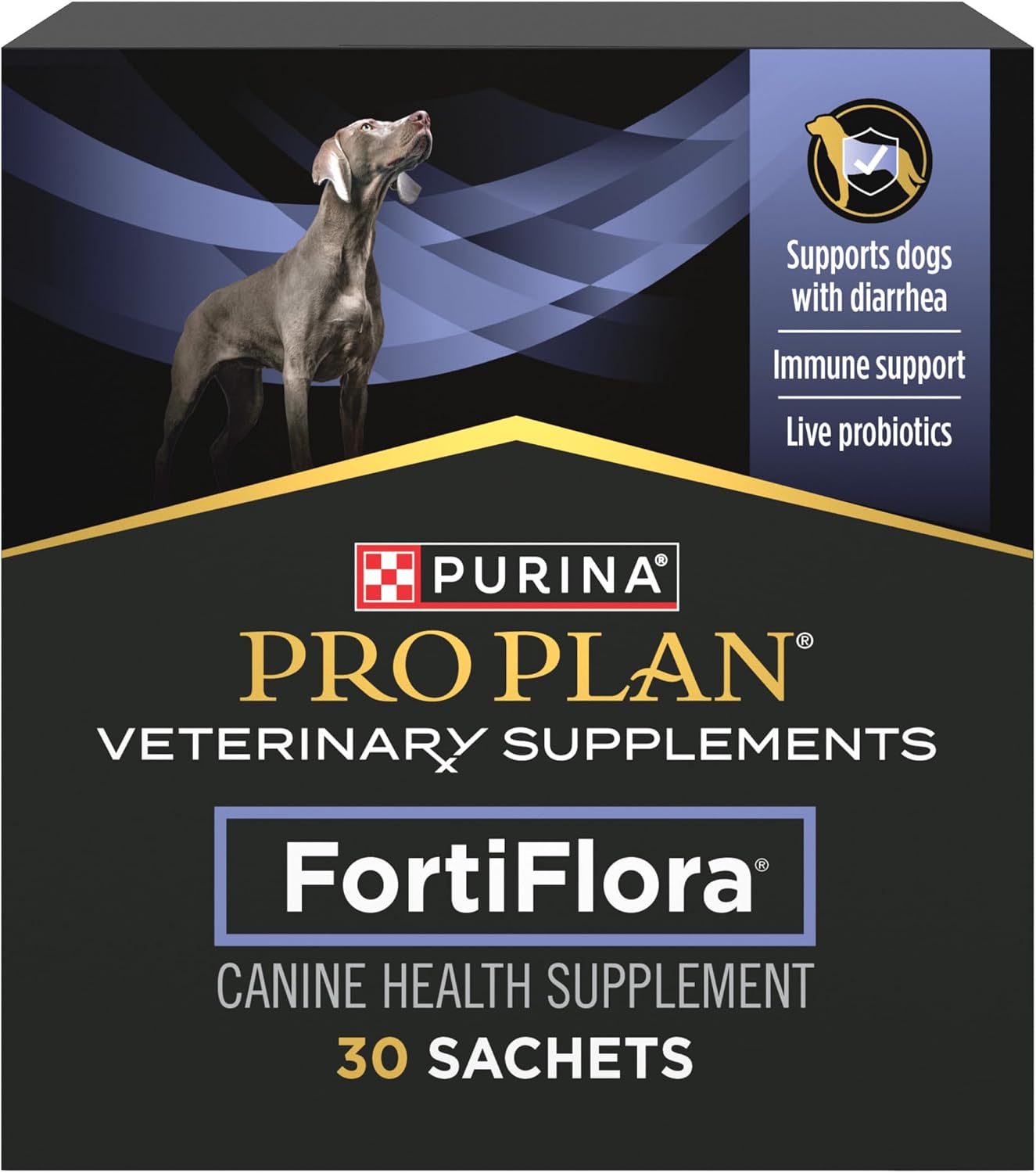
Pro Plan FortiFlora Probiotic Powder
Best Probiotic-Enriched Food
| Item Form | Powder |
|---|---|
| Flavor | Unflavored |
| Active Ingredients | Enterococcus Faecium SF68 1×10^8 CFU |
| Specific Uses For Product | Digestive Health; Gastrointestinal; Probiotics |
Purina Pro Plan FortiFlora is a single-serve powdered probiotic intended to be sprinkled on a dog's food to support intestinal microflora and help manage occasional diarrhea. Each packet delivers a guaranteed level of Enterococcus faecium SF68 and uses microencapsulation to preserve probiotic viability until it reaches the gut, plus antioxidants to support immune health. It is simple to dose—feed one packet daily or follow your veterinarian's instructions—so administration is quick for both puppies and adult dogs. The powder form is easy to mix into wet or dry food and is unflavored, relying on included liver flavoring to encourage acceptance. Practical limitations include small packet size that means you'll need to buy in multi-count boxes for long-term use and that it is a targeted digestive aid rather than a comprehensive multi-supplement for other conditions. For pet owners wanting a vet-trusted, easy-to-use probiotic focused on digestive balance, FortiFlora is a reliable, straightforward option.
Best for: Buyers who want a vet-endorsed, easy-to-dose probiotic to manage occasional digestive upsets and prioritize proven effectiveness and straightforward administration.
Less Ideal for: Owners seeking a broader daily multivitamin or joint-and-digestive combination supplement should consider products formulated for multiple concerns rather than a single-purpose probiotic.
- Veterinarian-recommended strain proven to promote normal intestinal microflora
- Microencapsulation for probiotic stability through the digestive tract
- Single-serve powder that is easy to sprinkle on food and simple to dose
- Formulated for both puppies and adult dogs and intended for occasional diarrhea management
- Small unit count per package requires frequent repurchasing for ongoing use
- Focused specifically on digestive support and not a multi-purpose supplement
Verdict: The best probiotic-enriched food contains clinically chosen probiotic strains and prebiotic fibers to support a balanced gut microbiome and improve digestion for dogs with colitis.
Open Farm GoodGut Dry Dog Food 3.5lb
Best Premium Food

| Flavor | Salmon |
|---|---|
| Item Form | Dry Kibble |
| Age Range Description | All Life Stages |
| Unit Count | 56 Ounce |
Open Farm GoodGut is a kibble-based dry dog food built around digestive health, pairing traditional dry pieces with freeze-dried raw cubes for texture and palatability. It delivers a three-part pre, pro, and postbiotic system with 12 probiotic strains and about 2 billion CFUs per pound, which is intended to support microbiome balance and reduce gas in dogs that respond to live cultures. Wild-caught salmon is the primary protein, contributing omega fatty acids for skin and coat, and the formula includes fiber sources like psyllium, pumpkin, and dried chicory root to aid stool quality. Use it as a complete diet for puppies through seniors, gradually switching over 7 to 10 days and following the package feeding guidelines by activity level. Important limitations: probiotic doses are given per pound of food rather than per serving, so actual CFUs your dog consumes vary with portion size, and dogs with severe or non-dietary causes of gas may need veterinary diagnostics beyond dietary change. The product is convenient to store and does not require refrigeration after opening.
Best for: Dog owners prioritizing digestive support who want a complete daily kibble that includes live cultures and digestive-friendly ingredients to help reduce gas when the issue responds to probiotics.
Less Ideal for: Owners whose dogs have chronic or severe gastrointestinal conditions that require prescription therapeutic diets or veterinary-directed treatment should look elsewhere.
- Multi-strain probiotic system (12 strains) with 2 billion CFUs per pound for microbiome support
- Includes freeze-dried raw cubes mixed into kibble to boost palatability and texture variety
- Wild-caught salmon as primary protein for omega-3s benefiting skin and coat
- Fiber sources like psyllium, pumpkin, and chicory to support digestion and stool quality
- CFU count reported per pound of food rather than per serving, so actual dose varies by feeding portion
- Not a targeted medical diet, so may be insufficient for dogs with underlying GI disease
Verdict: The best premium food delivers advanced formulations, higher-quality ingredients, and extra digestive-support features for owners willing to invest in optimized nutrition and long-term gut health.
Choosing the Right Dog Food Boxer Colitis: Key Factors to Consider
Digestibility
Highly digestible ingredients reduce the amount of undigested material reaching the colon, which can lower fermentation and irritation. For boxers with colitis, look for foods formulated with readily digestible protein sources and gentle carbohydrates such as rice or purified starches.
Digestibility affects how much stool volume and odor a food produces, and easier-to-digest diets tend to result in firmer, more consistent stools. When a food lists hydrolyzed proteins or single-source, identifiable proteins, that can make digestion smoother and make elimination trials simpler if sensitivities are suspected.
Fiber Type and Balance
The ratio of soluble to insoluble fiber strongly influences stool consistency. Soluble fibers (like beet pulp, psyllium, or certain prebiotics) can help thicken loose stools by absorbing water and feeding beneficial microbes, while insoluble fibers speed transit and add bulk.
For colitis management you usually want a moderate total fiber with an emphasis on soluble fiber to stabilize stool without causing constipation. Excessive insoluble fiber may irritate the colon and worsen symptoms in sensitive dogs. Check ingredient lists and guaranteed analysis to understand the fiber profile.
Protein Source and Novelty
Protein choice matters because food-responsive colitis can be driven by food sensitivities. Single-protein or limited-ingredient formulas make it easier to identify triggers during an elimination trial. Novel proteins can be useful if a dog has developed sensitivities to common proteins, but novelty is only helpful when the overall formula is simple and consistent.
Avoid formulas that mix many protein sources, which complicates diagnosis and can perpetuate low-grade immune reactions. Also consider protein level: extremely high-protein diets may be harder to digest for some dogs with intestinal inflammation.
Prebiotics and Probiotics
Prebiotics and probiotics can support a healthier gut microbiome, helping maintain remission in some dogs with colitis. Prebiotics like fructooligosaccharides and certain fermentable fibers feed beneficial bacteria, while probiotics supply live microbes that may aid digestion and immune regulation.
Not every dog responds to supplements the same way, and dosage and strain matter. Foods that include vetted probiotic strains or well-characterized prebiotics can offer ongoing support, but any addition should be discussed with your veterinarian.
Fat Content
Fat is calorie-dense and palatable, but high fat can worsen stool quality and trigger bouts of diarrhea or pancreatitis in susceptible dogs. For boxers with colitis, a moderate and controlled fat level is usually best to provide energy without overloading the gut.
If your dog has a history of fat-sensitive episodes, choose a lower-fat formula or work with your veterinarian to adjust fat intake while ensuring adequate calories from protein and digestible carbohydrates.
Ingredient Transparency and Manufacturing Quality
Clear, specific ingredient lists and credible manufacturing quality reduce the risk of unexpected contaminants or batch variability that can trigger flares. Labels that list named meat meals, single protein sources, and limited filler ingredients make it easier to manage an elimination diet.
Consistent manufacturing practices and clear sourcing statements are important because even minor changes in ingredient suppliers or formulations can affect sensitive dogs. Favor foods with clear analytics and reproducible recipes to minimize surprises during long-term feeding.
How Quickly Should I Expect Improvement After Switching Foods?
Response time varies by dog, but you can usually expect to see changes in stool quality within a few days to two weeks after switching to a better-suited diet. Full stabilization may take longer, particularly when the gut microbiome needs time to rebalance.
If you do not see steady improvement after two to four weeks, or if symptoms worsen, pause the trial and consult your veterinarian. Rapid changes in diet can also provoke transient diarrhea, so gradual transitioning is often recommended unless a veterinary professional advises an immediate switch.
- Minor improvement: 3–7 days
- Noticeable stabilization: 2–4 weeks
- When to seek help: severe or bloody diarrhea, prolonged vomiting, or marked lethargy
Should I Use a Prescription Gastrointestinal Diet or a Veterinary-recommended Commercial Formula?
Prescription gastrointestinal diets are formulated to be highly digestible and nutritionally complete for therapeutic use, and they can be appropriate for dogs with moderate to severe colitis or when a veterinarian recommends tightly controlled nutrition. Over-the-counter commercial formulas designed for sensitivity can also be effective for milder cases or for long-term maintenance when clinical signs are stable.
Work with your veterinarian to match the diet intensity to the severity of symptoms. For chronic or recurrent colitis, a prescription option may be the safer route because those diets are developed specifically to manage intestinal inflammation and nutrient absorption concerns.
- Prescription diets: best for moderate to severe cases or when clinical monitoring is required
- Commercial sensitive formulas: suitable for maintenance or mild cases under supervision
How to Run an Elimination Trial for Suspected Food Triggers
An elimination trial involves feeding a single-protein, single-carbohydrate diet for several weeks to see if symptoms resolve. During the trial, avoid treats, table scraps, flavored medications, or supplements that could reintroduce potential triggers. A typical trial lasts 8 to 12 weeks to allow time for the gut to heal and respond.
If symptoms improve, you can reintroduce one ingredient at a time to identify the trigger. Document reactions carefully and work with your veterinarian to plan reintroduction safely. If there is no improvement, further diagnostic testing may be needed to rule out other causes of colitis.
- Trial length: 8–12 weeks
- Reintroduction: one ingredient every 1–2 weeks while monitoring stool and behavior
- Avoid: treats, flavored supplements, and shared family foods during the trial
Managing Flare-ups with Diet and Simple Home Care
During a flare-up, prioritize gentle, easily digestible meals and keep your dog hydrated. Smaller, more frequent feedings can be easier on the stomach than one large meal. Plain, bland options that are nutritionally complete and formulated for gastrointestinal sensitivity can reduce irritation while you consult your veterinarian.
Monitor for warning signs such as blood in the stool, repeated vomiting, or lethargy, which require prompt veterinary attention. If your dog has a history of severe flares, have a plan with your veterinarian for when to switch diets, start supportive therapy, or pursue diagnostics.
- Feeding approach: smaller, frequent meals
- Hydration: offer fresh water and monitor intake
- When to act: persistent symptoms or systemic signs like fever or weakness
Can Supplements Help My Boxer with Colitis?
Certain supplements can support gut health, but they are not a substitute for an appropriate base diet. Probiotics may help stabilize the microbiome for some dogs, and soluble fiber supplements can aid stool formation. Digestive enzyme supplements can assist dogs that struggle with nutrient absorption.
Always discuss supplements with your veterinarian before starting them, as some may interfere with medications or be inappropriate during active inflammation. Dose, strain, and product quality matter for effectiveness.
- Probiotics: may reduce recurrence in some dogs
- Soluble fiber: helps thicken loose stools
- Enzymes: considered when reduced digestion is suspected
Tips for Switching Foods Without Causing More Upset
Transition slowly over 7–10 days by mixing increasing amounts of the new food with the old to reduce the chance of transient diarrhea. If your veterinarian instructs an abrupt switch for medical reasons, monitor closely for any negative reactions and be prepared to revert if severe symptoms occur.
Keep feeding times, bowl location, and water availability consistent during the transition. Record stool quality and any behavioral changes so you can report accurate observations at follow-up visits.
- Standard transition: 7–10 days
- Record keeping: note stool frequency, consistency, appetite, and energy
- When abrupt change is needed: inform your veterinarian and monitor carefully
How We Chose the Best Dog Food Boxer Colitis
We focused on practical, veterinary-informed criteria that reflect what owners and clinicians prioritize when managing colitis in boxers. Primary evaluation points included protein and carbohydrate digestibility, soluble and insoluble fiber balance, presence and quality of prebiotic and probiotic support, and absence of common dietary irritants such as unnecessary fillers or multiple novel proteins. We also assessed guaranteed analysis values (protein, fat, fiber) to ensure each food supports energy needs without worsening stool issues, and examined formulation transparency and ingredient sourcing statements. Excluded from our list were foods with vague ingredient panels, unbalanced fiber content likely to worsen diarrhea, and formulations that relied on overly complex protein blends that can be harder to troubleshoot during elimination trials. We prioritized recipes designed for gastrointestinal sensitivity, those that emphasize single or limited protein sources, and options that include soluble fiber or clinically studied gut-support ingredients. Finally, practical factors such as kibble size and texture for brachycephalic head shapes were considered when relevant for boxers.
Our full evaluation process is outlined in our review methodology.
FAQ
How long does it take to see results after switching to a colitis-friendly food?
Some dogs show stool improvement within a few days, but stable results often take two to four weeks. Complete resolution of symptoms can take longer, especially if the microbiome needs time to rebalance.
Is canned or dry food better for a dog with colitis?
Either can work when the formula is appropriate; the key is ingredient quality and digestibility. Canned food tends to be higher in moisture and may be gentler for some dogs, while dry food can be convenient and consistent.
Can I give my dog treats during an elimination trial?
No. Treats can contain hidden proteins or additives that confound an elimination trial. Use only the approved trial food and veterinarian-approved supplements during the testing period.
Will probiotics always help a dog with colitis?
Not always. Probiotics can help some dogs but results depend on strain, dose, and the individual dog's microbiome. Discuss options with your veterinarian and consider products with documented strains and dosing.
When should I see a veterinarian about colitis symptoms?
See a veterinarian promptly if your dog has bloody diarrhea, repeated vomiting, fever, marked lethargy, or signs of dehydration. For ongoing or recurrent colitis, schedule an appointment to investigate underlying causes and create a feeding plan.
Final Verdict
Choose a food that prioritizes digestibility, a sensible balance of soluble fiber, and a clear, limited ingredient list to make management and troubleshooting straightforward. Be realistic about tradeoffs: very restrictive diets can improve symptoms but may be harder to sustain, while broader formulas may be convenient but less diagnostic. Work closely with your veterinarian to match the diet to your boxer's clinical severity, and plan for an elimination trial or therapeutic feeding when needed to find the most reliable long-term option.

