

If your bulldog struggles with food sensitivities, choosing the right food can reduce scratching, digestive upset, and repeated vet visits. Bulldogs have unique body composition and a tendency toward skin and gut reactions, so a formula that addresses both digestibility and limited ingredients makes daily care easier. This guide highlights seven top foods that are well suited to bulldogs with allergies and explains the criteria used to shortlist them. You will find options focused on hypoallergenic protein sources, simple ingredient lists, and formulas that support skin and stool health. Use the evaluation notes and buying factors below to match a food to your dog's specific symptoms and vet recommendations.
Top Picks at a Glance
| Best Overall Dog Food for Bulldogs with Allergies A well-rounded allergy-friendly formula that suits most bulldogs | Royal Canin French Bulldog Adult 6 lb |  |
| Best Budget Dog Food for Bulldogs with Allergies An affordable allergy-conscious option that still meets basic needs | IAMS Proactive Health Sensitive Skin & Stomach 4.5 lb |  |
| Best Limited-Ingredient Dog Food A short, focused ingredient list to reduce allergy triggers | Natural Balance Limited Ingredient Salmon & Sweet Potato |  |
| Best Novel-Protein Dog Food Uses uncommon proteins to avoid typical allergy-causing ingredients | A Better Treat Duck Freeze-Dried Dog Food 12 lb |  |
| Best Grain-Free Dog Food A grain-free formulation for dogs sensitive to grains or carbs | ORIJEN Small Breed Dry Dog Food 4 lb |  |
| Best Wet Dog Food Moist, palatable formulas that can be easier on sensitive digestion | Purina Pro Plan Sensitive Salmon & Rice |  |
| Best Premium Dog Food Higher-end formulations emphasizing novel ingredients and superior sourcing | The Honest Kitchen Wholemade Fish 10 lb |  |
Royal Canin French Bulldog Adult 6 lb
Best Overall Dog Food for Bulldogs with Allergies
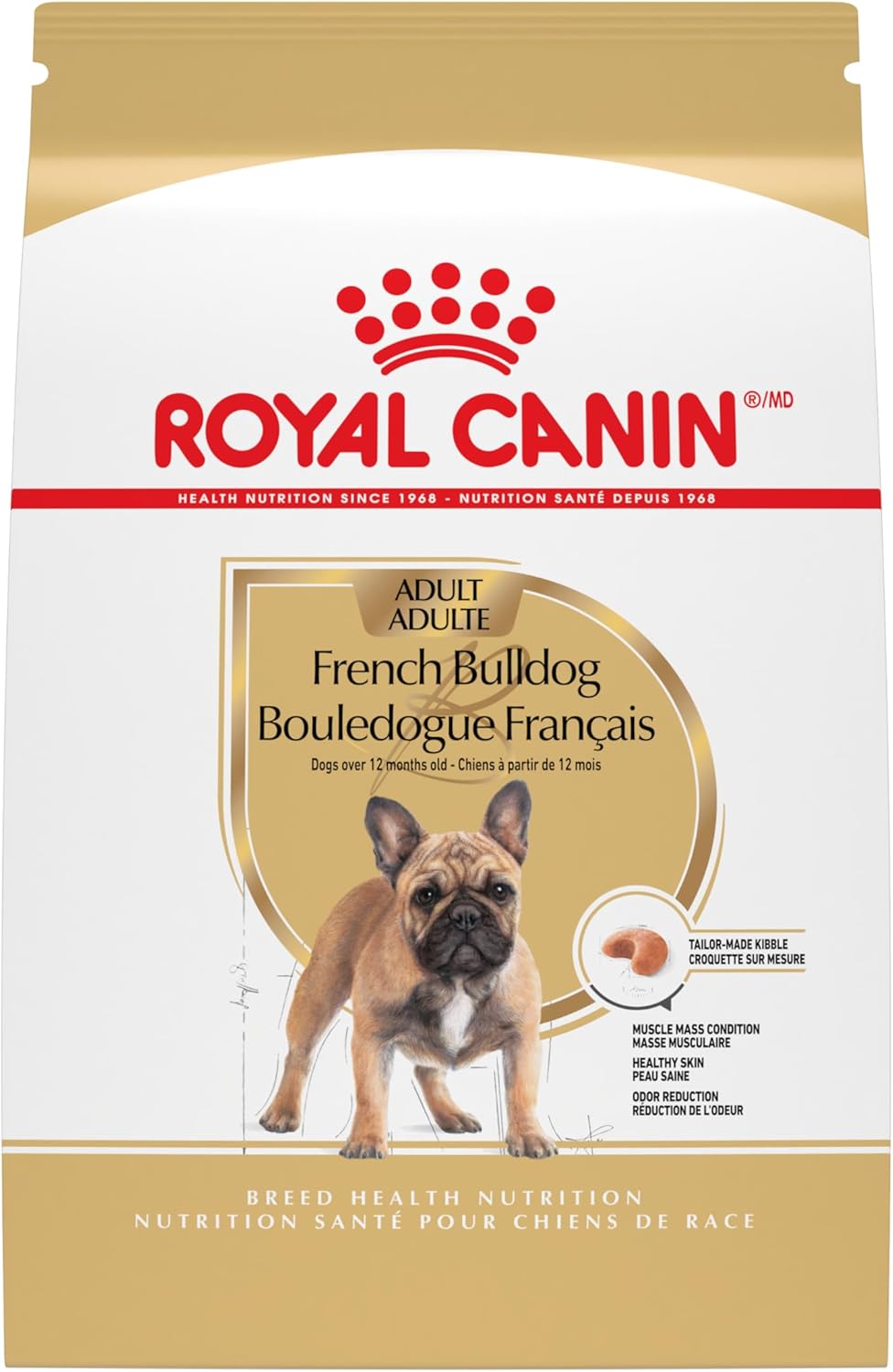
| Breed Recommendation | French Bulldog |
|---|---|
| Age Range | Adult (12 months+) |
| Item Form | Kibble |
| Flavor | Chicken |
| Unit Count | 96 Ounce |
Royal Canin French Bulldog Adult is a breed‑specific dry formula designed for adult French Bulldogs that combines a curved kibble shape with targeted nutrition to support muscle tone, skin barrier, and digestion. The kibble shape makes it easier for short-muzzled dogs to pick up and chew, while protein and added L‑carnitine support lean muscle maintenance. The formula includes highly digestible proteins, precise fiber levels, and ingredients to help reduce flatulence and unpleasant stool odors, which is useful for dogs with sensitive digestion or mild food reactions. It also contains nutrients focused on skin health to help maintain the skin barrier. Practical benefits include consistent daily feeding with a product tailored to brachycephalic jaw shape and digestive sensitivity. Limitations for allergy‑focused buyers: the ingredient list contains common animal proteins, wheat, and poultry by-products, so it is not a novel-protein or grain-free hypoallergenic prescription and may not suit dogs with identified sensitivities to those ingredients.
Best for: Buyers who need a breed‑specific, digestible daily food for adult French Bulldogs and prioritize kibble shape and nutrients that support muscle, skin, and digestive comfort for routine feeding.
Less Ideal for: Owners whose bulldogs have confirmed allergies to chicken, wheat, or common animal proteins or who require a novel‑protein or prescription elimination diet should consider alternative hypoallergenic formulas.
- Kibble shaped for short muzzles making pickup and chewing easier
- Includes protein and L‑carnitine to support muscle tone
- Formulated to support digestive health and reduce flatulence
- Contains nutrients aimed at supporting the skin barrier and coat health
- Contains common proteins, wheat, and chicken by-products that can trigger food allergies in sensitive dogs
- Not a novel-protein or grain-free formula for elimination diets
Verdict: The best overall dog food for bulldogs with allergies balances digestibility, allergy-safe ingredients, appropriate calorie density for the breed, and palatability for everyday feeding.
IAMS Proactive Health Sensitive Skin & Stomach 4.5 lb
Best Budget Dog Food for Bulldogs with Allergies

| Flavor | Salmon |
|---|---|
| Age Range Description | Adult |
| Item Form | Dry Kibble |
| Specific Uses For Product | Digestive Health, Sensitive Skin, Sensitive Stomach |
| Unit Count | 72 Ounce |
IAMS Proactive Health Sensitive Skin & Stomach is a salmon-forward dry kibble aimed at adult dogs with sensitive skin or stomachs. You feed it like any everyday dry food and the bag is designed for standard portioning using the package feeding guidelines; the label also recommends a gradual four-day transition. Notable features include real salmon as the number one ingredient, a chicken-free formulation to reduce common protein triggers, added prebiotic fiber and highly digestible components for digestive support, and a clinically balanced omega-6 to omega-3 ratio to help skin and coat. The recipe is complete and balanced for adults and includes vitamins, minerals, and antioxidants for overall vitality. On the practical side this is an affordable, vet-recommended brand offering a straightforward sensitive-care formula without specialty proteins or prescription-only claims. Limitations are that the formula still lists barley and egg as allergens, and trace cross-contact with chicken is possible, so it is not suitable for dogs with strict single-protein elimination needs or confirmed allergies to listed ingredients.
Best for: Owners looking for an affordable, everyday dry formula that improves digestive comfort and skin condition for adult dogs with mild food sensitivities and no need for single-protein prescriptions.
Less Ideal for: Families whose dogs require strict single-protein elimination, have confirmed allergies to listed ingredients, or need veterinary-prescribed therapeutic diets should choose alternatives.
- Real salmon listed as the first ingredient for animal protein focus
- Chicken-free primary recipe to reduce common sensitivity triggers
- Formulated with prebiotic fiber and highly digestible ingredients to support digestion
- Balanced omega-6 and omega-3 ratio to help skin and coat condition
- Complete and balanced for adult dogs with added antioxidants for immune support
- Contains barley, egg, and other potential allergens that may affect some sensitive dogs
- Manufacturer notes possible trace cross-contact with chicken, so not suitable for strict elimination diets
Verdict: The best budget dog food for bulldogs with allergies offers simpler, hypoallergenic ingredient choices and acceptable nutrition at a lower price for owners on a tighter budget.
Natural Balance Limited Ingredient Salmon & Sweet Potato
Best Limited-Ingredient Dog Food

| Flavor | Salmon & Sweet Potato |
|---|---|
| Item Form | Pellet |
| Animal Food Diet Type | Limited Ingredient |
| Unit Count | 64 Ounce |
| Breed Recommendation | Small Breeds |
This Natural Balance Limited Ingredient Salmon & Sweet Potato recipe is a grain-free dry food designed for small-breed adult dogs and dogs with simplified dietary needs. It uses salmon and salmon meal as the primary animal proteins and a short ingredient list intended to reduce exposure to common irritants like corn, wheat, and soy. In everyday use it serves as a complete daily feed for small dogs and can also be used during an elimination trial because the formula focuses on a single animal protein and limited carbohydrate sources such as sweet potato and potato. Practical benefits include ingredients chosen to support digestion and skin and coat health, added vitamins and minerals for balanced nutrition, and convenient bagged packaging for daily feeding. Limitations to note are that this is a small-breed formula so kibble size and nutrient balance are aimed at smaller dogs, and while the ingredient list is simplified it still contains items like yeast, canola oil, and mixed tocopherols that some owners may avoid during strict elimination diets.
Best for: Owners of Miniature Schnauzers who suspect ingredient sensitivities and want a short, single-protein diet tailored to small-breed needs and easy use during an elimination trial.
Less Ideal for: Families needing a truly novel-protein or prescription hypoallergenic formula for medically diagnosed food allergies, or owners of medium and large breeds seeking a different nutrient profile.
- Single primary animal protein (salmon) which simplifies ingredient exposure during elimination trials.
- Grain-free formula with no corn, wheat, or soy listed to reduce common dietary irritants.
- Formulated for small breeds with nutrients to support skin, coat, and digestive health.
- Includes added vitamins, minerals, and salmon meal for balanced daily nutrition.
- Formulated specifically for small breeds, so nutrient profile and kibble size may not suit larger dogs.
- Contains multiple non-protein ingredients (dried yeast, canola oil, mixed tocopherols) that could still trigger sensitivities in highly reactive dogs.
Verdict: The best limited-ingredient dog food minimizes potential allergens with a concise ingredient list and predictable nutrition to help identify and manage food sensitivities.
A Better Treat Duck Freeze-Dried Dog Food 12 lb
Best Novel-Protein Dog Food

| Flavor | Duck |
|---|---|
| Age Range Description | All Life Stages |
| Item Form | Pellet |
| Unit Count | 192 Ounce |
| Animal Food Diet Type | Raw |
This duck-first, grain-free kibble is formulated for dogs with protein sensitivities and mixes freeze-dried raw duck, pumpkin, and green beans into a probiotic-fortified pellet to support digestion. In daily use you feed it like a standard dry food while the visible freeze-dried pieces provide an additional raw-protein boost and can help entice picky eaters. Notable features include duck as the only animal protein, added probiotics and prebiotics from pumpkin and sweet potato, and a resealable bag for convenience. Practical benefits for allergy-prone bulldogs are easier ingredient tracking, reduced exposure to common triggers like chicken and meal ingredients, and potentially gentler digestion thanks to added fiber and fermentable ingredients. Limitations are that it is a higher-end formulation that may be richer than some dogs are used to, and dogs with legume sensitivities should be checked because chickpeas and lentils appear in the ingredient list.
Best for: Buyers seeking a novel-protein, allergy-friendly option for bulldogs that need to avoid common proteins and benefit from added digestive support.
Less Ideal for: Owners whose dogs have known sensitivities to legumes or who need a low-cost staple diet should consider alternative formulations.
- Uses duck as the only animal protein to reduce common protein allergens
- Includes visible freeze-dried raw pieces for higher nutrient retention and palatability
- Formulated with probiotics and natural prebiotics to support digestive health
- Grain-free recipe and no meal ingredients for simpler ingredient profile
- Contains legumes (chickpeas, lentils) which can be problematic for dogs sensitive to pulses
- Larger 12 lb bag may be expensive compared with standard dry foods
Verdict: The best novel-protein dog food relies on uncommon protein sources to provide complete nutrition while avoiding proteins that commonly trigger allergic reactions in sensitive bulldogs.
ORIJEN Small Breed Dry Dog Food 4 lb
Best Grain-Free Dog Food

| Flavor | Grain Free Small Breed Dog Recipe |
|---|---|
| Item Form | Dry Kibble |
| Age Range Description | All Life Stages |
| Unit Count | 64 Ounce |
ORIJEN Small Breed is a premium, grain-free dry dog food designed specifically for small dogs and all life stages. It delivers a very high proportion of animal ingredients, with the first five components listed as fresh or raw poultry and fish and an overall WholePrey approach that includes meats, organs, and bones to supply naturally occurring nutrients. The kibble is shaped for small mouths and is coated with freeze-dried bits for added flavor, making it suitable for picky eaters. Typical use is twice-daily feeding adjusted to activity and body condition, and the formulation emphasizes protein density to support lean muscle, skin and coat health, and digestive balance. Practical benefits include limited reliance on synthetic additives, a broad spectrum of animal-sourced nutrients, and ingredient sourcing from reputable regions. Important limitations are that it is grain-free which may not be necessary for every dog, and the richer formula can require careful portion control during transitions to avoid digestive upset or excess calories in less active pets.
Best for: Owners who prioritize premium animal proteins, carefully sourced ingredients, and advanced nutrition to support long-term health and coat condition in small-breed dogs.
Less Ideal for: Owners looking for a low-calorie, grain-inclusive diet or those whose dogs have no specific need for a high-protein, grain-free formula.
- Very high animal-ingredient content with whole meats and organs for nutrient density
- Kibble shape and size tailored for small-breed mouths
- Includes freeze-dried coating to boost palatability for picky eaters
- Formulated for all life stages supporting skin, coat, and digestive health
- Grain-free, protein-rich formula may be more than some small dogs need calorie- and digestion-wise
Verdict: The best grain-free dog food removes common cereal grains and focuses on alternative carbohydrate and protein sources for bulldogs whose allergies seem grain-related.
Purina Pro Plan Sensitive Salmon & Rice
Best Wet Dog Food

| Flavor | Salmon & Rice |
|---|---|
| Item Form | Pate |
| Age Range Description | Adult |
| Number of Items | 12 |
| Unit Count | 156 Ounce |
Purina Pro Plan Sensitive Skin & Stomach Salmon & Rice is a moisture-rich canned pate designed for adult dogs with digestive or skin sensitivities. It uses real salmon and easily digestible rice as primary ingredients and adds natural prebiotic fiber to support gut bacteria, plus linoleic acid to help skin and coat health. The formula is high in protein to help maintain lean muscle and provides 23 essential vitamins and minerals for complete and balanced nutrition. In practice this product works well as a primary wet diet or mixed with dry food to increase palatability and moisture intake, and its pate texture is easy for small dogs or those with dental issues to eat. It contains no artificial colors, flavors, or preservatives and is labeled allergen-free with no wheat or soy. One limitation is that it is a veterinary diet style formula—buyers should confirm suitability with their veterinarian for ongoing therapeutic needs, and like many canned foods it may be more expensive per calorie than dry kibble for long-term feeding plans.
Best for: Owners seeking a moisture-rich, easy-to-eat wet diet for small adult dogs with sensitive digestion or reduced appetite who prioritize digestive support and skin health.
Less Ideal for: People looking for a budget primary diet for large-breed dogs or those who prefer dry-only feeding without veterinary-style formulations.
- Real salmon and digestible rice base for palatable, gentle digestion
- Includes natural prebiotic fiber to support intestinal bacteria
- Linoleic acid to help support skin and coat health
- Pate texture is easy for small dogs and dogs with dental issues to eat
- Complete and balanced with 23 vitamins and minerals for adult maintenance
- Packaged as a case of 12 which may be bulky for single-dog households
- Formulated as a specialized veterinary-style diet so check with a vet for long-term use
Verdict: The best wet dog food for bulldogs with allergies offers higher moisture and gentle textures that can improve palatability and digestion for picky or sensitive dogs.
The Honest Kitchen Wholemade Fish 10 lb
Best Premium Dog Food

| Flavor | Fish |
|---|---|
| Item Form | Dry |
| Special Ingredients | limited-ingredients |
| Container Type | Carton |
| Animal Food Diet Type | Limited Ingredient |
The Honest Kitchen Wholemade Fish is a dehydrated, human-grade dog food concentrated from six primary ingredients with wild-caught white fish as the single protein source. It is designed to be rehydrated with warm water in about three minutes and can be served as a complete meal, a topper, or mixed into enrichment toys. Because it is gently dehydrated and shelf stable, the product is compact for storage and travel while expanding into a larger volume of fresh-feeling food when prepared. The limited-ingredient formula emphasizes digestible whole foods like pumpkin and chickpeas to support digestion and reduce common dietary triggers, and the absence of grains, meat meals, artificial preservatives, and soy helps minimize allergen exposure. Practical limitations include the prep step of adding warm water and the need to account for the rehydrated volume when feeding and storing open boxes. For bulldogs with sensitivities, the single-source fish protein and minimal ingredient list make this a sensible premium option when owners are willing to rehydrate meals for higher-quality ingredients.
Best for: Owners of bulldogs who prioritize premium, human-grade ingredients and need a limited-ingredient diet to manage food sensitivities and allergic triggers, and who are willing to rehydrate meals regularly.
Less Ideal for: Busy owners who need purely ready-to-serve kibbles with no prep or those who cannot accommodate the extra storage and portioning of rehydrated food.
- Human-grade ingredients and made in a human food facility
- Single source protein from wild-caught white fish reduces cross-protein triggers
- Limited 6-ingredient formula lowers exposure to common allergens
- Shelf-stable, compact box that rehydrates into a larger volume of fresh-feeling food
- Requires adding warm water and a short wait time before serving
- 10 lb box must be portioned and stored carefully after opening
Verdict: The best premium dog food prioritizes high-quality, carefully sourced ingredients, advanced formulations, and rigorous testing to minimize allergens and maximize nutrition for sensitive bulldogs.
Choosing the Right Dog Food Bulldog Allergy: Key Factors to Consider
Protein Source and Novelty Proteins
The protein source is the most common dietary trigger for allergic reactions, so choosing a single, novel, or hydrolyzed protein can reduce immune responses. Novel proteins are ones your dog has not been commonly exposed to and may include venison, duck, or rabbit. Hydrolyzed proteins are broken into smaller fragments that are less likely to trigger an immune reaction.
When evaluating labels, look for one named animal protein rather than multiple unnamed meat meals. If your bulldog has a known protein allergy, select a formula that avoids that protein entirely. Over time, a consistent single protein makes it easier to observe whether clinical signs improve during an elimination trial.
Limited Ingredient Formulas
Limited ingredient diets intentionally reduce the total number of components to make it simpler to identify and avoid allergens. Fewer ingredients means fewer potential culprits when testing for food sensitivities. These formulas often combine a single protein with one or two carbohydrate sources and minimal additives.
A truly limited ingredient food will still meet nutritional needs, so check that essential vitamins and minerals are included. Avoid products that market themselves as limited but contain long proprietary blends or multiple named proteins high on the ingredient list.
Digestibility and Stool Quality
Digestibility affects how well your bulldog absorbs nutrients and how often they have loose stool or gas. Ingredients such as cooked grains, certain tubers, or highly digestible novel carbohydrates can improve stool consistency. Prebiotics, probiotics, and digestive enzymes are often added to support a healthy gut microbiome and reduce symptoms of intolerance.
Poor digestibility can mimic allergic reactions through chronic gastrointestinal upset, so addressing digestibility is an essential step before declaring a food allergy. Monitor stool frequency and quality when switching foods; steady, well-formed stools usually indicate good tolerance.
Fatty Acid Profile for Skin and Coat Health
Essential fatty acids, particularly omega-3 and omega-6, help manage skin inflammation and maintain a healthy coat. Dogs with food-related skin allergies often benefit from higher-quality sources of these fats, such as fish oil or flaxseed, which can reduce itching and support the skin barrier.
Balance matters. Excessive fat without the right omega ratio may not resolve dermatitis and can contribute to weight gain. Look for foods that specify omega-3 content or list fish oil or similar sources high in EPA and DHA.
Calorie Density and Portion Control
Bulldogs are prone to gaining weight because of their body build and lower activity levels. Calorie-dense foods reduce portion volume for the same energy, which can be beneficial for picky eaters but may make weight control harder. Conversely, lower kcal-per-cup formulas allow for larger portions that can feel more satisfying without excess calories.
When selecting a food, compare kcal per cup and the feeding guidelines for your dog's weight. Choose a formula that makes it practical to measure portions accurately and adjust intake to maintain lean body condition. Your vet can help set target daily calories during an elimination trial or weight-management plan.
Additives, Preservatives, and Artificial Ingredients
Some dogs react to artificial colors, flavors, or certain preservatives. Choosing foods with minimal artificial additives reduces the chance of non-protein triggers contributing to skin or gut signs. Natural preservatives like mixed tocopherols are commonly used as gentler options.
Also check for overuse of flavor enhancers or palatants that can hide underlying intolerance. A cleaner ingredient profile simplifies troubleshooting and supports long-term dietary management for allergic bulldogs.
How Do I Run an Elimination Diet for a Bulldog with Suspected Food Allergies?
An elimination diet helps identify the ingredient triggering your bulldog's reactions by feeding a novel or hydrolyzed protein and a single carbohydrate source exclusively for 8 to 12 weeks. During this period, avoid treats, table scraps, flavored medications, and flavored dental chews that might contain the offending ingredient.
Start by consulting your veterinarian to rule out other causes of skin or gastrointestinal signs. Once you switch to the restricted diet, monitor for changes in scratching, redness, ear infections, vomiting, or stool quality. If symptoms improve, a controlled challenge with the original ingredient under veterinary supervision can confirm the diagnosis.
- Use a single-source protein and carbohydrate
- Maintain the diet for at least 8 weeks before judging results
- Exclude all other foods and flavored supplements during the trial
- Work with your veterinarian to interpret results and plan reintroduction
What Are Signs That a Food Is Helping My Bulldog?
Improvement often appears gradually. Look for decreased scratching, fewer ear infections, less red or inflamed skin, and improved stool consistency. Some dogs show changes within two to four weeks, while others require the full elimination period to demonstrate improvement.
Also watch for energy levels and appetite. A well-tolerated food should sustain normal activity and maintain a healthy weight when fed at recommended portions.
- Reduced itchiness and licking
- Clearer ears and fewer infections
- Firm, regular stools
- Stable weight and normal energy
How to Transition Your Bulldog to a New Sensitive-skin Formula
Transition gradually over 7 to 10 days to reduce the chance of digestive upset. Start with 25 percent new food mixed with 75 percent old food, then slowly increase the new food share every two to three days until fully switched. If your bulldog has severe sensitivity or recent vomiting, your veterinarian may recommend a faster or home-cooked elimination under supervision.
During the switch, observe for any changes in stool, appetite, or skin condition. Keep feeding amounts consistent and measure portions to avoid inadvertent overfeeding.
- Mix increasing amounts of the new food over 7 to 10 days
- Hold veterinary contact if vomiting or diarrhea occurs
- Measure portions to maintain stable calories during transition
Are Grain-free Diets Necessary for Bulldogs with Allergies?
Grain-free is not automatically better for dogs with allergies. While some dogs react to specific grains, many do not. Removing grains can be useful if a veterinary workup suggests a grain sensitivity, but it is not a universal solution and may substitute other carbohydrates that are equally well tolerated by most dogs.
Focus on the actual ingredient that triggers the reaction rather than assuming grains are the problem. A limited-ingredient or single-protein diet is often a more diagnostic and practical first step than switching to grain-free automatically.
- Grain-free is only needed if grains are the confirmed trigger
- Limited-ingredient diets are usually more useful for diagnosis
- Consult your veterinarian before making a major diet change
Managing Treat and Snack Choices During Allergy Testing
Treats can undermine an elimination trial because they often contain different proteins, flavorings, or additives. Choose single-ingredient treats that match the elimination diet protein, or use safe alternatives such as small pieces of plain cooked vegetables if permitted. Read labels carefully to avoid hidden dairy, soy, or meat proteins.
If training requires frequent rewards, consider using portions of the new kibble as treats so your dog stays on the same ingredient profile. Always count treats toward daily calorie goals to prevent weight gain.
- Use kibble from the elimination diet as training treats
- Select single-ingredient treats that match the diet protein
- Avoid flavored chews and supplements during the trial
When Should I Seek Veterinary Testing or Prescription Options?
If your bulldog has severe skin disease, recurrent ear infections, or systemic signs like vomiting and weight loss, consult your veterinarian for diagnostic testing. Allergy testing and prescription hydrolyzed diets may be recommended for complex or refractory cases. Your vet can also rule out parasites, endocrine disorders, and contact dermatitis that may mimic food allergies.
Prescription options often come with clinical trial data and stricter ingredient control, which can be useful when over-the-counter limited diets do not resolve symptoms. Work with your veterinarian to choose the appropriate next steps if a home trial shows partial or no improvement.
- Seek veterinary input for severe or recurring symptoms
- Prescription hydrolyzed diets may be appropriate for refractory cases
- Rule out non-dietary causes before concluding a food allergy
How We Chose the Best Dog Food Bulldog Allergy
We screened formulations specifically suited to dogs with suspected or diagnosed food allergies and prioritized options that reduce common dietary triggers. Our process emphasized ingredient transparency, limited-ingredient approaches, and protein novelty or single-protein formulas that help isolate allergens. Digestibility was weighted heavily, using indicators such as single carbohydrate sources, added digestive enzymes, and carbohydrate sources known to be well tolerated. Skin and coat support was another major criterion, including appropriate levels of omega fatty acids and zinc to address inflammation and barrier health. We also evaluated kcal density and macronutrient balance to ensure suitability for bulldogs' tendency toward weight gain and short bursts of activity. Safety and manufacturing stability factors, such as clear sourcing statements and quality-control claims, were considered. We excluded foods with long, ambiguous ingredient lists, multiple potential common allergens listed high on the label, or formulations that were not clearly intended for adult maintenance. Final selections reflect a balance between allergen reduction, nutritional sufficiency, and practical feeding considerations for bulldogs with sensitivities.
Our full evaluation process is outlined in our review methodology.
FAQ
How long before I should expect to see improvement on a new allergy-friendly food?
Many dogs begin to show improvement in itching and stool consistency within two to four weeks, but a full elimination trial should run for at least eight weeks. Some cases require the entire 8 to 12-week period to show clear changes.
Can I use homemade diets to manage my bulldog's allergies?
Homemade diets can be effective for elimination trials but must be nutritionally complete if used long term. Work with a veterinary nutritionist to ensure balanced nutrients and appropriate calorie levels, especially for bulldogs prone to weight changes.
Are treats allowed when testing for food allergies?
Treats should be limited or eliminated during an allergy test. If you need treats for training, use small amounts of the same food being tested or single-ingredient items that match the diet protein.
What if my bulldog's itching improves but the skin is still red?
Partial improvement can indicate a secondary skin infection or slower-healing dermatitis. Consult your veterinarian to evaluate for bacterial or yeast infections and to consider adjunctive topical treatments while continuing the dietary plan.
Should I switch straight to a hydrolyzed protein diet?
Hydrolyzed diets are useful when a dog has severe or complex allergies or when straightforward elimination with novel proteins has failed. They are often reserved for cases that need more definitive antigen avoidance and should be used under veterinary guidance.
Final Verdict
Narrowing down the right food for a bulldog with allergies requires a clear plan and attention to ingredients. Prioritize a single, well-defined protein or a hydrolyzed formula, a short ingredient list, and a fatty acid profile that supports skin health. Balance calorie density and portion control to avoid weight gain while ensuring nutritional completeness. Work with your veterinarian when running an elimination trial or if symptoms are severe. With a methodical approach to selecting and testing foods, you can reduce allergic reactions and improve your bulldog's comfort and quality of life.

