

If you own a King Charles spaniel, picking the right food matters for long-term health, coat condition, and stable weight. These dogs have small frames but can be prone to weight gain, dental issues, and sensitive stomachs, so the formula you choose should match their energy needs and digestive tolerance. This guide shortlists seven top options that suit typical King Charles nutritional concerns and activity levels. Each pick was evaluated for ingredient quality, calorie density, and suitability for small-breed dental and digestive needs. Read on to find a food that fits your dog's life stage and health priorities.
Top Picks at a Glance
| Best Overall Dog Food for King Charles A well-balanced formula that meets most King Charles nutritional needs | ROYAL CANIN Cavalier King Charles Adult |  |
| Best Budget Dog Food for King Charles Affordable daily nutrition without sacrificing essential vitamins and digestibility | Pedigree Adult Dry Dog Food 3.5 lb |  |
| Best Grain-Free Dog Food A formula without grains for dogs with grain sensitivities | Jinx Grain Free Dry Dog Food Salmon 4lb |  |
| Best Limited-Ingredient Dog Food Simpler recipes with fewer proteins and carbs to reduce reactions | K9 Natural Lamb & King Salmon Freeze-Dried |  |
| Best High-Protein Dog Food Higher protein content to support lean muscle and active dogs | VICTOR Hi-Pro Plus Dry Dog Food 5lb |  |
| Best Small-Breed Dog Food Kibble size and nutrition tailored for smaller mouths and metabolisms | Hill's Science Diet Adult Small & Mini |  |
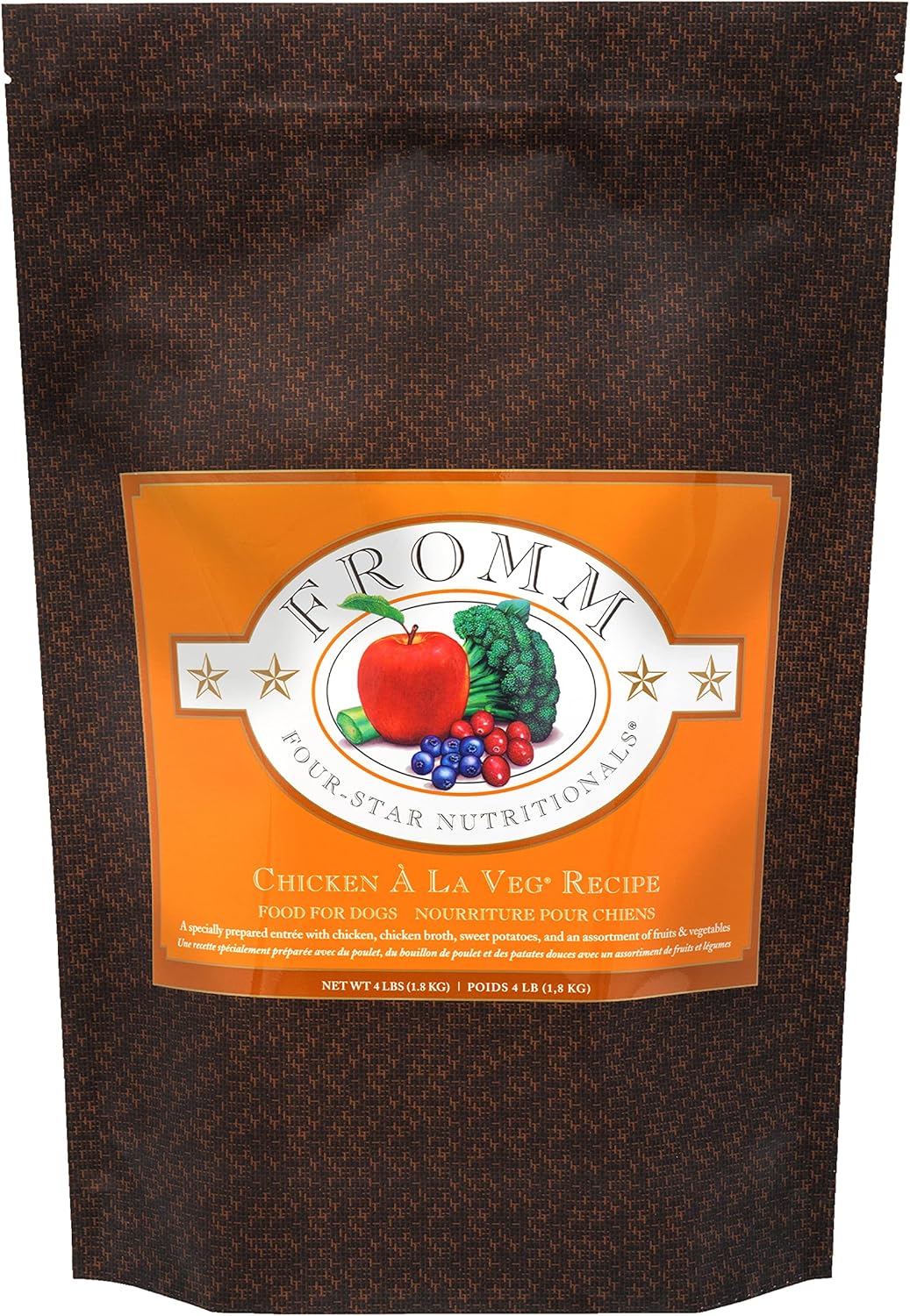
| Best Premium Dog Food Higher-end ingredients and formulation for owners prioritizing quality | Fromm Four-Star Chicken A La Veg 4 lb |  |
ROYAL CANIN Cavalier King Charles Adult
Best Overall Dog Food for King Charles

| Flavor | Chicken |
|---|---|
| Age Range Description | Adult |
| Breed Recommendation | Cavalier King Charles Spaniel |
| Item Form | Pellet |
| Specific Uses For Product | Heart Care, Weight Management |
This Royal Canin formula is a breed-targeted dry food created specifically for adult Cavalier King Charles Spaniels and is intended as a daily complete diet for dogs 10 months and older. The kibble is shaped and sized for the Cavalier's tapered muzzle and scissor bite, which makes it easier for small mouths to pick up and chew. The recipe highlights heart-supporting nutrients such as taurine, EPA and DHA from fish oil, and L-carnitine aimed at maintaining cardiac function, plus a calorie profile meant to help manage ideal weight in a small-breed dog. The formula also includes ingredients to support skin and coat health and lists breed-tailored benefits like custom kibble texture and targeted nutrient balance. Practical limitations are typical for specialty diets: it is tailored to one pure breed so it may be unnecessary for mixed breeds or dogs without Cavalier-specific issues, and the ingredient list contains cereal and by-product meals that some buyers avoid. For owners prioritizing breed-specific cardiac and coat support along with easy-to-eat kibble for small jaws, this is a focused option.
Best for: Owners of purebred Cavalier King Charles Spaniels who want a daily food formulated to support common breed concerns like cardiac health, coat condition, and easy kibble pickup.
Less Ideal for: Owners who prefer grain-free or limited-ingredient diets, or those feeding mixed-breed dogs without Cavalier-specific nutritional needs should consider broader or alternative formulas.
- Kibble shape and texture designed for Cavalier muzzle and scissor bite for easier pickup and chewing
- Includes heart-supporting nutrients such as taurine, EPA and DHA and L-carnitine
- Calorie profile and formulation aimed at helping maintain an ideal weight for a small-breed dog
- Contains ingredients and nutrients targeted to support skin and coat condition
- Formulation is breed-specific and may be unnecessary for mixed-breed or non-Cavalier dogs
- Contains cereal ingredients and chicken by-product meal that some owners prefer to avoid
Verdict: The best overall dog food for King Charles that balances breed-specific nutrient needs, palatability, and digestibility for everyday feeding.
Pedigree Adult Dry Dog Food 3.5 lb
Best Budget Dog Food for King Charles

| Flavor | Chicken & Vegetable |
|---|---|
| Age Range Description | Adult |
| Item Form | Dry Kibble |
| Specific Uses For Product | Digestive Health |
| Unit Count | 56 Ounce |
Pedigree Adult Complete Nutrition is an everyday dry kibble designed to deliver complete adult nutrition with a focus on six health areas like digestion, immunity, skin and coat, heart, bones, and dental care. It is typically served as a staple meal or mixed with wet food and includes prebiotic fiber for digestion plus Vitamin Goodbites pieces for added vitamins. The formula lists high-quality protein sources and calcium to support muscles and bones, and the crunchy kibble helps reduce plaque. Practical benefits include easy feeding with a standard daily feeding guide and wide breed suitability, so it works for small-breed dogs when portioned correctly. Limitations for a Shih Tzu buyer to note are the kibble size and ingredient list, which contains grain and some color additives that some owners avoid for sensitive dogs, and the bag is a small 3.5 lb pack that will require frequent repurchase for multi-dog households. For budget-conscious buyers who want a complete, widely available adult formula that supports general health essentials, Pedigree is a straightforward, no-frills choice.
Best for: Shih Tzu owners looking for an affordable, complete adult dry food that covers core nutrition needs and digestive support while keeping monthly costs low.
Less Ideal for: Owners who need a grain-free, limited-ingredient, or small-breed–specific kibble formulation for very sensitive or toy-breed mouths should consider alternatives tailored for those needs.
- Formulated to support six everyday health essentials including digestion and skin and coat
- Includes prebiotic fiber to aid digestion
- Crunchy kibble helps reduce plaque through mechanical cleaning
- Contains Vitamin Goodbites pieces for added vitamin boost
- Widely suitable for all breed sizes with an easy feeding guide
- Contains grains and artificial color additives that may not suit sensitive dogs
- Kibble size is not specifically labeled for small breeds and may require monitoring with tiny mouths
- 3.5 lb bag size means more frequent purchases for single-dog owners feeding daily
Verdict: The best budget dog food for King Charles that provides complete, safe nutrition and reasonable ingredient quality for owners on a tighter food budget.
Jinx Grain Free Dry Dog Food Salmon 4lb
Best Grain-Free Dog Food

| Flavor | Salmon |
|---|---|
| Age Range Description | All Life Stages |
| Item Form | Kibble |
| Special Ingredients | Carrot, Probiotic, Sweet Potato |
| Unit Count | 64 Ounce |
Jinx Grain Free Dry Dog Food is a 4 pound, grain-free kibble built around real Atlantic salmon as the first ingredient and formulated for puppies through seniors. It is typically fed as a daily complete diet and works as a single food or mixed with toppers; feeding guidelines on the bag let you divide daily rations into two meals. Notable features include live patented probiotics, fiber-rich sweet potato and functional superfoods like carrots and flaxseed for skin, coat, and digestive support. The recipe lists salmon and fish meal for animal protein and a mix of legumes and grains alternatives for carbohydrate and fiber sources. Practical benefits include high protein for muscle support, omega fatty acids for coat health, and formulas intended for all life stages so you can use the same bag across ages. Limitations to consider are the presence of legumes and peas which some dogs find less digestible or may trigger sensitivities, and the bag size is small for multi-dog households so purchases will be more frequent for larger dogs.
Best for: Buyers who must keep monthly food costs low but want a grain-free, salmon-forward formula that supports coat and digestive health across life stages.
Less Ideal for: Owners seeking limited-ingredient or novel-protein diets for dogs with diagnosed food sensitivities should consider specialist therapeutic or single-protein formulas instead.
- Real salmon as the first ingredient for high-quality animal protein
- Formulated for all life stages so one recipe fits puppies through seniors
- Includes live patented probiotics to support digestion
- Omega-3 and omega-6 sources for skin and coat health
- Grain-free recipe with added superfoods and no corn, wheat, or soy
- Small 4 lb bag requires more frequent repurchase for medium or large dogs
- Contains legumes and peas which may not suit dogs with certain sensitivities
Verdict: The best grain-free dog food for dogs that tolerate or require a grain-free diet, offering alternative carbohydrates and complete nutrition without common grains.
K9 Natural Lamb & King Salmon Freeze-Dried
Best Limited-Ingredient Dog Food

| Flavor | Lamb and Salmon |
|---|---|
| Age Range Description | All Life Stages |
| Item Form | Wafer |
| Animal Food Diet Type | Raw |
| Special Ingredients | Green-Lipped Mussel |
K9 Natural Lamb & King Salmon is a freeze-dried, raw‑inspired dog food that uses a very high inclusion of grass-fed lamb, organ meats, and New Zealand King salmon to deliver concentrated protein, fat, and omega-3s. You can serve it dry as a topper, rehydrate it with water into a complete meal, or mix it into kibble which makes it flexible for picky eaters or dogs with texture preferences. Notable features include a short ingredient profile focused on whole meats and organs, added green-lipped mussel for joint-support nutrients, and a resealable bag that keeps servings fresh without refrigeration. For small, sensitive-bellied breeds the limited, recognizable ingredients reduce exposure to common fillers like grains and soy, and the DHA from salmon supports skin and coat health. The main trade-offs are the need to rehydrate for some dogs, the strong meat-forward aroma that some households may find intense, and the higher cost compared with standard kibble due to premium ingredients and freeze-drying.
Best for: Owners seeking a short, meat-focused ingredient list to reduce potential dietary triggers for small, sensitive breeds who need digestible, nutrient-dense meals or toppers.
Less Ideal for: Households on a tight budget or owners who prefer low‑odor, ready-to-serve kibble without any prep or rehydration steps.
- Very high meat and organ content limits fillers and complex additives
- Freeze-dried format can be used dry as a topper or rehydrated into a full meal
- Includes King salmon for natural DHA and omega-3 support for skin and coat
- Short, recognizable ingredient list that helps minimize exposure to common allergens
- Higher price point compared with conventional dry foods
- Strong meat aroma that may be noticeable in storage and bowls
- Requires rehydration for dogs that cannot eat dry wafers comfortably
Verdict: The best limited-ingredient dog food for King Charles that minimizes potential allergens and digestive triggers by using a short, controlled ingredient list.
VICTOR Hi-Pro Plus Dry Dog Food 5lb
Best High-Protein Dog Food

| Protein | 30% crude protein |
|---|---|
| Fat | 20% crude fat |
| Life Stage | All Life Stages |
| Special Ingredients | Gluten-free |
| Container Type | Bag (5 lb) |
VICTOR Hi-Pro Plus is a nutrient-dense dry dog food aimed at active dogs, growing puppies, and reproductive females that need extra protein and calories. The kibble blends beef, chicken, pork, and fish meals to deliver 30% protein and 20% fat, which supports muscle maintenance and sustained energy for sporting or working dogs. It includes the brand's VPRO Blend of vitamins, minerals, prebiotics and probiotics to aid digestion, immune function, and skin and coat health, and uses gluten-free grains as part of its carbohydrate profile. Buyers will appreciate that the formula is made in the USA and lists a detailed ingredient panel including functional additives such as L-carnitine, selenium yeast, and probiotic fermentation products. Important trade-offs are that the formula is grain-inclusive (10% grain-sourced protein) and is calorie-dense, so portion control is necessary to avoid excess weight gain for less active pets; also the multi-meat meal approach is different from single-source novel-protein diets for dogs with specific protein sensitivities. For owners who need a high-protein performance kibble, this delivers concentrated nutrition in a compact bag.
Best for: Owners who need a concentrated, high-protein kibble to support muscle maintenance, high activity levels, or performance work and who prioritize complete nutrition across life stages.
Less Ideal for: Families seeking a grain-free or single-source novel protein diet for allergy management or owners of relatively sedentary dogs who need lower-calorie maintenance formulas.
- High protein content (30% crude protein) to support muscle maintenance and active metabolism
- Multi-meat meals (beef, chicken, pork, fish) provide concentrated animal-sourced amino acids
- Includes VPRO Blend with vitamins, minerals, prebiotics and probiotics for digestion and immune support
- Formulated for all life stages including puppies and reproductive females for growth and recovery
- Produced in a U.S. facility with transparent ingredient and supplement list
- Grain-inclusive formula may not suit dogs needing grain-free or single-source protein diets
- Calorie-dense formula requires careful portioning for less active or weight-sensitive dogs
Verdict: The best high-protein dog food for owners seeking increased animal-based protein to support muscle maintenance and energy in active or growing dogs.
Hill's Science Diet Adult Small & Mini
Best Small-Breed Dog Food

| Flavor | Chicken & Brown Rice |
|---|---|
| Age Range | Adult 1-6 |
| Item Form | Dry Kibble |
| Unit Count | 72 Ounce |
Hill's Science Diet Adult 1-6 Small & Mini is a dry kibble designed to provide everyday balanced nutrition for small-breed adult dogs. The formula centers on chicken and brown rice with added pumpkin and a blend of prebiotic fibers and antioxidants to support digestion and immune health, while a tailored balance of protein, fat, and carbs helps maintain ideal body weight. Kibble size and texture are intended for small and mini mouths, and the inclusion of ActivBiome+ supports stool quality and gut health in dogs prone to sensitive digestion. This bag also emphasizes natural ingredients and no artificial colors or flavors, which can matter for owners prioritizing basic ingredient quality. The product is focused on daily feeding rather than therapeutic needs, so dogs with specific medical conditions may need a prescription diet instead. Packaging guidance and feeding instructions are on the bag, and transitioning slowly over a week is recommended to avoid digestive upset.
Best for: Owners of Boston Terriers seeking a reliable everyday kibble that supports digestion and weight maintenance with a small-breed appropriate texture.
Less Ideal for: Owners whose Boston Terriers have specific medical needs or who require a therapeutic prescription diet should consult their veterinarian and consider specialized formulas.
- Kibble formulated for small and mini adult mouths and chewing preferences
- Includes pumpkin and prebiotic fibers to support digestion and stool quality
- Formulated to help maintain ideal body weight with a balanced mix of protein, fats, and carbs
- No artificial colors or flavors listed
- Not a veterinary prescription diet for treating specific medical conditions
- Limited to small and mini adult dogs rather than all life stages
Verdict: The best small-breed dog food formulated with appropriately sized kibble and calorie density to meet the metabolic and dental needs of small breeds like King Charles.
Fromm Four-Star Chicken A La Veg 4 lb
Best Premium Dog Food
| Flavor | Chicken A La Veg |
|---|---|
| Item Form | Pellet |
| Age Range Description | All Life Stages |
| Unit Count | 64 Ounce |
Fromm Four-Star Nutritionals Chicken A La Veg is a 4 lb premium dry kibble centered on real chicken and a mix of fruits, vegetables, and probiotics to support digestion and coat health. It is intended as a daily complete diet and is formulated to meet AAFCO nutrient profiles for all life stages, so it can be used for puppies through seniors. Notable features include multiple animal and plant-based ingredients (chicken, chicken meal, fish meal, sweet potatoes, cranberries, blueberries), added salmon oil and flaxseed for skin and coat, and included fermentation-derived probiotics to help gut health. The recipe avoids corn, wheat, and soy and highlights varied grains like oatmeal and barley for digestibility. In practice this kibble is highly palatable and works well for owners who want a varied, whole-ingredient recipe from a family-owned maker, though the 4 lb bag is a smaller size that may require more frequent purchases for multi-dog households. Owners should also monitor portioning when switching diets because richer formulas can be more calorie-dense for smaller breeds.
Best for: Owners who prioritize high-quality, multi-ingredient recipes and digestive support and are willing to pay for premium sourcing and formulation for long-term health.
Less Ideal for: Buyers strictly seeking grain-free recipes or those who prefer bulk economy sizing for large or multiple dogs should consider alternatives.
- Real chicken is listed as the first ingredient for a strong animal-protein base
- Includes probiotics and multiple fermented cultures to support digestion
- Added salmon oil and flaxseed provide omega fatty acids for skin and coat health
- Varied fruits and vegetables add natural fiber and antioxidants
- Packaged in a 4 lb bag which may be inconvenient for larger households or frequent feeders
- Contains grains so it is not suitable for owners seeking grain-free diets
Verdict: The best premium dog food for owners willing to invest in superior ingredients, specialized formulations, and stricter sourcing for optimal long-term health.
Choosing the Right Dog Food King Charles: Key Factors to Consider
Calorie Density and Portion Size
Small breeds like King Charles spaniels burn fewer calories at rest but can be active in short bursts. A food's calorie density directly affects portion size and weight management. Choosing the right calories per cup—or per gram for wet food—lets you feed the correct volume without overloading your dog. Monitor body condition and adjust portions rather than free-feeding. When switching foods, recalculate portion size based on the new product's stated calorie density to avoid unintended weight gain.
Calorie density also matters for puppies and seniors. Growing dogs need higher calorie intake relative to body weight, while older dogs may require fewer calories but more digestible protein. For daily feeding, use the manufacturer's feeding chart as a starting point and refine portions based on your dog's activity, age, and metabolism.
Protein Quality and Source
Protein supports muscle maintenance and overall health, but not all protein sources are equal. Look for named animal proteins listed near the top of the ingredient list rather than vague terms. High-quality animal proteins tend to be more digestible and have a better amino acid profile for small-breed needs. If your dog has known sensitivities, a single-protein or limited-ingredient formula can reduce exposure to common triggers.
Also consider the life stage when evaluating protein levels. Puppies and active adults usually benefit from slightly higher protein to support growth and lean mass, while seniors may need the same or slightly reduced amounts depending on kidney function. Digestibility matters as much as crude protein percentage because poorly digestible protein can contribute to loose stools and reduced nutrient uptake.
Kibble Size and Texture
King Charles spaniels have small mouths and some dental crowding, so bite-size kibble that is easy to pick up and chew is important. Oversized pellets can frustrate feeding and lead to gulping, which increases the risk of digestive upset. Kibble texture also affects dental health. Crunchy kibble can help control plaque when combined with regular dental care, while softer textures suit dogs with missing teeth or dental pain.
If you feed both wet and dry, ensure the dry kibble is small enough to be mixed or softened without creating a paste that attracts spoilage. Trial a small bag first to confirm your dog will accept the shape and texture before committing to a larger supply.
Digestive Support and Stool Quality
Digestibility influences stool size and frequency, which affects cleanup and overall comfort for both dog and owner. Ingredients such as beet pulp, soluble fiber, and added prebiotics or probiotics can promote steady digestion and firmer stools. Foods with a history of causing gas or loose stools for your dog should be avoided, especially during diet transitions.
When changing diets, introduce the new food gradually over 7 to 10 days to reduce the risk of gastrointestinal upset. If your dog has chronic digestive issues, work with a veterinarian to rule out underlying conditions before switching formulas.
Fatty Acids and Skin and Coat Support
A glossy, healthy coat is often a sign of balanced nutrition. Diets that include omega-3 and omega-6 fatty acids, particularly from fish oil or flaxseed, help maintain skin elasticity and reduce dryness or flaking. Antioxidants and certain vitamins also support skin barrier function and immune health, which can indirectly influence coat quality.
For dogs with seasonal shedding or mild dermatitis, a formula with higher omega-3 content can be beneficial. Always track response over several weeks, since changes in coat and skin condition take time to appear after a dietary change.
Life Stage and Special Health Needs
Choose a formula formulated for your dog's life stage: puppy, adult, or senior. Puppies need nutrients that support growth, including higher calorie and calcium levels appropriate for small-breed development. Adult maintenance formulas aim for balanced nutrients and steady calories, while senior diets may have adjusted protein, fat, and added joint-support ingredients.
Special health needs like dental disease, food sensitivities, or weight management require targeted formulations. Weight-control diets typically lower calorie density and increase fiber, while sensitive-stomach formulas simplify ingredients and emphasize digestibility. If your dog has a diagnosed medical condition, consult a veterinarian to select an appropriate therapeutic or tailored diet.
How to Transition Your King Charles to a New Food Without Stomach Upset
Switching foods too quickly is a common cause of diarrhea and vomiting. Gradual mixing over a week reduces the shock to the gut microbiome and gives you a chance to observe tolerance.
Start by replacing 10 to 25 percent of the old food with the new formula for two to three days, then increase the new food incrementally every two to three days until you are feeding only the new diet. If soft stools or vomiting occur, pause at the previous tolerated ratio and proceed more slowly.
- Monitor stool quality and energy levels during the transition
- Avoid adding treats or toppers during the first week to isolate the variable
- If digestive issues persist after a slow transition, consult a veterinarian
What to Feed a Fussy Eater or Picky King Charles
Picky eating can be behavioral or medical. Rule out dental pain, dental disease, or underlying illness before assuming fussiness is just picky behavior. Once medical causes are ruled out, try warming wet food slightly or adding a small taste of plain, cooked protein to stimulate appetite temporarily.
Consistency in feeding schedule helps. Offer meals for 15 to 20 minutes and remove uneaten food until the next scheduled feeding to avoid free-feeding and to reinforce mealtime interest. Avoid frequent flavoring with human foods, which can create dependence on enhancements.
- Try rotating proteins slowly to find preferences without causing digestive upset
- Use puzzle feeders or slow-feeders to make mealtime more engaging
- Consider a palatable, nutritionally complete topper rather than a full diet change
Managing Weight in a Small-breed Body
Even small pounds are significant with tiny breeds. A modest weight gain can strain joints and worsen existing dental or respiratory issues. Regularly assess body condition using a simple scale: ribs should be felt but not seen, and there should be a visible waist when viewed from above.
Measure food precisely and account for treats in your daily calorie budget. Increase low-impact activity and choose foods with appropriate calorie density and higher fiber to increase satiety without excess calories. For weight loss plans, aim for gradual reduction with veterinary guidance to avoid nutrient deficiencies.
- Weigh your dog monthly to catch trends early
- Swap high-calorie treats for low-calorie alternatives like carrot slices
- Adjust portions rather than switching to an unfamiliar diet mid-program
Dental Considerations: Kibble, Chews, and Oral Care
Small breeds often accumulate tartar faster due to crowded teeth. While specially sized kibble can provide mild abrasive action, it does not replace brushing. Daily or several-times-weekly brushing is the most effective way to reduce plaque buildup.
Combine appropriately sized kibble with routine dental care. Use vet-approved dental chews or toys that are safe for small mouths, and schedule professional dental checks as recommended by your veterinarian.
- Inspect chews for size and texture appropriate to a small spaniel
- Introduce dental care gradually to reduce anxiety
- Watch for signs of dental pain such as reluctance to chew or pawing at the mouth
When to Consider a Limited-ingredient or Hypoallergenic Formula
Consider a limited-ingredient formula if your King Charles shows chronic skin issues, persistent ear infections, or gastrointestinal problems that coincide with diet changes. These formulas reduce exposure to common protein and carbohydrate triggers, which can help identify or manage food sensitivities.
A veterinary elimination trial remains the definitive method for diagnosing food allergy. Use limited-ingredient diets under guidance and allow several weeks for improvement before drawing conclusions. For dogs with proven allergies, follow-up feeding plans should maintain nutritional balance while avoiding known triggers.
- Avoid switching too many variables at once during an elimination trial
- Document symptoms and timeline to help identify offending ingredients
- If symptoms are severe or worsen, seek veterinary care promptly
Interpreting Labels: What Matters and What Is Marketing
Ingredient lists and guaranteed analysis are the most informative parts of a label. Look for named animal proteins near the top and moderate levels of carbohydrates suited to a small-breed metabolism. Marketing claims like 'premium' or 'natural' are not regulated in a meaningful way and should not replace ingredient scrutiny.
Check guaranteed analysis for crude protein, fat, fiber, and moisture to compare formulations. Also note if omega fatty acids and probiotics are listed, as these indicate support for coat and digestive health. Avoid being swayed by filler marketing and focus on concrete nutritional information.
- Compare calorie-per-cup figures when switching between brands or formulas
- Look for life-stage feeding statements that match your dog
- Check for third-party testing statements or nutrient adequacy claims
How We Chose the Best Dog Food King Charles
We focused on practical, breed-relevant criteria that matter for King Charles spaniels and small-breed owners. Key evaluation factors included ingredient profile and protein source to assess quality and allergen risk; calorie density and macronutrient balance to match the breed's small size and tendency toward weight gain; kibble size and texture for dental comfort and ease of chewing; digestibility and inclusion of prebiotics or probiotics for sensitive stomachs; and sources of omega fatty acids, vitamins, and minerals to support coat health and cardiac function. We also looked for transparent labeling and appropriate life-stage formulations. We excluded foods that lacked clear ingredient lists, did not provide guaranteed analysis, or were formulated only for very large or giant breeds. Products aimed exclusively at medical prescription needs were not considered unless they also had broadly applicable small-breed maintenance options. The result is a set of choices that balance everyday nutrition with common King Charles health considerations.
Our full evaluation process is outlined in our review methodology.
FAQ
How many calories should a King Charles spaniel eat each day?
Daily calorie needs depend on age, activity, and body condition, but small breeds typically require concentrated calories. Use the food's calorie density and your dog's ideal weight to calculate portions, and adjust based on monthly body condition checks.
Is grain-free dog food better for King Charles spaniels?
Grain-free is not automatically better. Some dogs with specific grain sensitivities benefit, but most dogs do well on diets that include quality grains. Consult your veterinarian if you suspect a grain-related intolerance.
Can I feed human food to my King Charles as a diet supplement?
Occasional plain, cooked lean proteins or vegetables can be used as treats or toppers, but they should not replace a complete diet. Avoid foods that are toxic to dogs or high in salt, sugar, or fat.
How quickly should I expect coat improvement after switching foods?
Changes in skin and coat usually take several weeks to a few months to become noticeable. Consistent feeding of a diet with adequate omega fatty acids and nutrients is necessary before judging effectiveness.
My dog has trouble chewing hard kibble. What should I do?
Try smaller or softer kibble formulations and consider soaking dry food briefly in warm water. Also evaluate dental health with a veterinarian to rule out pain or missing teeth as the cause.
When should I consult a veterinarian about my dog's diet?
Consult a veterinarian if your dog has unexplained weight changes, persistent gastrointestinal issues, skin problems that do not improve, or any signs of systemic illness. A vet can recommend appropriate diagnostic steps and dietary interventions.
Final Verdict
Prioritize calorie control, digestible protein, and appropriately sized kibble when choosing food for a King Charles spaniel. Match the formula to life stage and any special health needs, and use gradual transitions to monitor tolerance. Balance coat-supporting nutrients and digestive aids against calorie goals to maintain ideal body condition. Final verdict: focus on a nutritionally complete, breed-appropriate formula that fits your dog's activity level and medical profile. When in doubt, base decisions on measurable factors like calorie density and stool quality, and consult a veterinarian for persistent issues.

