

If your Boston terrier struggles with frequent gas, the right food can make daily life more comfortable for both of you. Small breeds like Boston terriers often react to certain proteins, fillers, or fiber levels in ways that increase flatulence and digestive upset. This guide shortlists seven foods that address common causes of gas in Boston terriers and explains why those formulations tend to work better for this breed. We evaluated options against digestion-focused criteria such as protein source quality, fiber type and level, and ingredient simplicity. Read on to understand the tradeoffs and find the kinds of formulas to prioritize for reducing gas and supporting steady digestion.
Top Picks at a Glance
| Best Overall Food for Gassy Boston Terrier A balanced formula that soothes digestion and suits most dogs | Hill's Science Diet Sensitive Stomach & Skin Small |  |
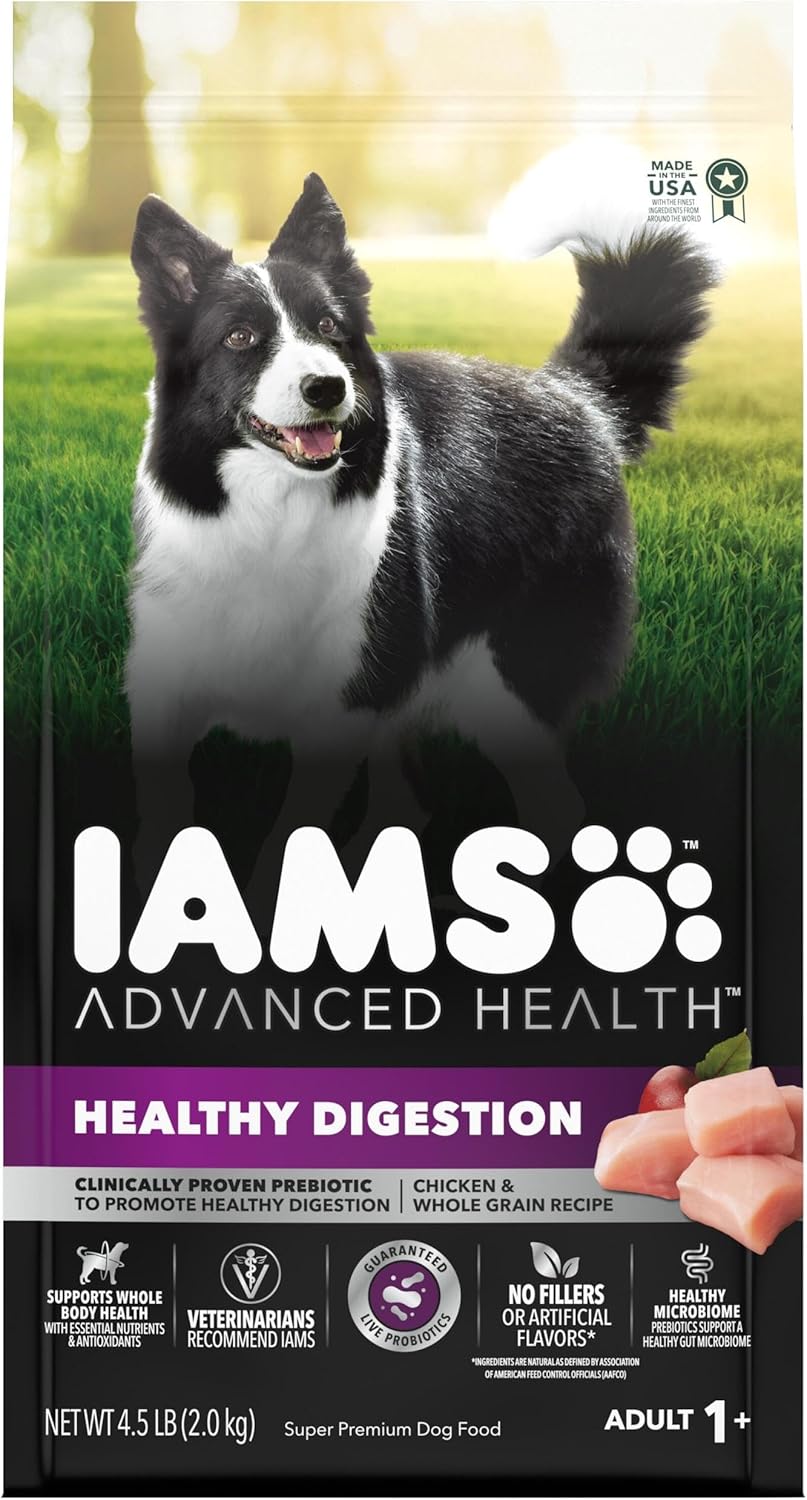
| Best Budget Food for Gassy Boston Terrier A low-cost option formulated with gentle, stomach-friendly ingredients | IAMS Advanced Health Healthy Digestion 4.5 lb |  |
| Best Sensitive-Stomach Food Specifically formulated to reduce flatulence and soothe upset tummies | Hill's Science Diet Sensitive Stomach Small Bites |  |
| Best Limited-Ingredient Food Short, simple ingredient lists to minimize triggers and allergies | Zignature Zssential Dry Dog Food 4lb |  |
| Best Digestive-Support Food Contains added fiber, prebiotics, probiotics, or digestive enzymes | Purina ONE Lamb & Rice Dog Food |  |
| Best Premium Food Higher-end formulas with specialty ingredients and rigorous quality control | ORIJEN Regional Red Dry Dog Food 23.5 lb |  |
| Best Grain-Free Food Formulas without grains for owners avoiding grain-related sensitivities | ACANA Singles Beef & Pumpkin 4.5 lb |  |
Hill's Science Diet Sensitive Stomach & Skin Small
Best Overall Food for Gassy Boston Terrier

| Flavor | Chicken |
|---|---|
| Age Range Description | Adult 1-6 |
| Item Form | Dry Food |
| Unit Count | 64 Ounce |
| Specific Uses For Product | Small & Mini Breeds Stomach & Skin Sensitivity support |
Hill's Science Diet Sensitive Stomach & Skin Small is a dry adult dog food made for small and mini breeds that struggle with occasional digestive upsets and skin issues. The formula relies on highly digestible ingredients and added prebiotic fiber to support gut bacteria and improve nutrient absorption, while vitamin E and omega-6 fatty acids help nourish skin and coat. It is typically used as a daily staple or as a transition diet when a dog shows signs of mild stomach sensitivity; the package includes feeding guidelines and the brand recommends a 7-day gradual switch. Practical benefits include easily digestible proteins, a recipe designed to minimize digestive stress, and clinically supported antioxidants for immune support. Limitations are that this is a veterinary-style formulation focused on sensitivity rather than weight management or specialized allergen-free recipes, and some dogs with strict ingredient sensitivities may still react to chicken or grain ingredients in the mix.
Best for: Owners of Shih Tzu seeking a day-to-day dry formula to reduce occasional digestive upsets and improve skin condition while keeping feeding simple and vet-backed.
Less Ideal for: Owners who need a strict limited-ingredient, grain-free, or novel-protein prescription for confirmed food allergies should consider alternative specialized diets.
- Formulated with prebiotic fiber to support a balanced gut microbiome
- Highly digestible recipe intended to reduce stomach upset in sensitive dogs
- Includes vitamin E and omega-6 fatty acids to support skin and coat health
- Contains clinically proven antioxidants (vitamins C and E) for immune support
- Contains chicken and grains which may not suit dogs with specific protein or grain allergies
- Focused on sensitivity support rather than hypoallergenic or limited-ingredient nutrition
Verdict: The best overall food for a gassy Boston Terrier that balances gentle ingredients, palatability, and proven digestive tolerance for everyday feeding.
IAMS Advanced Health Healthy Digestion 4.5 lb
Best Budget Food for Gassy Boston Terrier
| Flavor | Chicken |
|---|---|
| Age Range Description | Adult |
| Item Form | Dry Kibble |
| Specific Uses For Product | Digestive Health |
| Unit Count | 72 Ounce |
IAMS Advanced Health Healthy Digestion is a dry kibble aimed at supporting regularity and healthy stools through a fiber-forward recipe that includes beet pulp, prebiotics and guaranteed live probiotics. You feed it as an everyday adult maintenance diet and the package provides a clear feeding guide to adjust portions by weight and activity level. The formula lists real chicken first and avoids wheat, artificial flavors, and artificial preservatives, which helps keep ingredients straightforward for budget-conscious buyers. Practical benefits include easier stool consistency for dogs with mild digestive sensitivity and the convenience of a widely available kibble with nutrient targets for adult maintenance. Limitations to expect are that the ingredient panel includes chicken by-product meal and grain ingredients like corn and sorghum rather than novel or limited-ingredient proteins, so it is not tailored for dogs with specific protein or grain allergies. Also the 4.5 lb bag size is modest, so frequent repurchasing may be necessary for larger dogs or multi-dog households.
Best for: Owners who need an affordable, fiber-focused adult kibble that helps firm stools and supports routine digestive health without premium ingredient premiums.
Less Ideal for: Families seeking a grain-free, single-protein, or limited-ingredient diet for confirmed food allergies should consider alternatives designed for elimination diets.
- Blend of natural fiber and prebiotics to support digestion and stool regularity
- Real chicken listed as the primary ingredient for animal protein
- Includes guaranteed live probiotics for gut support
- Formulated without wheat, artificial flavors, or artificial preservatives
- Contains common grains and chicken by-product meal rather than novel or single-source protein
- Smaller 4.5 lb bag may require frequent repurchasing for larger dogs
Verdict: The best budget food for a gassy Boston Terrier that provides basic digestive-friendly nutrition and ingredient simplicity without a high price tag.
Hill's Science Diet Sensitive Stomach Small Bites
Best Sensitive-Stomach Food

| Flavor | Chicken |
|---|---|
| Age Range Description | Adult 1-6 |
| Item Form | Pellet |
| Specific Uses For Product | Stomach & Skin Sensitivity support Small Kibble |
| Unit Count | 64 Ounce |
Hill's Science Diet Sensitive Stomach & Skin Small Bites is a dry adult formula designed for dogs that have occasional digestive upset and skin sensitivity. The recipe uses high-quality chicken as the first ingredient along with prebiotic fiber to support a balanced gut microbiome and improve nutrient absorption, and it includes vitamin E and omega fatty acids to help maintain skin and coat health. The small kibble size makes it easy for brachycephalic breeds like French Bulldogs to pick up and chew, and the formula emphasizes gentle carbohydrates such as barley and rice rather than heavy legumes. Practical benefits include predictable digestibility, a complete nutrient profile with clinically proven antioxidants, and guidance for transitioning pets to the food. Limitations are that it is not an elimination diet with a novel protein, so dogs with specific protein allergies may need a more restricted formula, and the bag sizes and ingredient list include grains, which some owners prefer to avoid entirely. For many dogs prone to mild-to-moderate stomach sensitivity, this offers a veterinary-backed, easy-to-feed option.
Best for: Owners seeking a veterinarian-recommended, highly digestible daily food for adult dogs that commonly have mild digestive upset and skin sensitivity, especially for breeds that benefit from small kibble.
Less Ideal for: Owners whose dogs require a novel protein or strict limited-ingredient elimination diet for confirmed food allergies should choose a dedicated hypoallergenic formula instead.
- First ingredient is high-quality chicken for consistent protein
- Prebiotic fiber to support gut microbiome and digestibility
- Includes vitamin E and omega fatty acids to support skin and coat
- Small kibble size suited to dogs with short muzzles or picky chewers
- Clinically backed antioxidants to support immune health
- Contains common grains and chicken, so not suitable as a novel-protein elimination diet
- Not marketed as a limited-ingredient formula for dogs with multiple food sensitivities
Verdict: The best sensitive-stomach food for dogs prone to gas, focused on highly digestible proteins, limited irritants, and digestive enzymes or probiotics to calm digestion.
Zignature Zssential Dry Dog Food 4lb
Best Limited-Ingredient Food

| Flavor | Zssential |
|---|---|
| Age Range Description | All Life Stages |
| Item Form | Dry |
| Animal Food Diet Type | Limited Ingredient |
| Unit Count | 64 Ounce |
Zignature Zssential is a limited-ingredient, grain-free dry kibble that centers on high-quality fish and animal proteins and is fortified with probiotics. It is typically used as an everyday meal or part of a rotational diet for dogs with ingredient sensitivities or households with multiple dogs; the small bites option suits medium and smaller breeds. Notable features include a single-animal protein focus, grain-free formulation, and added omega-3s from fish sources, which together make the recipe easier to digest for dogs with picky tastes or mild sensitivities. Practical benefits include support for gut health from probiotics, higher protein content to help maintain lean mass, and a flavor profile that tends to appeal to dogs that favor fish-based foods. Limitations to consider are that it remains a dry kibble so very sensitive dogs may still need a prescribed novel-protein veterinary diet, and the 4 lb bag size may be small for large dogs or multi-dog homes that consume food quickly. Overall, it works well as a simple, tasty option for dogs that do best on reduced-ingredient, grain-free diets.
Best for: Buyers seeking a simpler, easy-to-digest dry food that still appeals to picky eaters and supports gut health with fewer ingredients.
Less Ideal for: Owners who need veterinary prescription novel-protein formulas for strict food allergies or those who require very large bulk bags for multiple large dogs.
- Grain-free limited-ingredient formula focused on fish and animal proteins
- Fortified with probiotics to support gut health
- High protein and omega-3 rich ingredients for nutritional support
- Available in small-bite kibble suitable for medium and smaller breeds
- Not a prescription novel-protein diet for dogs with severe allergies
- 4 lb bag may be too small for large dogs or multiple-dog households
Verdict: The best limited-ingredient food for owners who want to reduce potential dietary triggers and isolate what best agrees with a gassy dog.
Purina ONE Lamb & Rice Dog Food
Best Digestive-Support Food

| Flavor | Lamb & Rice |
|---|---|
| Age Range Description | Adult |
| Item Form | Blended, Semi-Moist, Kibble, Crunchy |
| Animal Food Diet Type | Veterinary Diet |
Purina ONE Lamb & Rice is a high-protein adult dry dog food that uses real lamb as the first ingredient and combines tender morsels with crunchy kibble for palatability. It is designed for everyday feeding and emphasizes digestive support through Microbiome Balance and added prebiotic fiber, which helps promote gut bacteria balance and immune support. The formula also includes natural sources of glucosamine for joint support, omega-6 fatty acids and vitamins A and E for skin, coat, and eye health, and a nutrient profile intended to maintain muscle, including heart muscle. In practice this means easy portioned bowl feedings for adult dogs that need a digestible lamb-based diet with extra joint and coat support. Limitations to consider are that the ingredient list contains multiple grains and by-product meals rather than being a strictly limited-ingredient or novel-protein prescription, so dogs with severe protein sensitivities or strict elimination-diet needs may require a veterinary hypoallergenic formula instead.
Best for: Boxer owners seeking a palatable lamb-based adult dry food that supports digestion and joint health as part of routine feeding and who prioritize gut-supporting fibers over strict limited-ingredient diets.
Less Ideal for: Dogs that need an elimination diet, novel single-protein regimen, or prescription hypoallergenic food for confirmed food allergies should consider veterinary-formulated alternatives.
- Real lamb listed as the first ingredient for an identifiable protein source
- Microbiome Balance and prebiotic fiber included to support digestion and immune health
- Contains natural glucosamine plus nutrients to help joint health and muscle maintenance
- Includes omega-6 fatty acids and vitamins A and E for skin, coat, and eye support
- Contains multiple grains and poultry by-product meal, so it is not a strict limited-ingredient formula
- Not formulated as a veterinary prescription hypoallergenic or elimination diet for severe food allergies
Verdict: The best digestive-support food for dogs that need targeted gut-health ingredients like probiotics, prebiotics, or enzymes to reduce gas and improve stool quality.
ORIJEN Regional Red Dry Dog Food 23.5 lb
Best Premium Food

| Flavor | Regional Red Recipe |
|---|---|
| Age Range Description | All Life Stages |
| Item Form | Dry Kibble |
| Allergen Information | Grain-Free, Corn-Free, Potato-Free, Soy Free, Wheat Free |
ORIJEN Regional Red is a protein-forward, grain- and poultry-free kibble built around fresh or raw red meats, organs and bone-derived ingredients to mimic a biologically appropriate diet. It is typically fed as a regular daily ration and is intended for dogs of all life stages except growing large-breed puppies. The formula lists beef, wild boar, lamb, pork and beef liver among the top ingredients and claims roughly 85 percent fresh or raw animal components with a freeze-dried coating for flavor. In practice that high-quality protein mix delivers dense nutrition and can support skin, coat and immune health while providing a meat-first calorie profile that may reduce reliance on low-quality fillers. For owners focused on gas reduction, the limited use of poultry and absence of grains and common fillers can help when sensitivities are to those ingredients, though individual reactions vary and beans/legumes present in the recipe can still affect digestion for some dogs. The bag is large and intended for regular feeding; because the formula is rich and calorie-dense, portion control and slow transitioning over 10 to 14 days are important to avoid digestive upset.
Best for: Owners who prioritize top-tier ingredient sourcing and a meat-heavy, grain-free diet and are willing to pay for a premium formula aimed at reducing ingredient-related digestive issues.
Less Ideal for: Owners seeking a budget option or those with dogs that have documented sensitivities to legumes and pulses should consider alternative formulas.
- High meat content with fresh or raw animal ingredients listed first
- Grain-free and poultry-free formula that may help dogs with grain or poultry sensitivities
- WholePrey approach includes organs for broader nutrient profile
- Freeze-dried coating increases palatability for picky eaters
- Contains legumes and pulses which can still cause gas in some dogs
- Not formulated for growth of large-breed puppies
Verdict: The best premium food for owners willing to invest in superior ingredient sourcing and targeted formulations that may reduce gas through higher-quality proteins and processing.
ACANA Singles Beef & Pumpkin 4.5 lb
Best Grain-Free Food

| Flavor | Beef & Pumpkin Recipe |
|---|---|
| Item Form | Dry Kibble |
| Unit Count | 72 Ounce |
| Animal Food Diet Type | Limited Ingredient |
| Breed Recommendation | All Breed Sizes |
ACANA Singles Limited Ingredient Beef & Pumpkin is a premium, grain-free kibble built around ranch-raised beef with pumpkin and sweet potato to support digestive health. It is used as a main diet for adult dogs and marketed for all life stages and breeds, especially dogs with simple-diet needs or mild sensitivities. The formula lists a single primary animal protein source, high overall protein content, freeze-dried beef pieces for palatability, and added vitamins, probiotics, and omega fatty acids for immune and skin support. In practice this means you get a protein-forward recipe that can be easier to rotate into an elimination or simplified feeding plan, with whole-food fibers like pumpkin and sweet potato that help firm stools. The bag is sized for smaller households or trialing at 4.5 pounds, so frequent repurchase may be needed for larger dogs. Also, while grain-free and limited-ingredient, it is produced in a facility that may process grains and includes multiple plant ingredients, so it is not a single-ingredient therapeutic diet and owners with severe allergies should consult their veterinarian before switching.
Best for: Dog owners seeking a premium, limited-ingredient dry food to simplify their pet's diet and support digestion and skin health while keeping ingredient variety low.
Less Ideal for: Owners who need a single-ingredient or prescription therapeutic diet for confirmed severe allergies or who prefer bulk bags to avoid frequent repurchases.
- Single primary animal protein source (beef) which simplifies ingredient exposure
- Includes pumpkin and sweet potato to support digestion and provide fiber
- High protein formulation with added omega-3 and omega-6 for skin and coat health
- Contains freeze-dried beef pieces and natural flavors to improve palatability
- Includes probiotics and added vitamins for immune and digestive support
- Packaged in a relatively small 4.5 lb bag which may require frequent repurchasing for medium and large dogs
- Produced in a facility that also processes grains, so not suitable for dogs with severe grain-allergy concerns
Verdict: The best grain-free food for dogs whose gas is suspected to stem from grain sensitivities, offering alternative carbohydrate sources and simplified digestibility.
Choosing the Right Dog Food Gassy Boston Terrier: Key Factors to Consider
Protein Source and Digestibility
Protein type matters because Boston terriers can be sensitive to particular animal or plant proteins. Highly digestible proteins such as single identifiable meats or hydrolyzed proteins are easier for the gut to process, which lowers the chance of undigested material reaching the colon and fermenting into gas.
Look for formulas that list a clear primary protein and avoid long blends of unnamed meat meals. Digestibility tests or clinical formulations that focus on easy-to-digest proteins are preferable. For dogs with known allergies or intolerances, a novel single protein or limited-ingredient option can reduce immune-driven digestive reactions.
Fiber Type and Quantity
Fiber affects stool bulk and fermentation. Soluble fibers feed gut bacteria and can increase gas in some dogs, while insoluble fibers add bulk and help transit. The right balance helps form predictable stools without fueling excessive microbial fermentation.
Formulas that use moderately fermentable fibers such as beet pulp or carefully balanced prebiotics combined with insoluble fibers often perform better for gas-prone dogs. Extremely high fiber levels can slow digestion and worsen gas, so choose a product formulated for small breeds with controlled fiber inclusion.
Carbohydrate Sources and Fermentability
Some carbohydrate sources are highly fermentable and can increase flatulence when they reach the large intestine undigested. Ingredients like certain legumes, high levels of peas, or large amounts of poorly digestible grains can contribute to gas in sensitive dogs.
Prefer diets that use easily digested carbohydrate sources in measured amounts or that emphasize digestible whole grains. Grain-free does not automatically mean low gas; the exact carbohydrate mix and how it is processed for digestibility are what matter most.
Probiotics, Prebiotics, and Digestive Aids
Added probiotics and prebiotics can help stabilize gut microbial communities and improve stool consistency, but their effects vary by strain and dose. Digestive enzymes can aid breakdown of proteins and starches, reducing the substrate available for fermentation.
When choosing a formula, look for clinically studied probiotic strains or explicit enzyme inclusion. Keep in mind that not all formulations list viable counts at the time of feeding, and some dogs respond better to targeted supplementation than to food-only sources.
Kibble Size and Energy Density
Boston terriers are small, brachycephalic dogs that can eat quickly or swallow large pieces that compromise digestion. Kibble size that matches small mouths and a moderate calorie density helps you measure portions accurately and reduce overeating, both of which can contribute to gassiness.
Smaller, easier-to-chew pieces slow feeding and increase initial digestion in the mouth. Lower to moderate energy density prevents overfeeding and keeps intestinal transit more regular for less gas.
Ingredient Transparency and Manufacturing Quality
Clear ingredient lists and reputable manufacturing practices reduce the chance of unexpected components that could trigger digestive issues. Knowing whether a product uses named meat meals, whole ingredients, or proprietary blends helps you eliminate potential culprits.
Consistent quality control matters because ingredient variability can change how a dog responds. Choose foods with clear labeling about protein sources and processing, and avoid products with vague proprietary blends that mask ingredient composition.
How Soon Will a Diet Change Reduce My Boston Terrier's Gas?
Timeline varies by dog, but many owners see initial improvement within a week of switching to a more digestible formula. Full stabilization of the gut microbiome and stool consistency can take three to four weeks because it takes time for the intestinal flora to adjust to new substrates.
If you do not see gradual improvement over several weeks, revisit ingredient choices and feeding amounts. Sudden worsening of symptoms or signs like diarrhea, vomiting, or lethargy warrant prompt veterinary attention.
- Initial improvement: 3–7 days for reduced bloating or odor in many cases
- Full adjustment: 2–4 weeks for consistent stool and microbiome adaptation
- If no improvement or worsening: consult your veterinarian
Should I Try a Limited-ingredient or Novel-protein Diet?
Limited-ingredient and novel-protein diets can help identify or avoid a problematic protein, which is often a factor in chronic gas. These diets reduce the number of potential triggers and make it easier to assess whether a specific ingredient is the root cause.
Use a trial of at least three to six weeks to allow the gut to respond. If symptoms improve, reintroduce previous proteins one at a time under guidance to confirm sensitivity. For dogs with suspected food allergy rather than intolerance, work with a veterinarian on a formal elimination challenge.
- Best for suspected protein-related intolerance or allergy
- Requires a strict trial period to be diagnostically useful
- Reintroduction should be gradual and monitored
How to Adjust Feeding Habits to Minimize Gas
Feeding strategy can be as important as the formula. Smaller, more frequent meals reduce the load on the digestive tract and limit the amount of undigested material reaching the colon at any one time. For Boston terriers, two to three measured meals per day usually works well.
Slow feeding devices or puzzle feeders discourage rapid gulping, which introduces air and stresses digestion. Also measure portions to match the dog's ideal weight and activity level to prevent overeating, a common contributor to gas.
- Feed measured portions two to three times daily
- Use slow feeders to reduce gulping and air swallowing
- Adjust portions if weight or stool quality changes
When Is a Veterinary Check Needed for Excessive Gas?
Occasional gas is normal, but persistent, foul-smelling, or painful gas, or gas accompanied by weight loss, vomiting, diarrhea, or behavior change requires veterinary evaluation. These signs can indicate inflammation, infection, intestinal parasites, or more serious conditions.
Your veterinarian may recommend diagnostic tests such as fecal exams, blood work, or dietary trials to identify the underlying cause. Addressing medical issues directly is essential before assuming a food-only solution will suffice.
- Seek veterinary care for persistent or severe symptoms
- Diagnostics can reveal non-dietary causes of gas
- Follow-up may include treatment plus a tailored diet plan
Is Grain-free Better for Gas-prone Boston Terriers?
Grain-free is not a guaranteed solution for gas. Some grain-free recipes replace grains with legumes or other high-fermentable starches that can increase flatulence in susceptible dogs. Whether grain-free helps depends on the specific carbohydrate and fiber mix, not the presence or absence of grains alone.
Focus on ingredient digestibility and fiber balance rather than grain exclusion alone. If you try a grain-free option, monitor stool and gas for several weeks to judge effect.
- Grain-free may help only if grains were the specific trigger
- Watch for high legume content, which can be more fermentable
- Evaluate outcomes by tracking stool and gas frequency
How We Chose the Best Dog Food Gassy Boston Terrier
We selected products using a digestion-first editorial framework tailored to Boston terriers. First, we prioritized formulas with limited, identifiable protein sources since small-breed digestive sensitivity often tracks to specific proteins. Second, we looked for fiber choices that promote gentle bulk and predictable stool consistency instead of highly fermentable fibers that can increase gas. Third, we favored recipes with low inclusion of common irritants such as soy, excessive legumes, or artificial additives that can upset sensitive guts. Fourth, size-appropriate kibble and calorie density were considered so feeding amounts match a Boston terrier's metabolism and reduce overconsumption. Fifth, we checked for presence of added digestive supports such as probiotics, prebiotics, and digestive enzymes. Exclusions: we excluded formulas with vague ingredient lists, unspecified protein blends, or known high-fermentable carbohydrate profiles. The selection emphasizes digestibility, ingredient clarity, and practical feeding for a small, short-muzzled breed. Our process filtered out products that prioritize novelty over proven digestive benefits and focused on options likely to reduce gas while supporting overall health.
Our full evaluation process is outlined in our review methodology.
FAQ
Can probiotics stop my Boston terrier's gas?
Probiotics often reduce gas by promoting a balanced gut microbiome, but results vary by strain and dog. Some dogs respond well to dietary probiotics, while others need specific clinical strains or additional dietary changes to see meaningful improvement.
How should I transition my dog to a new low-gas formula?
Transition gradually over 7–10 days by increasing the new food and decreasing the old each day. For very sensitive dogs, extend the transition to two weeks and offer smaller, more frequent meals to ease adjustment.
Are there home remedies to reduce flatulence?
Simple steps like smaller meals, slow-feeding bowls, and avoiding table scraps can reduce gas. Some owners see benefit from short courses of digestive enzyme supplements or veterinarian-recommended probiotics, but these should be used alongside dietary changes and veterinary advice.
Could my Boston terrier's gassiness be a sign of food allergy?
Gassiness can be a symptom of food allergy, but it often indicates intolerance or sensitivity rather than an immune-mediated allergy. If gas is accompanied by skin issues, chronic ear infections, or other systemic signs, consult your veterinarian for an elimination trial or testing.
Will a smaller kibble reduce gas for my Boston terrier?
Smaller kibble can help by slowing eating and improving initial mastication, which aids digestion. Combined with measured portions and slow-feeding practices, appropriate kibble size can reduce air swallowing and subsequent flatulence.
Final Verdict
Reducing gas in a Boston terrier is usually a matter of choosing a formula with digestible protein, balanced fiber, and suitable carbohydrate sources while pairing that food with smart feeding habits. Tradeoffs exist: highly restrictive diets can make long-term nutrition management harder, while more inclusive recipes may require careful monitoring of fiber and fermentable carbs. Prioritize ingredient clarity, moderate fermentable fiber, and feeding practices that limit gulping and overeating. If symptoms persist or worsen, seek veterinary guidance to rule out medical causes and to design a more targeted dietary plan.

