

Finding the right food for a King Charles Cavalier matters for coat condition, weight control, and long-term joint and heart health. Cavaliers have small mouths, moderate activity, and breed-specific sensitivities that make ingredient quality, calorie density, and kibble shape important decisions for daily feeding. This guide shortlists the top foods suited to King Charles Cavalier needs and explains why each option made the list. Below you will find the top picks and straightforward buying criteria that focus on digestibility, nutrient balance, and portion management to help you choose the best daily diet for your Cavalier.
Top Picks at a Glance
| Best Overall Food for King Charles Cavalier A balanced everyday formula matching nutrition and taste needs | ROYAL CANIN Cavalier King Charles Adult |  |
| Best Budget Food for King Charles Cavalier A low-cost formula that still meets basic nutritional requirements | Pedigree Adult Dry Dog Food 3.5 lb |  |
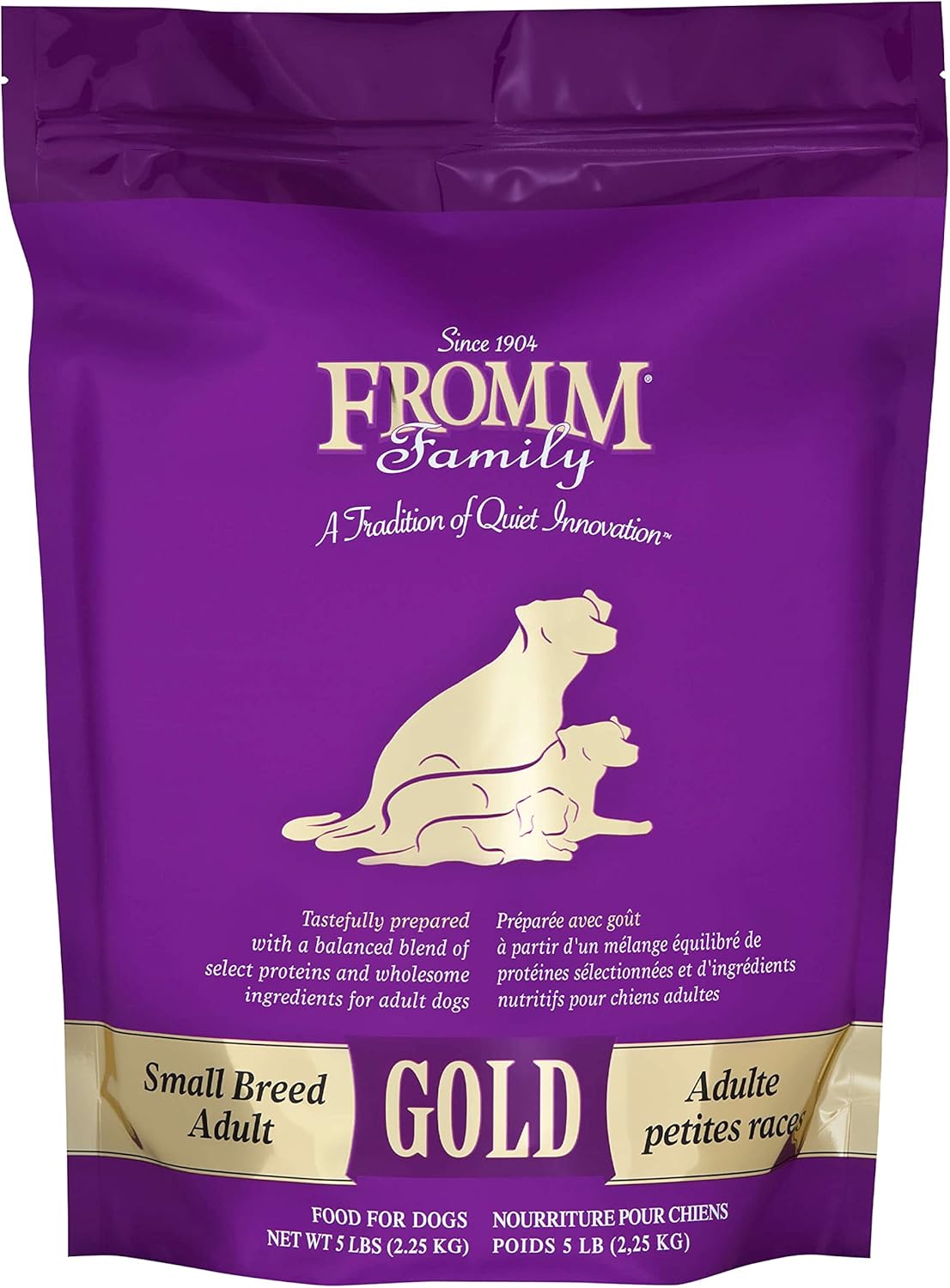
| Best Premium Food Higher-end formulas with better ingredients and nutritional precision | Fromm Gold Small Breed Adult Dog Food 5 lb |  |
| Best Small-Breed Food Kibbles and recipes sized and balanced for smaller dogs | Hill's Science Diet Adult Small & Mini |  |
| Best Grain-Free Food Formulas without grains for dogs with grain sensitivities or preferences | Jinx Grain Free Dry Dog Food Small Breed |  |
| Best Sensitive-Stomach Food Gentler recipes for dogs with digestion or food-sensitivity issues | Hill's Science Diet Sensitive Stomach & Skin Small |  |
| Best Wet Food Canned or pouch options that boost moisture and palatability | Cesar Classic Loaf in Sauce 3.5 oz |  |
ROYAL CANIN Cavalier King Charles Adult
Best Overall Food for King Charles Cavalier

| Flavor | Chicken |
|---|---|
| Age Range Description | Adult |
| Breed Recommendation | Cavalier King Charles Spaniel |
| Item Form | Pellet |
| Specific Uses For Product | Heart Care, Weight Management |
This Royal Canin formula is a breed-targeted dry food created specifically for adult Cavalier King Charles Spaniels and is intended as a daily complete diet for dogs 10 months and older. The kibble is shaped and sized for the Cavalier's tapered muzzle and scissor bite, which makes it easier for small mouths to pick up and chew. The recipe highlights heart-supporting nutrients such as taurine, EPA and DHA from fish oil, and L-carnitine aimed at maintaining cardiac function, plus a calorie profile meant to help manage ideal weight in a small-breed dog. The formula also includes ingredients to support skin and coat health and lists breed-tailored benefits like custom kibble texture and targeted nutrient balance. Practical limitations are typical for specialty diets: it is tailored to one pure breed so it may be unnecessary for mixed breeds or dogs without Cavalier-specific issues, and the ingredient list contains cereal and by-product meals that some buyers avoid. For owners prioritizing breed-specific cardiac and coat support along with easy-to-eat kibble for small jaws, this is a focused option.
Best for: Owners of purebred Cavalier King Charles Spaniels who want a daily food formulated to support common breed concerns like cardiac health, coat condition, and easy kibble pickup.
Less Ideal for: Owners who prefer grain-free or limited-ingredient diets, or those feeding mixed-breed dogs without Cavalier-specific nutritional needs should consider broader or alternative formulas.
- Kibble shape and texture designed for Cavalier muzzle and scissor bite for easier pickup and chewing
- Includes heart-supporting nutrients such as taurine, EPA and DHA and L-carnitine
- Calorie profile and formulation aimed at helping maintain an ideal weight for a small-breed dog
- Contains ingredients and nutrients targeted to support skin and coat condition
- Formulation is breed-specific and may be unnecessary for mixed-breed or non-Cavalier dogs
- Contains cereal ingredients and chicken by-product meal that some owners prefer to avoid
Verdict: The best overall food for King Charles Cavaliers that balances appropriate calories, nutrient profile, palatability, and ingredient quality for healthy, everyday feeding.
Pedigree Adult Dry Dog Food 3.5 lb
Best Budget Food for King Charles Cavalier

| Flavor | Chicken & Vegetable |
|---|---|
| Age Range Description | Adult |
| Item Form | Dry Kibble |
| Specific Uses For Product | Digestive Health |
| Unit Count | 56 Ounce |
Pedigree Adult Complete Nutrition is an everyday dry kibble designed to deliver complete adult nutrition with a focus on six health areas like digestion, immunity, skin and coat, heart, bones, and dental care. It is typically served as a staple meal or mixed with wet food and includes prebiotic fiber for digestion plus Vitamin Goodbites pieces for added vitamins. The formula lists high-quality protein sources and calcium to support muscles and bones, and the crunchy kibble helps reduce plaque. Practical benefits include easy feeding with a standard daily feeding guide and wide breed suitability, so it works for small-breed dogs when portioned correctly. Limitations for a Shih Tzu buyer to note are the kibble size and ingredient list, which contains grain and some color additives that some owners avoid for sensitive dogs, and the bag is a small 3.5 lb pack that will require frequent repurchase for multi-dog households. For budget-conscious buyers who want a complete, widely available adult formula that supports general health essentials, Pedigree is a straightforward, no-frills choice.
Best for: Shih Tzu owners looking for an affordable, complete adult dry food that covers core nutrition needs and digestive support while keeping monthly costs low.
Less Ideal for: Owners who need a grain-free, limited-ingredient, or small-breed–specific kibble formulation for very sensitive or toy-breed mouths should consider alternatives tailored for those needs.
- Formulated to support six everyday health essentials including digestion and skin and coat
- Includes prebiotic fiber to aid digestion
- Crunchy kibble helps reduce plaque through mechanical cleaning
- Contains Vitamin Goodbites pieces for added vitamin boost
- Widely suitable for all breed sizes with an easy feeding guide
- Contains grains and artificial color additives that may not suit sensitive dogs
- Kibble size is not specifically labeled for small breeds and may require monitoring with tiny mouths
- 3.5 lb bag size means more frequent purchases for single-dog owners feeding daily
Verdict: The best budget food for King Charles Cavaliers that delivers complete nutrition and acceptable ingredient quality for owners prioritizing price without sacrificing essential health needs.
Fromm Gold Small Breed Adult Dog Food 5 lb
Best Premium Food
| Flavor | Chicken |
|---|---|
| Age Range Description | Adult |
| Breed Recommendation | Small Breeds |
| Unit Count | 80 Ounce |
Fromm Gold Small Breed Adult is a small-kibble dry formula designed to meet the metabolic needs of adult small-breed dogs. It combines chicken, chicken meal and chicken broth with secondary proteins like duck and lamb, plus whole eggs and real Wisconsin cheese for palatability and amino acids. The kibble includes probiotics to support digestion and salmon oil for skin and coat health, while a mix of whole grains supplies complex carbohydrates and dietary fiber. In practice this works well as an everyday maintenance diet for active small dogs that benefit from higher-protein animal ingredients and added functional components like taurine and prebiotic chicory root. The 5 lb bag size is convenient for small households or trialing a new formula, but buyers seeking grain-free, limited-ingredient, or veterinary-prescribed therapeutic diets will need to look elsewhere. Ingredient transparency and family-owned sourcing are strengths, though those expecting an elimination-style formula should note this is a multi-protein recipe.
Best for: Owners who prioritize higher-quality, multi-protein formulas and digestive support for adult small-breed dogs and are willing to pay for ingredient quality and family-brand sourcing.
Less Ideal for: Owners needing a single-protein, grain-free, or veterinary therapeutic diet for food-sensitive or medically managed dogs should consider alternatives.
- Formulated specifically for small-breed adult metabolisms with smaller kibble size
- Multiple high-quality animal proteins (chicken, duck, lamb) for amino acid balance
- Includes probiotics and salmon oil to support digestion and coat health
- Contains whole grains for complex carbohydrates and dietary fiber
- Not grain-free or limited-ingredient, so not ideal for dogs with multiple protein or grain sensitivities
- 5 lb bag may be small for multi-dog households or long-term feeding without frequent repurchase
Verdict: The best premium food for owners willing to invest in higher-quality ingredients, tailored nutrient levels, and more rigorous sourcing for long-term health benefits.
Hill's Science Diet Adult Small & Mini
Best Small-Breed Food

| Flavor | Chicken & Brown Rice |
|---|---|
| Age Range | Adult 1-6 |
| Item Form | Dry Kibble |
| Unit Count | 72 Ounce |
Hill's Science Diet Adult 1-6 Small & Mini is a dry kibble designed to provide everyday balanced nutrition for small-breed adult dogs. The formula centers on chicken and brown rice with added pumpkin and a blend of prebiotic fibers and antioxidants to support digestion and immune health, while a tailored balance of protein, fat, and carbs helps maintain ideal body weight. Kibble size and texture are intended for small and mini mouths, and the inclusion of ActivBiome+ supports stool quality and gut health in dogs prone to sensitive digestion. This bag also emphasizes natural ingredients and no artificial colors or flavors, which can matter for owners prioritizing basic ingredient quality. The product is focused on daily feeding rather than therapeutic needs, so dogs with specific medical conditions may need a prescription diet instead. Packaging guidance and feeding instructions are on the bag, and transitioning slowly over a week is recommended to avoid digestive upset.
Best for: Owners of Boston Terriers seeking a reliable everyday kibble that supports digestion and weight maintenance with a small-breed appropriate texture.
Less Ideal for: Owners whose Boston Terriers have specific medical needs or who require a therapeutic prescription diet should consult their veterinarian and consider specialized formulas.
- Kibble formulated for small and mini adult mouths and chewing preferences
- Includes pumpkin and prebiotic fibers to support digestion and stool quality
- Formulated to help maintain ideal body weight with a balanced mix of protein, fats, and carbs
- No artificial colors or flavors listed
- Not a veterinary prescription diet for treating specific medical conditions
- Limited to small and mini adult dogs rather than all life stages
Verdict: The best small-breed food formulated with appropriately sized kibble, concentrated calories, and nutrient ratios suited to the metabolism and jaw size of smaller dogs.
Jinx Grain Free Dry Dog Food Small Breed
Best Grain-Free Food

| Flavor | Salmon |
|---|---|
| Age Range Description | All Life Stages |
| Item Form | Dry Kibble |
| Specific Uses For Product | Digestive Health |
| Unit Count | 64 Ounce |
Jinx Grain Free Dry Dog Food for Small Breed is a salmon-first, grain-free kibble designed to meet all life stage needs for small dogs. It is typically used as a daily staple meal and is formulated with Atlantic salmon as the primary protein, supplemented by turkey meal, sweet potato and live probiotics to support digestion and immune health. The recipe includes omega-3 and omega-6 sources such as fish oil and flaxseed to promote skin and coat condition, and the kibble size is described as suitable for small mouths. Practical benefits include a limited-ingredient grain-free profile that avoids corn, wheat and soy, a focus on digestibility with fiber-rich sweet potato and added probiotics, and a nutrient balance that meets AAFCO levels for complete feeding. Buyers should note the product is a small 4 lb retail bag which is convenient for trialing new food or serving small households, but frequent purchasers of larger households may prefer bulk sizes for cost and storage efficiency.
Best for: Buyers who want a grain-free, salmon-forward kibble that supports digestion and coat health for small-breed or Cavalier-type dogs and prefer a limited-ingredient profile.
Less Ideal for: Households needing large bulk bags or a lower-calorie, grain-inclusive veterinary diet should consider other options.
- Real Atlantic salmon is listed as the first ingredient for high-quality animal protein
- Formulated for all life stages, including puppies, with AAFCO-compliant nutrition
- Includes live probiotics and fiber sources to support digestion and immune health
- Omega-3 and omega-6 sources (fish oil, flaxseed) to support skin and coat
- Small kibble size suitable for small-breed jaws
- Available in a single 4 lb bag size which may be inconvenient for multi-dog homes
- Grain-free formulas can be higher in calories depending on feeding amounts
Verdict: The best grain-free food for owners seeking a grain-free ingredient profile while maintaining balanced nutrition and appropriate calorie density.
Hill's Science Diet Sensitive Stomach & Skin Small
Best Sensitive-Stomach Food

| Flavor | Chicken |
|---|---|
| Age Range Description | Adult 1-6 |
| Item Form | Dry Food |
| Unit Count | 64 Ounce |
| Specific Uses For Product | Small & Mini Breeds Stomach & Skin Sensitivity support |
Hill's Science Diet Sensitive Stomach & Skin Small is a dry adult dog food made for small and mini breeds that struggle with occasional digestive upsets and skin issues. The formula relies on highly digestible ingredients and added prebiotic fiber to support gut bacteria and improve nutrient absorption, while vitamin E and omega-6 fatty acids help nourish skin and coat. It is typically used as a daily staple or as a transition diet when a dog shows signs of mild stomach sensitivity; the package includes feeding guidelines and the brand recommends a 7-day gradual switch. Practical benefits include easily digestible proteins, a recipe designed to minimize digestive stress, and clinically supported antioxidants for immune support. Limitations are that this is a veterinary-style formulation focused on sensitivity rather than weight management or specialized allergen-free recipes, and some dogs with strict ingredient sensitivities may still react to chicken or grain ingredients in the mix.
Best for: Owners of Shih Tzu seeking a day-to-day dry formula to reduce occasional digestive upsets and improve skin condition while keeping feeding simple and vet-backed.
Less Ideal for: Owners who need a strict limited-ingredient, grain-free, or novel-protein prescription for confirmed food allergies should consider alternative specialized diets.
- Formulated with prebiotic fiber to support a balanced gut microbiome
- Highly digestible recipe intended to reduce stomach upset in sensitive dogs
- Includes vitamin E and omega-6 fatty acids to support skin and coat health
- Contains clinically proven antioxidants (vitamins C and E) for immune support
- Contains chicken and grains which may not suit dogs with specific protein or grain allergies
- Focused on sensitivity support rather than hypoallergenic or limited-ingredient nutrition
Verdict: The best sensitive-stomach food designed with limited, easily digested ingredients and moderate fat to reduce digestive upset and support stool quality.
Cesar Classic Loaf in Sauce 3.5 oz
Best Wet Food

| Flavor | Meaty Selects variety pack |
|---|---|
| Item Form | Wet |
| Unit Count | 24 Count |
| Target Species | Dog |
Cesar Classic Loaf in Sauce comes in easy-peel trays of slow-cooked meat loaf-style wet food intended for adult dogs and small breeds. It is typically fed as a standalone meal or used as a topper to add aroma and moisture to dry kibble, which makes it particularly useful for picky eaters or dogs that need extra hydration. The formula lists real beef or chicken as the first ingredient and includes vitamins and minerals to meet adult maintenance needs, while trays are portioned for convenience and refrigeration after opening. Practical benefits include high palatability, soft texture that is simple for small mouths to eat, and versatile use as a meal or mixer to encourage fussy dogs to eat. Limitations include ingredient listings that contain meat by-products and additives such as carrageenan and added color, so owners seeking limited-ingredient or grain-free wet diets should consider alternatives; the single-serving trays also mean you may need multiple trays per day for larger dogs. Overall, this is a convenient, flavorful wet food solution for small adult dogs and for pet parents who want an easy way to boost moisture and appeal of meals.
Best for: Pet owners who need a highly palatable, moisture-rich wet food to entice picky small-breed adult dogs or to add hydration and flavor to dry food.
Less Ideal for: Owners seeking limited-ingredient, grain-free, or additive-free wet diets, or those feeding exclusively large-breed dogs who need larger single-serve portions.
- Real beef or chicken is listed as the first ingredient for strong protein and flavor appeal
- Slow-cooked loaf texture is soft and easy for small mouths to eat
- Convenient peel-away trays make portioning and travel simple
- Designed to be complete and balanced for adult dogs so it can serve as a full meal or a topper
- Contains meat by-products and additives such as carrageenan and added color
- Single 3.5 oz trays may require multiple servings for medium or large dogs
Verdict: The best wet food for adding moisture and rich flavor to meals, ideal for picky eaters or dogs that benefit from extra hydration in their diet.
Choosing the Right Dog Food King Charles Cavalier: Key Factors to Consider
Protein Quality and Source
High-quality, named animal proteins provide essential amino acids for muscle maintenance and overall metabolism in a small-breed dog. For Cavaliers, who have a relatively delicate digestive system, easily digestible protein sources reduce the risk of loose stools and help maintain lean mass without excess calories.
Look for foods where the primary protein is a specific meat or fish rather than an anonymous meat meal. The digestibility of the protein affects how many calories and nutrients the dog actually absorbs, which in turn influences portion sizes and weight control.
Calorie Density and Portion Control
Calorie density determines how much food your Cavalier needs to meet energy requirements. Small breeds burn calories differently and are prone to weight gain if portions are too generous. A formula with moderate calorie density makes it easier to control body condition without underfeeding essential nutrients.
Reliable feeding guidelines and availability of smaller kibble or measured portions help owners maintain a healthy weight. Consider your dog's age, activity level, and whether they are spayed or neutered when adjusting portions to avoid gradual weight creep.
Kibble Size and Texture
Kibble size and texture influence how comfortably a King Charles Cavalier can eat and chew. Small, shallow mouths benefit from smaller-shaped pieces that are easy to pick up and break down without stress. Texture also affects dental maintenance; firmer kibble can help reduce plaque buildup, while soft or moistened food may be better for older dogs with dental wear.
Assess the kibble shape against your dog's chewing habits and any dental issues. Smaller pieces also make training treats and portioned snacks simpler to measure accurately.
Fatty Acids for Coat and Skin
Omega-3 and omega-6 fatty acids support a healthy coat and skin, which are visible markers of overall nutrition. Cavaliers often show dry skin or dull fur if essential fatty acid intake is insufficient. Foods with balanced levels of EPA, DHA, and linoleic acid can reduce shedding and improve coat sheen.
Because fat adds calories, choose formulas that provide these nutrients in effective but measured amounts to avoid unnecessary caloric excess. Some diets include complementary antioxidants that work with fatty acids to support skin health.
Digestive Tolerance and Fiber
Digestive tolerance is a practical concern for Cavaliers who can be prone to sensitive stomachs. Moderate, soluble fiber supports regularity without causing gas or loose stools. Ingredients that are commonly easier to digest—like cooked grains or specified carbohydrate sources—tend to be gentler than heavy, indigestible fillers.
Probiotic inclusions or prebiotic fibers can help maintain gut flora balance. Monitor stool quality when switching foods and allow a gradual transition to reduce the chance of digestive upset.
Joint and Heart Support Nutrients
Small breeds still benefit from nutrients that support joint and cardiac health over the long term. Ingredients such as glucosamine and chondroitin can help maintain joint comfort, while adequate taurine and balanced mineral levels contribute to healthy heart function. Cavaliers are not guaranteed to have breed-specific cardiac issues, but conservative inclusion of supportive nutrients can be a preventive measure.
These nutrients should be present at levels consistent with standard nutritional recommendations, not as the sole reason to choose a food. Consult with a veterinarian if your dog has a known condition that requires targeted supplementation.
How Do I Transition My Cavalier to a New Food Without Digestive Upset?
Transition slowly over 7 to 10 days by mixing increasing proportions of the new food with the old. Start with a mix that is mostly the current food and a small portion of the new food, then gradually shift the ratio each day until the change is complete.
Watch for changes in stool consistency and appetite during the transition. If your dog shows signs of distress, slow the pace and hold at the previous ratio for a couple of days before continuing. For dogs with known sensitive stomachs, a two-week transition at a gentler pace can reduce the risk of loose stools.
- day 1–3: 75% old food, 25% new food
- day 4–6: 50% old, 50% new
- day 7–9: 25% old, 75% new
- day 10: 100% new food
What Is the Right Daily Feeding Schedule for a King Charles Cavalier?
Adult Cavaliers do well with two meals per day to spread calories evenly and reduce begging. Puppies and lactating dogs need more frequent meals—typically three to four times daily—because of higher energy demands and smaller stomachs.
Consistency in meal timing helps regulate digestion and reduces the temptation to over-snack. Measure portions precisely and adjust monthly based on body condition score rather than relying solely on package guidelines.
- adult dogs: two measured meals daily
- puppies: three to four small meals daily
- monitor body condition and adjust portions, not just weight
How to Read Ingredient Lists for Common Hidden Triggers
Scan for specific named proteins and avoid long lists of vague meat meals near the top of the list. Ingredients listed in the first five positions provide the bulk of the formula and are the most important to evaluate. Simple, recognizable carbohydrate sources are easier to assess than proprietary blends or vague descriptors.
Artificial colors, flavors, or excessive preservatives are unnecessary for most healthy dogs and can sometimes aggravate sensitive skin or digestion. Look for transparent labeling on additive categories and consider limited-ingredient formulas if your Cavalier has a history of food sensitivities.
- prioritize named meat or fish first on the ingredient list
- watch for artificial additives and long, complex ingredient panels
- consider limited-ingredient diets if you suspect food sensitivity
Managing Weight in a Small Breed with a Hearty Appetite
Small dogs can be deceptively easy to overfeed because a small volume change represents a meaningful calorie difference. Use a gram scale for accuracy and follow calorie-per-day recommendations adjusted for age, activity, and neuter status. High-fiber, moderate-fat formulas can increase satiety without excess calories.
Limit free-feeding and avoid frequent high-calorie treats. Replace table scraps and calorie-dense rewards with low-calorie training treats or portions of the dog's regular kibble to keep daily intake predictable.
- use a kitchen scale to measure portions
- choose satisfying, lower-calorie treats for training
- reassess portions every 4–6 weeks depending on body condition
Special Considerations for Older Cavaliers
Older dogs often need fewer calories but more attention to joint comfort and dental health. Softer kibble or moistened food may be easier for dogs with worn teeth, while controlled protein levels help maintain muscle without excess calories. Formulas with added joint-support nutrients and moderate sodium levels are beneficial considerations.
Regular veterinary checks help identify changes in weight, dental condition, or mobility that should trigger a diet reassessment. Adjust feeding frequency and portion sizes to reflect reduced activity while ensuring sufficient micronutrient intake.
- consider moistened food or smaller kibble for dental issues
- prioritize joint-support nutrients and maintain lean muscle
- monitor weight monthly and consult a veterinarian for major changes
How We Chose the Best Dog Food King Charles Cavalier
We evaluated candidate foods using criteria that reflect the nutritional and practical needs of King Charles Cavaliers. Primary filters included ingredient quality with emphasis on named animal proteins and limited fillers, calorie density appropriate for a small-breed dog to help manage weight, and nutrient ratios—particularly protein, fat, and omega fatty acids that support coat and skin health. We also prioritized kibble size and shape suited to small mouths, formulations designed for sensitive digestion, and inclusion of joint- and heart-support nutrients when present. Manufacturing transparency and clear feeding guidelines were considered to ensure owners can portion accurately for a small-breed metabolism. Plain or minimally processed ingredient lists and evidence of quality sourcing were valued. Excluded from the list were foods with long ingredient panels dominated by unidentified meat meals, diets with excessive calorie density for inactive small dogs, and options lacking basic nutrient balance information. We focused on products that meet typical veterinary-recommended nutrient profiles for adult small-breed dogs and that address common Cavalier concerns such as weight management, skin and coat, and digestive sensitivity.
Our full evaluation process is outlined in our review methodology.
FAQ
Can I feed my Cavalier a grain-free diet?
Grain-free diets are an option but are not inherently healthier. They can be useful for dogs with specific grain sensitivities. Consider the overall ingredient quality, nutrient balance, and calorie density rather than removing grains by default. Consult your veterinarian if you have concerns about heart or nutrient issues.
How much protein does a typical adult Cavalier need?
Adult small-breed dogs generally do well with moderate to high-quality protein levels appropriate for maintenance. Exact needs depend on activity, age, and health status. Look for diets formulated for small breeds that state a complete and balanced profile for adult maintenance.
Are supplements necessary for King Charles Cavaliers?
Supplements are not required for all dogs and should be used to address specific deficiencies or medical needs. Common additions include omega fatty acids for coat health and glucosamine for joints. Always discuss supplements with a veterinarian to ensure proper dosing and avoid nutrient imbalances.
My Cavalier is a picky eater. how can I encourage consistent eating?
Stick to a regular feeding schedule, remove uneaten food after 15–20 minutes, and avoid frequent flavor enhancers that create a preference for rich foods. Try warming the food slightly or mixing a small amount of a palatable topper to increase appeal while keeping portions and overall calories consistent.
When should I switch to a senior formula?
Consider moving to a senior formula based on changes in activity level, weight management, dental health, or mobility rather than a fixed age. Many small breeds show gradual changes in metabolism and activity around 8 to 10 years, but individual needs vary. Consult your veterinarian to time the switch appropriately.
Final Verdict
Choose a food that balances high-quality protein, appropriate calorie density, and small kibble size to match the King Charles Cavalier's mouth and metabolism. Prioritize digestibility, essential fatty acids for skin and coat, and clear feeding guidance so you can control portions and maintain ideal body condition. Accept that tradeoffs exist between richer nutrient profiles and calorie control. Base your choice on your dog's age, activity, and any sensitivities, and adjust portions while monitoring body condition to find the right long-term diet.

