

If your miniature schnauzer is showing itchy skin, digestive upset, or recurrent ear infections, choosing the right food can make a big difference in day-to-day comfort. Allergies and food sensitivities are common in smaller breeds and often show up as skin problems or loose stools, so selecting a diet that minimizes triggers helps you manage symptoms more predictably. This guide covers seven shortlisted dog foods suited to miniature schnauzers with allergies and explains the decision factors we used to evaluate them. Read on for practical guidance on ingredients, protein choices, and feeding strategies to help calm reactions and support healthy skin and digestion.
Top Picks at a Glance
| Best Overall Food for Miniature Schnauzers with Allergies A balanced, allergy-friendly choice that suits most mini schnauzers | ROYAL CANIN Miniature Schnauzer Adult |  |
| Best Budget Food for Miniature Schnauzers with Allergies An affordable allergy-friendly option that still meets basic nutrition needs | IAMS Proactive Health Sensitive Skin & Stomach 4.5 lb |  |
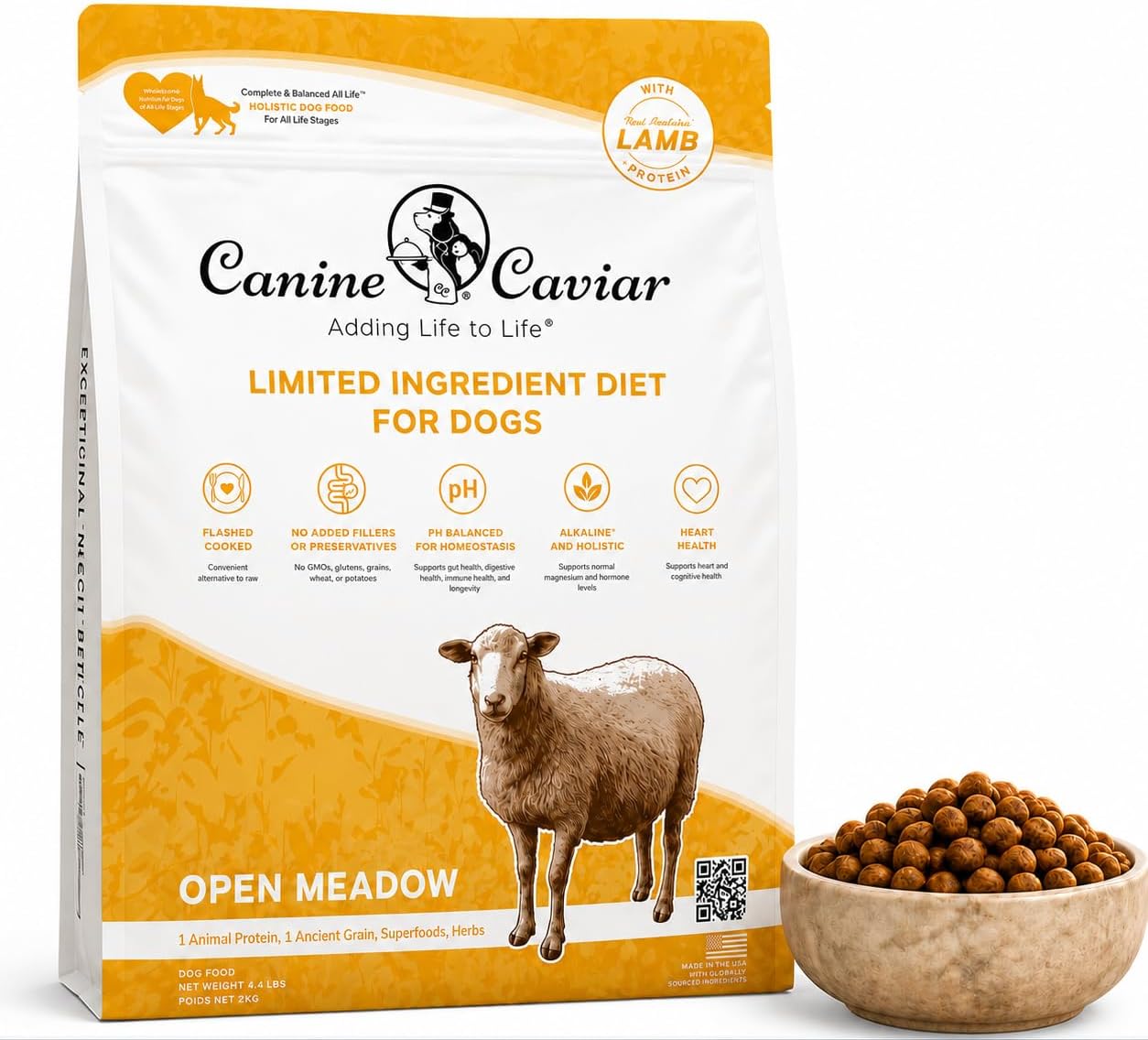
| Best Premium Food Higher-end formulas with superior ingredients and thoughtful sourcing | Canine Caviar Open Meadow Lamb 22 lb |  |
| Best Hypoallergenic Food Formulated specifically to minimize common allergen triggers and reactions | Hill's Prescription Diet z/d Dry Dog Food 7 lb |  |
| Best Limited-Ingredient Food Simpler formulas with fewer ingredients to isolate allergy culprits | Wellness Simple Salmon & Potato 10.5 lb |  |
| Best Small-Kibble Food Smaller kibble shapes sized for tiny jaws and easier chewing | Hill's Science Diet Small Bites Adult |  |
| Best Wet Food Moist, palatable formulas that can ease picky eating or hydration | Purina Pro Plan Veterinary Diets HA Wet Dog Food |  |
ROYAL CANIN Miniature Schnauzer Adult
Best Overall Food for Miniature Schnauzers with Allergies

| Flavor | Chicken |
|---|---|
| Age Range Description | Adult |
| Breed Recommendation | Miniature Schnauzer |
| Item Form | Pellet |
| Unit Count | 160 Ounce |
This Royal Canin formula is a breed-specific dry kibble made for adult Miniature Schnauzers and is intended as an everyday complete diet. The kibble has a tailored shape and size to match the Schnauzer's muzzle and scissor bite, which helps small dogs pick up and chew more easily, and the recipe includes targeted nutrients such as vitamin A, EPA and DHA for skin and coat support and specific amino acids to help coat color. The formula also emphasizes weight management, with a balanced nutrient profile for small-breed metabolism, and includes ingredients to support digestion. Practical benefits include easier feeding for picky or small-mouthed dogs, visible coat and skin support over weeks, and a formula designed to help maintain an ideal weight. Limitations are that the ingredient list contains cereals and chicken by-product meal rather than single-source whole meats, and the formula may not suit owners seeking grain-free or novel-protein diets for food sensitivities.
Best for: Buyers who want a daily, breed-tailored dry food that makes feeding easier for Miniature Schnauzers and prioritizes skin, coat, and weight maintenance.
Less Ideal for: Owners whose dogs require grain-free, novel-protein, or limited-ingredient therapeutic diets should consider alternative formulas.
- Kibble shaped and sized for Miniature Schnauzer muzzle and picking behavior
- Nutrients targeted for skin and coat health including vitamin A, EPA and DHA
- Formulated to help manage weight for small-breed adults
- Veterinary diet positioning and breed-specific formulation based on research
- Contains grains and chicken by-product meal rather than single whole-protein sources
- Not suitable for owners seeking grain-free or limited-ingredient diets
Verdict: The best all-around food that balances an allergy-conscious formula, appropriate kibble size, and nutritional completeness for most miniature schnauzers with known sensitivities.
IAMS Proactive Health Sensitive Skin & Stomach 4.5 lb
Best Budget Food for Miniature Schnauzers with Allergies

| Flavor | Salmon |
|---|---|
| Age Range Description | Adult |
| Item Form | Dry Kibble |
| Specific Uses For Product | Digestive Health, Sensitive Skin, Sensitive Stomach |
| Unit Count | 72 Ounce |
IAMS Proactive Health Sensitive Skin & Stomach is a salmon-forward dry kibble aimed at adult dogs with sensitive skin or stomachs. You feed it like any everyday dry food and the bag is designed for standard portioning using the package feeding guidelines; the label also recommends a gradual four-day transition. Notable features include real salmon as the number one ingredient, a chicken-free formulation to reduce common protein triggers, added prebiotic fiber and highly digestible components for digestive support, and a clinically balanced omega-6 to omega-3 ratio to help skin and coat. The recipe is complete and balanced for adults and includes vitamins, minerals, and antioxidants for overall vitality. On the practical side this is an affordable, vet-recommended brand offering a straightforward sensitive-care formula without specialty proteins or prescription-only claims. Limitations are that the formula still lists barley and egg as allergens, and trace cross-contact with chicken is possible, so it is not suitable for dogs with strict single-protein elimination needs or confirmed allergies to listed ingredients.
Best for: Owners looking for an affordable, everyday dry formula that improves digestive comfort and skin condition for adult dogs with mild food sensitivities and no need for single-protein prescriptions.
Less Ideal for: Families whose dogs require strict single-protein elimination, have confirmed allergies to listed ingredients, or need veterinary-prescribed therapeutic diets should choose alternatives.
- Real salmon listed as the first ingredient for animal protein focus
- Chicken-free primary recipe to reduce common sensitivity triggers
- Formulated with prebiotic fiber and highly digestible ingredients to support digestion
- Balanced omega-6 and omega-3 ratio to help skin and coat condition
- Complete and balanced for adult dogs with added antioxidants for immune support
- Contains barley, egg, and other potential allergens that may affect some sensitive dogs
- Manufacturer notes possible trace cross-contact with chicken, so not suitable for strict elimination diets
Verdict: The best low-cost food that manages common allergen avoidance while delivering adequate protein, vitamins, and digestibility for cost-conscious owners of miniature schnauzers with allergies.
Canine Caviar Open Meadow Lamb 22 lb
Best Premium Food
| Flavor | Lamb & Pearl Millet |
|---|---|
| Item Form | Dry Kibble |
| Age Range Description | All Life Stages |
| Special Ingredients | limited-ingredients |
| Allergen Information | Corn-Free, Gluten Free, Hypoallergenic |
Canine Caviar Open Meadow is a single-protein, limited-ingredient kibble centered on dehydrated lamb and pearl millet intended for dogs with sensitive digestion or food intolerances. It is used as a straight replacement diet rather than mixed with previous foods and is packaged in a 22-pound bag for regular feeding. Notable features include a focus on alkalinity and pH balance, absence of by-products and chemical preservatives, inclusion of flaxseed and fishmeal for omega fatty acids, and added prebiotics and botanicals like papaya and peppermint to support digestion and skin health. For a Boxer with allergies this formula's limited ingredients and lamb-first recipe reduce exposure to common triggers while the alkaline claim and added nutrients aim to support skin, coat, and gut over time. Limitations are that the bag is large for trialing a new food, the ingredient list still contains multiple botanicals and supplemental additives some dogs may react to, and the manufacturer recommends a straight swap which can be abrupt for particularly sensitive dogs. Feeding guidance stresses measuring and splitting daily portions and providing fresh water.
Best for: Buyers who prioritize a carefully sourced, limited-ingredient premium diet to manage a Boxer’s chronic skin and digestive sensitivities and are prepared to invest in long-term nutritional support.
Less Ideal for: Owners seeking a small trial-sized pack for elimination testing, or those who want a prescription veterinary therapeutic diet rather than a premium commercial formula.
- Single animal protein (dehydrated lamb) reduces exposure to common protein allergens
- Limited-ingredient formulation with pearl millet as a single complex carbohydrate
- No chemical preservatives or by-product meals listed
- Includes prebiotic FOS and omega-supporting ingredients for digestion and skin health
- Large 22 lb bag makes sample trials or elimination rotations harder
- Contains multiple supplemental botanicals and additives that could still trigger individual sensitivities
Verdict: The best premium food for owners willing to pay more for novel proteins, higher-quality ingredients, and tighter ingredient controls that can help manage allergic reactions.
Hill's Prescription Diet z/d Dry Dog Food 7 lb
Best Hypoallergenic Food

| Flavor | Chicken |
|---|---|
| Item Form | Dry Food |
| Specific Uses For Product | Sensitive Stomach |
| Animal Food Diet Type | Veterinary Diet |
| Unit Count | 7 Pounds |
Hill's Prescription Diet z/d Hydrolyzed Dry Dog Food is a therapeutic kibble designed to reduce skin and digestive signs of adverse food reactions in dogs. It uses highly hydrolyzed proteins and a single carbohydrate profile to minimize immune detection, while the ActivBiome+ prebiotic blend aims to rapidly activate the gut microbiome and improve stool firmness within days. The formula also includes omega-3 and omega-6 fatty acids for skin and coat support and clinically proven antioxidants to help immune health. Typical use is as a long-term veterinary diet for small dogs with confirmed food sensitivities or chronic digestive upset; transition gradually over seven days and follow package feeding guidelines. Practical benefits include targeted digestion support, reduction in flare-ups related to common allergens, and a recipe developed by veterinary nutritionists. Limitations are that it is a prescription-strength veterinary diet so changes should be made under veterinary guidance, and the specialized ingredient list and processing mean it is less of a general-purpose everyday food for dogs without sensitivities.
Best for: Small-dog owners seeking a premium, vet‑developed dry food focused on resolving confirmed food sensitivities and supporting digestion and skin health long term.
Less Ideal for: Owners looking for an everyday maintenance kibble for healthy dogs without sensitivities or those who want a non-prescription, general-purpose formula.
- Hydrolyzed proteins formulated to reduce immune reactions to common food allergens.
- ActivBiome+ prebiotic blend clinically shown to support gut microbiome activation and firm stool quickly.
- Includes omega-3 and omega-6 fatty acids to support skin and coat health.
- Developed by Hill's nutritionists and veterinarians for therapeutic use in food sensitivities.
- Intended as a veterinary diet so changes should be managed with a veterinarian.
- Specialized formulation may not be necessary for dogs without diagnosed food sensitivities.
Verdict: The best hypoallergenic food designed to reduce exposure to frequent triggers and soothe allergy-prone skin and digestion in sensitive miniature schnauzers.
Wellness Simple Salmon & Potato 10.5 lb
Best Limited-Ingredient Food

| Flavor | Salmon and Potato |
|---|---|
| Age Range Description | Adult |
| Item Form | Dry |
| Special Ingredients | limited-ingredients |
| Unit Count | 10.5 Pounds |
The Wellness Simple Salmon & Potato formula is a grain-free, limited-ingredient dry food aimed at small adult dogs with food sensitivities. It uses salmon and salmon meal as the single protein source and potatoes and peas as primary carbohydrate ingredients, and includes natural prebiotics, probiotics, omega fatty acids and taurine for digestion, skin and coat, and heart support. In practice this kibble is fed as a complete daily diet and comes with feeding guidelines by weight for portioning; the smaller kibble size and formulation suit small mouths. The shorter ingredient list and absence of common allergens like wheat, corn, dairy and artificial colors makes it a practical choice when you are trying to eliminate triggers or simplify an elimination diet. Limits to consider are that it is still a commercial dry food with multiple plant ingredients beyond the single-protein claim and it is manufactured in a facility that may process grains, so absolute elimination of cross-contact cannot be guaranteed. For dogs requiring veterinarian-prescribed therapeutic diets, consult your vet before switching.
Best for: Owners of Maltese dogs who suspect ingredient-triggered reactions and want a shorter, simpler ingredient list to run an elimination trial at home while maintaining balanced nutrition.
Less Ideal for: Owners seeking a veterinarian-prescribed elimination or hydrolyzed therapeutic diet, or those who require zero cross-contact manufacturing for severe allergies.
- Single animal protein source (salmon) simplifies elimination trials
- Formulated for small breeds with appropriately sized kibble and feeding guidelines
- Includes prebiotics and probiotics to support digestion
- Contains omega fatty acids and taurine to promote skin, coat, and heart health
- Made in a facility that also processes grains, so cross-contact risk exists
- Contains multiple plant ingredients (peas, potatoes, beet pulp) that may still trigger sensitivities in some dogs
Verdict: The best limited-ingredient food for owners who need a short, easy-to-read ingredient list to help identify and eliminate specific allergens.
Hill's Science Diet Small Bites Adult
Best Small-Kibble Food

| Flavor | Lamb & Brown Rice |
|---|---|
| Age Range | Adult 1-6 |
| Item Form | Dry Food |
| Unit Count | 72 Ounce |
Hill's Science Diet Small Bites Adult is a dry dog food designed with smaller kibble and a lamb and brown rice recipe to suit adult small-breed appetites. It is typically fed as a main daily diet for adult dogs and works well when transitioning from another food gradually over seven days as recommended. Notable features include small kibble size for easier chewing, added omega-6 fatty acids and vitamin E for skin and coat health, high-quality protein to help maintain lean muscle, and a blend of prebiotic fibers and antioxidants (ActivBiome+) to support digestion and immune health. The formula is made with natural ingredients and avoids artificial colors, flavors, and preservatives, and the packaging lists feeding guidance so portions can be adjusted to maintain optimal weight. Limitations include that calorie density and exact feeding amounts must be matched to an individual Miniature Schnauzer's activity level and weight, and the recipe contains grains which may not suit dogs on grain-free plans or those with specific grain sensitivities.
Best for: Buyers who want a vet-recommended small-kibble formula with concentrated nutrition tailored to adult small-breed dogs and who prioritize skin, coat, and digestive support.
Less Ideal for: Owners looking for a grain-free diet or those requiring a precisely labeled calorie-per-cup formula for strict weight-control plans should consider other options.
- Small-sized kibble that is easier for small jaws to pick up and chew
- Includes omega-6 and vitamin E to support skin and coat health
- High-quality protein to help maintain lean muscle mass
- Contains prebiotic fibers and antioxidants to support digestion and immune health
- Contains grains, so not suitable for grain-free feeding protocols
- Feeding amounts need adjustment per dog since calorie density is not specified on the product page
Verdict: The best small-kibble food that matches miniature schnauzers’ jaw size for comfortable chewing while maintaining an allergy-conscious ingredient profile.
Purina Pro Plan Veterinary Diets HA Wet Dog Food
Best Wet Food

| Flavor | Chicken |
|---|---|
| Item Form | Loaf, Paste |
| Unit Count | 159.6 Ounce |
| Number of Items | 12 |
| Animal Food Diet Type | Veterinary Diet |
This canned Purina Pro Plan Veterinary Diets HA is a hydrolyzed-protein wet dog food intended to reduce adverse food reactions in dogs with sensitivities or allergies. It is typically fed under veterinary direction as a prescription diet and used as a sole diet or rotation food for dogs with digestive issues. The formula uses hydrolyzed chicken liver and hydrolyzed soy protein isolate so proteins are broken down into smaller components that are less likely to trigger immune responses, and pea starch provides a single carbohydrate source to simplify ingredient exposure. Coconut oil and fish oil add medium-chain triglycerides and omega fatty acids that support coat and gut health, while the loaf/paste texture and chicken flavor make it highly palatable for picky eaters. Because it is a veterinary therapeutic diet, buyers should expect to use it only when recommended by a veterinarian and not as a general maintenance food for all dogs. The canned format is moisture-rich and easy to portion, but it requires refrigeration after opening and may be more costly per meal than nonprescription options.
Best for: Owners of miniature schnauzers with suspected or diagnosed food sensitivities who need a highly palatable, moisture-rich prescription wet food that is simpler to digest and fed under veterinary guidance.
Less Ideal for: Owners looking for a routine, nonprescription everyday food or those who prefer a lower-cost dry diet for healthy dogs without sensitivities.
- Hydrolyzed proteins designed to reduce the chance of adverse food reactions
- Single carbohydrate source helps limit ingredient exposure
- High moisture canned format supports hydration and easy digestion
- Includes coconut oil and fish oil for medium-chain triglycerides and omegas that support skin and gut health
- Prescription veterinary diet intended for vet-directed use, not for general maintenance
- Requires refrigeration after opening and is more expensive per serving than many dry foods
Verdict: The best wet food for owners seeking a highly palatable, moisture-rich option that can be gentler on sensitive stomachs and simpler to digest for allergic miniature schnauzers.
Choosing the Right Dog Food Miniature Schnauzer Allergy: Key Factors to Consider
Protein Source and Single-protein Formulas
Protein is often the main allergen in food-related reactions, so knowing the source matters. Single-protein formulas make it easier to identify and remove the offending ingredient during an elimination trial. Novel proteins, such as venison or duck, are less likely to have been used previously and can be useful if your schnauzer has a history of common protein sensitivities.
For long-term maintenance, a consistent, predictable protein source reduces the chance of accidental re-exposure. It is also important to check manufacturing notes for potential cross-contact during production if your dog has severe reactions.
Limited-ingredient and Hypoallergenic Formulations
Limited-ingredient diets contain fewer total components, which narrows the set of potential triggers and simplifies diagnosing sensitivities. These formulas often omit common culprits like beef, wheat, soy, and dairy and focus on essential nutrients delivered with minimal additives.
Hypoallergenic commercial diets sometimes use hydrolyzed proteins that are broken into smaller peptides to reduce immune recognition. While useful in some cases, hydrolyzed options are best used under veterinary guidance because they change how the immune system interacts with dietary proteins.
Digestible Carbohydrate Choices
Carbohydrate sources affect digestion and stool quality. Easily digested carbs such as sweet potato or well-processed rice are gentler on sensitive stomachs than highly fermentable fibers. For dogs with suspected grain sensitivities, grain-free diets replace common cereals with tubers or legumes, but those swaps can alter calorie density and fermentability, which may affect stool consistency.
Consider how your schnauzer tolerates specific carbs and whether a formula's fiber content supports regular, well-formed stools without increasing gas or loose feces.
Fat Content and Essential Fatty Acids
Fat provides concentrated energy for small-breed dogs but also influences skin health. Adequate levels of omega-3 fatty acids, primarily EPA and DHA, reduce inflammation and support a healthy coat. However, excessively high fat can upset digestion in dogs prone to pancreatitis or loose stools.
Choose diets with balanced fat levels and clear inclusion of marine or plant omega sources. Look for guaranteed analysis values and feeding guidelines that suit a miniature schnauzer's caloric needs.
Additives, Preservatives, and Ingredient Transparency
Artificial colors, flavors, and certain preservatives can aggravate sensitive dogs. Transparent labeling that lists all additives and preservative types helps you avoid potential irritants. Natural preservation systems and minimal use of unnecessary supplements reduce the risk of reactions that can be hard to trace.
Also watch for vague descriptors like "meat meal" or "animal by-products." Clear sourcing and specific ingredient names make it easier to assess potential allergens.
Kibble Size, Caloric Density, and Small-breed Suitability
Miniature schnauzers need appropriately sized kibble and calorie-dense formulas to meet energy needs without overfeeding. Kibble shape and size influence chewability for small mouths and can reduce choking or picky-eating behaviors. Calorie density affects portion size and feeding frequency, which in turn influences digestion and weight management.
Ensure feeding guidelines match a small-breed metabolic rate and that the formula supports ideal body condition without requiring impractically small or large portion measurements.
How Do I Run an Elimination Diet for a Miniature Schnauzer with Suspected Food Allergies?
An elimination diet helps identify the ingredient causing a reaction by feeding a single, novel protein and limited carbohydrates for a defined period, usually eight to twelve weeks. During this time, avoid all snacks, chews, flavored medications, and table scraps that could reintroduce the suspected allergen.
Monitor skin condition, stool quality, ear health, and behavior throughout the trial. If symptoms improve, reintroduce the original protein in a controlled challenge to confirm the trigger. Keep detailed notes on any changes and consult your veterinarian before and during the process, especially if your dog has severe reactions.
- Start with a single-protein, limited-ingredient diet.
- Maintain the diet exclusively for 8 to 12 weeks.
- Record symptoms weekly and avoid other food sources.
- Rechallenge only after symptoms have clearly improved.
What Feeding Schedule and Portion Control Work Best for Small-breed Allergy Management?
Feed miniature schnauzers smaller, more frequent meals to support stable digestion and reduce the chance of gastric upset. Two to three feedings per day are common; adjust portion sizes to match caloric needs and activity level. Use feeding guidelines on the package as a starting point and modify based on body condition score.
Keep treats limited and choose hypoallergenic or single-ingredient options when possible. Treats should make up no more than 10 percent of daily calories to avoid undermining an elimination trial or maintenance diet.
- Divide daily calories into 2 to 3 feedings.
- Use a body condition score to adjust portions.
- Limit treats and use dedicated hypoallergenic treats if needed.
When Should I Consult a Veterinarian About My Schnauzer's Suspected Food Allergy?
Consult a veterinarian if your dog has severe itching, secondary skin infections, chronic ear problems, or if symptoms rapidly worsen. A vet can rule out non-food causes such as environmental allergies or parasites and advise whether a prescription hydrolyzed diet or diagnostic testing is appropriate.
Veterinary guidance is also important during elimination trials for dogs with concurrent health issues, such as pancreatitis, liver disease, or significant weight changes, because dietary choices may need clinical supervision.
- Seek urgent care for severe or worsening symptoms.
- Discuss elimination diets and potential prescription options with your vet.
- Get veterinary input for dogs with other medical conditions.
How Can I Manage Environmental Factors That Make Food Allergies Worse?
Environmental allergens like dust mites and pollens can amplify skin inflammation caused by food sensitivities. Regular grooming, hypoallergenic bedding, and routine ear cleaning can reduce overall allergen exposure and make it easier to see improvements from dietary changes.
Keep feeding areas clean and avoid cross-contact with other household pet foods. Washing food bowls daily and storing food in sealed containers prevents contamination that could reintroduce allergens.
- Use washable bedding and launder regularly.
- Clean food and water bowls daily.
- Minimize exposure to household dust and pollen when possible.
Are Supplements Useful for Skin and Coat Support During Allergy Management?
Supplements such as omega-3 oils, certain probiotics, and skin-supportive vitamins can complement a hypoallergenic diet by reducing inflammation and supporting barrier function. Choose supplements with clear ingredient lists and appropriate dosing for a small-breed dog.
Introduce one supplement at a time and monitor for improvements or adverse reactions. Discuss supplement use with your veterinarian to ensure compatibility with your dog's overall health plan.
- Consider omega-3 supplements for anti-inflammatory support.
- Use probiotics to support gut health and stool quality.
- Introduce supplements gradually and under veterinary advice.
How We Chose the Best Dog Food Miniature Schnauzer Allergy
We evaluated candidates using criteria that matter most for miniature schnauzers with allergies and food sensitivities. First, ingredient transparency: we prioritized formulas that list all components clearly and avoid vague proprietary blends. Second, protein source and novelty: limited and single-protein formulas reduce exposure to common allergens and make elimination trials easier. Third, carbohydrate and grain strategy: we looked for recipes that use easily digested carbohydrate sources or limited-ingredient grain-free alternatives when clinically appropriate. Fourth, fat and omega ratios: adequate omega-3 and omega-6 balance supports skin health without exacerbating greasy coats or pancreatitis risk. Fifth, manufacturing controls and quality assurances: formulations produced with consistent sourcing and testing lower the chance of cross-contamination. Finally, suitability for small-breed needs: kibble size, calorie density, and nutrient profiles appropriate for a small, active companion were considered. We excluded diets that relied on unclear labeling, excessive additives, or unverified health claims. We also set aside products primarily intended for medical prescription without discussing veterinary supervision. The final selection favored clear, limited-ingredient diets and single-protein options that simplify elimination trials and day-to-day management of allergic miniature schnauzers.
Our full evaluation process is outlined in our review methodology.
FAQ
Can grooming products cause the same symptoms as a food allergy?
Yes. Topical irritants from shampoos, sprays, or flea treatments can cause skin reactions that resemble food allergies. If symptoms persist despite dietary changes, evaluate grooming products and consult your veterinarian to separate topical from dietary causes.
How long until I should see improvement after changing food?
Improvement often appears within four to eight weeks on a strict elimination or hypoallergenic diet, but full resolution can take longer for chronic skin issues. If you see no improvement after 12 weeks, consult your veterinarian for further diagnostics.
Are grain-free diets better for miniature schnauzers with allergies?
Grain-free diets can help if the dog has a specific grain sensitivity, but they are not universally necessary. The key is identifying the actual trigger. Grain-free formulas change carbohydrate and fiber sources, which can affect digestion and stool quality differently for each dog.
Is it safe to switch foods frequently to find what works?
Frequent switches can confuse the diagnostic process and stress digestion. Use a single, consistent elimination diet for the recommended trial period and only introduce new foods one at a time after a clear plan and veterinary guidance.
Can probiotics help with food-related diarrhea or itchiness?
Probiotics often improve stool consistency and support gut barrier function, which can indirectly reduce inflammatory responses. Their effect on itchiness is variable; they are most effective as part of a broader management plan that includes dietary changes.
Final Verdict
When managing allergies in a miniature schnauzer, prioritize predictability and simplicity. Choose a diet with a clear, single protein or a limited-ingredient formula, appropriate fat and omega balances for skin health, and kibble size and calorie density suited to a small breed. Expect tradeoffs: novel proteins simplify diagnosis but may be harder to source long term, while hydrolyzed options can be effective but usually require veterinary oversight. Focus on a structured elimination trial, monitor clinical signs closely, and work with your veterinarian to confirm triggers and plan sustainable long-term feeding.

