

Finding the right dog food for a Russell terrier matters because this breed combines high energy, lean muscle, and a tendency toward sensitive digestion. You need a formula that supports sustained activity, maintains healthy weight, and is sized appropriately for a small, active mouth. This guide shortlists the top options that meet those needs and explains why they made the cut. We evaluated each option for nutrient profile, feeding practicality, and digestive tolerance so you can pick food suited to a Russell terrier's day-to-day life. Read on to see the top picks and which traits matter most for this breed.
Top Picks at a Glance
| Best Overall Dog Food A balanced, dependable formula suited for most Russell Terriers | ROYAL CANIN Jack Russell Terrier Dry Food 10 lb |  |
| Best Budget Dog Food An affordable choice that covers basic nutritional needs reliably | Nutrish Small Breed Chicken 5 lb |  |
| Best Premium Dog Food Higher-end recipes with superior ingredients and thoughtful formulations | ORIJEN Small Breed Dry Dog Food 4 lb |  |
| Best High-Protein Dog Food Formulas focused on higher animal-protein content for active dogs | Wellness CORE Small Breed Turkey & Chicken |  |
| Best Small-Breed Dog Food Kibble and nutrients scaled for smaller mouths and metabolisms | Royal Canin Small Adult Dry Dog Food 4 lb |  |
| Best Limited-Ingredient Dog Food Simpler recipes to minimize triggers and monitor food reactions | Instinct RawBoost Small Breed 3.5 lb |  |
| Best Digestive Support Dog Food Formulas with probiotics and gentle proteins for tummy issues | Hill's Science Diet Sensitive Stomach Small Bites |  |
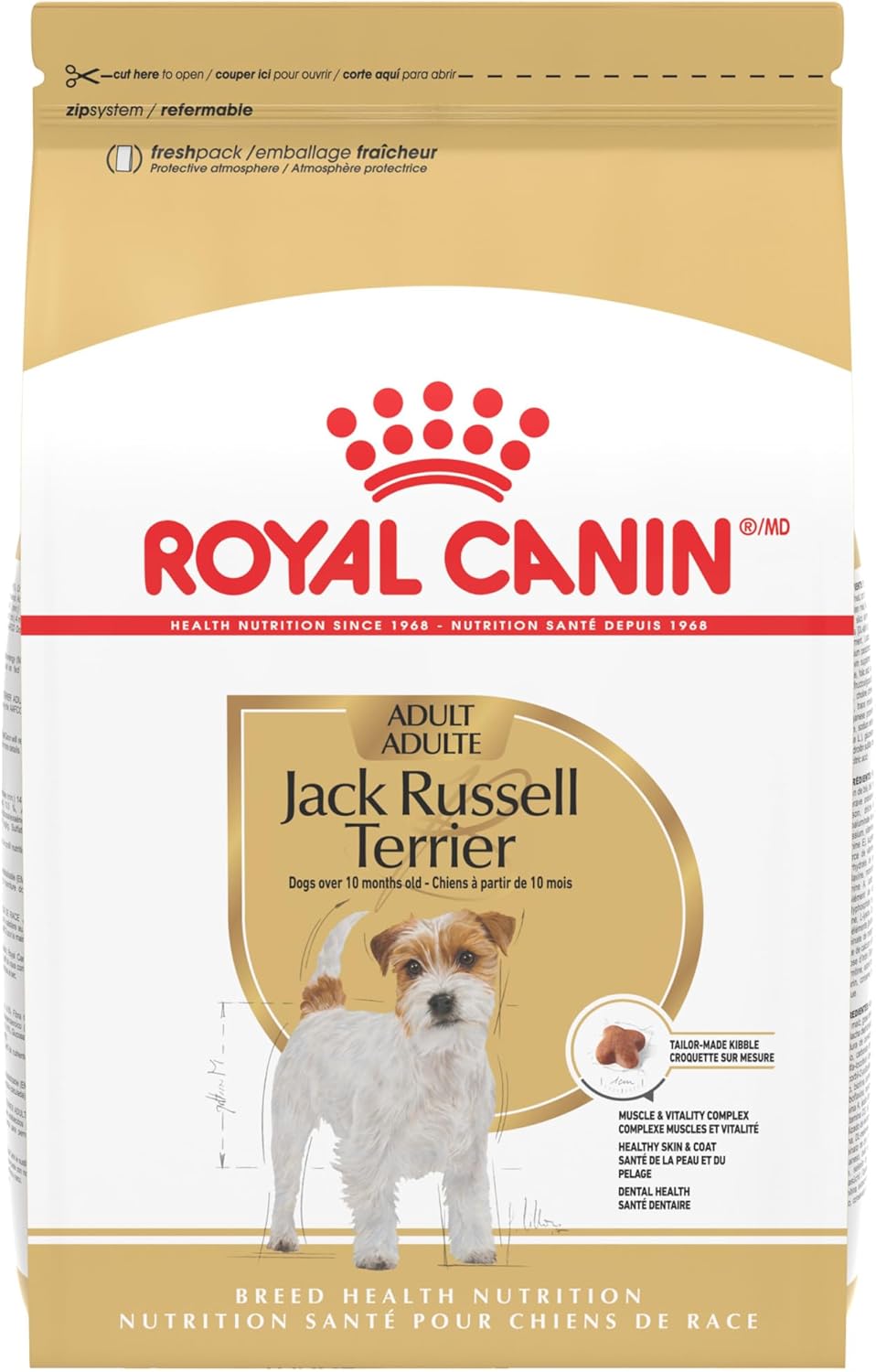
ROYAL CANIN Jack Russell Terrier Dry Food 10 lb
Best Overall Dog Food
| Item Form | Pellet |
|---|---|
| Age Range Description | Adult |
| Breed Recommendation | Jack Russell Terrier |
| Container Type | Bag |
| Unit Count | 160 Ounce |
This Royal Canin formula is a breed-specific dry kibble designed for adult Jack Russell Terriers 10 months and older. The product pairs a unique kibble shape sized for the breed's jaw and biting patterns with a nutrient profile aimed at maintaining muscle mass, supporting skin and coat health, and encouraging chewing for tartar control. Typical use is as an everyday complete diet for purebred Jack Russells; the kibble texture and shape make it easier for small, strong-jawed dogs to pick up and chew, and the protein and antioxidant mix is targeted to sustain vitality. Practical benefits include breed-focused nutrient ratios, EPA and DHA from fish oil for skin support, and added ingredients like glucosamine and chondroitin for joint and muscle care. Limitations are the grain-containing ingredient list and use of by-product meals, which some owners prefer to avoid, and that the formulation is narrowly targeted to pure Jack Russell Terriers rather than mixed-breed or different small-breed needs.
Best for: Owners of purebred Jack Russell Terriers who want a daily dry food tailored to the breed’s jaw shape and common health priorities and who prioritize targeted nutrition over novelty ingredient lists.
Less Ideal for: Pet owners seeking a grain-free or whole-protein-first ingredient list, or those feeding mixed-breed small dogs with different dietary requirements.
- Kibble shape and size designed for Jack Russell jaw and chewing behavior
- Nutrient profile aimed at maintaining muscle mass and overall vitality
- Includes EPA and DHA from fish oil for skin and coat support
- Kibble texture helps promote chewing which can aid tartar control
- Contains joint-support ingredients such as glucosamine and chondroitin
- Contains grain and chicken by-product meal rather than an all-whole-protein formula
- Formulation is breed-specific and may not suit mixed breeds or different small-breed dietary needs
Verdict: The best overall dog food delivers a balanced nutrient profile, good ingredient quality, and appropriate kibble size to meet the typical needs of an active Russell Terrier.
Nutrish Small Breed Chicken 5 lb
Best Budget Dog Food

| Flavor | Chicken |
|---|---|
| Age Range Description | All Life Stages |
| Item Form | Chunk |
| Unit Count | 80 Ounce |
Rachael Ray Nutrish Small Breed Real Chicken & Veggies is a 5 lb bag of dry kibble designed for adult small dogs, offering a chicken-first recipe with added vitamins and minerals. The kibble is smaller and crunchier to suit tiny mouths and picky eaters, and the formula includes chicken meal, fish meal, and vegetables for protein and variety. It is veterinarian reviewed and positioned as a natural recipe without added artificial flavors, and the packaging and feeding guide make it easy to portion into two daily meals. Practical benefits include familiar, real-food ingredients and a formula that aims to provide complete and balanced nutrition for adult small breeds, plus the smaller bag size is convenient for trialing new food or for owners on a tighter budget. Limitations are that the ingredient list contains corn, soybean meal, and barley, which some owners avoid, and the bag size and protein mix may not meet the needs of dogs with specific food sensitivities or high-performance energy requirements.
Best for: Budget-minded owners of French Bulldogs seeking a complete, small-kibble dry food that uses real chicken and is easy to portion for daily feeding.
Less Ideal for: Owners looking for grain-free, limited-ingredient, or hypoallergenic prescriptions should consider other formulas developed for sensitive dogs.
- Real chicken is listed as the #1 ingredient providing a recognizable animal protein source
- Small, crunchy kibble shaped for small mouths and easier chewing
- Veterinarian reviewed formula with added vitamins and minerals for complete nutrition
- No added artificial flavors and includes vegetables for ingredient variety
- Contains grains and plant meals such as whole corn and soybean meal which some owners avoid
- May not be suitable for dogs with specific allergies or ingredient sensitivities
Verdict: The best budget dog food provides complete and safe nutrition at a lower price point, ideal for owners prioritizing cost while still meeting a Russell Terrier’s daily requirements.
ORIJEN Small Breed Dry Dog Food 4 lb
Best Premium Dog Food

| Flavor | Grain Free Small Breed Dog Recipe |
|---|---|
| Item Form | Dry Kibble |
| Age Range Description | All Life Stages |
| Unit Count | 64 Ounce |
ORIJEN Small Breed is a premium, grain-free dry dog food designed specifically for small dogs and all life stages. It delivers a very high proportion of animal ingredients, with the first five components listed as fresh or raw poultry and fish and an overall WholePrey approach that includes meats, organs, and bones to supply naturally occurring nutrients. The kibble is shaped for small mouths and is coated with freeze-dried bits for added flavor, making it suitable for picky eaters. Typical use is twice-daily feeding adjusted to activity and body condition, and the formulation emphasizes protein density to support lean muscle, skin and coat health, and digestive balance. Practical benefits include limited reliance on synthetic additives, a broad spectrum of animal-sourced nutrients, and ingredient sourcing from reputable regions. Important limitations are that it is grain-free which may not be necessary for every dog, and the richer formula can require careful portion control during transitions to avoid digestive upset or excess calories in less active pets.
Best for: Owners who prioritize premium animal proteins, carefully sourced ingredients, and advanced nutrition to support long-term health and coat condition in small-breed dogs.
Less Ideal for: Owners looking for a low-calorie, grain-inclusive diet or those whose dogs have no specific need for a high-protein, grain-free formula.
- Very high animal-ingredient content with whole meats and organs for nutrient density
- Kibble shape and size tailored for small-breed mouths
- Includes freeze-dried coating to boost palatability for picky eaters
- Formulated for all life stages supporting skin, coat, and digestive health
- Grain-free, protein-rich formula may be more than some small dogs need calorie- and digestion-wise
Verdict: The best premium dog food is for owners willing to pay more for elevated ingredient quality, targeted nutrients, and refined formulas that support energy and coat health in Russell Terriers.
Wellness CORE Small Breed Turkey & Chicken
Best High-Protein Dog Food

| Flavor | Turkey Healthy Weight |
|---|---|
| Age Range Description | Adult |
| Item Form | Pellet |
| Special Ingredients | gluten-free, grain-free |
| Unit Count | 64 Ounce |
Wellness CORE Small Breed Turkey & Chicken is a grain-free dry dog food designed for adult small dogs and formulated around high‑quality animal proteins. The small kibble is straightforward to use as an everyday complete diet and is intended to support lean muscle with turkey and chicken listed first, plus added chicken meal for concentrated protein. Practical features include guaranteed omega fatty acids for skin and coat, glucosamine and chondroitin for joint support, and added probiotics and fiber to help digestion. The recipe contains a range of fruits, vegetables, and a salmon and flax omega blend to round out micronutrients rather than relying on grains for carbohydrates. One limitation is the inclusion of multiple legume ingredients such as lentils and peas, which some dogs may find less digestible or that owners may want to avoid for specific dietary reasons. For owners switching to grain-free, the product offers a meat-forward formula in a small kibble size tailored to miniature breeds, but as with any diet change monitor stool quality and overall tolerance during the transition.
Best for: Owners of Miniature Schnauzers who want a meat‑forward, grain‑free daily diet with small kibble and added digestive and joint support, and who prioritize higher protein and healthy fats.
Less Ideal for: Dogs with known sensitivities to legumes or owners seeking a strict grain‑free product made in a dedicated grain‑free facility should consider alternatives or consult a veterinarian.
- High first‑ingredient animal protein (debonded turkey and turkey meal) to support lean muscle
- Small kibble size formulated for small-breed mouths
- Added probiotics and fiber to support digestive health
- Omega blend plus glucosamine and chondroitin for skin, coat, and joint support
- Uses legumes and potatoes as primary carbohydrate sources which some dogs may not tolerate as well
- Manufactured in a facility that also processes grains, so not suitable for strict grain allergy cases
Verdict: The best high-protein dog food suits energetic Russell Terriers that need extra animal-based protein to support lean muscle and sustained activity levels.
Royal Canin Small Adult Dry Dog Food 4 lb
Best Small-Breed Dog Food

| Flavor | Chicken |
|---|---|
| Age Range Description | Adult |
| Item Form | Pellet |
| Dog Breed Size | Small |
| Unit Count | 64 Ounce |
Royal Canin Size Health Nutrition Small Adult is a 4 lb dry kibble made specifically for small-breed adult dogs. It uses a small, exclusive kibble shape and a nutrient profile designed to match the higher metabolic rate and jaw size of small dogs, and is typically fed as the main daily diet or mixed with wet food for added palatability. Notable features include focused energy levels to help maintain ideal weight, a precise blend of calcium and phosphorus for bone support, and digestible proteins plus prebiotic fibers to support gut health and a healthy microbiome. The chicken-flavored formula lists fish oil and fructooligosaccharides as special ingredients and contains commonly used grains. Practical benefits are portion-friendly packaging for smaller households and a formula tailored to small-dog feeding behavior that can reduce overeating while supporting activity. Limitations to consider are the inclusion of chicken by-product meal and grains which some owners avoid, and the bag size may not be optimal for multi-dog homes that prefer larger bulk bags.
Best for: Buyers who want a small-breed formula that matches the bite size, energy needs, and life-stage nutrition of companion breeds like the Cavalier King Charles Spaniel.
Less Ideal for: Owners seeking grain-free recipes or limited-ingredient diets for documented food sensitivities should consider alternative specialty formulas.
- Kibble and nutrient profile tailored to small-breed jaw shape and energy needs
- Formulated to help maintain ideal weight with controlled caloric density
- Includes a calcium and phosphorus balance to support bone health
- Contains prebiotic fibers and highly digestible proteins to support digestion and microbiome
- Contains chicken by-product meal and grains that some owners may avoid
- Only available in a 4 lb bag here which may require frequent repurchase for multi-dog households
Verdict: The best small-breed dog food is formulated with appropriately sized kibble and calorie density to match the metabolism, bite size, and energy needs of a Russell Terrier.
Instinct RawBoost Small Breed 3.5 lb
Best Limited-Ingredient Dog Food

| Flavor | Chicken |
|---|---|
| Item Form | Dry Kibble |
| Breed Recommendation | Small Breeds |
| Allergen Information | Gluten Free, Soy Free, Wheat Free |
| Unit Count | 56 Ounce |
Instinct RawBoost Small Breed pairs crunchy kibble with freeze-dried raw chicken pieces to give small dogs a texture-driven meal that aims to boost palatability and nutrition. It is used as an everyday dry food for small, active dogs and can be fed alone or mixed with wet or raw toppers; the packaging includes feeding guidance so owners can portion by age, weight, and activity. The formula lists cage-free chicken as the first ingredient and includes added probiotics, omegas from salmon oil, antioxidants from fruits and vegetables, and guaranteed calcium and phosphorus for bone support. Practical benefits include a high-protein profile suitable for muscle maintenance, naturally occurring glucosamine and chondroitin for joint support, and a grain-free recipe free of common fillers. Expect good acceptance from picky eaters thanks to the freeze-dried inclusions, but this is positioned as a mainstream premium-style kibble rather than an ultra-premium single-ingredient freeze-dried meal, so ingredient sourcing and novelty are not at the highest tier. The product is made in the USA and is intended for daily feeding of small-breed dogs.
Best for: Buyers seeking an affordable, everyday dry food that boosts palatability for small dogs and offers added digestive and joint support without the cost of specialty single-ingredient freeze-dried diets.
Less Ideal for: Owners who want a pure freeze-dried single-ingredient topper or those requiring an elimination diet for specific protein or ingredient sensitivities should look elsewhere.
- Combines crunchy kibble with freeze-dried raw pieces to improve flavor and texture
- Cage-free chicken is the first ingredient for a higher protein profile
- Includes probiotics, omegas, and antioxidants for digestive, skin, and immune support
- Formulated specifically for small breeds with guaranteed calcium and phosphorus for bone health
- Grain-free kibble with multiple ingredients rather than a single-ingredient freeze-dried meal
- Not marketed as a premium-sourced single-protein freeze-dried formula
Verdict: The best limited-ingredient dog food is for owners narrowing ingredient exposure to identify or avoid sensitivities while still providing complete nutrition for a Russell Terrier.
Hill's Science Diet Sensitive Stomach Small Bites
Best Digestive Support Dog Food

| Flavor | Chicken |
|---|---|
| Age Range Description | Adult 1-6 |
| Item Form | Pellet |
| Specific Uses For Product | Stomach & Skin Sensitivity support Small Kibble |
| Unit Count | 64 Ounce |
Hill's Science Diet Sensitive Stomach & Skin Small Bites is a dry adult formula designed for dogs that have occasional digestive upset and skin sensitivity. The recipe uses high-quality chicken as the first ingredient along with prebiotic fiber to support a balanced gut microbiome and improve nutrient absorption, and it includes vitamin E and omega fatty acids to help maintain skin and coat health. The small kibble size makes it easy for brachycephalic breeds like French Bulldogs to pick up and chew, and the formula emphasizes gentle carbohydrates such as barley and rice rather than heavy legumes. Practical benefits include predictable digestibility, a complete nutrient profile with clinically proven antioxidants, and guidance for transitioning pets to the food. Limitations are that it is not an elimination diet with a novel protein, so dogs with specific protein allergies may need a more restricted formula, and the bag sizes and ingredient list include grains, which some owners prefer to avoid entirely. For many dogs prone to mild-to-moderate stomach sensitivity, this offers a veterinary-backed, easy-to-feed option.
Best for: Owners seeking a veterinarian-recommended, highly digestible daily food for adult dogs that commonly have mild digestive upset and skin sensitivity, especially for breeds that benefit from small kibble.
Less Ideal for: Owners whose dogs require a novel protein or strict limited-ingredient elimination diet for confirmed food allergies should choose a dedicated hypoallergenic formula instead.
- First ingredient is high-quality chicken for consistent protein
- Prebiotic fiber to support gut microbiome and digestibility
- Includes vitamin E and omega fatty acids to support skin and coat
- Small kibble size suited to dogs with short muzzles or picky chewers
- Clinically backed antioxidants to support immune health
- Contains common grains and chicken, so not suitable as a novel-protein elimination diet
- Not marketed as a limited-ingredient formula for dogs with multiple food sensitivities
Verdict: The best digestive support dog food helps dogs with sensitive stomachs by prioritizing easily digestible proteins, added fiber or probiotics, and ingredient choices that reduce gastrointestinal upset in Russell Terriers.
Choosing the Right Dog Food Russell Terrier: Key Factors to Consider
Protein Quality and Percentage
Russell terriers are active and need high-quality protein to maintain lean muscle mass. Look for named animal proteins listed near the top of the ingredient statement rather than vague meat meals or by-products. Protein percentage matters because too little can lead to muscle loss, while excessively high levels without balancing fats and calories can contribute to weight gain if activity drops.
Also consider protein digestibility. Highly digestible proteins reduce stool volume and make it easier for a small dog to extract needed nutrients. If your terrier has shown food sensitivities, single-source proteins or novel proteins can reduce adverse reactions while still supplying essential amino acids.
Calorie Density and Fat Levels
Russell terriers burn a lot of energy relative to their size, so calorie density is important. A food with moderate to high calorie density allows you to feed smaller portions while meeting energy needs, which helps avoid overeating and reduces the chance of gastrointestinal upset from large meals.
Fat is the most concentrated energy source, so check fat types and amounts. Healthy unsaturated fats support coat condition and provide energy, while omega-3s aid inflammation control. Avoid foods with excessive fat that could promote weight gain if activity levels decline unexpectedly.
Kibble Size and Texture
Small, active mouths need kibble they can pick up and chew easily. Appropriately sized pieces encourage slower eating and reduce the risk of gagging or swallowing whole pieces. Texture matters too: a crunchy kibble helps dental health by scraping plaque, while softer textures can be useful for older terriers or those with dental issues.
Consider whether your dog prefers dry, wet, or mixed feeding. Some Russell terriers thrive on primarily dry food with occasional wet topper for palatability and hydration, while others benefit from softer textures if they have sensitive teeth.
Digestive Tolerance and Ingredient Simplicity
Many small terrier breeds show sensitive digestion. Foods with limited, recognizable ingredients can reduce the chance of food reactions. Avoid formulas that rely heavily on corn, wheat, or soy if your dog has a history of loose stools or itchy skin, and favor sources like rice, sweet potato, or oatmeal that often sit easier with sensitive dogs.
Probiotics, prebiotic fibers, and added digestive enzymes can help nutrient absorption and steady stool consistency. Look for formulas with digestive support if your Russell terrier has prior gastrointestinal upsets.
Joint and Skin Support
Although Russell terriers are small, their active nature can put stress on joints over time. Ingredients like glucosamine and chondroitin can offer maintenance support, particularly for older dogs or very active individuals. Similarly, skin and coat health reflects overall nutrition; adequate omega-3 and omega-6 fatty acids promote a glossy coat and reduce inflammation.
If your terrier shows seasonal allergies or dry skin, formulas with balanced fatty acid ratios and limiting common allergens may improve comfort. These supportive nutrients also aid recovery after intense activity or play sessions.
Feeding Practicality and Portion Control
Portioning is critical for a small, energetic breed. Look for foods that provide clear feeding guidelines by weight and activity level. Calorie-dense foods require smaller measured portions, which can be easier to manage and store. Packaging that seals well helps preserve freshness, which affects taste and fat oxidation.
Consider ease of transition when switching foods. Gradual mixing instructions and palatability matter because a picky eater can refuse a sudden change. Also account for available bag sizes so that opened food is used within a timeframe that maintains quality.
How Many Calories Should I Feed a Russell Terrier Each Day?
Daily calorie needs depend on age, activity level, and body condition. An active adult Russell terrier typically needs proportionally more calories per pound than a larger dog because of a higher metabolic rate. Start by using the feeding chart on the food as a baseline, then adjust up or down based on weight trends and energy levels.
Monitor body condition by feeling the ribs and observing a waistline above the hips. If ribs are hard to feel or the waist is gone, reduce portions slightly. If the dog seems lethargic or is losing weight unexpectedly, increase calories or consult a veterinarian.
- Use body condition scoring rather than strictly following can recommendations.
- Split daily allowance into two or three meals to stabilize energy and reduce begging.
- Reassess portions seasonally since activity can fluctuate.
What Kibble Size Works Best for a Small, Fast-mouthed Terrier?
Choose kibble sized for small breeds so the dog can pick up and chew without swallowing large pieces whole. Small, diamond-shaped or pellet-style kibbles are easier for tiny jaws and promote more thorough chewing.
Consider a mix of textures if your dog gulps food. Adding a few moistened pieces or a wet topper can slow intake and improve palatability without changing the main diet.
- Try small-breed or mini kibbles that measure a few millimeters across.
- Avoid overly dense large nuggets designed for bigger breeds.
Should I Choose Grain-free or Grain-inclusive Formulas?
Grain-free diets can be useful if your terrier has confirmed grain sensitivities, but they are not inherently superior for all dogs. Many active small breeds do well on grain-inclusive diets that use digestible grains like rice or oats to provide steady carbohydrates and fiber.
If you suspect a sensitivity, trialing a limited-ingredient or novel-protein diet under veterinary guidance is a practical approach. Watch stool quality, coat condition, and energy level during any trial period.
- Reserve grain-free as a solution for diagnosed sensitivities rather than a default choice.
- Look for digestible carbohydrate sources that support steady energy release.
How to Transition a Russell Terrier to a New Food
Switch foods gradually over 7 to 10 days by increasing the new food proportion each day. Rapid changes increase the risk of diarrhea or vomiting in sensitive dogs. Keep meal sizes consistent and monitor appetite, stool, and energy as you transition.
If your dog reacts poorly during the change, slow the transition further or pause and consult a veterinarian. Mixing a small amount of a probiotic or digestive supplement during the switch can help some dogs tolerate the new formula.
- Day 1 to 3: 25 percent new, 75 percent old.
- Day 4 to 6: 50/50 mix.
- Day 7 to 10: 75 percent new, 25 percent old.
Can Adding Toppers or Supplements Help Picky Eaters?
Toppers can increase palatability and encourage eating, but they should complement rather than replace a balanced diet. Small amounts of wet food, plain cooked meat, or nutrient-rich broths can entice picky Russell terriers while maintaining overall nutrition.
Supplements like omega-3 oils or joint-support chews can address specific needs but should be used under guidance to avoid unbalancing the diet. Use toppers sparingly to prevent excessive calorie intake.
- Use toppers for temporary appetite boosts or medication hiding.
- Maintain awareness of added calories from toppers and adjust base portions accordingly.
What Signs Suggest a Food Is Not Agreeing with My Terrier?
Common indications include loose stools, frequent gas, itchy skin, chronic ear issues, or a dull coat. Behavioral changes such as reduced playfulness or reluctance to eat can also signal intolerance.
If you observe these signs after switching foods, revert to the previous diet and consult your veterinarian. Document symptoms and timing to help identify the likely offending ingredient or formula.
- Track stool consistency and frequency for two weeks after any dietary change.
- Note any skin or ear flare-ups that coincide with new foods.
How We Chose the Best Dog Food Russell Terrier
We focused on attributes that matter specifically for Russell terriers: concentrated energy density for active lifestyles, protein sources that support lean muscle, appropriate kibble size for small jaws, and digestive tolerance for dogs prone to gastrointestinal sensitivity. Each candidate had to demonstrate balanced macronutrients suitable for small-breed activity levels and an ingredient profile that prioritized recognizable protein first and limited needless fillers. We also considered manufacturing quality indicators such as sourcing transparency and third-party testing practices as proxies for consistency and safety. Our selection filtered out formulas that lacked clear protein sources, had oversized kibble unsuitable for small mouths, or offered calorie densities inappropriate for high-activity but small-stature dogs. We excluded specialty therapeutic diets unless specifically required for a diagnosed condition, and we did not include foods with inconsistent labeling or unverifiable ingredient claims. Final choices were compared across consistency in stool quality reports, digestibility, and how well the formulas met nutrient needs for active small terriers.
Our full evaluation process is outlined in our review methodology.
FAQ
How often should I feed an adult Russell terrier?
Most adult Russell terriers do well on two meals per day to maintain steady energy and avoid overeating. Puppies may need three to four smaller feedings. Adjust frequency based on metabolism, activity, and veterinary advice.
Is high-protein food necessary for this breed?
High-quality protein is important to support lean muscle, but the exact percentage should fit the dog's activity level. Too much protein without appropriate calorie control can lead to weight gain if activity decreases.
Can I mix wet and dry food for variety?
Yes. Mixing wet and dry can improve palatability, increase moisture intake, and provide texture variety. Ensure the combined calories match daily requirements to prevent unintentional overfeeding.
Are probiotics helpful for a Russell terrier with sensitive digestion?
Probiotics and prebiotic fibers often help stabilize stool and improve nutrient absorption, and they can be beneficial during diet changes. Choose products formulated for dogs and consult your veterinarian for persistent digestive issues.
What is the best way to prevent my terrier from getting overweight?
Use portion control based on calorie-dense feeding guidelines, measure meals, track body condition regularly, and maintain consistent daily exercise. Reduce treats and adjust meal size if you notice weight gain.
Final Verdict
Prioritize a formula that balances digestible protein, appropriate calorie density, and small-breed kibble sizing when choosing food for a Russell terrier. Digestive tolerance and ingredient simplicity will affect daily comfort and stool quality, while healthy fats and joint-supporting nutrients contribute to coat condition and long-term mobility. Balance energy needs with portion control and monitor body condition regularly. Use the factors discussed here to match a food to your terrier's activity level and sensitivities, and make adjustments gradually to find the best maintenance diet.

