

If your older dog struggles to chew because of worn or painful teeth, you need food that makes mealtime comfortable while still meeting nutritional needs. The right diet for seniors with bad teeth is gentle on the mouth, concentrated in calories and key nutrients, and simple to serve without additional prep. This guide shortlists seven top options suitable for senior dogs with chewing difficulties and evaluates them by texture, nutrient density, and ease of feeding. Read on to find choices that help maintain weight, support digestion, and keep feeding time stress-free.
Top Picks at a Glance
| Best Overall Food for Seniors with Bad Teeth The all-around best choice for older dogs with chewing issues | Blue Buffalo Homestyle Recipe Senior Pate |  |
| Best Budget Food for Seniors with Bad Teeth A low-cost option that still offers senior-friendly texture and nutrition | Jinx Senior Dry Dog Food 4lb |  |
| Best Soft-Texture Food Formulated for easy chewing or minimal chewing effort | Purina Moist & Meaty Steak Pouches 36ct |  |
| Best Wet Food Moist, easy-to-eat options that help with chewing and hydration | Purina ONE Senior Turkey & Barley |  |
| Best High-Calorie Food Higher-energy formulas for older dogs that need extra calories | ORIJEN Senior Dry Dog Food 4.5 lb |  |
| Best Digestive Support Food Gentle formulas that aid digestion and reduce stomach upset | Purina Pro Plan Sensitive Skin & Stomach Senior Salmon | 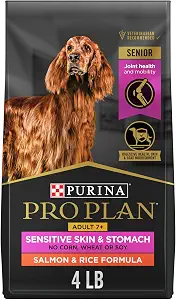 |
| Best Premium Food Higher-end formulations emphasizing quality ingredients and targeted benefits | Open Farm Grain Free Senior Dog Food 4 lb |  |
Blue Buffalo Homestyle Recipe Senior Pate
Best Overall Food for Seniors with Bad Teeth

| Flavor | Chicken |
|---|---|
| Age Range Description | Senior |
| Item Form | Pate |
| Special Ingredients | holistic, protein-rich |
| Unit Count | 150 Ounce |
Blue Buffalo Homestyle Recipe Chicken Senior is a pâté-style canned food designed to meet the nutritional needs of older dogs. It is typically served as a complete meal or mixed into dry food as a palatable topper, and its soft texture works well for dogs with missing teeth or reduced chewing ability. The recipe lists real deboned chicken first and includes fruits, vegetables, whole grains, and added glucosamine and chondroitin to help support joint health and mobility. Moisture-rich with a smooth consistency, it can help increase fluid intake and entice picky eaters, and formulas are free of poultry by-product meals, corn, wheat, soy, artificial flavors, and preservatives. Nutrition is developed by veterinarians and animal nutritionists and the cans are easy to portion and refrigerate after opening. One limitation is that the pate format may not satisfy dogs that prefer chunkier or shredded textures, and the inclusion of grains means it is not a grain-free option for owners seeking that profile.
Best for: Owners of aging dogs who need a moisture-rich, highly palatable canned food to support appetite, ease eating, and provide joint-supporting nutrients.
Less Ideal for: Owners who want a grain-free senior diet or whose dogs prefer chunky wet textures should consider other formulations.
- Real deboned chicken is the first ingredient for high-quality protein
- Added glucosamine and chondroitin to support joint health in seniors
- Moist, smooth pâté texture that helps dogs with dental issues or low appetite
- Formulated without poultry by-product meals, corn, wheat, soy, artificial flavors, or preservatives
- Versatile use as a complete meal, a topper, or mixed into dry food
- Pâté texture may not appeal to dogs that prefer chunks or shreds
- Contains whole grains, so not suitable for owners seeking grain-free senior formulas
Verdict: The best overall food for seniors with bad teeth, balancing soft texture, nutrient density, and palatability to meet older dogs’ needs.
Jinx Senior Dry Dog Food 4lb
Best Budget Food for Seniors with Bad Teeth

| Flavor | Chicken |
|---|---|
| Age Range Description | Senior |
| Item Form | Kibble |
| Unit Count | 64 Ounce |
Jinx Senior Dry Dog Food is a 4 lb kibble recipe formulated for seniors that leans on USA farm-raised cage-free chicken plus brown rice and sweet potato as primary ingredients. It is typically used as an everyday maintenance diet for dogs aged seven and up, and the formula highlights added taurine, probiotics, glucosamine and omega 3 and 6 to help support heart function, digestive balance, joint comfort and skin and coat health. The kibble is described as medium-sized (about 13 mm) so it should be manageable for most adult mouths, and the ingredient list includes recognizable additions such as fish oil, dried fruits and prebiotic fibers. Practical benefits here are sensible senior-focused nutrition with digestive and immune support and joint-targeted ingredients at a modest package size that fits tighter budgets. Limitations to expect are that specific calorie-per-cup information is not listed on the product page and a 4 lb bag will require more frequent repurchasing for larger dogs, so it may not be as economical per pound as larger bag options for multi-dog households.
Best for: Buyers looking for an affordable, senior-focused maintenance kibble that delivers digestive support, heart and joint nutrients without premium pricing.
Less Ideal for: Owners who need strict, labeled low-calorie feeding plans or those wanting larger bulk bags for cost-per-pound savings should consider other options.
- Formulated for senior needs with added taurine and glucosamine to support heart and joint health
- Contains probiotics and prebiotic fibers to support digestion and immune function
- Uses identifiable real ingredients like USA farm-raised chicken, brown rice and sweet potato
- Includes omega 3 and 6 fatty acids for skin and coat support
- Medium kibble size suitable for most adult dogs' mouths
- Calorie-per-serving or kcal information is not provided on the product page
- Small 4 lb bag size means more frequent repurchases for larger or multiple dogs
Verdict: The best budget food for seniors with bad teeth that provides adequate calories and softer texture without sacrificing basic nutrient needs or safety.
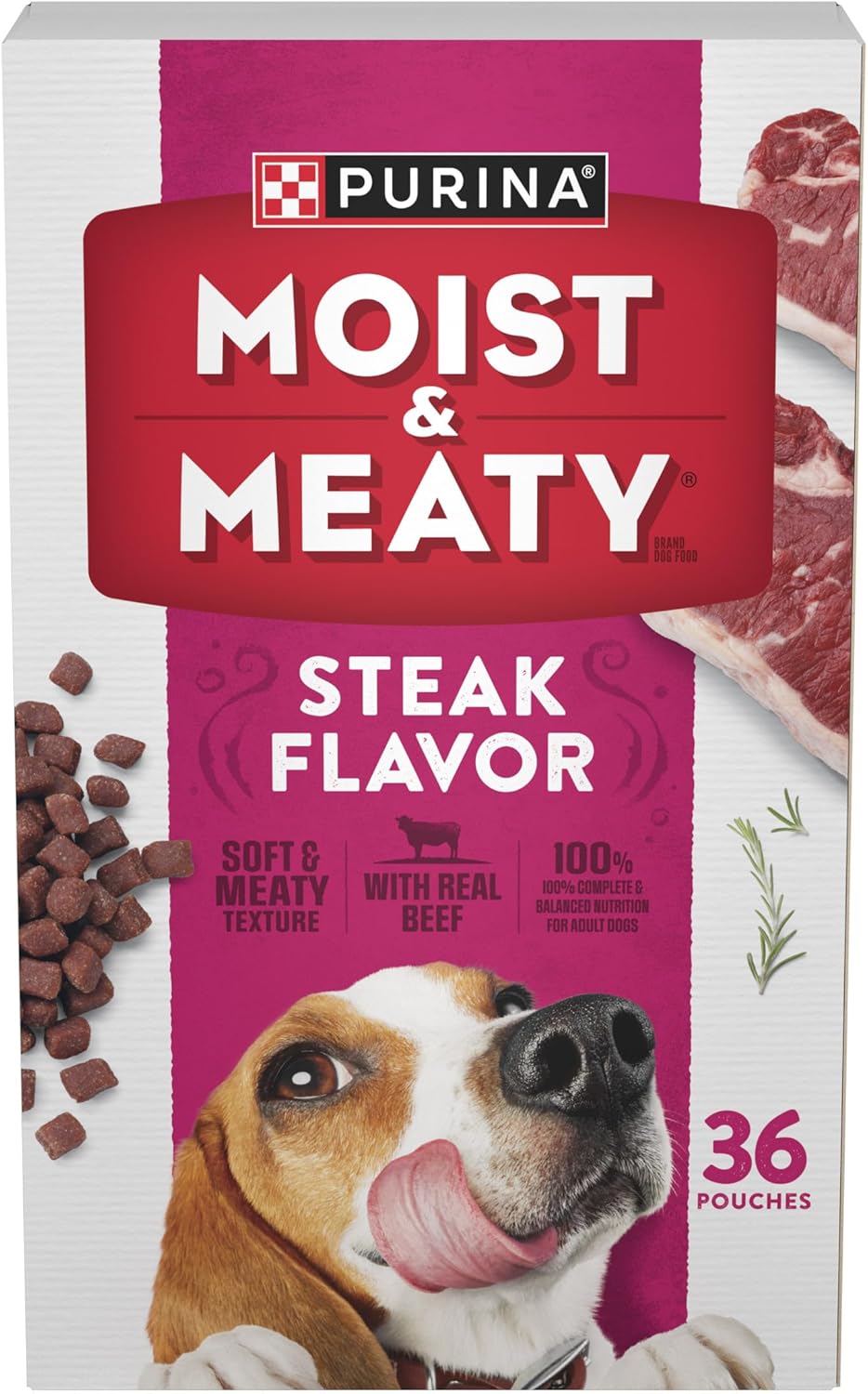
Purina Moist & Meaty Steak Pouches 36ct
Best Soft-Texture Food
| Flavor | Steak |
|---|---|
| Item Form | Chunk |
| Container Type | Pouch |
| Package Size Name | 36 ct. |
| Unit Count | 216 Ounce |
Purina Moist & Meaty Steak Flavor comes in single-serve pouches of soft, meaty chunks intended as quick meals, snacks, or toppers for adult dogs. Each pouch is formulated as a complete and balanced meal and emphasizes palatability with real beef and savory flavor accents that dogs tend to prefer. The stay-fresh pouches make serving simple and reduce mess, and the pouch format also lets you use it as a high-value training treat or to entice picky eaters when mixed with kibble. Ingredient-wise it is a semi-moist product containing beef and meat-derived ingredients plus syrups and preservatives that extend shelf life and texture, so it is not a premium whole-food recipe. It delivers high protein per pouch and convenient portioning, but buyers seeking limited-ingredient diets or grain-free, minimally processed formulas should look elsewhere. For everyday use it is an affordable, palatable option to rotate into meals or use as a topper to boost interest in standard food.
Best for: Buyers who want an affordable, easy-to-serve soft food that reliably appeals to most adult dogs and can be used as meals, toppers, or treats.
Less Ideal for: Owners seeking a grain-free, limited-ingredient, or minimally processed premium formula for medical or allergy reasons should consider alternatives.
- Single-serve pouches for no-mess feeding and easy portioning
- Formulated as a complete and balanced adult dog meal
- High palatability from real beef and meaty texture that entices picky dogs
- Convenient multi-use: meal, topper, or training reward
- Contains syrups, by-product ingredients, and preservatives rather than limited or premium whole-food ingredients
- Not suitable for owners who need grain-free or restricted-ingredient diets
Verdict: The best soft-texture food for seniors with bad teeth, made to be easy to chew or mash while still delivering balanced nutrition for older dogs.
Purina ONE Senior Turkey & Barley
Best Wet Food

| Flavor | Turkey & Barley |
|---|---|
| Age Range Description | Senior |
| Item Form | Pate |
| Unit Count | 156 Ounce |
| Number of Items | 12 |
Purina ONE Plus Senior Turkey & Barley is a pate-style canned diet designed to meet the nutritional needs of mature dogs. It is typically fed as a wet meal or mixed with kibble to increase palatability and moisture intake for older pets. The recipe lists real turkey first and emphasizes high protein to support muscle maintenance in seniors, while oat meal and barley provide easily digestible carbohydrate sources. The formula includes added vitamins, minerals, antioxidants for immune support, and medium-chain triglycerides aimed at promoting alertness and activity. Practical benefits include a soft texture that is easier for aging teeth to eat, no poultry by-products or artificial colors and flavors, and a 12-can pack that suits multi-dog households or regular feeding. Limitations to consider are that this is a general senior formula rather than a veterinary therapeutic diet, so dogs with specific clinical issues like advanced kidney disease or severe food sensitivities may need a prescription option or an elimination diet; calorie density and portioning should be adjusted to individual weight goals. For everyday senior feeding it balances palatability and supportive nutrients in a convenient canned format.
Best for: Buyers who want an everyday senior canned food that prioritizes recognizable meat first, easy-to-eat texture, and supportive nutrients for general aging needs.
Less Ideal for: Owners whose senior dogs require a veterinary therapeutic formula for medical conditions or who need a limited-ingredient diet for confirmed food allergies should look elsewhere.
- Real turkey is the first ingredient for recognizable animal protein
- High protein formula to help support muscle maintenance in older dogs
- Pate texture is soft and easy for seniors with dental wear to eat
- Includes added vitamins, minerals and antioxidants for whole-body support
- Contains MCTs to help support alertness and activity in aging dogs
- Not a prescription therapeutic diet for specific medical conditions
- Pack size and caloric content may require portion adjustments for weight management
Verdict: The best wet food for seniors with bad teeth, offering high moisture and a tender consistency that’s simpler to eat and encourages hydration.
ORIJEN Senior Dry Dog Food 4.5 lb
Best High-Calorie Food

| Flavor | Senior Recipe |
|---|---|
| Item Form | Dry Kibble |
| Special Ingredients | Apple, Egg, Kelp, Peas, Pumpkin |
| Unit Count | 72 Ounce |
| Specific Uses For Product | Hip and Joint Support, Weight Management |
ORIJEN Senior is a nutrient-dense, grain-free dry dog food built around WholePrey animal ingredients to support older dogs. It is typically fed twice daily and is aimed at maintaining healthy weight and joint function through high protein from fresh or raw chicken, turkey, salmon, whole herring and chicken liver, plus added glucosamine and chondroitin. The recipe includes a freeze-dried coating to boost palatability and a mix of fruits, vegetables and botanicals for micronutrients. For seniors with dental limitations the kibble is still a dry format so it may require soaking or mixing with water or wet food to soften, but its high protein and joint-support nutrients make it practical for dogs needing weight management and hip care. The formula is made without common fillers like corn, soy, wheat or tapioca and emphasizes raw or fresh animal ingredients delivered refrigerated or frozen before processing. The main compromises are that it is a premium, protein-rich dry kibble that can be more expensive than standard formulas and may need preparation for dogs that cannot chew hard kibble comfortably.
Best for: Owners who prioritize high-quality animal ingredients, advanced joint support, and weight management for senior dogs and are willing to prepare dry food (soaking or mixing) for pets with limited chewing ability.
Less Ideal for: Owners seeking a ready-to-serve soft or canned senior diet for dogs that cannot chew at all should choose a wet or specially textured formula instead.
- High animal-ingredient content with the first five ingredients as fresh or raw meats for strong protein and nutrient density
- Includes glucosamine and chondroitin to help support senior joint health
- Grain-free formula without corn, soy, wheat or tapioca, reducing common fillers and allergens
- Freeze-dried coating improves palatability for picky older dogs
- Formulated to support healthy weight and hip function in seniors
- Dry kibble may require soaking or mixing for dogs with few or no teeth
- Premium ingredient sourcing makes it more expensive than typical senior formulas
Verdict: The best high-calorie food for seniors with bad teeth who need denser energy from smaller portions while remaining easy to chew.
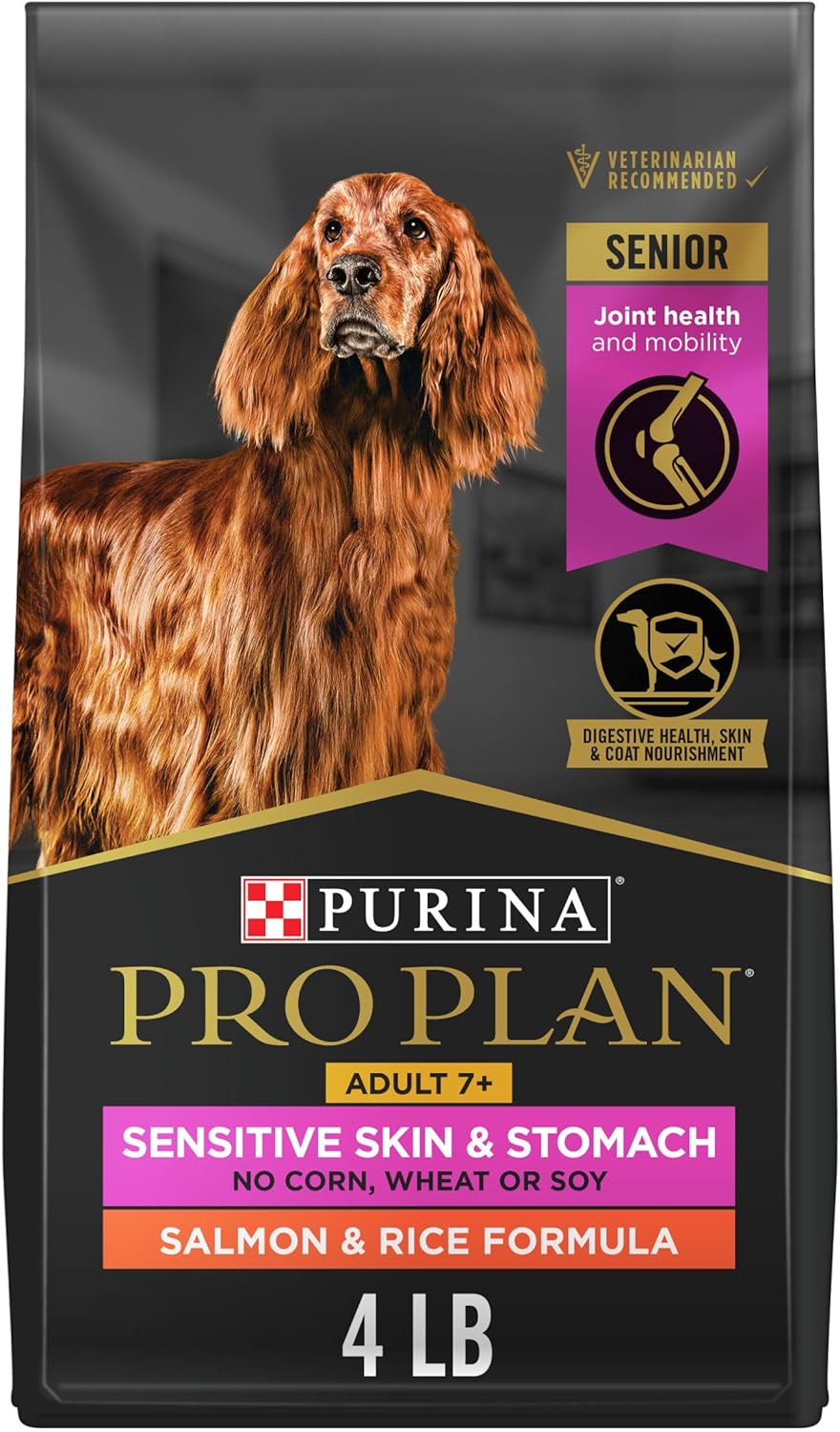
Purina Pro Plan Sensitive Skin & Stomach Senior Salmon
Best Digestive Support Food
| Flavor | Salmon & Rice |
|---|---|
| Age Range Description | Senior |
| Item Form | Dry |
| Unit Count | 64 Ounce |
| Animal Food Diet Type | Limited Ingredient |
Purina Pro Plan Sensitive Skin & Stomach Senior is a salmon and rice dry formula designed to support older dogs with digestive and skin sensitivities. It uses salmon as the first ingredient and pairs easily digestible grains like oatmeal and rice with natural prebiotic fiber to promote gut bacteria and digestive regularity. Added glucosamine and EPA help joint mobility for aging dogs while omega-6 fatty acids from sunflower oil support skin health. The formula is high in protein to help maintain lean muscle mass and omits common triggers such as corn, wheat, soy, poultry by-product meal, and artificial colors and flavors. In practice this bag works well when you transition slowly over 7 to 10 days and feed measured portions; many seniors accept the kibble, and the digestible carbohydrate mix tends to produce firmer stools. Limitations include kibble texture for dogs with very poor dentition since this is dry food rather than a soft or wet diet, and owners may need to moisten the food or choose a canned formulation for dogs that cannot chew dry kibble comfortably.
Best for: Buyers seeking a senior-focused dry diet that soothes sensitive stomachs and supports skin and joint health while preserving muscle mass in older dogs.
Less Ideal for: Owners whose dogs cannot chew dry kibble at all or need a prescription gastrointestinal diet should consider canned or veterinary-formulated alternatives.
- Salmon is first ingredient for a real meat protein source.
- Easily digestible blend of oatmeal and rice plus natural prebiotic fiber to support digestion.
- Includes glucosamine and EPA to help joint health and mobility in seniors.
- Formulated without corn, wheat, soy, poultry by-product meal, or artificial colors and flavors.
- High protein content to help maintain lean muscle mass in older dogs.
- Dry kibble may be difficult for dogs with very poor teeth or severe dental issues.
- Only available as a dry bag in this listing, so soft-food alternatives require separate purchase.
Verdict: The best digestive support food for seniors with bad teeth that prioritizes gentle, easily digestible ingredients to help sensitive stomachs and absorption.
Open Farm Grain Free Senior Dog Food 4 lb
Best Premium Food

| Flavor | Senior Chicken & Turkey |
|---|---|
| Age Range Description | Senior |
| Item Form | Pellet |
| Unit Count | 64 Ounce |
| Special Ingredients | Sweet Potato, Probiotic |
This Open Farm grain-free senior formula is a protein-forward dry kibble built around humanely raised turkey and chicken and functional inclusions like green lipped mussel, pumpkin, sweet potato and probiotics. It is intended to support joint health and mobility through natural sources of glucosamine and chondroitin found in the listed proteins, while providing higher protein and healthy fats that help maintain muscle in older dogs. The kibble can be served dry or softened with a little water, which helps handlers manage texture for dogs with worn or painful teeth. The recipe avoids common fillers and artificial preservatives and emphasizes traceable, ethically sourced ingredients, which will appeal to owners focused on ingredient quality. Expect the convenience and shelf life of dry food but know that very small or extremely mouth-sensitive seniors may still need a softer wet or fresh diet for comfortable eating without additional soaking. Feeding should follow package guidelines or a veterinarian for dental or medical issues.
Best for: Owners who prioritize premium, traceable ingredients and want a high-protein, joint-supporting dry option they can easily soften for older dogs with dental wear.
Less Ideal for: Caregivers whose seniors cannot chew any dry kibble at all or require therapeutic wet diets for medical swallowing or dental recovery should choose a fully moist formula instead.
- High protein formula using humanely raised chicken and turkey to support lean mass in seniors
- Includes green lipped mussel and sources of glucosamine for joint and mobility support
- Grain-free recipe without corn, wheat, soy or artificial flavors or preservatives
- Can be served dry or softened with water to ease chewing for dogs with dental sensitivity
- Transparent, traceable sourcing and third-party vetted ingredients
- Still a dry kibble that may require soaking or mixing with wet food for dogs that cannot chew at all
- Bag size and kibble texture may not be ideal for very small-mouthed seniors without additional preparation
Verdict: The best premium food for seniors with bad teeth for owners willing to invest in superior ingredient quality, specialized nutrient profiles, and refined texture control.
Choosing the Right Dog Food Senior Bad Teeth: Key Factors to Consider
Texture and Ease of Chewing
Softness and how the food breaks down in the mouth determine whether a dog with dental pain can actually eat without discomfort. For wet foods, a smooth pate or shredded texture tends to be easiest; for dry foods, look for very small kibble that rehydrates quickly. Rehydratable formulas give owners flexibility to adjust softness at each meal.
Texture also affects saliva production and the risk of choking. Foods that require minimal chewing lower the chance a senior will refuse meals and help maintain regular caloric intake, which is critical for preventing unintentional weight loss.
Nutrient Density and Calorie Concentration
Older dogs with bad teeth may eat less overall, so each bite should deliver more nutrition. Diets with higher calorie density and concentrated protein help preserve muscle mass when feeding volume is reduced. Essential fatty acids, adequate B vitamins, and bioavailable minerals are important because seniors have different absorption and metabolic needs.
When calories are concentrated, you can feed smaller portions without risking nutrient deficiencies. That makes concentrated wet foods or calorie-dense dry formulas attractive choices for dogs that cannot chew much.
Digestibility and Gentle Ingredients
Aging digestive systems can be more sensitive, so formulas that are easy to digest reduce the risk of loose stools or stomach upset. Ingredients such as highly digestible proteins, moderate fat, and soluble fibers support steady digestion and nutrient absorption.
Avoiding heavy, greasy recipes and unnecessary fillers can help reduce flatulence and gastrointestinal discomfort. Digestibility also matters if you plan to add water to soften food, since some ingredients handle rehydration better than others without becoming gummy or separating.
Protein Quality and Muscle Maintenance
Seniors need adequate high-quality protein to preserve lean muscle mass and support immune function. For dogs that eat less because of dental pain, the protein used should be highly digestible and present in meaningful amounts per calorie.
Preserving muscle helps maintain mobility and overall health. Pay attention to the type and percentage of protein listed on the label, and prefer formulas that emphasize digestible animal proteins rather than ambiguous meat by-products.
Joint and Cognitive Support Nutrients
Older dogs commonly benefit from nutrients that support joints and brain health. Ingredients like omega-3 fatty acids, glucosamine, chondroitin, and antioxidants can help with mobility and age-related cognitive changes.
Including these nutrients in a senior formula avoids the need for separate supplements and ensures consistent intake even when meal sizes are small, which is useful for dogs who struggle to chew.
Serving Flexibility and Convenience
How easy it is to serve the food affects whether owners can consistently feed the diet as intended. Options that can be served canned, rehydrated, or mixed with a small amount of warm water are useful for adjusting texture day-to-day.
Packaging that preserves freshness and allows simple portion control reduces waste and makes feeding less stressful for owners and dogs. Consider whether the food can be used as a complete meal, a topper to entice hesitant eaters, or a transitional item during dental recovery.
How Should I Soften Food Safely Without Changing Nutrition?
You can safely soften dry kibble by adding warm water or low-sodium broth and letting it sit until it reaches a mashable consistency. Start with small amounts of liquid to avoid diluting nutrient density and monitor how your dog accepts the texture.
If you add liquids frequently, account for any change in calories by slightly increasing portion size to maintain weight. Avoid adding fatty or highly seasoned liquids that could cause stomach upset. For dogs on restricted diets or with medical conditions, consult your veterinarian before introducing new ingredients.
- Use warm water or unsalted broth to rehydrate kibble.
- Let rehydrated food rest a few minutes to fully soften.
- Adjust portion size if liquid reduces calorie concentration.
- Avoid oils or rich gravies that can upset digestion.
Can I Use Toppers or Mixes to Encourage Eating?
Toppers can be effective to entice a picky senior with dental pain, but choose options that maintain softness and do not require additional chewing. Smooth, wet toppers or pureed mixes blend into soft food and add aroma without changing texture dramatically.
Use toppers sparingly to avoid making the base diet inconsistent. If you rely on toppers to get your dog to eat, prefer nutrient-dense choices that complement the main food rather than dilute it.
- Prefer smooth or pureed toppers over crunchy additives.
- Limit high-fat or high-sodium toppers that stress digestion.
- Rotate topper choices gradually to monitor tolerance.
What Feeding Schedule Works Best for Seniors with Poor Dentition?
Smaller, more frequent meals often help seniors with bad teeth because they reduce the immediate chewing demand and make food more appealing. Two to four small feedings spread through the day can keep calorie intake steady without overwhelming the dog at any one meal.
Regular scheduled feedings also make it easier to track appetite changes and weight trends. If your dog refuses multiple meals in a row or shows signs of pain while eating, consult a veterinarian for dental assessment and possible pain management.
- Offer smaller portions multiple times per day.
- Weigh or measure food to track intake accurately.
- Record any refusals or changes in appetite for your vet.
How to Transition to a Softer Senior Diet
Transition gradually over seven to ten days to avoid digestive upset. Start by mixing a small portion of the new softer food into the current diet and increase the ratio daily until you are feeding only the new formula.
Watch for loose stools or decreased appetite during the transition and slow the process if any issues arise. If your dog is reluctant, try slightly warming wet food to increase aroma, which can enhance acceptance without changing texture.
- Mix increasing amounts of new food over a week.
- Warm wet food slightly to boost aroma and palatability.
- Monitor stool consistency and appetite during transition.
When Should I See a Vet About Dental Pain and Eating Issues?
If your dog shows persistent drooling, pawing at the mouth, sudden refusal to eat, weight loss, bad breath, or visible broken teeth, schedule a veterinary exam. These signs often indicate dental disease or oral pain that needs professional assessment.
A veterinarian can evaluate whether a soft diet is a temporary aid during recovery or a long-term feeding strategy, and recommend pain control, dental cleaning, or tooth extraction when necessary. Addressing the underlying cause improves quality of life and long-term nutrition.
- Watch for behavioral signs of oral pain such as reluctance to pick up food.
- Persistent weight loss despite offering soft food warrants prompt vet care.
- Discuss long-term feeding plans if dental intervention is performed.
How We Chose the Best Dog Food Senior Bad Teeth
We prioritized feeding solutions that address both the physical challenge of chewing and the nutritional changes that come with aging. First, texture and bite size were primary filters: we looked for foods that are soft or easily rehydratable so dogs with dental pain can eat without extra effort. Second, nutrient density mattered because seniors often need concentrated calories and higher-quality protein in smaller volumes. Third, digestibility and ingredient quality were considered to minimize gastrointestinal upset common in older dogs. Fourth, micronutrient support for joint health, cognitive function, and dental-related inflammation was factored into selection criteria. Fifth, convenience and packaging that preserve freshness and make portioning simple were included since many owners need low-fuss solutions. We excluded products that rely solely on supplements without addressing texture or those formulated only for weight loss or performance rather than aging mouths. Our review set focused on complete and balanced senior diets or formulas specifically suited to diminished chewing ability. The result is a curated list of options that balance ease of chewing, nutritional completeness, and practical feeding considerations.
Our full evaluation process is outlined in our review methodology.
FAQ
Is wet food always better for seniors with bad teeth?
Wet food is often easier to chew and swallow, but not always necessary. Some rehydratable dry foods or moistened small kibble can work well. The best choice depends on your dog's preference, caloric needs, and digestive tolerance.
Can I mash human food into the dog's meals to help with chewing?
Occasional plain, fully cooked additions such as mashed sweet potato or plain canned pumpkin can soften meals and add calories. Avoid onions, garlic, excessive salt, and rich fats. Check with your veterinarian before regularly using human foods, especially if your dog has health conditions.
Will softer food cause my dog to gain too much weight?
Soft food itself does not inherently cause weight gain; calorie balance does. Because soft or wet foods can be more calorie-dense by volume, measure portions carefully and monitor body condition. Adjust portions or feeding frequency to maintain a healthy weight.
How long can a senior dog eat softened food?
Many senior dogs use softened or wet diets long term without issue, especially if dental disease is chronic. Regular veterinary checkups should monitor weight, digestion, and oral health to ensure the diet remains appropriate.
Will feeding soft food worsen dental disease?
Soft food does not cause dental disease, but it reduces the natural abrasive action on tartar. Maintain regular veterinary dental evaluations and consider professional dental care when recommended to manage oral health while using a soft diet.
Final Verdict
Choose a senior feeding plan that prioritizes soft texture, concentrated nutrition, and digestive tolerance. For dogs with dental pain, focus first on foods that they can comfortably eat without large volumes, then confirm that those foods provide sufficient protein and calories to maintain muscle and weight. Balance convenience and palatability with nutrient density and joint or cognitive support where relevant. If eating problems persist or weight changes occur, seek veterinary advice to address underlying dental issues and adjust the diet accordingly.

