

Finding the right dog food for a shiba matters for energy levels, joint health, and a glossy coat. Shibas are active, lean dogs with unique nutritional needs, so a formula that balances protein, fat, and digestible carbs makes daily feeding simpler and healthier. This guide shortlists the top options across typical feeding goals—adult maintenance, weight control, sensitive stomachs, and skin and coat support—and explains why each type of formula may work for your dog. Read on for concise guidance about the criteria we used and what to consider when choosing food for a shiba.
Top Picks at a Glance
| Best Overall Food A balanced, all-purpose formula that suits most Shiba adults | Diamond Naturals Skin & Coat Salmon 30 lb |  |
| Best Budget Food A low-cost option that covers basic nutrition without extras | Pedigree Adult Dry Dog Food 3.5 lb |  |
| Best Premium Food Higher-end recipes with quality ingredients and richer nutrient profiles | ORIJEN Small Breed Dry Dog Food 4 lb |  |
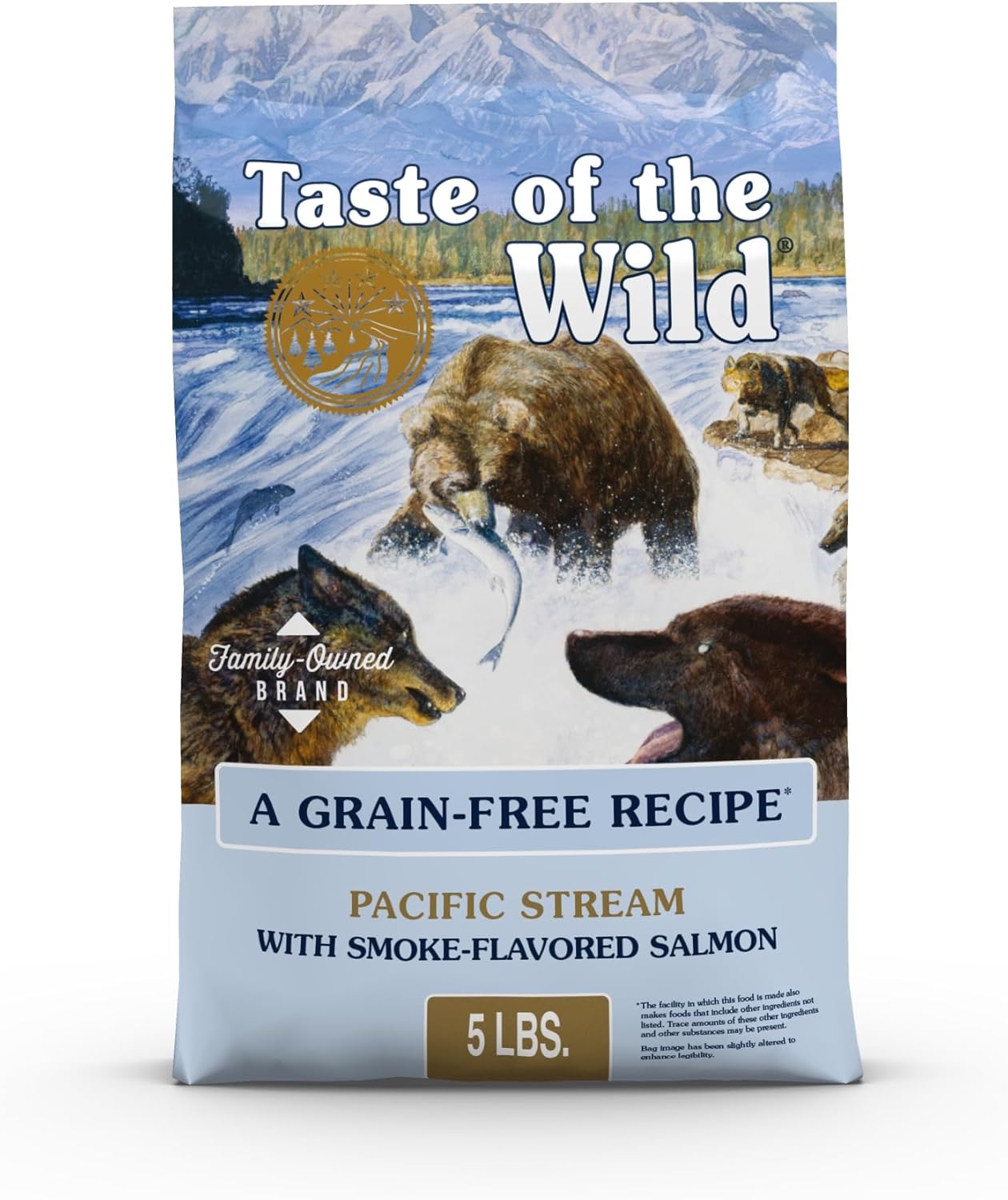
| Best Grain-Free Food Formulas without grains for dogs with grain sensitivities or preferences | Taste of the Wild Pacific Stream 5 lb |  |
| Best High-Protein Food Recipes focused on higher animal-protein for active or lean dogs | Wellness CORE+ Small Breed Dry Dog Food 4 lb |  |
| Best Wet Food Canned or pouch options that boost palatability and hydration | Nulo Signature Stews Small Breed 12-pack |  |
| Best Limited-Ingredient Food Simpler recipes with fewer ingredients for sensitive stomachs | Natural Balance Limited Ingredient Salmon & Sweet Potato |  |
Diamond Naturals Skin & Coat Salmon 30 lb
Best Overall Food

| Flavor | Salmon |
|---|---|
| Age Range Description | All Life Stages |
| Item Form | Dry Kibble |
| Allergen Information | Pea-Free |
| Unit Count | 480 Ounce |
Diamond Naturals Skin & Coat Salmon is a real-salmon first ingredient dry kibble intended for puppies through seniors that targets skin, coat, and digestive health. You would feed it as a daily staple; its savory salmon base plus vegetables and listed superfoods supply protein, omega fatty acids, antioxidants, and K9-specific probiotic strains that support digestion and immunity. Practical benefits include a pea-free recipe for dogs with suspected pea sensitivities, added salmon oil and flax for omega-3s that help maintain a shiny coat, and included probiotics and prebiotics to help stool quality and gut tolerance. The formula leans on potatoes, lentils, and other starches for energy and includes multiple ferment-derived probiotic strains rather than single-strain blends. Limitations are that the bag is a standard dry kibble without detailed kibble-size information for breed-specific chewing, and dogs with sensitivities to legumes or nightshades may still react to some listed ingredients. For Shibas, the protein-forward salmon plus digestive support makes this a strong everyday choice if your dog tolerates the ingredient mix.
Best for: Owners who want a balanced, protein-forward everyday kibble that supports skin, coat, and digestive health in a single all-life-stages formula.
Less Ideal for: Owners seeking a specific small-breed tiny-kibble size, limited-ingredient diet, or avoiding legumes and certain starches should consider alternative formulas.
- Real wild-caught salmon listed as the first ingredient for strong animal protein content
- Includes salmon oil, flaxseed, and superfood vegetables to supply omega fatty acids and antioxidants
- Contains proprietary K9 probiotic strains and prebiotic sources to support digestion and immune health
- Pea-free formula which may benefit dogs sensitive to pea-heavy recipes
- Formulated for all life stages so one bag can work from puppy through senior
- Exact kibble size and texture are not specified which may affect small-jawed or very picky chewers
- Contains a mix of legumes and starchy ingredients (lentils, peas, potatoes) that some dogs can be sensitive to
Verdict: The best overall food is a nutritionally balanced formula that meets typical Shiba needs for protein, fat, and kibble size while offering reliable ingredients and good digestibility.
Pedigree Adult Dry Dog Food 3.5 lb
Best Budget Food

| Flavor | Chicken & Vegetable |
|---|---|
| Age Range Description | Adult |
| Item Form | Dry Kibble |
| Specific Uses For Product | Digestive Health |
| Unit Count | 56 Ounce |
Pedigree Adult Complete Nutrition is an everyday dry kibble designed to deliver complete adult nutrition with a focus on six health areas like digestion, immunity, skin and coat, heart, bones, and dental care. It is typically served as a staple meal or mixed with wet food and includes prebiotic fiber for digestion plus Vitamin Goodbites pieces for added vitamins. The formula lists high-quality protein sources and calcium to support muscles and bones, and the crunchy kibble helps reduce plaque. Practical benefits include easy feeding with a standard daily feeding guide and wide breed suitability, so it works for small-breed dogs when portioned correctly. Limitations for a Shih Tzu buyer to note are the kibble size and ingredient list, which contains grain and some color additives that some owners avoid for sensitive dogs, and the bag is a small 3.5 lb pack that will require frequent repurchase for multi-dog households. For budget-conscious buyers who want a complete, widely available adult formula that supports general health essentials, Pedigree is a straightforward, no-frills choice.
Best for: Shih Tzu owners looking for an affordable, complete adult dry food that covers core nutrition needs and digestive support while keeping monthly costs low.
Less Ideal for: Owners who need a grain-free, limited-ingredient, or small-breed–specific kibble formulation for very sensitive or toy-breed mouths should consider alternatives tailored for those needs.
- Formulated to support six everyday health essentials including digestion and skin and coat
- Includes prebiotic fiber to aid digestion
- Crunchy kibble helps reduce plaque through mechanical cleaning
- Contains Vitamin Goodbites pieces for added vitamin boost
- Widely suitable for all breed sizes with an easy feeding guide
- Contains grains and artificial color additives that may not suit sensitive dogs
- Kibble size is not specifically labeled for small breeds and may require monitoring with tiny mouths
- 3.5 lb bag size means more frequent purchases for single-dog owners feeding daily
Verdict: The best budget food gives essential nutrition at a lower price point for owners prioritizing cost while still meeting minimum standards for protein and digestibility.
ORIJEN Small Breed Dry Dog Food 4 lb
Best Premium Food

| Flavor | Grain Free Small Breed Dog Recipe |
|---|---|
| Item Form | Dry Kibble |
| Age Range Description | All Life Stages |
| Unit Count | 64 Ounce |
ORIJEN Small Breed is a premium, grain-free dry dog food designed specifically for small dogs and all life stages. It delivers a very high proportion of animal ingredients, with the first five components listed as fresh or raw poultry and fish and an overall WholePrey approach that includes meats, organs, and bones to supply naturally occurring nutrients. The kibble is shaped for small mouths and is coated with freeze-dried bits for added flavor, making it suitable for picky eaters. Typical use is twice-daily feeding adjusted to activity and body condition, and the formulation emphasizes protein density to support lean muscle, skin and coat health, and digestive balance. Practical benefits include limited reliance on synthetic additives, a broad spectrum of animal-sourced nutrients, and ingredient sourcing from reputable regions. Important limitations are that it is grain-free which may not be necessary for every dog, and the richer formula can require careful portion control during transitions to avoid digestive upset or excess calories in less active pets.
Best for: Owners who prioritize premium animal proteins, carefully sourced ingredients, and advanced nutrition to support long-term health and coat condition in small-breed dogs.
Less Ideal for: Owners looking for a low-calorie, grain-inclusive diet or those whose dogs have no specific need for a high-protein, grain-free formula.
- Very high animal-ingredient content with whole meats and organs for nutrient density
- Kibble shape and size tailored for small-breed mouths
- Includes freeze-dried coating to boost palatability for picky eaters
- Formulated for all life stages supporting skin, coat, and digestive health
- Grain-free, protein-rich formula may be more than some small dogs need calorie- and digestion-wise
Verdict: The best premium food is for owners willing to pay more for superior ingredient sourcing, higher-quality proteins, and premium formulation aimed at long-term health and coat condition.
Taste of the Wild Pacific Stream 5 lb
Best Grain-Free Food
| Unit Count | 80 Ounce |
|---|---|
| Item Form | Dry Kibble |
| Age Range Description | Adult |
| Specific Uses For Product | heart |
| Special Ingredients | grain-free |
Taste of the Wild Pacific Stream is a grain-free kibble built around real fish ingredients and complex carbs like sweet potatoes, formulated for adult dogs of all breeds. It is typically fed as a complete daily diet and includes species-specific K9 Strain probiotics added after cooking to deliver live cultures for digestive and immune support, plus a marine-sourced omega blend to help skin and coat. The recipe lists salmon and salmon meal high in protein and includes fruits, vegetables, and chelated minerals to aid nutrient absorption. In practice the food is palatable to most dogs and suits pets with sensitivities to grain, but owners should monitor calorie intake because the formula is protein- and fat-rich. The bagged 5-pound size is convenient for trialing a new diet or for smaller households, though multi-dog or large-dog households may prefer larger bags for better value. Ingredients are transparent and made in U.S. facilities, but dogs with specific fish allergies will need an alternative protein source.
Best for: Owners seeking a widely accepted grain-free adult diet that emphasizes real fish protein, digestive probiotics, and nutrient-rich whole foods for everyday feeding.
Less Ideal for: Families needing a budget bulk bag for large dogs, or dogs with confirmed fish or legume sensitivities should choose a different formula.
- Real smoke-flavored salmon is listed as the first ingredient for a fish-forward protein source
- Grain-free formula with sweet potatoes and legumes for digestible complex carbohydrates
- Species-specific K9 Strain probiotics added after cooking to deliver live, active cultures
- Includes marine-sourced omega fatty acids and antioxidants to support skin, coat, and overall health
- Higher protein and fat content may require portion control to avoid excess calories
- Smaller 5 lb bag size is less economical for large or multi-dog households
- Contains multiple legumes which some dogs may not tolerate
Verdict: The best grain-free food is suited to dogs with grain sensitivities or owners who prefer grain-free formulations, providing alternative carbohydrate sources without compromising nutrient balance.
Wellness CORE+ Small Breed Dry Dog Food 4 lb
Best High-Protein Food

| Flavor | Turkey and Chicken |
|---|---|
| Life Stage | Adult |
| Form | Pellet |
| Special Ingredients | grain-free |
| Unit Count | 64 Ounce |
Wellness CORE+ Small Breed pairs high-protein kibble with small freeze-dried turkey pieces to deliver a meat-forward, calorie-dense meal for active small dogs. It is typically used as a regular adult feeding formula for small breeds and works well as the main dry diet or mixed with wet food for variety. Notable features include deboned turkey and turkey meal as top ingredients, added probiotics and fiber for digestion, guaranteed glucosamine levels for joint support, and omega fatty acids for skin and coat health. The freeze-dried inclusions add palatability and a protein boost without wet food. Practical benefits include supporting lean muscle mass and sustained energy for active dogs, plus ingredients aimed at digestion and coat condition. Limitations are that it is grain-free and contains legumes and potatoes, which some owners avoid, and the formula is targeted to small breeds so portioning and calorie density may not suit larger dogs without careful management.
Best for: Owners of active small-breed Shibas or dogs that need extra lean-muscle support and crave meat-forward meals who prioritize high animal protein and digestive support.
Less Ideal for: Dogs that require grain-inclusive diets, dogs with legume or potato sensitivities, or owners feeding medium and large breeds without adjusting portions and calories.
- High proportion of animal proteins with deboned turkey and turkey meal listed first
- Includes freeze-dried meat pieces for extra taste and protein density
- Added probiotics and balanced fiber to support digestion
- Contains glucosamine and omega fatty acids to help joints and skin/coat health
- Formulated specifically for small breeds so calorie density may require strict portion control
- Grain-free recipe uses peas and potatoes which some owners or vets may avoid
Verdict: The best high-protein food is ideal for active Shibas or those needing extra lean muscle support, offering a higher proportion of quality animal proteins and controlled carbs.
Nulo Signature Stews Small Breed 12-pack
Best Wet Food

| Unit Count | 33.6 Ounce |
|---|---|
| Number of Items | 12 |
| Item Form | Chunk |
| Age Range Description | Adult |
Nulo Signature Stews Small Breed is a variety pack of 12 single-serve 2.8 oz cups that delivers moist, protein-forward wet meals for small dogs. The pack includes three recipes—Chicken, Duck & Pumpkin; Chicken & Salmon; and Chicken & Sweet Potato—each showing visible shredded meat in a collagen-rich broth that can be used as a complete meal or a topper to boost palatability and hydration. Formulated grain-free and without corn, wheat, or soy, the stews include coconut and salmon oils for omega fatty acids plus taurine and L-carnitine for heart and metabolism support. Practical benefits include convenient portioning for travel or precise feeding, added moisture for dogs that drink less, and a variety of flavors to reduce mealtime boredom. Limitations are the small 2.8 oz cup size for larger appetites and that wet food alone may be more expensive per serving than dry kibble, so it is best used as a supplement or occasional complete meal rather than the sole long-term diet without vet guidance.
Best for: Owners who want to increase meal palatability and moisture for small-breed dogs, or those who use wet food as a topper, travel meal, or supplemental complete meal.
Less Ideal for: People seeking a primary, long-term single-source diet for medium or large dogs or owners prioritizing the lowest cost per calorie should consider other options.
- Single-serve 2.8 oz cups ideal for portion control and travel
- High visible meat content in a collagen-rich broth for palatability
- Grain-free formula with added omega oils for skin and coat support
- Includes taurine and L-carnitine for heart and metabolic support
- Variety pack offers three distinct flavors to reduce mealtime fatigue
- Small cup size may require multiple cups for larger small-breed dogs
- Wet food can be costlier per calorie than dry kibble
Verdict: The best wet food is for owners seeking increased palatability or supplemental moisture in their dog’s diet, providing soft texture and strong flavor without replacing balanced nutrition.
Natural Balance Limited Ingredient Salmon & Sweet Potato
Best Limited-Ingredient Food

| Flavor | Salmon & Sweet Potato |
|---|---|
| Item Form | Pellet |
| Animal Food Diet Type | Limited Ingredient |
| Unit Count | 64 Ounce |
| Breed Recommendation | Small Breeds |
This Natural Balance Limited Ingredient Salmon & Sweet Potato recipe is a grain-free dry food designed for small-breed adult dogs and dogs with simplified dietary needs. It uses salmon and salmon meal as the primary animal proteins and a short ingredient list intended to reduce exposure to common irritants like corn, wheat, and soy. In everyday use it serves as a complete daily feed for small dogs and can also be used during an elimination trial because the formula focuses on a single animal protein and limited carbohydrate sources such as sweet potato and potato. Practical benefits include ingredients chosen to support digestion and skin and coat health, added vitamins and minerals for balanced nutrition, and convenient bagged packaging for daily feeding. Limitations to note are that this is a small-breed formula so kibble size and nutrient balance are aimed at smaller dogs, and while the ingredient list is simplified it still contains items like yeast, canola oil, and mixed tocopherols that some owners may avoid during strict elimination diets.
Best for: Owners of Miniature Schnauzers who suspect ingredient sensitivities and want a short, single-protein diet tailored to small-breed needs and easy use during an elimination trial.
Less Ideal for: Families needing a truly novel-protein or prescription hypoallergenic formula for medically diagnosed food allergies, or owners of medium and large breeds seeking a different nutrient profile.
- Single primary animal protein (salmon) which simplifies ingredient exposure during elimination trials.
- Grain-free formula with no corn, wheat, or soy listed to reduce common dietary irritants.
- Formulated for small breeds with nutrients to support skin, coat, and digestive health.
- Includes added vitamins, minerals, and salmon meal for balanced daily nutrition.
- Formulated specifically for small breeds, so nutrient profile and kibble size may not suit larger dogs.
- Contains multiple non-protein ingredients (dried yeast, canola oil, mixed tocopherols) that could still trigger sensitivities in highly reactive dogs.
Verdict: The best limited-ingredient food is aimed at dogs with food sensitivities or unclear allergies, offering a shorter ingredient list to simplify elimination and reduce potential irritants.
Choosing the Right Dog Food Shiba: Key Factors to Consider
Protein Quality and Level
Protein is the foundation of a shiba's diet because it supports lean muscle, metabolic health, and energy. Look for named animal proteins listed high in the ingredient panel rather than generic "meat" derivatives. For an active small-to-medium breed, a moderate to high protein percentage helps preserve muscle during daily activity without excess calories.
The protein source also affects digestibility and allergen risk. Single-source or limited-animal-protein formulas can help identify sensitivities. When assessing labels, consider both the crude protein percentage and ingredient order so you can judge which protein makes up most of the formula.
Fat and Calorie Density
Fat supplies concentrated energy and supports skin and coat health, but shibas vary in activity and propensity to gain weight. Choose a formula with moderate fat and appropriate calorie density for your dog's life stage and activity level. Active dogs need more calories; less active or older shibas benefit from lower-calorie maintenance blends.
Also examine the types of fat included. Sources rich in omega-3 and omega-6 fatty acids help maintain a healthy coat and reduce inflammation. Avoid diets that rely heavily on unspecified fat sources without clear omega content if skin or coat issues are a concern.
Digestibility and Gastrointestinal Tolerance
Shibas can be sensitive to sudden diet changes and some carbohydrate sources. High digestibility reduces stool volume, improves nutrient absorption, and lessens tummy upsets. Look for recognizable carbohydrate ingredients like rice, oats, or sweet potato and avoid excessive use of fillers such as excessive corn or byproduct meals that can be harder to digest for some dogs.
Formulas that include probiotics, prebiotic fibers, or easily digested proteins are helpful for dogs with mild sensitivities. Gradual diet transitions remain important regardless of formula to prevent gastrointestinal distress.
Size and Texture of Kibble
Kibble size and texture matter for shibas because a comfortable mouthfeel encourages consistent eating and slows rapid intake. Choose bite-sized kibble designed for small-to-medium jaws so your dog can chew comfortably and derive full benefit from dental abrasion.
Texture affects palatability and how quickly a dog eats. Some owners prefer crunchy kibble for dental benefits, while others choose softer options if their dog has dental wear or missing teeth. Consider how kibble size affects portioning and storage as well.
Skin and Coat Support
A shiba's double coat needs nutrients to stay shiny and strong. Look for formulas that include specific sources of omega fatty acids, like fish oil or flaxseed, and adequate levels of vitamin E, zinc, and other supporting micronutrients. These ingredients help reduce seasonal shedding issues and can improve overall skin condition.
If your dog has visible dryness or frequent itching, prioritize formulas explicitly formulated to support skin and coat, and consult a veterinarian if symptoms persist.
Life Stage and Special-diet Suitability
Choose a formula appropriate for your dog's life stage—adult maintenance versus senior or puppy—because nutrient ratios and calorie needs differ substantially. For shibas with medical concerns such as food sensitivities or weight management needs, select formulas labeled for those conditions and consider limited-ingredient, grain-inclusive, or grain-free options as appropriate.
Keep in mind that special-diet formulations alter macronutrient ratios and sometimes micronutrient balance, so plan transitions and consult your veterinarian for long-term therapeutic diets.
How Much Should I Feed My Shiba Each Day?
Daily feeding amounts depend on your shiba's age, activity level, and the calorie density of the food. Check the feeding guide on the package as a starting point, then adjust in small increments based on body condition. Aim for a visible waist and palpable ribs with a light fat covering.
Divide the total daily ration into two meals to maintain consistent energy levels and reduce begging or overeating. Monitor weight and stool quality for two to four weeks after any change to confirm the new ration is appropriate.
- Measure portions with a kitchen scale for accuracy, not just by volume.
- Increase food during growth or unusually active periods, reduce for a sedentary dog.
- Reassess portions every few months or after significant life changes.
What Are Signs My Shiba Is Not Tolerating a Food?
Common signs include soft stools, increased flatulence, vomiting, consistent itchiness, or changes in coat condition. Behavioral changes around meals, such as reluctance to eat or sudden picky behavior, can also indicate poor tolerance.
If you see persistent digestive upset for more than a few days after a careful transition, switch to a bland, easily digestible formula and consult your veterinarian to rule out underlying medical issues.
- Watch for changes in stool consistency and frequency.
- Note any recurrent skin flare-ups or hair loss.
- Track appetite and energy levels alongside physical signs.
Can I Feed a Single-ingredient or Limited-ingredient Diet?
Limited-ingredient diets can be useful if you suspect a specific protein or carbohydrate is causing sensitivity. These diets simplify the ingredient list, making it easier to test for food-related reactions when used under supervision.
However, single-ingredient novelty diets are not automatically superior for all dogs. Ensure the limited formulation still meets complete and balanced nutrient profiles for the dog's life stage and monitor for long-term nutritional adequacy.
- Use a limited-ingredient diet temporarily to identify sensitivities.
- Confirm the diet is labeled complete and balanced or use veterinary guidance for elimination trials.
How to Transition Your Shiba to a New Food
Transition slowly over at least 7 to 10 days to minimize digestive upset. Start with about 75 percent old food and 25 percent new food, then gradually shift the ratio every two to three days until completing the change. If your dog shows mild upset, slow the schedule further.
Keep water available and avoid introducing other dietary changes during the transition. For shibas with known sensitivities, extend the transition to two weeks and consider smaller incremental changes.
- Extend transitions for sensitive dogs or major formulation changes.
- Monitor stool and appetite closely during the change.
Should I Choose Grain-free or Grain-inclusive Formulas?
Grain-free formulas remove common cereal grains and often replace them with other carbohydrate sources. These can help if a dog truly has a grain sensitivity, but most dogs digest grain-inclusive diets without issue. The decision should be based on observed tolerance and veterinary advice.
When evaluating either type, focus on the overall ingredient quality and nutrient balance rather than merely the presence or absence of grains. Some grain-inclusive recipes provide highly digestible whole grains that contribute fiber and micronutrients.
- Only choose grain-free if a grain intolerance is suspected or diagnosed.
- Assess ingredient quality and digestibility regardless of grain status.
Tips for Picky Eaters and Boosting Palatability
If your shiba is picky, try warming the food slightly, mixing in a small amount of a highly palatable topper, or switching between two complementary flavors to increase interest. Avoid adding large quantities of table scraps, which can unbalance nutrition and reinforce picky habits.
Establish consistent mealtimes and avoid leaving food out all day to encourage regular eating. If pickiness persists and is accompanied by weight loss or lethargy, check with your veterinarian.
- Introduce toppers sparingly to avoid upsetting nutrient balance.
- Keep consistent mealtimes to encourage appetite.
How We Chose the Best Dog Food Shiba
We selected products using criteria that matter specifically for shiba nutrition and everyday care. First, we prioritized nutrient profiles that match a medium-small, active breed: adequate animal-based protein for muscle maintenance, moderate fat for energy, and controlled calories to prevent excess weight. Second, digestibility and gut tolerance were key; we favored formulas with quality carbohydrate sources, limited fillers, and probiotics or prebiotic fibers when available. Third, skin and coat support was considered through omega-3 and omega-6 fatty acid content and sources of vitamin E or zinc. Fourth, ingredient transparency and the presence of named meat sources were used as signals of consistent formulation. Fifth, life-stage and special-diet options were included to cover adult maintenance, sensitive stomachs, and weight management. Finally, we looked at packaging sizes and feeding guidance suitable for small-to-medium portions to reduce staling. We excluded foods with vague ingredient lists, unspecified meat sources, or formulations not targeted to adult maintenance or common shiba conditions. Products were filtered out if they lacked clear nutrient analysis or if the formulation focused on growth or pediatric life stages rather than adult feeding. The resulting shortlist represents formulas that meet practical, nutrition-focused standards for most shibas while offering options for common issues like sensitivity or coat support.
Our full evaluation process is outlined in our review methodology.
FAQ
How often should an adult shiba be fed?
Most adult shibas do well on two meals per day to maintain steady energy and avoid overeating. Puppies need more frequent feedings; adjust meal frequency according to life stage and veterinary guidance.
Is high-protein food always better for shibas?
Not always. While adequate protein supports muscle and energy for active dogs, extremely high-protein, high-calorie diets can contribute to weight gain in less active shibas. Choose a balanced protein level for your dog's activity and life stage.
Can shibas eat grain-free diets long term?
They can, but grain-free formulas are unnecessary for most dogs unless there is a diagnosed grain sensitivity. Ensure any long-term diet remains complete and balanced and discuss persistent health concerns with a veterinarian.
What ingredients should I avoid if my shiba has a sensitive stomach?
For sensitive stomachs, avoid formulas with excessive filler ingredients and vague meat byproducts. Favor diets with single or named protein sources, digestible carbohydrates like rice or sweet potato, and added digestive support such as probiotics or prebiotic fiber.
How can I tell if a food supports coat health?
Look for explicit sources of omega fatty acids, such as fish oil or flaxseed, and supportive micronutrients like vitamin E and zinc on the ingredient list or guaranteed analysis. Improvements in coat shine and reduced dryness usually appear over several weeks.
Final Verdict
Choose dog food for a shiba by prioritizing nutrient balance and digestibility that match your dog's activity level and life stage. Focus on named animal proteins, moderate fat and calorie density, and ingredients that support skin and coat health when those issues matter. Balance tradeoffs between calorie needs and palatability, and plan gradual transitions when changing diet. Use the factors outlined above to narrow choices, and consult your veterinarian for persistent health or weight concerns so you can pick a long-term feeding solution confidently.

