

Finding the right food for a small to medium dog matters because size affects calorie needs, kibble shape, and digestive tolerance. You want a formula that supports steady energy, healthy weight, and easy chewing without overfeeding. This guide shortlists seven well-suited dog foods chosen for their nutrition profile, protein sources, and digestibility for small to medium dogs. We evaluate options by ingredient quality, feeding practicality, and how well they match typical portion and activity needs. Read on to find a food that fits your dog's size, life stage, and daily routine.
Top Picks at a Glance
| Best Overall Food for Small to Medium Dogs The best all-around formula for most small-to-medium dog needs | Hill's Science Diet Adult Small & Mini |  |
| Best Budget Food for Small to Medium Dogs Affordable daily kibble that still meets basic nutritional requirements | Pedigree Adult Dry Dog Food 3.5 lb |  |
| Best Premium Food Higher-end formulas with superior ingredients and targeted nutrient profiles | ORIJEN Small Breed Dry Dog Food 10 lb |  |
| Best Grain-Free Food Recipes without grains for dogs with grain sensitivities or preferences | Solid Gold Small Breed Chicken 3.75 lb |  |
| Best High-Protein Food Protein-forward recipes to support active dogs and muscle maintenance | Purina ONE Plus Small Breed Lamb 7.4 lb |  |
| Best Limited-Ingredient Food Simplified recipes designed to reduce potential allergens and irritants | Nutro Ultra Small Breed Dry Dog Food 3.5 lb |  |
| Best Wet Food Canned or pouch formulas with higher moisture for more palatability | Cesar Classic Loaf in Sauce 36ct |  |
Hill's Science Diet Adult Small & Mini
Best Overall Food for Small to Medium Dogs

| Flavor | Chicken & Brown Rice |
|---|---|
| Age Range | Adult 1-6 |
| Item Form | Dry Kibble |
| Unit Count | 72 Ounce |
Hill's Science Diet Adult 1-6 Small & Mini is a dry kibble designed to provide everyday balanced nutrition for small-breed adult dogs. The formula centers on chicken and brown rice with added pumpkin and a blend of prebiotic fibers and antioxidants to support digestion and immune health, while a tailored balance of protein, fat, and carbs helps maintain ideal body weight. Kibble size and texture are intended for small and mini mouths, and the inclusion of ActivBiome+ supports stool quality and gut health in dogs prone to sensitive digestion. This bag also emphasizes natural ingredients and no artificial colors or flavors, which can matter for owners prioritizing basic ingredient quality. The product is focused on daily feeding rather than therapeutic needs, so dogs with specific medical conditions may need a prescription diet instead. Packaging guidance and feeding instructions are on the bag, and transitioning slowly over a week is recommended to avoid digestive upset.
Best for: Owners of Boston Terriers seeking a reliable everyday kibble that supports digestion and weight maintenance with a small-breed appropriate texture.
Less Ideal for: Owners whose Boston Terriers have specific medical needs or who require a therapeutic prescription diet should consult their veterinarian and consider specialized formulas.
- Kibble formulated for small and mini adult mouths and chewing preferences
- Includes pumpkin and prebiotic fibers to support digestion and stool quality
- Formulated to help maintain ideal body weight with a balanced mix of protein, fats, and carbs
- No artificial colors or flavors listed
- Not a veterinary prescription diet for treating specific medical conditions
- Limited to small and mini adult dogs rather than all life stages
Verdict: The best overall food for small to medium dogs, balancing nutrition, portion sizes, digestibility, and ingredient quality for everyday feeding.
Pedigree Adult Dry Dog Food 3.5 lb
Best Budget Food for Small to Medium Dogs

| Flavor | Chicken & Vegetable |
|---|---|
| Age Range Description | Adult |
| Item Form | Dry Kibble |
| Specific Uses For Product | Digestive Health |
| Unit Count | 56 Ounce |
Pedigree Adult Complete Nutrition is an everyday dry kibble designed to deliver complete adult nutrition with a focus on six health areas like digestion, immunity, skin and coat, heart, bones, and dental care. It is typically served as a staple meal or mixed with wet food and includes prebiotic fiber for digestion plus Vitamin Goodbites pieces for added vitamins. The formula lists high-quality protein sources and calcium to support muscles and bones, and the crunchy kibble helps reduce plaque. Practical benefits include easy feeding with a standard daily feeding guide and wide breed suitability, so it works for small-breed dogs when portioned correctly. Limitations for a Shih Tzu buyer to note are the kibble size and ingredient list, which contains grain and some color additives that some owners avoid for sensitive dogs, and the bag is a small 3.5 lb pack that will require frequent repurchase for multi-dog households. For budget-conscious buyers who want a complete, widely available adult formula that supports general health essentials, Pedigree is a straightforward, no-frills choice.
Best for: Shih Tzu owners looking for an affordable, complete adult dry food that covers core nutrition needs and digestive support while keeping monthly costs low.
Less Ideal for: Owners who need a grain-free, limited-ingredient, or small-breed–specific kibble formulation for very sensitive or toy-breed mouths should consider alternatives tailored for those needs.
- Formulated to support six everyday health essentials including digestion and skin and coat
- Includes prebiotic fiber to aid digestion
- Crunchy kibble helps reduce plaque through mechanical cleaning
- Contains Vitamin Goodbites pieces for added vitamin boost
- Widely suitable for all breed sizes with an easy feeding guide
- Contains grains and artificial color additives that may not suit sensitive dogs
- Kibble size is not specifically labeled for small breeds and may require monitoring with tiny mouths
- 3.5 lb bag size means more frequent purchases for single-dog owners feeding daily
Verdict: The best budget food for small to medium dogs that provides acceptable nutrition and palatability while minimizing cost for routine feeding.
ORIJEN Small Breed Dry Dog Food 10 lb
Best Premium Food

| Flavor | Grain Free Small Breed Dog Recipe |
|---|---|
| Age Range Description | All Life Stages |
| Item Form | Dry Kibble |
| Unit Count | 160 Ounce |
ORIJEN Small Breed is a protein-forward dry kibble designed for small dogs and formulated to mirror ancestral diets by using fresh and raw animal ingredients. It is typically fed twice daily and comes in a small-bite kibble that is easier for small mouths to pick up, with the first ingredients listing multiple fresh or dehydrated poultry and fish sources plus organ meats for nutrient density. The formula emphasizes WholePrey components and reports about 85% animal ingredients from the unprocessed state, which supports muscle maintenance and higher energy needs for active small breeds. The freeze-dried coating boosts palatability, and the recipe excludes common fillers like corn, wheat, soy, and tapioca. Buyers should note this is a grain-free, high-protein diet so portioning should be monitored to maintain weight, and the rich ingredient mix may be more expensive than standard formulas. Transition gradually over 10 to 14 days to reduce digestive upset when switching to this richer diet.
Best for: Boston Terriers or other small, active dogs that need a protein-dense diet to support muscle and energy should consider this food, especially if you prioritize whole-animal ingredients and palatability.
Less Ideal for: Dogs that require a lower-protein or limited-ingredient diet for medical reasons or owners seeking a budget-focused everyday kibble should consider alternatives.
- Very high proportion of animal-based ingredients including fresh and dehydrated meats and organs
- Small-bite kibble shaped for easier eating by small breeds
- Grain-free formula with no corn, wheat, soy or tapioca
- Freeze-dried coating improves palatability and flavor acceptance
- Formulated to support digestive, immune, and skin and coat health
- Rich, high-protein formula may require careful portion control to avoid excess calorie intake
- Grain-free specialty ingredients typically come at a higher price point
Verdict: The best premium food for owners who prioritize top ingredient quality, targeted nutrition, and higher manufacturing standards over lower cost.
Solid Gold Small Breed Chicken 3.75 lb
Best Grain-Free Food

| Flavor | Chicken |
|---|---|
| Age Range Description | All Life Stages |
| Item Form | Kibble |
| Special Ingredients | Grain Free, Gluten Free |
| Unit Count | 60 Ounce |
Solid Gold Small Breed Chicken is a grain- and gluten-free kibble designed specifically for toy and small-breed dogs. The bite-sized pieces and real chicken first in the ingredient list make it easy to serve to picky eaters and dogs with small mouths, while a NutrientBoost blend delivers vitamins, omegas, and 90 million probiotics per pound to support digestion, skin, and coat. Typical use is everyday feeding for adult and senior small breeds or as a stable diet for dogs with grain sensitivities; follow package feeding guidelines by weight and age. Practical benefits include high protein from chicken and chicken meal for energy and muscle maintenance, a probiotic boost that can help sensitive stomachs, and a small-breed focused kibble texture that is more palatable to fussy dogs. Limitations are that it is a dry-only formula without wet food options included in the package and it contains peas and chickpeas as carbohydrate sources which some owners avoid. Overall this formula is a straightforward grain-free option for owners prioritizing digestibility and palatability for picky small dogs.
Best for: Owners of picky small-breed dogs who need a grain-free, highly palatable daily food that supports digestion and skin health.
Less Ideal for: Households wanting a mixed-format feeding plan that includes wet food in the same product or owners avoiding legumes in grain-free diets.
- Real chicken is the first ingredient for higher animal protein and flavor
- Small bite kibble sized for toy and small-breed mouths
- Grain- and gluten-free formulation suitable for dogs with grain sensitivities
- Includes 90 million probiotics per pound to support gut health and digestion
- Added omegas and vitamins to support skin and coat health
- Only a dry kibble option in this listing, no wet or mixed-format included
- Contains legumes (peas, chickpeas) which some owners avoid in grain-free diets
Verdict: The best grain-free food for small to medium dogs needing grain-free formulations due to dietary preference or specific sensitivities.
Purina ONE Plus Small Breed Lamb 7.4 lb
Best High-Protein Food

| Flavor | Lamb & Rice |
|---|---|
| Age Range Description | Adult |
| Breed Recommendation | Small Breeds |
| Package Size Name | 7.4 lb. Bag |
Purina ONE +Plus Small Breed Lamb & Rice is a dry kibble formulated for adult small dogs with real lamb as the first ingredient and a nutrient-dense profile aimed at supporting muscle, coat, and immune health. In everyday use you feed measured portions based on the included feeding guide and can transition over 7 to 10 days to avoid digestive upset. The recipe pairs crunchy kibble with tender morsels to entice picky eaters and provides added vitamins, minerals, omega-6 fatty acids, and antioxidants for skin, coat, and immune support. Its higher-protein focus and inclusion of chicken meal and other concentrated protein sources help maintain muscle mass and energy in active or lean small dogs. Practical benefits include factory-quality manufacturing in Purina-owned U.S. facilities and a formulation that avoids poultry by-product meal and artificial flavors or preservatives. Limitations are that the ingredient list includes grains and common plant proteins such as corn and soybean meal, which some owners may want to avoid, and it is a standard kibble form so dogs with specific dental or swallowing issues might require alternative textures.
Best for: Active, lean, or athletic small-breed owners seeking a higher-protein, nutrient-dense dry food to help maintain muscle and energy across daily activity.
Less Ideal for: Owners who need a grain-free, limited-ingredient, or veterinary-prescribed elimination diet for suspected food sensitivities should consider alternatives.
- Real lamb is the first ingredient to support meat-forward protein intake
- Formulated for small breeds with nutrient-dense kibble and added vitamins and minerals
- Contains omega-6 fatty acids and antioxidants for skin, coat, and immune support
- Crunchy kibble plus meaty morsels improves palatability for picky small dogs
- Made in Purina-owned U.S. facilities with no artificial flavors or preservatives
- Includes grains and plant-based protein meals that some owners avoid
- Not formulated as a grain-free or novel-protein diet for dogs with specific allergies
Verdict: The best high-protein food to support active small to medium dogs, helping maintain lean muscle and meet higher energy needs.
Nutro Ultra Small Breed Dry Dog Food 3.5 lb
Best Limited-Ingredient Food

| Flavor | Chicken, Lamb & Salmon |
|---|---|
| Age Range Description | Adult |
| Item Form | Dry Kibble |
| Breed Recommendation | Small Breeds |
| Allergen Information | Corn-Free, Non-GMO, Soy Free, Wheat Free |
Nutro Ultra Small Breed Adult dry dog food is a high-protein kibble formulated for daily feeding of adult small dogs, with real chicken listed as the number one ingredient and additional protein from lamb and salmon. It is typically used as a primary maintenance diet to support muscle tone and a lean body while providing antioxidants and an exclusive superfood blend aimed at immune and skin health. The recipe emphasizes recognizable animal proteins and includes whole grains and a mix of 14 superfoods such as brown rice, oatmeal, flaxseed, and dried fruits and vegetables, which deliver extra fiber and micronutrients. Practical benefits include a protein-forward formula for active small dogs and omega fatty acids for coat condition, and the kibble is free of corn, wheat, soy, and chicken by-product meal. Important limitations for the limited-ingredient intent are that this formula still contains multiple protein sources and a lengthy ingredient list with grains and added supplements, so it is not a true single-protein elimination diet and may complicate strict ingredient trials for dogs with clear multi-ingredient sensitivities.
Best for: Small-dog owners who want a protein-rich everyday kibble that supports muscle maintenance and coat health while using recognizable whole-food ingredients.
Less Ideal for: Owners conducting strict elimination or single-protein trials for suspected food sensitivities should avoid this formula and choose a true limited-ingredient recipe instead.
- Real chicken is the first ingredient and the formula includes three animal protein sources for strong amino acid profile
- Contains omega 3 and 6 fatty acids to support skin and coat health
- Formulated with an exclusive blend of whole-grain superfoods and fruits and vegetables for added antioxidants and fiber
- Free from corn, wheat, soy, and chicken by-product meal
- Not a limited-ingredient or single-protein formula because it contains multiple animal proteins and a long ingredient list
- Includes whole grains which may be unsuitable for dogs on strict grain-free elimination trials
Verdict: The best limited-ingredient food for dogs with suspected sensitivities, offering fewer components to simplify elimination and aid digestion.
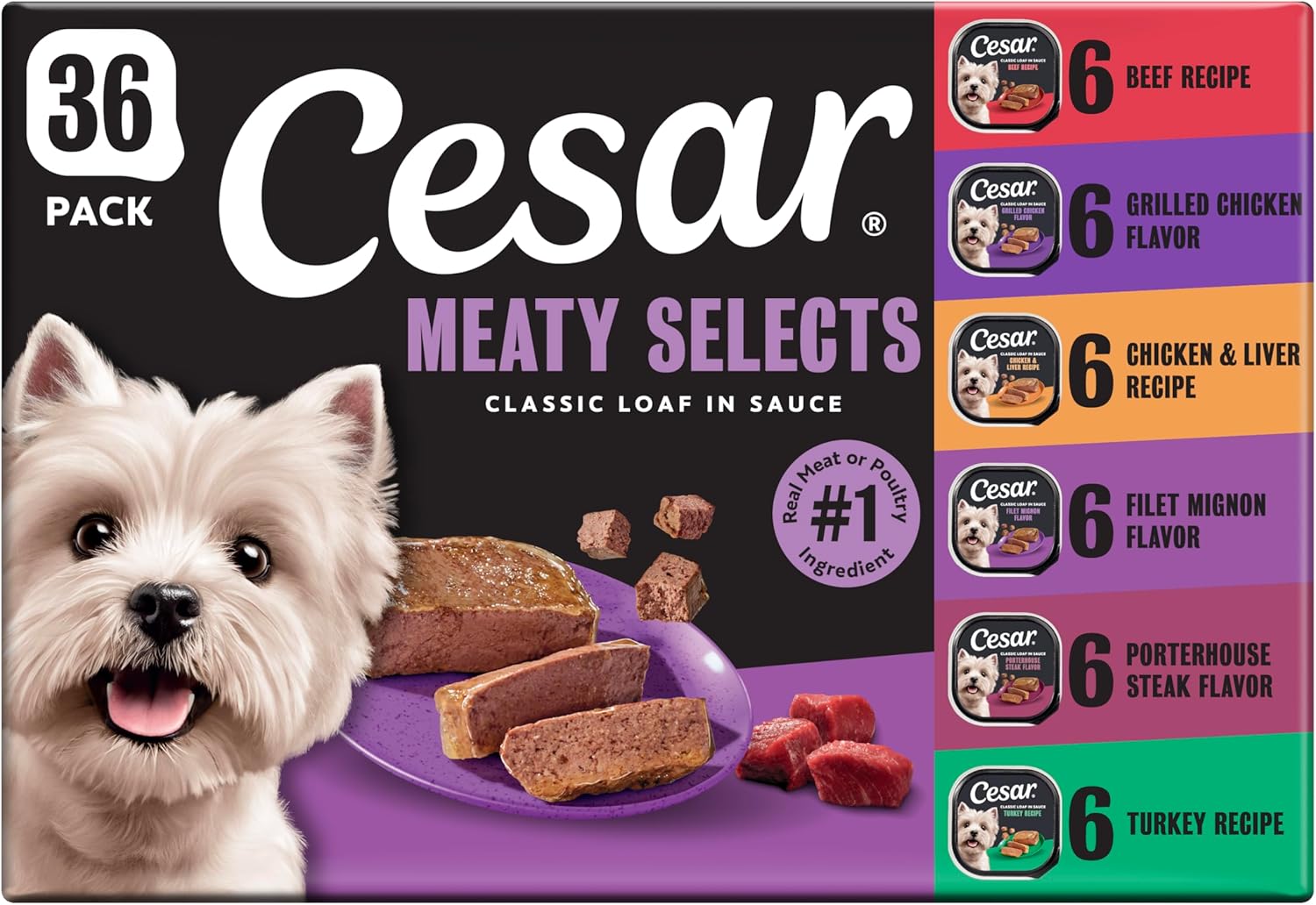
Cesar Classic Loaf in Sauce 36ct
Best Wet Food
| Unit Count | 36 Count |
|---|---|
| Item Form | Wet |
| Target Species | Dog |
| Breed Recommendation | Small Breeds |
This 36-count pack of Cesar Classic Loaf in Sauce delivers single-serve wet trays with real meat as the first ingredient and a soft loaf texture in a savory sauce. Each tray is designed as a complete, balanced meal for adult dogs or as a topper to add moisture and aroma to dry food, and the peel-away sealed trays make portioning and storage straightforward. The recipes are slow-cooked and marketed as easy to digest, with no artificial flavors and grain-free formulation claims. For multi-dog households the bulk pack reduces shopping frequency and keeps a steady supply on hand, and the variety pack includes several flavors that help with picky eaters. Limitations include small single-serve tray size intended for small breeds so larger dogs will require multiple trays per meal, and the trays must be refrigerated after opening and used quickly. Nutrition follows standard wet-dog-food conventions rather than prescription formulations, so owners with special medical needs should consult their veterinarian.
Best for: Households with multiple dogs or owners who want to buy wet food in bulk to reduce shopping frequency and ensure consistent single-serve portions at mealtimes.
Less Ideal for: Owners who feed large-breed dogs exclusively or who need veterinary prescription diets should consider larger-portion cans or therapeutic formulas instead.
- Large 36-count pack keeps a steady supply for multi-dog households or to cut shopping trips
- Single-serve peel-away trays make portioning and travel convenient
- Real meat listed as the first ingredient and slow-cooked recipes for palatability
- Grain-free formulation and no artificial flavors for dogs with routine sensitivities
- Multiple flavors in the Classic line help satisfy picky eaters
- Trays are small and intended for small-breed servings so larger dogs need several trays per meal
- Once opened trays require refrigeration and short use window
Verdict: The best wet food to increase hydration and palatability for picky eaters or dogs that benefit from a moister diet.
Choosing the Right Dog Food Small Medium Dog: Key Factors to Consider
Calorie Density and Portion Control
Small to medium dogs have different daily energy needs than tiny or giant breeds. Calorie density determines how much food you feed per meal and affects weight management. A denser formula requires smaller portions, which can make precise portioning easier but increases the risk of overfeeding if you rely only on scoop volume.
Look at calories per cup and compare that with your dog's target weight and activity level. Feeding guidelines are estimates, so monitor body condition and adjust servings. Formulas that provide clear calorie labeling help you calculate portions for weight loss or maintenance more reliably.
Protein Quality and Source
Protein supports muscle maintenance and daily activity. For small to medium dogs, choose foods where a named animal protein is listed first and where the source is easy to identify. High-quality proteins promote lean mass retention and are typically more digestible.
Novel or single-animal-protein recipes can help dogs with sensitivities. Consider life stage: growing puppies need higher protein and certain amino acid ratios, while adult maintenance diets focus on stable protein to calorie balance. Protein digestibility also affects stool volume and nutrient absorption, so prioritize recognizable animal proteins over generic meat meals when possible.
Kibble Size and Texture
Kibble geometry influences how comfortably a dog can pick up and chew each bite. Small to medium dogs often do best with moderately sized pieces that are not too large for their mouths yet still provide some chewing engagement to support dental health.
Texture matters if your dog has dental wear or missing teeth. Softer or moistenable options can be easier for dogs with reduced chewing ability. Manufacturers sometimes design kibble with shape features that encourage crushing before swallowing, which can be helpful for reducing choking risk and promoting thorough chewing.
Digestive Tolerance and Fiber Blend
Digestive sensitivity varies between individual dogs. Ingredients such as soluble and insoluble fiber, prebiotics, and probiotics influence stool consistency and gut comfort. For dogs prone to loose stools or gas, formulas with moderate fiber and added digestive aids can improve regularity.
If your dog has a history of digestive upset, gradual diet transitions and choosing a recipe with limited ingredient complexity can help identify triggers. Fiber type matters: fermentable fibers affect gut bacteria differently than insoluble fibers, so consider options that list specific fiber sources rather than only crude fiber percentages.
Life Stage and Activity Alignment
Puppies, adults, and seniors have different nutrient and calorie needs. A food appropriate for an adult small to medium dog might not support healthy growth in a puppy or the joint-care needs of an older dog. Match life-stage statements on the label to your dog's age and activity level.
Active dogs need higher calories and sometimes higher protein, while less active or neutered dogs may require lower calorie density to prevent weight gain. Some formulas include joint-support ingredients such as glucosamine and chondroitin that can benefit medium-sized dogs as they age.
Allergen Considerations and Ingredient Transparency
Common allergens for dogs include certain animal proteins, dairy, wheat, soy, and corn. If your dog shows signs of food sensitivity, look for recipes with clear, limited ingredient lists and named protein sources. Transparent labeling helps you avoid common triggers and supports trial-and-error if you need an elimination diet.
Avoid foods that use vague terms for protein sources or bulk fillers when ingredient clarity matters for allergy management. Some owners also prefer formulas free of artificial colors and flavors to reduce the chance of reactions.
How Many Calories Should a Small to Medium Dog Eat Each Day?
Daily calorie needs vary by weight, age, and activity. Use your dog's target adult weight and activity level to calculate a starting calorie estimate, then consult the calorie-per-cup number on the label to determine portion sizes. Monitor body condition over several weeks and adjust by 5 to 10 percent as needed.
For dogs that are moderately active, portioning based on calories rather than scoop volume prevents slow weight creep. Puppies and very active dogs require more frequent feeding and higher calories, while less active or older dogs often need smaller portions to maintain a healthy body condition.
- Start with the label's calorie guidance and adjust to body condition
- Weigh food for accuracy rather than relying on cup estimates
- Reassess needs after any change in activity or life stage
What to Do when Your Dog Has a Sensitive Stomach
If your dog shows frequent loose stools, vomiting, or chronic gas, try a gradual diet change to a simpler recipe with a single named protein and limited ingredient complexity. Introduce the new food over 7 to 10 days, increasing the new food incrementally while decreasing the old food to minimize upset.
Look for formulas that include probiotics or prebiotic fibers and avoid abrupt changes in treats and table scraps. If digestive issues persist, consult your veterinarian to rule out medical causes before committing to a long-term dietary change.
- Switch diets slowly over at least a week
- Choose single-protein or limited-ingredient options during trials
- Consider added probiotics for recurring mild digestive issues
How to Transition a Dog From Puppy Food to Adult Formulas
Transitioning should be gradual and timed to your dog's developmental stage. Most medium-breed dogs move to adult maintenance food between 10 and 12 months, but check with your veterinarian for the best timing based on growth rate and body condition.
Blend increasing amounts of the adult food into the puppy food over 7 to 14 days. Monitor weight and stool quality throughout the transition and adjust daily portion sizes to reflect the lower calorie needs of adult formulas.
- Plan the switch over at least one week
- Weigh portions during transition to avoid overfeeding
- Re-evaluate body condition after the transition
Is Wet Food or Kibble Better for Small to Medium Dogs?
Kibble is convenient, supports dental abrasion to a degree, and is typically more calorie-dense, which can be useful when you need to limit scoop size. Wet food can be easier to chew, often more palatable, and useful for dogs with reduced appetite or dental issues. Many owners combine the two to balance convenience and palatability.
When choosing, consider calorie density, ease of portioning, and digestive tolerance. If you feed mixed formats, account for combined calories to avoid overfeeding and monitor stool quality as recipes change.
- Use kibble for convenience and portion control
- Offer wet food for added moisture and palatability
- Combine formats carefully to track total daily calories
How to Read Ingredient Lists for Real-world Value
Start at the top of the list: the first few ingredients make up the majority of the formula. Named animal proteins listed first generally indicate better protein sources. Watch for ambiguous terms like meat byproduct or unspecified meat, which offer less clarity about nutrient quality.
Also check the presence of whole-food additives such as vegetables, fruits, and omega-rich oils. These provide micronutrients and healthy fats. Finally, avoid formulas where the main carbohydrate source is an unnamed filler; specific grains or grain-free alternatives are easier to evaluate for nutrient quality and allergy concerns.
- Verify a named animal protein appears among the first ingredients
- Prefer specific carbohydrate and fiber sources over vague fillers
- Look for added omegas and whole-food inclusions for extra nutrition
How We Chose the Best Dog Food Small Medium Dog
To assemble this list we applied practical filters focused on what matters for small to medium dogs. We prioritized balanced macronutrient profiles that deliver appropriate calories per cup for moderate-sized bodies and formulas with clear primary animal proteins to support lean mass. Digestibility was a key criterion, including the presence of digestible carbohydrate sources and probiotics or fiber blends known to ease stool quality. Kibble size and texture were considered to ensure dogs in the small-to-medium range can pick up and chew the pieces comfortably. We also looked at vitamin and mineral completeness relative to life stage statements and inclusion of joint or skin-support nutrients when relevant. We excluded foods targeted exclusively at very small toy breeds or at very large breeds because they do not match the portioning and kibble geometry needs of small to medium dogs. We filtered out recipes lacking a clear ingredient list or those with ambiguous protein sources. Final selections balance everyday nutrition, digestibility, and feeding practicality so that typical owners can match a choice to activity level and life stage with confidence.
Our full evaluation process is outlined in our review methodology.
FAQ
How often should I feed a small to medium adult dog?
Most adult small to medium dogs do well on two meals per day. Puppies need more frequent feedings. Tailor timing to your dog's digestion and your routine, and split the daily calorie allotment to prevent large gaps that encourage begging or overeating.
Can I mix wet and dry food for portion control?
Yes. Mixing is common and can increase palatability while keeping kibble for portion control. Account for calories from both formats and weigh servings to maintain a consistent daily calorie intake.
Are grain-free diets necessary for small to medium dogs?
Grain-free diets are not necessary for most dogs. They can be useful for dogs with specific grain sensitivities, but for general health, whole grains can be a digestible, nutrient-rich carbohydrate source. Discuss suspected sensitivities with a veterinarian before removing grains.
How can I tell if my dog is getting too many calories?
Look for gradual weight gain, decreased activity, and loss of a visible waistline. Regularly check body condition and adjust portions by small increments. If in doubt, measure food by weight and track weekly changes in body condition.
Should I choose a formula with joint supplements?
Joint-support ingredients can be beneficial for medium-sized dogs as they age or if they have a history of joint stress. For young, healthy adult dogs, focus first on balanced nutrition; consider added joint nutrients if mobility concerns arise later.
Final Verdict
Choose a food that aligns with your dog's calorie needs, chewing ability, and digestive tolerance. Prioritize clear primary protein sources, appropriate calorie density, and kibble size that fits your dog's mouth. Expect to adjust portions based on body condition and activity level, and be prepared to try a limited-ingredient or probiotic-forward formula if your dog shows digestive sensitivity. With these priorities in mind, you can confidently pick a daily food that supports steady energy, healthy weight, and long-term well-being.

