

Choosing the right dog food for a Great Dane matters more than for smaller breeds because large-breed physiology and rapid growth make nutrition a core driver of lifelong health. You need formulas that manage growth rate, protect joints, and supply concentrated nutrition without excessive calories. This guide shortlists the top options for feeding a Great Dane and explains the practical tradeoffs between growth-phase and adult maintenance diets. We evaluated nutrient profiles, bone and joint support, ingredient quality, and feeding practicality to assemble the most relevant picks for owners. Read on for clear guidance on which attributes to prioritize for your dog.
Top Picks at a Glance
| Best Overall Food for a Great Dane The balanced, all-around choice for large-breed nutritional needs | ROYAL CANIN Great Dane Adult Dry Dog Food |  |
| Best Budget Food for a Great Dane A low-cost option that still meets essential large-breed needs | Pedigree High Protein Adult Dry Dog Food 18 lb |  |
| Best Large-Breed Food Formulated specifically for big dogs' calorie and joint requirements | Hill's Science Diet Large Breed |  |
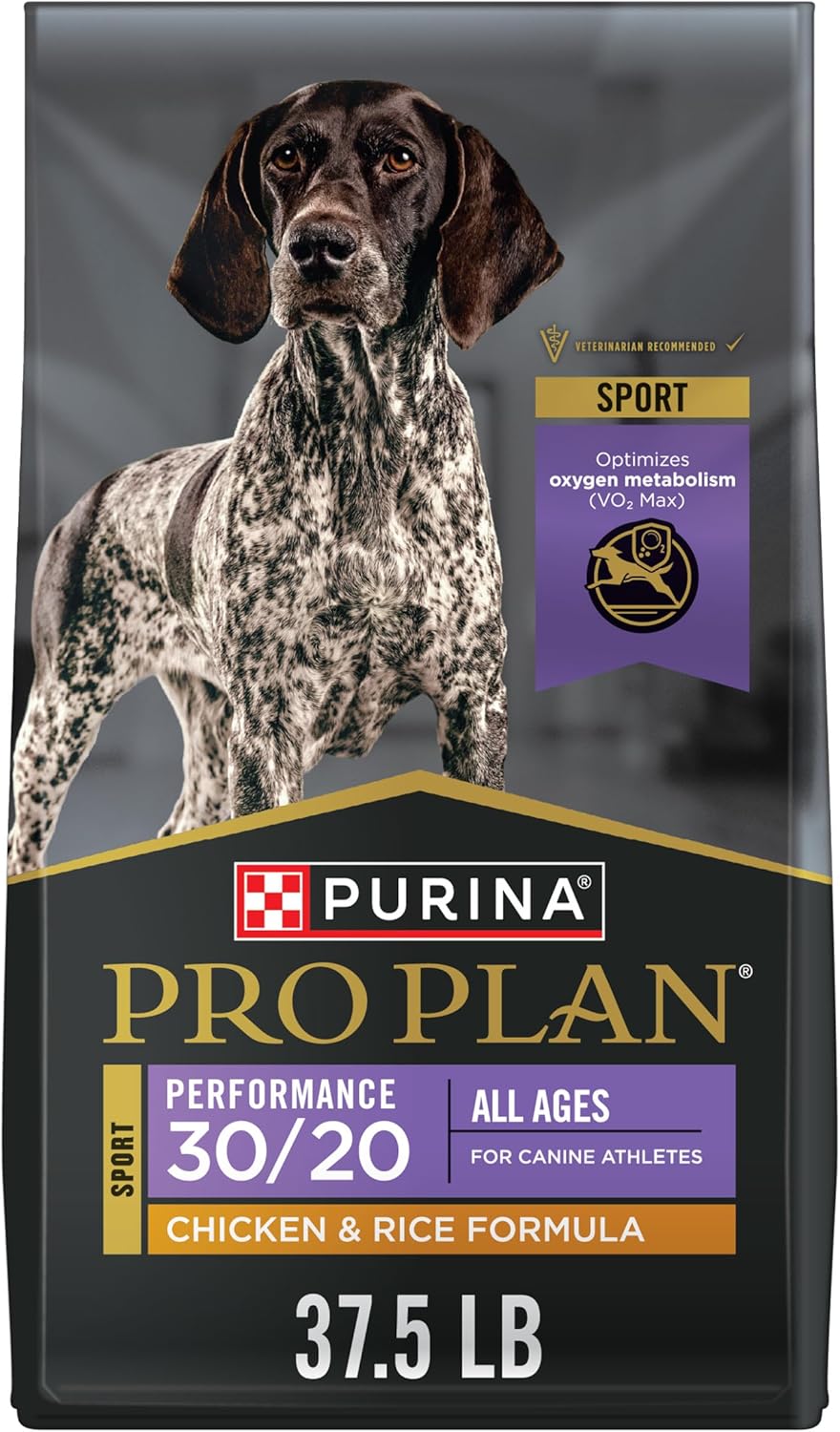
| Best High-Protein Food Higher protein formulas for active or muscle-maintaining dogs | Purina Pro Plan Sport 30/20 Chicken & Rice 37.5 lb |  |
| Best Grain-Free Food Options without grains for owners avoiding cereal ingredients | ORIJEN Large Breed Dry Dog Food 23.5 lb |  |
| Best Premium Food A higher-end choice emphasizing superior ingredients and formulation | Royal Canin Giant Adult Dry Dog Food 30 lb |  |
ROYAL CANIN Great Dane Adult Dry Dog Food
Best Overall Food for a Great Dane

| Flavor | Chicken |
|---|---|
| Age Range Description | Adult |
| Item Form | Kibble |
| Breed Recommendation | Great Dane |
| Unit Count | 480 Ounce |
Royal Canin Great Dane Adult Dry Dog Food is a breed-targeted kibble designed for adult Great Danes 24 months and older. The product uses a large, specialized kibble shape that matches the Great Dane jaw and encourages chewing and slower intake, while a concentrated energy formulation supplies calories without overfilling the stomach. Highly digestible proteins and specific fibers support digestive performance and stool quality, and added EPA and DHA from fish oil aim to help bone and joint health. The formula is presented as a veterinary-style diet with protein-rich ingredients and added joint-support nutrients such as glucosamine and chondroitin. In practice this makes it a convenient everyday option for owners who want a ready-made, breed-specific diet that addresses the common needs of giant dogs. Limitations include typical grain-containing ingredients and a focus on breed specificity rather than novel-protein or limited-ingredient formulations, so dogs with specific allergies or those needing a grain-free or alternative-protein diet may need to consider other options.
Best for: Owners seeking an everyday, breed-tailored dry diet that balances calorie density, digestion support, and joint care for adult Great Danes.
Less Ideal for: Owners who need grain-free, novel-protein, or strictly limited-ingredient diets for food-allergic or highly sensitive dogs.
- Breed-specific kibble shape sized for Great Dane jaws to encourage chewing and slower eating
- Concentrated energy content to meet high calorie needs without overloading the stomach
- Includes EPA and DHA plus glucosamine and chondroitin to support bone and joint health
- Highly digestible proteins and targeted fibers to support digestion and stool quality
- Contains common grains and by-product meals that may not suit dogs with ingredient sensitivities
- Not a limited-ingredient or novel-protein formula for dogs with specific food allergies
Verdict: The best overall food for a Great Dane that balances appropriate calories, joint-supporting nutrients, digestible proteins, and size-specific kibble to suit everyday growth and maintenance.
Pedigree High Protein Adult Dry Dog Food 18 lb
Best Budget Food for a Great Dane

| Flavor | Beef & Lamb |
|---|---|
| Age Range | Adult |
| Item Form | Dry Kibble |
| Unit Count | 288 Ounce |
Pedigree High Protein Adult Dry Dog Food blends crunchy kibble with meaty Protein Goodbites made with real beef to deliver a protein-forward daily diet for adult dogs. It is typically used as a staple dry food for active dogs or mixed with wet food according to the feeding guide, and the formula includes prebiotic fiber and 36 vitamins and minerals to support digestion, skin and coat, and overall vitality. The stated 27% protein and added fat make it suited to dogs that need extra calories and muscle support, and the crunchy texture may help reduce plaque while offering palatability many dogs enjoy. Ingredients include named meat meals and beef and lamb components, though the recipe also contains common grains and preservatives and lists soy and wheat as allergens, so it is not grain-free. For large-breed owners seeking higher protein for activity or recovery, this product offers an accessible, widely available option, but buyers who need grain-free, limited-ingredient, or novel-protein formulas for sensitivities should look elsewhere.
Best for: Owners of large, active adult dogs who prioritize a higher-protein everyday dry food to support energy, muscle maintenance, and post-exercise recovery.
Less Ideal for: Caregivers of dogs with grain sensitivities, food allergies, or those who require limited-ingredient or novel-protein veterinary diets should consider alternatives.
- High protein content (27%) to support muscle maintenance and active dogs
- Includes Protein Goodbites made with real beef for added meat flavor
- Contains prebiotic fiber and 36 vitamins and minerals to support digestion and overall health
- Crunchy kibble texture can help with dental abrasion and palatability
- Contains common allergens and grains, so not suitable for dogs needing grain-free or limited-ingredient diets
- Includes preserved animal fat and artificial color additives listed in ingredients
Verdict: The best budget food for a Great Dane that delivers necessary calories and joint-friendly nutrients at a lower price while maintaining acceptable ingredient quality and digestibility.
Hill's Science Diet Large Breed
Best Large-Breed Food

| Flavor | Chicken & Barley |
|---|---|
| Age Range Description | Adult 1-5 |
| Item Form | Pellet |
| Breed Recommendation | Large Breeds |
| Unit Count | 560 Ounce |
Hill's Science Diet Large Breed is a dry adult dog food formulated specifically for large breeds, combining high-quality protein, joint-supporting ingredients and prebiotic fibers in a large-bag format. It is typically fed as a daily kibble for adult large or giant dogs and includes glucosamine and chondroitin to help support hip and joint health while higher-quality protein helps maintain lean muscle mass. The formula also includes omega-6 fatty acids and vitamin E for skin and coat conditioning and a blend of prebiotic fibers and antioxidants to support digestion and immune health. Kibble size and calorie density are tuned for larger dogs, and the package provides feeding guidelines to adjust amounts as needed. Limitations are that it is a non-therapeutic, general adult formula so dogs with specific medical conditions may need a prescription diet, and some dogs may require a gradual transition period to avoid digestive upset when switching foods.
Best for: Buyers seeking a vet-recommended everyday adult dry food for large or giant breeds that prioritizes joint support, lean-muscle maintenance and digestive health.
Less Ideal for: Owners whose dogs have diagnosed medical conditions requiring a prescription diet or who need a limited-ingredient formula for food sensitivities should consider alternatives.
- Formulated for large-breed adult dogs with targeted nutrient balance
- Contains glucosamine and chondroitin to support joint health
- Higher-quality protein to help build and maintain lean muscle
- Includes prebiotic fibers and antioxidants to support digestion and immune health
- Omega-6 and vitamin E for skin and coat condition
- Not a veterinary prescription diet for dogs with specific clinical conditions
- Large 35 lb bag may be heavy to handle for some buyers
Verdict: The best large-breed food designed to support growth, joint health, and controlled calorie density with kibble size and nutrient ratios tailored for bigger dogs.
Purina Pro Plan Sport 30/20 Chicken & Rice 37.5 lb
Best High-Protein Food
| Flavor | Chicken & Rice |
|---|---|
| Protein:Fat | 30% protein / 20% fat |
| Life Stage | All Life Stages |
| Package Size | 37.5 lb |
| Form | Dry |
Purina Pro Plan Sport 30/20 Chicken & Rice is a concentrated, high-protein dry formula aimed at physically active dogs. It delivers about 30% protein and 20% fat with chicken listed as the first ingredient, plus added amino acids, EPA and glucosamine to help support muscle repair and joint mobility after exercise. You would typically feed this as the main daily diet for an athletic adult dog or during training cycles, using the package feeding guidelines and adjusting for activity level. The formula emphasizes endurance and metabolic support with antioxidant and vitamin mixes to support immune health. Practical benefits include dense calories for dogs that burn a lot of energy, targeted nutrients to help maintain lean mass, and joint-support ingredients for heavy-use joints. Important limitations are that it is a calorie-dense, performance-focused diet that may be excessive for less active or overweight dogs, and the ingredient list contains poultry by-product meal and cereals that some owners avoid when seeking limited-ingredient or grain-free options.
Best for: Owners of athletic or working Golden Retrievers who prioritize maintaining lean muscle, endurance and joint support during heavy training or high-activity periods.
Less Ideal for: Golden Retrievers that are sedentary, prone to weight gain, or require a limited-ingredient or grain-free prescription should consider alternative formulas.
- High protein-to-fat ratio (30/20) supports muscle maintenance and energy for active dogs
- Real chicken is the first ingredient for animal-based protein
- Includes amino acids, EPA and glucosamine to support post-exercise muscle recovery and joint health
- Concentrated calories and nutrients useful for highly active or working dogs
- Not formulated for low-activity or weight-management needs due to high calorie density
- Contains poultry by-product meal and corn ingredients, which may not suit owners preferring limited-ingredient diets
Verdict: The best high-protein food for owners who want extra muscle support and sustained energy, offering elevated quality protein sources and appropriate amino acids for large dogs.
ORIJEN Large Breed Dry Dog Food 23.5 lb
Best Grain-Free Food

| Item Form | Dry Kibble |
|---|---|
| Breed Recommendation | Large |
| Specific Uses For Product | Digestive Health, Hip and Joint Support, Skin and Coat Health |
| Animal Food Diet Type | Veterinary Diet |
| Allergen Information | Grain-Free, Corn-Free, Potato-Free, Soy Free, Wheat Free |
ORIJEN Large Breed Adult is a high-protein, WholePrey dry dog food designed to meet the nutritional needs of large-breed dogs. It is typically fed twice daily as a complete maintenance diet and is built around fresh and raw meat inclusions such as chicken, turkey, herring and salmon, plus organs and whole prey components to provide dense, naturally sourced nutrients. Notable features include a high proportion of animal ingredients, added probiotics and fiber for digestive support, and omega fatty acids from wild-caught fish to support skin, coat, and joint health. In practice the kibble suits owners who prioritize biologically appropriate, protein-rich formulas and want functional benefits like hip and joint support and digestive health woven into the ingredient list. Limitations to consider are that protein-rich, calorie-dense diets require careful portioning for less active dogs and dogs with specific metabolic sensitivities, and switching should follow a gradual transition to avoid digestive upset.
Best for: Owners seeking a top-tier, ingredient-forward diet that mirrors ancestral nutrition and provides targeted functional support for large-breed dogs focused on long-term health and performance.
Less Ideal for: Owners looking for a lower‑calorie, limited-ingredient, or grain-inclusive diet for dogs with specific food sensitivities or who need strict weight management.
- High proportion of fresh and raw animal ingredients for dense, whole-food nutrition
- Formulated with WholePrey components including organs to deliver a broader nutrient profile
- Includes probiotics and fiber blend to support digestive health
- Omega-3 and omega-6 sources from wild-caught fish and poultry to help skin, coat, and joint support
- Grain-free and free from common fillers and artificial flavors
- Calorie- and protein-dense formula requires careful portion control for less active dogs
- May be richer than needed for dogs with certain metabolic or digestive sensitivities
Verdict: The best grain-free food for owners choosing to avoid cereal grains, formulated to provide balanced nutrition through alternative carbohydrate and fiber sources appropriate for large breeds.
Royal Canin Giant Adult Dry Dog Food 30 lb
Best Premium Food

| Flavor | Chicken |
|---|---|
| Age Range Description | Adult |
| Item Form | Pellet |
| Dog Breed Size | Giant |
| Package Size Name | 30 lb |
Royal Canin Giant Adult Dry Dog Food is a complete kibble designed specifically for extra-large breeds 2 years and older that weigh over 100 lb. The formula uses digestible proteins, fibers and prebiotics to promote stool quality and digestive health while an antioxidant complex and targeted nutrients support heart, kidney and brain vitality. Notable ingredients include glucosamine and chondroitin for joint support and a mineral balance aimed at bolstering bone health, which matches the higher structural demands of very large breeds. The extra-large kibble shape improves palatability for dogs that prefer a crunch and it mixes well with wet food for added variety. Buyers should note the ingredient list includes chicken by-product meal and several grains, so it is not a limited-ingredient or grain-free choice. For everyday feeding this bag delivers portion-controlled nutrition tailored to giant breeds, but owners who need novel proteins or single-ingredient diets will want to consider alternatives.
Best for: Owners of Saint Bernards seeking a complete everyday formula that balances joint support, digestibility, and overall vitality for an extra-large adult dog.
Less Ideal for: People who require grain-free, single-protein, or hypoallergenic recipes for dogs with known food sensitivities should look elsewhere.
- Formulated specifically for giant breeds with nutrients to support bone and joint health
- Includes digestible proteins, fibers and prebiotics to promote good stool quality and digestion
- Contains glucosamine and chondroitin to help maintain joint mobility in large dogs
- Antioxidant complex supports cellular health, heart, kidney and brain vitality
- Extra-large kibble designed for palatability in very large dogs and mixes well with wet food
- Contains chicken by-product meal and multiple grains, so not suitable for owners seeking limited-ingredient or grain-free diets
- Not targeted at dogs with novel-protein or food allergy needs
Verdict: The best premium food for owners willing to invest in top-tier ingredients, advanced joint and digestive support, and more rigorous sourcing or manufacturing standards for large-breed health.
Choosing the Right Dog Food Great Dane: Key Factors to Consider
Protein Level and Quality
Protein supplies the amino acids necessary for muscle maintenance and repair. For Great Danes, look for moderate to high-quality animal-based proteins that provide bioavailable amino acids without driving excessively fast growth in puppies.
The source of protein affects digestibility and amino acid balance. Whole-meat and named meat meals generally offer more consistent amino acid profiles than unspecified by-products. Protein percentage should be appropriate for life stage: controlled for growing large-breed dogs to avoid skeletal issues, and sufficient for adult maintenance and performance without being excessive.
Calcium-to-phosphorus Ratio
Mineral balance influences bone development and long-term joint health. Great Dane puppies are particularly sensitive to calcium and phosphorus levels; too much or too little calcium can increase the risk of skeletal deformities.
Choose foods with calcium-to-phosphorus ratios formulated for large-breed growth or adult maintenance depending on the dog's life stage. Look for formulas that state compliance with recognized canine nutrition guidelines, and avoid supplements or homemade diets that change mineral balance without veterinary oversight.
Calorie Density and Controlled Growth
Large-breed puppies should grow steadily, not rapidly, to reduce stress on developing joints. Calorie-dense formulas can lead to fast weight gain if fed without strict portion control, increasing the risk of hip and elbow dysplasia.
Opt for diets that provide measured calorie targets and clear feeding guidelines for large-breed puppies. For adult Great Danes, moderate calorie density helps maintain a lean body condition. Owners should monitor body condition score and adjust portions rather than relying solely on ad libitum feeding.
Joint Support Nutrients
Because Great Danes are prone to joint wear and developmental orthopedics issues, look for formulas with added nutrients that support cartilage and joint health. Glucosamine and chondroitin are commonly included to support cartilage resilience, while EPA and DHA from fish oil reduce inflammation.
The presence of these nutrients is not a cure, but consistent dietary inclusion can help long-term joint maintenance. Consider life-stage-appropriate concentrations and discuss supplementation with a veterinarian if your dog has a history of joint disease.
Kibble Size and Texture
Kibble shape and size affect how comfortably a Great Dane eats. Oversized or very hard kibble may be difficult for some dogs to pick up, while tiny kibble can promote gulping that increases the risk of bloat.
Select formulas designed for large-breed mouths with appropriately sized pieces. Texture also influences palatability and the ability to divide meals for slower feeding. Owners of dogs that eat quickly should combine kibble size choice with feeding strategies to slow intake.
Digestibility and Stool Quality
Highly digestible diets extract more usable nutrients per cup and typically produce firmer, smaller stools. For large breeds, efficient digestion reduces the total volume of food needed, which can ease weight control and feeding logistics.
Ingredients such as named protein sources, moderate soluble fiber, and digestive enzymes can improve digestibility. Avoid formulas with excessive fillers that add bulk without nutritional value. Monitor stool consistency as a practical indicator of how well a food agrees with your dog.
When Should a Great Dane Switch From Puppy to Adult Food?
Timing the switch from a growth formula to an adult maintenance diet matters because Great Danes mature more slowly than smaller breeds. Most large-breed dogs complete skeletal growth later; switching too early can deprive them of growth-supporting nutrients, while switching too late can expose them to excessive calories.
As a general approach, many owners transition between 12 and 24 months depending on the dog's size, growth rate, and veterinary guidance. Monitor body condition and consult your veterinarian to choose the right age to transition and to ensure the new adult formula maintains proper protein, calorie, and mineral balance.
- Assess growth plate closure via veterinary exam if precise timing is needed
- Transition gradually over 7–10 days to avoid digestive upset
- Adjust portions during transition to maintain steady weight
How Can I Reduce the Risk of Bloat While Feeding Kibble?
Bloat, or gastric dilatation-volvulus, is a life-threatening concern in large deep-chested dogs. While no feeding strategy can eliminate risk, certain practices reduce the chance of rapid stomach expansion and twisting. Feed multiple smaller meals per day rather than one large meal to limit stomach fill and pressure.
Avoid vigorous exercise around meal times and consider using slow-feeding bowls or puzzle feeders to prevent gulping. Some owners also avoid elevated feeding stations because evidence is mixed; consult your veterinarian for tailored risk mitigation if your dog has known predisposition to bloat.
- Feed two to three measured meals daily
- Use a slow feeder or scatter food to slow intake
- Keep exercise and high-intensity play at least one hour before and after meals
What Role Do Fatty Acids Play in Great Dane Diets?
Long-chain omega-3 fatty acids such as EPA and DHA support joint health and modulate inflammation, which is especially relevant for large breeds that experience higher joint loads. These oils also contribute to skin and coat condition and may help with cognitive function in older dogs.
Look for formulas that list a marine oil source or specify omega-3 concentrations appropriate for canine diets. For dogs with inflammatory joint disease, supplemental doses should be discussed with a veterinarian to reach therapeutic levels safely.
- EPA and DHA support joint comfort and reduce inflammation
- Omega-3s improve skin and coat condition
- Veterinary guidance recommended for therapeutic supplementation
How to Interpret Guaranteed Analysis and Feeding Guides
The guaranteed analysis gives minimum and maximum percentages for crude protein, fat, fiber, and moisture, but it does not tell the whole story. To compare diets, consider calorie density and ingredient digestibility in addition to crude percentages. A higher crude protein percentage on a low-calorie diet may not equal higher protein intake in absolute terms.
Feeding guides are starting points, not precise prescriptions. Use the recommended amounts to estimate intake, then adjust based on your dog's body condition score and activity level. Keep consistent measuring tools and re-evaluate portions as your Great Dane ages or activity changes.
- Compare nutrients on a calorie-adjusted basis when possible
- Use body condition scoring to fine-tune portions
- Reassess feeding amounts seasonally or with activity changes
Should I Consider Fresh or Frozen Diets for a Great Dane?
Fresh and frozen diets can meet a Great Dane's nutrient needs if they are formulated to be complete and balanced for the appropriate life stage. These diets often emphasize whole-food ingredients and may be easier to digest for some dogs. However, they require careful handling, storage, and portioning to maintain consistent nutrient intake and food safety.
If you consider transitioning to a fresh or frozen option, verify the manufacturer provides a complete nutrient analysis and follow feeding guidelines that match your dog's calorie needs. Because these diets can be calorically dense, monitor body condition and adjust portions as necessary.
- Ensure the diet is labeled complete and balanced for the life stage
- Account for storage and handling requirements
- Monitor calories and adjust portions to maintain lean body condition
How We Chose the Best Dog Food Great Dane
We focused on nutritional profiles and large-breed needs when narrowing the list to seven foods for Great Danes. Selection emphasized adequate but not excessive protein, controlled calorie density to prevent overly rapid growth, and calcium-to-phosphorus ratios appropriate for large-breed puppies and maintenance formulas. We also scored formulas on joint-support nutrients such as glucosamine and chondroitin, omega-3 fatty acid content for inflammation control, and the presence of digestible carbohydrate and fiber sources for stool quality. Additional evaluation criteria included ingredient transparency, whether the formula targets large-breed life stages explicitly, and practical factors such as kibble size and feedability for very large mouths. We excluded formulas designed exclusively for small or medium breeds, foods with incomplete nutrient profiles, and novelty single-batch lines lacking consistent nutrient analysis. Final choices balance clinical nutrient priorities with everyday owner considerations like palatability and feeding convenience.
Our full evaluation process is outlined in our review methodology.
FAQ
How many calories should a Great Dane eat each day?
Daily calorie needs depend on age, activity, and metabolism. Adult Great Danes typically require fewer calories per pound than smaller dogs. Use the food's calorie density as a baseline, follow large-breed feeding guidelines, and adjust portions based on your dog's body condition score and activity level.
Is grain-free food better for Great Danes?
Grain-free diets are not inherently better and may not address specific needs like joint support or controlled growth. Some dogs tolerate grain-free formulas well, but the choice should be driven by ingredient quality and nutrient balance rather than the absence of grains alone.
Can I use supplements to support my Great Dane's joints?
Supplements like glucosamine, chondroitin, and omega-3s can support joint health, especially for dogs with existing issues. Discuss supplementation with your veterinarian to determine appropriate dosing and to avoid duplicating nutrients already included in a complete diet.
How should I transition my Great Dane to a new food?
Transition gradually over 7 to 10 days by mixing increasing proportions of the new food with the old. Watch for changes in stool quality and appetite, and slow the transition if digestive upset occurs. For puppies or dogs with sensitive stomachs, extend the transition period.
What feeding strategies help keep a Great Dane at a healthy weight?
Measure portions, feed two or three scheduled meals daily, and choose a diet with appropriate calorie density. Regularly assess body condition score and adjust portions or activity if weight gain occurs. Avoid ad libitum feeding and limit high-calorie treats.
Final Verdict
Prioritize growth and joint-safe nutrition when choosing food for a Great Dane. Start with formulas that control calorie density for growth-phase dogs, maintain balanced calcium-to-phosphorus ratios, and include joint-supporting nutrients such as omega-3s and cartilage precursors. For adults, focus on keeping your dog lean with adequate high-quality protein and manageable calorie density. Balance practical concerns like kibble size and digestibility with the core nutritional priorities. Monitor body condition and work with your veterinarian to adjust diet as your Great Dane matures or if health issues arise. With the right focus, you can choose a food that supports longevity and quality of life for a very large dog.

