

If your dog routinely leans, lunges, or powers through walks, the right harness can make every outing safer and less stressful. A harness designed for heavy pullers redistributes force away from the neck, gives you better steering, and protects your dog's shoulders and spine during abrupt movements. This guide presents seven shortlisted harnesses chosen for strong dogs and frequent walkers. We evaluated stability, durability, and fit options to highlight harnesses that help you manage force without sacrificing comfort. Read on to find a harness that improves control and reduces strain on both you and your dog.
Top Picks at a Glance
| Best Overall Harness for Heavy Pullers A balanced, reliable harness built to manage strong pullers comfortably | Ruffwear Front Range Harness Large/X-Large | 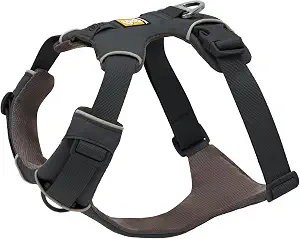 |
| Best Budget Harness for Heavy Pullers Low-cost option that still stands up to stronger dogs' pulling | BARKBAY No-Pull Dog Harness Large |  |
| Best No-Pull Harness Designed specifically to discourage pulling with front-clip control geometry | PetSafe Easy Walk Harness X-Large |  |
| Best Heavy-Duty Harness Reinforced construction and strong hardware for the toughest pullers | KNK Heavy Duty Dog Harness |  |
| Best Front-Clip Harness Front-attachment design for immediate steering and pull reduction | rabbitgoo No Pull Dog Harness Large |  |
| Best Adjustable Harness Multiple adjustment points for a precise, secure fit across sizes | rabbitgoo Dog Harness Large |  |
| Best Reflective Harness High-visibility materials and reflective trim for safer night walks | tobeDRI No Pull Dog Harness Large |  |
Ruffwear Front Range Harness Large/X-Large
Best Overall Harness for Heavy Pullers
| Size | Large/X-Large |
|---|---|
| Material Type | Polyester |
| Closure Type | Pull On |
| Included Features | Foam padding, reflective trim, ID pocket |
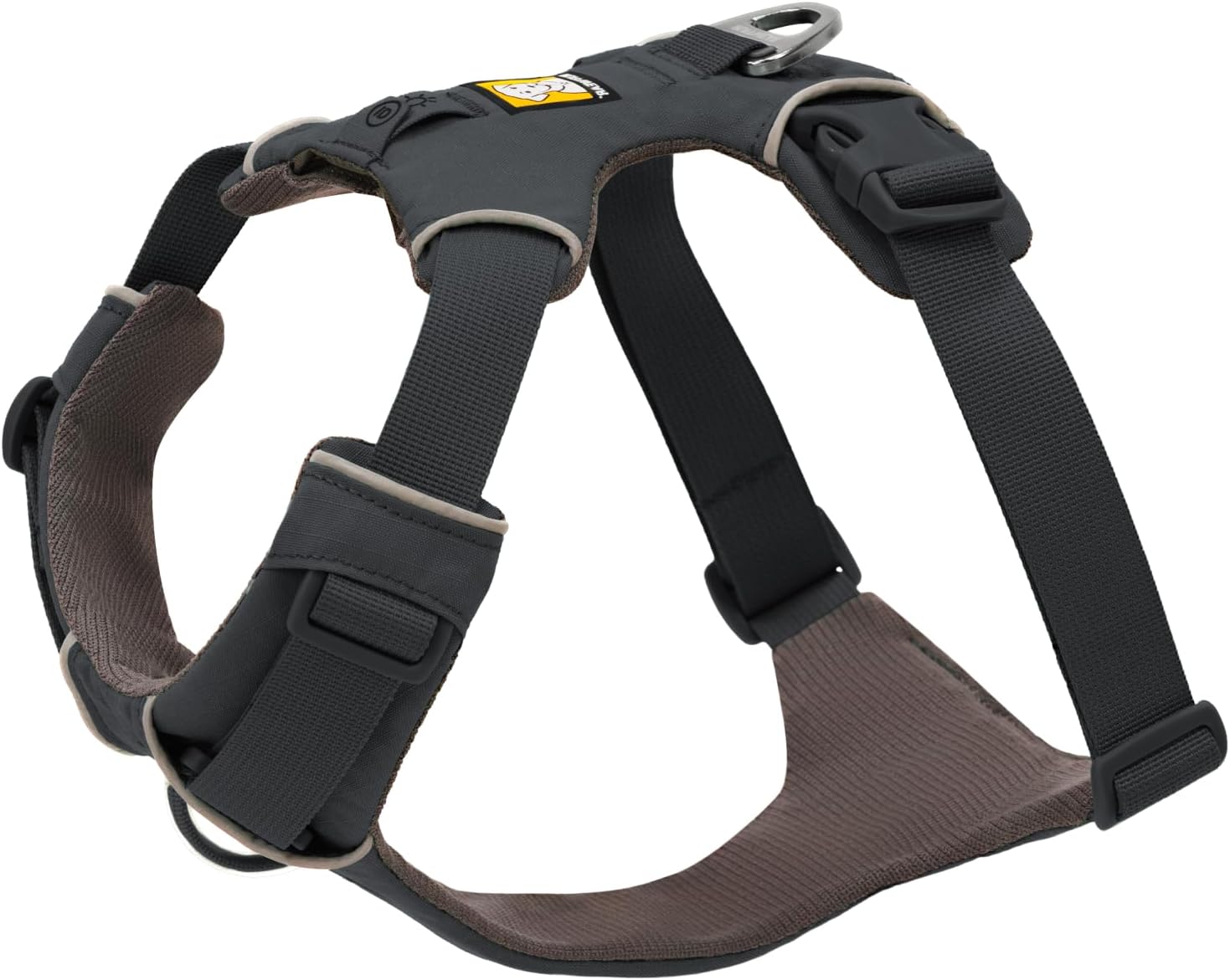
The Ruffwear Front Range Harness is a well-built, comfort-focused harness aimed at active large dogs. It uses closed-cell foam padding across the chest and belly panels and four points of adjustment so you can dial in a snug, chafe-free fit for long walks, hikes, and everyday wear. Two leash attachment options—a reinforced V-ring on the back and a reinforced webbing chest point—let you switch between standard walking and front-clip control to reduce pulling. The harness also includes a padded lift-assist handle, reflective trim, and a loop for a beacon light to improve safety in low light. Materials and hardware feel robust and the side-release buckles make it straightforward to put on and take off. The trade-offs are typical of premium harnesses: it adds bulk compared with minimalist designs and requires correct measuring to avoid shifting, but the padding and adjustability make it a good match for large, active dogs that need both comfort and control.
Best for: Owners of large, active dogs who prioritize a durable, comfortable harness and want both a back leash point for everyday walking and a chest attachment for no-pull control.
Less Ideal for: People seeking an ultra-lightweight, minimalist harness for short city walks or those unwilling to measure for an accurate fit should consider simpler alternatives.
- Foam-padded chest and belly panels for long-wear comfort
- Four points of adjustment for a customizable, secure fit
- Two leash attachment points (back V-ring and chest webbing) for standard or no-pull control
- Padded lift handle and reflective trim increase safety and handling options
- Bulkier profile than minimalist harnesses which may be noticeable on some dogs
- Requires accurate girth measurement to achieve the intended fit and anti-pull function
Verdict: The best overall harness for heavy pullers combines secure hold, breathable materials, and effective control without causing chafing or restricting movement for everyday walks.
BARKBAY No-Pull Dog Harness Large
Best Budget Harness for Heavy Pullers

| Size | Large (Chest:24.5-32.5") |
|---|---|
| Closure Type | Buckle |
| Material Type | Nylon Webbing, Zinc Alloy Clips, POM Buckles |
| Dog Breed Size | Large |
The BARKBAY No-Pull Dog Harness is a budget-friendly vest-style harness built for everyday walks and basic training with large breeds. It combines a front chest clip for no-pull control and a back D-ring for relaxed walking, plus a sturdy top handle for close control or lifting. The harness uses padded nylon webbing and quick-release POM buckles with four adjustment points to get a snug, customizable fit and features reflective strips to improve nighttime visibility. In practice it is straightforward to put on and take off and the padding makes longer outings more comfortable for many dogs. The construction is weatherproof and treats durability sensibly for the price, though the product is not chew-proof and its hardware is zinc alloy rather than heavier-duty metal used on higher-end tactical harnesses. For owners who want a capable, low-cost harness that reduces pulling and adds a handle and reflective safety, this is a solid choice; buyers seeking heavy-duty, chew-resistant gear or premium metal hardware should look higher up the price scale.
Best for: People who want a rugged-feeling, no-frills harness that stops pulling and adds visible safety and a handling point without spending much.
Less Ideal for: Owners who need chew-proof, heavy-duty tactical hardware or professional training equipment should consider higher-end alternatives.
- Front and back leash attachment points for training and casual walks
- Padded vest design and four adjustment points for a comfortable, customizable fit
- Top handle provides quick control and lifting support
- Reflective strips increase visibility on low-light walks
- Quick-release buckles make the harness easy to put on and remove
- Not chew-resistant and should not be left on unsupervised dogs
- Hardware uses zinc alloy clips rather than heavier-duty metal
Verdict: The best budget harness for heavy pullers offers dependable restraint and decent durability at a low price, making it a sensible choice for cost-conscious owners.
PetSafe Easy Walk Harness X-Large
Best No-Pull Harness

| Material Type | Nylon |
|---|---|
| Closure Type | Snap |
| Dog Breed Size | Large |
| Weight Range | 70-100 lbs |
| Included Components | Easy Walk Harness, Quick Start Guide |
The PetSafe Easy Walk Harness is a front-clip, martingale-style harness designed to reduce pulling by tightening slightly across the chest and shoulders as a dog lunges. You fit the shoulder strap over the head and snap the belly strap, then fine-tune three adjustment points so the harness sits high on the shoulders with O-rings behind the front legs. Its lightweight, low-coverage nylon construction makes it breathable for long walks and hikes, and the contrasting belly strap helps faster, correct placement. In practice the front leash attachment redirects forward momentum and gives handlers more control without choking the neck, which is useful for large, strong dogs prone to pulling. The martingale loop creates gradual pressure rather than a hard clamp, but very strong or determined pullers may still require consistent training or a harness with additional leverage. The harness is simple to use and durable, but careful measuring is important because a snug, correct fit is necessary for the martingale to work as intended.
Best for: Buyers who want a simple, training-friendly harness that reduces pulling by redirecting forward motion and prioritizes comfort over heavy-duty restraint.
Less Ideal for: People seeking an immediate, absolute stop for extremely strong or reactive pullers who need maximum leverage or specialized control tools should consider other options.
- Front-clip martingale loop redirects pulling to the shoulders rather than the neck
- Lightweight, low-coverage design improves breathability and comfort on long walks
- Multiple adjustment points and quick-snap belly strap make fitting straightforward
- Durable nylon construction suited for regular outdoor use
- Requires a snug, correct fit to function effectively
- May not fully stop very strong or highly trained-in pullers without additional training or a different leverage design
Verdict: The best no-pull harness redirects forward motion and reduces pulling by using a front-clip or leverage design that teaches better leash manners during walks.
KNK Heavy Duty Dog Harness
Best Heavy-Duty Harness

| Suitable sizes | Medium, Large, XLarge, XXLarge |
|---|---|
| Neck girth | 24" to 34" |
| Chest girth | 29" to 45" |
| Materials | Metal, Polyester, Webbing |
| Closure type | Buckle, Clip |
The KNK Heavy Duty Dog Harness is a front-clip, step-in harness built to control powerful pullers while remaining comfortable for long walks and training sessions. It uses ultra-strong 2-inch webbing, welded D-rings and O-rings for leash attachment, and lightweight metal adjusters that lock straps in place, which together provide a secure connection for large breeds. The padded chest panel spreads pressure across the chest instead of the neck, and the step-in design makes it quick to put on and remove. Practical benefits include a dedicated front D-ring to discourage pulling and a rear attachment for routine walking or hiking, plus reinforced construction intended to resist stretching or tearing during high-activity use. Limitations are that the harness is aimed at medium to XXL dogs so it will be oversized for small breeds, and the heavier hardware and thick straps add bulk that can feel stiff until broken in. Sizing requires checking neck and chest girth measurements to get the intended secure fit.
Best for: Buyers with large, powerful breeds who prioritize a rugged, reliable harness that holds up to frequent heavy use and training.
Less Ideal for: Owners of small dogs or those who want a minimal, lightweight harness for infrequent, casual walks should consider other options.
- Welded metal D-rings and O-rings provide strong, durable leash attachment points.
- 2-inch ultra-strong webbing resists stretching and tearing under heavy load.
- Front-clip design helps discourage pulling and aids training control.
- Padded chest distributes pressure for improved comfort during extended use.
- Step-in, buckle closure makes the harness quick and straightforward to put on and remove.
- Bulkier hardware and thick straps can feel stiff until worn in.
- Designed for medium to extra-large dogs so it does not fit small breeds.
Verdict: The best heavy-duty harness is built with rugged webbing, reinforced stitching, and sturdy buckles to withstand strong dogs and frequent use without failing.
rabbitgoo No Pull Dog Harness Large
Best Front-Clip Harness

| Dog Breed Size | Large |
|---|---|
| Weight Range | 15-45 kg |
| Closure Type | Buckle |
| Material Type | Polyester |
| Size | Large |
The rabbitgoo No Pull Dog Harness is a step‑over vest-style harness built for everyday walks and basic training with medium to large breeds. It uses a front chest clip to help redirect forward motion when a dog lunges and a rear D-ring for casual walking or jogging, plus two metal leash attachments for versatile control. The harness is made from polyester oxford with padded air-mesh lining to reduce chafing and keep dogs cooler during activity, and reflective strips improve visibility in low light. Four adjustable straps and quick-release buckles let you fine-tune the fit, while a top handle gives instant lift or extra control getting in and out of vehicles. Practical limits are its non-chewproof construction and that very strong pullers may need a more specialized training harness or head halter; accurate sizing is important because the vest design can shift on dogs with unusual body shapes. For most owners seeking a comfortable, durable, and easy-to-adjust no-pull option for everyday walks, this covers the essentials well.
Best for: Owners of medium to large active dogs who want a comfortable, easy-to-adjust harness that provides reliable no-pull control for daily walks and light training.
Less Ideal for: People who need a heavy-duty, chewproof restraint or handlers working with extremely strong pullers who require professional training tools.
- Front chest clip redirects forward momentum for basic no-pull control
- Padded air-mesh lining offers breathable comfort and reduces rubbing
- Two metal leash attachments (front and back) for training and everyday use
- Multiple adjustment points and quick-release buckles make fitting and removal fast
- Reflective strips and top handle add safety and short-term lift/control
- Not designed to resist chewing or heavy abrasion
- May not fully stop very strong, sustained pullers without additional training
Verdict: The best front-clip harness gives owners more immediate steering control and helps interrupt lunges by attaching the leash at the chest rather than the back.
rabbitgoo Dog Harness Large
Best Adjustable Harness

| Size | Large |
|---|---|
| Material Type | Polyester |
| Closure Type | Buckle |
| Dog Breed Size | Large |
This rabbitgoo harness is built for fast, fuss-free fitting and control on walks. It uses three quick-release buckles so you can open the harness, slip it onto a wiggly dog and snap it closed without forcing a head entry, which saves time for busy routines or handlers with limited mobility. The vest combines breathable mesh and soft padding for all-day comfort, and reflective strips improve visibility on evening walks. Two metal leash attachments give options: a front clip to reduce pulling and a back clip for casual walking or jogging, while a reinforced top handle offers extra control for lifting or quick restraint. Practical details include four adjustable straps for a tailored fit, sturdy metal hardware, and a lockable neck buckle to discourage accidental release. Limitations to note are the polyester construction is not chew-proof and the harness must be hand-washed per care instructions, so it may need more upkeep than simpler nylon straps.
Best for: Owners who need the quickest, least-fussy harness to get a wriggly or impatient dog ready for a walk, or handlers who value easy on/off and speed when gearing up.
Less Ideal for: People whose dogs habitually chew gear or who want a completely machine-washable harness should consider different heavy-duty or washable options.
- Three quick-release buckles enable very fast on/off without slipping the harness over the head
- Front and back metal leash clips let you switch between anti-pull control and regular walking
- Soft padded mesh vest with breathable lining for comfort on longer outings
- Reflective strips increase nighttime visibility
- Top handle and sturdy metal hardware provide secure short-term restraint and lifting support
- Not chew-proof, so unsuitable if your dog constantly nibbles gear
- Requires handwashing rather than machine wash for care
Verdict: The best adjustable harness features several fit adjustments to get a snug, customized fit that prevents slipping and rubbing on active or growing dogs.
tobeDRI No Pull Dog Harness Large
Best Reflective Harness
| Material Type | Neoprene, Nylon, Plastic, Polyester |
|---|---|
| Closure Type | Buckle |
| Dog Breed Size | Large |
| Included Components | dog leash |
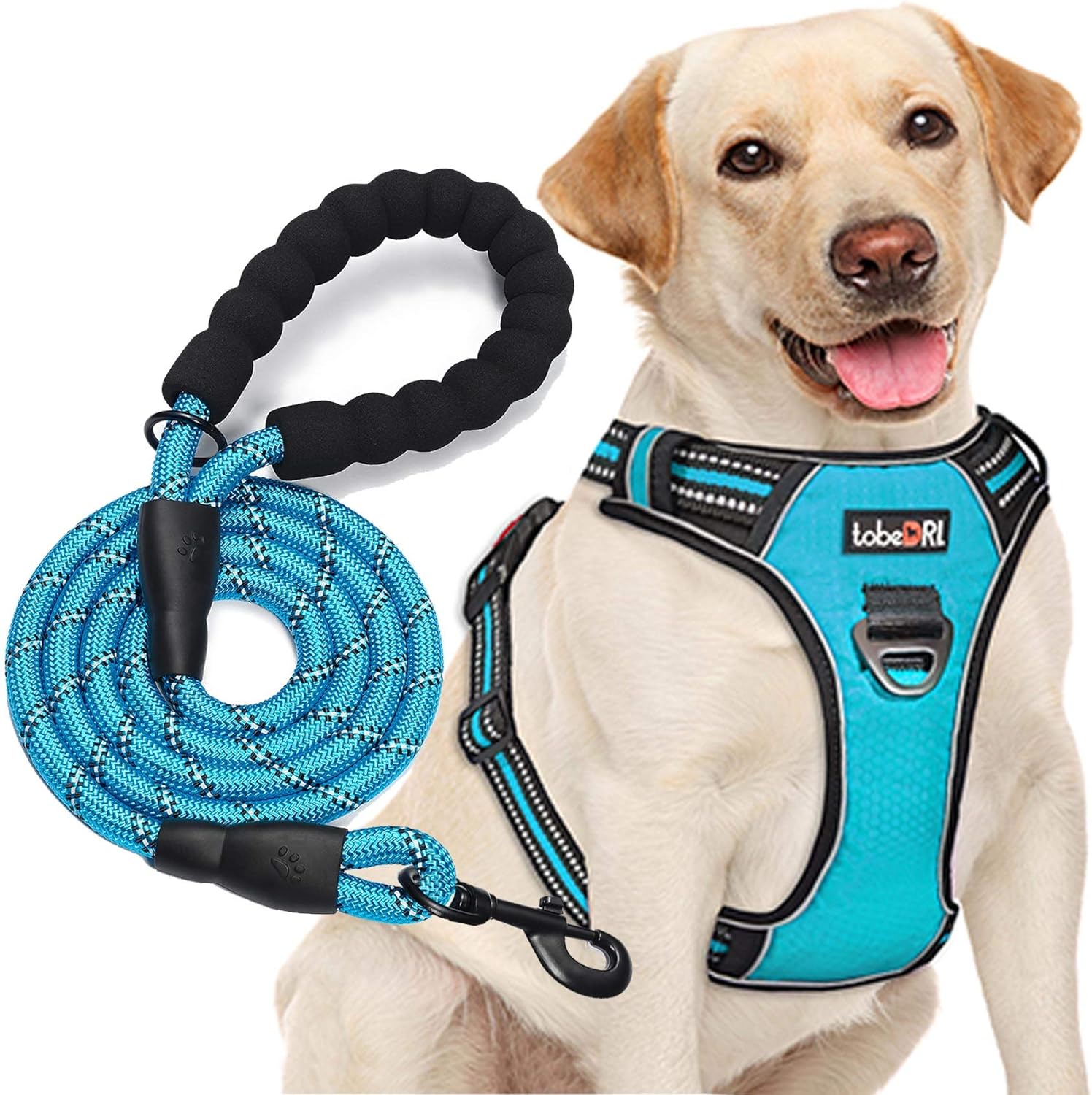
This tobeDRI harness is built for everyday walks with large dogs and emphasizes control and visibility. It uses two metal delta rings—one front clip to discourage pulling and one back clip for relaxed walking—so you can switch attachment points depending on training or leash-walking needs. The harness fastens with quick snap buckles that include a locking feature to reduce accidental release, and four adjusters let you fine-tune fit around the neck and chest. Materials combine breathable mesh and high-density nylon oxford with neoprene padding for comfort, and reflective stitching improves visibility during low-light walks. It is machine washable and comes with a heavy-duty 5ft leash, while metal hardware is described as rust-proof. Limitations are that fit depends on accurate sizing for large breeds and the harness does not list heavy-duty reinforcement ratings for very strong pullers, so very powerful dogs may still require a dedicated training system or harness rated for high loads.
Best for: Owners of medium to large dogs who prioritize improved visibility and a no-pull option for dawn, dusk, or night walks and want a comfortable, adjustable harness for regular outdoor use.
Less Ideal for: People looking for a harness with a certified load or professional-grade training hardware for very strong pullers should consider purpose-built training harnesses instead.
- Front and back metal delta rings let you switch between no-pull control and relaxed walking
- Reflective stitching increases visibility for dawn, dusk, and nighttime walks
- Neoprene padding and breathable mesh improve comfort for long wear
- Locking snap buckles and multiple adjusters provide a secure, customized fit
- Machine washable with rust-proof metal hardware for easy maintenance
- Sizing must be accurate for large breeds to ensure effectiveness
- Not specified or rated for extreme pulling forces from very powerful dogs
Verdict: The best reflective harness improves visibility during low-light walks with reflective panels and bright accents while still offering the control and durability heavy pullers need.
Choosing the Right Dog Harness Heavy Pullers: Key Factors to Consider
Attachment Configuration and Control
Attachment points determine how a harness handles forward force. Front-clip designs redirect pulling toward the side, helping with steering and reducing forward momentum, while dual-clip systems offer flexibility for training and everyday walking. Back-clip-only harnesses are often easier for calm dogs but provide less control for heavy pullers. Consider whether a harness has reinforced D-rings, quick-change options, or a centralized control geometry that keeps the leash close to the dog's center of mass.
A harness that allows switching between clips or blends front and back control offers more tactical options for walks, training, or working scenarios. The location and shape of attachment hardware affect leverage, so choose a configuration that matches your training approach and the intensity of pulling you expect.
Material Strength and Hardware Quality
Durable construction matters when your dog exerts constant or sudden force. Look for high-tensile webbing, reinforced stitching, and hardware rated for heavy loads. Metal D-rings and welded buckles are typically more reliable than thin plastic components, which can deform or fail under stress. Seam reinforcement in high-load areas reduces the chance of tearing or fraying during extended use.
Materials also affect longevity in wet or abrasive conditions. Water-resistant fabrics and corrosion-resistant metal finishes extend service life. Consider abrasion resistance if your dog spends time on rough trails or brushes against fences and brush. A harness built from quality materials reduces the need for frequent replacement and improves safety for powerful dogs.
Fit Adjustability and Sizing Range
A properly fitted harness spreads load evenly and prevents chafing. Multiple adjustment points let you fine-tune the fit around the chest, girth, and neck area so the harness stays secure when the dog lunges. Some designs offer sliding straps and multiple buckles to accommodate deep-chested, narrow, or barrel-shaped builds without shifting position.
Sizing charts are a starting point, but the ability to micro-adjust is important for strong dogs because any slack can give during a pull, concentrating force on a single strap. Check that the harness can be tightened without creating pressure points and that the adjustment range covers the measurements of your dog at full chest expansion.
Padding and Pressure Distribution
Padding reduces localized pressure and friction during pulls. Well-placed padding across the chest, sternum, and shoulders helps distribute load and prevents rubs on delicate skin. However, excessive bulk can restrict movement or trap heat, so padding should be balanced with breathability and flexibility.
The underlying shape of chest plates or foam inserts also influences how force is transferred across the body. Look for contoured padding that follows anatomy rather than flat cushions that ride up. For dogs that pull hard, robust but breathable padding avoids hotspots while maintaining a stable contact surface.
Escape Prevention and Safety Features
Strong dogs test harness security, so escape-resistant design is essential. Look for secondary buckles, anti-slip straps, and straps that pass under the belly to block rearward slipping. A harness that locks or has redundant closures reduces the chance of a dog breaking free during a pull. Reflective trim and attachment points for safety lights improve visibility on early morning or evening walks.
Consider how the harness behaves when the dog twists or rolls. Reinforced webbing paths and non-rotating D-rings help maintain orientation and keep hardware from shifting into uncomfortable positions. Safety features should not impede quick release in an emergency but should prevent routine escapes.
Breathability and Comfort for Active Use
Dogs that pull are often active and generate heat, so a harness should balance strength with airflow. Mesh panels, perforated padding, and low-profile designs reduce heat retention while still providing structural support. Overly bulky materials can cause overheating on long walks or during training sessions.
Consider the climates and activity levels where the harness will be used. For high-exertion outings, prioritize breathable fabrics and moisture-wicking liners. Comfort features that avoid rubbing under the armpits and allow the natural gait will keep your dog willing to walk and reduce resistance during training.
How Do Front-clip and Dual-clip Harnesses Change Pulling Behavior?
Front-clip harnesses apply lateral pressure that redirects forward momentum, which often reduces the immediate power of a pull and makes steering easier. This can be useful when you need to interrupt a forward lunge with minimal force from your own arm because the dog turns toward the handler.
Dual-clip systems give you options: use the front clip for training and redirection, and the back clip for comfortable everyday walking when the dog is calmer. Switching clips lets you adapt the control level without changing gear between walks.
- Front-clip: better steering and immediate pull reduction
- Back-clip: simpler, more comfortable for calm dogs
- Dual-clip: flexible for training and daily use
What Fit Checks Should You Perform Before the First Walk?
Measure girth and neck and compare to the sizing guide, then place the harness on and walk your fingers under each strap. You should be able to fit two fingers snugly under straps that sit on the chest and shoulders but avoid a loose, flapping fit. Ensure the harness does not sit too high behind the front legs where it could restrict shoulder motion.
Do a short, leashed trial in a low-distraction area to confirm the harness does not rotate or shift when the dog moves or turns. Re-check adjustment points after a few minutes of activity, since webbing can settle and padding can compress.
- Two-finger rule for snugness
- Check for rotation during short walk
- Confirm range of motion at shoulders
Can a Harness Prevent Injury for Dogs That Pull?
A properly designed harness reduces concentrated pressure on the neck and spreads force across the chest and shoulders, lowering the risk of tracheal damage that can occur with collars. It also helps absorb shock from sudden lunges, which can decrease the likelihood of soft tissue strain in the neck.
No harness can eliminate all risk from abrupt or extreme forces, so pairing a strong harness with training that reduces pulling behavior is the safest approach. Monitoring for chafing and adjusting fit regularly further reduces injury risk.
- Reduces neck pressure compared with collars
- Helps absorb shock from lunges
- Works best when combined with pull-reduction training
Are There Harness Features That Help with Training?
Training-focused harnesses usually offer quick-access front clips and attachment points for a training lead. They may include handle loops on the back to provide short-range control during recalls or to physically guide the dog in crowded spaces. Removable front rings or toggles let you change the level of correction as the dog learns.
Consistent fit and predictable leash geometry are important during training because inconsistent pressure or rotating hardware can confuse the dog. Choose a harness that holds its position reliably and allows you to increase or decrease control without introducing new gear mid-session.
- Front clips for redirecting behavior
- Handles for short-range control
- Stable geometry for consistent cues
How to Maintain and Inspect a Heavy-duty Harness
Routine inspection prevents failures. Check webbing for frays, stitching for loose threads, and metal for corrosion or deformation. Test buckles and adjustment sliders for smooth operation and ensure D-rings are secure and not bent.
Cleaning depends on materials but generally involves brushing off dirt, spot-cleaning fabrics, and occasional gentle washing according to care instructions. After cleaning, allow components to dry fully before reuse and re-check all adjustments.
- Inspect stitching and hardware regularly
- Clean dirt and salts to prevent wear
- Dry completely and re-check fit after cleaning
What to Consider for Mixed-activity Use Like Hiking and City Walking
If you use the same harness for both trail hikes and urban walks, prioritize corrosion-resistant hardware and abrasion-resistant webbing for outdoor durability. Reflective trim and a place to attach a light are useful for city or dawn/dusk outings. A harness with removable or breathable padding offers comfort on longer hikes without sacrificing protective coverage.
Think about how the harness packs or adjusts for different layers under it; thicker coats may need more room, while thinner coats need closer fit. Versatile adjustment points and a secure grip handle help you adapt the harness to both environments.
- Corrosion-resistant hardware for outdoor use
- Reflective details for low-light safety
- Adjustability for coat thickness and activity level
How We Chose the Best Dog Harness Heavy Pullers
We focused on features and real-world performance attributes that matter most for dogs that pull frequently. Primary evaluation criteria included attachment configuration and control mechanics to determine how effectively a harness redirects or resists forward force. We assessed material strength and hardware quality, including webbing type, stitching patterns, and metal versus plastic hardware durability. Fit versatility and adjustment range were weighed to ensure the harness can be tuned to a wide range of body shapes while maintaining stability during sudden pulls. Comfort features such as padding placement and pressure distribution were checked to avoid chafing and localized stress. Ease of use was measured by how quickly the harness can be put on and secured without compromising a snug fit. Finally, safety considerations included the harness's ability to prevent escape and to avoid interference with natural movement. We excluded lightweight fashion harnesses and designs meant only for casual indoor use. The list favors harnesses that balance strength, adjustability, and comfort over purely aesthetic choices. Products that lacked robust attachment points or insufficient adjustment for deep-chested or broad-shouldered dogs were filtered out. The result is a curated set of harnesses suitable for managing high pull forces while keeping your dog comfortable and secure.
Our full evaluation process is outlined in our review methodology.
FAQ
Will a harness stop my dog from pulling completely?
A harness can reduce pulling by changing leverage and giving you better steering, but it will not automatically stop pulling behavior. Combining a harness with consistent training and reinforcement is the most effective way to reduce pulling over time.
Is front-clip or back-clip better for a strong puller?
Front-clip designs typically give more immediate redirection and steering, which helps with strong pullers. Back-clip options are often more comfortable for calm walking, so dual-clip harnesses provide flexibility for different situations.
How tight should a harness be for a heavy puller?
Aim for a snug fit where you can slide two fingers under the main straps. Too loose and the harness will shift under load; too tight and it can restrict movement or cause chafing. Recheck fit after a few minutes of activity.
Can harnesses cause shoulder or gait problems?
A poorly fitting harness can restrict shoulder extension or alter gait if it sits too high or tight across the front legs. Choose contoured designs that allow free shoulder motion and verify movement during a short trial walk.
What materials last longest for frequent use?
High-tensile webbing, heavy-duty nylon, and corrosion-resistant metal hardware generally last longer under heavy use. Reinforced stitching in high-load areas and abrasion-resistant outer fabrics also extend service life.
Final Verdict
For powerful dogs, prioritize a harness that balances secure attachment geometry with strong materials and a fit you can fine-tune. Attachment configuration and hardware quality determine how well the harness manages force, while padding and breathability affect comfort on long walks. Expect tradeoffs between maximal control and low-profile comfort; choose the features that match how and where you walk most often. With careful sizing, routine inspection, and consistent training, the right harness will improve control, lower injury risk, and make walks more manageable for both you and your dog.

