

If you run or race with a dog on snow or firm terrain, the right sled-pulling harness changes performance and safety. A harness built for pulling transfers load across the chest and shoulders instead of the neck, reduces chafing during long runs, and lets you maintain better steering and braking. This guide shortlists the top harness options optimized for sled-pulling, with attention to fit, load distribution, durability, and mobility. Below you will find the leading picks that match common body types and work styles, plus the buying factors we used to evaluate them and practical setup tips.
Top Picks at a Glance
| Best Overall Harness for Sled Pulling The best all-around sled-pulling harness for most mushers and dogs | miR Sled Harness |  |
| Best Budget Harness for Sled Pulling A low-cost harness that still handles light sled-pulling duties | QIANNI K9 Sled Dog Harness Large |  |
| Best Premium Harness Higher-end harness with top materials and workmanship for serious users | Non-stop dogwear Freemotion Harness 5.0 Size 5 |  |
| Best Heavy-Duty Harness Built for maximum strength and strain resistance under heavy loads | Canine Athletes Elite-HD V3 Harness Large |  |
| Best Lightweight Harness Minimal-weight design for speed-focused runs and endurance racing | Neewa X-Back Racing Harness Large/X-Large |  |
| Best Adjustable Fit Harness Highly adjustable sizing for precise, comfortable fit across breeds | Neewa Sled Pro Harness Large |  |
| Best Reflective Harness Enhanced visibility for low-light runs and safer nighttime outings | SSDHUA Dog Sled Harness XXL |  |
miR Sled Harness
Best Overall Harness for Sled Pulling

| Material | Nylon, Neoprene |
|---|---|
| Weight Capacity Maximum | 200 pounds |
| Included Components | Sled Harness |
| Fit Type | Universal |
The miR Sled Harness is a purpose-built sled pulling harness that combines heavy nylon webbing with neoprene padding for comfort during long pulls. It features reinforced black steel D-rings positioned front and back for secure attachment of tug lines and a 9-foot pull strap for team or solo setups. The 3-inch narrow shoulder design and side padding help preserve mobility while reducing chafing on the ribs, and the universal fit plus adjustable connections make it usable across a wide range of dog sizes. Built for durability, the fabric is heavyweight and the hardware is robust enough for repeated daily use up to the stated 200-pound sled capacity. Care is limited to hand washing, and the harness is not featherweight at 2.8 pounds, so it suits working dogs rather than those needing minimal gear. For handlers who need a rugged, comfortable harness with solid attachment points, this model delivers reliable performance, though users wanting a lighter racing rig or machine-washable option should look elsewhere.
Best for: Handlers who prioritize a durable, comfortable harness with strong attachment points for regular sled pulling and working-dog training.
Less Ideal for: Owners seeking an ultralight racing harness or a fully machine-washable everyday pet harness should consider other options.
- Heavyweight nylon and neoprene build offers durability for regular sled work
- Reinforced steel D-rings front and back provide secure attachment points
- Side padding and narrow 3-inch shoulder design increase mobility and reduce chafing
- Includes a 9-foot pull strap for flexible team or solo pulling setups
- Hand wash only care may be less convenient for frequent use
- Relatively heavy at 2.8 pounds, not ideal for minimal-weight racing setups
Verdict: The best all-around harness for sled pulling that balances strength, comfort, fit adjustability, and durable attachment points for reliable daily use.
QIANNI K9 Sled Dog Harness Large
Best Budget Harness for Sled Pulling
| Material Type | Nylon |
|---|---|
| Closure Type | Buckle |
| Dog Breed Size | Large |
| Feature | Padded |
| Size | L |
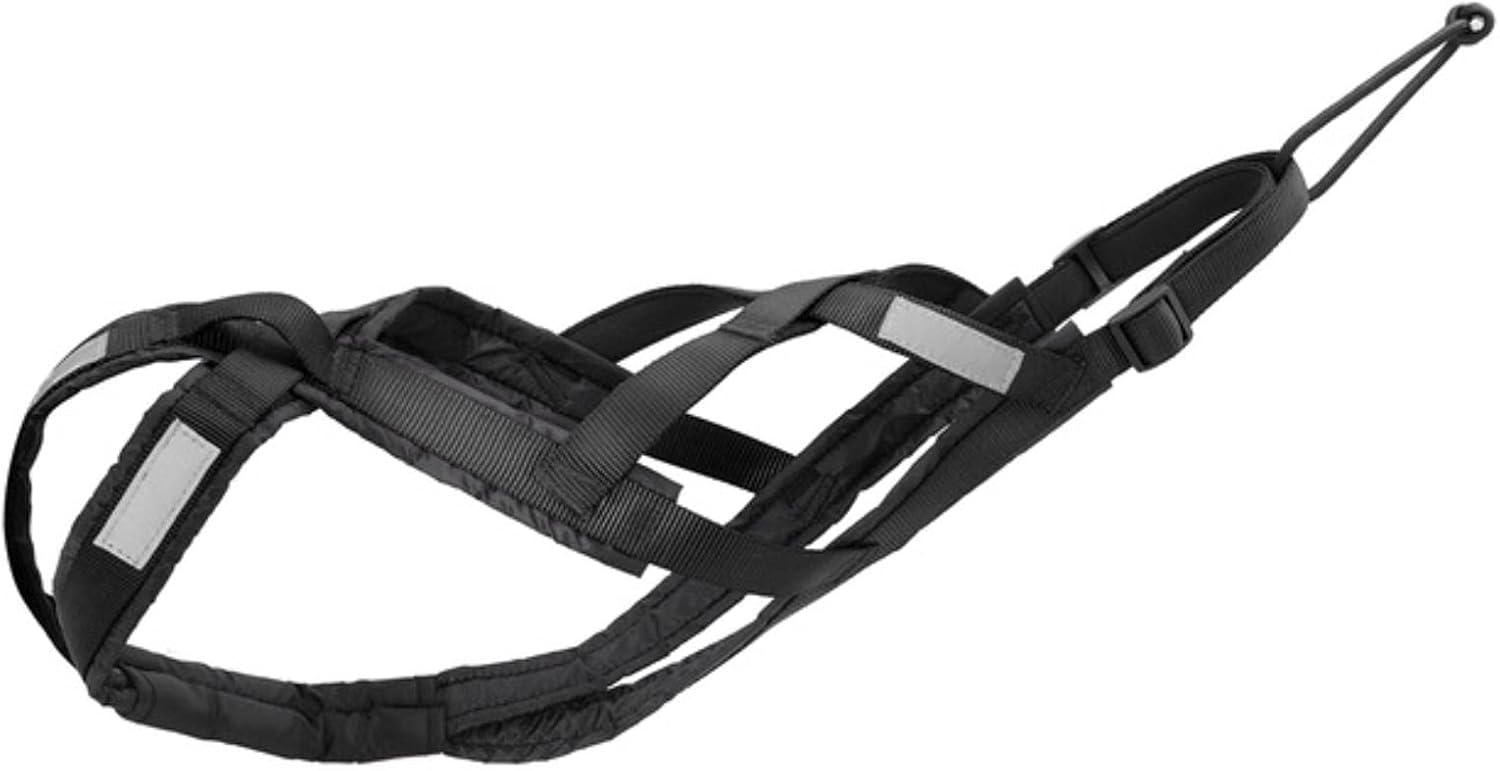
This QIANNI K9 sled dog harness is a budget-friendly X-back harness built for pulling sports and everyday training with large dogs. It slips over the head, tightens with an adjustable sliding belt and secures with a buckle, distributing pull pressure across the chest and shoulders rather than the neck. The padded nylon construction aims to add comfort during long runs and the design includes a reinforced attachment area for towing or a scooter line. Practical benefits include easy on/off, simple size adjustment, and compatibility with pulling activities like bikejoring and skijoring. As an inexpensive option it gives acceptable comfort and control without the heavier hardware or reinforced stitching of premium mushing harnesses, so expect more wear after heavy, repeated load use and limit it for very intense professional sled work. For casual or seasonal pull training and recreational scootering, it delivers solid performance for the price; for daily heavy-duty mushing you may want a purpose-built, higher-end harness with stronger materials and fittings.
Best for: Cost-conscious owners of active large dogs who need an effective, easy-to-fit pulling harness for recreational mushing, skijoring or scootering.
Less Ideal for: Owners seeking a heavy-duty, competition-grade sled harness for daily professional use should choose a reinforced premium model instead.
- X-back design distributes pulling force across chest and shoulders
- Padded nylon construction adds comfort for longer runs
- Adjustable sliding belt and buckle make it quick to fit and remove
- Intended for pulling activities like skijoring, canicross and scootering
- Construction and hardware are basic compared with professional mushing harnesses
- Not designed for continuous heavy commercial sled work
Verdict: The best budget harness for sled pulling that gives acceptable durability and comfort for occasional use without a big investment.
Non-stop dogwear Freemotion Harness 5.0 Size 5
Best Premium Harness

| Size | 5 |
|---|---|
| Material Type | Nylon |
| Closure Type | Clip |
| Dog Breed Size | Medium |
| Product Care Instructions | Machine Wash |
The Non-stop dogwear Freemotion Harness 5.0 is a purpose-built pulling harness that balances strength, adjustability, and comfort for extended cart-pulling or dog-powered sessions. It uses a Y-shaped neck construction and padded openings to allow free shoulder movement while reducing breathing restriction, and side attachment points channel pulling forces to the body for more even distribution. Built-in 3M reflective piping and a loop for a safety light improve low-light visibility, and multiple straps and clip closures let you fine-tune the fit for a secure, stable ride. The harness is nylon with machine-washable care, and the brand provides guidance on fitting and using the harness for sports. Trade-offs include a sport-oriented fit that may require careful sizing and adjustment for some dogs and a reflective loop that is not rated to hold a leash. For handlers who need a durable, adjustable harness that supports sustained pulling and gives the dog freedom to move, this model performs well; owners should follow the fitting guide and consider professional sizing for heavy cart work.
Best for: Handlers who prioritize a balance of strength, adjustability, and dog comfort for regular cart-pulling or other dog-powered activities and who will take time to size and tune the harness.
Less Ideal for: People seeking a no-fuss, one-size-fits-all harness or those who plan to attach heavy loads directly to a decorative loop should consider alternatives designed specifically for heavy draft work.
- Ergonomic Y-shaped neck and padded openings for comfortable shoulder movement during pulling
- Side force distribution that directs pull away from the neck for balanced load handling
- Multiple adjustment points and clip closures for a secure, tunable fit
- 3M reflective piping and a loop for attaching a safety light improve visibility in low light
- Machine-washable nylon construction simplifies cleaning after outdoor use
- Not designed for attaching a leash to the reflective loop as a load-bearing point
- Sport-oriented sizing may require careful measurement or adjustments for a perfect fit
- May need professional fitting or trial runs for heavy or competitive cart pulling to optimize comfort
Verdict: The best premium harness offering superior materials, reinforced construction, and thoughtful features for mushers who prioritize durability and long-term performance.
Canine Athletes Elite-HD V3 Harness Large
Best Heavy-Duty Harness

| Material Type | Nylon |
|---|---|
| Closure Type | Buckle |
| Dog Breed Size | Large, Medium |
| Weight Range | 65-95 lbs |
The Elite-HD V3 is a purpose-built heavy-duty pulling harness for working and active dogs, designed to handle regular strength training and cart- or weight-drag sessions. It uses double-ply nylon construction, neoprene padding on the chest and inner straps for rider comfort, and three stainless steel D-rings and buckles to anchor loads securely. Five-way adjustments let you dial in fit across the shoulders and chest, and the removable chest padding and included pulling tracer make the harness versatile for both everyday wear and dedicated pulling workouts. Practical benefits include durable hardware that stands up to tension, cushioning that reduces chafing during long pulls, and the ability to remove the tracer when you want a simpler harness. Trade-offs are typical of beefy, work-focused gear: the harness is heavier and bulkier than lighter walking harnesses and needs hand washing to keep the neoprene clean. For handlers who regularly subject their dogs to high-tension pulling, the Elite-HD V3 provides the robustness and attachment options to do the job safely.
Best for: Owners who regularly train dogs for weight pulling, cart work, or strength conditioning and prioritize durable construction and secure attachment points for heavy loads.
Less Ideal for: People who only need a light daily-walk harness or who prefer low-profile, lightweight gear for casual outings.
- Double-ply nylon build and stainless steel hardware for high tensile durability
- Five-way adjustments allow a secure, customizable fit for different body shapes
- Neoprene-padded chest and inner straps reduce chafing during long pulls
- Includes a removable pulling tracer so you can switch between training and everyday use
- Heavier and bulkier than standard walking harnesses, which may be overkill for casual use
- Requires hand washing for the padded components instead of machine laundering
Verdict: The best heavy-duty harness for sled pulling when you need extra load-bearing capacity, reinforced seams, and rugged hardware for frequent hard use.
Neewa X-Back Racing Harness Large/X-Large
Best Lightweight Harness

| Size | Large/X-Large |
|---|---|
| Material Type | Nylon |
| Closure Type | Buckle |
| Dog Breed Size | Large |
This Neewa X-Back Racing Harness is built for active, lean dogs that pull in sports such as canicross, skijoring, bikejoring and sled work. The X-back design spreads load evenly across the body, and the padded neck and chest panels reduce chafing during sustained pulls. High-tenacity nylon construction promises durability while the adjustable leash loop helps line up multiple dogs or align a single dog for straight pulling. Reflective inserts improve side visibility in low light, and the buckle closures let you fit and remove the harness quickly. The harness is machine washable, which makes care straightforward after muddy runs. Limitations are that the fit is tuned to slim, long-bodied breeds so dogs with broader chests or large heads may need a different Neewa model for a secure, comfortable fit, and the pack is optimized for pulling rather than everyday leash control or heavy stopping force.
Best for: Owners who run, ski, or bike with a lean, long-bodied husky and prioritize a reflective, low-chafe harness that spreads pulling load for sustained activity.
Less Ideal for: People whose huskies have very broad chests, large heads, or who need a harness optimized for everyday walking control rather than pulling sports should consider other styles.
- X-back structure distributes pulling force across the body for efficient, lower-pressure pulls
- Padded neck and chest panels reduce rubbing during long runs
- Reflective inserts increase visibility for low-light walks and runs
- Adjustable leash loop for lining up multiple dogs or centering a single dog
- Durable high-tenacity nylon construction and machine washable for easy maintenance
- Sizing and cut are tailored to slim, long-bodied dogs and may not fit broad-chested or large-headed huskies well
Verdict: The best lightweight harness for sled pulling that reduces bulk and weight while maintaining necessary strength for faster, long-distance performance.
Neewa Sled Pro Harness Large
Best Adjustable Fit Harness

| Size | Large |
|---|---|
| Material Type | Polypropylene |
| Closure Type | Buckle |
| Machine Washable | Yes |
The Neewa Sled Pro Harness is an X-back, padded pulling harness built for large dogs engaged in sledding, skijoring, bikejoring, or cart work. It wraps across the chest and back and uses an X-back construction to spread load for pulling, while the soft padding and machine-washable polypropylene help reduce chafing and make cleanup easy. The harness offers eight adjustment points and buckle closures so you can fine-tune fit for different dogs or layered winter gear, and the multiple attachment locations make it straightforward to connect traces or a leash for training. Practical advantages include lightweight construction that still distributes pressure over the body and straightforward fitting directions for step-by-step setup. Limitations are that sizing runs by Large measurement and buyers should verify neck and chest fit carefully since the product listing gives neck capacity up to 28 inches but does not include detailed dimensional tables for every dog shape. The harness is best used for active pulling sessions rather than everyday walk-only use because its geometry is optimized for load distribution during pulling.
Best for: Buyers who run or mush with multiple dogs and need a harness they can adjust precisely for different body shapes and winter layers.
Less Ideal for: Owners who only want a slim, everyday walking harness or who need exact dimensional fit guidance for atypical body types.
- X-back design distributes pull across the chest and back for effective load transfer
- Eight adjustment points let you fine-tune fit to reduce rubbing and improve comfort
- Padded panels and soft materials reduce chafing during extended runs
- Machine-washable polypropylene construction simplifies cleaning after muddy or snowy outings
- Size information is limited to general neck capacity and may require careful measuring for unusual body shapes
- Designed specifically for pulling sports so it is bulkier than everyday walking harnesses
Verdict: The best adjustable-fit harness for sled pulling when you need multiple adjustment points to fine-tune comfort and avoid chafing on different dogs.
SSDHUA Dog Sled Harness XXL
Best Reflective Harness

| Material | Waterproof nylon |
|---|---|
| Closure Type | Buckle |
| Size | XXL |
| Dog Breed Size | Large |
This SSDHUA sled harness is built for active large dogs that pull or work in low-light conditions. Constructed from waterproof nylon with an X-shaped back, the design spreads load across the chest and shoulders and the padded neck and chest areas reduce rubbing during longer runs. Reflective strips around the harness improve visibility at dawn, dusk, or on night routes, and a buckle closure makes it quick to put on and take off. The harness is intended for high-intensity uses such as bike or ski sledding and general traction work, and it is hand-wash only so you can clean off mud and snow between sessions. Limitations to note are a lightweight overall construction compared with heavy-duty leather or thick multilayer gear used by professional mushers, and sizing must be chosen carefully because the listing shows standard XXL sizing without detailed fit measurements. For recreational sled-pulling and visibility-focused evening runs this harness offers a practical, weather-resistant option.
Best for: Buyers who prioritize visibility and a lightweight, weather-resistant harness for recreational sled-pulling, evening runs, or mixed outdoor activities with large dogs.
Less Ideal for: Owners seeking a heavy professional-grade mushing harness or an exact factory-fit replacement for competitive teams should consider thicker, purpose-built leather or multilayer harnesses instead.
- Waterproof nylon construction suitable for wet or snowy conditions
- X-shaped back with padded neck and chest to distribute pull and reduce chafing
- Reflective strips that increase visibility in low light
- Buckle closure for quick on/off and simple adjustment
- Not as heavy-duty as thick leather or professional-grade sled harnesses
- Sizing information is limited so exact fit may require measuring and trial
Verdict: The best reflective harness for sled pulling that improves visibility during dawn, dusk, or night runs without sacrificing durability or fit.
Choosing the Right Dog Harness Sled Pulling: Key Factors to Consider
Fit and Sizing
Correct fit prevents chafing and ensures the dog can breathe and move freely while pulling. Measure girth, shoulder-to-shoulder width, and chest depth to pick the right size, and allow adjustments for a snug but not restrictive fit.
Look for multiple adjustment points that allow you to fine-tune the harness around the chest and behind the front legs. A poor fit shifts load to unintended places, increases rubbing, and reduces the dog's ability to use its shoulders effectively when pulling.
Load Distribution and Geometry
A sled-pulling harness should transfer towing forces across the chest and shoulders rather than the neck. Look for a Y-shaped or X-shaped front and a broad sternum panel that spreads force over a larger area.
Harness geometry also affects how the dog angles its body when pulling, which influences traction and steering. Designs that encourage a natural forward reach and clear shoulder movement let the dog work efficiently and reduce fatigue over long runs.
Attachment Options and Hardware Strength
Durable, well-placed attachment points are essential for safe towing. Reinforced rings or rigging points designed specifically for pulling keep lines secure and reduce the risk of failure under load.
Check for hardware rated for dynamic loads and anchored with reinforced stitching or webbing. Multiple attachment options let you adjust tow line placement for different harnessed activities or team configurations.
Material, Padding, and Abrasion Protection
Materials should balance durability, weight, and comfort. Heavy-duty webbing withstands repeated tension, while abrasion-resistant panels protect high-wear areas. Soft padding at contact points reduces rubbing and hotspots during long outings.
Breathable liners and quick-drying fabrics help control moisture build-up that can worsen chafing. If you frequently work in wet or icy conditions, prefer materials that tolerate freezing and thawing without stiffening excessively.
Freedom of Movement and Ergonomics
The harness must allow a full range of shoulder motion so the dog can take long, powerful strides. Restrictive straps or panels that cross the shoulder blades can hamper gait and reduce pulling efficiency.
Ergonomic shaping that follows the dog's anatomy helps maintain natural motion while keeping the towing force centered. Consider how the harness sits when the dog is in a working stance rather than when standing still.
Adjustability for Activity and Growth
Adjustability matters for seasonal coat changes, different working dogs, and growing animals. Several well-placed buckles and sliders let you tune the fit for tight winter coats or lighter summer fur.
If you work multiple dogs or swap gear between animals, a harness with broad adjustment ranges reduces the need for multiple sizes and ensures consistent load handling across different-sized dogs.
How Should a Sled-pulling Harness Sit on the Dog?
A sled-pulling harness should sit low on the chest while leaving the shoulder blades free to move. The sternum or chest panel should distribute load across a broad area without pressing into the throat.
When properly fitted, the harness will not ride up toward the neck or dig into the armpits. Check fit with the dog in motion if possible, because walking alone can mask interference that appears while running.
- Chest panel centered and low, not high on the throat
- Shoulder blades clear with no restriction of forward reach
- No excessive lateral shifting when the dog pulls
What Attachment Setup Works Best for Single-dog Versus Team Pulling?
For single-dog pulling, a central, reinforced tow point aligned with the dog's center of mass helps maintain balanced forward tension. Team setups often use bridle or gangline attachments that distribute force across a team and require secure side or dual points on the harness.
Choose harnesses that provide flexible attachment geometry if you switch between single and team use. Some models include dedicated side points and a central ring to adapt to different rigging systems.
- Central tow point for straightforward single-dog pulls
- Dual or side attachments facilitate team configurations
- Quick-connect hardware speeds rigging changes
How Do I Prevent Rubbing and Hotspots on Long Runs?
Prevent rubbing by ensuring a proper fit and using padding in high-friction areas. Break in new harnesses gradually on short runs and monitor the dog's skin for any redness or hair loss.
Consider supplemental measures like lubricants designed for canine use on vulnerable areas, moisture-wicking liners to reduce sweat buildup, and regular checks during long outings to catch irritation early.
- Adjust and test fit before long efforts
- Use padded contact panels and breathable liners
- Inspect skin and fur after runs for early signs of chafing
Can a Pulling Harness Double as a Walking Harness?
Some pulling harnesses include features that allow short-term walking or hiking use, but many purpose-built pulling harnesses sacrifice some convenience features to optimize load handling. A pulling harness may lack a front clip for walking control or have bulkier hardware that is less comfortable during casual use.
If you want a dual-purpose solution, look for harnesses that balance towing geometry with everyday features like a separate walking attachment point or quick-release buckles for easy on and off.
- Purpose-built pulling geometry differs from everyday walking designs
- Look for a secondary leash point if you need daily-walk functionality
- Consider ease of donning and doffing for mixed use
What Maintenance Keeps a Harness Reliable Season After Season?
Rinse salt, mud, and grit from webbing and hardware after outings, and let the harness dry fully before storage to avoid mold or stiffening. Periodically inspect stitching and hardware for signs of wear, replacing any compromised components before they fail under load.
Store harnesses away from direct sunlight and heat sources to prevent UV and thermal breakdown of fabrics. For metal hardware, check moving parts and corrosion, and lubricate pivots sparingly if needed.
- Rinse and dry after wet or salty conditions
- Check stitching, webbing, and hardware before extended runs
- Store in a cool, dry place away from sunlight
How to Size and Measure Your Dog for a Pulling Harness
Measure the girth at the widest part of the ribcage just behind the front legs, measure chest depth from the top of the sternum to the base of the neck, and note shoulder width and overall length for shape-aware designs. Use the manufacturer's size chart ranges and err toward adjustability when between sizes.
If possible, trial a harness with the dog in motion or during a short pull so you can confirm that straps stay in place and do not impede shoulder motion. Adjustability and multiple buckles make on-the-fly tuning easier during the first few outings.
- Girth is the most commonly used sizing measurement
- Confirm fit in motion where possible
- Prefer models with multiple adjustment points for fine-tuning
How We Chose the Best Dog Harness Sled Pulling
We selected products that are purpose-built for sled pulling and that demonstrate durable construction and thoughtful load management. Our evaluation prioritized harnesses with proven load-distribution designs, adjustable and secure fit systems, durable materials and hardware rated for sustained tension, and padding or shaping that reduces rub and preserves a full range of shoulder motion. We also considered harness geometry that supports steering and braking, attachment options for different towing setups, and weight-to-strength ratios suitable for the expected workload. Excluded from consideration were general walking or everyday harnesses without explicit pulling geometry, harnesses with unprotected webbing in high-friction areas, and any designs lacking durable attachment points. We filtered for products with clear sizing ranges and adjustability to reduce the chance of poor fit. Final selection balanced practicality for trail use, longevity under repeated loads, and comfort features that matter on longer runs.
Our full evaluation process is outlined in our review methodology.
FAQ
Is a sled-pulling harness safe for short recreational outings?
Yes, a properly fitted sled-pulling harness is safe for short recreational outings. Ensure the harness fits well, uses appropriate attachment points, and that you gradually condition the dog to pulling loads to avoid strain.
How do I know if the harness is hurting my dog during a run?
Watch for signs such as reluctance to pull, repeated head shaking, excessive licking or biting at contact points, or visible chafing after runs. Stop and inspect the harness fit and the dog's skin if any of these signs appear.
Can I use a sled-pulling harness for canicross or bikejoring?
Many sled-pulling harnesses work for canicross or bikejoring, but optimal performance depends on the harness geometry and attachment placement. Choose a harness with suitable tow points and that allows natural shoulder motion for the specific activity.
How often should I replace a pulling harness?
Replace a harness when stitching, webbing, or hardware shows significant wear or damage. Frequency depends on use intensity and environment, but inspect the harness regularly and retire any unit with compromised strength or safety features.
What should I do if my dog outgrows its harness mid-season?
If the dog outgrows a harness, switch to a larger size with similar geometry or use a highly adjustable model to accommodate growth. Avoid using a harness that fits poorly because it can shift under load and create hotspots or safety risks.
Final Verdict
Prioritize fit, load-distribution, and durable attachment points when choosing a sled-pulling harness. These factors most directly affect comfort, performance, and safety during short runs and extended outings. Balance padding and abrasion protection against freedom of shoulder movement and choose an adjustable, well-constructed harness that matches your dog's body shape and activity type. Focus on measured fit and routine inspection to manage tradeoffs between weight and durability. With the right harness and proper setup, you can improve control and reduce the risk of injury while letting your dog work efficiently.

