

When you are raising a puppy, the treats you choose can shape training success, digestion, and lifelong food preferences. The right puppy treats make training sessions quicker, provide positive reinforcement, and avoid upsetting a sensitive young stomach. This guide shortlists the top options in the puppy treat category and explains why each type fits common needs like housetraining, teething relief, and nutritional support. We also summarize the evaluation criteria used so you can match a treat to your pup's size, age, and health needs. Read on to find options that keep rewards tasty, safe, and purposeful.
Top Picks at a Glance
| Best Overall Treat for Puppies The best all-around puppy treat balancing taste, nutrition, and texture | Milk-Bone Soft & Chewy Mini's 18 oz |  |
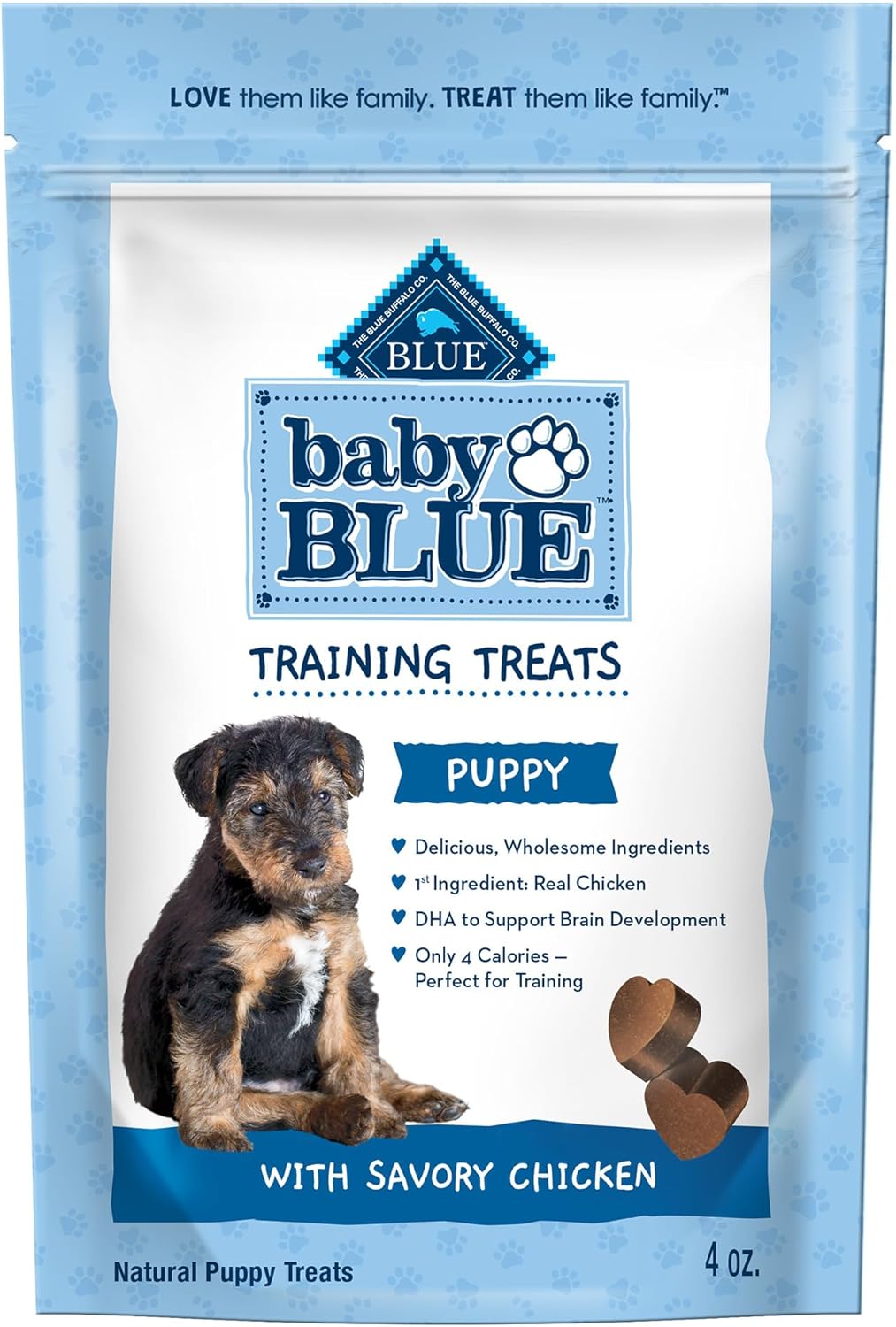
| Best Budget Treat for Puppies A low-cost puppy-friendly option that still satisfies and rewards | Blue Buffalo Baby BLUE Training Treats 4 oz |  |
| Best Premium Treat A higher-end choice emphasizing superior ingredients and craftsmanship | Stella & Chewy's Beef Liver Treats 3oz |  |
| Best Soft Treat Easy-to-chew, tender treats ideal for small mouths and training | Wellness Soft Puppy Bites 8 oz |  |
| Best High-Protein Treat Protein-forward treats for growth and muscle maintenance during development | Vital Essentials Freeze Dried Chicken Hearts |  |
| Best Training Treat Small, low-calorie, high-value bites made for repetitive rewarding | Zuke's Mini Naturals Chicken 16 oz |  |
| Best Grain-Free Treat A recipe without grains for pups with sensitivities or owner preference | Wellness CORE Brainiac Puppy Treats 5 oz |  |
Milk-Bone Soft & Chewy Mini's 18 oz
Best Overall Treat for Puppies

| Flavor | Chicken |
|---|---|
| Unit Count | 18 Ounce |
| Protein | 18% protein |
| Container Type | Can |
| Allergen Information | Rawhide-Free |
Milk-Bone Soft & Chewy Mini's are small, tender training treats made with real chicken breast and fortified with vitamins and minerals. Packaged in an 18 oz canister, the minis are sized for frequent rewards during training or everyday snacking and have a soft, chewy texture that is easy for puppies to chew and swallow. The recipe provides 18% protein and added micronutrients like iron, zinc, and vitamin B12, and directions note feeding guidance tied to bodyweight so you can limit calories during growth. Practical benefits include high palatability for repeat reinforcement, a resealable canister to keep treats accessible, and a texture that works well for young dogs with developing teeth. Limitations are that the ingredient list includes preservatives and some fillers such as soy grits and corn starch, and the feeding directions advise reducing regular food to account for treat calories, so you must monitor total daily intake. These treats are best used as frequent low-calorie rewards during positive-reinforcement sessions rather than as a primary food source.
Best for: Puppy owners who need an everyday training treat that is easy for young mouths to chew and that holds up to frequent rewarding during sessions.
Less Ideal for: Owners seeking a single-ingredient or preservative-free option, or those wanting a complete diet replacement rather than supplemental training treats.
- Mini size and soft, chewy texture suitable for puppies and easy to portion for training
- Made with real chicken breast for strong palatability
- Fortified with vitamins and minerals including iron, zinc, and vitamin B12
- Resealable 18 oz canister keeps treats fresh and convenient for sessions
- Contains fillers and preservatives such as soy grits, corn starch, and propylene glycol
- Not formulated to be a complete meal so treat calories must be accounted for in the daily diet
Verdict: The best overall treat for puppies that balances palatability, appropriate nutrients and calories for growth, easy-to-chew texture, and general suitability for everyday rewarding.
Blue Buffalo Baby BLUE Training Treats 4 oz
Best Budget Treat for Puppies
| Flavor | Chicken |
|---|---|
| Age Range Description | Puppy |
| Item Form | Semi Moist |
| Unit Count | 4 Ounce |
| Allergen Information | Corn-Free, Soy Free, Wheat Free |
These Baby BLUE Savory Chicken training treats are soft, bite-sized morsels designed for puppy training and intermittent rewards. Made with real chicken as the first ingredient and a semi-moist texture, they are easy to break or feed quickly during multi-step training sessions. The formula includes DHA for cognitive development and omega fatty acids to support skin and coat, while LifeSource-inspired nutrients and no corn, wheat, or soy aim to reduce common allergens. In practice the treats are highly palatable to most puppies and the small pieces minimize interruptions during repetitious drills. The 4-ounce bag is convenient for short outings or a training class, but frequent trainers may find the pack small and need to replenish often. Nutritional specs show modest protein and fat levels appropriate for treats rather than meal replacement, so they work best as rewards rather than primary food. Overall these treats balance taste and puppy-friendly texture, though the small package size limits how long one bag lasts for heavy training schedules.
Best for: Puppy owners focused on efficient, frequent reward-based training who want a tasty, soft treat that is easy to portion and gentle on young digestive systems.
Less Ideal for: People who run long, intensive daily training sessions or need bulk packaging for many repetitions should consider larger multi-pack options.
- Real chicken listed as the first ingredient for strong palatability
- Soft, semi-moist texture is easy to break and quick to deliver during training
- Includes DHA and omega fatty acids to support cognitive development and skin and coat
- Free of corn, wheat, soy and artificial colors or preservatives
- Small 4-oz bag may not be economical for heavy daily trainers
- Treat nutrient levels are modest so they should not replace regular food
Verdict: The best budget treat for puppies that delivers good flavor and appropriate texture at a low price without unsafe fillers or poor quality ingredients.
Stella & Chewy's Beef Liver Treats 3oz
Best Premium Treat

| Flavor | Beef Liver |
|---|---|
| Item Form | Freeze Dried Raw |
| Life Stage | All Life Stages |
| Unit Count | 3 Ounce |
| Special Ingredients | grain-free |
These freeze-dried beef liver treats are a single-ingredient, shelf-stable raw option designed for training and high-value rewards. Made from 100% beef liver with no additives or preservatives, the pieces are nutrient-dense and can be broken into smaller bits for puppies or short training sessions. The freeze-drying process preserves vitamins and minerals while keeping the treats lightweight and long-lasting without refrigeration. Nutritionally they offer concentrated iron, vitamin A, B vitamins and protein, which can support coat condition and energy when used as an occasional supplement to a balanced diet. The bag size is compact and convenient for carrying on walks or during classes, though the small 3 oz pouch will run out quickly for frequent trainers. Because these are pure liver, they are very rich and should be given sparingly so treats remain under recommended daily calorie limits. Overall these treats work well as a premium, ingredient-transparent reward for puppies that respond to intense meaty flavors.
Best for: Puppy owners who prioritize top-quality, transparent ingredients and want a high-value training reward with a refined nutritional profile.
Less Ideal for: Owners who need large-volume, everyday treats or who prefer bland, low-intensity flavors for sensitive puppies.
- Single-ingredient formula with no additives or fillers
- Freeze-dried for shelf stability without refrigeration
- Nutrient-dense source of iron, vitamin A and B vitamins
- Easily broken into small pieces for training or small puppies
- Small 3 oz bag may not last long for frequent training use
- Very rich organ meat flavor that may be too intense for some dogs
Verdict: The best premium treat for owners who want top-quality ingredients, careful sourcing, and a more refined nutrition profile for their puppy.
Wellness Soft Puppy Bites 8 oz
Best Soft Treat

| Flavor | Lamb & Salmon |
|---|---|
| Age Range Description | Puppy |
| Item Form | Wafer |
| Unit Count | 8 Ounce |
Wellness Soft Puppy Bites are bite-sized, soft training treats made for puppies with a tender texture and simple ingredients. They are typically used as quick rewards during training sessions or as occasional supplemental snacks; each piece is low calorie which makes them convenient for repeated reinforcement. The recipe centers on lamb and salmon, and includes salmon-derived DHA to support brain development, while avoiding wheat, corn, soy, and artificial colors. The soft wafer form and small size let puppies chew and swallow fast, which speeds up high-repetition training and reduces interruptions. Because they are grain-free and made in the USA, they suit owners looking for limited-ingredient, premium treats. Limitations to note are that the bag is only 8 ounces so frequent trainers may need multiple bags, and the product is formulated specifically for puppies under one year so adult-only formulas might be a better fit for older dogs. Ingredients like chickpeas and potatoes add texture and carbs, so dogs with very specific allergies should check the full list first.
Best for: Puppy owners who need a soft, low-calorie treat that dogs can eat quickly during fast-paced training and who prefer limited-ingredient, grain-free options.
Less Ideal for: Buyers looking for long-lasting chews, larger bulk packs for extensive daily training, or treats formulated for adult dogs should consider other options.
- Soft, tender texture made for young puppies and sensitive mouths
- Small, bite-sized wafers that are quick to chew and ideal for rapid training repetitions
- Includes salmon for DHA to support brain development
- Grain-free recipe with no added wheat, corn, soy, or artificial colors
- Made in USA with a short, recognizable ingredient list
- Small 8 oz bag may require frequent repurchase for heavy trainers
- Formulated specifically for puppies under one year rather than adults
Verdict: The best soft treat for puppies that need gentle, easily breakable bites for teething mouths and frequent training rewards.
Vital Essentials Freeze Dried Chicken Hearts
Best High-Protein Treat

| Flavor | Chicken Hearts |
|---|---|
| Item Form | Freeze Dried |
| Unit Count | 3.75 Ounce |
| Age Range Description | All Life Stages |
| Special Ingredients | 100% Raw Freeze Dried Chicken |
These freeze-dried chicken hearts are single-ingredient, high-protein rewards intended for training, meal topping, or occasional snacking. Each piece is made from 100% chicken heart and is freeze-dried to preserve aroma, flavor, and nutrients, which makes them very enticing for picky puppies and motivated learners. The lightweight, shelf-stable bites are easy to snap into smaller portions for frequent reward-based training or to sprinkle over meals as a protein boost. Because they contain no fillers, artificial flavors, or colors, they are a straightforward way to add animal protein without introducing novel ingredients. Limitations include the small bag size for heavy training sessions and the fact that raw single-ingredient treats are calorie-dense in protein, so portions should be monitored for puppies on strict calorie plans. Also dogs with specific organ-meat sensitivities may need a different protein source.
Best for: Puppy owners who prioritize adding concentrated animal protein to support growth and active play and who need a high-value, single-ingredient reward for training.
Less Ideal for: Owners looking for large-volume, low-cost training kibbles or multi-ingredient treats for variety should consider alternatives.
- 100% single-ingredient chicken hearts for minimal ingredient exposure
- Freeze-dried to retain aroma, flavor, and nutrient density
- High protein and low carb profile suitable as a protein-rich reward or meal topper
- Easy to break into small pieces for frequent training rewards
- Shelf-stable bag that is convenient for travel and short-term storage
- Small 3.75 oz bag may require frequent repurchase for intensive training
- Contains organ meat only, which may not be suitable for dogs sensitive to heart or organ proteins
Verdict: The best high-protein treat for puppies when owners want extra protein to support healthy growth and active play without excess fillers.
Zuke's Mini Naturals Chicken 16 oz
Best Training Treat

| Flavor | Chicken |
|---|---|
| Unit Count | 16 Ounce |
| Item Form | Bites, Bits, Tender, Soft |
| Specific Uses For Product | Training |
| Allergen Information | Allergen-Free |
Zuke's Mini Naturals Chicken are bite-sized, soft training treats intended for frequent rewards during sessions or short outings. Each treat is low in calories (about 2 calories per piece) and made with real chicken plus fruits and vegetables, which makes them appealing to most puppies and easy to break or carry on long walks. The soft texture and small size let trainers give rapid reinforcement without interrupting flow, and the resealable pouch preserves freshness for on-the-go use. Formulated without corn, wheat, or soy and fortified with added vitamins and minerals, these treats double as a lightweight snack between lessons. Limitations include a simple ingredients list that contains glycerin and cane sugar, so owners managing strict low-sugar or specialized medical diets should consult their vet before regular use. Also the bag is a single 16 ounce size which may be large if you prefer smaller trial packs. For standard puppy training where frequent, desirable rewards are the priority, these treats are a practical choice.
Best for: Puppy owners and trainers who need a highly rewarding, low-calorie treat to use repeatedly during short training sessions and outings.
Less Ideal for: People managing veterinary-prescribed diets that restrict sugars or specific ingredients, or owners who prefer trial-size or single-serve packaging.
- Very small, soft bites suited for frequent training rewards
- Low calorie per treat (about 2 calories) so you can reward often
- Made with real chicken plus fruits and vegetables
- Resealable pouch for freshness and easy portability
- Contains cane sugar and glycerin which may be undesirable for strict low-sugar diets
- Only sold in a single 16 oz bag size which may be more than needed for some puppy owners
Verdict: The best training treat for puppies designed to be small, enticing, and low in calories so you can reward frequently during lessons and behavior work.
Wellness CORE Brainiac Puppy Treats 5 oz
Best Grain-Free Treat

| Flavor | Beef & Turkey |
|---|---|
| Age Range Description | Puppy |
| Unit Count | 5 Ounce |
| Item Form | Chunk |
| Allergen Information | Grain-Free |
These soft, bite-sized treats are designed for training and everyday rewarding of puppies and are formulated without wheat, corn, soy, or artificial colors. They use beef and turkey as primary proteins and include salmon oil to provide DHA and omega fatty acids aimed at supporting brain development and skin and coat health. At roughly 6 calories per piece they are convenient for repeated reinforcement during sessions, and the tender texture makes them easy for young mouths to chew. The ingredient list also contains chickpeas, vegetables, fruit inclusions like blueberries and apples, and natural preservatives such as mixed tocopherols and rosemary extract. Limitations to note are that the recipe still includes ingredients like potato and molasses and is not suitable as a balanced meal replacement since it is intended for intermittent or supplemental feeding only. For puppies with diagnosed food allergies, buyers should verify specific intolerances with their veterinarian even though the product is grain-free.
Best for: Puppy owners looking for a grain-free training treat that is flavorful, easy to chew, and formulated to support early brain development while used as a reward during training.
Less Ideal for: Owners seeking a complete or daily diet replacement for puppies or those whose dogs have confirmed allergies to listed ingredients such as potato or certain proteins should consider alternatives or consult a vet.
- Grain-free formula removes common fillers like wheat, corn, and soy
- Soft, bite-sized texture ideal for training and young puppies
- Includes salmon oil to supply DHA and omegas for brain and skin support
- Made in the USA with recognizable protein-first ingredients
- Intended only for supplemental feeding and not a complete food
- Contains other ingredients (potatoes, molasses) that may bother some sensitive pups
Verdict: The best grain-free treat for puppies when owners prefer or need a grain-free formula to avoid suspected sensitivities while still providing flavor and nutrition.
Choosing the Right Dog Treat Puppy: Key Factors to Consider
Ingredient Quality
Puppies have developing digestive and immune systems, so ingredients matter more than for adult dogs. Look for treats with high-quality protein sources listed near the top of the ingredient list and minimal filler ingredients that add calories without nutrition. Limited-ingredient recipes can help you isolate food sensitivities and reduce gastrointestinal upset.
Avoid treats with vague terms like meat by-products or unspecified flavors when you can. Also consider added vitamins and minerals that are appropriate for growth-stage nutrition but do not rely on treats as a primary nutrient source. Treats should complement a balanced puppy diet rather than replace essential meals.
Size and Texture
A treat's size and texture directly affect safety and usability during training. Puppies have small mouths and developing teeth, so choose bite-sized pieces that are easy to chew and swallow. Softer textures are often better for very young pups or those with tender gums during teething, while slightly firmer treats can help occupy older puppies safely.
Consider whether treats can be broken into smaller pieces for frequent reinforcement sessions without creating choking hazards. Texture also influences how motivating a treat is; moist or paste-like options can be more enticing during intense training.
Digestibility
Puppies can be prone to digestive upset when introduced to new foods. Digestible ingredients, simple recipes, and a gradual introduction help minimize diarrhea and vomiting. Look for treats that list easily digestible protein and carbohydrate sources and avoid those with excessive fat content, which can be hard on a young digestive tract.
If your puppy has a known sensitivity, choose treats formulated for sensitive digestion or hypoallergenic options. Feeding guidelines and ingredient clarity can help you trial a treat safely and monitor stool quality after introduction.
Calorie Management and Feeding Guidelines
Treats can add up quickly for a growing puppy and interfere with balanced nutrition if overused. Check the caloric content per treat and follow feeding guidelines that account for weight and activity level. Small, low-calorie pieces are ideal for multiple short training reinforcements without exceeding daily calorie needs.
Also consider treats that are formulated for puppies specifically, since adult treat calorie density may be inappropriate. Using treats as controlled rewards rather than supplemental meals helps prevent excess weight gain during critical growth stages.
Safety Labeling and Manufacturing Standards
Clear safety labeling is important for any pet product, but especially for puppies. Choose treats with explicit age recommendations, clear choking warnings if applicable, and straightforward ingredient lists. Information about manufacturing standards, testing for contaminants, and responsible sourcing can increase confidence in a product's safety.
Treats with transparent packaging and a published statement on quality control are preferable because they make it easier to evaluate risk. Avoid products that obscure ingredient origins or use ambiguous safety claims.
How Do I Choose Treats for Teething Puppies?
Teething puppies benefit from treats that soothe sore gums without damaging emerging teeth. Look for soft chews, paste-style toppers, or frozen treats designed to provide a gentle massaging effect when chewed. Avoid very hard treats that can fracture developing teeth or require heavy chewing.
Offer treats intended for teething in short supervised sessions and rotate them with safe chew toys to prevent overreliance on treats for relief. If you notice chipped teeth or persistent chewing on inappropriate items, consult your veterinarian.
- Choose soft or easily breakable textures for early teething.
- Frozen versions can provide extra soothing effect.
- Monitor chewing to prevent ingestion of large, hard fragments.
What to Use for Frequent Training Rewards
For repeated reinforcement, use small, low-calorie pieces that are highly palatable. Treats that break into many tiny bits or moist, spreadable toppers work well because they minimize calorie load while maintaining motivation. Keep one bag or pouch dedicated to training sessions for consistency.
Vary the value of rewards based on task difficulty: reserve the most enticing options for complex commands and use lower-value bites for simple rehearsals. This keeps training efficient and prevents overfeeding.
- Use smaller pieces for high-frequency sessions.
- Reserve higher-value treats for hard behaviors.
- Carry portable, resealable options for outdoors.
How Should I Introduce New Treats Safely?
Introduce any new treat gradually over a few days while watching your puppy's stool and appetite. Start with a small portion and increase if there are no signs of digestive upset such as loose stool or vomiting. Do not replace full meals with treats during the trial period.
If your puppy shows signs of a food sensitivity—persistent itching, ear infections, or GI issues—stop the new treat and consult your veterinarian. Keep a log of ingredients when testing to help identify potential triggers.
- Start with a single small serving, then monitor for 48–72 hours.
- Record ingredients and reactions to identify sensitivities.
- Avoid giving multiple new foods at the same time.
Are Limited-ingredient Treats Worth It for Puppies?
Limited-ingredient treats can simplify dietary management and make it easier to spot a culprit when a sensitivity arises. They often use a single protein and fewer fillers, which reduces the chance of allergic reactions. For puppies with known family history of allergies, these formulas can be a practical first choice.
However, limited-ingredient does not automatically mean nutritionally complete, and you should not rely on treats for essential nutrients. Use them as rewards and consult your veterinarian if you suspect a clinical allergy.
- Simpler recipes make elimination testing easier.
- Not all limited-ingredient treats are low-calorie; check labels.
- Discuss suspected allergies with your veterinarian before making long-term changes.
Can Treats Support Dental Health for Puppies?
Some treats are designed to promote dental hygiene by reducing tartar buildup or encouraging chewing that helps keep teeth clean. For puppies, choose dental-focused options that are explicitly recommended for young dogs and avoid abrasive or overly hard chews that could harm developing teeth.
Combining appropriate dental treats with regular tooth brushing and professional checks provides a balanced approach to oral care. Treats alone will not prevent dental disease, but they can be a helpful supplement when used correctly.
- Choose dental treats appropriate for puppy dentition.
- Pair treats with daily brushing for best results.
- Inspect chews regularly for fragments that could be swallowed.
How We Chose the Best Dog Treat Puppy
We focused on attributes that matter for puppies specifically and applied filters to reflect real-world puppy care. Primary evaluation criteria included ingredient quality, including single-protein or limited-ingredient formulas that reduce allergy risk; texture and size appropriate for small mouths and developing teeth; digestibility and formulation for immature digestive systems; safety features such as clearly labeled chewability and absence of hard fragments; and suitability for training sessions, meaning small, moist, or easily breakable pieces that keep the dog motivated without overfeeding. We also considered ingredient transparency and formulation for growth-stage nutrients, but did not favor products solely on novelty claims or packaging. Options that relied on hard-to-verify health promises, contained excessive additives, or lacked clear feeding guidelines were excluded. Finally, we reviewed feeding convenience, portion control, and common special-diet accommodations such as grain-free or limited-ingredient options to ensure the shortlist covers typical puppy needs.
Our full evaluation process is outlined in our review methodology.
FAQ
How many treats can I give a puppy each day?
It depends on the treat calories and your puppy's daily calorie needs. Generally, treats should make up no more than 10 percent of daily calories. Use small, low-calorie pieces for frequent training and adjust meal portions to account for treat intake.
Are human foods ever okay as puppy treats?
Some human foods like plain cooked chicken or small pieces of carrot can be used sparingly, but many human foods are unsafe for dogs. Always check whether a food is toxic to dogs and keep portions tiny to avoid nutrient imbalance or choking hazards.
When should I switch from puppy treats to adult treats?
Switch when your veterinarian confirms that your dog has reached mature body size or finished the growth phase for its breed, typically around 12 months for many breeds but later for large breeds. Choose treats formulated for the dog's current life stage to match caloric and nutrient needs.
What if my puppy chokes on a treat?
Stop the session immediately and assess the situation. If the puppy is coughing and able to breathe, monitor closely. If the puppy cannot breathe, becomes unconscious, or shows signs of severe distress, seek emergency veterinary care right away. Supervise treat sessions for young puppies to reduce risk.
Can treats cause allergies in puppies?
Yes. Treats with common protein sources or additives can trigger allergic reactions in some puppies. If you notice chronic itching, recurrent ear infections, or gastrointestinal upset after introducing a treat, discontinue it and consult your veterinarian for guidance on elimination testing.
Final Verdict
Prioritize treats that match your puppy's size, chew strength, and digestive sensitivity. Focus on ingredient quality, appropriate portion sizes, and textures that suit teething or training needs. Expect tradeoffs: the most convenient training treats may be less nutritionally dense, and dental-focused options may be less palatable in short sessions. Choose treats with clear labeling and feeding guidance, introduce new options slowly, and adjust meal portions to account for rewards. With attention to these factors, you can use treats safely to reinforce good behavior and support healthy development.

