

If your dog needs an alternative to diets that contain grains or chicken, choosing the right grain-free chicken-free food matters for comfort, nutrition, and long-term health. You want options that reduce exposure to common allergens while still delivering complete nutrition, digestible proteins, and essential vitamins and minerals. This guide shortlists seven top choices that meet those goals and explains the criteria used to evaluate them. Read on to understand how ingredient quality, protein sources, and digestibility affect daily feeding and which features to prioritize when picking a lasting diet for a dog with sensitivities.
Top Picks at a Glance
| Best Overall Grain-Free Chicken Free Food A well-rounded, reliable formula that suits most dogs' needs | ORIJEN Six Fish Dry Dog Food 4.5 lb |  |
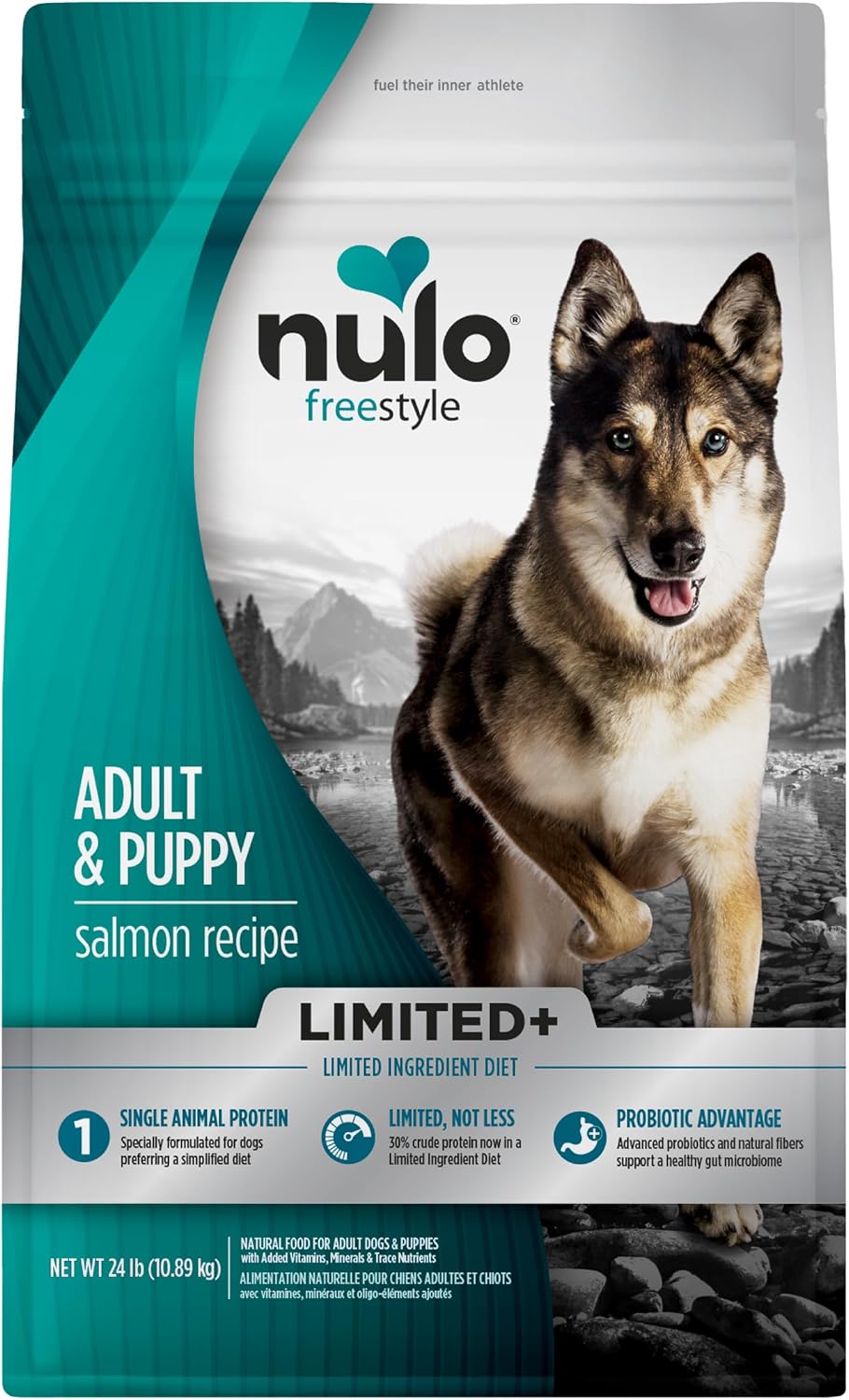
| Best Premium Grain-Free Chicken Free Food A higher-end formula focused on superior ingredients and nutrient profile | Nulo FreeStyle Limited+ Salmon 24 lb |  |
| Best Limited-Ingredient Grain-Free Chicken Free Food A simplified recipe with fewer ingredients to reduce potential triggers | Wellness Simple Salmon & Potato 24 lb |  |
| Best High-Protein Grain-Free Chicken Free Food A protein-forward formula for active dogs and muscle maintenance | Merrick Backcountry Great Plains 20 lb |  |
| Best Sensitive-Stomach Grain-Free Chicken Free Food Gentler recipes formulated for digestion and tummy comfort | Blue Buffalo Basics Salmon 4-lb |  |
ORIJEN Six Fish Dry Dog Food 4.5 lb
Best Overall Grain-Free Chicken Free Food

| Flavor | Six Fish Recipe |
|---|---|
| Age Range Description | All Life Stages |
| Item Form | Dry Kibble |
| Container Type | Bag |
| Unit Count | 72 Ounce |
ORIJEN Six Fish is a grain-free, chicken-free dry dog food built around WholePrey fish ingredients to deliver a protein-rich, biologically appropriate diet. It is typically used as an everyday kibble for adult dogs and puppies (and most life stages) where fish is the primary protein source; feeding is twice daily with portion adjustments by weight. The formula lists fresh or raw whole mackerel, herring, monkfish, redfish, flounder and hake among the first ingredients and includes organs and nutrient-dense parts to reduce reliance on synthetic additions. Practical benefits include very high animal-protein content to support muscle maintenance, naturally occurring omega-3s for skin and coat, and a grain-free formulation for dogs with grain sensitivities. Because it focuses on premium fish and WholePrey sourcing, you should expect rich aroma and a higher price compared with commodity kibbles, and it may not be appropriate for growing very large-breed puppies. Transition slowly over 10 to 14 days to avoid digestive upset when switching from other diets.
Best for: Buyers who want a premium, grain-free chicken-free everyday kibble that emphasizes whole fish ingredients and high animal-protein nutrition for most life stages.
Less Ideal for: Owners seeking the lowest-cost everyday dog food or those needing a formula specifically for growth of very large breed puppies should consider alternatives.
- High proportion of fresh or raw fish ingredients listed first for strong animal protein content
- WholePrey approach includes organs and nutrient-rich parts reducing need for synthetic additives
- Grain-free and chicken-free recipe suitable for dogs with those specific sensitivities
- Contains naturally occurring omega-3 and omega-6 sources to support skin and coat health
- Higher-cost formulation compared with standard dry foods
- Not formulated for growth of very large breed puppies 70 lb and up
Verdict: The best all-around grain-free chicken free food that balances complete nutrition, palatability, ingredient quality, and value for everyday feeding.
Nulo FreeStyle Limited+ Salmon 24 lb
Best Premium Grain-Free Chicken Free Food
| Flavor | Salmon |
|---|---|
| Item Form | Dry |
| Age Range Description | Adult |
| Special Ingredients | Probiotic |
| Allergen Information | Grain-Free |
Nulo FreeStyle Limited+ Salmon is a premium, grain-free dry kibble that uses deboned salmon and salmon meal as its single animal protein to support lean muscle with a high protein formulation. It is typically fed as a complete diet for adult and active dogs and is designed for pets with sensitivities or owners who want a simplified ingredient list. Notable features include 30% crude protein, BC30 probiotics and prebiotic fibers for digestive support, and a nutrient profile intended to promote healthy skin and coat through added omega-3 and omega-6 fatty acids plus vitamins and minerals. In practice the food is easy to portion using the provided feeding guidelines and should be palatable for picky eaters thanks to real salmon as the lead ingredient. The product avoids many common allergens by excluding chicken, eggs, grains, peas and artificial colors or preservatives, which makes it a sensible choice for elimination-diet approaches. The trade-offs are typical for premium limited-ingredient diets: it is a higher-cost option and may be richer than needed for low-activity or weight-management dogs, so monitoring portion sizes and body condition is important.
Best for: Owners who prioritize a high-quality, limited-ingredient, grain-free diet and want a chicken-free recipe with targeted nutrition and digestive support for active or sensitive dogs.
Less Ideal for: Buyers seeking a budget-focused everyday kibble or a low-calorie weight-management formula should consider alternatives more suited to those priorities.
- Single animal protein (deboned salmon) simplifies ingredient profile for dogs with protein sensitivities
- High protein (approximately 30% crude) supports lean muscle and active dogs
- Includes BC30 probiotics and natural prebiotic fibers to aid digestion and nutrient absorption
- Formulated with omega-3 and omega-6 fatty acids plus biotin and zinc to support skin and coat health
- Premium formulation comes at a higher cost than standard adult kibbles
- Higher calorie and protein density may require careful portion control for less active or weight-prone dogs
Verdict: The best premium grain-free chicken free food for owners willing to invest in higher-quality ingredients, targeted nutrition, and more rigorous quality controls.
Wellness Simple Salmon & Potato 24 lb
Best Limited-Ingredient Grain-Free Chicken Free Food

| Flavor | Salmon |
|---|---|
| Age Range Description | Adult |
| Item Form | Dry |
| Special Ingredients | grain-free, holistic |
| Unit Count | 24 Pounds |
Wellness Simple Salmon & Potato is a grain-free, limited-ingredient adult dry dog food built around a single animal protein source to reduce exposure to common allergens. It is typically used for adult dogs with food sensitivities or owners who want a simpler ingredient panel; feeding directions are provided by weight to help transition dogs and manage portions. The formula lists salmon and salmon meal first, with potatoes and peas as digestible carbohydrate sources and added prebiotics, taurine, vitamins, and omega fatty acids for digestive, heart, immune, and skin and coat support. Practical benefits include a straightforward recipe that avoids common triggers such as chicken, beef, dairy, wheat, corn, soy, and artificial colors or preservatives, plus a nutrition profile formulated to meet AAFCO maintenance levels. Limitations are that it is still manufactured in a facility that processes grains, so it may not suit dogs with severe cross-contact concerns, and dogs with very specific protein allergies may need a novel-protein therapeutic diet prescribed by a veterinarian. The kibble supports day-to-day feeding and sensitivity management but is not a guaranteed replacement for veterinary-prescribed elimination diets.
Best for: Buyers who want a transparent, simplified grain-free recipe to reduce dietary triggers and manage mild food sensitivities in adult dogs.
Less Ideal for: Owners whose dogs require strict veterinary therapeutic diets for diagnosed allergies or who must avoid any risk of grain cross-contact should consider clinical options or single-source manufacturing.
- Single identifiable animal protein source (salmon) to simplify allergen elimination
- Grain-free recipe with no chicken, beef, dairy, wheat, corn, soy, or artificial colors or preservatives
- Includes prebiotics and omega fatty acids to support digestion and skin and coat health
- Formulated to meet AAFCO adult maintenance nutrient profiles
- Produced in a facility that also processes grains, so cross-contact is possible
- Not intended as a substitute for veterinarian-prescribed therapeutic elimination diets for diagnosed food allergies
Verdict: The best limited-ingredient grain-free chicken free food for dogs that benefit from a short, simple ingredient list to minimize exposure to potential allergens or irritants.
Merrick Backcountry Great Plains 20 lb
Best High-Protein Grain-Free Chicken Free Food

| Flavor | Great Plains Red Meat |
|---|---|
| Item Form | Dry Kibble |
| Animal Food Diet Type | Raw |
| Unit Count | 320 Ounce |
| Package Size Name | 20 lb Bag |
Merrick Backcountry Great Plains Red is a grain-free, chicken-free dry kibble blended with freeze-dried raw pieces designed to deliver higher protein and richer flavor. It is used as a staple adult diet for dogs that need additional protein to support activity and lean muscle; feed amounts are adjusted via the chart on the bag and it mixes readily with wet food. Notable features include deboned beef as the top ingredient, added salmon and meat meals for concentrated protein, freeze-dried raw bites for texture and palatability, and added glucosamine, chondroitin and omega fatty acids to support joints and coat health. In practice this formula provides a meaty profile that many dogs find palatable and can help maintain energy for active dogs, while the raw-infused pieces add interest at mealtime. Limitations are that it is a dry kibble so dogs that need extra moisture will require mixing with wet food or extra water, and the pea/legume ingredients may not suit pets with specific sensitivities. The bagged 20 pound format is convenient for multi-dog households but requires proper storage to keep the freeze-dried pieces fresh.
Best for: Buyers seeking a high-protein, grain-free, chicken-free adult kibble for active dogs or those needing extra protein to support lean mass and joint health.
Less Ideal for: Owners who prefer wet or fresh diets for hydration or households with dogs that have known legume sensitivities should consider alternatives.
- Real deboned beef as first ingredient for high-quality protein
- Includes freeze-dried raw pieces to boost palatability and protein density
- Added glucosamine and chondroitin for hip and joint support
- Contains omega fatty acids to nourish skin and coat
- Dry kibble provides no added moisture so may need wet food or water supplementation
- Contains peas and pea protein which some dogs with sensitivities react to
Verdict: The best high-protein grain-free chicken free food for active dogs or those needing extra dietary protein to support energy levels and lean mass.
Blue Buffalo Basics Salmon 4-lb
Best Sensitive-Stomach Grain-Free Chicken Free Food

| Flavor | Salmon & Potato |
|---|---|
| Age Range | Adult |
| Form | Dry |
| Unit Count | 64 Ounce |
Blue Buffalo Basics Salmon & Potato is a grain-free, limited-ingredient dry dog food that uses real deboned salmon as its primary protein and potatoes as an alternative carbohydrate. It is typically fed as a daily adult maintenance diet for dogs with sensitivities, and the formula includes LifeSource Bits, added omega 3 and 6 fatty acids, and fish oil and flaxseed to help support skin and coat health. The ingredient list minimizes common triggers by excluding chicken, corn, wheat, soy, dairy, and eggs and includes probiotics and cranberry and blueberry for antioxidant support. Practical benefits for a bulldog with grain-related skin reactions include a single animal protein focus and gentler carbohydrate sources that may reduce inflammatory responses and digestive upset. Important limitations are that this is a 4-lb bag useful for trialing or small households rather than long-term bulk supply, and grain-free formulas are not the only approach for skin issues so veterinary guidance may still be needed for complex allergies or nutritional balance.
Best for: Buyers seeking a grain-free, limited-ingredient adult dry food for bulldogs whose skin or digestive issues appear linked to cereal grains and who want a single animal protein formula to trial.
Less Ideal for: Owners looking to feed multiple large dogs from a single bag or those whose pets require veterinary-prescribed therapeutic diets for complex food allergies should consider alternatives.
- Real deboned salmon is the first ingredient providing a single high-quality protein source
- Grain-free, limited-ingredient recipe avoids common cereal grains and poultry by-products
- Includes omega 3 and 6 fatty acids plus fish oil and flaxseed to support skin and coat
- Contains probiotics and antioxidant-rich LifeSource Bits for digestive and immune support
- Small 4-lb bag size may require more frequent purchases for medium and large dogs
- Grain-free is not a guaranteed solution for all skin allergies and may require veterinary testing
Verdict: The best sensitive-stomach grain-free chicken free food for dogs that need milder ingredients, added digestive supports, and a formula designed to reduce gastrointestinal upset.
Choosing the Right Grain Free Chicken Free Dog Food: Key Factors to Consider
Primary Protein Source
A clearly defined primary protein matters because it determines the diet's allergen profile and amino acid balance. For a grain-free chicken-free diet, look for named proteins such as duck, lamb, rabbit, fish, or plant-based protein blends. Single-source proteins or limited-protein recipes can make it easier to identify what triggers a reaction and simplify elimination trials.
Protein quality also influences digestibility and muscle maintenance. Whole-muscle proteins tend to be more digestible and better recognized by the body than vague "meat meal" listings. Check the guaranteed analysis for crude protein percentage to ensure the food meets your dog's life-stage needs.
Carbohydrate Choices and Digestibility
Although the diet is grain-free, carbohydrates still provide energy and affect stool quality. Ingredients such as sweet potato, peas, lentils, and tapioca are common grain-free carbohydrate sources. Some dogs tolerate certain starches better than others; pick ingredients that historically agree with your dog and support steady energy.
Fiber content and type influence stool consistency and gut health. Soluble fibers from sources like pumpkin or beet pulp help regulate digestion, while fermentable fibers support beneficial gut bacteria. Avoid recipes with excessive indigestible fillers that can cause loose stools or nutrient dilution.
Fat Profile and Essential Fatty Acids
Fats supply concentrated energy and essential fatty acids that support skin, coat, and inflammatory balance. For dogs with food sensitivities, omega-3 sources such as fish oil, salmon, or algal oil can reduce inflammation and improve coat condition.
Check the crude fat percentage to ensure it aligns with your dog's activity level. Diets geared toward adult maintenance often have moderate fat, while active dogs may require higher levels. Also consider the ratio of omega-6 to omega-3 fatty acids for inflammatory modulation and skin health.
Vitamin, Mineral, and Amino Acid Completeness
A grain-free chicken-free food must still deliver complete nutrition. Look for a guaranteed analysis and a statement of nutritional adequacy indicating the life stage the food supports. Essential amino acids, taurine, calcium, phosphorus, and vitamins should be present in balanced amounts to prevent long-term deficiencies.
Some grain-free recipes historically raised concerns over specific nutrient imbalances. Choosing formulas with transparent nutrient profiles and third-party feeding trial statements or AAFCO compliance helps ensure the diet is complete and balanced for daily feeding.
Allergen Control and Manufacturing Practices
If your dog reacts to chicken, cross-contact during manufacturing can be a concern. Foods made in dedicated facilities or with clear allergen controls reduce the risk of trace contamination. Packaging and label transparency about shared equipment can guide sensitive owners.
Also consider how easily the manufacturer lists ingredients and whether there is contact information for clarifications. Clear sourcing and processing information reduce guesswork during elimination diets and provide assurance for long-term feeding.
Palatability and Transition Tolerance
A diet can meet all technical criteria but still fail if a dog refuses to eat it or develops gastrointestinal upset during transition. Palatability matters for consistent intake, and transition tolerance affects how smoothly you can switch foods. Gradual mixing strategies over 7 to 10 days often help, but some recipes are better tolerated and cause fewer digestive upsets.
Consider dry, wet, and limited-ingredient formulations if picky appetite or sensitive digestion is an issue. Options that come in multiple kibble sizes or textures can also ease acceptance for dogs with dental or chewing preferences.
How Do You Run an Elimination Trial Safely?
An elimination trial helps identify whether chicken or grain is causing your dog's symptoms. Start by selecting a single-source protein diet that is chicken-free and feed it exclusively for a minimum of 8 to 12 weeks while monitoring symptom changes.
Keep treats, supplements, and table scraps consistent with the trial by choosing chicken-free alternatives. Record changes in skin condition, itching, gastrointestinal signs, and energy levels. If symptoms improve, reintroduce suspect ingredients one at a time under veterinary guidance to confirm triggers.
- Feed only the test food and water; avoid other foods or flavored chews.
- Maintain a symptom diary to track progress over several weeks.
- Work with your veterinarian before and during reintroduction phases.
What Should You Expect when Switching to a Grain-free Chicken-free Diet?
Expect a short adaptation period during which stool consistency or appetite might change. Gradual introduction over a week to ten days helps most dogs adapt without major gastrointestinal upset.
Improvement in skin or digestive symptoms can take several weeks to appear. Watch for steady trends rather than day-to-day variations, and be prepared to try a second alternative if the first choice does not resolve symptoms.
- Introduce the new food by increasing its proportion every 2 to 3 days.
- Monitor stool quality and energy; transient changes are common in the first week.
- Consult your veterinarian if severe vomiting, diarrhea, or worsening skin issues occur.
Can Plant-based Proteins Work for Dogs with Meat Sensitivities?
Plant-based proteins can be an option when animal protein triggers exist, but they differ in amino acid profiles and digestibility. Complete formulations compensate by blending multiple plant proteins and adding essential amino acids to meet nutritional requirements.
If choosing a plant-forward diet, ensure it is formulated to be complete for the dog's life stage and contains supplemental taurine and other amino acids if necessary. Monitor body condition and coat quality, and consult your veterinarian to confirm the diet meets long-term nutritional needs.
- Look for complete and balanced statements describing life-stage suitability.
- Check for added essential amino acids and bioavailable mineral sources.
- Be vigilant about appetite and weight to ensure adequate nutrient intake.
How to Read Labels for Hidden Chicken Ingredients
Labels can hide chicken under ambiguous terms like generic "meat" or unspecified "animal byproducts." Prioritize foods that list specific proteins by name and avoid vague ingredient listings. Also scan for common chicken derivatives such as poultry fat or hydrolyzed chicken proteins.
When in doubt, contact the manufacturer for clarification about ingredient sourcing and shared equipment. Clear labeling reduces risk during elimination diets and helps you maintain strict control over exposure to chicken.
- Avoid labels that list generic meat or unspecified meat meals.
- Watch for poultry-sounding ingredients such as poultry fat or poultry byproduct meal.
- Prefer products that plainly list the animal source for any named animal derivatives.
Managing Skin and Coat Improvement Expectations
Skin and coat improvements often take time because the body needs to replace damaged tissues and rebalance inflammation. Expect gradual improvement over 6 to 12 weeks after switching to a diet that reduces allergen exposure and supplies essential fatty acids.
Supplementary topical care and parasite control should continue in parallel, as diet alone may not resolve all causes of itching or poor coat condition. Use consistent grooming and monitor for secondary issues like hot spots or infections that require separate treatment.
- Allow at least 6 to 12 weeks to judge dietary impact on skin and coat.
- Continue routine parasite prevention and grooming during the trial.
- Seek veterinary attention for persistent or worsening dermatologic signs.
How We Chose the Best Grain Free Chicken Free Dog Food
We evaluated products with a focus on ingredients and tolerance for dogs with common protein and grain sensitivities. Primary filters included: presence of clearly labeled single or novel protein sources that are not chicken; absence of grains and common fillers; inclusion of key nutrients such as omega fatty acids, joint-supporting ingredients, and guaranteed analysis for protein and fat. We also considered digestibility indicators like single-protein formulations, use of hydrolyzed or novel proteins where applicable, and whole-food sources of vitamins and minerals. For safety and practical use, we assessed packaging formats and shelf stability, whether the formulation is suitable for all life stages or specifically for adult maintenance, and transparency of label information about sourcing and processing. We excluded foods that list chicken or chicken byproducts in any position on the ingredient list, as well as diets that rely heavily on unnamed meat meals or excessive fillers. Final selections emphasize ingredient clarity, proven nutrient profiles, and suitability for dogs that need grain-free, chicken-free nutrition.
Our full evaluation process is outlined in our review methodology.
FAQ
Is grain-free chicken-free food nutritionally complete for long-term feeding?
Grain-free chicken-free diets can be complete if they are formulated to meet recognized nutrient profiles and include necessary amino acids, vitamins, and minerals. Check the label for an adequacy statement and guaranteed analysis, and consult your veterinarian for life-stage-specific needs.
Will switching to a chicken-free diet fix my dog's itching immediately?
Improvement in itching usually takes weeks rather than days. Many dogs show gradual relief over 6 to 12 weeks once the triggering ingredient is removed, but underlying skin conditions or secondary infections may require additional treatment.
Are novel proteins always better for food-allergic dogs?
Novel proteins can reduce exposure to familiar allergens, but they are not guaranteed to be better for every dog. Success depends on prior exposures and individual immune responses. A veterinary-guided elimination trial helps determine whether a novel protein is effective.
How do I prevent cross-contact with chicken during feeding?
Reduce cross-contact by choosing foods made in dedicated facilities or by confirming manufacturing practices that limit shared lines. Avoid feeding treats or supplements that contain chicken and clean feeding bowls thoroughly between diets.
Can I use homemade grain-free chicken-free recipes?
Homemade recipes are possible but must be carefully balanced to meet all nutrient requirements. Work with a veterinary nutritionist to design diets that include required vitamins, minerals, and amino acids to avoid long-term deficiencies.
Final Verdict
Prioritize ingredient clarity and nutritional completeness when choosing a grain-free chicken-free food. Focus on a named primary protein, appropriate fat and carbohydrate sources, and a guaranteed analysis that matches your dog's life stage and activity level. Expect a patient transition and allow several weeks to judge improvements in digestion or skin. Balancing palatability with strict allergen control and working with your veterinarian during elimination trials gives the best chance of finding a sustainable diet. Choose the option that aligns with your dog's tolerance and long-term health goals rather than chasing a single ideal.

