

Finding the right kibble for a pug matters because their compact skull, brachycephalic airway and tendency toward weight gain change how they eat and what nutrients they need. You want food that is easy to pick up and chew, supports digestion, and helps maintain a healthy weight without forcing you to prepare special meals. This guide shortlists the top kibble options for pugs, chosen for bite-size, nutrient balance and texture. We evaluated each pick for digestibility, kibble shape and protein/fat balance to help you choose a practical daily diet. Read on for quick buying guidance and answers to common pug feeding questions.
Top Picks at a Glance
| Best Overall Kibble A well-rounded formula that suits most pugs’ nutritional needs | ROYAL CANIN Pug Adult Dry Dog Food 10 lb |  |
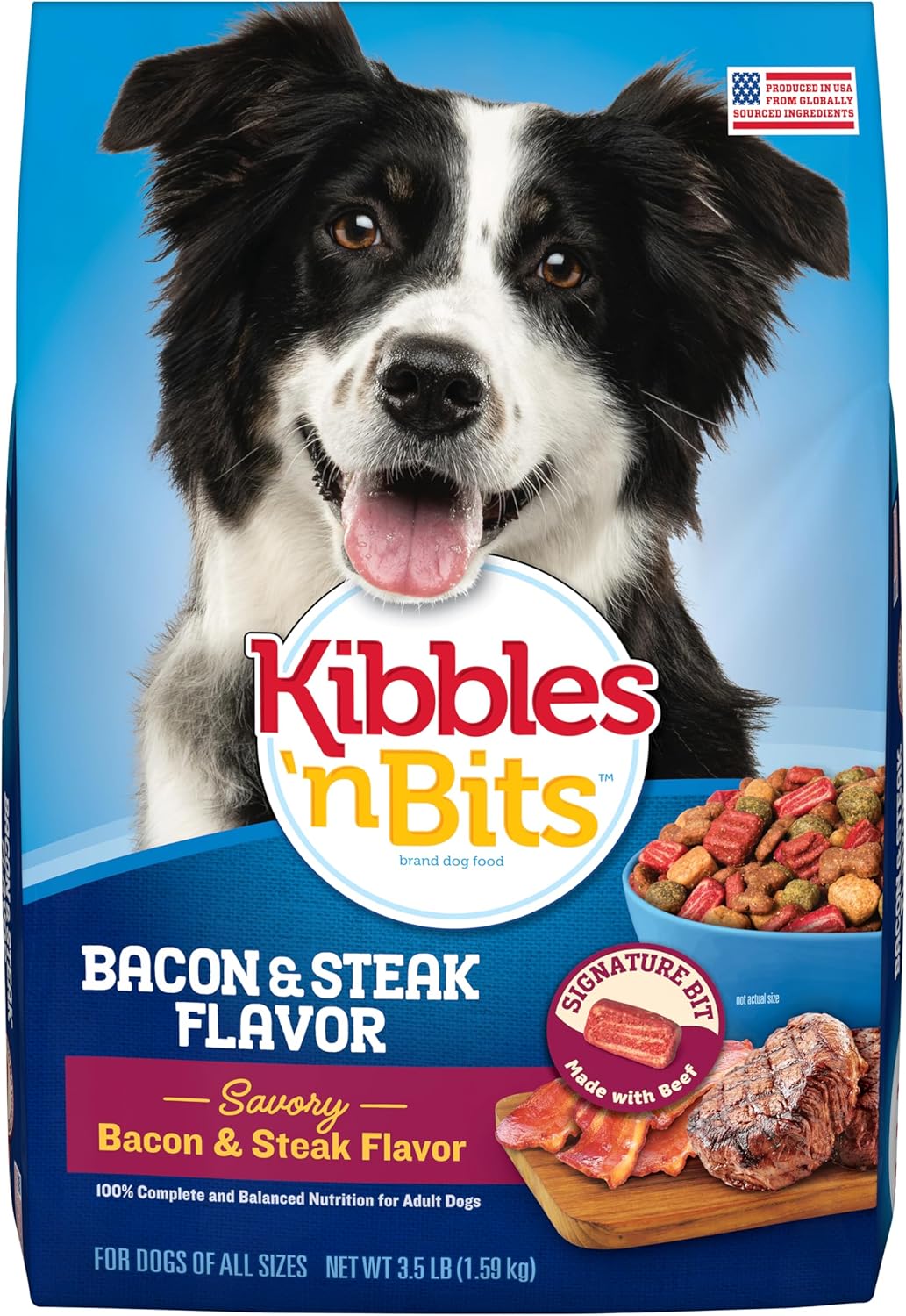
| Best Budget Kibble A low-cost option that still meets basic nutritional standards | Kibbles 'n Bits Bacon & Steak 3.5 lb |  |
| Best Premium Kibble Higher-end recipes with superior ingredients and manufacturing standards | ORIJEN Small Breed Dry Dog Food 4 lb |  |
| Best High-Protein Kibble Formulas with elevated protein for active or muscular pets | Wellness CORE+ Small Breed Dry Dog Food 4 lb |  |
| Best Grain-Free Kibble Recipes excluding grains for owners avoiding grain ingredients | Nulo FreeStyle Small Breed Salmon & Lentils |  |
| Best Limited-Ingredient Kibble Simpler recipes made to reduce food sensitivities and triggers | Zignature Whitefish Dry Dog Food 4 lb |  |
| Best Small-Breed Kibble Bites sized and balanced for smaller mouths and metabolisms | Blue Buffalo Life Protection Small Breed |  |
ROYAL CANIN Pug Adult Dry Dog Food 10 lb
Best Overall Kibble

| Flavor | Chicken |
|---|---|
| Age Range Description | Adult |
| Item Form | Pellet |
| Breed Recommendation | Pug |
| Unit Count | 160 Ounce |
Royal Canin Pug Adult Dry Dog Food is a breed-targeted kibble designed for purebred Pugs 10 months and older. The formula uses a cloverleaf kibble shape sized for a Pug's short, square muzzle to make picking up and chewing easier, and includes EPA and DHA from fish oil for skin and coat support plus L-carnitine and controlled protein for muscle maintenance and weight management. In practice this food is fed as a complete daily diet and is aimed at owners who want tailored nutrition rather than a generic small-breed formula. The packaging lists ingredients like brewers rice, chicken by-product meal and fish oil and notes the product is intended for skin health, muscle support and weight control. Buyers should expect a veterinary-style, nutrient-focused diet rather than novel ingredients or grain-free recipes, and dogs with specific ingredient sensitivities may need to check the ingredient panel. For Pugs that benefit from breed-shaped kibble and focused support for coat and weight, this is a practical, science-backed option.
Best for: Owners wanting a breed-specific, nutritionally focused daily diet for adult Pugs that supports skin, muscle and weight control and who prefer a formula designed around Pug jaw shape and feeding behavior.
Less Ideal for: Owners seeking grain-free, limited-ingredient, or specialty protein diets for food-sensitive dogs should consider alternative formulas.
- Kibble shape and size tailored to Pug muzzle and chewing behavior
- Includes EPA and DHA from fish oil to support skin and coat health
- Formulated with controlled protein and added L-carnitine for muscle support and weight management
- Positioned as a complete diet for adult Pugs 10 months and older
- Contains common grains and chicken by-product meal which may not suit dogs with ingredient sensitivities
- Not a novel-ingredient or grain-free recipe for owners seeking alternative formulations
Verdict: The best overall kibble balances complete nutrition, flavor acceptance, digestibility, and ingredient quality for typical daily feeding of pugs.
Kibbles 'n Bits Bacon & Steak 3.5 lb
Best Budget Kibble
| Flavor | Bacon & Steak |
|---|---|
| Age Range Description | All Life Stages |
| Item Form | Granule |
| Unit Count | 56 Ounce |
Kibbles 'n Bits Bacon & Steak is a straightforward, value-focused dry dog food that combines crunchy kibble with softer meaty bits to boost palatability. It is intended for daily feeding to adult dogs and is presented in a 3.5 lb bag that makes it convenient to try or use for small households. The formula lists common cereal grains and meat meals among ingredients and includes added vitamins and minerals to provide complete and balanced nutrition for adult dogs. In practice the mix of textures tends to appeal to picky eaters, and the bacon and steak flavors are designed to encourage consistent intake. Important limitations are the grain-forward ingredient profile and presence of common allergens such as soy and wheat, which may not suit dogs with sensitivities, and it is not formulated for puppies or for specific clinical conditions. For pug owners aiming to stretch a food budget while keeping meals reliably eaten, this kibble is a practical, easy-to-serve option, especially for adults without dietary restrictions.
Best for: Owners seeking the most affordable complete adult dog food that still gets most dogs eating reliably and who prioritize cost and accept a conventional ingredient list.
Less Ideal for: Owners looking for grain-free formulas, limited-ingredient diets, puppy-specific nutrition, or those who need veterinary-prescribed feeds should look elsewhere.
- Crunchy kibble plus chewy meaty bits increases palatability for fussy eaters
- Formulated to provide complete and balanced adult dog nutrition with added vitamins and minerals
- Available in a small 3.5 lb bag that is easy to store and try before buying larger sizes
- Offers recognizable bacon and steak flavors that many dogs find appealing
- Grain-forward ingredient list with soy and wheat makes it unsuitable for dogs with grain allergies or sensitivities
- Contains several artificial colors and preservatives that some owners prefer to avoid
Verdict: The best budget kibble provides affordable, complete nutrition and acceptable palatability for owners prioritizing price without sacrificing essential dietary needs.
ORIJEN Small Breed Dry Dog Food 4 lb
Best Premium Kibble

| Flavor | Grain Free Small Breed Dog Recipe |
|---|---|
| Item Form | Dry Kibble |
| Age Range Description | All Life Stages |
| Unit Count | 64 Ounce |
ORIJEN Small Breed is a premium, grain-free dry dog food designed specifically for small dogs and all life stages. It delivers a very high proportion of animal ingredients, with the first five components listed as fresh or raw poultry and fish and an overall WholePrey approach that includes meats, organs, and bones to supply naturally occurring nutrients. The kibble is shaped for small mouths and is coated with freeze-dried bits for added flavor, making it suitable for picky eaters. Typical use is twice-daily feeding adjusted to activity and body condition, and the formulation emphasizes protein density to support lean muscle, skin and coat health, and digestive balance. Practical benefits include limited reliance on synthetic additives, a broad spectrum of animal-sourced nutrients, and ingredient sourcing from reputable regions. Important limitations are that it is grain-free which may not be necessary for every dog, and the richer formula can require careful portion control during transitions to avoid digestive upset or excess calories in less active pets.
Best for: Owners who prioritize premium animal proteins, carefully sourced ingredients, and advanced nutrition to support long-term health and coat condition in small-breed dogs.
Less Ideal for: Owners looking for a low-calorie, grain-inclusive diet or those whose dogs have no specific need for a high-protein, grain-free formula.
- Very high animal-ingredient content with whole meats and organs for nutrient density
- Kibble shape and size tailored for small-breed mouths
- Includes freeze-dried coating to boost palatability for picky eaters
- Formulated for all life stages supporting skin, coat, and digestive health
- Grain-free, protein-rich formula may be more than some small dogs need calorie- and digestion-wise
Verdict: The best premium kibble is for owners willing to invest in higher-quality proteins, cleaner ingredient lists, and stricter manufacturing standards for long-term health benefits.
Wellness CORE+ Small Breed Dry Dog Food 4 lb
Best High-Protein Kibble

| Flavor | Turkey and Chicken |
|---|---|
| Age Range Description | Adult |
| Special Ingredients | grain-free |
| Unit Count | 64 Ounce |
Wellness CORE+ Small Breed combines high-quality animal proteins in a hard kibble with small freeze-dried turkey pieces to boost taste and protein density for everyday feeding. It is fed as a complete dry ration for adult small dogs and is intended to support lean muscle, energy and coat health; the formula includes added probiotics, balanced fiber and guaranteed glucosamine levels for digestion and joint support. The freeze-dried inclusions add palatability and texture without wet food, and the ingredient panel lists deboned turkey, turkey meal and chicken meal up front. Practical benefits include higher protein per serving for active little dogs and built-in probiotics that can ease sensitive stomachs during diet changes. Limitations are that it is grain-free and manufactured in a facility that also processes grains, so it may not suit owners avoiding any cross-contact, and the 4 lb bag size means more frequent repurchasing for multi-dog households. For Mini Aussies needing elevated animal protein and sustained energy, this formula delivers a protein-forward kibble with extra taste appeal from freeze-dried pieces.
Best for: Buyers seeking a protein-forward small-breed formula to support lean-muscle maintenance and higher activity in compact dogs, especially those who value added palatability from freeze-dried inclusions.
Less Ideal for: Owners who require guaranteed zero cross-contact with grains or who prefer larger bag sizes for households with multiple dogs should consider alternatives.
- High animal-based protein mix with deboned turkey, turkey meal and chicken meal listed first
- Freeze-dried turkey pieces increase palatability and add concentrated protein
- Includes probiotics and fiber to support digestion during diet transitions
- Contains glucosamine and omega fatty acids to support joints and skin/coat health
- Grain-free formula is produced in a facility that also processes grains, so cross-contact is possible
- Small 4 lb bag requires frequent repurchase for active or multiple dogs
Verdict: The best high-protein kibble delivers increased animal-based protein to support muscle maintenance and energy needs for more active pugs.
Nulo FreeStyle Small Breed Salmon & Lentils
Best Grain-Free Kibble

| Flavor | Salmon & Lentils |
|---|---|
| Item Form | Dry |
| Breed Recommendation | Small Breeds |
| Package Size | 6 lb Bag |
| Special Ingredients | Probiotic |
Nulo FreeStyle Small Breed Salmon & Lentils is a grain-free kibble designed for toy and small-breed puppies and adults. It uses deboned salmon and other animal meals to deliver a high proportion of animal-sourced protein and smaller kibble sized for little mouths. The formula includes omega fatty acids for skin and coat health, taurine and essential amino acids for heart support, and BC30 probiotics plus prebiotic fibers aimed at improving digestion and nutrient absorption. It excludes common fillers and several potential allergens such as grains, chicken, eggs, and artificial colors or preservatives, which can help dogs with grain sensitivities. Feeding follows standard daily portion guidance for small dogs, and the product emphasizes steady energy and lean-muscle support for active little dogs. Limitations are that it is grain-free and higher in animal protein, which may not be necessary or ideal for every Havanese depending on individual medical advice, and owners should confirm portions with their veterinarian for weight management and specific health needs.
Best for: Owners of Havanese who want a grain-free recipe tailored to small mouths and who prioritize animal-based protein, coat support, and digestive-friendly probiotics.
Less Ideal for: Owners whose dogs are on veterinary-prescribed grain-inclusive or low-protein diets, or those who prefer formulas with whole grains for long-term weight management.
- High ratio of animal-based protein with deboned salmon first for lean muscle support
- Smaller kibble size suited to small and toy breed mouths
- Includes omega-3 and omega-6 fatty acids to support skin and coat condition
- Contains BC30 probiotics and prebiotic fibers to help digestive health and nutrient absorption
- Grain-free formulation may not be appropriate for dogs that do better on whole grains or specific veterinary diets
- Higher protein, calorie content requires careful portion control to avoid weight gain
Verdict: The best grain-free kibble suits pet owners seeking formulas without traditional grains while still providing balanced nutrition and digestibility for their dog.
Zignature Whitefish Dry Dog Food 4 lb
Best Limited-Ingredient Kibble

| Flavor | Ocean Whitefish |
|---|---|
| Item Form | Dry |
| Age Range Description | All Life Stages |
| Unit Count | 64 Ounce |
Zignature Whitefish Limited Ingredient Formula is a grain-free dry kibble that uses whitefish as the single main animal protein and adds peas and chickpeas for carbohydrate and fiber. It is typically fed as a rotational or elimination diet for dogs with suspected food sensitivities and is balanced with vitamins, minerals, and added probiotics to support gut health. The limited-ingredient approach simplifies identifying problematic proteins and makes portioning straightforward for small-breed feeding; the 4 lb bag is convenient for trialing new food without long-term commitment. Practical benefits include lower saturated fat and more omega-3s from whitefish, plus hypoallergenic labeling like corn-free and wheat-free that reduce common triggers. Trade-offs are that plant ingredients such as peas and chickpeas still present potential allergens for some dogs, and a 4 lb bag means more frequent repurchasing for multi-dog households. For pugs specifically, the kibble supports weight management goals when fed to guideline amounts, but owners should monitor calorie intake and stool consistency during a switch.
Best for: Owners who need a short, single-protein kibble to trial on pugs with suspected food sensitivities and who want a manageable bag size for elimination testing.
Less Ideal for: Homes looking for a long-term bulk supply or those whose dogs react to legume-based ingredients should consider alternative single-protein options without peas or chickpeas.
- Single primary animal protein (whitefish) simplifies elimination diets
- Fortified with probiotics to support gut health during diet changes
- Grain-free, corn-free, and wheat-free formulation for common allergy triggers
- Smaller 4 lb bag size is convenient for trying a new formula or rotation
- Contains legumes (peas, chickpeas) which can still cause sensitivities in some dogs
- Smaller package size requires more frequent repurchasing for households with multiple dogs
Verdict: The best limited-ingredient kibble is ideal for pugs with suspected sensitivities, offering a shorter ingredient list and single or few protein sources to simplify diagnosis and feeding.
Blue Buffalo Life Protection Small Breed
Best Small-Breed Kibble

| Flavor | Adult Chicken & Brown Rice |
|---|---|
| Item Form | Dry Kibble |
| Breed Recommendation | Small Breeds |
| Crude Protein | 26% min |
| Crude Fat | 15% min |
Blue Buffalo Life Protection Formula Small Breed is a dry adult dog food designed to meet the nutritional needs of small dogs using real chicken as the first ingredient and a blend of wholesome grains. It is typically fed as a daily maintenance diet for small-breed adults and is portioned with feeding guidelines scaled for lighter weights to help manage calorie intake. Notable features include LifeSource Bits, a cold-formed blend of antioxidants, vitamins, and minerals to support immune health, natural prebiotic fiber for digestion, added glucosamine for joint support, and omega fatty acids for skin and coat. The kibble and calorie structure are intended to support higher metabolic rates common to small breeds while offering energy from brown rice, oats, and barley rather than filler grains. Limitations to consider are that this formula is for adult dogs, so it is not appropriate for puppies without switching to a puppy formulation, and dogs with specific ingredient sensitivities may need a more restricted recipe. For owners who want a widely available, vet-formulated small-breed adult kibble with a focus on natural ingredients, this is a practical choice.
Best for: Owners of Yorkie and Poodle mixes who prioritize a vet-formulated adult kibble sized and balanced to support a small dog's metabolism and daily energy needs.
Less Ideal for: Those feeding puppies, dogs requiring a grain-free or limited-ingredient elimination diet, or owners who need a prescription or therapeutic formula.
- Real chicken listed as the first ingredient for high-quality animal protein
- LifeSource Bits provide a targeted mix of antioxidants, vitamins, and minerals
- Natural prebiotic fiber supports digestion and stool quality
- Includes glucosamine and omega fatty acids to help joint, skin, and coat health
- Formulated for adult dogs only and not suitable for puppies without switching formulas
- Contains grains, so it is not appropriate for owners seeking grain-free diets
Verdict: The best small-breed kibble features appropriately sized kibble, calorie density, and nutrient profiles tailored to the needs and feeding patterns of smaller dogs.
Choosing the Right Kibble Pug: Key Factors to Consider
Kibble Size and Shape
Kibble geometry matters for pugs because their short snouts and crowded front teeth make picking up large pieces awkward and sometimes unsafe. Smaller, flatter pieces are easier for a pug to grasp between the front teeth and reduce the tendency to gulp. Even with small kibble, look for shapes that let the dog reposition a piece in the mouth so chewing happens before swallowing.
Size also affects portioning. Smaller pieces let you measure calories more precisely, which helps prevent gradual weight gain. If your pug tends to bolt food, consider a flatter or ridged kibble that requires more chewing and slows intake.
Digestibility and Ingredient Quality
Highly digestible ingredients help ensure your pug gets the most nutrition from each meal and produce firmer, smaller stools. Look for recognizable protein sources listed near the top of the ingredient list and avoid excessive fillers that add calories without nutrition.
Additives such as prebiotics, probiotics and digestible fiber can improve gut health and reduce gas or loose stool. For pugs with a history of digestive sensitivity, formulas designed for sensitive digestion are worth prioritizing because they reduce the frequency of upset and simplify feeding routines.
Calorie Density and Weight Management
Pugs are prone to carrying extra weight, so calorie density is a vital factor. A calorie-dense kibble means smaller measured portions deliver more energy, which can lead to accidental caloric overfeeding if portions are not adjusted. Choose a formula with a calorie level that matches your pug's activity level and life stage and use the feeding chart as a starting point.
Many owners benefit from kibbles formulated for weight control or with higher protein and moderate fat to support muscle while limiting fat storage. Consistent portion control and monitoring body condition score are essential, regardless of formula.
Protein and Fat Profile
Balanced protein and fat support healthy skin, coat and muscle maintenance. For adult pugs, moderate to high-quality protein helps preserve lean mass, which supports mobility and metabolism. Too much fat can push caloric intake higher quickly, so look for controlled fat levels paired with good protein sources.
Fat type matters as well; omega-3 and omega-6 fatty acids benefit skin and coat and can reduce inflammation. If your pug has food sensitivities, single-protein formulas or limited-ingredient diets can make it easier to identify triggers.
Texture and Oral Health
Texture affects both enjoyment and dental effects. Crunchy kibble can help scrape plaque from tooth surfaces, but if the kibble is too hard or large it can cause aversion or risk choking in pugs. Ideally, choose a kibble that provides gentle abrasion without requiring excessive force to break down.
If your dog has existing dental issues, softer or lightly puffed kibbles may be a better fit. Regular dental care and monitoring remain important regardless of kibble texture.
Feeding Guidelines and Life-stage Suitability
Clear feeding instructions help you match portions to your pug's age, activity level and body condition. Formulas intended for adult maintenance should have feeding charts appropriate for a small-breed bodyweight range and include guidance for adjusting portions as your dog gains or loses weight.
Consider life-stage needs: growing puppies, breeding dogs and senior pugs have different calorie and nutrient requirements. Unless your pug has a veterinary diagnosis, choose a formula aligned with its current life stage and re-evaluate as it ages.
How Do I Switch My Pug to a New Kibble Safely?
Switching diets too quickly can cause digestive upset. Start by mixing a small portion of the new kibble into the current food and gradually increase the new food over a 7- to 10-day period. A typical progression moves from 25 percent new food on day 1–2, 50 percent on day 3–4, 75 percent on day 5–6, and then fully new food by day 7–10.
Watch stool quality and appetite during the transition. If your pug shows persistent loose stool, vomiting or a refusal to eat, slow the transition further and consult your veterinarian if symptoms continue. For pugs with very sensitive digestion, a lengthened transition over two to three weeks can reduce risk of upset.
- Start with a 25 percent new food mix
- Increase gradually over 7–10 days
- Monitor stool and appetite; slow down if needed
What Feeding Routines Help Prevent Gulping and Choking?
Because pugs can gulp quickly, use feeding strategies that slow intake. Portion meals into two or three smaller feedings per day rather than one large meal. Smaller, more frequent portions reduce the chance of gulping and stabilize blood sugar between meals.
Consider feeding tools that encourage slower eating, such as shallow puzzle feeders or meal mats with raised sections. These devices force the dog to move pieces around and take smaller bites. Always supervise initial use to ensure the dog adapts safely.
- Feed multiple small meals daily
- Use shallow puzzle feeders or meal mats
- Supervise new feeding tools until adapted
How to Adjust Kibble Portions for Weight Control
Start by assessing your pug's body condition score rather than relying solely on weight. If the dog carries extra body fat, reduce daily caloric intake gradually by 10 percent and track changes over several weeks. Avoid abrupt calorie cuts that can trigger begging behavior or nutritional gaps.
Measure food with a standard cup or gram scale and log daily intake including treats. Treat calories add up quickly for small dogs, so reduce treat portions or substitute low-calorie options like carrot sticks for training rewards. Reassess body condition every two to four weeks and adjust portions as needed.
- Use body condition score to guide changes
- Measure kibble precisely with a cup or gram scale
- Account for treat calories in daily totals
Can Pugs Eat Limited-ingredient or Single-protein Kibbles?
Yes, limited-ingredient and single-protein kibbles can be helpful when you suspect food sensitivities or have trouble identifying a specific allergen. These formulas simplify the ingredient profile so you can more easily trial and observe reactions.
However, ensure the limited formula still meets complete and balanced nutrition for your pug's life stage. Some elimination diets are intended only for short-term trials under veterinary guidance before reintroducing other proteins to confirm triggers.
- Useful for diagnosing sensitivities
- Confirm formulas are complete and balanced
- Use under vet guidance for strict elimination trials
How Important Are Omega Fatty Acids for Pug Coat and Skin?
Omega-3 and omega-6 fatty acids support skin barrier health and a glossy coat, which is particularly beneficial for breeds with skin folds and a tendency toward dermatitis. A right balance helps control inflammation and maintain skin elasticity.
If your pug has dry skin or patchy hair loss, a kibble with added omega fatty acids can be part of the solution. In some cases, supplemental sources such as fish oil may be recommended by a veterinarian to reach therapeutic levels.
- Supports skin barrier and coat sheen
- Can reduce inflammation when balanced properly
- Consider veterinary advice for supplemental dosing
What Signs Indicate a Kibble Isn't Working for My Pug?
Watch for changes in stool consistency such as prolonged diarrhea or frequent soft stools, which can indicate poor digestibility. Increased gas, persistent vomiting or repeated refusal to eat are other red flags. Subtle signs include dull coat, itchy skin or unexpected weight gain or loss.
If you observe any of these issues for more than a week after a diet change, stop the new food and consult your veterinarian. Some conditions mimic food intolerance and require professional diagnosis.
- Look for persistent diarrhea, vomiting or refusal to eat
- Monitor coat condition and body weight
- Consult your veterinarian for ongoing issues
How We Chose the Best Kibble Pug
We focused on criteria that matter specifically for pugs and similar small, short-muzzled dogs. First, we prioritized kibble size and shape because pugs often struggle with oversized pieces; small, scoopable kibbles reduce frustration and encourage consistent intake. Second, digestibility was a key filter—ingredients, protein quality and the presence of prebiotics or probiotics influence stool quality and nutrient absorption for sensitive stomachs. Third, macronutrient balance mattered: formulas that support lean muscle while controlling calories and fat help manage a pug's predisposition to weight gain. Fourth, dental and texture considerations were applied; crunchy but easily crushable kibble can promote oral health without posing a choking risk. Fifth, we checked for practical feeding features such as clear feeding guidelines and formulation for adult life stages relevant to most owners. We excluded novelty or single-batch items with inconsistent supply and diets aimed only at therapeutic treatment unless specified for a veterinarian-prescribed condition. Products lacking transparent ingredient sourcing or feeding guidance were also removed. The remaining selections were assessed mainly on ingredient clarity, kibble geometry, nutrient profile and digestibility indicators.
Our full evaluation process is outlined in our review methodology.
FAQ
How often should I feed an adult pug?
Most adult pugs do well with two meals per day to stabilize energy and reduce begging. Puppies need more frequent feedings, typically three to four times daily, while seniors may benefit from smaller, more frequent meals depending on health and appetite.
Is grain-free kibble better for pugs?
Grain-free is not inherently better. Some pugs do well on grain-free recipes, while others tolerate grains without issue. The most important factor is the overall ingredient quality and digestibility rather than the presence or absence of grain.
Can kibble alone meet all my pug's nutritional needs?
Complete dry kibble formulated for the correct life stage can meet all basic nutritional needs when fed according to guidelines. Some dogs may require supplements or wet food additions for specific conditions, but those choices should be made with veterinary input.
How can I make kibble more appealing to a picky pug?
Warm a small portion of water or low-sodium broth into the kibble to release aromas, or mix in a tablespoon of canned food or plain cooked protein as a topper. Introduce changes slowly to avoid digestive upset and monitor portion sizes to prevent overeating.
Are small-breed formulas necessary for pugs?
Small-breed formulas often have kibble shaped and sized for easier chewing and higher calorie density tailored to smaller dogs. Many pugs benefit from small-breed formulations, but a suitable adult formula with appropriate kibble size and nutrient profile can be equally appropriate.
Final Verdict
When choosing kibble for a pug, prioritize bite-sized pieces, high digestibility and a nutrient profile that helps maintain lean mass while controlling calories. Texture and feeding routine are nearly as important as ingredients because they influence how safely and comfortably your pug eats. Balance tradeoffs by matching calorie density to your dog's activity level, monitoring body condition, and adjusting portions and feeding frequency as needed. Use the guide's decision factors to pick a daily formula and consult your veterinarian if your pug has chronic digestive or skin issues that may require a tailored diet.

