

If your dog needs a lower-fat diet for weight control or digestive sensitivity, choosing the right low-fat kibble matters for daily health and energy. The right formula helps manage calorie intake while still providing complete nutrition and palatable meals your dog will eat. This guide covers seven shortlisted low-fat kibbles that meet practical nutritional and quality standards for adult dogs. We evaluated each option for ingredient quality, digestibility, and how well the formula supports weight and skin health. Use the quick overview and detailed sections below to narrow choices based on your dog s age, activity level, and medical considerations before checking specific product details.
Top Picks at a Glance
| Best Overall Low-Fat Kibble The all-around top pick balancing nutrition, palatability, and value | Purina Pro Plan Veterinary Diets EN Low Fat 6 lb |  |
| Best Budget Low-Fat Kibble A low-cost formula that still meets basic nutritional needs | Pedigree Healthy Weight Dry Dog Food 14 lb |  |
| Best Premium Low-Fat Kibble A higher-end formula emphasizing quality ingredients and formulation | ROYAL CANIN Gastrointestinal Low Fat Dry Dog Food 17.6 lb |  |
| Best Grain-Free Low-Fat Kibble A grain-free reduced-fat recipe for dogs with grain sensitivities | Wellness CORE Healthy Weight Turkey & Chicken |  |
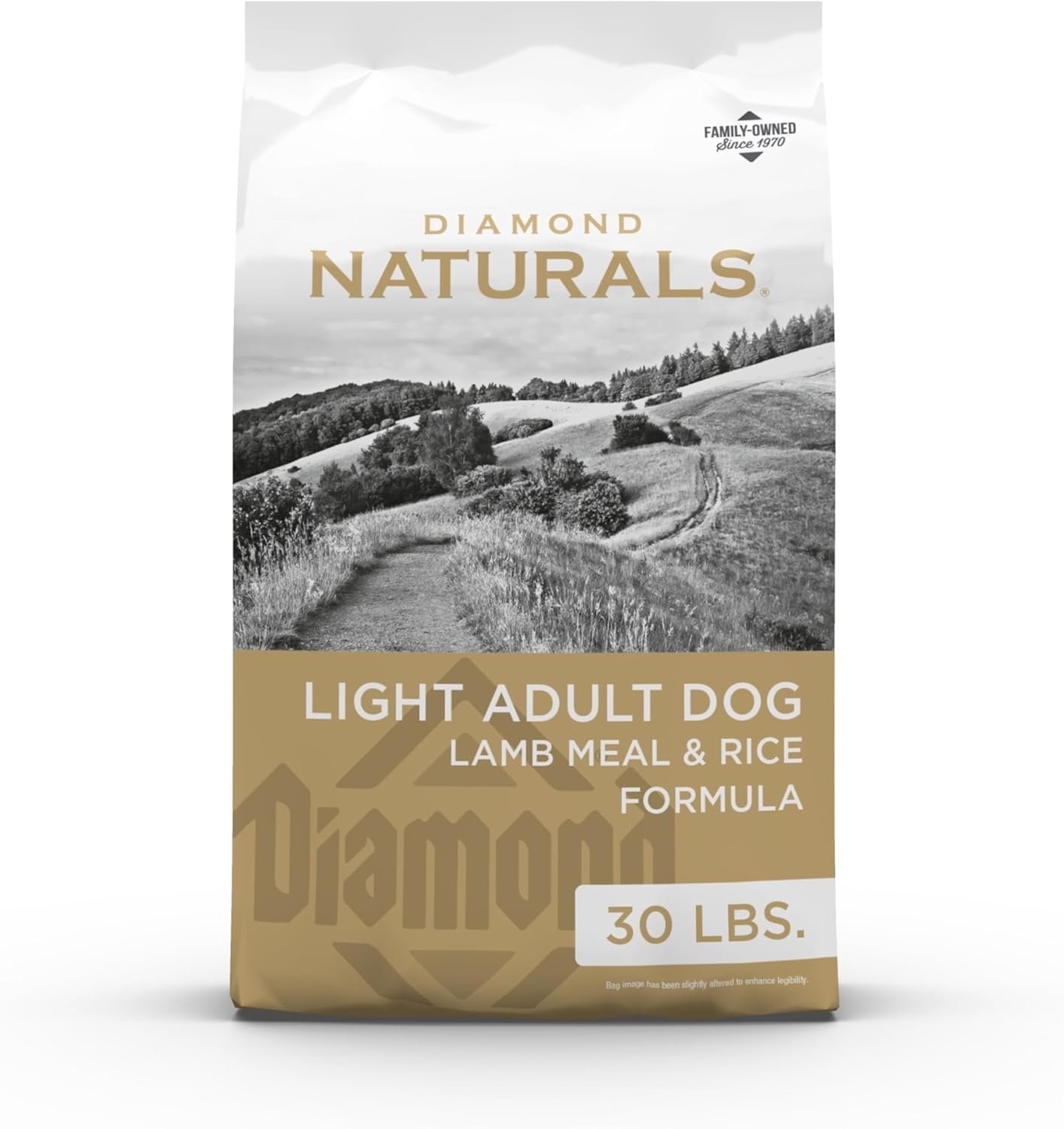
| Best Large-Bag Low-Fat Kibble Bulk packaging for multi-dog homes or frequent feeders to save money | Diamond Naturals Light Lamb Meal & Rice 30 lb |  |
| Best Easy-Digest Low-Fat Kibble Formulated for gentle digestion and reduced stomach upset in dogs | Hill's Prescription Diet i/d Low Fat |  |
Purina Pro Plan Veterinary Diets EN Low Fat 6 lb
Best Overall Low-Fat Kibble

| Item Form | Kibble |
|---|---|
| Age Range Description | Adult |
| Specific Uses For Product | Gastrointestinal |
| Animal Food Diet Type | Veterinary Diet |
| Unit Count | 6 Pounds |
Purina Pro Plan Veterinary Diets EN Gastroenteric Low Fat is a veterinary dry kibble formulated to help dogs with digestive sensitivity or difficulty digesting fat. It is typically fed as a complete diet under veterinary guidance and can be introduced gradually over several days. The formula emphasizes high-quality protein, a select prebiotic fiber to support GI microbiome balance, and added antioxidants including vitamin E to support immune health. Its low-fat profile and easily digestible carbohydrate sources make it suitable for managing gastrointestinal conditions and for short-term recovery phases. Packaged in a 6-pound bag, it is convenient for small households or trialing a prescription diet, though frequent buyers may prefer larger sizes. Ingredients include common cereal grains and animal meals, so dogs with strict grain-free needs or specific ingredient sensitivities should be assessed by a vet before switching. As a prescription-style veterinary diet, it delivers targeted digestive support but should be used per veterinary recommendation rather than as an everyday maintenance food for healthy dogs.
Best for: Buyers seeking a veterinarian-backed low-fat kibble to manage digestive sensitivity or short-term gastrointestinal problems, prioritizing digestive support and complete nutrition.
Less Ideal for: Owners looking for a grain-free formula, a maintenance everyday diet for healthy dogs, or those needing bulk bags for large households should consider other options.
- Formulated specifically for gastrointestinal support with low fat content
- Includes a select prebiotic to support GI microbiome balance
- Contains high-quality protein and added antioxidants such as vitamin E
- Veterinary diet targeted for dogs with digestive issues rather than generic maintenance kibble
- Only one bag size shown may be inconvenient for larger households
- Contains grain ingredients which may not suit grain-free preferences or certain sensitivities
Verdict: The best overall low-fat kibble for most dog owners, offering the right balance of reduced fat, complete nutrition, appealing taste, and everyday affordability.
Pedigree Healthy Weight Dry Dog Food 14 lb
Best Budget Low-Fat Kibble

| Flavor | Chicken & Vegetable |
|---|---|
| Age Range Description | Adult |
| Item Form | Dry Kibble |
| Specific Uses For Product | Weight Management |
Pedigree Healthy Weight is a low-fat adult dry kibble designed to help dogs manage weight while providing complete nutrition for daily feeding. It is typically served as the main dry diet or mixed with wet food using the package feeding guide to adjust portions for weight maintenance or reduction. The formula highlights high-quality protein sources to support lean muscle, added prebiotic fiber for digestion, and a mix of 36 vitamins, minerals, and amino acids for overall health. Practical benefits include a large 14 lb bag that reduces shopping frequency and straightforward feeding directions that make portion control easier. The recipe contains common allergens like soy and wheat and includes some by-product meals and preservatives in the ingredient list, which may concern owners focused on premium ingredient sourcing. For budget-conscious buyers seeking an effective, widely available weight-management option, this delivers predictable performance and convenient sizing, but buyers prioritizing limited-ingredient or grain-free recipes will want to look elsewhere.
Best for: Owners who need an affordable, readily available dry formula to support calorie control and consistent portioned feeding without paying premium prices.
Less Ideal for: Owners seeking grain-free, limited-ingredient, or premium human-grade formulations should consider higher-end alternatives tailored to those priorities.
- Formulated as a low-fat, weight-management recipe for adult dogs
- Contains high-quality protein to support lean muscle
- Includes prebiotic fiber and added vitamins and minerals for digestive and overall health support
- Large 14 lb bag reduces purchase frequency and is convenient for regular feeding
- Includes chicken by-product meal and common allergens like soy and wheat
- Contains artificial colors and preservatives listed in the ingredient panel
Verdict: The best budget low-fat kibble for owners who need an affordable reduced-fat option that still provides complete nutrition and acceptable taste.
ROYAL CANIN Gastrointestinal Low Fat Dry Dog Food 17.6 lb
Best Premium Low-Fat Kibble

| Flavor | Chicken |
|---|---|
| Age Range Description | Adult |
| Item Form | Dry |
| Animal Food Nutrient Content Claim | Low Fat |
| Specific Uses For Product | Stomach |
Royal Canin Gastrointestinal Low Fat is a veterinary-exclusive dry formula aimed at dogs that need lower dietary fat and easier-to-digest nutrition. It is used as a staple diet under veterinary guidance to manage gastrointestinal issues, with a kibble designed to be palatable for picky eaters and to mix easily with the brand's wet gastrointestinal options. Key features include added prebiotics and a blend of dietary fibers to support the gut microbiome and stool quality, plus EPA and DHA from fish oil for digestive support and antioxidants to support immune health. In practice the formula provides a structured, vet-recommended approach for dogs with chronic or acute digestive sensitivities and works well when owners follow portioning and veterinary advice. Limitations are that it is a veterinary diet so continued use should be under professional supervision, and the ingredient list includes by-product meals and brewers rice rather than boutique whole-protein sources that some buyers expect from higher-end premium labels.
Best for: Owners who prioritize a medically focused, low-fat diet and are willing to follow veterinary guidance to manage a dog’s digestive sensitivities.
Less Ideal for: Pet owners seeking a grain-free or single-source whole-protein premium recipe for general maintenance should consider other formulas.
- Formulated specifically for digestive support with low fat content
- Contains prebiotics and dietary fibers to help maintain gut bacteria and stool quality
- Includes EPA and DHA from fish oil to support digestive health
- Veterinary-exclusive formula that pairs with wet Gastrointestinal options for mixed feeding
- Kibble designed to be highly palatable for picky dogs
- Uses chicken by-product meal and brewers rice versus single whole-protein premium ingredients
- Intended for use under veterinary recommendation rather than as a general maintenance diet
Verdict: The best premium low-fat kibble for owners willing to pay more for superior ingredient sourcing, advanced formulation, and added nutritional benefits.
Wellness CORE Healthy Weight Turkey & Chicken
Best Grain-Free Low-Fat Kibble

| Flavor | Turkey |
|---|---|
| Age Range Description | Adult |
| Item Form | Dry |
| Unit Count | 4 Pounds |
| Special Ingredients | gluten-free, grain-free, organic |
Wellness CORE Healthy Weight is a grain-free, high-protein dry kibble designed to help adult dogs lose fat while preserving lean muscle. It is typically fed as a full-meal diet for weight management, with printed feeding guidelines for gradual weight loss and combination feeding with wet food. The formula lists deboned turkey and turkey meal first, plus chicken meal, giving a protein-forward profile and added glucosamine and chondroitin from meat meals to support joints. Reduced fat and higher fiber aim to create a calorie deficit without leaving dogs hungry, while added probiotics, omega-rich salmon oil, and a mix of fruits and vegetables support digestion, skin, and coat. Practical benefits include vet-oriented nutrient balance and clear transition directions, and the bag is made in a U.S. facility. Limitations are that it is grain-free and contains pulses like peas and lentils, which some dogs may not tolerate, and the smaller 4 lb bag size means more frequent repurchases for larger dogs on a weight-loss feeding plan.
Best for: Buyers prioritizing a protein-forward diet to help dogs lose fat while maintaining muscle mass and who want a vet-style, nutrient-balanced dry formula for adult weight management.
Less Ideal for: Owners looking for grain-inclusive weight-loss diets, those whose dogs have known pea/legume sensitivities, or households needing bulk-sized bags to avoid frequent repurchases.
- High first-ingredient animal protein focus (deboned turkey, turkey meal, chicken meal) to help preserve muscle during weight loss
- Formulated with reduced fat and higher fiber to support gradual weight loss without severe calorie restriction
- Includes probiotics and omega sources like salmon oil for digestive health and skin and coat support
- Added glucosamine/chondroitin sources from meals to help joint support during weight management
- Clear feeding and weight-loss feeding guidelines for practical at-home portioning
- Grain-free recipe uses legumes (peas, lentils) which can be problematic for dogs with certain sensitivities
- 4 lb bag is a small package for dogs that require larger daily portions during weight-loss plans
Verdict: The best grain-free low-fat kibble for dogs that do better on grain-free diets while still needing a lower-fat formula.
Diamond Naturals Light Lamb Meal & Rice 30 lb
Best Large-Bag Low-Fat Kibble
| Flavor | Lamb Meal & Rice – Light Adult |
|---|---|
| Item Form | Dry Kibble |
| Specific Uses For Product | Weight Management |
| Allergen Information | Pea-Free |
| Unit Count | 480 Ounce |
Diamond Naturals Light Adult Lamb Meal & Rice is a reduced-calorie dry kibble designed to help less active or overweight adult dogs lose or maintain weight while providing complete nutrition. The formula uses lamb meal as the first ingredient and includes L-Carnitine to help convert fat to energy plus glucosamine and chondroitin to support joints, which makes it a sensible choice for dogs that need weight management without sacrificing protein. It also contains whole grains, omega-rich ingredients like flaxseed and chia, and K9-strain probiotics to support digestion and immune health. In everyday use you would feed from the included feeding guide and work with a veterinarian to adjust portions based on activity and target weight; the 30 lb bag provides economical bulk for multi-dog households or long-term feeding plans. Limitations to note are the grain-inclusive recipe and presence of multiple fruits and vegetables that some dogs may react to, and while the formula is lower calorie than the regular lamb recipe it still requires portion control and monitoring to achieve weight loss goals.
Best for: Owners who need a large, lower-calorie kibble to feed multiple adult dogs or to stock up for extended weight-management feeding plans and who prioritize consistent calorie control and digestive support.
Less Ideal for: Owners seeking a grain-free prescription or limited-ingredient diet for dogs with known ingredient sensitivities should consider alternatives tailored to those needs.
- Formulated with 15% fewer calories than the regular lamb formula for weight management
- L-Carnitine plus glucosamine and chondroitin support fat metabolism and joint health
- Pasture-raised lamb meal provides a concentrated source of animal protein
- Includes K9-strain probiotics and fiber sources to help digestive health
- 30 lb bag offers bulk quantity and shelf stability for multi-dog households
- Grain-inclusive recipe may not suit owners seeking grain-free diets
- Contains many fruits, vegetables, and added ingredients that could trigger sensitivities in some dogs
Verdict: The best large-bag low-fat kibble for households that go through food quickly and want cost savings and less frequent repurchasing.
Hill's Prescription Diet i/d Low Fat
Best Easy-Digest Low-Fat Kibble

| Flavor | Chicken |
|---|---|
| Age Range Description | Adult |
| Specific Uses For Product | Sensitive Stomach |
| Animal Food Diet Type | Veterinary Diet |
| Unit Count | 136 Ounce |
Hill's Prescription Diet i/d Low Fat is a veterinary therapeutic dry kibble made to help dogs with digestive upsets by providing a highly digestible, lower-fat formula. It is typically fed as a complete diet for adult dogs with stomach sensitivity and is intended to be used under veterinary guidance. The formula includes ActivBiome+ prebiotic fibers to help activate beneficial gut bacteria, omega fatty acids and ginger for GI support, and clinically proven antioxidants to support immune health. In practice the bag mixes easily into regular feeding routines, and instructions recommend a transition over several days to reduce upset. The low fat content and targeted prebiotics tend to produce firmer, more regular stools and can help dogs that show intolerance to richer diets. Limitations are that this is a prescription/therapeutic diet intended for specific digestive indications, so it is not a general maintenance food and you should consult your veterinarian before switching; some dogs may not prefer the pellet texture or flavor. Storage in a cool dry place and adherence to feeding guidelines are important to get the expected benefits.
Best for: Dog owners whose pets have sensitive stomachs or veterinary-identified digestive issues and who prioritize a lower-fat, clinically supported diet to improve tolerance and stool quality.
Less Ideal for: Owners looking for a general everyday maintenance kibble for healthy dogs without digestive problems or those who need a non-prescription, widely available formula.
- Formulated specifically for digestive care with a low fat profile to help settle digestive upsets
- Includes ActivBiome+ prebiotic fiber blend to promote a healthier gut microbiome and improved stool consistency
- Contains omega-3 and omega-6 fatty acids plus ginger to support GI comfort and overall skin and coat health
- Clinically proven antioxidants to support immune system health
- Therapeutic prescription diet intended for specific medical use rather than general feeding
- Some dogs may not accept the flavor or pellet form immediately, requiring a gradual transition
Verdict: The best easy-digest low-fat kibble for dogs with sensitive stomachs that need a gentler, lower-fat formula to improve tolerance and stool quality.
Choosing the Right Low Fat Kibble Dog: Key Factors to Consider
Fat Content and Calorie Density
Lower fat percentage and lower calorie density directly affect whether a kibble will support weight loss or maintenance. Compare guaranteed analysis for crude fat alongside calories per cup to understand how much energy your dog will consume per serving. A kibble with modestly lower fat but much higher calories per cup can still lead to weight gain if portion sizes are not adjusted. Consider how feeding volume and caloric needs align with your dog s activity level and weight goals.
Also take into account how fat reduction affects palatability. Some formulas reduce fat while adding lean protein or carbohydrate to maintain taste. Small changes in serving size or adding vet-approved low-calorie toppers can help if your dog is reluctant to eat a lower-fat kibble.
Protein Quality and Levels
Protein helps preserve lean body mass during weight loss and supports skin and coat health. Look for named animal proteins near the top of the ingredient list rather than vague protein meals or unspecified by-products. Adequate protein percentage helps ensure that reducing fat does not leave your dog undernourished.
Higher-quality proteins are also typically more digestible, which can reduce stool volume and improve nutrient absorption. For dogs with sensitive digestion, moderate protein levels from easily digested sources are preferable to extremes in either direction.
Digestive Health and Fiber Sources
Fiber influences satiety, stool quality, and glycemic response. Soluble fibers can help dogs feel fuller on fewer calories, while insoluble fibers can add bulk and improve stool firmness. Check for fiber sources such as beet pulp, pumpkin, or specific whole grains, and consider how they affect your dog s tolerance.
Avoid formulas that use excessive low-quality fillers that may cause loose stools or gas. For dogs with digestive sensitivity, recipes with gentle fiber blends and prebiotic ingredients support consistent bowel function while reducing gastrointestinal upset.
Micronutrient Balance and Supplementation
A lower-fat diet can change how certain fat-soluble vitamins are absorbed. Ensure the formula provides a complete and balanced vitamin and mineral profile appropriate for adult maintenance. Look for sources of essential fatty acids even in lower-fat formulas, since omega-3s and omega-6s support skin and coat health and have roles in inflammation control.
Also check for added joint-supporting nutrients or antioxidants if your dog is older or has concurrent health concerns. A complete diet should not require additional supplementation unless advised by a veterinarian.
Palatability and Texture
Dogs may be sensitive to changes in flavor and mouthfeel when fat is reduced. Palatability factors like humectants, natural flavorings, and kibble shape can influence acceptance. Consider dry kibble textures that match your dog s chewing ability and dental condition to encourage consistent eating.
If your dog is particularly picky, choose a formula with a history of consistent appetite response or plan for gradual transitioning strategies to avoid refusal and weight loss that is not intentional.
Feeding Guidelines and Real-world Portioning
Manufacturers feeding charts are a starting point but often need adjustment based on your dog s individual metabolism and activity. Because low-fat kibbles can vary in calorie concentration, you must calculate daily calories based on your dog s target weight and adjust measured portions rather than relying solely on cup measures.
Track weight and body condition regularly and be prepared to modify portions. Also consider how treats and table scraps contribute to daily fat and calorie totals and plan low-fat treat options to stay within goals.
How Much Fat Is Too Low for an Adult Dog
Dogs still need some dietary fat for energy and nutrient absorption, so the goal is to reduce excess rather than eliminate fat. For most adult dogs needing weight control, a modest reduction in crude fat compared with standard adult maintenance formulas is sufficient. Extremely low-fat diets may require veterinary supervision and are generally reserved for specific medical conditions.
Consult your veterinarian if you are considering a very low-fat plan, especially for dogs with concurrent health problems. Monitor body condition and energy levels as you transition to a lower-fat kibble.
- Aim for a balanced reduction rather than zero fat
- Watch energy and coat condition during transitions
- Seek veterinary guidance for very low-fat prescriptions
Transitioning Your Dog to a Low-fat Kibble
Switch gradually over 7 to 10 days by mixing increasing proportions of the new kibble with the current diet. Sudden changes can lead to digestive upset and refusal to eat. If your dog is sensitive, extend the transition and introduce smaller, more frequent meals during the adjustment period.
If appetite drops, try warming the food slightly or offering it at a regular feeding schedule. Avoid adding high-fat toppers that defeat the purpose of switching to a low-fat formula.
- Start with a small ratio of new food and increase daily
- Use consistent feeding times to encourage acceptance
- Avoid high-fat treats during the transition
Managing Weight Loss Safely on a Lower-fat Diet
Safe weight loss is steady and monitored. Combine a reduced-fat kibble with portion control, increased activity where appropriate, and regular weigh-ins. Aim for gradual weekly weight loss rather than rapid drops to preserve lean mass.
Reassess feeding amounts every few weeks and adjust based on progress. If weight stalls or your dog shows decreased energy, consult a veterinarian to rule out medical causes or adjust the nutrition plan.
- Pair diet changes with increased or structured activity
- Track weight and body condition score periodically
- Adjust portions rather than switching formulas frequently
Are Grain-free Low-fat Kibbles a Better Option
Grain-free does not automatically mean healthier or lower fat. For dogs with confirmed grain sensitivities, grain-free formulas can be useful, but the decision should be based on intolerance or veterinary diagnosis. Evaluate the overall ingredient quality, carbohydrate sources, and fiber content rather than making grain-free the primary criterion.
Many successful low-fat kibbles use wholesome grains or alternative fiber-rich ingredients to improve digestibility and satiety while keeping fat lower.
- Choose based on tolerance and ingredient quality
- Look for digestible carbohydrate and fiber sources
- Do not assume grain-free equals better for weight control
When to Consult a Veterinarian About Diet
Contact your veterinarian if your dog has significant weight changes, persistent digestive issues, or other health concerns. A lower-fat kibble can be part of a treatment plan, but medical conditions sometimes require tailored prescription diets or additional diagnostics.
Also talk to your veterinarian before making major diet changes for senior dogs, dogs with chronic disease, or animals on multiple medications, since nutrition can interact with health status and treatments.
- Seek advice for unexplained weight loss or gain
- Discuss diet changes for senior or medically complex dogs
- Use veterinary guidance for long-term nutritional planning
How We Chose the Best Low Fat Kibble Dog
We shortlisted formulas that meet clear nutrition and quality standards for dogs needing reduced dietary fat. Our evaluation focused on measurable, dog-relevant criteria so readers can compare options logically. Primary criteria included guaranteed analysis and calorie density to ensure fat levels were meaningfully lower than typical adult formulas; digestibility indicators such as fiber sources and protein quality; and ingredient transparency including named protein sources and limited use of ambiguous fillers. Palatability and texture were assessed as secondary factors because a low-fat diet still must be eaten consistently to work. We also prioritized formulas with complete vitamin and mineral profiles appropriate for adult maintenance. We excluded diets that are therapeutic prescription-only, homemade formulations, or those lacking clear nutritional labeling. We did not consider treats, toppers, or wet-only options. The final list emphasizes practical everyday kibbles suitable for at-home feeding plans focused on weight management or fat-sensitive digestion.
Our full evaluation process is outlined in our review methodology.
FAQ
Can puppies eat low-fat kibble designed for adult dogs?
Usually no. Puppies have higher energy and fat needs for growth and development. Feeding an adult low-fat maintenance kibble to a growing puppy can lead to nutrient shortfalls. Use age-appropriate formulas unless a veterinarian directs otherwise.
Will a low-fat kibble help my dog s skin and coat?
Not necessarily. While reducing excess fat can aid weight control, essential fatty acids remain important for skin and coat health. Look for formulas that include omega fatty acids even if overall fat is reduced, or consult your veterinarian about supplements if recommended.
How soon will I see weight loss after switching to a low-fat kibble?
Results vary depending on starting weight, activity level, and portion control. Many dogs show gradual changes within a few weeks when feeding is adjusted correctly, but safe weight loss is usually steady and measured over months rather than days.
Are low-fat kibbles more likely to cause digestive upset?
Not inherently. Digestive response depends on ingredient quality, fiber balance, and how quickly you transition diets. Gradual switching and selecting formulas with gentle fiber sources reduces the risk of gastrointestinal upset.
Can I use portion control alone instead of switching kibbles?
Portion control is essential and may be sufficient for some dogs, but a lower-fat formula can make it easier to reduce calories without drastically cutting meal volume. Combining measured portions with a formula designed for reduced fat often produces more consistent results.
Final Verdict
Prioritize a balanced reduction in fat rather than an extreme cut and focus on protein quality, digestibility, and realistic portioning. A well-chosen low-fat kibble supports steady weight management while preserving energy and coat condition when combined with activity and monitoring. Make changes gradually, track progress, and consult a veterinarian for dogs with medical issues or when planning rapid weight loss. With the right approach you can confidently choose a low-fat kibble that fits your dog s needs and lifestyle.

