

If you own a german shorthaired pointer puppy, feeding the right diet early shapes growth, energy levels, and long-term health. The wrong puppy food can leave active pups undernourished or carrying excess weight, while the right formula supports lean muscle development, sustained stamina, and healthy joint growth. This guide covers seven shortlisted puppy foods selected for their suitability to the gsp's activity level and growth needs. We focus on nutrient profiles, protein quality, and portions so you can pick a formula that fits your puppy's life stage and exercise routine.
Top Picks at a Glance
| Best Overall Puppy Food for Gsp A balanced, widely suitable formula for growing GSP puppies | Hill's Science Diet Puppy Large Breed |  |
| Best Budget Puppy Food for Gsp A cost-conscious formula that still meets basic puppy needs | Pedigree Puppy Dry Dog Food 3.5 lb |  |
| Best Premium Puppy Food Higher-end formulas with quality ingredients and advanced nutrition | ORIJEN Puppy Dry Dog Food 23.5 lb |  |
| Best High-Protein Puppy Food Formulas with elevated protein for active, fast-growing puppies | Purina Pro Plan Sport 30/20 Chicken 6 lb |  |
| Best Limited-Ingredient Puppy Food Simpler recipes to minimize potential food sensitivities | Natural Balance Limited Ingredient Puppy Food Lamb |  |
| Best Wet Puppy Food Canned or pouched meals that boost moisture and palatability | Purina Pro Plan Puppy Pate 13 oz | 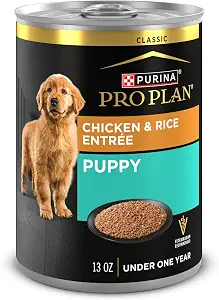 |
| Best Small-Breed Puppy Food Kibbles and formulas sized and balanced for small puppies | Royal Canin X-Small Puppy Dry Food 3 lb |  |
Hill's Science Diet Puppy Large Breed
Best Overall Puppy Food for Gsp
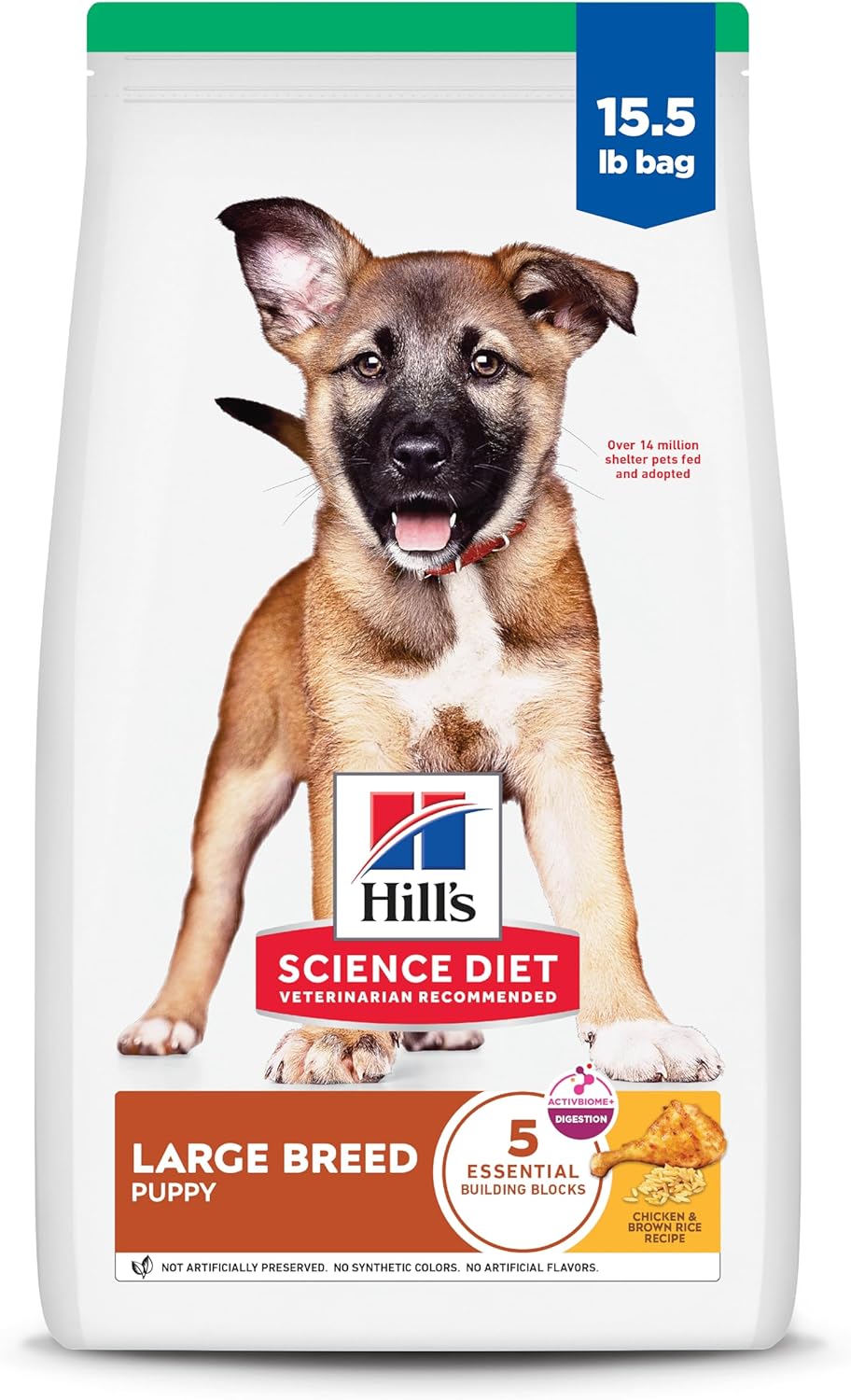
| Flavor | Chicken & Brown Rice |
|---|---|
| Age Range Description | Puppy |
| Breed Recommendation | Large Breeds |
| Item Form | Dry Food |
| Special Ingredients | all-natural |
Hill's Science Diet Puppy Large Breed Chicken & Brown Rice is a dry formula designed to support the specific growth needs of large-breed puppies. It is used as an everyday maintenance diet during the rapid growth phase, providing controlled calcium levels for measured bone development and high-quality protein to support muscle growth. The formula includes marine algae oil as a DHA source for brain and eye development, a blend of prebiotic fibers to support digestive health, and antioxidants to bolster the developing immune system. In practice the kibble is intended to be fed following the package feeding guide and gradually introduced over a 7-day transition when switching foods. This product focuses on growth-stage nutrition rather than therapeutic joint repair so it does not list added glucosamine or chondroitin explicitly, and buyers should monitor weight to avoid excess calories during growth. For owners of very large breeds like Great Danes, the controlled calcium and balanced nutrient profile make this a sensible foundational diet to help promote appropriate skeletal development and overall puppy health.
Best for: Buyers raising very large-breed puppies who prioritize controlled skeletal development and foundational, vet-recommended growth nutrition for long-term joint health.
Less Ideal for: Owners seeking a therapeutic formula specifically concentrated on joint repair with added glucosamine or chondroitin should consider veterinary prescription joint-support diets instead.
- Formulated with controlled calcium to support appropriate bone growth in large-breed puppies
- Includes marine algae oil providing DHA for brain and eye development
- Prebiotic fiber blend supports digestive health and nutrient absorption
- Antioxidant blend helps strengthen the developing immune system
- Does not explicitly list glucosamine or chondroitin for targeted joint repair
- Higher calorie density may require careful portion control to prevent excess weight gain
Verdict: The best overall puppy food for Gsp delivers balanced nutrition, appropriate calorie and nutrient density for growth, and broadly reliable digestibility and palatability for most owners.
Pedigree Puppy Dry Dog Food 3.5 lb
Best Budget Puppy Food for Gsp

| Flavor | Steak & Vegetable |
|---|---|
| Age Range Description | Puppy |
| Item Form | Dry Kibble |
| Unit Count | 56 Ounce |
| Target Species | Dog |
Pedigree Puppy Dry Dog Food is a traditional, affordable puppy kibble formulated to support growth and basic developmental needs. It is designed for daily feeding and includes high protein sources, DHA, calcium and phosphorus to support muscle, brain and bone development, plus a mix of vitamins and minerals to support immune health. The bag works well for routine feeding at home and can be served dry or softened with water for younger puppies. Ingredients include animal meals, chicken by-product meal and grains, so digestibility and ingredient quality are typical for value-focused formulas rather than premium grain-free or limited-ingredient diets. Practical benefits are straightforward: widely available, familiar feeding guidelines for different puppy weights, and added micronutrients like DHA. Important limitations are that the formula contains multiple common allergens and colored additives, and it is not aimed at owners seeking grain-free, single-protein, or specialty ingredient lists for sensitive pups.
Best for: Buyers prioritizing low-cost, complete puppy nutrition who want a straightforward, easy-to-feed formula for routine daily meals.
Less Ideal for: Owners of puppies with food sensitivities, those who need grain-free or single-protein diets, or buyers seeking premium ingredient lists and novel proteins.
- Formulated with DHA and minerals to support brain and bone development
- Complete and balanced for daily puppy feeding with established feeding guidelines
- Includes high-protein sources to support muscle growth
- Versatile serving—can be fed dry or softened with water for younger puppies
- Contains multiple common allergens and artificial color additives
- Uses by-product meals and grains rather than premium single-source proteins
Verdict: The best budget puppy food for Gsp provides essential growth nutrients and calories at a lower price while maintaining acceptable digestibility and ingredient quality for everyday feeding.
ORIJEN Puppy Dry Dog Food 23.5 lb
Best Premium Puppy Food

| Flavor | Puppy Recipe |
|---|---|
| Item Form | Dry Kibble |
| Target Species | Dog |
| Unit Count | 376 Ounce |
ORIJEN Puppy is a protein-forward dry kibble designed to support growth and development in puppies. It is typically fed twice daily as a puppy diet and emphasizes fresh or raw animal ingredients, with the first five components listed as chicken, turkey, chicken liver, salmon and whole herring to boost amino acids, vitamins, and minerals. The formula is grain-free and claims about 85 percent animal ingredients, plus freeze-dried coating for palatability, making it useful for picky eaters and active breeds that need dense protein. Notable practical benefits include concentrated nutrient density aimed at muscle and brain development and inclusion of organs and fish for varied nutrient sources. Limitations to consider are the grain-free composition and high protein density, which may not suit puppies with specific dietary sensitivities or owners seeking lower-protein or grain-inclusive veterinary prescriptions, and the large bag size which may be awkward for small households. Manage portioning and hydration when switching to this rich formula and follow a gradual transition over 10 to 14 days to reduce digestive upset.
Best for: Buyers who prioritize top-tier animal ingredients and concentrated, development-focused nutrition for growing puppies and want a premium, biologically oriented diet.
Less Ideal for: Owners needing a grain-inclusive or lower-protein veterinary prescription, those with puppies that have known ingredient sensitivities, or households that prefer smaller package sizes.
- Very high proportion of fresh or raw animal ingredients for premium protein sources
- WholePrey approach adds organs and fish for broader nutrient profile
- Freeze-dried coating increases palatability for picky puppies
- Formulated to support brain, digestive and muscle development with added vitamins and minerals
- Grain-free, high-protein formulation may not be appropriate for all puppies or veterinary-prescribed diets
- Large 23.5 lb bag may be inconvenient for small households or single-puppy homes
Verdict: The best premium puppy food is for owners who want top-tier ingredients, focused nutrient profiles, and extra manufacturing standards to support optimal development and long-term health.
Purina Pro Plan Sport 30/20 Chicken 6 lb
Best High-Protein Puppy Food

| Flavor | Chicken & Rice |
|---|---|
| Age Range Description | Adult |
| Item Form | Pellet |
| Animal Food Diet Type | Veterinary Diet |
| Unit Count | 96 Ounce |
Purina Pro Plan Sport Performance 30/20 Chicken & Rice is a concentrated, high-protein dry formula designed to fuel very active puppies and dogs. It delivers roughly 30% protein and 20% fat with real chicken listed first, plus amino acids and added nutrients intended to support muscle development, endurance, and recovery after exercise. Typical use is as a daily staple for sporting or working puppies that need extra calories and muscle-building nutrition; feed amounts should be adjusted for age, activity, and growth stage and paired with fresh water and veterinary guidance. Practical benefits include a nutrient-dense calorie profile for sustained energy, glucosamine sources for joint support, and antioxidants for immune health. Limitations to consider are that the formula is calorie- and protein-rich so it requires portion control for growing puppies to avoid excess weight gain, and the ingredient mix includes grains and some by-products that owners preferring grain-free or limited-ingredient diets may want to avoid. Manufactured in Purina-owned U.S. facilities, it targets performance-focused feeding rather than restricted-ingredient or hypoallergenic needs.
Best for: Buyers raising very active, athletic puppies who need concentrated protein and calories to build muscle and sustain high activity during training and field work.
Less Ideal for: Owners seeking grain-free, limited-ingredient, or hypoallergenic puppy diets or those who prefer low-calorie formulas for less active puppies should consider alternatives.
- High protein and fat ratio (30% protein, 20% fat) to support muscle growth and endurance
- Real chicken as the first ingredient for quality animal protein
- Includes amino acids and glucosamine sources to aid muscle recovery and joint support
- Formulated with added vitamins and antioxidants for immune and overall health
- Not a limited-ingredient or grain-free recipe, which may not suit puppies with specific food sensitivities
- Calorie-dense formula requires careful portioning for growing puppies to maintain proper body condition
Verdict: The best high-protein puppy food suits very active or athletic puppies by offering increased protein and amino acids to support muscle development and sustained energy.
Natural Balance Limited Ingredient Puppy Food Lamb
Best Limited-Ingredient Puppy Food

| Flavor | Lamb & Brown Rice |
|---|---|
| Age Range Description | Puppy |
| Item Form | Pellet |
| Animal Food Diet Type | Limited Ingredient |
| Allergen Information | Corn-Free, Soy Free, Wheat Free |
Natural Balance Limited Ingredient Puppy Food is a simplified dry formula built around lamb as the primary animal protein and brown rice as the carbohydrate. It is meant for daily feeding of growing puppies and for pregnant or nursing dogs, and includes omega fatty acids, added vitamins and minerals, and a single-animal-protein focus to reduce exposure to common triggers. Typical use is straightforward: feed three meals per day for young puppies then reduce to twice daily, follow the provided feeding chart, and transition gradually when changing foods. Notable features include a limited-ingredient recipe, grain inclusion (brown rice) for steady energy, flaxseed and fish oil for skin and coat support, and no corn, wheat, or soy according to the product notes. Practical benefits are easier diet troubleshooting for suspected sensitivities and balanced nutrition targeted to growth phases. Limitations are that it is not grain-free, so owners seeking strictly grain-free or novel-protein formulas will need a different option, and puppies with diagnosed allergies should consult a veterinarian before switching diets.
Best for: Buyers who need a limited-ingredient growth formula to help identify or manage mild food sensitivities in puppies and want a balanced, vet-focused puppy diet.
Less Ideal for: Owners who require a grain-free or novel-protein prescription for diagnosed allergies or who want an exotic single-protein diet should consider alternative formulas.
- Single primary animal protein (lamb) simplifies ingredient profile for easier sensitivity testing
- Includes brown rice for digestible, steady energy suitable for growing puppies
- Added omega fatty acids and flaxseed support skin and coat health
- Formulated specifically for puppies and for pregnant or nursing dogs with feeding guidelines included
- Not grain-free, so not suitable for owners needing a grain-free elimination diet
- Contains common supplemental ingredients like brewers rice and yeast that some highly sensitive dogs may still react to
Verdict: The best limited-ingredient puppy food is designed for puppies with suspected sensitivities or ingredient reactions, using fewer components to make diet changes and troubleshooting easier.
Purina Pro Plan Puppy Pate 13 oz
Best Wet Puppy Food
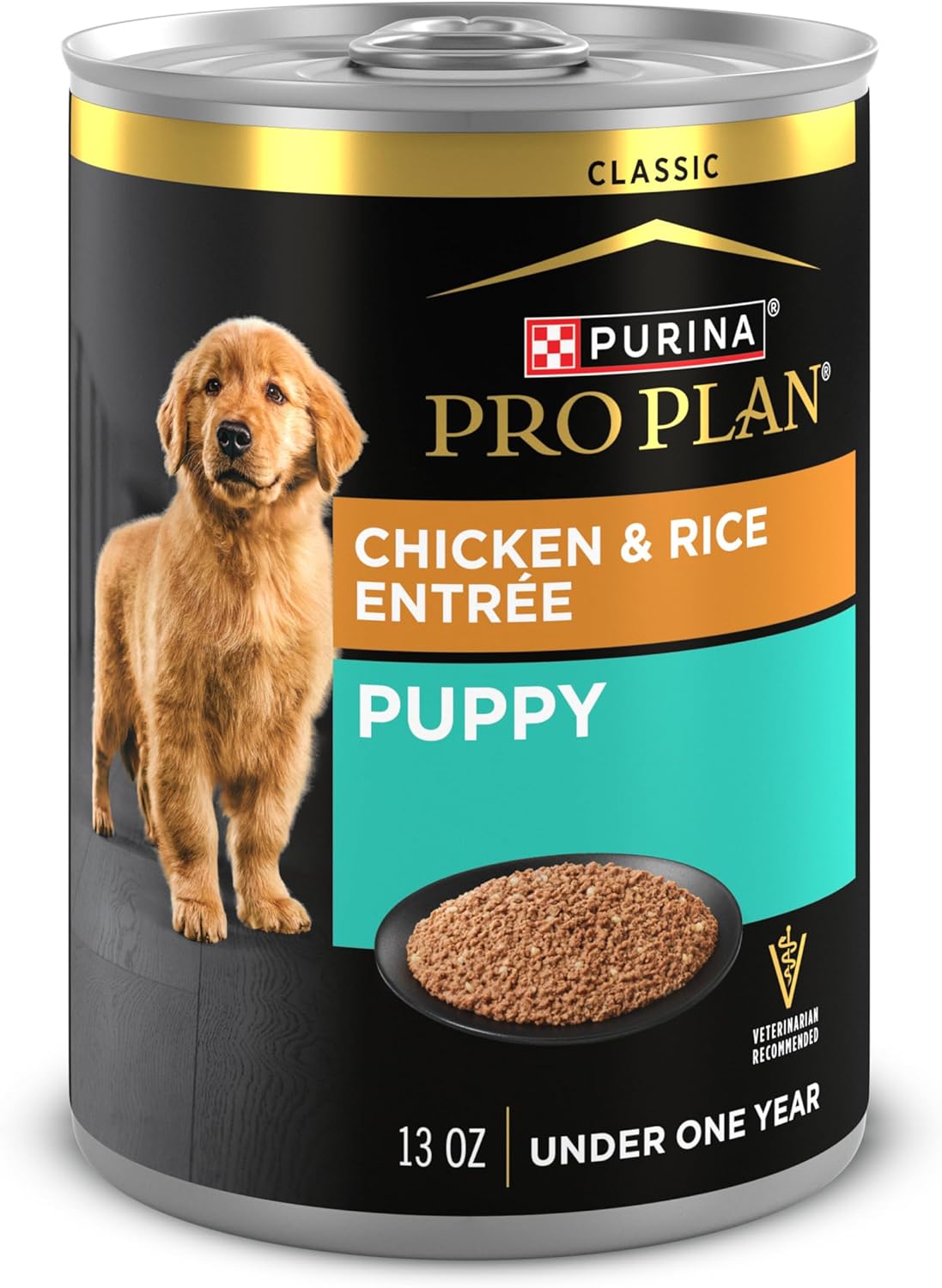
| Flavor | Chicken & Rice |
|---|---|
| Age Range Description | Puppy |
| Item Form | Wet |
| Container Type | Can |
| Unit Count | 156 Ounce |
Purina Pro Plan Development Chicken & Brown Rice Entree is a high-protein wet puppy pate meant to be fed as part of a daily ration for puppies up to about one year (longer for larger breeds). It uses real chicken as the first ingredient and provides DHA, vitamins, minerals, and antioxidants to support brain and vision development, immune function, and skin and coat health. The pate texture makes it easy to spoon, mix with dry kibble, or use for weaning and picky eaters, and the formula contains no artificial colors, flavors, or preservatives. Practical benefits include a nutrient-dense canned option that replaces about 1 cup of dry Pro Plan per 13 oz can and a feeding schedule that divides portions for young puppies. Limitations are that the ingredient list includes meat by-products and typical canned fillers, so buyers seeking single-source or limited-ingredient recipes may prefer specialty formulas, and the product is targeted to puppies specifically rather than adult maintenance feeding.
Best for: Buyers who want a widely available, nutrient-dense wet puppy food that supports growth, brain development, and easy feeding transitions for typical puppies during their development.
Less Ideal for: Owners seeking limited-ingredient, single-protein, or hypoallergenic wet diets or those who need a long-term adult maintenance canned food.
- Real chicken as the first ingredient for high-quality protein
- Includes DHA plus 23 vitamins and minerals to support brain and vision development
- 100 percent complete and balanced for puppy growth and development
- No artificial colors, flavors, or preservatives
- Pate texture mixes easily with dry food and helps with weaning or picky eaters
- Contains meat by-products and typical canned fillers rather than single-source proteins
- Formulation is puppy-focused and not intended as an adult maintenance diet
Verdict: The best wet puppy food provides higher moisture and strong palatability to encourage eating, useful for picky pups or as a tasty complement to dry kibble.
Royal Canin X-Small Puppy Dry Food 3 lb
Best Small-Breed Puppy Food

| Age Range | Puppy 2 to 10 months |
|---|---|
| Breed Size Recommendation | X-Small / Small breeds |
| Item Form | Kibble |
| Flavor | Chicken & Vegetable |
| Unit Count | 48 Ounce |
Royal Canin X-Small Puppy is a dry kibble made specifically for extra-small breed puppies, with a crunchy, tiny kibble designed to be easy for very small mouths to pick up and chew. It is intended for puppies 2 to 10 months with an expected adult weight under about 8 pounds and is used as a daily complete diet or mixed with Royal Canin wet puppy formulas for texture variety. The formula highlights DHA and omega-3s for brain development, antioxidants for immune support, and a blend of prebiotics and digestible proteins to promote gut health. Practical benefits include portion-sized nutrition tailored to high energy needs during growth and a kibble texture that can help dental health by encouraging chewing. Limitations are that it is sized and balanced for extra-small breeds only, so growing puppies expected to exceed the target adult weight will need a different formula, and the ingredient list includes grains and by-product meal which some buyers may avoid. The 3 lb bag is convenient for trialing a Westie puppy but may require more frequent repurchase than larger bags for multi-puppy households.
Best for: Owners of West Highland Terrier puppies and other very small-mouthed breeds who prioritize kibble size and targeted growth-stage nutrition to make feeding and chewing comfortable.
Less Ideal for: Owners whose puppies are expected to exceed the formula's target adult weight or buyers seeking grain-free or novel-protein ingredient lists should consider alternative formulations.
- Kibble sized and shaped for very small mouths to make eating easier for Westie puppies
- Contains DHA and omega-3 fatty acids to support brain development
- Includes prebiotics and highly digestible proteins to promote healthy digestion
- Antioxidants like vitamins E and C to support immune system development
- Available in a 3 lb bag that is practical for testing or small-breed households
- Formulation uses poultry by-product meal and grains, which some owners prefer to avoid
- Sized specifically for extra-small breeds so not suitable if the puppy will grow beyond the target adult weight
Verdict: The best small-breed puppy food targets tiny mouths and faster metabolisms with appropriately sized kibble, concentrated calories, and nutrient levels suited for smaller growing breeds.
Choosing the Right Puppy Food GSP: Key Factors to Consider
Protein Quality and Percentage
A german shorthaired pointer puppy needs higher protein than many low-activity breeds to build lean muscle and recover from daily exercise. Look for named animal protein sources early in the ingredient list and a guaranteed analysis that shows a protein percentage suitable for growing, active pups.
Higher protein supports muscle growth but must be balanced with other nutrients. Extremely high crude protein without corresponding amino acid balance or appropriate calories can stress immature kidneys and confound weight management. Choose formulas where protein quality and digestibility are both emphasized.
Fat Level and Fatty Acid Balance
Gsp puppies burn a lot of calories, so dietary fat supplies concentrated energy and helps fat-soluble vitamin absorption. Check that the formula provides sufficient fat for sustained activity rather than short-term spikes.
Omega-3 and omega-6 fatty acids support brain development, healthy skin, and a glossy coat. Look for named sources of omega-3s such as fish oil or EPA/DHA indications. Excessive fat can lead to overly rapid growth if calories are not managed, so balance is key.
Calcium, Phosphorus, and Joint Support
Proper skeletal development depends on the right calcium-to-phosphorus ratio and controlled calorie intake during rapid growth. Large-boned, active breeds are at higher risk for developmental orthopedic issues if minerals or energy are imbalanced.
Choose puppy diets formulated for medium-to-large breeds or those that specifically list appropriate calcium and phosphorus levels. Additional joint-support nutrients such as glucosamine and chondroitin can be helpful but are secondary to overall mineral balance and controlled growth rate.
Digestibility and Ingredient Transparency
A highly digestible formula delivers usable calories and nutrients without upsetting a sensitive puppy stomach. Brands that disclose primary ingredients and avoid vague placeholders tend to offer more consistent digestibility and predictable stools.
Fiber sources, probiotic inclusions, and limited ingredient lists can all affect tolerance. If your puppy has a history of digestive issues, prioritize formulas with simple, named proteins and gentle carbohydrate sources.
Life-stage Formulation and Feeding Guidance
Puppy needs change quickly; choose a food explicitly formulated for puppies with feeding guidelines that match your pup's expected adult size. Life-stage labels should include caloric density and portion recommendations by age and weight so you can manage growth rate.
Some puppy formulas target large breeds with controlled calorie levels, while others are higher calorie for very active pups. Match the feeding guidance to your puppy's current activity and condition, and be prepared to adjust portions as the puppy matures.
Palatability and Transition Ease
Even the most nutrient-complete diet is useless if a puppy will not eat it consistently. Palatability matters for training, growth, and medication administration. Look for formulas generally well-accepted by picky eaters or that offer varied kibble sizes and textures.
When switching foods, transition slowly over 7 to 10 days to reduce digestive upset. Consider wet toppers or gradual mixing strategies if your puppy is reluctant during the switch.
How Many Calories Does a Gsp Puppy Need Each Day?
Caloric needs vary with age, activity level, and expected adult size. Very active gsp puppies require more calories per pound than sedentary breeds, but you should avoid excess to prevent overly rapid growth. Use the feeding chart on the formula as a starting point and adjust based on body condition score and activity.
Monitor your puppy's body tone: ribs should be palpable but not visible, and the waist should be apparent. Increase portions gradually during peak activity periods and reduce if the puppy gains weight too quickly.
- Start with the manufacturer's caloric guideline for age and weight.
- Adjust weekly based on body condition and activity.
- Puppies often need multiple small meals per day rather than one large meal.
What Kibble Size and Texture Work Best for Pointer Puppies?
Kibble size should match the puppy's mouth and chewing strength. Medium-sized kibbles are usually appropriate for gsp puppies, allowing comfortable chewing while encouraging proper mastication. Very large pieces can be hard to chew and small pieces can encourage gulping.
Texture also affects palatability and dental wear. Some formulas include crunchy pieces that help reduce plaque, while others combine soft bits for added taste. Choose a size and texture that your puppy handles easily and that fits your feeding routine.
- Choose kibble shaped for medium breeds to promote slower eating.
- Consider mixing dry kibble with a small moist topper during transitions.
How to Manage Growth for Strong Joints and Bones
Controlled growth is critical for preventing developmental joint issues in active breeds. Avoid overfeeding calories and follow recommended feeding schedules rather than free-feeding. Ensuring the right balance of calcium and phosphorus supports orderly bone mineralization during growth.
Regular, moderate exercise supports muscle development without overstressing growing joints. Avoid high-impact repetitive jumping until the skeleton has matured and feed to promote steady, not rapid, weight gain.
- Follow breed-appropriate portion guidance.
- Limit high-impact exercise during early growth stages.
- Use weight and body condition, not age alone, to guide portion changes.
How to Transition a Gsp Puppy to Adult Food
Most gsp owners transition from puppy to adult formulas between 12 and 18 months depending on growth and maturity. Monitor skeletal maturity and body condition rather than adhering strictly to age. Transition gradually over 7 to 14 days, mixing increasing proportions of adult food into the puppy diet.
Watch for changes in stool quality, energy, and coat condition during the switch. If you notice digestive upset or loss of condition, slow the transition or consult a veterinarian for tailored advice.
- Begin transition when growth slows and adult weight nears expected range.
- Mix foods gradually over one to two weeks.
- Adjust portion sizes after transition to reflect lower caloric density in adult diets.
What to Do if Your Puppy Has a Sensitive Stomach
Digestive sensitivity is not uncommon during early months. If your gsp puppy has loose stools or repeated upset, try a limited-ingredient puppy formula with a single animal protein and a gentle carbohydrate source. Probiotic-enriched diets can improve stool consistency for many puppies.
Make any dietary changes slowly and keep a log of symptoms, feeding amounts, and treats. Persistent or severe digestive issues warrant veterinary evaluation to rule out parasites, food intolerances, or medical causes.
- Introduce new foods over several days.
- Consider formulas with added probiotics or prebiotic fibers.
- Seek veterinary advice for chronic issues.
How We Chose the Best Puppy Food GSP
To assemble this list we applied strict filters focused on the nutritional needs of medium-large, high-energy hunting breeds. Key evaluation criteria included protein quality and percentage to support muscle development; calcium-to-phosphorus ratio and joint-support nutrients to protect skeletal growth; fat level and fatty acid profile for sustained energy and skin-and-coat health; digestibility and ingredient transparency to reduce stomach upset and ensure usable nutrients; life-stage formulation and feeding guidance appropriate for puppies; and manufacturing safety practices such as ingredient sourcing and quality controls. We prioritized formulas that balance concentrated calories with joint-supporting ingredients rather than excessively calorie-dense or filler-heavy options. We excluded adult-only diets, treats masquerading as meals, and products lacking clear nutrient analysis or feeding guidelines. Final selection emphasized well-rounded nutrient profiles that fit the activity and growth trajectory typical of german shorthaired pointer puppies.
Our full evaluation process is outlined in our review methodology.
FAQ
When should i start feeding a gsp puppy a specially formulated puppy food?
Start with a dedicated puppy formula as soon as the pup is weaned and eating solid food. Puppy diets are designed with higher protein and calorie density to support rapid growth and development during the first months.
How often should a gsp puppy eat each day?
Young puppies do best with three to four small meals per day to stabilize blood sugar and provide steady calories. As your puppy approaches adulthood, you can reduce feedings to two meals per day depending on activity and digestion.
Is grain-free puppy food necessary for a gsp?
Grain-free diets are unnecessary for most gsp puppies unless there is a diagnosed intolerance. Many grain-containing formulas provide digestible carbohydrates and fiber that support gastrointestinal health. Choose based on tolerance rather than trend.
Can i add supplements for joints or coat to my puppy's food?
Some supplements can be helpful, but unnecessary additions may unbalance essential nutrients. If you consider joint or coat supplements, consult your veterinarian to ensure they complement the diet and do not exceed safe nutrient levels.
How do i know if my puppy is gaining weight too fast?
Watch for a rounded profile, difficulty feeling ribs, or very rapid increases on a household scale. Track weekly weight and body condition score. If growth seems excessive or the puppy becomes overweight, reduce portions or consult your veterinarian for feeding adjustments.
Final Verdict
Prioritize a puppy food that balances high-quality protein, controlled calories, and appropriate minerals to support steady growth and sustained energy. Match fat and calorie levels to your puppy's activity while ensuring digestibility and clear feeding guidance. Accept some tradeoffs: more concentrated energy helps active pups but requires closer portion control to protect joint development. Use body condition and growth monitoring to fine-tune feeding and choose the formula that keeps your gsp puppy fit, energetic, and developing at a healthy rate.

