

Finding the right puppy food for a Westie matters because small breeds have faster metabolisms, smaller mouths, and specific nutrient needs during growth. The wrong formula can cause digestive upset, slow development, or inconsistent weight gain. This guide shortlists the top puppy foods for Westies and explains the key criteria we used, like protein quality, kibble size, and digestibility. Use this overview to match feeding goals—growth, coat health, or sensitive stomachs—with the right formula. Below you will find our top picks followed by buyer-focused guidance to help you choose the best fit for your Westie puppy.
Top Picks at a Glance
| Best Overall Puppy Food Well-balanced formula that fits most Westie puppies' needs | Hill's Science Diet Puppy Small & Mini |  |
| Best Budget Puppy Food Low-cost option that still meets basic puppy nutritional standards | Pedigree Puppy Dry Dog Food 3.5 lb |  |
| Best Premium Puppy Food Higher-end formula focused on superior ingredients and processing | ORIJEN Puppy Dry Dog Food 4.5 lb |  |
| Best High-Protein Puppy Food Formulated with extra protein to support active, growing puppies | Bully Max Puppy Food 24/14 |  |
| Best Grain-Free Puppy Food No grains in the recipe for grain-sensitive or grain-avoiding diets | Blue Buffalo Wilderness Puppy Food 4.5 lb |  |
| Best Sensitive-Stomach Puppy Food Gentle formula designed for digestion and food-sensitivity issues | Hill's Science Diet Puppy Sensitive Stomach & Skin |  |
| Best Small-Breed Puppy Food Kibble and kcal levels sized for small-breed puppy mouths | Royal Canin X-Small Puppy Dry Food 3 lb |  |
Hill's Science Diet Puppy Small & Mini
Best Overall Puppy Food
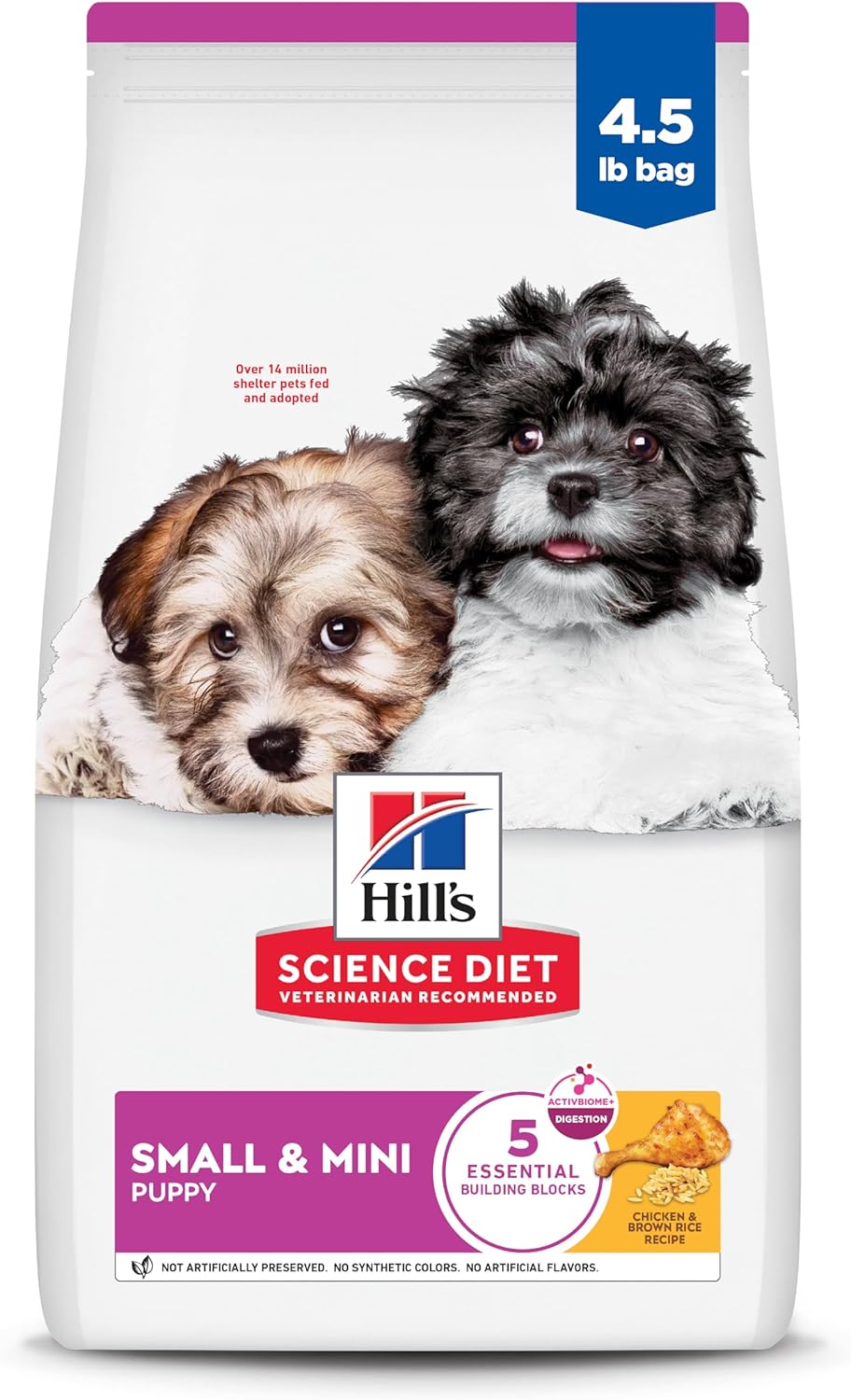
| Flavor | Chicken & Brown Rice |
|---|---|
| Age Range Description | Puppy |
| Specific Uses For Product | Small & Mini Breeds Puppy Premium Nutrition |
| Unit Count | 72 Ounce |
Hill's Science Diet Puppy Small & Mini is a dry kibble formulated specifically for toy and small-breed puppies, combining concentrated calories, high-quality proteins, and nutrients aimed at early development. The small nibble size and calorie density make it convenient for frequent small meals and help meet the higher metabolic needs of little puppies. Notable features include DHA and fish oil for brain and eye development, balanced minerals to support growing bones and teeth, a special antioxidant blend for immune support, and prebiotic fibers to aid digestion. In practice the food is used as a complete diet from weaning through the puppy stage with feeding amounts adjusted to body condition; the bag includes feeding guidelines and the manufacturer recommends transitioning over seven days. Limitations are that the ingredient list includes grains and several plant proteins, so owners preferring grain-free or novel-protein formulas for allergy management may need alternatives, and the 4.5 lb bag size may require frequent repurchasing for multi-puppy households. For most small-breed puppies this provides a vet-focused, nutrient-dense base for growth.
Best for: Buyers seeking a veterinary-recommended, nutrient-dense puppy formula tailored to toy and small breeds who prioritize brain, bone, and immune development in early life.
Less Ideal for: Owners who need a grain-free, limited-ingredient, or novel-protein diet for food sensitivities should look at specialized alternatives.
- Kibble sized for small and toy breed mouths
- Contains DHA and fish oil to support brain and eye development
- Antioxidant blend and vitamins to support immune health
- Prebiotic fibers to support digestion and gut microbiome
- Formulated with concentrated calories and high quality proteins for growth
- Contains grains and common plant proteins that may not suit dogs with specific food sensitivities
- Smaller 4.5 lb bag may require frequent repurchase for multiple puppies
Verdict: The best overall puppy food that balances complete nutrition, appropriate calories, and palatability for most West Highland White Terrier puppies and their daily growth needs.
Pedigree Puppy Dry Dog Food 3.5 lb
Best Budget Puppy Food

| Flavor | Chicken & Vegetable |
|---|---|
| Age Range Description | Puppy |
| Item Form | Dry Kibble |
| Unit Count | 56 Ounce |
| Animal Food Nutrient Content Claim | High Protein, No Added Sugar |
Pedigree Puppy Dry Dog Food is a straightforward, budget-friendly puppy kibble made from chicken-based protein, grains, and added vitamins and minerals to support growth. You would typically use it as a daily staple while transitioning a young dog from weaning to adult food, following the feeding guide on the package to match your puppy's weight and age. The formula emphasizes high-quality protein sources for muscle development and includes 36 vitamins, minerals, and amino acids intended to support immune health, brain development, and bone strength. In practice this means an owner gets a complete and balanced commercial diet that is easy to portion and serve dry or softened with water for very young pups. Ingredient-wise it contains common commodity grains and by-product meals rather than premium single-source meats, so it delivers required calories and nutrients at a lower cost but not the cleanest ingredient panel. Expect good availability and consistent kibble size, but owners seeking grain-free, novel proteins, or limited-ingredient formulas will need to look elsewhere.
Best for: Value-conscious puppy owners who need an affordable, complete puppy kibble that supports growth and daily feeding routines.
Less Ideal for: Owners who require grain-free, novel-protein, or limited-ingredient veterinary diets for food sensitivities should consider specialty formulas instead.
- Formulated specifically for puppies with nutrients to support growth and immune health
- Contains high-protein sources to support muscle development
- Includes 36 vitamins, minerals, and amino acids for complete and balanced nutrition
- Easy-to-follow feeding guide for age and weight makes portioning simple
- Uses ingredient list with grains and by-product meals rather than single-source premium proteins
- Not suitable for owners seeking grain-free or limited-ingredient diets
Verdict: The best budget puppy food for owners who need an affordable option that still provides complete nutrition and acceptable ingredient quality for healthy puppy growth.
ORIJEN Puppy Dry Dog Food 4.5 lb
Best Premium Puppy Food

| Flavor | Puppy Recipe |
|---|---|
| Item Form | Dry Kibble |
| Unit Count | 72 Ounce |
| Age Range Description | Puppy |
| Animal Food Diet Type | Raw |
ORIJEN Puppy is a grain-free dry dog food designed to deliver high-protein, nutrient-dense nutrition for growing puppies. It uses an 85 percent fresh-or-raw animal ingredient approach with wholeprey components such as muscle, organs, and bones so pups get a concentrated source of amino acids, vitamins, and minerals without relying on synthetic additives. Typical use is twice-daily feeding guided by the brand chart, and the kibble includes a freeze-dried coating for added palatability. Practical benefits include a protein-forward recipe to support muscle and brain development, small kibble size aimed at puppies, and added functional ingredients for digestive and immune support. Limitations to consider are the grain-free formulation itself, which may not be necessary for all puppies and can be higher in calories and protein than some owners expect, and the bag size is modest at 4.5 pounds which may require more frequent repurchasing for larger litters or bigger-breed pups.
Best for: Puppy owners who want a grain-free, biologically inspired diet that emphasizes fresh animal ingredients and nutrient density to support rapid growth and development.
Less Ideal for: Owners who prefer lower-protein or grain-inclusive recipes, those feeding adult dogs or puppies with specific caloric restrictions, or caretakers who need larger bulk bags to avoid frequent restocking.
- High inclusion of fresh or raw animal ingredients for complete amino acid profile
- WholePrey meats and organs provide naturally occurring vitamins and minerals
- Grain-free recipe for owners avoiding grains or managing suspected grain sensitivities
- Small kibble and nutrient profile formulated specifically for puppies
- Includes freeze-dried coating to boost palatability and encourage eating
- Smaller 4.5 lb bag may require frequent repurchasing for larger or multiple puppies
- Protein- and calorie-dense formula may be excessive for puppies that need lower energy diets
Verdict: The best premium puppy food for owners willing to pay more for higher-quality ingredients, advanced formulations, and tighter manufacturing standards to support optimal development.
Bully Max Puppy Food 24/14
Best High-Protein Puppy Food

| Crude Protein | 24% |
|---|---|
| Crude Fat | 14% |
| Calories | 419 cal/cup |
| Primary Flavor | Lamb |
Bully Max Puppy Food is a meat-forward dry kibble designed to support healthy muscle growth, energy needs, and digestive health in growing puppies. It supplies 24% protein and 14% fat with 419 calories per cup, so it is typically used as a primary daily diet for puppies that need extra calories and protein during growth phases. Notable features include lamb meal as the first ingredient, added pork and fish meal for concentrated animal protein, and a TruMune postbiotic blend alongside prebiotics and probiotics to support gut health and immune development. Practical benefits include concentrated nutrition for steady weight gain and muscle development, formula gentleness for sensitive stomachs, and omega fatty acids for skin and coat support. Important limitations are that the formula is calorie-dense so portioning must be monitored to avoid excessive weight gain in less active puppies, and some owners may prefer a chicken-inclusive protein if lamb/pork is not suitable for their dog. It is best used with a feeding plan adjusted for breed, activity, and growth rate.
Best for: Puppy owners seeking a high-protein, calorically rich formula to support muscle development and growth, especially for puppies that benefit from digestive support.
Less Ideal for: Owners who need a lower-calorie or lower-protein puppy food for less active or quickly maturing breeds should consider gentler formulations instead.
- High protein (24%) and calorie density (419 cal/cup) to support muscle growth and energy
- Lamb meal listed as the first ingredient for concentrated animal protein
- Includes TruMune postbiotics plus prebiotics and probiotics for digestive and immune support
- Formulated without corn, wheat, soy, or artificial colors and suitable for sensitive stomachs
- High calorie density requires careful portion control to prevent overfeeding
- Chicken-free formulation may not suit puppies that tolerate or need chicken-based diets
Verdict: The best high-protein puppy food for energetic Westie pups that need extra amino acids and calories to support muscle development and sustained activity.
Blue Buffalo Wilderness Puppy Food 4.5 lb
Best Grain-Free Puppy Food

| Flavor | Chicken, With Wholesome Grains |
|---|---|
| Age Range Description | Puppy |
| Item Form | Kibble |
| Special Ingredients | Antioxidant, Barley |
| Unit Count | 72 Ounce |
Blue Buffalo Wilderness High-Protein Puppy Food is a kibble-style formula built around real chicken and concentrated animal proteins to support muscle development and sustained energy. It is typically fed as a complete daily diet for puppies and includes DHA and other nutrients aimed at brain and eye development. Notable features include LifeSource Bits for antioxidants, a high proportion of animal-sourced protein, and a recipe free of corn, wheat, soy, artificial flavors, and poultry by-product meals. For practical use this means it can help active or growing puppies meet elevated protein needs while providing formulated feeding guidelines to adjust portions by age and weight. The grain-inclusive recipe uses oatmeal, barley, and brown rice, which can be gentler on digestion than some grain-free carbohydrate replacements, though puppies with diagnosed grain sensitivities should avoid it. The formula lists probiotics and omega sources like fish oil and flaxseed to support gut health and cognitive development, but buyers seeking limited-ingredient or single-protein elimination diets will need a different option. Packaging in a 4.5 lb bag makes it convenient for trying smaller dogs or rotating diets before committing to larger bags.
Best for: Puppy owners who prioritize higher animal-sourced protein and nutrient support for growth and cognitive development and who want a formula that leans toward digestibility without being grain-free.
Less Ideal for: Owners searching for a single-protein, limited-ingredient, or grain-free elimination diet for suspected food intolerances should choose a specialized veterinary or single-protein formula instead.
- Real deboned chicken listed as first ingredient for high-quality animal protein
- Formulated with added DHA and LifeSource Bits to support brain development and immune health
- No corn, wheat, soy, artificial flavors, or poultry by-product meals
- Includes probiotic fermentation ingredients and omega sources to support digestion and coat health
- Not a limited-ingredient or single-protein formula for elimination diets
- Small 4.5 lb bag may require frequent repurchasing for larger litters or fast-growing breeds
Verdict: The best grain-free puppy food for owners choosing to avoid grains while still delivering complete nutrition and balanced macronutrients for growing puppies.
Hill's Science Diet Puppy Sensitive Stomach & Skin
Best Sensitive-Stomach Puppy Food

| Flavor | Salmon & Brown Rice |
|---|---|
| Age Range Description | Puppy |
| Item Form | Dry Food |
| Unit Count | 64 Ounce |
| Animal Food Diet Type | Limited Ingredient |
Hill's Science Diet Puppy Sensitive Stomach & Skin is a dry puppy formula designed to reduce digestive upsets while supporting skin and coat during growth. It is used as an everyday puppy food or as a transitional diet when pups have mild stomach sensitivity; feeding instructions on the bag guide gradual switching. The recipe lists salmon as the first ingredient and includes prebiotic fiber to support a balanced gut microbiome, plus DHA from fish oil for brain and eye development and vitamin E and omega fatty acids for skin health. Practical benefits include easier digestion for sensitive puppies, nutrients targeted at immune and cognitive development, and a single-source fish protein focus that can simplify ingredient tracking. Limitations are that it is a dry kibble so dogs that require wet food or very limited-ingredient veterinary prescriptions may need other options, and the formula still contains multiple grains and added ingredients that some owners avoiding certain grains or novel-protein approaches might not prefer.
Best for: Buyers who prioritize a vet-recommended, digestive-friendly everyday puppy food that also supports skin and coat health for growing dogs.
Less Ideal for: Owners seeking a strict novel-protein, grain-free, or veterinary-prescription elimination diet should consider specialized formulas instead.
- Prebiotic fiber to support gut microbiome and help reduce occasional digestive upset
- Salmon is the first ingredient, providing a high-quality fish protein and DHA for development
- Added vitamin E and omega fatty acids to nourish skin and promote a healthy coat
- Clinically proven antioxidants including vitamins C and E to support immune health
- Contains multiple grains and shared protein sources, so not a novel-protein or grain-free prescription option
- Dry kibble format may not suit puppies needing canned diets or strict veterinary therapeutic feeds
Verdict: The best sensitive-stomach puppy food for Westie puppies that experience digestive upset or food sensitivities and need easily digestible, limited-ingredient nutrition.
Royal Canin X-Small Puppy Dry Food 3 lb
Best Small-Breed Puppy Food

| Age Range | Puppy 2 to 10 months |
|---|---|
| Breed Size Recommendation | X-Small / Small breeds |
| Item Form | Kibble |
| Flavor | Chicken & Vegetable |
| Unit Count | 48 Ounce |
Royal Canin X-Small Puppy is a dry kibble made specifically for extra-small breed puppies, with a crunchy, tiny kibble designed to be easy for very small mouths to pick up and chew. It is intended for puppies 2 to 10 months with an expected adult weight under about 8 pounds and is used as a daily complete diet or mixed with Royal Canin wet puppy formulas for texture variety. The formula highlights DHA and omega-3s for brain development, antioxidants for immune support, and a blend of prebiotics and digestible proteins to promote gut health. Practical benefits include portion-sized nutrition tailored to high energy needs during growth and a kibble texture that can help dental health by encouraging chewing. Limitations are that it is sized and balanced for extra-small breeds only, so growing puppies expected to exceed the target adult weight will need a different formula, and the ingredient list includes grains and by-product meal which some buyers may avoid. The 3 lb bag is convenient for trialing a Westie puppy but may require more frequent repurchase than larger bags for multi-puppy households.
Best for: Owners of West Highland Terrier puppies and other very small-mouthed breeds who prioritize kibble size and targeted growth-stage nutrition to make feeding and chewing comfortable.
Less Ideal for: Owners whose puppies are expected to exceed the formula's target adult weight or buyers seeking grain-free or novel-protein ingredient lists should consider alternative formulations.
- Kibble sized and shaped for very small mouths to make eating easier for Westie puppies
- Contains DHA and omega-3 fatty acids to support brain development
- Includes prebiotics and highly digestible proteins to promote healthy digestion
- Antioxidants like vitamins E and C to support immune system development
- Available in a 3 lb bag that is practical for testing or small-breed households
- Formulation uses poultry by-product meal and grains, which some owners prefer to avoid
- Sized specifically for extra-small breeds so not suitable if the puppy will grow beyond the target adult weight
Verdict: The best small-breed puppy food for Westie owners seeking appropriately sized kibble and calorie density tailored to the metabolism and chewing abilities of small puppies.
Choosing the Right Puppy Food Westie: Key Factors to Consider
Protein Source and Quality
High-quality protein supports lean muscle development in growing Westie puppies. Animal-based proteins with identifiable sources are easier to evaluate for amino acid completeness. For puppies, look for formulas that list a named meat or meat meal near the top of the ingredient list rather than vague descriptors. Protein digestibility affects how much usable amino acid the puppy actually absorbs, which influences growth rate and muscle tone.
Avoid formulas that rely primarily on low-quality byproducts or unspecified protein blends when you need predictable growth outcomes. If your puppy has known sensitivities, a single-protein or novel-protein formula can simplify troubleshooting while still meeting growth needs.
Kibble Size and Texture
Westie puppies have small mouths and developing teeth, so kibble size and shape matter for comfortable chewing and portion control. Small, dense kibbles are easier to pick up and reduce the risk of gulping air or coughing. Texture also affects saliva production and can influence palatability and digestion.
If your puppy tends to bolt food, look for slightly firmer pieces that encourage chewing. For very young puppies that are still transitioning from wet food, consider recipes that rehydrate easily or offer a soft-bite option to ease the transition.
Digestive Tolerance and Fiber Balance
Westie puppies can be prone to loose stools or sensitive tummies during dietary changes. A balanced fiber profile with prebiotic fibers and moderate soluble and insoluble fiber supports healthy stool formation and microbiome development. Ingredients such as beet pulp or chicory root can aid digestion when used at appropriate levels.
Too much indigestible fiber can reduce nutrient absorption and lead to bulkier stools, while too little fiber can cause irregularity. Choose formulas formulated specifically for puppies that mention digestive support or include probiotic or prebiotic ingredients.
Fat Content and Fatty Acid Profile
Adequate fat provides concentrated energy for energetic small-breed puppies and supports skin and coat development. Look for named fat sources and inclusion of omega-3 and omega-6 fatty acids for coat sheen and cognitive development. DHA is particularly beneficial for early brain and eye development in puppies.
However, excess fat can lead to rapid weight gain in small breeds, so formulas should balance energy density with portion recommendations. Check feeding guidelines and aim for a calorie level appropriate for small-breed growth.
Calcium, Phosphorus, and Mineral Ratios
Mineral balance is crucial for safe skeletal development. The ratio of calcium to phosphorus influences bone mineralization, which is especially important during the rapid growth phase. Puppy formulas typically have controlled levels tailored to growth—avoid recipes with excessively high calcium for small breeds, which can contribute to joint problems.
Manufacturers should provide guaranteed analysis and nutrient profiles. If your breeder or veterinarian has recommended a specific mineral target, match that guidance to the formula you choose.
Palatability and Acceptance
A nutritionally ideal food is only useful if your Westie puppy will eat it consistently. Palatability depends on ingredient choices, fat content, and aroma, and it can vary widely between puppies. Look for formulas with proven acceptance among puppies or that offer different flavor options if your puppy is picky.
Trial-size options or feeding small test portions when introducing a new food can prevent waste and help identify preferences early. Consistent acceptance reduces mealtime stress and supports steady growth.
How Much and How Often Should I Feed a Westie Puppy?
Feeding frequency and portion size depend on age and activity level. Very young puppies typically need three to four small meals per day to maintain steady blood sugar and meet high energy needs. By about six months many Westie puppies can move to two meals per day, but individual needs vary.
Follow the feeding guidelines on the puppy formula as a starting point, then adjust based on body condition. A Westie puppy should show a visible waist and feelable ribs without being prominent. Monitor weight weekly and consult your veterinarian if growth seems too rapid or too slow.
- Start with the manufacturer's recommended portion for the puppy's age and weight.
- Split daily ration into multiple small feedings for young puppies.
- Adjust portions by 5 to 10 percent if you see steady weight gain or loss over a couple of weeks.
When and How to Transition From Puppy Food to Adult Food
Most small breeds can transition to adult food between nine and twelve months, depending on their growth rate and body condition. Transition gradually over 7 to 10 days by mixing increasing proportions of the adult formula with the puppy food to minimize digestive upset.
Watch for changes in stool quality, appetite, and energy during the switch. If your Westie is still filling out or your veterinarian recommends later transition, follow their guidance rather than a fixed timeline.
- Use a 7 to 10 day mixing schedule when changing formulas.
- Observe stool consistency and appetite; pause the transition if signs of digestive upset appear.
How to Manage Food Sensitivities and Common Tummy Issues
If your Westie puppy shows signs of food sensitivity—loose stools, excessive gas, skin irritation—start by simplifying the diet. A limited-ingredient formula with a single protein source and moderate carbohydrates helps identify triggers. Keep a food diary to track symptoms and ingredient exposure.
Work with your veterinarian before making major dietary changes, especially during growth. They can recommend elimination-challenge protocols, suitable novel-protein options, or therapeutic formulas if warranted.
- Introduce one dietary change at a time and monitor effects for two to three weeks.
- Consider hypoallergenic or single-protein puppy formulas if sensitivities persist.
Is Wet, Dry, or Mixed Feeding Better for Small Westie Puppies?
Each feeding style has pros and cons. Dry kibble supports dental abrasion and convenience, while wet food can be more palatable and easier to chew for very young puppies. Mixing wet and dry can combine benefits—improved acceptance with the textural advantages of kibble.
If you mix feeding types, account for the moisture content when calculating daily calorie intake so your puppy does not overeat. Also maintain consistent mealtime routines to support digestion and training.
- Use dry kibble for dental benefits and portion control.
- Add modest amounts of wet food to increase palatability or during transitions.
How to Read a Puppy Food Label for Breed-specific Needs
Look first for a statement that the formula meets AAFCO nutrient profiles for growth or is formulated for puppies. Review the guaranteed analysis for crude protein, fat, fiber, and moisture, and compare calcium and phosphorus values when available. Ingredient order gives a rough sense of primary sources but does not indicate digestibility.
Pay attention to named ingredients and the presence of omega-3 fatty acids or added DHA for cognitive development. Avoid formulas with long lists of vague additives and focus on transparency in ingredient sourcing and nutrient targets.
- Check for puppy-specific nutrient statements and guaranteed analysis.
- Prioritize named animal proteins and the presence of DHA or omega-3s.
How We Chose the Best Puppy Food Westie
We focused on criteria that matter for Westie puppies and similar small-breed pups. First, digestibility: formulas that use easily digested proteins and tested carbohydrate sources reduce the risk of loose stools in small puppies. Second, nutrient balance: appropriate ratios of protein, fat, calcium, and phosphorus that support steady bone and muscle growth without promoting excessive weight. Third, kibble size and texture: small, dense pieces that are easy for Westie puppies to pick up and chew help reduce frustration and encourage consistent eating. Fourth, ingredient transparency and allergen management: limited-ingredient or clearly labeled protein sources help owners manage food sensitivities. Fifth, palatability: acceptance by picky eaters is important for consistent intake during critical growth windows. Sixth, life-stage formulation: true puppy formulations tailored to growth are prioritized over adult or generic recipes. We excluded formulations not specifically labeled for puppies, foods with unclear ingredient lists, and products lacking documentation of nutrient profiles appropriate for small breeds. Our list emphasizes balance between growth-supporting nutrition and digestive tolerance so buyers get practical, breed-appropriate options.
Our full evaluation process is outlined in our review methodology.
FAQ
Can Westie puppies eat adult small-breed food?
Adult formulas usually lack the higher protein, fat, and specific mineral balance puppies need for safe growth. Using adult food long-term can slow development and affect bone mineralization. Short-term use during emergencies is acceptable, but transition back to a puppy formulation as soon as practical.
How do I know if my Westie puppy is getting too many calories?
Signs of excess calories include rapid weight gain, a rounder body shape, and reduced mobility. Monitor body condition using visual and hands-on checks—ribs should be felt but not seen—and adjust portions downward gradually. Consult your veterinarian for a tailored feeding plan.
Are grain-free puppy diets appropriate for Westies?
Grain-free diets can be suitable for puppies with specific grain sensitivities, but they are not inherently better for all Westies. Evaluate ingredient quality and nutrient balance rather than removing grains by default. Discuss any major diet changes with your veterinarian, especially during growth.
What role does DHA play in puppy formulas?
DHA, an omega-3 fatty acid, supports early brain and eye development in puppies. Puppy formulas including DHA can aid cognitive growth and visual development. Look for formulas that specify added DHA levels appropriate for growing dogs.
How quickly should I switch foods if my puppy has loose stools?
If loose stools persist for more than a couple of days after a food change, pause new food introductions and revert to the previous diet while consulting your veterinarian. Any new food should be introduced gradually over a week to minimize digestive upset.
Final Verdict
Choose a puppy formula for your Westie by prioritizing digestible, high-quality protein, appropriate kibble size, and balanced minerals for healthy skeletal growth. Pay attention to stool quality and body condition as immediate indicators of whether a formula suits your puppy. Expect some trial and adjustment—palatability and tolerance vary among puppies—and use veterinary guidance when in doubt. With those priorities in mind, you can select a puppy food that supports steady growth, healthy development, and a glossy coat.

