

Picking the right puppy food for a Wheaten terrier matters because young dogs of this breed have specific needs: steady protein for lean-muscle development, nutrients that support a quickly maturing coat, and formulas that sit well with often-sensitive stomachs. You want options that make feeding simple and reliable without sacrificing growth-stage nutrition or palatability. This guide shortlists the top puppy foods for Wheaten terriers, focusing on formulas that balance growth calories, digestibility, and bite size for smaller jaws. Below we cover why those criteria matter and what to expect from each of the top picks.
Top Picks at a Glance
| Best Overall Puppy Food The all-around best formula for most Wheaten Terrier puppies | Hill's Science Diet Puppy Small & Mini |  |
| Best Budget Puppy Food A low-cost formula that still meets essential nutritional needs | Pedigree Puppy Dry Dog Food 3.5 lb |  |
| Best Premium Puppy Food A higher-end formula with superior ingredients and nutrient profile | ORIJEN Small Breed Puppy 4 lb |  |
| Best High-Protein Puppy Food Formulas with elevated protein to support active growth and muscle | Bully Max Puppy Food 24/14 |  |
| Best Grain-Free Puppy Food No-grain formulas suited for grain-sensitive pups or owner preference | Wellness CORE Small Breed Puppy 4 lb |  |
| Best Limited-Ingredient Puppy Food Simpler recipes to reduce food sensitivities and ingredient overload | Blue Buffalo Basics Turkey Puppy 4 lb |  |
| Best Large-Bag Puppy Food Bulk or larger-size packaging for multi-puppy homes or long use | Diamond Naturals Large Breed Puppy Lamb & Rice 40 lb |  |
Hill's Science Diet Puppy Small & Mini
Best Overall Puppy Food
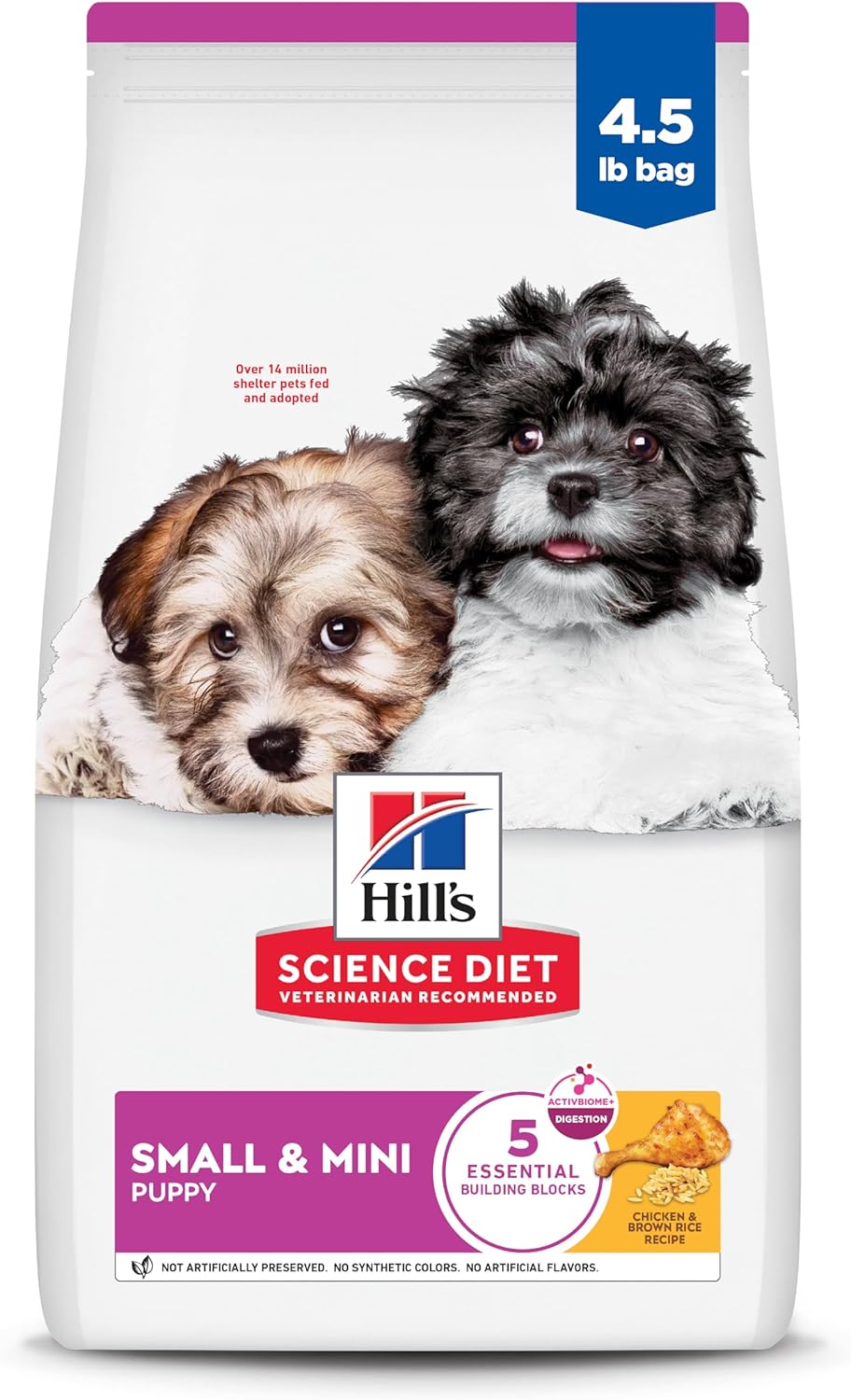
| Flavor | Chicken & Brown Rice |
|---|---|
| Age Range Description | Puppy |
| Specific Uses For Product | Small & Mini Breeds Puppy Premium Nutrition |
| Unit Count | 72 Ounce |
Hill's Science Diet Puppy Small & Mini is a dry kibble formulated specifically for toy and small-breed puppies, combining concentrated calories, high-quality proteins, and nutrients aimed at early development. The small nibble size and calorie density make it convenient for frequent small meals and help meet the higher metabolic needs of little puppies. Notable features include DHA and fish oil for brain and eye development, balanced minerals to support growing bones and teeth, a special antioxidant blend for immune support, and prebiotic fibers to aid digestion. In practice the food is used as a complete diet from weaning through the puppy stage with feeding amounts adjusted to body condition; the bag includes feeding guidelines and the manufacturer recommends transitioning over seven days. Limitations are that the ingredient list includes grains and several plant proteins, so owners preferring grain-free or novel-protein formulas for allergy management may need alternatives, and the 4.5 lb bag size may require frequent repurchasing for multi-puppy households. For most small-breed puppies this provides a vet-focused, nutrient-dense base for growth.
Best for: Buyers seeking a veterinary-recommended, nutrient-dense puppy formula tailored to toy and small breeds who prioritize brain, bone, and immune development in early life.
Less Ideal for: Owners who need a grain-free, limited-ingredient, or novel-protein diet for food sensitivities should look at specialized alternatives.
- Kibble sized for small and toy breed mouths
- Contains DHA and fish oil to support brain and eye development
- Antioxidant blend and vitamins to support immune health
- Prebiotic fibers to support digestion and gut microbiome
- Formulated with concentrated calories and high quality proteins for growth
- Contains grains and common plant proteins that may not suit dogs with specific food sensitivities
- Smaller 4.5 lb bag may require frequent repurchase for multiple puppies
Verdict: The best overall puppy food that balances nutrition, palatability, digestibility, and ingredient quality to support healthy growth for most Wheaten Terrier puppies.
Pedigree Puppy Dry Dog Food 3.5 lb
Best Budget Puppy Food

| Flavor | Steak & Vegetable |
|---|---|
| Age Range Description | Puppy |
| Item Form | Dry Kibble |
| Unit Count | 56 Ounce |
| Target Species | Dog |
Pedigree Puppy Dry Dog Food is a traditional, affordable puppy kibble formulated to support growth and basic developmental needs. It is designed for daily feeding and includes high protein sources, DHA, calcium and phosphorus to support muscle, brain and bone development, plus a mix of vitamins and minerals to support immune health. The bag works well for routine feeding at home and can be served dry or softened with water for younger puppies. Ingredients include animal meals, chicken by-product meal and grains, so digestibility and ingredient quality are typical for value-focused formulas rather than premium grain-free or limited-ingredient diets. Practical benefits are straightforward: widely available, familiar feeding guidelines for different puppy weights, and added micronutrients like DHA. Important limitations are that the formula contains multiple common allergens and colored additives, and it is not aimed at owners seeking grain-free, single-protein, or specialty ingredient lists for sensitive pups.
Best for: Buyers prioritizing low-cost, complete puppy nutrition who want a straightforward, easy-to-feed formula for routine daily meals.
Less Ideal for: Owners of puppies with food sensitivities, those who need grain-free or single-protein diets, or buyers seeking premium ingredient lists and novel proteins.
- Formulated with DHA and minerals to support brain and bone development
- Complete and balanced for daily puppy feeding with established feeding guidelines
- Includes high-protein sources to support muscle growth
- Versatile serving—can be fed dry or softened with water for younger puppies
- Contains multiple common allergens and artificial color additives
- Uses by-product meals and grains rather than premium single-source proteins
Verdict: The best budget puppy food for owners who need to save money while still providing a complete, AAFCO‑balanced diet appropriate for growing Wheaten Terrier puppies.
ORIJEN Small Breed Puppy 4 lb
Best Premium Puppy Food

| Weight | 4 Pound |
|---|---|
| Flavor | Grain Free Small Breed Puppy Recipe |
| Item Form | Dry Kibble |
| Unit Count | 64 Ounce |
| Target Species | Dog |
ORIJEN Small Breed Puppy is a 4 lb bag of grain-free dry kibble designed to meet the nutritional needs of small breed puppies using a WholePrey approach. The formula delivers a high proportion of animal ingredients including fresh chicken, turkey, wild-caught fish and organs, which provide concentrated protein, natural vitamins and minerals to support muscle and bone development. Kibble is small and nutrient-dense for easy chewing by tiny mouths, and the recipe includes EPA and DHA from fish to support brain development. Added fiber, prebiotics and probiotics target digestive health, while a mix of fruits and vegetables supplies antioxidants and micronutrients. Because it is grain free and high in animal content, this food is well suited for owners prioritizing premium sourcing and nutrient density, but it may be richer than needed for less active puppies or those requiring a grain-inclusive diet for specific sensitivities. Expect to follow the transition guidelines on the package to avoid stomach upset when switching foods.
Best for: Owners seeking a top-tier, nutrient-dense puppy diet with carefully sourced animal ingredients and a focus on long-term development for small-breed puppies.
Less Ideal for: Owners who prefer grain-inclusive diets, have puppies with specific carbohydrate tolerances, or want the lowest-calorie option for very sedentary pups should consider alternatives.
- High ratio of fresh and raw animal ingredients for concentrated protein and natural nutrients
- Small, nutrient-dense kibble sized for small breed puppy mouths
- Includes EPA and DHA from multiple fish sources to support brain development
- Formulated with prebiotics, probiotics and fiber to aid digestive health
- Made with a variety of whole fruits, vegetables and functional botanicals for antioxidant support
- Grain-free, very high animal-protein formula may be excessive for lower-activity puppies or those needing grain-inclusive diets
- Higher nutrient density can require careful portion control to avoid overfeeding
Verdict: The best premium puppy food for owners willing to invest in higher-quality ingredients, targeted nutrients, and tighter sourcing standards to support optimal growth and coat health.
Bully Max Puppy Food 24/14
Best High-Protein Puppy Food

| Crude Protein | 24% |
|---|---|
| Crude Fat | 14% |
| Calories | 419 cal/cup |
| Primary Flavor | Lamb |
Bully Max Puppy Food is a meat-forward dry kibble designed to support healthy muscle growth, energy needs, and digestive health in growing puppies. It supplies 24% protein and 14% fat with 419 calories per cup, so it is typically used as a primary daily diet for puppies that need extra calories and protein during growth phases. Notable features include lamb meal as the first ingredient, added pork and fish meal for concentrated animal protein, and a TruMune postbiotic blend alongside prebiotics and probiotics to support gut health and immune development. Practical benefits include concentrated nutrition for steady weight gain and muscle development, formula gentleness for sensitive stomachs, and omega fatty acids for skin and coat support. Important limitations are that the formula is calorie-dense so portioning must be monitored to avoid excessive weight gain in less active puppies, and some owners may prefer a chicken-inclusive protein if lamb/pork is not suitable for their dog. It is best used with a feeding plan adjusted for breed, activity, and growth rate.
Best for: Puppy owners seeking a high-protein, calorically rich formula to support muscle development and growth, especially for puppies that benefit from digestive support.
Less Ideal for: Owners who need a lower-calorie or lower-protein puppy food for less active or quickly maturing breeds should consider gentler formulations instead.
- High protein (24%) and calorie density (419 cal/cup) to support muscle growth and energy
- Lamb meal listed as the first ingredient for concentrated animal protein
- Includes TruMune postbiotics plus prebiotics and probiotics for digestive and immune support
- Formulated without corn, wheat, soy, or artificial colors and suitable for sensitive stomachs
- High calorie density requires careful portion control to prevent overfeeding
- Chicken-free formulation may not suit puppies that tolerate or need chicken-based diets
Verdict: The best high-protein puppy food for more active or muscular Wheaten Terrier puppies that need extra protein for healthy development and lean-mass support.
Wellness CORE Small Breed Puppy 4 lb
Best Grain-Free Puppy Food

| Flavor | Turkey Puppy |
|---|---|
| Item Form | Dry |
| Special Ingredients | Grain Free |
| Dog Breed Size | Small |
| Unit Count | 64 Ounce |
Wellness CORE Small Breed Puppy is a grain-free dry kibble designed to support growth and development in small-breed puppies. It uses deboned turkey and multiple concentrated meat meals as primary protein sources, plus salmon oil and flax for DHA and omega fatty acids to support brain development and a healthy coat. The formula includes added probiotics and fiber to help digestion and contains guaranteed levels of calcium and phosphorus for bone and muscle growth. Kibble is sized for puppies and the recipe avoids corn, wheat, soy, artificial colors, and preservatives, which makes it a clear choice for owners prioritizing grain-free ingredients and identifiable proteins. Practical benefits include higher protein to promote lean mass and built-in digestive support so transitions and sensitive stomachs are easier to manage. Trade-offs are that it is grain-free (which some veterinarians advise against for certain puppies) and the label shows peas and potato among carbohydrate sources that can be calorie-dense, so portion control matters for weight management. Feeding guidelines are provided by weight and age to simplify daily portions.
Best for: Buyers who want a clearly labeled, grain-free puppy formula for small breeds and prioritize meat-first protein sources and built-in digestive and developmental support.
Less Ideal for: Owners looking for grain-inclusive diets recommended by some vets, or those who prefer limited-ingredient recipes with fewer legumes and starches.
- Grain-free recipe with identifiable meat-first ingredients (debonded turkey and meat meals).
- Added DHA from salmon oil and flax to support brain and eye development in puppies.
- Includes probiotics and balanced fiber to support digestive health during growth.
- Kibble sized for small-breed puppies and formulated with guaranteed levels of calcium and phosphorus.
- Uses peas and potato as primary carbohydrate alternatives which can be calorie-dense.
- Grain-free formulations may not be necessary or recommended for every puppy by all veterinarians.
Verdict: The best grain-free puppy food for owners seeking formulas without cereal grains while still providing complete nutrition and digestible carbohydrate alternatives for a growing puppy.
Blue Buffalo Basics Turkey Puppy 4 lb
Best Limited-Ingredient Puppy Food

| Flavor | Turkey & Potato |
|---|---|
| Age Range Description | Puppy |
| Item Form | Dry |
| Special Ingredients | limited ingredients |
| Allergen Information | Corn-Free, Dairy Free, Soy Free, Wheat Free |
Blue Buffalo Basics Turkey & Potato puppy formula is a limited-ingredient dry food that prioritizes a single animal protein and gentle carbohydrate sources to help puppies with sensitive digestion. It is designed for daily feeding from early puppyhood and includes small-bite kibble, DHA and ARA for brain and eye development, and LifeSource Bits for antioxidant and immune support. Key ingredients such as deboned turkey and turkey meal appear first, while potatoes, oatmeal, and brown rice provide digestible fiber and energy; fish oil and flaxseed contribute omega fatty acids for skin and coat health. Practical benefits include simplified ingredient tracking for owners managing sensitivities, easy-to-portion 4 lb packaging for trying a new diet, and a formulation aimed at both digestive tolerance and developmental needs. Limitations are that the formula still contains multiple plant ingredients (peas, brown rice, oatmeal) so it is not single-ingredient fiber, and the bag size may be small for multi-puppy households or long-term feeding without frequent repurchasing.
Best for: Buyers who want a puppy formula with limited animal proteins and recognizable carbohydrate sources to simplify ingredient tracking while supporting digestion and early development.
Less Ideal for: Owners seeking a strictly single-fiber-source or prescription-level gastrointestinal diet, or those who need large bags for feeding multiple growing puppies without frequent repurchases.
- Single animal protein focus with deboned turkey and turkey meal as primary proteins
- Includes digestible carbohydrate sources like potatoes and oatmeal that support gentle digestion
- Contains DHA and ARA to support puppy brain and eye development
- Added fish oil and flaxseed provide omega fatty acids for skin and coat support
- Uses multiple plant ingredients for fiber rather than a single isolated fiber source
- 4 lb bag is relatively small for households feeding several puppies or using long-term
Verdict: The best limited-ingredient puppy food for Wheaten Terrier puppies with suspected sensitivities, offering fewer protein and carbohydrate sources to help identify and avoid triggers.
Diamond Naturals Large Breed Puppy Lamb & Rice 40 lb
Best Large-Bag Puppy Food

| Flavor | Lamb & Rice – Puppy |
|---|---|
| Age Range Description | Puppy |
| Breed Recommendation | Large Breeds |
| Special Ingredients | grain-free |
| Unit Count | 640 Ounce |
Diamond Naturals Large Breed Puppy Lamb & Rice is a large-bag dry kibble formulated to support growth in large-breed puppies. It uses real lamb and lamb meal as primary protein sources and includes DHA from salmon oil for brain and vision development, plus added probiotics for digestive and immune support. The formula lists a mix of whole grains, vegetables, fruits, and a suite of vitamins and minerals intended to balance puppy growth while L-carnitine helps support healthy body condition. In practical use the 40 pound bag reduces repurchase frequency for multi-puppy households or owners who prefer buying in bulk, and the inclusion of probiotics and omega fatty acids addresses common puppy digestive and skin/coat needs. Buyers should note this product is breed-size specific for large puppies and is not grain-free despite a “special ingredients” note; also ingredient lists include multiple meals and grains which some owners may avoid for specific dietary plans. The bag format is standard for dry food and will require appropriate storage to maintain freshness once opened.
Best for: Buyers who need a cost-effective, large package of nutritionally complete food for growing large-breed puppies and who prioritize fewer repurchases and digestive support.
Less Ideal for: Owners feeding small-breed puppies, dogs on grain-free or very limited-ingredient diets, or those who prefer single-protein or novel-protein recipes should look elsewhere.
- Real lamb is the first ingredient for a named animal protein source
- Contains DHA (salmon oil) to support brain and vision development
- Added probiotics to support digestive health and immune function
- Large 40 lb bag reduces repurchase frequency for multi-puppy households
- Not grain-free despite some marketing terms
- Formulated specifically for large-breed puppies so not appropriate for small-breed growth needs
Verdict: The best large-bag puppy food for owners who prefer buying in bulk to save money or feed multiple puppies, while maintaining freshness and balanced nutrition.
Choosing the Right Puppy Food Wheaten Terrier: Key Factors to Consider
Protein Quality and Percentage
Protein is the primary building block for a growing Wheaten terrier puppy, supporting muscle development, immune function, and tissue repair. Look for named animal protein sources listed early in the ingredient statement because those provide complete amino acid profiles puppies need. The percentage of crude protein matters but should be balanced with digestibility; extremely high protein without digestible sources can stress immature digestive systems.
For growth-stage diets, moderate to high protein levels that match recognized puppy nutrient profiles help ensure steady, lean growth. Also consider that novel or single-source proteins may benefit puppies with sensitivities, but rotating proteins frequently can confuse a sensitive tummy. Aim for consistent, high-quality proteins rather than chasing large percentage numbers alone.
Calcium, Phosphorus, and Growth Balance
Proper calcium and phosphorus ratios are critical during rapid skeletal development to avoid bone and joint issues later in life. Formulations for puppies should have controlled mineral levels appropriate for growth, avoiding excesses that can contribute to developmental orthopedic problems.
The balance also interacts with overall calorie density; puppies that gain weight too quickly put extra stress on developing joints. Choose growth formulas that present clear mineral guarantees and feeding guidelines to support steady, proportionate development rather than accelerated mass gain.
Digestibility and Stomach Tolerance
Many Wheaten terriers have sensitive digestive systems or picky appetites. Digestible protein and carbohydrate sources reduce stool volume, improve nutrient uptake, and lower the risk of digestive upset. Ingredients such as cooked grains, rice, or easily digested legumes often work better for sensitive puppies than highly fibrous or raw ingredients.
Prebiotics and probiotics can help maintain gut flora balance and ease transitions between diets. When switching foods, gradual introduction over several days minimizes stomach upset. Also watch for ingredients commonly associated with intolerance in your puppy and prefer formulas that list few, well-understood components.
Kibble Size and Texture
Wheaten terrier puppies have relatively small mouths compared with large-breed pups, so kibble shape and size affect chewing comfort and feeding efficiency. Too-large pieces can discourage eating or cause gulping, while too-hard kibble may be difficult for newly emerging teeth.
Consider texture preferences; some puppies prefer crunchy kibbles for dental abrasion while others favor softer bites. Dry kibble that can be moistened easily offers flexibility. Ensure the kibble form supports portion control and does not encourage rapid ingestion, which can lead to gassiness or vomiting in some puppies.
Essential Fatty Acids and Coat Health
Wheaten terriers develop a distinctive silky, wavy coat that benefits from targeted nutritional support. Omega-3 and omega-6 fatty acids, along with trace nutrients like zinc and biotin, contribute to skin barrier function and fur quality. Adequate fat in the diet supports calorie needs and provides fatty acids for healthy skin.
Look for named oil sources and added nutrients that support coat and skin without relying exclusively on high-fat formulas. Overly rich diets can lead to excess weight gain, so prioritize balanced fatty acid levels rather than simply the highest fat content.
Calorie Density and Feeding Practicality
Puppy energy needs vary with activity and growth rate. Calorie-dense foods require smaller portions to meet needs but make portion control more critical to avoid overfeeding. Lower-density formulas require larger volumes, which can be impractical and may not suit puppies with small stomachs.
Check feeding guidelines that match puppy weight and expected adult size. Practical packaging, clear portion charts, and straightforward transition instructions reduce owner error and help maintain steady growth without spikes in weight that stress joints or metabolism.
How Much Should I Feed a Wheaten Terrier Puppy Each Day?
Daily feeding amounts depend on the puppy's current weight, age, and activity level as well as the calorie density of the chosen formula. Most feeding charts from growth-stage diets break recommended portions into three to four meals per day for young puppies, then reduce meals to twice daily by late adolescence.
Start with the manufacturer's guideline as a baseline, then monitor body condition and stool consistency. Adjust portions in small increments if the puppy appears too thin, is gaining weight too rapidly, or shows signs of loose stools. Frequent weigh-ins during early months help keep progress on track.
- Divide daily ration into multiple small meals for easier digestion.
- Weigh the puppy regularly and adjust calories rather than guessing.
- Increase portions during growth spurts, then stabilize as growth slows.
What to Do if My Puppy Has a Sensitive Stomach
If your Wheaten terrier puppy shows signs of digestive sensitivity such as loose stools, gas, or irregular appetite, consider a formula with limited, highly digestible ingredients and added prebiotics. Introduce any new diet gradually over 7 to 10 days by mixing increasing amounts of the new food into the old feed.
Also evaluate feeding routine and portion sizes; overfeeding or very large meals can aggravate sensitivity. If problems persist, consult a veterinarian to rule out underlying medical issues and get guidance on therapeutic diets or fiber adjustments.
- Transition diets slowly over at least a week.
- Prefer single-source or limited-ingredient recipes if intolerance is suspected.
- Maintain consistent meal times to support digestion.
How to Choose the Right Kibble Size and Shape
Choose kibble that fits comfortably in a puppy mouth and encourages moderate chewing. For Wheaten terrier puppies, look for small to medium-sized pieces that are easy to pick up and break down with baby teeth. If in doubt, test by pressing a piece between your fingers; it should yield slightly but not crumble to powder.
Also consider whether you want a kibble that can be softened with water or milk replacer for very young puppies or one that provides firmer texture for dental abrasion. Practical feeders and puzzle bowls may require specific kibble shapes to work reliably.
- Small to medium kibbles typically suit Wheaten terrier puppies.
- Softening kibble helps during teething or after vaccination when appetite may dip.
- Avoid extremely dense shapes that prolong chewing in very young puppies.
Should I Add Supplements for Coat or Joint Support?
Most complete puppy foods include baseline levels of fatty acids and joint-support nutrients, but supplemental omega-3s or dedicated joint supplements may be warranted in specific cases. If the puppy has a dull coat or flaky skin despite a balanced diet, a targeted supplement can help when used under veterinary guidance.
Be cautious about overlapping nutrients. Extra supplementation can create imbalances or push levels beyond recommended ranges. Always discuss supplements with a veterinarian who knows your puppy's health status before adding them to the feeding plan.
- Use supplements only to address identified shortfalls.
- Discuss dosage with a veterinarian to avoid nutrient excesses.
- Monitor coat and mobility changes over several weeks after starting supplements.
What Steps Make Switching Foods Easier for Puppies?
A gradual transition over one to two weeks is the most reliable method. Start with a small portion of the new food mixed into the current food and increase the new food daily while decreasing the old. Watch for changes in stool consistency, appetite, and energy during the switch.
If the puppy refuses the new food or shows digestive upset, slow the transition or pause and consult your veterinarian. Keeping feeding times and bowl placement consistent also helps reduce stress associated with diet changes.
- Begin with a 10 percent new food mix and increase slowly.
- Keep meal frequency and environment consistent during the transition.
- Pause and reassess if gastrointestinal signs appear.
How to Read Puppy Food Labels for Essential Nutrients
Focus first on the guaranteed analysis for crude protein, fat, fiber, and moisture, and then review the ingredient statement for named protein sources. Confirm the formula is intended for growth or all life stages so nutrient levels match a puppy's needs. Look for mention of omega fatty acids and added vitamins and minerals that support skin and bone development.
Be cautious of vague terms that hide ingredient quality. Prefer specific meat or fish sources over generic meat meals where possible, and note whether whole-food ingredients or fortified nutrients are listed to support coat and overall development.
- Verify the food is labeled for growth or all life stages.
- Prioritize named, high-quality protein sources near the top of the ingredient list.
- Check for omega fatty acids and documented mineral levels.
How We Chose the Best Puppy Food Wheaten Terrier
We shortlisted products using criteria that reflect the growth and care needs of Wheaten terrier puppies. First, we prioritized nutritional completeness for growth, looking for formulas that meet recognized AAFCO-like nutrient profiles for puppies and include appropriate levels of high-quality protein and calcium-to-phosphorus balance. Second, digestibility and gut tolerance were essential, so we favored recipes with readily digestible protein sources and limited ingredients known to cause stomach upset in some terrier lines. Third, kibble size and texture were evaluated to ensure ease of chewing for small to medium puppy mouths and to promote consistent intake. Fourth, coat-supporting nutrients such as omega fatty acids, zinc, and biotin were considered because Wheatens develop a dense, single-layer coat that benefits from targeted nutrition. Finally, calorie density and growth-stage formulation were factored so feeding amounts remain practical for active puppies without promoting excessive weight gain. We excluded products that are incomplete for growth stages or that lack transparent ingredient or nutrient information. We also filtered out formulas intended only for adult maintenance or therapeutic medical diets. The resulting list favors well-documented, growth-stage puppy foods that balance palatability, digestibility, and nutrients relevant to a Wheaten terrier puppy's development.
Our full evaluation process is outlined in our review methodology.
FAQ
When can I switch my Wheaten terrier puppy to adult food?
Most Wheaten terrier puppies transition to adult food between 9 and 12 months, depending on individual growth and body condition. Monitor growth plates, body shape, and energy; if the puppy is still filling out or seems underweight, delay the switch until growth slows and a veterinarian confirms skeletal maturity.
Is wet food better for picky Wheaten puppies?
Wet food can increase palatability and hydration and may work well for picky eaters or during teething, but it is not strictly necessary if a balanced dry puppy formula is accepted. You can mix small amounts of wet food with dry kibble to entice finicky puppies while keeping overall nutrition balanced.
How important are omega-3 fatty acids for coat development?
Omega-3 fatty acids support skin health and can improve coat sheen and texture when included at appropriate levels in a complete diet. They are one helpful component among several nutrients that benefit the coat, and results typically appear over several weeks of consistent feeding.
Can I feed a single-protein diet to manage allergies?
A single-protein or limited-ingredient diet can help identify or manage food sensitivities by reducing exposure to potential triggers. Such diets are often used under veterinary guidance and may require careful monitoring to ensure they still meet all growth nutrient requirements.
How do I know my puppy is getting enough calories but not gaining too fast?
Track body condition and weight regularly and compare to expected growth curves for the breed size. A healthy puppy should have a visible waist and palpable ribs without excess fat. Adjust portions gradually and consult your veterinarian if growth seems unusually rapid or slow.
Are grain-free diets necessary for Wheaten terrier puppies?
Grain-free diets are not necessary for most puppies and should be chosen only if the puppy has a specific grain intolerance. Many puppies digest grain-inclusive formulas well, and whole grains can provide digestible energy and fiber that support stool quality.
Final Verdict
Choose a puppy food for a Wheaten terrier that prioritizes digestible, named protein sources, controlled mineral balance for healthy bone growth, and appropriate kibble size for comfortable chewing. Balance fatty acids and coat-supporting nutrients without overfeeding calorie-dense formulas that could accelerate weight gain. Focus on steady monitoring of body condition and stool quality after selecting a formula, and adjust portions or consult a veterinarian if the puppy shows signs of intolerance or improper growth. Prioritizing digestibility and practical feeding guidelines will help you support a Wheaten terrier puppy through a healthy transition to adulthood.

