

If you live with shedding pets, finding a robot vacuum that handles both carpet and hardwood can save hours of routine cleaning. You want a machine that pulls hair from carpet fibers without scattering it across hard floors, and that keeps brushes and filters from clogging between runs. This guide shortlists seven top robot vacuums suited to pet hair on mixed flooring and explains the practical tradeoffs—suction, brush type, filtration, navigation, and maintenance—that matter most. Read on for a concise look at the picks and the evaluation criteria used to select them.
Top Picks at a Glance
| Best Overall Robot Vacuum A top all-around pick that balances performance and convenience | roborock Q7 M5+ Robot Vacuum |  |
| Best Budget Robot Vacuum A wallet-friendly option that still cleans pet hair reliably | ILIFE V2 Robot Vacuum |  |
| Best Premium Robot Vacuum A higher-end model with advanced features and top performance | roborock Saros 20 Flow |  |
| Best Compact Robot Vacuum A smaller, low-profile unit for tight spaces and under-furniture cleaning | eufy C10 Robot Vacuum |  |
| Best High-Suction Robot Vacuum Models focused on maximum suction power for stubborn pet hair | Redroad R11 Max Robot Vacuum |  |
| Best Long-Run Robot Vacuum Longer battery life for larger homes or extended cleaning cycles | Lefant M330 Pro Robot Vacuum |  |
| Best Pet-Hair Robot Vacuum Optimized brushes and filtration specifically for shedding and dander | Shark AI Ultra Robot Vacuum AV2501S |  |
roborock Q7 M5+ Robot Vacuum
Best Overall Robot Vacuum
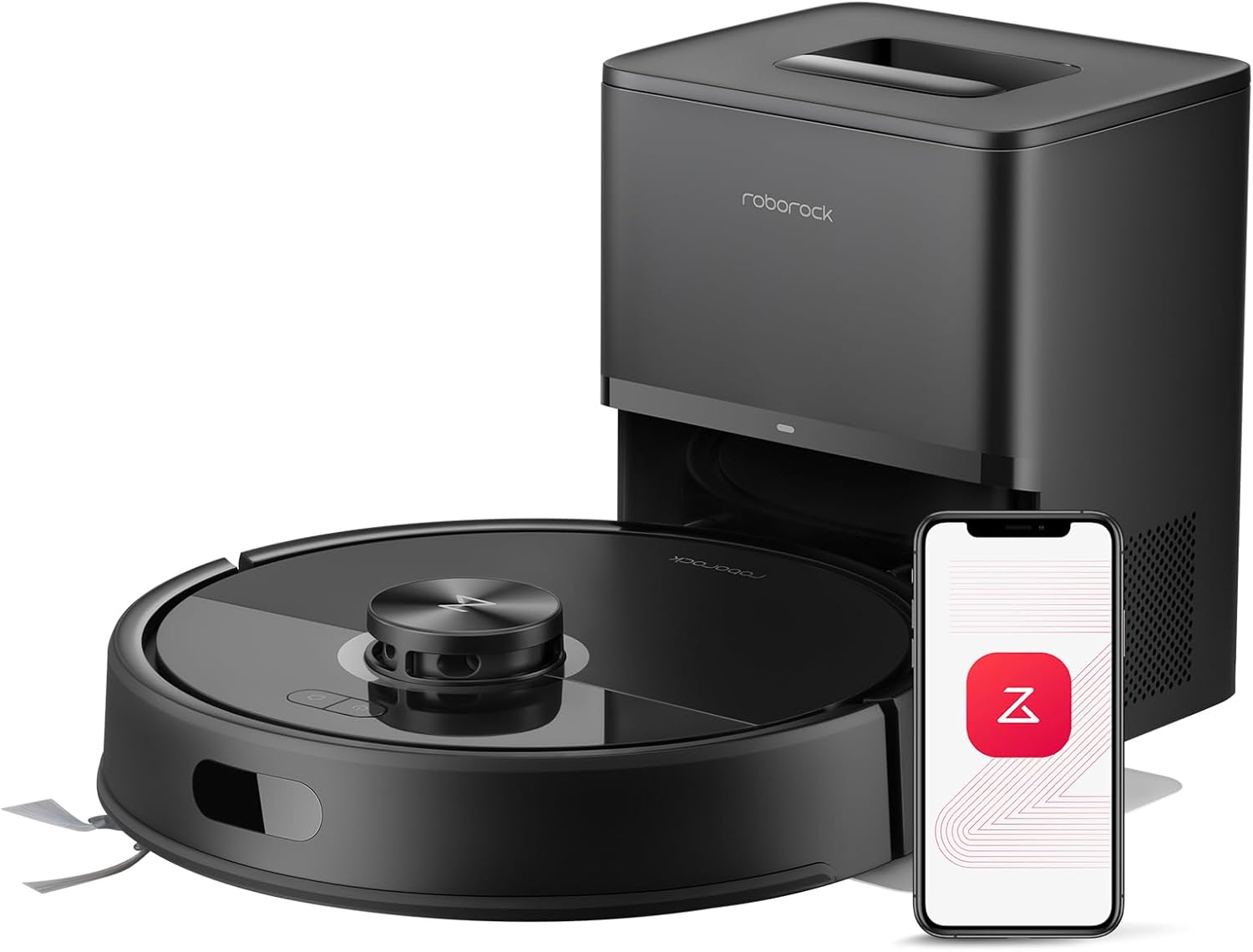
| Maximum Suction | 10000Pa |
|---|---|
| Capacity | 2.7 liters |
| Battery Life | 150 minutes |
| Filter Type | Cartridge |
| Noise Level | 65 db |
The roborock Q7 M5+ is a robot vacuum-and-mop combination built to handle pet hair and deep dirt on mixed floors. It uses PreciSense LiDAR for reliable mapping and multi-level maps, and the app plus voice control let you schedule cleanings and set no-go zones. The key hardware strengths are a 10000 Pa HyperForce motor for strong extraction and a Dual Anti-Tangle system that reduces brush hair wrap for long-haired pets. Paired with the RockDock Plus self-emptying base and a 2.7 L sealed dust bag, it can go many weeks between manual emptying, which is helpful in heavy-shedding homes. The VibraRise 2.0 electronic mop and adjustable water flow provide basic mopping between vacuum passes but will not replace manual deep scrubbing on textured grout or stubborn stains. Expect typical robot limitations such as navigation around very cluttered rooms, occasional edge residue on high-pile rugs, and app dependency for advanced settings. For households prioritizing suction and low-maintenance pet hair pickup, the Q7 M5+ is a strong choice.
Best for: Buyers with heavy-shedding dogs or homes with textured floors who want the strongest possible suction in a low-maintenance robot and value scheduled, automated cleaning.
Less Ideal for: People who need a robot that replaces deep manual mopping or who prefer a fully manual upright for spot deep-cleaning and stairs.
- Very high suction power rated at 10000 Pa for deep carpet and rug extraction
- Dual Anti-Tangle brush system reduces hair wrap and maintenance
- 2.7 L sealed dust bag in the RockDock Plus supports weeks of hands-free emptying
- PreciSense LiDAR navigation with multi-level mapping for efficient room coverage
- App and voice control with scheduling and no-go zones for convenient automation
- Mopping function is basic and not a substitute for aggressive manual scrubbing on textured floors
- May struggle with very cluttered spaces or extremely high-pile carpets
Verdict: The best overall robot vacuum that balances strong pet-hair pickup on carpet and hardwood, navigation, battery life, and ease of use for most pet owners.
ILIFE V2 Robot Vacuum
Best Budget Robot Vacuum

| Battery Life | 120 minutes |
|---|---|
| Capacity | 300 ml |
| Filter Type | Sponge |
| Noise Level | 69 db |
| Control Method | Remote |
The ILIFE V2 is a budget-focused robot vacuum that targets homes with hard floors and pet hair by using a tangle-free suction port instead of a roller brush. You operate it with the included physical remote or the onboard button, and it offers multiple modes—auto, edge, and spot—to cover routine runs, wall-to-wall edges, and concentrated messes. The 300 ml dustbin and sponge filter handle everyday debris and hair, and the ultra-slim 2.99 inch profile helps it reach under low furniture. Runtime is strong for the price at up to 120 minutes, and the unit automatically returns to its charger when battery is low. Expect simple, random navigation rather than mapping, and there is no Wi-Fi app or smart home integration, so scheduling and control are limited to the remote. Noise sits around 69 dB, which is noticeable but typical for this class. For buyers who want straightforward, effective hair pickup on floors without paying for advanced sensors or app features, the V2 delivers solid value with practical everyday performance.
Best for: Owners prioritizing effective hair pickup on floors and a low-cost, easy-to-use robot without needing mapping or app controls.
Less Ideal for: Buyers who want precise mapping, room-by-room scheduling, or smartphone and smart home integration should consider higher-end models.
- Tangle-free suction design avoids hair wrap without a roller brush
- Up to 120 minutes runtime for extended cleaning sessions
- Ultra-slim 2.99 inch profile reaches under low furniture
- Multiple cleaning modes including auto, edge, and spot for flexible coverage
- Simple remote control operation with no Wi-Fi required
- Navigation is random rather than mapped so coverage can be less efficient
- No smartphone app or smart home integration for remote scheduling
Verdict: The best budget robot vacuum for pet owners who need effective pet-hair pickup and basic features at a lower price without premium extras.
roborock Saros 20 Flow
Best Premium Robot Vacuum

| Suction | 36,000 Pa |
|---|---|
| Battery Life | 301 minutes |
| Obstacle Recognition | Identifies 300+ types |
| Filter Type | Washable Filter |
| Noise Level | 66.6 db |
The roborock Saros 20 Flow is a premium robot vacuum and mop designed for deep cleaning across hardwood, tile, and carpeted areas. It combines a 36,000 Pa HyperForce motor with a Dual Zero‑Tangle System to pull up heavy debris and long pet hair while reducing brush wrap, and AI RGB floor recognition that adjusts mopping and suction automatically as it moves between surfaces. The SpiraFlow 2.0 pressurized roller and the RockDock supply hot‑water washing plus warm‑air drying so the mop stays clean between runs, which cuts down on residue and maintenance. Navigation is driven by advanced obstacle recognition for 300+ object types and AdaptiLift Traverse 3.0 lets the unit cross raised thresholds between rooms. Runtime is long enough for whole‑home passes and the app, voice, and remote controls add scheduling convenience. Expect a fairly loud operation at peak suction and a sizable footprint that may be heavy to move, and the system requires the RockDock for the full pressurized wash experience rather than standalone mop cleaning.
Best for: Buyers who prioritize maximum suction, intelligent navigation, and a low‑maintenance pressurized mop system for homes with heavy shedding pets and varied flooring.
Less Ideal for: People who need an ultra‑quiet vacuum for frequent daytime use or those who plan to skip the docking wash system and only want simple mop functionality.
- Very high suction power (36,000 Pa) for deep cleaning embedded dirt and pet hair
- Dual Zero‑Tangle System reduces hair wrap for calmer, longer brush operation
- SpiraFlow 2.0 plus RockDock provide pressurized hot‑water mop washing and warm‑air drying for low‑touch mop maintenance
- AI obstacle recognition and advanced navigation reduce bumps and missed areas around toys and pet bowls
- Long battery life supports extended, room‑to‑room cleaning sessions
- Noise level approaches mid 60s dB at peak suction which can be noticeable during operation
- Full mop self‑cleaning and drying require the RockDock docking station for best results
Verdict: The best premium robot vacuum for owners who want the strongest suction, smartest mapping, and extra convenience features and are willing to pay more.
eufy C10 Robot Vacuum
Best Compact Robot Vacuum

| Battery Life | 120 minutes |
|---|---|
| Suction Power | 4000 Pa |
| Dust Bag Capacity | 3 liters |
| Filter Type | Washable |
| Control Method | App (2.4 GHz Wi‑Fi) |
The eufy C10 is a low-profile robot vacuum built to reach under low-clearance furniture while handling regular pet hair and debris. It pairs a 2.85-inch slim body with LiDAR navigation to map rooms and follow efficient paths, and it uses a 4,000 Pa suction system plus a rolling brush and extendable corner arm to lift trapped pet hair from edges and tight spots. The included self-empty station holds up to a 3 liter dust bag so you can run multiple cleaning cycles without emptying the robot frequently, and washable filters reduce replacement costs. App control enables scheduled runs, no-go zones, and remote starts, though the app requires 2.4 GHz Wi-Fi. Noise during normal cleaning is relatively low, but the station can be louder while emptying. Expect the C10 to be most effective on hard floors and short-pile carpets; deep-pile rugs may limit hair pickup and could increase brush tangles despite the Pro-Detangle comb. The slim profile and CornerRover arm make it especially useful for extracting hair from under beds and along baseboards, while the 120-minute runtime covers many medium-sized homes between charges.
Best for: Homeowners who need a slim robot that actually fits under low-profile beds and sofas and who want a mostly hands-off way to capture pet hair trapped in corners and under furniture.
Less Ideal for: People with mostly deep-pile or high-pile carpets where a low-profile unit may struggle to pull embedded hair and where a taller, more powerful vacuum would perform better.
- 2.85-inch ultra-slim body reaches under low-clearance furniture
- Self-emptying station with 3 liter dust bag reduces manual emptying frequency
- 4,000 Pa suction plus extendable corner brush improves edge and corner hair pickup
- LiDAR navigation with mapping for efficient, repeatable cleaning paths
- Washable filter lowers maintenance cost and app scheduling enables hands-off cleaning
- Best performance on hard floors and short carpets rather than deep-pile rugs
- App requires 2.4 GHz Wi-Fi and no remote control is included
Verdict: The best compact robot vacuum for homes needing a smaller footprint that still navigates well and reaches low-clearance areas to remove pet hair.
Redroad R11 Max Robot Vacuum
Best High-Suction Robot Vacuum

| Suction | 38,000 Pa |
|---|---|
| Dustbin capacity (base) | 4 liters |
| Navigation | 360° LiDAR, stores up to 4 maps |
| Battery life | 200 hours |
| Control | App and voice (Alexa/Google) |
The Redroad R11 Max is a high-suction robot vacuum and mop built to tackle pet hair and heavy debris across hard floors and carpets. It uses a 360° LiDAR navigation system to map rooms, store up to four maps, and plan efficient routes while avoiding furniture and obstacles. The most notable feature is its claimed 38,000 Pa suction paired with a high-density anti-tangle roller and an extendable side brush that increases edge coverage, which helps lift embedded fur from rugs and reach along baseboards. The included 4L self-emptying base holds large dust bags for long stretches of hands-free operation, and the package supplies extra bags and filters for immediate use. Control options include a mobile app with scheduling, suction and water-level adjustments, no-go zones, plus voice commands via Alexa or Google Assistant. Trade-offs to consider are that manufacturer specs are promotional and real-world suction on dense, high-pile carpet may vary, and large robots can still struggle under very low furniture. For heavy-shedding dog households this model emphasizes suction, anti-tangle design, and long unattended runtimes to reduce daily maintenance.
Best for: Homeowners with heavy-shedding dogs who prioritize strong airflow and anti-tangle brush design to lift embedded hair and minimize daily vacuuming.
Less Ideal for: Households that need a very low-profile robot to clean under very low furniture or those with exclusively high-pile shag carpets where upright vacuums perform better.
- Very high advertised suction for deep cleaning carpets and rugs
- Extendable side brush improves edge and corner pickup
- Anti-tangle main roller reduces hair wrapping and maintenance
- 4L self-emptying station supports long hands-free intervals
- LiDAR mapping stores multiple floor plans for multi-level homes
- Real-world performance on very dense, high-pile carpet may be lower than peak suction figures
- Large unit height can limit access under low-clearance furniture
Verdict: The best high-suction robot vacuum for households with heavy shedders or thicker carpets where extra extraction force is needed to lift trapped pet hair.
Lefant M330 Pro Robot Vacuum
Best Long-Run Robot Vacuum

| Battery Life | 150 minutes |
|---|---|
| Capacity | 450 ml |
| Navigation | LiDAR (dToF) |
| Special Features | No-Go Zone, Carpet Detection, Scheduling |
The Lefant M330 Pro is a slim LiDAR robot vacuum and mop designed for thorough multi-room cleaning sessions. It maps rooms with dToF/LiDAR navigation and stores maps for customized no-go zones and schedules via the Lefant app, which makes it convenient for routine cleaning of larger homes. PSD-based obstacle detection and a 190 degree sensor array reduce collisions and help the robot avoid cords and small objects, while carpet detection automatically raises suction for deeper cleaning and keeps carpets dry when mopping. The visible 450 ml dustbin and tangle-resistant suction port make it practical for pet hair pickup, and the 150-minute max runtime supports long runs before recharge. Practical limits include a relatively small refillable water tank for mopping and a compact form factor that may mean more frequent emptying on very large homes, and you will rely on the app and Wi-Fi for full feature control. For buyers who want mapped, quiet scheduled cleaning across mixed floors, the M330 Pro delivers efficient performance at its price point.
Best for: Buyers who need a mapped, long-run robot for whole-home cleaning sessions and value reliable obstacle avoidance, app control, and stronger suction on carpets.
Less Ideal for: Users who prioritize heavy-duty mopping with large water reservoirs or those who want a fully self-emptying system without manual dustbin maintenance.
- LiDAR/dToF mapping with multi-floor smart mapping for efficient large-area coverage
- PSD obstacle detection and 190° avoidance to reduce collisions and snags
- 150 minutes runtime suitable for extended cleaning cycles
- Visible 450 ml dustbin and anti-tangle suction port suited for pet hair
- App and voice control with no-go zones and scheduling for hands-off operation
- Water tank capacity is modest for large-area mopping sessions
- May need more frequent dustbin emptying in very large homes or heavy-shedding pet households
Verdict: The best long-run robot vacuum for larger homes or multi-room cleaning sessions where extended runtime and efficient recharging are priorities.
Shark AI Ultra Robot Vacuum AV2501S
Best Pet-Hair Robot Vacuum
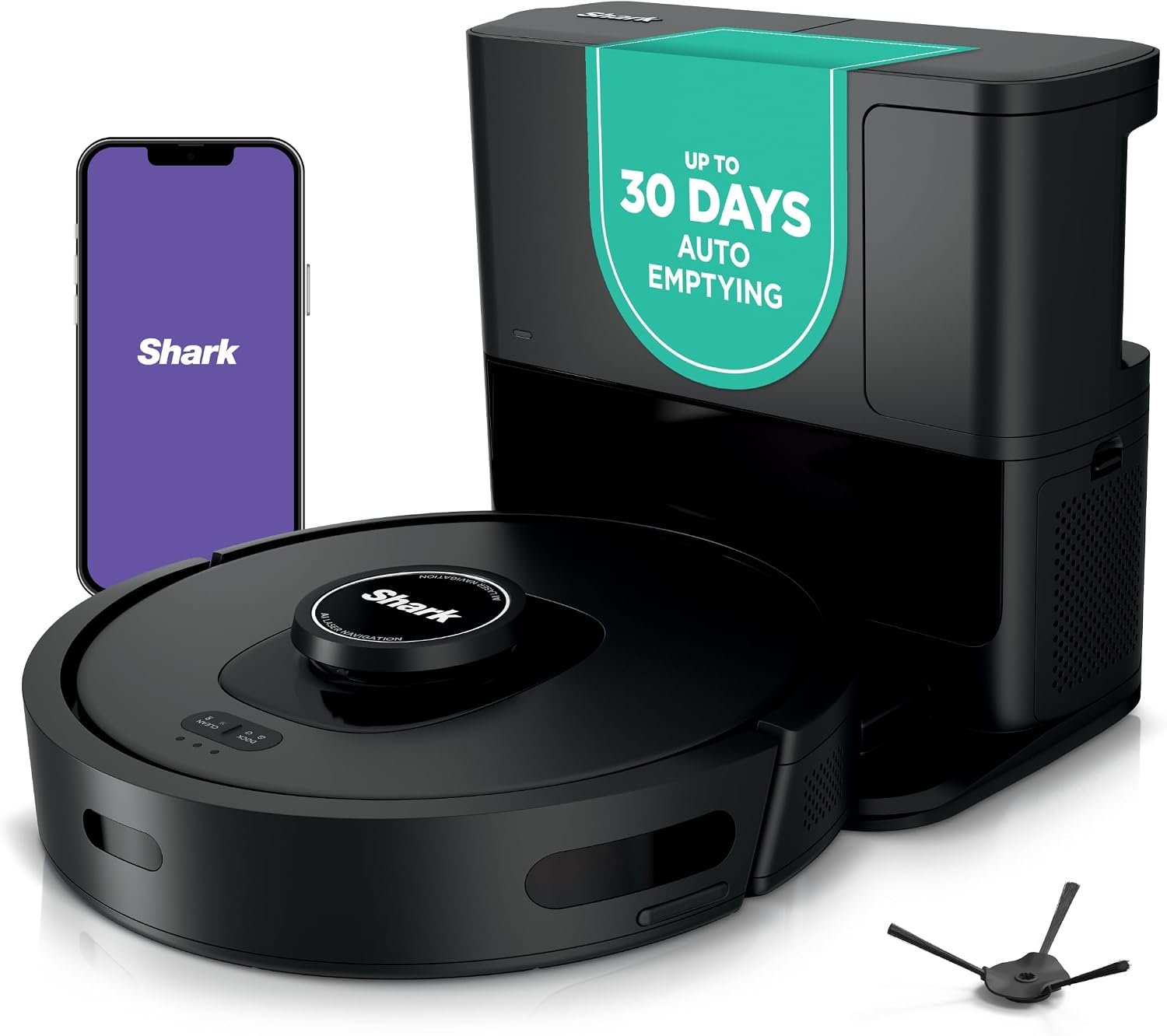
| Battery Life | 120 minutes |
|---|---|
| Filter Type | Foam |
| Capacity | 0.09 liters |
| Compatible Devices | Amazon Alexa, Google Home |
| Form Factor | Robotic |
The Shark AI Ultra AV2501S is a self-emptying robot vacuum built to keep mixed-floor homes tidy with minimal effort. It uses 360° LiDAR mapping and Matrix Clean navigation to methodically sweep rooms in a grid and take extra passes over soiled areas, which helps on both hardwood and carpet. The self-cleaning brushroll resists hair wrap and the 30-day capacity bagless base reduces how often you need to touch dust and pet hair, while HEPA filtration captures fine dust and dander. With app and voice control you can schedule recurring cleans, set boundaries, and resume cleaning after recharging thanks to Recharge and Resume. Runtime is up to 120 minutes, enough for many single-level homes, though very large houses may require multiple cycles. The unit performs best on everyday debris and pet hair but, like many robots, can struggle with very high-pile rugs, tight corners, and rooms crowded with low obstacles. Replacement parts and periodic brush and filter maintenance are needed to keep peak performance.
Best for: Buyers who want a mostly hands-off solution to reduce daily pet hair buildup across hardwood and carpet and prefer scheduled, automated cleaning.
Less Ideal for: Homes with very deep-pile rugs, cluttered rooms with many low obstacles, or buyers who need aggressive spot-deep cleaning for heavy dirt.
- 360° LiDAR mapping with Matrix Clean for thorough, systematic coverage
- Self-cleaning brushroll designed to reduce hair wrap and maintain suction on pet hair
- Self-emptying base holds up to 30 days of debris to minimize manual emptying
- HEPA filtration captures fine dust, dander, and allergens
- App and voice control for scheduled, targeted, and hands-free operation
- May be less effective on very high-pile rugs and tight corners
- Performance depends on periodic replacement/cleaning of brushes and filters
Verdict: The best pet-hair robot vacuum for owners prioritizing specialized brush systems, tangle resistance, and filtration that handle shedding and pet dander effectively.
Choosing the Right Robot Vacuum Pet Hair Carpet Hardwood: Key Factors to Consider
Suction Power and Airflow
Suction power determines how effectively a robot vacuum lifts hair from both low- and medium-pile carpets and pulls embedded fibers loose. Higher airflow helps move heavier debris and long pet hair into the dust bin rather than leaving it on the floor. Consider that suction is often measured differently across manufacturers, so look for clear wattage, pascal, or airflow numbers when possible.
Strong suction is useful on carpets but can reduce runtime; evaluate how much cleaning area you need per charge. On hardwood, too much raw suction without appropriate brush action can just push hair around, so balance suction figures with brush design and airflow efficiency.
Brush System and Hair Management
Brush design directly affects how well a robot collects long pet hair without wrapping it around axles. Combinations of rubberized rollers, tangle-resistant main brushes, and dedicated edge tools tend to reduce hair wrap and make maintenance faster. Some robots use dual rubber rollers that channel hair into the suction path, while others use bristle brushes that may need frequent cleaning.
Also check if the machine provides a quick-release brush or a tool for clearing tangles. A brush system that minimizes hair wrap will cut down on time spent pulling fibers off the brush and will keep suction paths clear for consistent performance.
Filtration and Allergen Control
Homes with pets benefit from filtration that traps dander and fine particles rather than recirculating them into the room. High-efficiency filters capture smaller particles, which is important for allergy sufferers. Filter access and replacement frequency are practical considerations—filters that are easy to remove and clean reduce long-term maintenance.
Also consider the dust-bin seal and how often the bin needs emptying when collecting hair. A larger bin or self-emptying dock reduces the frequency of handling hair and dander, but the filtration quality remains central to indoor air quality benefits.
Navigation and Mapping
Navigation affects coverage, efficiency, and how often the robot misses hair-packed zones. Devices with systematic mapping and room awareness can plan efficient cleaning paths and remember no-go areas, reducing repetitive passes that waste battery. Good navigation also helps avoid getting stuck on rugs, cords, or pet bowls, which is especially important in homes with multiple flooring types.
Assess whether the robot adapts suction or brush behavior by floor type and how well it returns to missed spots. Reliable mapping reduces the risk of leaving hair behind in high-traffic pet areas.
Battery Life and Coverage
Battery life determines whether a single run will cover all the rooms you expect. For homes with pets, runtime matters because pet hair accumulates frequently and you may run the robot daily. Consider both the advertised runtime and typical coverage area for your floor plan.
Also check how the robot handles recharging mid-job. Some models can resume where they left off after returning to the dock, which is useful for larger homes. Lower-runtime machines may still work well if they have fast recharge cycles and reliable resume behavior.
Maintenance and User Convenience
Maintenance affects the total time you spend caring for the robot. Look at how easy it is to empty the dust bin, clean or replace filters, and remove hair from brushes. Tools or design features that simplify these tasks reduce friction and keep performance consistent.
Consider noise levels during cleaning and the clarity of maintenance indicators. A model that signals clogs or full bins and provides accessible components will require less hands-on time and deliver a better ownership experience.
How Do Robot Vacuums Handle Transitions Between Carpet and Hardwood?
Most modern robot vacuums detect floor type through sensors or mapping data and adjust suction or brush speed accordingly. On hardwood, a gentler brush action and calibrated suction prevent scattering loose hair, while on carpet the machine increases power to extract hair from fibers. Smooth transitions are especially important in mixed-floor homes to avoid leaving residue at thresholds.
If you have area rugs with high piles, check clearance and wheel traction to ensure the robot can climb without getting stuck. Placement and arrangement of thresholds can also influence how consistently the robot cleans both surfaces.
- Look for floor-type sensing or automatic suction adjustment.
- Ensure wheel clearance for area rugs and high-pile thresholds.
- Place rugs and pet feeding areas to minimize trapping zones.
What Maintenance Schedule Keeps Pet Hair From Degrading Performance?
A simple weekly routine often keeps most robots operating well in a pet household: empty the bin after heavy-hair days, check the main brush for tangles, and inspect filters for visible buildup. For homes with multiple shedding animals, more frequent attention may be necessary. Regularly cleaning sensors and wheels prevents navigation errors caused by stuck hairs or debris.
Replace filters according to manufacturer guidance or when airflow noticeably decreases. Keep a small toolkit nearby to clear hair from brush bearings and side brushes quickly to avoid unexpected stoppages.
- Empty dust bin after heavy shedding days.
- Check and clear main brush and side brushes weekly.
- Inspect and replace filters when airflow declines.
Is a Self-emptying Dust Dock Worth It for Pet Owners?
Self-emptying docks reduce how often you touch collected hair and dander, which can be a big convenience for pet owners. They are particularly helpful if you prefer to run the robot daily and want to avoid weekly bin handling. However, docks add weight and take up floor space near the charging area.
Consider whether the reduced bin emptying frequency justifies the extra space and slightly larger maintenance cycle for the dock itself. If you have allergy concerns, check that the dock seals well and allows hygienic disposal of collected material.
- Reduces frequency of manual bin emptying.
- Requires dedicated floor space at the charging location.
- Confirm dock sealing and compatibility with your cleaning routine.
How to Set Up No-go Zones and Keep Pets Safe
Use virtual no-go zones or magnetic barriers to keep the robot away from areas where pets sleep, food bowls, or tangled cords. Setting a boundary around delicate plants, aquariums, or pet beds prevents repeated disturbances. Many robots let you fine-tune room access through an app, which is helpful if pet routines change during the day.
If your pet is anxious around vacuuming noise, schedule cleaning while they are out or in another room. Observe the first few runs to ensure the robot does not repeatedly startle or corner an animal, and adjust boundaries or timing accordingly.
- Create virtual no-go zones around pet beds and feeding areas.
- Use app scheduling to run when pets are less likely to be nearby.
- Monitor initial runs to ensure pets do not become stressed.
What to Expect From Filtration and Indoor Air Quality
Good filtration reduces airborne dander and helps allergy-prone households breathe easier. Expect high-efficiency filters to capture finer particles but also to require regular replacement or cleaning. The overall effect on indoor air quality depends on how often you run the robot and where you place its dock relative to living spaces and HVAC intakes.
If indoor air quality is a priority, pair frequent robot runs with a consistent filter replacement schedule and consider supplemental air filtration in main living areas.
- High-efficiency filters capture more dander but need upkeep.
- Placement of the dock influences distribution of cleaned air.
- Combine robot cleaning with other air-quality measures for best results.
How We Chose the Best Robot Vacuum Pet Hair Carpet Hardwood
We focused on performance and real-world reliability for homes with pets and mixed flooring. Our selection process prioritized measurable cleaning ability on both carpet and hardwood, brush systems that reduce hair wrap, and filtration that captures fine dander. We also weighed navigation intelligence and obstacle handling so products can cover rooms efficiently without repeatedly driving over the same dirt. Battery life and recharge behavior were considered to ensure consistent coverage of typical living spaces, and maintenance needs were factored to reduce the time owners spend untangling brushes or cleaning filters. Products were excluded if they lacked clear documentation of suction or brush specs, relied solely on generic claims about pet cleaning, or required excessive manual upkeep that negates the convenience of a robot. The list emphasizes machines with balanced performance across suction, brush design, filtration, navigation, and practical maintenance requirements. Units that met these filters but failed basic reliability or safety expectations were not included.
Our full evaluation process is outlined in our review methodology.
FAQ
How often should I run a robot vacuum if I have heavy shedders?
Often daily or every other day for heavy-shedding pets keeps hair from building up and reduces matting on carpets. Lighter-shedding households can usually run the robot two to three times per week. Adjust frequency based on visible hair, allergy concerns, and how quickly the dust bin fills.
Will a robot vacuum remove pet hair lodged deep in carpet fibers?
Robot vacuums vary in depth of extraction. Many units remove surface and moderate embedded hair effectively, but very deep pile or densely matted areas may still need occasional manual vacuuming or a deeper cleaning method. Look for higher suction ratings and compatible brush systems for improved extraction.
Can robot vacuums get tangled in long pet hair?
Some brush types are more prone to hair wrap than others. Rubberized or tangle-resistant roller designs reduce tangles compared with bristle brushes, but no system is entirely immune. Regular inspection and a quick clean of the brush area prevent performance loss from hair accumulation.
Are robot vacuums safe around pet bowls and toys?
They are generally safe if you clear small obstacles and use no-go zones for feeding areas. Small toys and loose cords should be picked up before runs to avoid entanglement. Many robots detect collisions and can navigate around larger obstacles, but proactive tidying reduces interruptions.
How do I minimize allergy exposure when emptying the dust bin?
Empty the bin in a well-ventilated area, preferably outdoors or over a lined trash can, and consider wearing a mask if you are highly sensitive. Some users keep spare filters and clean the bin with a damp cloth to avoid stirring up dander. Self-emptying docks also reduce direct contact with collected material.
Will robotic cleaners damage hardwood floors?
Robots designed for mixed flooring usually use soft wheels and brush systems that are safe on sealed hardwood. Avoid machines with overly aggressive bristles that could scuff sensitive finishes, and keep wheels clean to prevent abrasive grit from being dragged across floors.
Final Verdict
Choosing the right robot vacuum for pet hair on carpet and hardwood comes down to balancing suction, brush design, and practicality. Prioritize a machine with hair-managing brushes and strong, sustained suction for carpets, paired with adaptive behavior for hard floors. Factor in filtration if allergies are a concern and pick a model with manageable maintenance routines. Tradeoffs are inevitable: higher suction can reduce runtime, and advanced features may add complexity. Decide which conveniences matter most—longer runtime, self-emptying docks, or minimal brush maintenance—and use those priorities to narrow your choices confidently.

