

Choosing the right bowl material matters for your dog's health, hygiene, and the convenience of daily feeding. Different materials vary in durability, how they interact with food and water, and how easy they are to clean. In this guide we shortlisted the top options for safe dog bowl material and evaluated each for factors that matter to pet owners, including long-term safety, ease of sanitation, and resistance to wear. Below you will find the carefully selected top picks and a clear explanation of how we judged them so you can pick the best feeding bowl material for your dog's needs.
Top Picks at a Glance
| Best Overall Safe Bowl Material The top pick balancing safety, durability, and everyday practicality | Amazon Basics Stainless Steel Dog Bowl |  |
| Best Budget Safe Bowl Material A low-cost option that still meets basic safety and durability needs | PEGGY11 Stainless Steel Dog Bowl 3.8 cup (2-pack) |  |
| Best Stainless Steel Safe Bowl Material Highly durable, nonporous metal that resists bacteria and odors | YETI Boomer 4 Dog Bowl |  |
| Best Ceramic Safe Bowl Material Dense, nonreactive surface with good weight and aesthetics | HB Design Co. Ceramic Dog Bowl Set Small |  |
| Best Silicone Safe Bowl Material Flexible, lightweight, and often collapsible for travel or storage | PetBonus Collapsible Travel Dog Bowls 2-Pack |  |
| Best Dishwasher-Safe Safe Bowl Material Materials designed to withstand frequent machine cleaning without degradation | OXO Pet Nonslip Stainless Steel Bowl Medium |  |
| Best Heavy-Duty Safe Bowl Material Extra-tough materials made for high-wear, long-lasting use | Tuff Pupper Insulated Dog Bowl 100 oz |  |
Amazon Basics Stainless Steel Dog Bowl
Best Overall Safe Bowl Material

| Capacity | 2.4 pounds |
|---|---|
| Material Type | Rubber, Stainless Steel |
| Product Care Instructions | Dishwasher Safe |
| Target Species | Dog |
This stainless steel bowl is a straightforward, no-frills feeding dish intended for everyday use. It holds roughly 35–38 ounces, so it works for both food and water for most dogs and cats, and the rust-resistant steel helps avoid lingering odors and staining that can come with plastic. The wide rubber ring on the base keeps the bowl from sliding or tipping during mealtime and helps protect floors from scuffs. Because the bowl is dishwasher-safe, cleaning is quick—just toss it on the top rack after use. The design is manual and simple, with no removable inner parts beyond the bowl itself, so maintenance is mostly rinsing or running through the dishwasher. The trade-off is that it is a basic single bowl without raised edges or anti-gulping features, and very determined chewers could damage the rubber base over time. For buyers who want an easy-to-clean, sink- and dishwasher-friendly untippable bowl, this performs reliably at a low-cost point.
Best for: Owners who want a low-maintenance, hygienic feeding bowl that cleans easily in the dishwasher and stays put during meals.
Less Ideal for: People seeking specialized bowls with raised or slow-feeding designs, multi-component removable parts, or chew-proof features for destructive chewers.
- Durable rust-resistant stainless steel resists odors and staining
- Rubber non-skid base prevents sliding and reduces tipping
- Dishwasher-safe for fast, hygienic cleaning
- Generous ~35–38 ounce capacity suitable for food or water
- Rubber base is fixed to the bowl and may wear with heavy chewing or extended use
- No removable insert or separate components beyond the bowl for deeper cleaning of crevices
Verdict: The best overall safe bowl material for owners who want a reliable, nonreactive surface that balances longevity, easy cleaning, and pet health concerns.
PEGGY11 Stainless Steel Dog Bowl 3.8 cup (2-pack)
Best Budget Safe Bowl Material

| Capacity | 3.8 cups |
|---|---|
| Material Type | Silicone, Stainless Steel |
| Included Components | 2 x Stainless Steel Pet Bowls |
| Recommended Uses For Product | Multiple Pets |
These PEGGY11 stainless steel bowls are basic, durable feeders intended for everyday meals and water. Each bowl holds about 3.8 cups and has a wide, low profile that sits stably on the floor while the silicone ring on the underside reduces sliding and noise on smooth surfaces. The bowls are dishwasher-safe and their smooth stainless interior rinses clean easily, which helps with hygiene and rust resistance compared with coated or painted options. They stack for compact storage and are sold as a two-pack so you can keep food and water separate. Limitations are minimal but notable: the shallow, wide shape suits small to medium dogs better than very large breeds, and the silicone bottom may wear over long-term heavy use or after repeated dishwasher cycles. For buyers who want a simple, long-lasting stainless feeding bowl that is easy to clean, these deliver reliable performance without extra features.
Best for: Buyers who prioritize a hygienic, durable everyday bowl that cleans easily and stays stable during meals, especially for small to medium dogs.
Less Ideal for: Owners needing very large-capacity or elevated bowls for giant breeds or those who want built-in slow-feeding features should look elsewhere.
- Durable stainless steel surface resists rust and is easy to sanitize
- Silicone nonslip base reduces sliding and feeding noise on smooth floors
- Dishwasher-safe design and smooth interior simplify cleaning
- Stackable two-pack for compact storage and having separate food and water bowls
- Capacity and shallow profile may be small for very large dogs
- Silicone nonslip ring can degrade over very long-term heavy use or frequent dishwasher cycles
Verdict: The best budget safe bowl material for price-conscious owners who need a nonhazardous, reasonably durable bowl material that performs well for everyday feeding.
YETI Boomer 4 Dog Bowl
Best Stainless Steel Safe Bowl Material
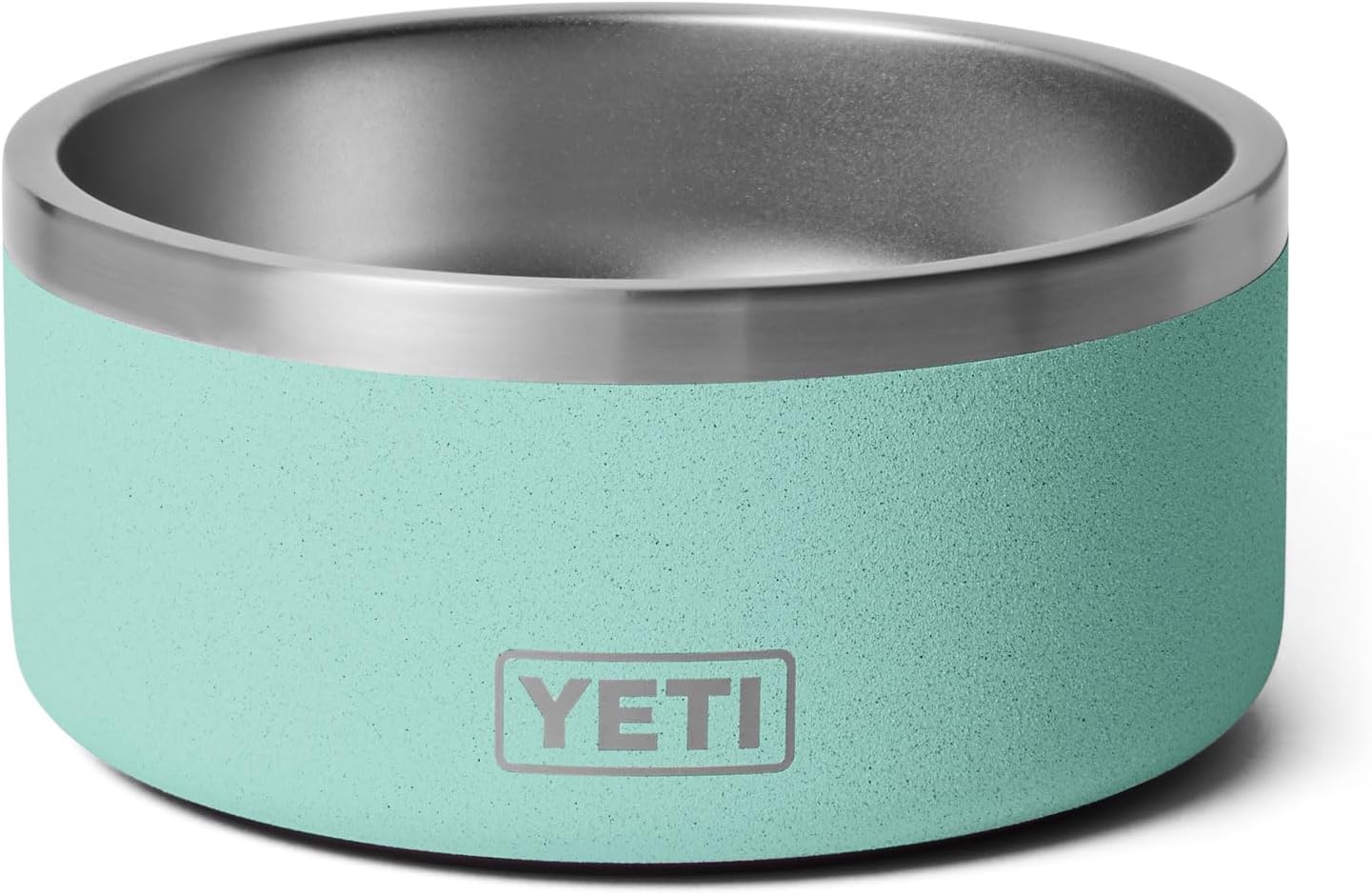
| Target Species | Dog |
|---|---|
| Capacity | 4 cups |
| Included Components | BEARFOOT NON-SLIP RING |
| Additional Features | Durable, Nonslip, Portable |
The YETI Boomer 4 is a rugged 4-cup dog bowl designed for everyday feeding and travel. Its 18/8 stainless steel construction resists rust and punctures, so it stands up to active dogs and outdoor use, while the included Bearfoot non-slip ring keeps the bowl from sliding during enthusiastic meals. The shallow, wide profile works for kibble or water and the dishwasher-safe finish makes cleanup simple after messy meals. Because it is compact at 4 cups, it fits small to medium servings and is easy to pack for trips, but larger dogs that need more capacity will require the bigger Boomer 8. The textured exterior and solid build give a premium, durable feel, and the manual operation means there are no moving parts to fail. If you value a bowl that balances durability, stability, and low-maintenance cleaning, the Boomer 4 performs well, though its capacity limits use for very large or multiple-dog feeding situations.
Best for: Buyers who want a durable, easy-to-clean everyday bowl that stays put during meals and is suitable for small to medium portions or travel.
Less Ideal for: People who regularly feed large-breed dogs, multiple dogs at once, or need an insulated/elevated feeding solution should look elsewhere.
- 18/8 stainless steel construction for durability and rust resistance
- Bearfoot non-slip ring prevents sliding during meals
- Dishwasher-safe for easy cleaning
- Compact 4-cup capacity suits single-dog daily use and travel
- 4-cup capacity may be too small for large dogs or multi-dog households
- No insulated or elevated option included
Verdict: The best stainless steel safe bowl material for owners prioritizing a highly durable, noncorroding, and easy-to-sanitize surface that minimizes bacterial buildup.
HB Design Co. Ceramic Dog Bowl Set Small
Best Ceramic Safe Bowl Material

| Capacity | 2 cups |
|---|---|
| Material Type | Ceramic |
| Number of Items | 2 |
| Additional Features | Dishwasher Safe, Microwave Safe, Nonslip |
These HB Design Co. ceramic bowls are built around the qualities people look for in a ceramic-safe feeding option: heavy, stable construction and a smooth nonreactive surface that is simple to clean. Each bowl holds two cups and the thick ceramic walls give them weight so they resist tipping and sliding during mealtimes; a waterproof, nonremovable silicone ring on the base adds grip on hard floors. The glossy two-tone finish and ribbed texture make the bowls present food attractively on the counter or in a pet feeding area. They are dishwasher and microwave safe, which makes daily care straightforward, and the manufacturer says they are drop tested and packaged to arrive intact. The main limitations are that these are sized for small breeds (up to about 20 pounds) and ceramic can chip if dropped onto hard surfaces, so they are best used indoors on stable floors rather than outdoors or in high-traffic areas.
Best for: Owners who prioritize a heavy, nonreactive bowl that stays put and looks good on the counter, especially for small breeds and indoor feeding setups.
Less Ideal for: People who need large-capacity bowls for medium or large dogs or who require indestructible bowls for heavy chewers or outdoor use.
- Thick ceramic construction gives the bowls noticeable weight and stability
- Waterproof nonremovable silicone ring reduces sliding and protects floors
- Smooth, nonreactive ceramic surface is easy to clean and is dishwasher safe
- Attractive two-tone, ribbed finish presents food nicely in the home
- Sized for small breeds only, not suitable for larger dogs
- Ceramic can chip or crack if dropped despite impact-tested packaging
Verdict: The best ceramic safe bowl material for owners who want a heavy, nonreactive bowl that stays put, resists scratches, and presents food attractively while being simple to clean.
PetBonus Collapsible Travel Dog Bowls 2-Pack
Best Silicone Safe Bowl Material

| Included Components | 2 Dog Bowls |
|---|---|
| Capacity | 20 fl oz (2.5 cups) each |
| Material Type | Metal, Silicone |
| Dishwasher Safe | Top rack |
| Recommended Uses For Product | Camping, Hiking, Outdoor, Travel |
These PetBonus collapsible travel bowls pack two lightweight silicone bowls that flatten for pocketable storage and clip to a bag with included carabiners, making them convenient for hikes, park trips, and car travel. Each bowl expands to hold about 20 fl oz (2.5 cups) and offers three adjustable heights so you can lower the rim for cats or short-chinned dogs and raise it for more capacity. Made from food-grade, BPA-free silicone, the bowls are dishwasher-safe and rinse clean easily after wet or dry food. The collapsible design saves space and keeps your gear compact, and the carabiners let you attach a bowl to a leash or backpack for quick access. Because they are soft silicone, they are not rigid like stainless bowls, so they can be tipped if set on very uneven ground and may require smoothing before use after packing. They are sized for small to medium pets, so owners of very large or heavy chewers will need a sturdier, noncollapsible option.
Best for: Owners who need a space-saving, portable feeding solution for small to medium pets and prioritize compact storage and easy transport for outdoor activities.
Less Ideal for: People with large dogs, aggressive chewers, or anyone who needs a heavy, spillproof bowl for indoor use should choose a rigid, weighted bowl instead.
- Collapses flat for very compact storage and travel
- Includes carabiners to clip bowls to backpacks, leashes, or bags
- Made from food-grade, BPA-free silicone and dishwasher safe
- Adjustable height lets you use the same bowl for drinking or shallow eating
- Soft silicone construction is less stable than rigid bowls on uneven surfaces
- Capacity and size are best suited to small and medium pets, not large breeds
Verdict: The best silicone safe bowl material for owners needing a soft, flexible, and portable feeding option that’s nonporous, easy to pack, and gentle on surfaces.
OXO Pet Nonslip Stainless Steel Bowl Medium
Best Dishwasher-Safe Safe Bowl Material

| Capacity | 2 cups |
|---|---|
| Material | Stainless steel |
| Breed Recommendation | Medium Breeds |
| Operation Mode | Manual |
The OXO Pet Nonslip Stainless Steel Bowl is a simple, dishwasher-safe feeding bowl designed for everyday food or water service for small and medium pets. Its two-part design separates the stainless steel inner from a weighted base so you can rinse or run the metal bowl through the dishwasher while keeping the base in place. The extra-wide rim gives you a secure grip when carrying to and from the sink, and the wide mouth makes it easy for pets to access every bite or lap up water. The weighted, nonslip base helps reduce sliding for eager eaters, and the stainless steel construction resists staining and odors compared with plastic. Limitations are straightforward: it is a basic manual bowl without slow-feeding features and the medium 2-cup capacity may be small for large dogs or multi-pet households. If you want a durable, hygienic, easy-to-clean feeder that handles daily dishwasher cycles, this model covers that need well.
Best for: Buyers who want the quickest, most hygienic daily bowl solution and prioritize a material that tolerates repeated dishwasher cycles for easy maintenance.
Less Ideal for: Owners who need large-capacity feeders, multi-pet serving bowls, or integrated slow-feed functionality should consider different designs.
- Stainless steel inner is dishwasher safe and resists stains and odors.
- Two-part design separates bowl from base for more thorough cleaning.
- Weighted nonslip base reduces sliding during meals.
- Extra-wide rim offers a secure grip when carrying to the sink.
- 2-cup capacity may be too small for large dogs or heavy water needs.
- No built-in slow-feeding or portion-control features.
Verdict: The best dishwasher-safe bowl material for owners who prioritize quick, hygienic cleaning and want a material that tolerates repeated machine cycles without breaking down.
Tuff Pupper Insulated Dog Bowl 100 oz
Best Heavy-Duty Safe Bowl Material

| Capacity | 6.3 pounds |
|---|---|
| Material Type | Stainless Steel, Powder Coating |
| Recommended Uses For Product | Outdoor |
| Dishwasher Safe | Top-rack dishwasher safe |
This Tuff Pupper bowl is a large-capacity, double-wall stainless steel dish built for heavy use by large or active dogs. It holds roughly 100 oz of food or about 90 oz of water and uses vacuum-formed, double-wall 18/8 stainless steel to keep water colder longer than single-wall bowls. The exterior powder coat resists scratching and the weighted base with a full rubber ring helps prevent flips, sliding, and floor damage during enthusiastic feeding. It is intended primarily for outdoor or rugged use and is corrosion resistant and dishwasher safe on the top rack, which makes cleaning straightforward after muddy play. The bowl is quite heavy for its size, which improves stability but reduces portability if you want to move it frequently. The powder coat can chip over time with very rough handling and it is only offered as a single-piece bowl rather than an elevated feeder, so buyers needing raised feeding geometry should look elsewhere.
Best for: Owners of large or highly active dogs who prioritize a rugged, stay-put bowl that keeps water colder and resists corrosion during heavy outdoor or indoor use.
Less Ideal for: People wanting a lightweight, travel-friendly bowl or buyers who need an elevated feeder for dogs with mobility or neck problems.
- Double-wall 18/8 stainless steel construction provides strong impact resistance and better thermal insulation than single-wall bowls
- High capacity holds over 100 oz of food or about 90 oz of water, suitable for large breeds or multi-dog households
- Weighted base with full rubber ring reduces tipping and sliding on hard surfaces
- Powder-coated exterior improves scratch and weather resistance for outdoor use
- Top-rack dishwasher safe for easy cleaning
- Powder coating may chip under extreme rough use, exposing the metal beneath
- Heavier weight reduces portability for travel or frequent relocation
- Not an elevated feeder design, which may be a drawback for dogs with neck or joint issues
Verdict: The best heavy-duty safe bowl material for households with active or large dogs that require a robust, impact- and wear-resistant material that maintains safety over heavy use.
Choosing the Right Safe Dog Bowl Material: Key Factors to Consider
Safety and Chemical Stability
A bowl material should be chemically stable and inert when exposed to food, water, saliva, and common cleaning agents. Materials that can leach heavy metals, bisphenols, or other contaminants into food are unsuitable for long-term use. Consider how the material reacts to acids in certain foods and whether it maintains a neutral surface over time.
Chemical stability also influences whether the bowl can safely go in a dishwasher or be cleaned with mild disinfectants. If a material degrades under typical washing conditions, it may release particles or create rough surfaces that trap bacteria.
Surface Smoothness and Bacterial Resistance
Smooth, nonporous surfaces are easier to clean and less likely to harbor bacteria, mold, or biofilms. Scratches, pits, and microscopic pores provide hiding places for microbes and make sanitation less effective, even with detergent. Choose materials that resist scratching from nails or cleaning tools and that do not develop microscopic crevices over normal use.
Materials that maintain a smooth finish after repeated washing help reduce odor buildup and lower the frequency of deep-clean cycles. Consider how the surface responds to common utensils and whether aggressive scrubbing will degrade it.
Durability and Resistance to Wear
Durability covers impact resistance, resistance to chipping, and how the material stands up to everyday knocks and drops. A durable bowl keeps its structural integrity and appearance longer, reducing the risk of sharp edges or broken fragments that could injure a pet. Durability also affects long-term value since a well-chosen material will not need frequent replacement.
Also consider resistance to thermal stress and whether the material tolerates temperature changes caused by hot cleaning water or outdoor storage. Materials that corrode or weaken when exposed to moisture or heat are less suitable for regular feeding use.
Ease of Cleaning and Maintenance
Frequent cleaning is essential for pet bowls, so choose materials that accept regular washing without damage. Dishwasher-safe materials that remain stable under high temperatures and detergents reduce the effort required to keep bowls sanitary. For hand-washing, look for materials that scrub clean without losing finish or developing stains.
Maintenance also includes how often deep cleaning or disinfection is required. Materials that resist staining and odor accumulation typically need less intensive upkeep and will stay hygienic with routine washing.
Weight, Stability, and Anti-tip Performance
The physical weight and base design of a bowl affect whether it tips or slides while a dog eats. Lighter materials may be more portable but can be more prone to tipping, especially with excited eaters. Heavier or low-profile materials provide better stability and reduce spills. Consider whether the bowl surface is slippery on floors and whether additional nonslip bases or rubber rings are necessary.
Also account for the dog's size and feeding style. Large, enthusiastic chewers or messy drinkers often need heavier, more stable materials to prevent frequent spills and interruptions during mealtime.
Taste and Odor Neutrality
Some materials can impart metallic or plastic flavors to food and water, which may discourage a dog from eating or drinking. Odor retention is also a concern; porous or degraded surfaces can trap smells even after washing. Choose materials known for taste neutrality and minimal odor absorption so that food and water stay palatable between cleanings.
If your dog is sensitive or picky, select a material with a proven track record of not altering flavor, and ensure the bowl can be cleaned thoroughly to avoid residual smells.
Which Bowl Materials Are Easiest to Sanitize?
Nonporous materials with smooth finishes are generally the easiest to sanitize because they do not harbor bacteria in microscopic crevices. These materials tolerate frequent washing and respond well to high-temperature dishwasher cycles and standard detergents.
If you prefer hand-washing, look for surfaces that do not stain or roughen after scrubbing. Regular inspection for scratches or dull spots will help you know when a bowl needs replacing to maintain hygiene.
- Choose nonporous materials for simpler cleaning
- Prefer dishwasher-safe materials for convenience
- Replace bowls that show scratches or pits
How Does Material Choice Affect Pet Safety Long Term?
Long-term safety depends on chemical stability and physical integrity. Materials that corrode, chip, or leach compounds over time can pose ingestion or exposure risks. Choosing a material that resists degradation reduces the likelihood of sharp fragments or contaminated food.
Also consider how the bowl responds to common household cleaners and sunlight exposure. Materials that remain stable under expected conditions minimize unexpected safety issues over a bowl's lifespan.
- Avoid materials that degrade with routine cleaning
- Watch for signs of chemical wear or pitting
- Prefer materials with established stability under heat and moisture
Do Dogs Prefer Certain Materials?
Dogs can show preferences based on taste, smell, and how comfortable the bowl feels. Some animals avoid metallic tasting surfaces or bowls that make noise when they eat. Others may prefer the weight and steadiness of certain materials that let them eat without pushing the bowl around.
If your dog is picky, try a neutral, odorless option first and monitor whether they drink and eat normally. Small behavioral changes often indicate a material-related dislike rather than a health problem.
- Look for taste-neutral materials for finicky pets
- Monitor eating behavior when switching materials
- Consider weight and noise if your dog is sensitive
How to Maintain Bowl Hygiene Between Deep Cleans
Daily rinsing and washing remove food residues that feed bacterial growth. Use dish soap and warm water for routine cleaning, and perform a deeper disinfection weekly or as needed using pet-safe cleaners or diluted bleach solutions following safe concentration guidelines.
Inspect bowls regularly for scratches and staining that reduce cleanability. When you notice surface wear, replace the bowl to keep hygiene high without relying on harsher cleaning methods.
- Rinse and wash daily with warm water and detergent
- Disinfect weekly or after illness with appropriate cleaners
- Replace bowls showing persistent staining or scratches
When Should You Replace a Bowl Based on Material Wear?
Replace a bowl if it develops deep scratches, chips, or visible pitting, because these flaws trap bacteria and are difficult to clean effectively. Even if a material is otherwise safe, physical degradation is a reliable signal that it no longer provides the same level of hygiene.
Also replace bowls that begin to retain odors or show discoloration that cannot be removed with routine cleaning. Regular replacement as part of maintenance keeps feeding areas sanitary and reduces the chance of long-term contamination.
- Replace after visible scratches or chips
- Swap out bowls that retain persistent odors
- Follow a replacement schedule if you notice rapid wear
How We Chose the Best Safe Dog Bowl Material
To assemble this list we applied practical, pet-focused filters that reflect real-world feeding conditions. We prioritized materials with a low risk of chemical leaching, surfaces that resist bacterial growth, and physical durability to withstand daily use and cleaning methods. Ease of sanitation was a primary criterion: materials that tolerate frequent washing, dishwasher exposure, or simple hand-scrubbing without surface degradation ranked higher. We also considered resistance to scratches and pits where bacteria hide, and whether the material holds up to common household cleaners. Other evaluation dimensions included weight and stability, which affect tipping and spilling, and thermal behavior since some materials can become hot or cold in certain environments. We excluded materials with known safety concerns or those that routinely require special handling. Items that chip, corrode, or quickly develop porous surfaces under normal use were not considered suitable for this roundup.
Our full evaluation process is outlined in our review methodology.
FAQ
Is dishwasher cleaning safe for all bowl materials?
Dishwasher safety depends on the material. Many stable materials tolerate high temperatures and detergents, but some will warp, discolor, or degrade. Check whether the material specification allows dishwasher cleaning and inspect the bowl periodically for wear after dishwasher cycles.
Can a scratched bowl make my dog sick?
Scratches themselves do not directly cause illness, but they create places where bacteria and biofilms can grow, which increases contamination risk. If a bowl shows deep scratches or pitting, it is best to replace it to maintain hygiene.
How often should I disinfect my dog's bowl?
Routine washing after each meal is usually sufficient for day-to-day hygiene. Disinfecting once a week or anytime a pet has an illness helps reduce pathogen buildup. Adjust frequency based on how quickly residue accumulates and the material's susceptibility to staining.
Does the bowl material affect a dog's drinking habits?
Yes, some materials can alter taste or temperature perception and may influence drinking. For example, metallic tastes or retained odors can discourage drinking, while a heavy, stable bowl may encourage more comfortable consumption for some dogs.
Are lightweight materials bad for large dogs?
Lightweight materials are not inherently bad, but large or enthusiastic eaters may tip or move them frequently. For larger dogs, choose a heavier or low-profile material or a bowl design that reduces tipping to keep feeding stable.
Final Verdict
Prioritize materials that stay chemically inert and physically intact under regular cleaning and use. Safety, ease of sanitation, and durable surface finish are the most important tradeoffs: a material that resists scratches and does not retain odors will reduce contamination risk and require less frequent replacement. Decide based on your dog's behavior and household cleaning habits. If you need low maintenance and strong hygiene, favor materials known for smooth, nonporous surfaces and good dishwasher tolerance. Replace bowls showing wear promptly to keep feeding safe and sanitary.

