

Choosing safe dog treats matters because treats are both rewards and part of your dog's daily nutrition. The wrong snack can upset digestion, trigger allergies, or add unnecessary calories. This guide covers seven top safe dog treats that prioritize simple, high-quality ingredients, digestibility, and appropriate portioning for training or casual rewards. We shortlisted items based on ingredient transparency, how they behave for different dog sizes and sensitivities, and practicality for everyday use. Read on to find treats that match your dog's needs and the traits we evaluated.
Top Picks at a Glance
| Best Overall Safe Treat A balanced, reliable treat that fits most dogs and owners | Pur Luv Chicken Jerky Treats 16 oz |  |
| Best Budget Safe Treat Affordable treats that still meet basic safety and ingredient standards | Country Kitchen Beef Rings 7 Count |  |
| Best Premium Safe Treat Higher-end treats with premium ingredients and superior sourcing | JustFoodForDogs JustChicken Dog Treats 5 oz |  |
| Best Training-Size Safe Treat Small, low-calorie nibbles ideal for frequent training rewards | Pupford Freeze Dried Training Treats 4 oz |  |
| Best Low-Calorie Safe Treat Lower-calorie options to use often without weight gain | Zuke's Mini Naturals Peanut Butter & Oats 16 oz |  |
| Best Soft-Texture Safe Treat Tender, easy-to-chew treats for seniors and small mouths | Cesar Softies Filet Mignon 18 oz |  |
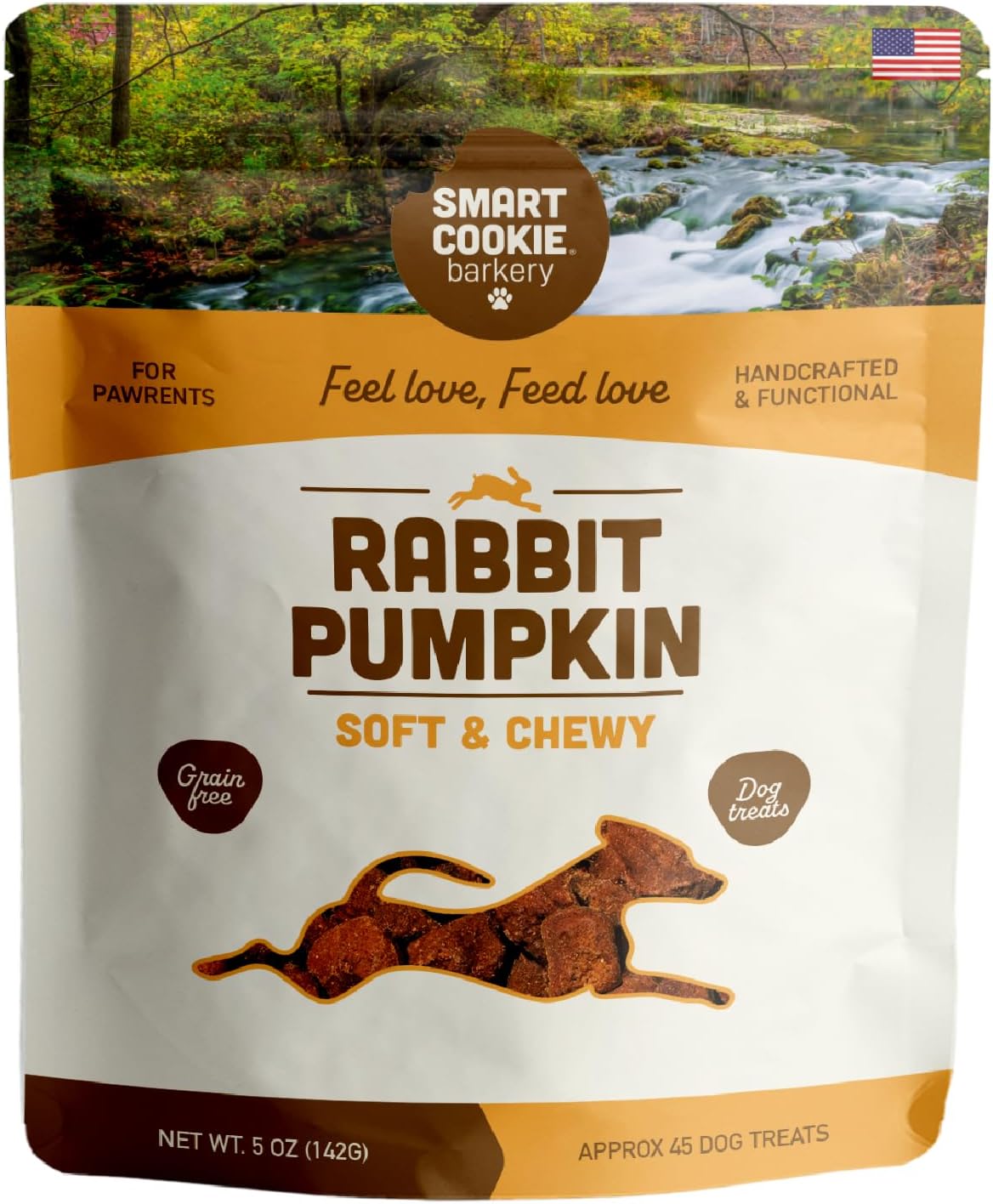
| Best Limited-Ingredient Safe Treat Short, simple ingredient lists for sensitive or reactive dogs | Smart Cookie Rabbit & Pumpkin Treats 5 oz |  |
Pur Luv Chicken Jerky Treats 16 oz
Best Overall Safe Treat

| Unit Count | 16 Ounce |
|---|---|
| Item Form | Stick |
| Age Range Description | All Life Stages |
| Allergen Information | Pea-Free |
Pur Luv Chicken Jerky treats are dehydrated strips made with 100% real chicken breast as the first ingredient plus vegetable glycerin and salt, packaged in a resealable 16 oz bag. They function as everyday rewards for training, high-value incentives during behavior sessions, or occasional chew-worthy snacks to keep dogs engaged. The simple ingredient list and absence of artificial colors, flavors, or preservatives make them easy to understand for pet owners watching diets or ingredient sensitivity. In practice the strips are chewy and easy to portion into small pieces for multiple rewards and the resealable bag helps maintain freshness between sessions. These treats are high in protein and relatively low in fat compared with many soft treats, but because they are meat-based jerky they are more calorie-dense than single-bite low-cal treats and can be messy if given outdoors. Dogs that need very soft or tiny training bites may require you to break pieces down further. Overall they are a straightforward, wholesome option for routine rewarding when you want real meat and minimal extras.
Best for: Buyers who prioritize simple, meat-first ingredients and want a high-protein, everyday reward that is easy to portion for training and bonding.
Less Ideal for: Owners who need ultra-small, calorie-minimal training nibbles or who prefer completely dry, crumb-free treats for outdoor use should consider alternatives.
- Real chicken breast is the first ingredient providing high protein and clear sourcing
- Limited ingredient recipe with no artificial colors, flavors, or preservatives
- Resealable 16 oz bag keeps treats fresher between uses
- Chewy texture satisfies natural chewing behavior and works as a reward or chew alternative
- Jerky strips are thicker than tiny training treats so you may need to break them into smaller pieces
- Can be messier or stickier than dry biscuit-style treats when handled
Verdict: The best overall safe treat for most pet owners, balancing ingredients, palatability, portion size, and everyday safety considerations for regular rewarding.
Country Kitchen Beef Rings 7 Count
Best Budget Safe Treat

| Flavor | Beef Rings |
|---|---|
| Unit Count | 7 Count |
| Item Form | Roll |
| Age Range Description | All Life Stages |
| Animal Food Diet Type | Limited Ingredient |
Country Kitchen Rawhide Free Beef Rings are bite-sized, beef-flavored chews intended as everyday rewards and light dental chews. They are formulated without rawhide and use a puffed, airy texture with a meaty coating that makes them easy to chew and digest, which suits dogs that tend to struggle with traditional rawhide. Typical use is as a training treat or occasional chew, offered straight from the bag and paired with fresh water. Notable features include real meat ingredients, collagen for chew texture, and a limited-ingredient approach that excludes gluten, wheat, and soy. In practice the rings are low-calorie and friendly for frequent rewarding, but they are not a long-lasting, heavy-duty chew for power chewers and should be given under supervision like any treat. Ingredients list includes starches and preservatives, so owners managing strict ingredient sensitivities should check the panel. For budget-conscious buyers who want a safer, rawhide-free alternative for regular rewards, these deliver good flavor and digestibility at a low cost, though they are best for light to moderate chewers rather than aggressive chewers.
Best for: Owners who want an inexpensive, easy-to-digest treat for frequent rewards or training sessions and prefer a rawhide-free option.
Less Ideal for: People with dogs that chew aggressively or need strictly additive-free, single-ingredient diets should choose a different long-lasting or limited-ingredient option.
- 100% rawhide-free formulation reduces choking and digestion concerns compared with rawhide
- Made with real beef and collagen for a palatable, chewy texture
- Free of gluten, wheat, and soy which helps with some common sensitivities
- Sold in a 7-count bag that is convenient for frequent treat use
- Not designed for heavy or aggressive chewers and will not last long for power chewers
- Contains starches and preservative ingredients that may not suit dogs with strict dietary restrictions
Verdict: The best budget safe treat for owners looking to reward frequently without overspending while still avoiding common harmful ingredients and choking risks.
JustFoodForDogs JustChicken Dog Treats 5 oz
Best Premium Safe Treat

| Flavor | Chicken |
|---|---|
| Item Form | Treats |
| Unit Count | 5 Ounce |
| Age Range Description | All Life Stages |
| Specific Uses For Product | Behavior, Coat, Skin, Stomach, Weight |
These treats are thin strips of real chicken breast dried into a chewy, semi-crisp jerky that works well as a high-value training reward or an everyday healthy snack. They are single-ingredient, human-grade chicken breast with no preservatives, fillers, artificial colors, or growth hormones, which makes them easy to feed to dogs with sensitivities and straightforward to track in an elimination diet. The resealable pouch helps keep portions fresh and the low-calorie profile is convenient for reinforcing behavior without adding many extra calories. Texture is appealing to most dogs and breaks into small pieces for training sessions, though because they are real meat they can be softer or more pliable than baked crunchy treats and may not last as long for very enthusiastic chewers. Packaging is pantry-stable but should be stored in a cool, dry place after opening. If you want a simple, high-quality meat-only treat with a gourmet ingredient list, these deliver the expected flavor and simplicity.
Best for: Pet owners who prioritize clean, transparent ingredient lists and want a human-grade, single-protein treat for training, allergy management, or everyday healthy rewards.
Less Ideal for: Owners seeking long-lasting chew toys or large bulk packs for frequent dispensing should consider firmer or higher-quantity alternatives.
- Single-ingredient recipe (100% chicken breast) suitable for dogs with food sensitivities
- Human-grade sourcing and no artificial colors, preservatives, or growth hormones
- Resealable 5 oz pouch for freshness and easy portioning
- Low-calorie, high-protein formulation appropriate for training and weight management
- Real-meat texture can be softer and less long-lasting than baked or hard chews
- Small 5 oz pouch may require frequent repurchasing for multi-dog households
Verdict: The best premium safe treat for owners who prioritize high-quality sourcing, cleaner ingredient lists, and a gourmet texture or flavor profile worth the extra cost.
Pupford Freeze Dried Training Treats 4 oz
Best Training-Size Safe Treat

| Flavor | Beef |
|---|---|
| Item Form | Pellet |
| Unit Count | 4 Ounce |
| Ingredients | Beef Liver, Beef Heart, Mixed Tocopherols (Natural Antioxidant) |
These freeze-dried beef liver treats are made from just a few natural ingredients and are built for everyday training. The pellets are bite-sized and lightweight so you can give multiple rewards in a short session without overfeeding, and the dry texture keeps hands and treat pouches clean during walks, classes, or clicker work. Because they are essentially meat, they are highly motivating for most dogs and work well for shaping behaviors, recall practice, and reward-based training. The simple ingredient list and low calorie profile also make them a reasonable choice for dogs with sensitive stomachs or owners tracking intake. Limitations include the small 4 ounce pouch, which will be used up quickly with frequent sessions, and the single-flavor profile may not suit dogs that need stronger variety to stay interested long term.
Best for: Trainers who want a simple, highly motivating everyday reward that stays mess free and supports frequent, low-calorie reinforcement.
Less Ideal for: People looking for large bulk quantities or multiple flavor mixes for long-term variety should consider larger or multi-flavor packs.
- Single-ingredient, natural meat formula that boosts motivation
- Freeze-dried, low-odor pellets that do not make hands or pockets messy
- Small, bite-sized pieces suitable for rapid repetition during training
- Low calorie so you can reward frequently without large calorie load
- Small 4 oz pouch can be depleted quickly with heavy training use
- Only one flavor option in this listing limits variety for picky dogs
Verdict: The best training-size safe treat for owners who need tiny, low-calorie pieces that are easy to handle, quickly consumed, and safe for repeated reinforcement.
Zuke's Mini Naturals Peanut Butter & Oats 16 oz
Best Low-Calorie Safe Treat

| Flavor | Peanut Butter & Oats |
|---|---|
| Unit Count | 16 Ounce |
| Item Form | Tender, Bites, Bits |
| Special Ingredients | Chicken |
| Recommended Uses For Product | Dog Training, On-the-go Rewards |
Zuke's Mini Naturals Peanut Butter & Oats are tiny, soft training treats formulated for frequent rewarding during training sessions or outings. Each treat is low in calories so you can give multiple rewards without dramatically increasing daily calorie intake, and the soft texture makes them easy to break up or quickly deliver during repetitions. The recipe highlights real ingredients like peanut butter, oats, and cherries and excludes corn, wheat, and soy, which helps with simple dietary needs and palatability. A resealable bag keeps the treats fresh for hikes or pockets, and the tender bite suits small and medium dogs that need quick, high-value reinforcement. Limitations include the peanut-forward formula, which is unsuitable for dogs with peanut allergies, and the bagged format can be less convenient than small training tins for some handlers. For weight-conscious owners who need many small, tasty rewards, these treats strike a good balance between flavor and low calories per piece.
Best for: Owners who need a small, low-calorie reward to give many repetitions while managing their dog’s daily calorie intake and reinforcing behavior frequently.
Less Ideal for: People seeking single-ingredient or hypoallergenic treats for dogs with multiple ingredient sensitivities or handlers who prefer compact training tins for pocket carry.
- Low calorie per piece suitable for frequent rewards during training
- Soft, tender texture that is easy to break and quickly deliver
- Made with real ingredients like peanut butter, oats, and cherries
- Resealable bag for portability and freshness on the go
- Peanut-forward recipe is not appropriate for dogs with peanut allergies
- Bag format can be bulkier than dedicated training treat tins or pouches
Verdict: The best low-calorie safe treat for dogs on weight-management plans or owners who want to reward frequently without adding excess calories.
Cesar Softies Filet Mignon 18 oz
Best Soft-Texture Safe Treat

| Flavor | Filet Mignon |
|---|---|
| Item Form | Chunk |
| Unit Count | 18 Ounce |
| Calories per Treat | 7 calories |
Cesar Softies are soft, chewy training treats sold in an 18 oz pouch with about 200 bite-sized pieces flavored like filet mignon. They are designed to be low calorie at seven calories per treat, making them easy to give frequently during training without adding too many extra calories. The soft, chewy texture and small paw-shaped bites make them simple for puppies, seniors, and dogs with dental sensitivity to chew and swallow quickly, which helps maintain focus during sessions. Ingredients include grain flours, glycerin and natural flavors and the product is made in USA facilities; the pouch reseals for freshness but benefits from tight storage. Limitations to note are the ingredient list, which contains wheat and preservatives such as BHA and potassium sorbate, so dogs with wheat allergies or owners avoiding certain preservatives should consider alternatives. Also these treats are positioned for small breeds which means the piece size and formulation are targeted to smaller mouths rather than large active chewers.
Best for: Buyers who need a gentle, low-calorie reward to use frequently with puppies, seniors, or dogs that have trouble chewing hard treats.
Less Ideal for: Owners seeking grain-free treats, preservative-free formulations, or a long-lasting chew for power chewers should look elsewhere.
- Very soft, chewy texture suitable for puppies and older dogs
- Low calorie at seven calories per treat for frequent training rewards
- Bite-sized pieces that are easy to carry and quick for dogs to eat
- Resealable 18 oz pouch holds about 200 treats for multiple sessions
- Contains wheat and common preservatives (BHA, potassium sorbate) which may bother sensitive dogs
- Not formulated for heavy-duty chewing or as a dental chew alternative
Verdict: The best soft-texture safe treat for puppies, seniors, or dogs with dental sensitivity that need gentle, easily chewed rewards that still meet safety standards.
Smart Cookie Rabbit & Pumpkin Treats 5 oz
Best Limited-Ingredient Safe Treat
| Flavor | Rabbit and Pumpkin |
|---|---|
| Unit Count | 5 Ounce |
| Item Form | Chunk |
| Allergen Information | Gluten Free, Soy Free, Wheat Free |
| Animal Food Diet Type | Limited Ingredient |
These Smart Cookie Rabbit & Pumpkin treats are a soft, single-protein snack aimed at dogs with sensitivities. Each bite is made primarily from dehydrated rabbit, pumpkin and lentils with minimal extra ingredients and natural preservatives, which keeps the ingredient list short and easier to digest for allergy-prone pups. The treats are soft and chewy, tear easily into smaller pieces for training or for puppies and seniors, and the resealable pouch helps keep them fresh. At roughly 7 calories per treat and about 45 pieces per 5 oz bag, they work well for repeated rewards without adding many calories. The limited formula and grain free, gluten free labeling make it a sensible choice when avoiding common triggers like chicken, beef, wheat and soy. Drawbacks are the small package size for frequent trainers and the single flavor profile that may not interest very picky dogs used to beef or chicken tastes. For dogs truly sensitive to common proteins this product provides a straightforward, low-ingredient option but you may need to buy multiple pouches if you use them heavily.
Best for: Dog owners prioritizing minimal, single-protein recipes for pets with food sensitivities or digestive issues who want a soft, low-calorie training reward.
Less Ideal for: Owners who need large bulk packs for high-volume training sessions or who want multiple protein options in one purchase.
- Single novel protein (rabbit) reduces exposure to common allergy triggers
- Short ingredient list with pumpkin for digestive fiber
- Soft, tearable texture suitable for puppies, seniors, and training
- Grain free, gluten free, and no artificial colors or flavors
- Resealable 5 oz pouch keeps treats fresh
- Small 5 oz pouch may require frequent repurchase for heavy training use
- Single flavor/protein may not entice dogs accustomed to common meats
Verdict: The best limited-ingredient safe treat for dogs with food sensitivities or owners who prefer minimal, single-protein recipes to reduce allergy and digestive risk.
Choosing the Right Safe Dog Treat: Key Factors to Consider
Ingredient Transparency
A clear ingredient list helps you judge whether a treat is genuinely safe for your dog. Look for treats that list whole food items first and avoid vague terms like flavor or natural flavors. When manufacturers provide origin or sourcing details it is easier to assess potential contaminants and overall quality.
Ingredient transparency also matters for dogs with known allergies or intolerances. If you need to eliminate common triggers such as beef, chicken, wheat, or dairy, readable ingredient information lets you screen options quickly. Transparent labeling also makes it easier to compare protein and carbohydrate sources and decide which treats fit your dog's dietary needs.
Digestibility and Sensitivities
Treats should be easy on the digestive system, especially for puppies, seniors, or dogs with sensitive stomachs. Ingredients that are low in fillers and free from common irritants reduce the risk of vomiting, diarrhea, or chronic issues. Single-protein treats or limited-ingredient formulations are often better tolerated when sensitivities are a concern.
Consider how a treat performs in small repeated doses because training often involves giving many treats in a short time. A highly digestible snack minimizes gastrointestinal upset even when fed frequently, while dense, fatty treats can cause problems if used liberally during training sessions.
Calorie Density and Portioning
Calorie control is essential when treats are used routinely. High-calorie snacks can quickly add up and contribute to weight gain if portion size is not adjusted. Choose treats with clear calorie information per piece and consider whether the treat can be broken into smaller pieces for frequent rewards.
Treats designed for training are usually low-calorie and soft enough to be consumed quickly to keep sessions moving. For casual rewards or longer-lasting chews, look for options that deliver lower calories per minute of engagement. Understanding calorie density helps you balance reward frequency with your dog's daily energy needs.
Texture and Chewing Behavior
Texture affects how a treat is used and whether it is safe for a particular dog. Soft, moist bites are ideal for training because they can be eaten quickly and are easier for puppies or older dogs to chew. Firmer treats or chews offer longer engagement but may not be suitable for aggressive chewers or dogs with dental issues.
Match texture to the dog's chewing style to reduce choking risk and prevent broken teeth. Consider whether the treat fragments into small pieces or splinters, and prefer products tested or designed to minimize hard shards. Texture also influences scent and palatability, which affects how motivating a treat will be during training.
Packaging and Storage
Proper packaging preserves safety by protecting treats from moisture, pests, and spoilage. Resealable bags, clearly printed best-by dates, and single-serve formats reduce waste and help maintain freshness. Packaging that shows batch or lot codes can be valuable if you need to check recalls or safety notices.
Storage requirements matter for owners who live in humid climates or who buy in bulk. Some treats need refrigeration after opening or have shorter shelf lives; others are shelf-stable for months. Choose packaging that fits how you use treats daily and supports safe long-term storage.
Palatability and Training Effectiveness
A safe treat must also be motivating. Palatability determines how effective a treat is during training and whether your dog will reliably respond to it. High-value treats tend to be more aromatic and flavorful, which can be useful for difficult training tasks or distractions.
Balance palatability with nutritional and safety considerations. Extremely rich treats may be enticing but problematic if fed often. Consider reserving higher-value snacks for special training moments and using lower-calorie, still-palatable treats for routine reinforcement.
How Do I Pick Treats for a Dog with Food Sensitivities?
Start by identifying the likely allergen or trigger and look for treats that explicitly avoid that ingredient. Limited-ingredient or single-protein treats reduce the number of variables and make it easier to isolate a problem if symptoms recur.
Introduce a new treat gradually and watch for signs of intolerance over several days. Keep portion sizes small during the trial period and avoid mixing multiple new foods at once so you can clearly link any reaction to a single item.
- Prefer single-protein formulas when testing for sensitivities
- Check for cross-contamination warnings if your dog has severe allergies
- Consult a veterinarian before making major diet changes
Are Low-calorie Treats Effective for Training?
Low-calorie treats are often ideal for training because they allow frequent rewards without significantly increasing daily caloric intake. Small, tasty bites maintain motivation while keeping total calories in check.
When choosing low-calorie options, ensure they remain palatable and easy to chew. If a treat is too bland, it may not hold attention, which reduces training efficiency.
- Use soft, low-calorie bites for high-repetition training
- Break larger treats into smaller pieces to control calories
- Reserve higher-value treats for challenging behaviors
What Should I Know About Chew Safety and Supervision?
Not all treats are safe to leave unattended. Longer-lasting chews or dense treats can pose choking risks or lead to tooth damage for aggressive chewers. Supervise initial sessions to see how the dog handles the product.
Discard treats that splinter or break into sharp pieces, and replace heavily worn chews. For multi-dog households, monitor sharing to prevent resource guarding or unequal access to safer alternatives.
- Supervise first-time use and monitor wear patterns
- Avoid treats that become overly brittle after drying
- Separate dogs if resource guarding is observed
Can Human-grade Ingredients Guarantee a Safe Treat?
Human-grade ingredients can indicate higher-quality sourcing but do not automatically guarantee safety for every dog. Ingredients that are safe for humans may still cause allergies or digestive upset in some dogs. Focus on the full formulation rather than a single label term.
Processing methods and added components, such as sweeteners or preservatives, also affect safety. Review the entire ingredient list and nutrition panel to judge suitability for your dog.
- Check for additives even when ingredients are human grade
- Consider the complete nutrient profile, not just one claim
How to Store Treats to Keep Them Safe Longer
Keep treats in their original packaging if it is resealable and includes storage guidance. Otherwise, transfer to airtight containers kept in a cool, dry place to prevent mold growth and rancidity. Avoid storing treats near heat sources or in direct sunlight.
Mark the date you opened the package and follow best-by guidance. For homemade or preservative-free treats, consider refrigeration or freezing for extended shelf life and thaw small portions as needed.
- Use airtight containers and store away from humidity
- Label opened dates when packaging lacks clear guidance
- Refrigerate preservative-free items when recommended
How We Chose the Best Safe Dog Treat
We applied a consistent editorial framework focused on safety, ingredient clarity, and real-world usability for everyday dog owners. Primary evaluation criteria included ingredient transparency and sourcing; we favored treats with clearly listed whole-food ingredients and minimal artificial additives. Digestive tolerance was assessed by looking for formulations suited to common sensitivities and general tolerability across age groups. Calorie density and portion size were considered to ensure treats can be used for training without dramatically increasing daily caloric intake. Texture and durability were evaluated to match different training contexts and chewing habits, from soft training bites to firmer options for longer chewing. Packaging and shelf life rounded out selection factors because resealable, clearly dated packaging helps maintain safety and freshness. We excluded treats with vague ingredient lists, misleading labeling, or obvious use of controversial additives. We did not consider gourmet or specialty novelty items that do not prioritize straightforward safety-related attributes. The final list represents a balance of transparent composition, digestibility, practical portioning, and user-focused packaging.
Our full evaluation process is outlined in our review methodology.
FAQ
How often can I give my dog treats without causing weight gain?
It depends on the treat calorie content and your dog's daily energy needs. Use low-calorie training bites and factor treat calories into the total daily allowance. Frequent short sessions with very small pieces usually keep overall calories manageable.
Are freeze-dried treats safer for dogs with sensitive stomachs?
Freeze-dried treats often retain single-source proteins and have minimal additives, which can be easier to digest for some dogs. However, tolerance varies by individual, so introduce them gradually and monitor digestion before regular use.
Can dental chews replace regular treats during training?
Dental chews are typically designed for longer chewing and oral hygiene rather than rapid consumption, so they are less practical for high-repetition training. Use dental chews as an occasional reward but choose softer, quick-eat treats for most training work.
What do I do if my dog has an allergic reaction to a treat?
Stop feeding the treat immediately and remove access. Monitor for signs of anaphylaxis such as swelling, difficulty breathing, or severe vomiting, and seek veterinary care if those occur. For mild reactions, consult your veterinarian to identify likely triggers and plan an elimination approach.
Are grain-free treats automatically better for dogs with allergies?
Grain-free does not necessarily mean hypoallergenic because proteins are frequent allergy triggers. If your dog reacts to a specific protein, switching to grain-free will not help. Use limited-ingredient or single-protein treats when investigating food sensitivities.
Final Verdict
Prioritize treats that combine ingredient transparency, appropriate calorie content, and textures that match your dog's chewing style. For dogs with sensitivities, limited-ingredient or single-protein options reduce variables and make it easier to identify triggers. Balance high-value, palatable snacks for challenging training with lower-calorie options for frequent reinforcement. Keep storage, portioning, and supervision in mind to maintain safety during everyday use. With these criteria in mind, you can choose safe treats that support training goals and your dog's long-term health.

