

Choosing the right selling dry dog food affects your dog's health, energy, and digestion every day. The wrong choice can cause picky eating, loose stools, or nutrient gaps, while the right kibble supports coat condition, weight management, and consistent stool quality. This guide shortlists seven top selling dry foods that represent strong options across life stages and feeding goals. We evaluated ingredient quality, digestibility, and practical factors so you can compare how each pick meets your dog's needs. Read on to see the strengths of each option and how to match them to your dog's routine.
Top Picks at a Glance
| Best Overall Selling Dry Food The best all-around dry food choice for most dog owners | Blue Buffalo Life Protection Formula Chicken 5 lb |  |
| Best Budget Selling Dry Food A low-cost dry food that still meets basic nutritional needs | Nutrish Beef Dry Dog Food 5 lb |  |
| Best Premium Selling Dry Food A higher-end dry food focused on superior ingredients and formulation | Hill's Science Diet Large Breed |  |
| Best High-Protein Selling Dry Food A formula with elevated protein levels for active or lean-maintenance dogs | Taste of the Wild High Prairie 28 lb |  |
| Best Grain-Free Selling Dry Food A grain-free recipe for owners preferring no cereal grains in the diet | Nulo FreeStyle Limited+ Salmon 5.5 lb |  |
| Best Large-Capacity Selling Dry Food A big-bag option for multi-dog households or long-term value shoppers | IAMS Proactive Health Minichunks Lamb & Rice 30 lb | 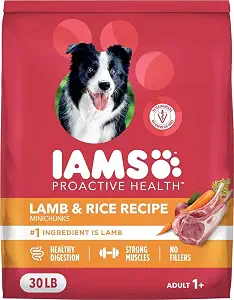 |
| Best Sensitive-Stomach Selling Dry Food A gentle, easily digestible formula for dogs with tummy issues | Purina ONE Digestive Health Chicken 16.5 lb |  |
Blue Buffalo Life Protection Formula Chicken 5 lb
Best Overall Selling Dry Food

| Flavor | Chicken & Brown Rice |
|---|---|
| Item Form | Dry Kibble |
| Recommended Age | Adult |
| Crude Protein | 24% min |
| Crude Fat | 14% min |
Blue Buffalo Life Protection Formula Chicken & Brown Rice is a 5 lb adult dry kibble built around real chicken as the first ingredient and whole grains like brown rice, oatmeal, and barley for energy and digestion. It is used as a daily maintenance diet and includes Blue's LifeSource Bits, which are a blend of antioxidants, vitamins, and minerals intended to support immune health, plus natural prebiotic fiber for stool quality and glucoseamine for joint support. Typical feeding is by weight-based cup measures, so it fits standard home feeding routines and switching between bag sizes is straightforward. Practical benefits include recognizable meat-first ingredients, grain-based carbohydrates for steady energy, and added nutrients for skin, coat, and joint care. Limitations are that it is a conventional grain-inclusive formula rather than grain-free or limited-ingredient for dogs with specific intolerances, and some sensitive dogs may do better on specialized veterinary diets. For owners seeking a reliable everyday adult formula that balances ingredient quality and cost, this is a sensible choice.
Best for: Owners who need an economical, everyday adult dog food that still prioritizes real meat first and basic functional extras like immune and joint support.
Less Ideal for: Avoid this if your dog requires a veterinary-prescribed therapeutic diet or has confirmed grain or multiple ingredient allergies that need an elimination formula.
- Real deboned chicken listed as the first ingredient for meat-forward protein
- Includes LifeSource Bits with added antioxidants, vitamins, and minerals for immune support
- Contains natural prebiotic fiber to help digestion and stool quality
- Added glucosamine to support joint health and mobility
- Contains grains so it is not suited for owners specifically seeking grain-free diets
- Not formulated as a veterinary or elimination diet for dogs with diagnosed food allergies
Verdict: The best overall selling dry food balances complete nutrition, palatability, ingredient quality, and price to suit the majority of pet households.
Nutrish Beef Dry Dog Food 5 lb
Best Budget Selling Dry Food

| Flavor | Beef |
|---|---|
| Age Range Description | Adult |
| Item Form | Chunk |
| Unit Count | 80 Ounce |
Nutrish Real Beef, Pea & Brown Rice is a 5 lb adult dry dog food that uses beef as the primary ingredient and adds vitamins, minerals and fish oil for rounded daily nutrition. It is typically served as the main daily kibble for adult dogs and follows standard feeding guidelines by weight. The formula emphasizes natural ingredients without added artificial flavors and includes plant sources such as peas and brown rice for carbohydrate and fiber. Practical benefits include a veterinarian-reviewed recipe and an ingredient list designed to appeal to picky eaters thanks to beef-first flavoring, while the smaller 5 lb bag makes it convenient for owners who want to test a new formula or need more frequent rotation. Limitations are that the recipe contains common allergens like soy and barley and includes grain ingredients, so it is not a grain-free or limited-ingredient option for dogs with specific sensitivities. Buyers should also plan on storing the smaller bag properly to maintain freshness between openings.
Best for: Owners looking to feed a cost-conscious, nutritionally complete dry food that still uses real beef as the lead ingredient and is suitable for everyday meals.
Less Ideal for: Owners whose Basset Hound has grain or ingredient sensitivities, or who require a limited-ingredient or grain-free therapeutic diet should consider specialized formulas instead.
- Beef listed as the first ingredient for strong flavor appeal
- Formulated for complete and balanced adult nutrition with added vitamins and minerals
- Veterinarian-reviewed recipe for added confidence in formulation
- No added artificial flavors noted in product information
- Contains common allergens such as barley and soy which may not suit sensitive dogs
- Includes grains so it is not suitable for owners seeking grain-free or limited-ingredient diets
Verdict: The best budget selling dry food provides complete and balanced nutrition at a low price while maintaining acceptable ingredient quality and consistent availability.
Hill's Science Diet Large Breed
Best Premium Selling Dry Food

| Flavor | Chicken & Barley |
|---|---|
| Age Range Description | Adult 1-5 |
| Item Form | Pellet |
| Breed Recommendation | Large Breeds |
| Unit Count | 560 Ounce |
Hill's Science Diet Large Breed is a dry adult dog food formulated specifically for large breeds, combining high-quality protein, joint-supporting ingredients and prebiotic fibers in a large-bag format. It is typically fed as a daily kibble for adult large or giant dogs and includes glucosamine and chondroitin to help support hip and joint health while higher-quality protein helps maintain lean muscle mass. The formula also includes omega-6 fatty acids and vitamin E for skin and coat conditioning and a blend of prebiotic fibers and antioxidants to support digestion and immune health. Kibble size and calorie density are tuned for larger dogs, and the package provides feeding guidelines to adjust amounts as needed. Limitations are that it is a non-therapeutic, general adult formula so dogs with specific medical conditions may need a prescription diet, and some dogs may require a gradual transition period to avoid digestive upset when switching foods.
Best for: Buyers seeking a vet-recommended everyday adult dry food for large or giant breeds that prioritizes joint support, lean-muscle maintenance and digestive health.
Less Ideal for: Owners whose dogs have diagnosed medical conditions requiring a prescription diet or who need a limited-ingredient formula for food sensitivities should consider alternatives.
- Formulated for large-breed adult dogs with targeted nutrient balance
- Contains glucosamine and chondroitin to support joint health
- Higher-quality protein to help build and maintain lean muscle
- Includes prebiotic fibers and antioxidants to support digestion and immune health
- Omega-6 and vitamin E for skin and coat condition
- Not a veterinary prescription diet for dogs with specific clinical conditions
- Large 35 lb bag may be heavy to handle for some buyers
Verdict: The best premium selling dry food is aimed at owners willing to pay more for higher-quality proteins, cleaner ingredient lists, and enhanced formulation features.
Taste of the Wild High Prairie 28 lb
Best High-Protein Selling Dry Food

| Flavor | Roasted Bison & Roasted Venison |
|---|---|
| Age Range Description | Adult |
| Item Form | Kibble |
| Allergen Information | Grain-Free |
| Unit Count | 448 Ounce |
Taste of the Wild High Prairie is a grain-free kibble built around real roasted meat as the first ingredient and a declared 32% protein level, aimed at supporting active adult dogs. It is typically used as a daily maintenance or performance food for energetic breeds and working dogs, providing concentrated calories and protein for muscle maintenance and recovery. The formula includes roasted bison and venison plus supplementary meats and fish meal, and it lists species-specific probiotic strains and a mix of fruits and vegetables for antioxidants and digestive support. Practical benefits include dense, meat-forward nutrition suitable for dogs with high energy needs and added probiotics to help digestion during heavy workloads. Limitations are that it is grain-free, which some owners avoid due to regulatory questions about cardiac health in certain dogs, and the rich recipe may be too calorie-dense for less active or weight-sensitive pets, requiring careful portion control. Also, ingredient sources include some novel proteins that could trigger sensitivities in dogs with specific allergies.
Best for: Active, high-energy owners and handlers who need a meat-forward, high-protein kibble to support muscle maintenance and sustained activity in working or sport-focused dogs.
Less Ideal for: Owners of low-activity, easily overweight dogs or dogs with grain sensitivities that specifically require grain-inclusive diets should consider other options.
- Real roasted meat listed first for strong animal-protein profile
- High declared protein level (around 32%) to support muscle maintenance
- Includes proprietary K9 probiotic strains for digestive and immune support
- Supplemented with fruits and vegetables for antioxidants and omega fatty acids for skin and coat health
- Grain-free formulation may not be recommended for all dogs due to ongoing concerns about heart health links
- Calorie-dense recipe can cause weight gain if portions are not adjusted for less active dogs
Verdict: The best high-protein selling dry food suits active dogs or those needing higher protein intake by offering a protein-forward recipe with dependable digestibility and amino-acid balance.
Nulo FreeStyle Limited+ Salmon 5.5 lb
Best Grain-Free Selling Dry Food

| Flavor | Salmon |
|---|---|
| Item Form | Dry |
| Age Range Description | Adult |
| Special Ingredients | BC30 Probiotic |
| Package Size Name | 5.5 lb Bag |
Nulo FreeStyle Limited+ Salmon is a grain-free dry kibble built around a single animal protein source, deboned salmon, and formulated with probiotics and prebiotic fibers for digestive support. It is typically fed as a complete diet for puppies and adults who need a simplified ingredient list; the recipe delivers about 30% crude protein to support lean muscle growth and includes omega fatty acids, biotin, and zinc to promote skin and coat health. Practical benefits include a focused formula that avoids common triggers such as chicken, eggs, peas, grains, and artificial colors, plus BC30 probiotic technology intended to help sensitive stomachs absorb nutrients more effectively. Because it is a limited-ingredient diet it can simplify rotation and elimination trials for pups with suspected food sensitivities, but the grain-free formulation and use of legumes and chickpea flour mean it is not a hypoallergenic veterinary prescription diet and may not suit every allergy case. The 5.5 lb bag size is convenient for testing with puppies before committing to larger bags, though active large-breed puppies may require faster refills due to higher caloric needs.
Best for: Puppy owners seeking a short, transparent ingredient list and a single high-quality protein to support growth while minimizing common dietary triggers.
Less Ideal for: Families needing a veterinary prescription hypoallergenic diet or those who want a grain-inclusive formulation for breeds with specific carbohydrate tolerances.
- Single animal protein source (deboned salmon) reduces ingredient complexity for sensitivity testing
- High protein level (about 30% crude) to support lean muscle and growth
- Includes BC30 probiotic and prebiotic fibers to support digestion and nutrient absorption
- Added omega-3 and omega-6 fatty acids plus biotin and zinc for skin and coat health
- Grain-free formula includes chickpeas and chickpea flour which may still trigger sensitivities in some dogs
- 5.5 lb bag may be small for larger or very active puppies requiring frequent feeding
Verdict: The best grain-free selling dry food is designed for owners who choose grain-free formulas, offering alternative carbohydrate sources while meeting complete nutritional standards.
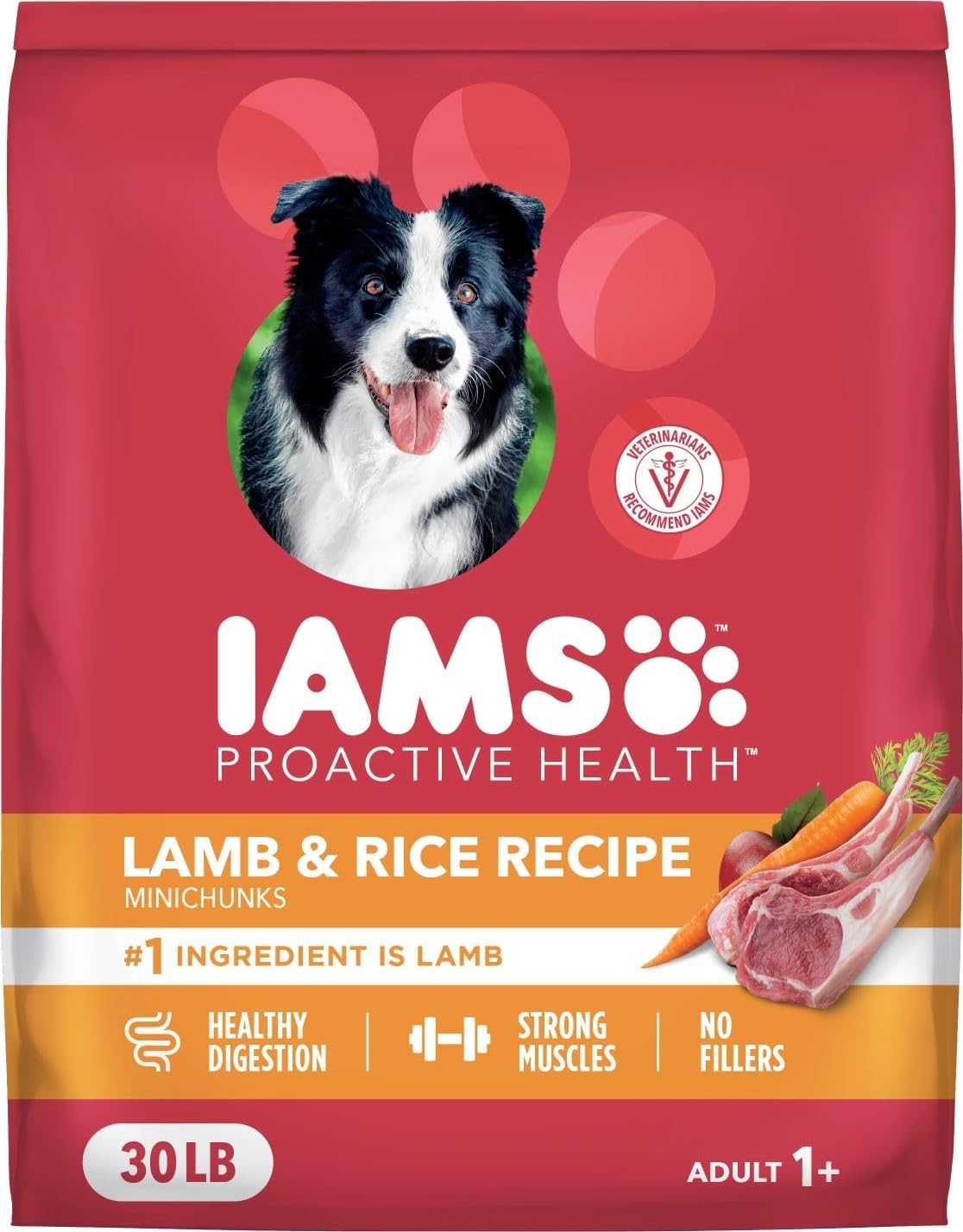
IAMS Proactive Health Minichunks Lamb & Rice 30 lb
Best Large-Capacity Selling Dry Food
| Flavor | Lamb & Rice |
|---|---|
| Age Range Description | Adult |
| Item Form | Dry Kibble |
| Unit Count | 480 Ounce |
IAMS Proactive Health Minichunks Lamb & Rice is an adult dry kibble that uses lamb as the first ingredient and a tailored blend of natural fiber and prebiotics to support digestive health. It is intended for daily feeding to maintain whole-body wellness, with added antioxidants and omega-6 fatty acids to support immune function and skin and coat condition. The smaller minichunks format can be easier for smaller mouths and helps portion control, while the recipe includes egg and multiple animal meals to boost protein quality. Practical benefits include a formula designed to reduce digestive upset through prebiotics and fibers, and nutrients aimed at heart and coat health so you can feed it as a staple diet for adult dogs. Important limitations for the novel-protein shopper: lamb is a common protein rather than an uncommon or boutique novel source, and the ingredient list also contains several common proteins and grain ingredients, so it may not reduce exposure to all typical allergens for dogs with strict protein sensitivities.
Best for: Buyers who want an adult kibble focused on digestive support and whole-body health and are open to lamb-based formulas as a primary protein source.
Less Ideal for: Owners seeking a strict novel-protein or single-source elimination diet for confirmed protein allergies should look for limited-ingredient or single-protein veterinary formulas instead.
- Lamb listed as the #1 ingredient for a recognizable animal protein source
- Contains natural fiber and prebiotics aimed at supporting healthy digestion
- Includes antioxidants and omega-6 fatty acids to support immune system and skin and coat health
- Minichunks kibble shape that is easier for smaller mouths and helps with portioning
- Not a true novel-protein formula since it includes other common animal meals and egg
- Contains grains and multiple protein sources that may still trigger sensitivities in highly reactive dogs
Verdict: The best large-capacity selling dry food delivers cost-per-pound savings and convenient supply for larger households while maintaining freshness and balanced nutrition.
Purina ONE Digestive Health Chicken 16.5 lb
Best Sensitive-Stomach Selling Dry Food

| Flavor | Chicken |
|---|---|
| Age Range Description | Adult |
| Item Form | Kibble |
| Specific Uses For Product | Digestive Health |
| Unit Count | 264 Ounce |
Purina ONE Digestive Health Chicken and Rice is a dry adult formula aimed at dogs with sensitive stomachs, combining crunchy kibble with softer meaty morsels. It is typically fed as a full daily diet for adult dogs and includes probiotics and a blend of nutrients intended to support digestion, skin and coat, joint health, and immune function. Real chicken leads the ingredient list and the recipe emphasizes highly digestible components such as rice plus added vitamins, minerals and omega-6 fatty acids. In practice this makes portioning straightforward and the package includes feeding guidance to transition slowly over 7 to 10 days to avoid upset. The presence of probiotics and a targeted SmartBlend means owners can reasonably expect fewer digestive upsets for many dogs, though the formula does include ingredients like corn and chicken by-product meal that some owners avoid. This bag is a practical choice for caregivers looking for a complete, everyday diet to help manage sensitive stomachs while still delivering normal kibble texture and higher protein content for maintained muscle and heart support.
Best for: Owners of senior or adult dogs that experience mild to moderate digestive sensitivity and who prioritize a complete daily diet with probiotics and familiar ingredients.
Less Ideal for: Pet parents who require grain-free formulas or who prefer diets without by-product meals should consider alternative recipes.
- Formulated with added probiotics to support digestive health
- Real chicken listed as the first ingredient for higher protein
- Includes omega-6 fatty acids and antioxidants for skin, coat, and immune support
- Complete and balanced nutrition for adult dogs with feeding guidance and transition instructions
- Contains grain ingredients and chicken by-product meal which some owners may wish to avoid
- Not formulated for puppies, pregnant, or nursing dogs
Verdict: The best sensitive-stomach selling dry food is formulated with soothing ingredients and simplified recipes to reduce digestive upset while still providing complete nutrition.
Choosing the Right Selling Dry Dog Food: Key Factors to Consider
Primary Protein Source
The named primary protein is the backbone of a dry dog food's nutritional profile. Dogs rely on meat or meat-derivative proteins for essential amino acids, so a clearly identified first or second ingredient that is a specific animal protein is preferable. Protein type influences digestibility, allergen potential, and calorie density, and it also affects palatability and long-term health outcomes such as muscle maintenance.
When comparing options, look beyond vague labels. Ingredients listed as a specific meat or fish are more useful for assessing quality than generic terms like meat by-products. The primary protein also helps determine whether a food fits an elimination diet or an active dog's higher protein needs.
Digestibility and Stool Quality
A highly digestible formula extracts more usable nutrients per cup and tends to produce firmer, smaller stools. Digestibility is affected by protein quality, carbohydrate selection, fiber type, and the presence of digestive aids such as probiotics or enzymes. For many households, predictable stool quality is one of the clearest signs a food agrees with a dog.
If you care about digestion, prioritize recipes with digestible carbohydrate sources and a balanced soluble-to-insoluble fiber ratio. Slowly transition any new dry food and judge tolerance over several weeks rather than a day or two.
Caloric Density and Life-stage Suitability
Caloric density determines how much food you must feed to meet energy needs and influences weight control strategies. Puppies, pregnant or nursing dogs, and highly active dogs typically need calorie-rich formulas, while older or sedentary dogs often do better on lower-calorie, nutrient-dense recipes.
Labels that identify life-stage suitability let you match the food to your dog's metabolic demands. Also consider whether the food's feeding guide produces reasonable portion sizes for your dog's weight and activity level to avoid inadvertent overfeeding.
Kibble Size, Shape, and Texture
Kibble characteristics affect how easily a dog can pick up and chew the food, which matters for dental wear, enjoyment, and feeding speed. Small or thin kibble is usually better for toy and small-breed dogs, while larger, heartier pieces suit medium and large breeds. Texture affects palatability and can influence how quickly a dog consumes a meal, which has implications for digestion and bloat risk in susceptible dogs.
Consider your dog's jaw strength, dental health, and any tendencies to gulp food when selecting a kibble shape and size. Some formulations also use texture to encourage chewing rather than rapid ingestion.
Ingredient Transparency and Sourcing
Clear labeling about ingredient sources and named components helps you evaluate overall quality and environmental considerations. Transparency about which meat species, whole grains, or produce items are included reduces guesswork and makes it easier to identify potential allergens or unwanted fillers.
Reliable sourcing practices also matter for consistency between batches. Foods that list specific protein sources and whole-food ingredients give you and your veterinarian better information for diet planning and any necessary elimination trials.
Additives, Supplements, and Functional Ingredients
Many dry foods include functional additives such as omega fatty acids for skin and coat, glucosamine for joint support, probiotics for gut health, or antioxidants for immune support. These extras can be useful but should complement a sound basic formulation rather than mask poor core ingredients.
Evaluate whether functional ingredients are present at meaningful levels and whether they address a specific need for your dog. Avoid relying on supplements listed without clear context, and factor functional components into the overall assessment of value and purpose.
How Do I Switch My Dog to a New Selling Dry Food Without Digestive Upset?
Switch gradually over 7 to 10 days, starting with about 10 percent new food mixed into 90 percent current food and increasing the new portion every few days. Smaller, slower steps help the gut microbiome adapt and reduce the chance of loose stools or vomiting.
Monitor stool consistency and appetite during the transition. If loose stools appear, hold at the previous ratio for a few more days rather than advancing, and consider consulting your veterinarian if issues persist for more than a week.
- Day 1–3: 10 percent new, 90 percent old
- Day 4–6: 25 percent new, 75 percent old
- Day 7–9: 50 percent new, 50 percent old
- Adjust pace for sensitive dogs or if digestive signs arise
What Feeding Amounts and Schedules Work Best with Dry Food?
Feeding amounts depend on caloric density, your dog's weight, age, and activity level. Use the label guide as a starting point, then adjust based on body condition score and weight changes over several weeks. For many adult dogs, splitting the daily allotment into two meals reduces hunger between feedings and helps regulate digestion.
Puppies need more frequent feedings and energy-dense formulas. Senior dogs might benefit from smaller, more frequent meals if they experience reduced appetite or dental issues. Regular weigh-ins and body condition checks are the most reliable way to confirm portioning.
- Weigh your dog monthly when making diet changes
- Prefer two meals per day for most adult dogs
- Follow life-stage guidance for puppies and seniors
Can Dry Food Support Special Needs Like Joint Care or Weight Management?
Yes, many dry formulas are tailored for specific needs. Joint-support recipes include elevated levels of glucosamine and chondroitin and often higher protein to support lean mass. Weight-management dry diets reduce caloric density while maintaining essential nutrients, sometimes increasing fiber to promote satiety.
When addressing a special need, review the overall nutrient profile rather than relying on a single additive. For serious conditions such as arthritis or obesity, coordinate diet changes with veterinary guidance to ensure the plan is nutritionally complete and safe.
- Look for clinically supported inclusion levels for joint supplements
- Choose lower-calorie, nutrient-dense formulas for weight reduction
- Combine diet changes with appropriate exercise and monitoring
How to Read Dry Food Labels and Ingredient Lists
Ingredient order is by weight before cooking, so the first few items give the best indication of what the recipe really contains. Look for named animal proteins near the top and avoid vague catch-all terms. Evaluate carbohydrate sources and whether they are whole grains, legumes, or highly processed starches.
Guaranteed analysis gives percentages for crude protein, fat, fiber, and moisture but does not reveal amino acid quality or digestibility. Use guaranteed analysis alongside ingredient clarity and feeding guides to make an informed decision.
- Prioritize named meat or fish proteins as top ingredients
- Check crude protein and fat levels appropriate to your dog's life stage
- Consider fiber type and sources for digestive health
Is Rotation Feeding Between Selling Dry Foods a Good Idea?
Rotating between a few vetted dry foods can broaden nutrient variety and reduce the risk of developing a sensitivity to one single formula. However, frequent or abrupt changes increase digestive upset, so keep rotations slow and predictable.
If you rotate, stick to similarly balanced, high-quality recipes and maintain consistent meal structure. For dogs with known food sensitivities or medical conditions, stick with a single, veterinarian-approved diet unless instructed otherwise.
- Rotate gradually over a week when changing recipes
- Limit rotations to a small number of trusted formulas
- Avoid rotation during illness or stressful life events
How We Chose the Best Selling Dry Dog Food
To assemble this shortlist we focused on attributes that matter for everyday dry feeding. Primary evaluation criteria included ingredient composition and source transparency, with attention to the proportion of named proteins and whole-food inclusions. Digestibility and gastrointestinal tolerance were prioritized by examining ingredient types, fiber sources, and carbohydrate complexity. Life-stage and caloric density were considered so options suit puppies, adults, or seniors where appropriate. Practical feeding factors also influenced selection, including kibble size and texture for palatability and ease of mastication, and packaging or formulation stability that helps retain freshness. We excluded novelty snacks, prescription medical diets, and wet or freeze-dried formats to keep the list tightly focused on dry food. Claims alone were not sufficient; formulations had to demonstrate coherent ingredient logic for basic nutrition. We also filtered out products with unclear sourcing or insufficient transparency about protein and carbohydrate ingredients. The result is a set of seven dry foods chosen for predictable nutrition, digestibility, and real-world feeding practicality.
Our full evaluation process is outlined in our review methodology.
FAQ
How long should I expect to see changes after switching dry food?
You may notice appetite and minor stool changes within a few days, but full adaptation typically takes two to four weeks. Evaluate coat condition, energy levels, and consistent stool quality over a month before making a final judgment.
Is grain-free selling dry dog food healthier?
Grain-free is not inherently healthier; it is one approach that removes common cereal grains and replaces them with alternative carbohydrates. Its suitability depends on your dog's specific needs, and grain-inclusive recipes can be highly nutritious when they contain quality ingredients.
Can I mix wet toppers with dry food for picky eaters?
Adding a small amount of a moist topper can increase palatability and encourage eating, but keep toppers to a limited portion so they do not unbalance the overall diet. Choose toppers that complement rather than mask low-quality base ingredients.
What signs indicate my dog is allergic to a dry food ingredient?
Common signs include chronic ear infections, recurrent itchy skin, persistent licking, and gastrointestinal upset. Allergies often develop over time, so work with your veterinarian to run elimination trials using single-protein diets when allergy is suspected.
How should I store dry dog food to keep it fresh?
Store dry food in a cool, dry place away from direct sunlight and strong odors. Keep it in the original bag inside an airtight container to preserve the labeled nutrient profile and feeding instructions, and use the bag's best-by guidance for rotation.
Final Verdict
Prioritize a dry food that balances clear, named proteins with digestible carbohydrate sources and appropriate caloric density for your dog's life stage. Focus on ingredient transparency, predictable stool quality, and kibble size that fits your dog's breed and dental health when narrowing choices. Weigh tradeoffs such as higher-protein formulas for active dogs versus lower-calorie options for weight control. Use gradual transitions and monitor body condition and digestion to confirm the choice is working for your dog.

