

Picking a puppy food that your young dog actually enjoys makes daily feeding easier and helps maintain consistent calorie and nutrient intake during rapid growth. The best tasty puppy food should combine palatable flavors with the right balance of protein, fat, and essential vitamins so your pup eats enough without upsetting their developing digestive system. This guide shortlists seven top options chosen for flavor appeal, nutritional completeness, and puppy-safe ingredient profiles. Read on to find straightforward buying guidance and concise criteria used to evaluate each choice.
Top Picks at a Glance
| Best Overall Tasting Puppy Food The top all-around choice balancing flavor, nutrition, and puppy needs | Taste of the Wild High Prairie Puppy 5 lb |  |
| Best Budget Tasting Puppy Food A low-cost puppy food that still delivers adequate nutrition and taste | Pedigree Puppy Dry Dog Food 3.5 lb |  |
| Best Premium Tasting Puppy Food A higher-end puppy formula with superior ingredients and taste profile | ZIWI Peak Puppy Air-Dried Chicken & Lamb 14oz |  |
| Best High-Protein Tasting Puppy Food A protein-forward formula for growing puppies and active development | Bully Max Puppy Food 24/14 |  |
| Best Grain-Free Tasting Puppy Food A grain-free puppy formula for owners preferring no cereal grains | Instinct RawBoost Puppy Food 3.5 lb |  |
| Best Canned Tasting Puppy Food Moist, canned options that boost palatability and hydration for puppies | Purina Pro Plan Puppy Pate 13 oz | 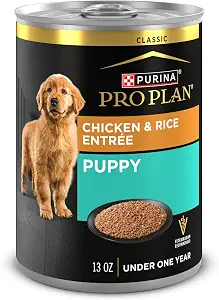 |
| Best Limited-Ingredient Tasting Puppy Food A simplified-ingredient recipe for easier sensitivity management and testing | Purina Pro Plan Puppy Sensitive Lamb & Oat |  |
Taste of the Wild High Prairie Puppy 5 lb
Best Overall Tasting Puppy Food
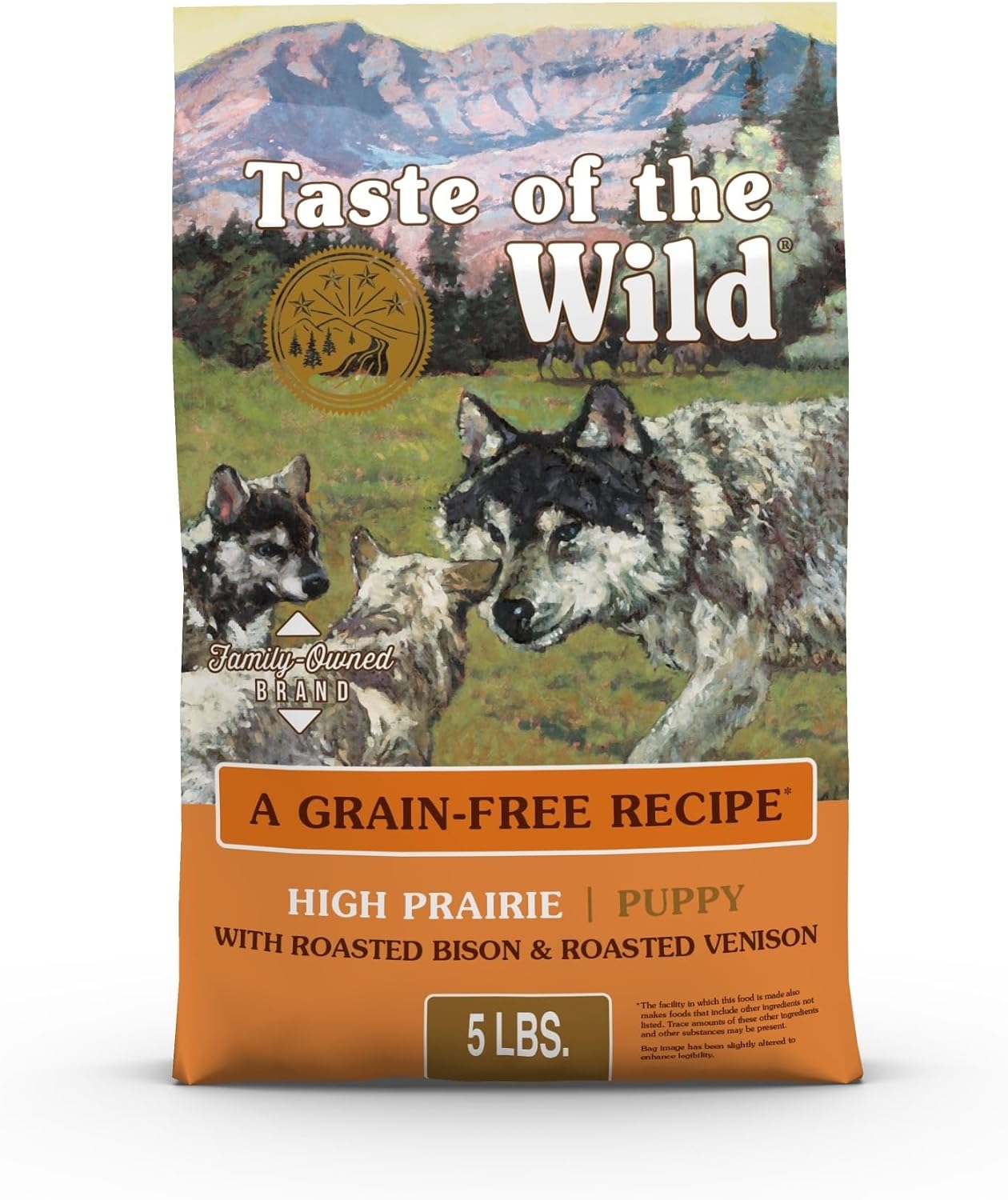
| Flavor | Roasted Bison & Roasted Venison |
|---|---|
| Crude Protein | 28.0% minimum |
| Crude Fat | 17.0% minimum |
| Unit Count | 80 Ounce |
Taste of the Wild High Prairie Puppy is a grain-free dry kibble built around real roasted meats (bison and venison) and a 28% minimum crude protein level to support muscle development in growing dogs. It is typically fed as a complete diet for puppies, pregnant or nursing mothers, and active young dogs that need concentrated calories and higher protein. The formula includes salmon oil for DHA, omega fatty acids for skin and coat, and a proprietary probiotic blend to support digestion. Practical benefits include high protein from multiple animal sources, added fatty acids for energy and development, and fruits and vegetables for antioxidant support. Because it is grain-free and relatively rich in protein and fat, it suits puppies with high energy needs but may be more calorically dense than required for sedentary or less active pups. Also, the use of multiple legumes and novel proteins may not be appropriate for dogs with specific sensitivities. Feed amounts should be adjusted by age and activity and offered with fresh water.
Best for: Puppy owners who need a nutrient-dense, high-protein kibble for active growth, performance or for nursing mothers seeking extra calories and muscle support.
Less Ideal for: Owners of low-activity puppies, dogs on restricted-calorie plans, or pups with known sensitivities to legumes or novel proteins should consider other diets.
- High protein (28% minimum) to support muscle growth
- Real roasted meats listed first for species-appropriate protein
- Proprietary probiotic blend to aid digestion and gut health
- Includes DHA and omega fatty acids for brain and coat development
- Grain-free formula with fruits and vegetables for antioxidants
- Calorie-dense formulation may be excessive for low-activity puppies
- Contains legumes and multiple novel ingredients that can trigger sensitivities in some dogs
Verdict: The best all-around tasting puppy food that balances appealing flavor, complete puppy nutrition, and ingredient quality for most young dogs and owners.
Pedigree Puppy Dry Dog Food 3.5 lb
Best Budget Tasting Puppy Food

| Flavor | Steak & Vegetable |
|---|---|
| Age Range Description | Puppy |
| Item Form | Dry Kibble |
| Unit Count | 56 Ounce |
| Target Species | Dog |
Pedigree Puppy Dry Dog Food is a traditional, affordable puppy kibble formulated to support growth and basic developmental needs. It is designed for daily feeding and includes high protein sources, DHA, calcium and phosphorus to support muscle, brain and bone development, plus a mix of vitamins and minerals to support immune health. The bag works well for routine feeding at home and can be served dry or softened with water for younger puppies. Ingredients include animal meals, chicken by-product meal and grains, so digestibility and ingredient quality are typical for value-focused formulas rather than premium grain-free or limited-ingredient diets. Practical benefits are straightforward: widely available, familiar feeding guidelines for different puppy weights, and added micronutrients like DHA. Important limitations are that the formula contains multiple common allergens and colored additives, and it is not aimed at owners seeking grain-free, single-protein, or specialty ingredient lists for sensitive pups.
Best for: Buyers prioritizing low-cost, complete puppy nutrition who want a straightforward, easy-to-feed formula for routine daily meals.
Less Ideal for: Owners of puppies with food sensitivities, those who need grain-free or single-protein diets, or buyers seeking premium ingredient lists and novel proteins.
- Formulated with DHA and minerals to support brain and bone development
- Complete and balanced for daily puppy feeding with established feeding guidelines
- Includes high-protein sources to support muscle growth
- Versatile serving—can be fed dry or softened with water for younger puppies
- Contains multiple common allergens and artificial color additives
- Uses by-product meals and grains rather than premium single-source proteins
Verdict: The best budget tasting puppy food for owners who need an affordable option that still meets essential puppy nutritional needs and offers good palatability.
ZIWI Peak Puppy Air-Dried Chicken & Lamb 14oz
Best Premium Tasting Puppy Food

| Flavor | Chicken |
|---|---|
| Age Range Description | Puppy |
| Item Form | Air-Dried |
| Unit Count | 14 Ounce |
| Animal Food Ingredient Claim | Grass-Fed |
ZIWI Peak Puppy Air-dried Chicken & Lamb is a nutrient-dense dry-format meal intended as a complete diet or topper for puppies aged roughly 2 to 24 months. The formula uses roughly 90% premium animal ingredients including free-range chicken, grass-fed lamb, organs and bone plus New Zealand green mussel and fish oil for omega-3s. Because the recipe is gently air-dried rather than extruded, it preserves more of the original nutrients and delivers a concentrated, highly palatable product that many puppies accept readily. The inclusion of natural sources of glucosamine and chondroitin from bone and cartilage supports joint development, and added prebiotic fiber and digestible carbohydrates like sweet potato and pumpkin help stool quality and digestion. Practical considerations: the product is calorie- and protein-dense so feeding portions must be adjusted for small breed puppies like West Highland Terriers, and the premium ingredients mean a higher per-ounce cost than typical kibble. It is not wet food, so hydration should be monitored, and pups with specific ingredient sensitivities should have the ingredient list reviewed. For owners prioritizing ethically sourced, high-protein, minimally processed nutrition, this delivers a clear premium option.
Best for: Owners who want a premium, minimally processed puppy diet with high-quality animal proteins and thoughtful sourcing and who are comfortable paying more for concentrated nutrition.
Less Ideal for: Budget-conscious buyers seeking lower-cost kibble or owners who prefer wet diets or need a prescription veterinary formula for medical conditions.
- Very high proportion of animal ingredients (about 90%) for strong protein and amino acid profile
- Air-dried processing preserves nutrients and creates a palatable, nutrient-dense meal
- Includes natural joint and skin support ingredients such as chicken bone, cartilage and New Zealand green mussel
- Formulated for puppies with added DHA/EPA from fish oil to support brain and eye development
- Can be used as a complete meal or a nutrient-rich topper to boost picky eaters
- Premium formulation is more expensive per serving than standard kibble
- Dense, concentrated calories require careful portion control especially for small-breed puppies
Verdict: The best premium tasting puppy food for owners willing to pay more for higher-quality ingredients, nutrient density, and enhanced flavor appeal.
Bully Max Puppy Food 24/14
Best High-Protein Tasting Puppy Food

| Crude Protein | 24% |
|---|---|
| Crude Fat | 14% |
| Calories | 419 cal/cup |
| Primary Flavor | Lamb |
Bully Max Puppy Food is a meat-forward dry kibble designed to support healthy muscle growth, energy needs, and digestive health in growing puppies. It supplies 24% protein and 14% fat with 419 calories per cup, so it is typically used as a primary daily diet for puppies that need extra calories and protein during growth phases. Notable features include lamb meal as the first ingredient, added pork and fish meal for concentrated animal protein, and a TruMune postbiotic blend alongside prebiotics and probiotics to support gut health and immune development. Practical benefits include concentrated nutrition for steady weight gain and muscle development, formula gentleness for sensitive stomachs, and omega fatty acids for skin and coat support. Important limitations are that the formula is calorie-dense so portioning must be monitored to avoid excessive weight gain in less active puppies, and some owners may prefer a chicken-inclusive protein if lamb/pork is not suitable for their dog. It is best used with a feeding plan adjusted for breed, activity, and growth rate.
Best for: Puppy owners seeking a high-protein, calorically rich formula to support muscle development and growth, especially for puppies that benefit from digestive support.
Less Ideal for: Owners who need a lower-calorie or lower-protein puppy food for less active or quickly maturing breeds should consider gentler formulations instead.
- High protein (24%) and calorie density (419 cal/cup) to support muscle growth and energy
- Lamb meal listed as the first ingredient for concentrated animal protein
- Includes TruMune postbiotics plus prebiotics and probiotics for digestive and immune support
- Formulated without corn, wheat, soy, or artificial colors and suitable for sensitive stomachs
- High calorie density requires careful portion control to prevent overfeeding
- Chicken-free formulation may not suit puppies that tolerate or need chicken-based diets
Verdict: The best high-protein tasting puppy food for puppies that need extra protein to support growth, muscle development, and higher activity levels while still tasting great.
Instinct RawBoost Puppy Food 3.5 lb
Best Grain-Free Tasting Puppy Food

| Flavor | Puppy (Chicken & Brown Rice) |
|---|---|
| Item Form | Dry Kibble |
| Special Ingredients | Apple, Barley, Blueberry, Carrot, Cranberry |
| Allergen Information | Pea-Free, Soy Free, Wheat Free |
| Unit Count | 56 Ounce |
Instinct RawBoost Puppy Food combines crunchy kibble with soft freeze-dried raw chicken pieces to deliver a higher-protein, nutrient-focused diet for growing puppies. It is used as a complete dry food for puppies and is intended to be fed according to age and weight-based guidelines; the formula highlights cage-free chicken and chicken meal as top ingredients, with brown rice, oatmeal, fruits and vegetables for fiber and micronutrients. Notable features include added DHA for brain and eye development, calcium and phosphorus for bone growth, and probiotics and omega-rich ingredients like salmon oil and ground flaxseeds for digestive and skin support. The formula avoids common fillers like corn, wheat, soy, peas, lentils and artificial preservatives, which simplifies the ingredient profile for dogs with suspected sensitivities. Practical limitations are that it is still a multi-ingredient commercial kibble rather than a strict single-protein limited-ingredient diet, and puppies with very specific protein allergies may need an elimination or novel-protein formula instead. For owners transitioning pups to this mix, follow the provided gradual switch guide to reduce digestive upset.
Best for: Buyers looking to simplify a puppy diet toward recognizable, higher-protein ingredients and reduce common filler ingredients while still feeding a complete dry food.
Less Ideal for: Owners who need a true single-protein or veterinary-prescribed elimination diet for confirmed food allergies should choose a dedicated limited-ingredient or novel-protein formula instead.
- Cage-free chicken listed as the first ingredient for high-quality animal protein
- Contains freeze-dried raw chicken pieces for enhanced flavor and added nutrient density
- Includes DHA plus calcium and phosphorus targeted for puppy development
- Free from corn, wheat, soy, peas, lentils, and artificial preservatives
- Contains probiotics and omega sources (salmon oil, flaxseeds) to support digestion and skin/coat
- Not a single-protein or strictly limited-ingredient diet for severe allergies
- Contains multiple grains and ingredients that may still trigger some sensitivities
- Only sold in this 3.5 lb bag size which may be small for larger litters
Verdict: The best grain-free tasting puppy food for owners who prefer formulas without cereal grains while still providing complete puppy nutrition and strong flavor.
Purina Pro Plan Puppy Pate 13 oz
Best Canned Tasting Puppy Food
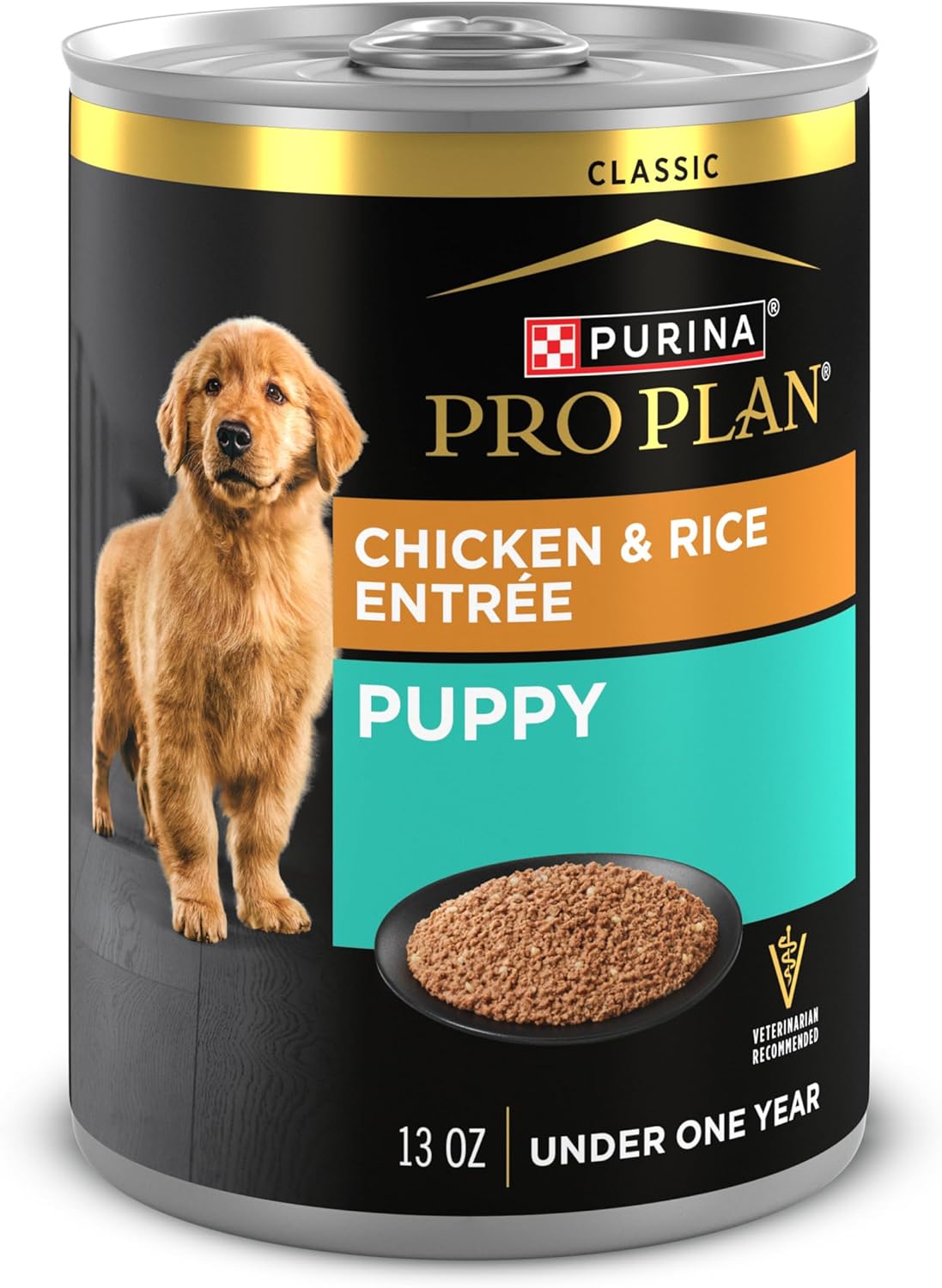
| Flavor | Chicken & Rice |
|---|---|
| Age Range Description | Puppy |
| Item Form | Wet |
| Container Type | Can |
| Unit Count | 156 Ounce |
Purina Pro Plan Development Chicken & Brown Rice Entree is a high-protein wet puppy pate meant to be fed as part of a daily ration for puppies up to about one year (longer for larger breeds). It uses real chicken as the first ingredient and provides DHA, vitamins, minerals, and antioxidants to support brain and vision development, immune function, and skin and coat health. The pate texture makes it easy to spoon, mix with dry kibble, or use for weaning and picky eaters, and the formula contains no artificial colors, flavors, or preservatives. Practical benefits include a nutrient-dense canned option that replaces about 1 cup of dry Pro Plan per 13 oz can and a feeding schedule that divides portions for young puppies. Limitations are that the ingredient list includes meat by-products and typical canned fillers, so buyers seeking single-source or limited-ingredient recipes may prefer specialty formulas, and the product is targeted to puppies specifically rather than adult maintenance feeding.
Best for: Buyers who want a widely available, nutrient-dense wet puppy food that supports growth, brain development, and easy feeding transitions for typical puppies during their development.
Less Ideal for: Owners seeking limited-ingredient, single-protein, or hypoallergenic wet diets or those who need a long-term adult maintenance canned food.
- Real chicken as the first ingredient for high-quality protein
- Includes DHA plus 23 vitamins and minerals to support brain and vision development
- 100 percent complete and balanced for puppy growth and development
- No artificial colors, flavors, or preservatives
- Pate texture mixes easily with dry food and helps with weaning or picky eaters
- Contains meat by-products and typical canned fillers rather than single-source proteins
- Formulation is puppy-focused and not intended as an adult maintenance diet
Verdict: The best canned tasting puppy food for owners who want a moist, highly palatable option that can aid hydration and entice picky young eaters.
Purina Pro Plan Puppy Sensitive Lamb & Oat
Best Limited-Ingredient Tasting Puppy Food

| Flavor | Lamb & Oat |
|---|---|
| Item Form | Dry |
| Age Range Description | Puppy |
| Special Ingredients | Lamb; Oat Meal; Fish Meal; Probiotics |
| Animal Food Diet Type | Limited Ingredient |
Purina Pro Plan Sensitive Skin & Stomach Puppy with Lamb & Oat Meal is a dry puppy formula built for pups that need a gentler protein and easy-to-digest carbohydrates. It uses real lamb as the primary protein, oat meal and rice as stomach-friendly carbohydrate sources, and added fish oil for DHA to support brain and vision development. The recipe includes guaranteed live probiotics and natural prebiotic fiber to help maintain digestive balance and stool quality, while omega-6 fatty acids and vitamin A support skin and coat health. Practical benefits include focused nutrients for growth like calcium and phosphorus for bones and targeted ingredients to reduce common irritants such as corn, wheat, and soy. As a limitation, this is a standard kibble so pups that need prescription diets or single-ingredient elimination may require veterinary guidance, and ingredient-sensitive dogs might still react to non-chicken proteins. Feeding should follow the package chart and transition slowly over 7 to 10 days to avoid upset.
Best for: Puppy owners who want a non-chicken puppy formula focused on digestive tolerance and skin support, and who plan to use a gradual feed transition and routine feeding schedule.
Less Ideal for: Owners seeking a prescription or single-ingredient elimination diet for diagnosed food allergies, or those whose puppies require wet-only or highly specialized clinical nutrition.
- Lamb is the first ingredient, providing a non-chicken primary protein
- Contains guaranteed live probiotics plus natural prebiotic fiber to support digestive health
- Oat meal and rice supply easily digestible carbohydrates gentle on sensitive stomachs
- Includes DHA from fish oil and omega-6 fatty acids to support brain development and skin and coat health
- Not a single-ingredient or prescription elimination diet, so dogs with multiple sensitivities may still react
- Standard dry kibble format may not suit puppies that require wet food or specialized veterinary formulas
Verdict: The best limited-ingredient tasting puppy food for owners seeking a simplified recipe to help identify or avoid potential food sensitivities while keeping flavor appealing.
Choosing the Right Tasty Puppy Food: Key Factors to Consider
Palatability and Flavor Profile
Puppies can be picky or hesitant eaters, so palatability is a primary concern. Flavor matters not only because it gets a pup to eat but because consistent intake supports steady growth and nutrient absorption. Look for formulas that use real animal proteins listed early in the ingredient list and moderate levels of fats that enhance taste without overwhelming immature digestive systems.
Different pups prefer different textures and flavors, so consider both dry and wet formats or recipes that include natural flavor enhancers rather than excessive artificial additives. Palatability should not come at the cost of balanced nutrition; a highly tasty formula that lacks complete growth nutrients can cause imbalanced development if used as a primary diet.
Nutritional Completeness for Growth
Puppy foods should meet established life-stage nutrient guidelines for growth. That includes sufficient high-quality protein to support muscle development, appropriate fat for energy and brain development, and adequate vitamins and minerals for overall health. Particular attention should be paid to calcium and phosphorus ratios because imbalanced mineral levels can affect bone formation in large-breed puppies.
Also consider calorie density: puppies need more calories per pound than adults, but excessive calorie concentration can lead to overly rapid growth in some breeds. A balanced, complete formula designed for puppies ensures your feeding plan supports healthy weight gain and developmental milestones.
Digestibility and Stomach Tolerance
Young digestive systems are still adapting and can react poorly to rich or unfamiliar ingredients. Digestible proteins and moderate fiber levels help maintain stool quality and reduce the chance of digestive upset. Ingredients such as probiotic supports, prebiotic fibers, and easily digested carbohydrate sources can improve tolerance during diet transitions.
When selecting a tasty formula, consider how often the pup has shown sensitivity to new foods. If the puppy has a history of loose stools, choose recipes that emphasize gentle digestion and avoid abrupt ingredient changes that could trigger gastrointestinal distress.
Ingredient Quality and Allergen Considerations
Higher-quality ingredients often mean more consistent nutrient delivery and fewer fillers that can dilute calories and essential nutrients. Look for named meat sources rather than vague meat by-products, and whole-food additions such as vegetables and omega-rich oils. At the same time, be mindful of common allergens; some puppies may react to specific proteins or grain ingredients.
If you suspect food sensitivities, start with limited-ingredient recipes or single-protein options to help identify triggers. Avoid relying solely on "novel" ingredient claims; instead, focus on clear labeling and simple, recognizable components that support both palatability and nutrition.
Kibble Size and Feedability
Kibble shape and size influence how easily a puppy can pick up and chew each bite. Small breeds need smaller, softer kibble designed for little mouths, while larger puppies may benefit from larger pieces that encourage chewing. Feedability also includes how well the food rehydrates if you plan to moisten it and whether it mixes acceptably with toppers or supplements.
Consider how you will feed—free choice or scheduled meals—and choose a texture that fits that routine. Proper kibble size reduces the risk of gulping and aids in dental development through natural chewing action.
Transitioning and Long-term Acceptability
Puppies often need to switch formulas as they grow or as household routines change. A tasty puppy food should be straightforward to transition onto, with palatability that endures beyond novelty. Recipes that rely heavily on transient flavor enhancers may lose appeal over time, whereas those with genuine meat-forward flavors can remain acceptable as the pup matures.
Plan transitions gradually over a week and monitor intake and stool quality. Consider whether the chosen formula can be paired with gradual dietary changes without causing refusal or digestive upset.
How Do I Tell if a Puppy Really Likes a Food or Is Just Curious?
Pups will often sample something new out of curiosity, but sustained interest is a better indicator of true preference. Watch for consistent appetite at scheduled meals across several days and reduced meal refusals or begging behaviors when served the same food.
Also monitor eating pace and body language. A puppy that eats eagerly and maintains normal stool quality is likely genuinely accepting the food, while one that sniffs and walks away or eats only intermittently may be reacting to novelty rather than liking the formula.
- Look for steady intake at mealtimes over at least three to five days.
- Check stool consistency to ensure flavor does not come with digestive upset.
- Note whether the puppy seeks the food between meals, which can indicate sustained preference.
Should I Use Wet Food, Dry Kibble, or a Mix for Better Acceptance?
Wet food often scores high for initial acceptance because of aroma and moisture, making it useful for picky eaters or pups recovering from illness. Dry kibble is convenient, supports dental abrasion to some degree, and is easy to measure for portion control. A mix can combine the appetite appeal of wet food with the practicality of kibble.
When mixing, add only a small amount of wet food or warm water to avoid diluting nutrient balance and to keep calorie density appropriate. If you plan to use a mix long term, ensure both components are formulated for puppies so the combined ration remains complete and balanced.
- Use wet food to entice reluctant eaters or during transitions.
- Choose kibble sized for your puppy's mouth and chewing ability.
- When mixing, keep proportions controlled to maintain appropriate calorie and nutrient intake.
How to Introduce a New Tasty Puppy Food Without Upsetting Digestion
Switch gradually over seven days by increasing the new food by about 10 to 20 percent each day while lowering the old food. This slow transition helps the gut microbiome adapt and reduces the risk of loose stools or refusal. Observe appetite and stool quality daily and slow the transition if any issues arise.
Keep feeding times consistent and avoid offering excessive treats during the transition, as this can mask true acceptance of the new diet. If your puppy shows signs of intolerance, pause the switch and consult your veterinarian for guidance on alternative options or medical causes.
- Start with a 10 percent new food mix on day one and aim to fully switch by day seven.
- Monitor stools and appetite; back off the transition pace if loose stools occur.
- Keep treats and toppers minimal to accurately assess the new food's acceptance.
Will a More Flavorful Puppy Food Cause Weight or Growth Problems?
Flavor itself does not cause growth problems; however, highly calorie-dense formulas paired with ad lib feeding can produce excess weight gain. The key is matching calorie intake to your puppy's breed size and activity level and following feeding guidelines for growth stages.
If you are concerned about too-rapid growth, choose a balanced formula formulated for puppies and follow portion recommendations. Regular body condition checks and periodic weight monitoring will tell you whether adjustments are needed.
- Flavor increases intake but calorie control is responsible for growth rates.
- Follow feeding charts and adjust portions based on body condition rather than strictly age.
- Consult your veterinarian if you are unsure about calorie targets for your puppy's breed and growth pattern.
How to Spot Ingredient Red Flags when Choosing a Tasty Puppy Food
Watch for vague ingredient descriptors such as unspecified meat meals or overly long additive lists that obscure primary protein sources. Simple, named protein sources and clear carbohydrate choices make it easier to assess nutrient quality and potential allergens. Excessive sugar, artificial colors, or flavorings marketed primarily for palatability are best avoided for long-term feeding.
Also be cautious with unusually high fat or sodium levels added purely for taste. Those elements can make a formula more tempting but may not be suitable for regular feeding during growth. Prioritize transparency in labeling and straightforward ingredient lists that balance flavor with nutrition.
- Prefer named meat sources and avoid vague "meat" listings.
- Limit formulas with extensive artificial flavors or colorants.
- Check nutrient guarantees for unusually high fat or sodium content.
Managing Picky Phases: Strategies That Do Not Rely on Flavor Tricks
Puppies can go through temporary picky episodes that are normal and often resolve with routine. Maintain consistent meal times, reduce free feeding, and remove uneaten food after 20 minutes to encourage regular appetite. Rotate between a few acceptable formulas rather than constantly introducing new flavors, which can reinforce picky behavior.
Use mealtime enrichment such as food puzzles to increase interest without changing the diet composition. If pickiness persists or is accompanied by weight loss, vomiting, diarrhea, or lethargy, seek veterinary advice to rule out medical causes.
- Keep a consistent feeding schedule and limit snack intake.
- Offer food in a calm environment and consider puzzle feeders for engagement.
- Seek veterinary attention if pickiness persists with signs of illness.
How We Chose the Best Tasty Puppy Food
We focused on attributes that matter most for puppies: palatability to encourage steady intake, complete and balanced nutrient profiles that meet life-stage guidelines, ingredient quality to minimize common allergens and fillers, digestibility for sensitive stomachs, and feedability for different sizes and bite types. Our shortlisting favored formulas formulated specifically for puppies or clearly labeled for growth, with protein sources appropriate for developing muscles and adequate levels of essential fatty acids for brain and coat development. We checked nutrient density to ensure reasonable calorie and calcium-to-phosphorus ratios that support healthy bone growth without excess. Feed form and kibble size were considered to match small mouths and reduce choking or gagging. We also prioritized formulas with typical puppy-safe preservative practices and clear ingredient statements. Products excluded from consideration included adult-only diets, treats or toppers marketed primarily for flavor without balanced nutrients, and veterinary prescription formulas intended for medical conditions. Our process focused on mainstream, complete puppy foods intended for normal growth rather than therapeutic or adult maintenance diets.
Our full evaluation process is outlined in our review methodology.
FAQ
How often should a puppy be fed tasty puppy food?
Puppies typically do best with three to four small meals per day until about six months of age, then gradually transition to two meals daily. Frequent, smaller meals support stable energy and digestion for growing pups.
Can I add human-grade toppers to make puppy food more appealing?
Occasional human-grade toppers like plain cooked chicken or unsalted broth can boost appeal, but regular topping can unbalance nutrition and encourage picky habits. Keep additions small and ensure the primary ration remains a complete puppy formula.
Is grain-free tasty puppy food better for picky eaters?
Grain-free recipes can be palatable for some puppies, but they are not inherently superior for pickiness. Acceptance depends on the overall recipe, protein sources, and aroma. Choose based on tolerance and nutritional balance rather than the grain-free label alone.
How long should I try a new tasty puppy food before deciding it does not work?
Allow at least a week after a gradual transition to evaluate acceptance, watching for steady intake and normal stools. If appetite or stool quality does not stabilize within that time, reassess or try a different complete puppy formula.
Are probiotics helpful in tasty puppy food for better digestion?
Probiotics can support gut health and ease dietary transitions for some puppies, often reducing loose stools and improving digestion. They are not a fix-all but can be a beneficial addition when combined with a high-quality, balanced diet.
Should I change a tasty puppy food when my pup reaches adulthood?
Yes. Most dogs should transition from puppy-specific formulas to adult maintenance diets around maturity, which varies by breed and size. Continue choosing foods that balance palatability with appropriate adult nutrient profiles when you switch.
Final Verdict
Choose tasty puppy food that balances genuine flavor with complete, growth-focused nutrition. Prioritize formulas with clear, named protein sources, appropriate calorie density, and digestible ingredients that support stool quality and steady weight gain. Pay attention to kibble size and transition methods to avoid digestive upset and reinforce consistent eating habits. Ultimately, match your choice to your puppy's breed size, activity level, and tolerance. Focus on long-term acceptability rather than short-lived novelty, and adjust portions or formulation if growth or body condition indicates a mismatch.

