

Finding the right training treat matters when you are teaching a Maltese puppy everything from sit to loose-leash walking. Small size, strong scent, and easy-to-chew texture help keeps sessions short and focused, while simple ingredients reduce tummy upsets in this small-breed puppy. This guide shortlists the top training treats that are well suited to Maltese puppies and explains why each option earned a place on the list. Below you will find picks selected for palatability, size, texture, and ingredient profile, plus practical advice on how to use them during training sessions.
Top Picks at a Glance
| Best Overall Training Treat for Maltese Puppies The all-around best fit for most Maltese puppy training needs | Blue Buffalo Baby BLUE Training Treats 4 oz |  |
| Best Budget Training Treat for Maltese Puppies A low-cost option that still works well for routine training | Pet Botanics Training Rewards Puppy Peanut Butter |  |
| Best Premium Training Treat A higher-end pick focused on superior ingredients and craftsmanship | Pupford Freeze Dried Training Treats Meat Bundle |  |
| Best Low-Calorie Training Treat Small, lower-calorie bites suitable for frequent repetition in sessions | Pupford Freeze Dried Chicken Treat 4 oz |  |
| Best Soft Training Treat Easy-to-chew, tender pieces ideal for small or young mouths | Wellness Soft Puppy Bites 3 oz |  |
| Best Grain-Free Training Treat A recipe without grains for puppies with sensitivities or owner preference | Wellness Puppy Bites Variety |  |
| Best Bite-Sized Training Treat Tiny, perfectly portioned pieces made for rapid-reward training drills | Zuke’s Puppy Naturals Salmon Treats 5 oz |  |
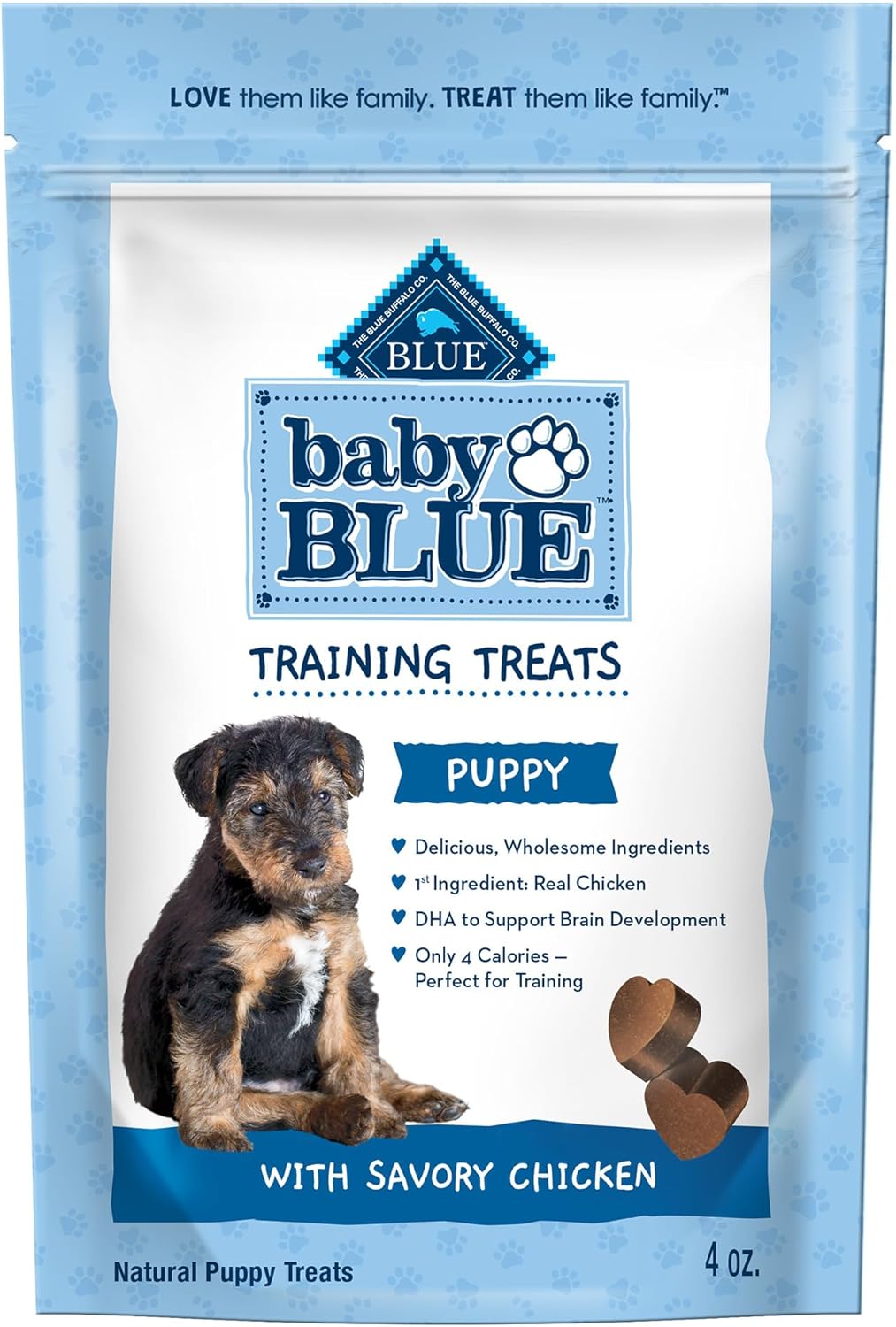
Blue Buffalo Baby BLUE Training Treats 4 oz
Best Overall Training Treat for Maltese Puppies
| Flavor | Chicken |
|---|---|
| Age Range Description | Puppy |
| Item Form | Semi Moist |
| Unit Count | 4 Ounce |
| Allergen Information | Corn-Free, Soy Free, Wheat Free |
These Baby BLUE Savory Chicken training treats are soft, bite-sized morsels designed for puppy training and intermittent rewards. Made with real chicken as the first ingredient and a semi-moist texture, they are easy to break or feed quickly during multi-step training sessions. The formula includes DHA for cognitive development and omega fatty acids to support skin and coat, while LifeSource-inspired nutrients and no corn, wheat, or soy aim to reduce common allergens. In practice the treats are highly palatable to most puppies and the small pieces minimize interruptions during repetitious drills. The 4-ounce bag is convenient for short outings or a training class, but frequent trainers may find the pack small and need to replenish often. Nutritional specs show modest protein and fat levels appropriate for treats rather than meal replacement, so they work best as rewards rather than primary food. Overall these treats balance taste and puppy-friendly texture, though the small package size limits how long one bag lasts for heavy training schedules.
Best for: Puppy owners focused on efficient, frequent reward-based training who want a tasty, soft treat that is easy to portion and gentle on young digestive systems.
Less Ideal for: People who run long, intensive daily training sessions or need bulk packaging for many repetitions should consider larger multi-pack options.
- Real chicken listed as the first ingredient for strong palatability
- Soft, semi-moist texture is easy to break and quick to deliver during training
- Includes DHA and omega fatty acids to support cognitive development and skin and coat
- Free of corn, wheat, soy and artificial colors or preservatives
- Small 4-oz bag may not be economical for heavy daily trainers
- Treat nutrient levels are modest so they should not replace regular food
Verdict: The best overall training treat for Maltese puppies balances palatability, small portion size, gentle ingredients, and easy handling during frequent training sessions.
Pet Botanics Training Rewards Puppy Peanut Butter
Best Budget Training Treat for Maltese Puppies

| Flavor | Peanut Butter |
|---|---|
| Unit Count | 4 Ounce |
| Item Form | Chewy |
| Specific Uses For Product | Training |
| Animal Food Diet Type | Limited Ingredient |
These Pet Botanics Puppy Training Rewards are small, soft chewable treats built for frequent reinforcement during puppy sessions. Each bite is about 1.5 calories and is formulated with DHA for cognitive support plus fiber sources such as pumpkin to help digestion, which makes them practical for repeat-use training, enrichment toys, and nosework. The peanut butter and real bacon flavors, together with a botanical blend, create a strong aroma that typically keeps puppies motivated without needing large pieces. The bag contains roughly 200 mini bites, so they are convenient for extended practice and low-calorie management. Ingredients include peas, potatoes, dried egg, flaxseed and salmon oil alongside peanut butter and botanicals; the recipe is not single-ingredient and lists potential gluten cross-contact, so owners watching strict allergies should check the label. The soft texture is easy to break into smaller portions but the treats are not freeze-dried or single-protein jerky, so they are an everyday training option rather than a high-value specialty reward.
Best for: Buyers who need an affordable, low-calorie treat to use many times per session for Maltese puppy training and everyday enrichment.
Less Ideal for: Owners who require single-ingredient or hypoallergenic rewards or who want ultra high-value freeze-dried treats for hard-to-motivate puppies should consider alternatives.
- Low calorie at about 1.5 calories per bite suitable for many repetitions
- Includes DHA and fiber to support puppy brain and digestive health
- Small soft texture is easy to break into smaller pieces for training
- Strong peanut butter and bacon flavors keep puppies motivated
- Contains multiple ingredients and possible gluten cross-contact, so not ideal for strict allergen control
- Not a single-protein or freeze-dried high-value treat for very distracted puppies
Verdict: The best budget training treat for Maltese puppies delivers consistent reward value and acceptable ingredient quality without breaking the bank for everyday practice.
Pupford Freeze Dried Training Treats Meat Bundle
Best Premium Training Treat

| Flavor | Meat Bundle |
|---|---|
| Age Range Description | All Life Stages |
| Item Form | Bite |
| Unit Count | 8 Ounce |
These Pupford freeze-dried meat treats are bite-sized, low-calorie rewards intended for frequent training sessions and on-the-go reinforcement. The Meat Bundle packs four 2 oz pouches (chicken, beef liver, salmon, rabbit) so you can test flavors and rotate proteins for variety and motivation. Because each formula lists only the animal protein plus mixed tocopherols, the treats are very simple and suitable for limited-ingredient diets or dogs with sensitive stomachs. Their freeze-dried texture makes them lightweight and low-mess, so you can carry many pieces without greasy hands and dole out quick, high-value rewards during repetitive drills. The package recommends feeding up to about 10 treats per day depending on size, which is realistic for short training sessions, though you should track daily calories for a rapidly growing Rottweiler puppy. For buyers prioritizing premium, single-ingredient sourcing and high palatability, these deliver strong practical benefits; if you need calorie-dense training kibble-style treats or large-format chews for extended chewing, this is not that product.
Best for: Owners of Rottweiler puppies who prioritize premium, simple-ingredient treats and want highly motivating, low-calorie rewards for frequent training and behavior work.
Less Ideal for: People looking for long-lasting chew rewards or high-calorie treats to supplement a growing large-breed puppy’s diet should consider other formats.
- Single-ingredient primary proteins for straightforward, limited-ingredient feeding
- Freeze-dried texture is ultra low-mess and lightweight for carrying many rewards
- Bundle includes four different flavors so you can find the most motivating protein
- Bite-sized pieces and low calories make them suitable for frequent training reinforcement
- Small pouch sizes mean you may need to repurchase more often for large-breed puppies
- Freeze-dried pieces are fragile and can produce crumbs if crushed
Verdict: The best premium training treat is for owners willing to spend more for top-quality ingredients, refined textures, and extra nutritional care during training.
Pupford Freeze Dried Chicken Treat 4 oz
Best Low-Calorie Training Treat

| Flavor | Chicken |
|---|---|
| Item Form | Granule |
| Unit Count | 4 Ounce |
| Ingredients | Chicken, Mixed Tocopherols |
| Animal Food Diet Type | Limited Ingredient |
These Pupford treats are single-ingredient freeze-dried chicken bites designed for frequent training rewards and everyday use. Each pouch contains roughly 475 uniform, bite-sized granules with under one calorie per piece, so you can give multiple rewards during sessions without adding significant calories. The treats are dry and non-greasy, which keeps hands and pockets clean and makes them handy for clicker work, treat-dispensing toys, and on-the-go reinforcement. The simple ingredient list—chicken and mixed tocopherols—makes them suitable for dogs with sensitive stomachs or owners preferring limited-ingredient snacks. The resealable pouch maintains freshness at room temperature but the small pieces can be dusty and will not satisfy chewers who want a long-lasting chew; they are intended strictly as high-value quick rewards rather than a meal replacement or durability chew. Overall, these treats work well as a low-calorie, high-motivation option for training and frequent reinforcement.
Best for: Owners who need to reward frequently during training or behavior reinforcement but must keep daily calorie intake low and prefer simple, limited-ingredient snacks.
Less Ideal for: People looking for durable chews, long-lasting treats, or substantial meal replacements should consider other product types.
- Under 1 calorie per bite enables frequent rewards without adding significant daily calories
- Single-ingredient chicken formula with mixed tocopherols appeals to limited-ingredient diets and sensitive stomachs
- Freeze-dried texture is non-greasy and leaves no residue on hands or pockets
- Resealable pouch preserves freshness and is convenient for training sessions and travel
- Very small, fragile pieces are not suitable as long-lasting chews
- Freeze-dried dust can create minor crumbs in treat pockets or mats
Verdict: The best low-calorie training treat lets owners reward Maltese puppies frequently without significantly increasing daily caloric intake, helping manage weight during intensive training.
Wellness Soft Puppy Bites 3 oz
Best Soft Training Treat

| Flavor | Lamb & Salmon |
|---|---|
| Age Range Description | Puppy |
| Item Form | Wafer |
| Unit Count | 3 Ounce |
| Allergen Information | Corn-Free, Grain-Free, Soy Free, Wheat Free |
Wellness Soft Puppy Bites are small, soft training treats formulated for puppies with lamb and salmon as primary ingredients and added DHA for brain development. They are bite-sized and moist, which makes them easy to break into smaller pieces and quick to deliver during repetitive training sessions. The grain-free recipe and inclusion of fruits and vegetables like blueberries and sweet potatoes provide more wholesome ingredients than many discount treats, and the soft wafer texture tends to be highly motivating for puppies that prefer chewy rewards. Because the bag is only 3 ounces, it is best suited for short-term use or as an occasional top-up in a multi-pack rotation rather than long training marathons, and the small pack size also keeps them relatively fresh. If your Shih Tzu puppy responds to soft, fish- or lamb-flavored treats, these offer consistent palatability and easy handling at the clicker or during house training, though buyers doing very high-volume sessions may prefer larger bags for better value.
Best for: Buyers seeking an affordable, puppy-focused soft treat that tastes good and is easy to deliver during frequent short training sessions with a Shih Tzu puppy.
Less Ideal for: Users who do very high-volume training or need bulk bags for long-term daily rewarding should consider larger-size training treat options for better value.
- Soft, bite-sized pieces that are easy to break and deliver quickly during training
- Grain-free formula with real lamb and salmon as primary ingredients
- Contains DHA to support puppy brain development
- Includes fruits and vegetables like blueberries and sweet potatoes for added nutrition
- Small 3 oz bag is not economical for very frequent, high-volume training sessions
Verdict: The best soft training treat is tailored for Maltese puppies with delicate teeth, offering a moist, easily broken texture that encourages quick eating and focus.
Wellness Puppy Bites Variety
Best Grain-Free Training Treat

| Flavor | Variety |
|---|---|
| Age Range Description | Puppy |
| Item Form | Pellet |
| Specific Uses For Product | Training |
| Special Ingredients | DHA |
Wellness Puppy Bites are small soft and crunchy training treats made specifically for puppies, offered in a variety pack to keep sessions interesting. They are typically used as high-value rewards during short training sessions, puppy classes, or as occasional snacks to reinforce good behavior. The formula emphasizes quality ingredients like lamb, salmon, chickpeas, fruits and vegetables, plus natural sources of DHA to support early brain and nervous system development. Being grain-free and available in two textures makes them useful for puppies that prefer softer chews or need something easily broken into tiny pieces. The treats come in a resealable bag that helps retain freshness but the package size is modest, so frequent trainers may find they go through it quickly. Ingredients include added preservatives like sorbic acid and mixed tocopherols, which preserve shelf life but mean this is not an entirely single-ingredient snack. Overall these are a flavorful, ingredient-forward puppy treat designed for training and developmental support, best for owners prioritizing premium composition and palatability.
Best for: Owners who prioritize high-quality ingredients and palatable, nutrient-conscious treats for focused puppy training and developmental support.
Less Ideal for: Buyers seeking bulk economical training rewards or a single-ingredient, additive-free snack should consider other options.
- Formulated with natural DHA to support puppy brain development
- Grain-free recipe with recognizable protein and produce ingredients
- Two textures (soft and crunchy) for training flexibility and puppy preference
- Small pellet form easy to break into training-sized pieces
- Small retail package size may require frequent repurchasing for heavy trainers
- Contains preservatives for shelf life rather than single-ingredient composition
Verdict: The best grain-free training treat suits Maltese puppies needing or preferring grain-free diets while still providing a palatable, training-friendly size and texture.
Zuke’s Puppy Naturals Salmon Treats 5 oz
Best Bite-Sized Training Treat

| Flavor | Salmon & Chickpea |
|---|---|
| Unit Count | 5 Ounce |
| Item Form | Pellet |
| Age Range Description | Puppy |
| Special Ingredients | all-natural |
Zuke's Puppy Naturals Salmon treats are soft, pellet-style rewards designed for puppy training and on-the-go snacks. Each treat is chewy and low in calories, making it easy to deliver multiple rewards during short training sessions without overfeeding, and the soft texture is gentle on teething mouths and sensitive gums. The recipe lists real salmon first and includes fish oil to supply DHA and EPA intended to support brain development, while the formula excludes corn, wheat, and soy. The pouch is resealable for freshness and convenient to carry on walks or hikes. On the downside, the treats contain cane sugar and malted barley extract, so owners monitoring added sugars or grain derivatives may prefer alternatives, and the 5 oz pouch is relatively small for heavy trainers. In practice these work well as a high-value, easy-to-chew option for puppies that need frequent, palatable reinforcement, especially during early training and socialization.
Best for: Puppy owners who need a truly soft, highly palatable treat for frequent training rewards or for puppies with sensitive or teething mouths.
Less Ideal for: Owners seeking grain-free or zero-sugar veterinary therapeutic treats or those who need bulk quantities for extended pro-level training sessions should consider other options.
- Soft, chewy texture suitable for teething puppies and sensitive mouths
- Made with real salmon and fish oil providing DHA and EPA for brain support
- Small, low-calorie pellets allow frequent rewards without excess calories
- Resealable pouch for freshness and easy portability
- Free from corn, wheat, and soy
- Contains added sugars and malted barley extract which some owners may avoid
- 5 oz pouch is a small quantity for intensive training sessions
Verdict: The best bite-sized training treat is ideal for quick-reward sessions with Maltese puppies, offering very small portions that prevent overfeeding and keep momentum during practice.
Choosing the Right Training Treat Maltese Puppy: Key Factors to Consider
Size and Portion Control
Maltese puppies have small mouths and a fast metabolism, so treat pieces should be tiny and easy to portion. Using small, appropriately sized rewards lets you deliver multiple reinforcements during a short training session without overfeeding. Portion control also reduces the chance of gagging or choking when the puppy accepts a reward enthusiastically.
Look for treats designed as micro-bites or that break cleanly into uniform pieces. Treats that crumble or leave large chunks are harder to manage and can interrupt the flow of training.
Texture and Chewability
Soft, moist treats are usually easier for puppies to chew and swallow quickly, which keeps sessions brisk and focused. Hard or dry treats force a pause while the puppy chews, reducing the number of opportunities to reinforce behavior in a short timeframe.
Consider the puppy's age and teething stage. Very young or teething puppies often prefer very soft options, while slightly older puppies may handle firmer micro-bites. Choose treats that match your puppy's current mouth comfort to avoid refusal or discomfort.
Ingredient Simplicity and Digestibility
Puppies can have sensitive stomachs, and Maltese puppies sometimes react to rich or complex recipes. Simple ingredient lists with a single primary protein source and limited fillers reduce the risk of digestive upset and make it easier to spot potential allergens.
Avoid treats with artificial colors, heavy preservatives, or excessive dairy and grain if your puppy has shown sensitivity. High-quality protein sources and gentle carbohydrates support energy for training without overtaxing a developing digestive system.
Palatability and Scent
A treat that smells and tastes great to the puppy will motivate faster responses and stronger reinforcement. Small-breed puppies can be choosy, so a higher palatability helps keep focus during repetitions and across longer sessions.
However, very rich treats can lead to begging outside training, so balance reward appeal with moderation. Use higher-value options for challenging behaviors and milder rewards for routine practice.
Calorie Density and Frequency of Use
Training often requires many repetitions, so treats should be low to moderate in calories or easily portioned into multiple micro-rewards. High-calorie treats increase the risk of unwanted weight gain when used frequently.
Track daily treat calories alongside regular meals and reduce kibble portions if training rewards significantly add to caloric intake. Opting for lower-calorie or low-fat formulations makes frequent reinforcement more practical.
Allergen Considerations and Special Diets
Some Maltese puppies may have food sensitivities or veterinarian-prescribed diet restrictions. Choose treats that align with any dietary constraints, such as single-protein options for elimination diets or grain-free formulations if recommended by your vet.
When introducing a new treat, offer a small test portion and monitor stool quality and energy levels over several days. If you notice digestive changes, discontinue and consult your veterinarian before resuming.
How Many Treats Should You Give During a Training Session?
Short, frequent rewards work best for puppies. Aim for sessions of five to ten minutes with quick, repeatable cues and immediate reinforcement. In a single short session you might give anywhere from 6 to 20 micro-treats depending on their size and calorie content.
To avoid overfeeding, divide treats into tiny pieces so you can offer multiple rewards for a single successful behavior. For more challenging tasks, reserve slightly higher-value pieces and use low-calorie bits for simple or warm-up repetitions.
- Keep sessions short to maintain focus.
- Use micro-bites for high repetition.
- Adjust meal portions if treats add significant calories.
What to Do if Your Maltese Puppy Is Picky
If a puppy ignores standard treats, try a stronger-scented or wet option delivered in very small quantities to build interest. Warming a moist treat briefly or breaking it into even smaller pieces can raise appeal without increasing calories dramatically.
You can also rotate a few compatible treat types so training stays novel, but introduce changes gradually to monitor digestive tolerance.
- Use higher-value treats for hard behaviors.
- Test new treats in small amounts to check digestion.
Can Training Treats Double as Daily Snacks?
Many training treats are designed for frequent use and moderate calories, but not all are suitable as a main snack substitute. If you plan to use training treats as a daily reward outside sessions, choose formulations with simple ingredients and an appropriate calorie profile for regular feeding.
Always factor treat calories into your puppy's daily allotment and reduce meal portions accordingly to keep overall intake balanced.
- Track daily calorie intake including treats.
- Prefer lower-calorie options if using treats often.
How to Introduce a New Treat Safely
Introduce a new treat in small amounts over several days while observing stool consistency, appetite, and energy. Offer the new treat mixed into regular training sessions rather than replacing existing rewards all at once to assess acceptance.
If digestive upset appears, pause use and consult your veterinarian before reintroducing similar ingredients.
- Start with one or two tiny pieces on day one.
- Monitor stool and energy for 48 to 72 hours.
Should Treats Be Different for Crate Training and Leash Training?
The same treat can work across training contexts, but you may want to vary reward value by difficulty. Use very high-value, small treats for new or high-distraction tasks like leash introduction in the yard. For crate training or settling cues, lower-value but still palatable treats are fine to reinforce calm behavior.
Consistency in timing and immediate reinforcement matters more than the exact treat type for building reliable behavior.
- Reserve the highest-value treats for hardest tasks.
- Use milder rewards for routine or calming cues.
How We Chose the Best Training Treat Maltese Puppy
We prioritized traits that matter specifically for Maltese puppies and small-breed young dogs. First, we looked at treat size and texture to ensure pieces are bite-sized and soft enough for tiny mouths and developing teeth. Second, ingredient quality was examined to favor simpler recipes that lower the risk of digestive upset or allergic reactions common in some puppies. Third, reward effectiveness was considered — treats must be flavorful and aromatic enough to motivate quick responses during short training bursts. Fourth, chew safety and breakability were evaluated so treats can be easily portioned and consumed quickly without lengthy chewing. Fifth, suitability for frequent use was weighed, favoring treats with moderate calorie density so you can use multiple rewards in a session without significantly increasing daily calories. We excluded treats intended primarily for dental or long-duration chewing, as those do not fit fast-reward training. Products with complex ingredient lists or large, hard formats were not considered. The selections reflect a balance of palatability, digestibility, and portion control that matters for Maltese puppies.
Our full evaluation process is outlined in our review methodology.
FAQ
Are human foods safe to use as training treats for Maltese puppies?
Some human foods are safe in tiny quantities, such as small pieces of cooked lean meat or plain boiled vegetables. Many human foods can be harmful, so use only veterinarian-approved options and avoid toxic items like chocolate, onions, grapes, and anything with xylitol.
How soon can I start using training treats with a Maltese puppy?
You can start reward-based training as soon as the puppy is medically cleared and eating solid food, typically after initial vaccinations. Keep sessions very short and use appropriately soft, tiny treats that match the puppy's chewing ability.
Will using treats make my puppy dependent on food rewards?
Treats are a powerful learning tool and often necessary for initial training. Over time you can fade treats by pairing them with praise and intermittent reinforcement, keeping treats for maintenance or when teaching new behaviors.
How do I prevent weight gain when using many training treats?
Choose low-calorie micro-treats and reduce meal portions to compensate for training rewards. Track your puppy's weight and body condition and adjust treat frequency if you notice unwanted weight gain.
What if my Maltese puppy has food sensitivities?
Use single-protein or limited-ingredient treats and introduce them slowly while watching for digestive changes. Consult your veterinarian to identify safe protein sources and avoid ingredients that previously caused reactions.
Final Verdict
Prioritize small size, gentle ingredients, and strong palatability when choosing training treats for a Maltese puppy. Matching treat texture to the puppy's teething stage and controlling portion size lets you deliver many quick rewards without disrupting training flow or adding excess calories. Balance higher-value treats for challenging behaviors with lower-calorie options for routine practice. Focus on consistency, portioning, and digestion when you select treats and adjust based on how your puppy responds. With the right treats and training routine, you will reinforce good behavior efficiently while keeping your Maltese puppy healthy and motivated.

