

Finding the right treats for an Akita puppy matters for training, growth, and long-term food preferences. Because Akita puppies grow rapidly and respond well to food rewards, you want treats that are appropriately sized, nutrient-conscious, and motivating without undermining daily calorie needs. This guide shortlists six top treats selected for common akita puppy needs like training, teething, and sensitivity concerns. We evaluated options for ingredient transparency, texture and size, and how well they hold up during repeated training sessions. Read on to see the kinds of treats that work best for Akita puppies and why each criterion matters.
Top Picks at a Glance
| Best Overall Treat A well-balanced pick that suits most Akita puppy needs | Pupford Soft & Chewy Training Treats 5 oz |  |
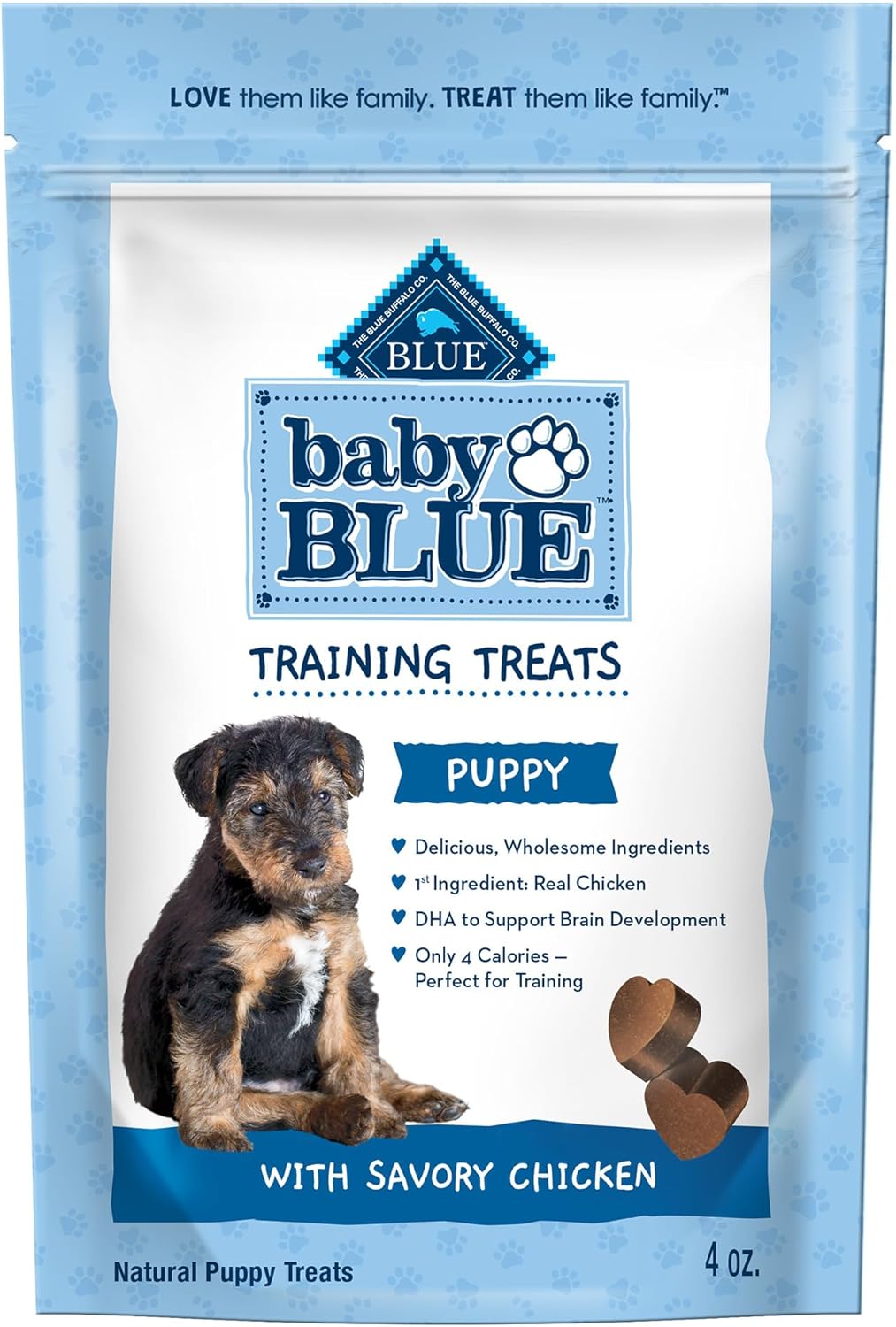
| Best Budget Treat An inexpensive option that still offers decent nutrition and palatability | Blue Buffalo Baby BLUE Training Treats 4 oz |  |
| Best Premium Treat Higher-end ingredients and craftsmanship for owners who want the best | ORIJEN Freeze Dried Duck Treats 3.25 oz |  |
| Best Soft Treat Easy-to-chew treats ideal for small mouths and quick training sessions | Wellness Soft Puppy Bites 3 oz |  |
| Best Training Treat Small, low-calorie bites designed for frequent reinforcement during training | Zuke's Mini Naturals Chicken 16 oz |  |
| Best Natural/Grain-Free Treat Limited-ingredient or grain-free choices for sensitive stomachs or preferences | Rare Breed Soft Pork Dog Treats 12 oz |  |
Pupford Soft & Chewy Training Treats 5 oz
Best Overall Treat

| Flavor | Chicken |
|---|---|
| Item Form | Bite-Sized Treat |
| Unit Count | 5 Ounce |
| Special Ingredients | Chicken, Sweet Potato |
| Animal Food Diet Type | Limited Ingredient |
Pupford Soft & Chewy Training Treats are bite-sized, chicken-flavored rewards designed for frequent use during training and enrichment. The treats come in a small pouch and have a soft, chewy texture that makes them easy to break into pieces or feed whole to young pups and dogs with sensitive teeth. Each treat is made from a short ingredient list that includes chicken and sweet potato and is free from artificial colors and fillers, which supports use with dogs that benefit from limited-ingredient snacks. With under 2 kcal per treat and a high protein claim, these are useful for extended training sessions without adding excess calories. They are intended for one-bite rewards, which helps keep sessions moving and reduces crumb mess. Limitations: the pouch is a 5 ounce size, so power users or trainers who reward very frequently may need to buy multiple packs, and the product information does not list guaranteed analysis values beyond general claims so buyers with strict allergy concerns should check ingredients closely.
Best for: Puppy owners and trainers seeking a soft, hypoallergenic-style reward for teething pups or dogs with sensitive mouths who need frequent, low-calorie treats during sessions.
Less Ideal for: Households that reward constantly or train multiple dogs at once and need bulk quantities or complete nutrient breakdowns for strict medical diets.
- Soft, easily chewable texture suitable for teething puppies and senior dogs
- Limited ingredient recipe focused on chicken and sweet potato, reducing exposure to fillers
- Low calorie per treat (<2 kcal) for frequent rewarding without weight gain
- Bite-sized pieces that minimize crumbs and keep training sessions fast
- Small 5 oz pouch may be insufficient for heavy trainers or multi-dog households
- Nutrient details are summarized by claims rather than full guaranteed analysis on the listing
Verdict: The best all-around treat for Akita puppies, balancing taste, appropriate size, nutrition, and ingredient quality for daily rewards and bonding.
Blue Buffalo Baby BLUE Training Treats 4 oz
Best Budget Treat
| Flavor | Chicken |
|---|---|
| Age Range Description | Puppy |
| Item Form | Semi Moist |
| Unit Count | 4 Ounce |
| Allergen Information | Corn-Free, Soy Free, Wheat Free |
These Baby BLUE Savory Chicken training treats are soft, bite-sized morsels designed for puppy training and intermittent rewards. Made with real chicken as the first ingredient and a semi-moist texture, they are easy to break or feed quickly during multi-step training sessions. The formula includes DHA for cognitive development and omega fatty acids to support skin and coat, while LifeSource-inspired nutrients and no corn, wheat, or soy aim to reduce common allergens. In practice the treats are highly palatable to most puppies and the small pieces minimize interruptions during repetitious drills. The 4-ounce bag is convenient for short outings or a training class, but frequent trainers may find the pack small and need to replenish often. Nutritional specs show modest protein and fat levels appropriate for treats rather than meal replacement, so they work best as rewards rather than primary food. Overall these treats balance taste and puppy-friendly texture, though the small package size limits how long one bag lasts for heavy training schedules.
Best for: Puppy owners focused on efficient, frequent reward-based training who want a tasty, soft treat that is easy to portion and gentle on young digestive systems.
Less Ideal for: People who run long, intensive daily training sessions or need bulk packaging for many repetitions should consider larger multi-pack options.
- Real chicken listed as the first ingredient for strong palatability
- Soft, semi-moist texture is easy to break and quick to deliver during training
- Includes DHA and omega fatty acids to support cognitive development and skin and coat
- Free of corn, wheat, soy and artificial colors or preservatives
- Small 4-oz bag may not be economical for heavy daily trainers
- Treat nutrient levels are modest so they should not replace regular food
Verdict: The best low-cost treat for owners who need affordable training rewards that remain reasonably tasty and nutritionally appropriate for growing puppies.
ORIJEN Freeze Dried Duck Treats 3.25 oz
Best Premium Treat

| Flavor | Free-Run Duck Recipe |
|---|---|
| Item Form | Freeze Dried |
| Unit Count | 3.25 Ounce |
| Specific Uses For Product | Appetite Stimulation, Training |
| Age Range Description | All Life Stages |
These ORIJEN Freeze Dried Duck treats are single-ingredient-forward, high-protein rewards intended for training, travel, or occasional supplementation. The treats are freeze dried to preserve flavor and nutrients, which makes them lightweight and packable for walks or short outings. Formulated from duck and duck liver with minimal preservative additions, they deliver a strong meat flavor dogs tend to work hard for and at roughly 6 calories apiece they are easy to portion for frequent reinforcement. The product is positioned as a premium option with sourcing and WholePrey-style nutrition that supports growth and lean muscle maintenance when used alongside a complete diet. Practical downsides are the small bag size and higher cost per ounce compared with conventional soft or biscuit treats, and freeze-dried pieces can be brittle so storage in a sealed container after opening is helpful. For puppy training this product shines as an enticing, protein-rich reward but should be used as part of a balanced feeding plan.
Best for: Owners who prioritize premium, high-protein treats and want a flavorful, nutrient-dense reward for training and growth support in puppies.
Less Ideal for: Buyers who need bulk, lower-cost treats for high-volume rewarding or who prefer soft, easily shareable treats for very young puppies that need gentler textures.
- High animal-ingredient content for strong, meaty flavor
- Freeze-dried format preserves nutrients and is highly packable
- Low-calorie per piece makes frequent rewarding manageable
- Minimal ingredient list with recognizable animal sources
- Small 3.25 oz bag yields limited treats for frequent training
- Higher price per ounce than standard soft or biscuit treats
Verdict: The best premium treat for owners willing to pay more for superior ingredients, sourcing transparency, and gourmet flavor that supports healthy puppy growth.
Wellness Soft Puppy Bites 3 oz
Best Soft Treat

| Flavor | Lamb & Salmon |
|---|---|
| Age Range Description | Puppy |
| Item Form | Wafer |
| Unit Count | 3 Ounce |
| Allergen Information | Corn-Free, Grain-Free, Soy Free, Wheat Free |
Wellness Soft Puppy Bites are small, soft training treats formulated for puppies with lamb and salmon as primary ingredients and added DHA for brain development. They are bite-sized and moist, which makes them easy to break into smaller pieces and quick to deliver during repetitive training sessions. The grain-free recipe and inclusion of fruits and vegetables like blueberries and sweet potatoes provide more wholesome ingredients than many discount treats, and the soft wafer texture tends to be highly motivating for puppies that prefer chewy rewards. Because the bag is only 3 ounces, it is best suited for short-term use or as an occasional top-up in a multi-pack rotation rather than long training marathons, and the small pack size also keeps them relatively fresh. If your Shih Tzu puppy responds to soft, fish- or lamb-flavored treats, these offer consistent palatability and easy handling at the clicker or during house training, though buyers doing very high-volume sessions may prefer larger bags for better value.
Best for: Buyers seeking an affordable, puppy-focused soft treat that tastes good and is easy to deliver during frequent short training sessions with a Shih Tzu puppy.
Less Ideal for: Users who do very high-volume training or need bulk bags for long-term daily rewarding should consider larger-size training treat options for better value.
- Soft, bite-sized pieces that are easy to break and deliver quickly during training
- Grain-free formula with real lamb and salmon as primary ingredients
- Contains DHA to support puppy brain development
- Includes fruits and vegetables like blueberries and sweet potatoes for added nutrition
- Small 3 oz bag is not economical for very frequent, high-volume training sessions
Verdict: The best soft treat for Akita puppies that are teething or for rapid training rewards, offering gentle texture and easy portioning.
Zuke's Mini Naturals Chicken 16 oz
Best Training Treat

| Flavor | Chicken |
|---|---|
| Unit Count | 16 Ounce |
| Item Form | Bites, Bits, Tender, Soft |
| Specific Uses For Product | Training |
| Allergen Information | Allergen-Free |
Zuke's Mini Naturals Chicken are bite-sized, soft training treats intended for frequent rewards during sessions or short outings. Each treat is low in calories (about 2 calories per piece) and made with real chicken plus fruits and vegetables, which makes them appealing to most puppies and easy to break or carry on long walks. The soft texture and small size let trainers give rapid reinforcement without interrupting flow, and the resealable pouch preserves freshness for on-the-go use. Formulated without corn, wheat, or soy and fortified with added vitamins and minerals, these treats double as a lightweight snack between lessons. Limitations include a simple ingredients list that contains glycerin and cane sugar, so owners managing strict low-sugar or specialized medical diets should consult their vet before regular use. Also the bag is a single 16 ounce size which may be large if you prefer smaller trial packs. For standard puppy training where frequent, desirable rewards are the priority, these treats are a practical choice.
Best for: Puppy owners and trainers who need a highly rewarding, low-calorie treat to use repeatedly during short training sessions and outings.
Less Ideal for: People managing veterinary-prescribed diets that restrict sugars or specific ingredients, or owners who prefer trial-size or single-serve packaging.
- Very small, soft bites suited for frequent training rewards
- Low calorie per treat (about 2 calories) so you can reward often
- Made with real chicken plus fruits and vegetables
- Resealable pouch for freshness and easy portability
- Contains cane sugar and glycerin which may be undesirable for strict low-sugar diets
- Only sold in a single 16 oz bag size which may be more than needed for some puppy owners
Verdict: The best training treat for repetitive reward-based learning, sized and formulated to be low-calorie, highly palatable, and easy to dispense.
Rare Breed Soft Pork Dog Treats 12 oz
Best Natural/Grain-Free Treat

| Flavor | Pork |
|---|---|
| Item Form | Chewable |
| Age Range Description | All Life Stages |
| Unit Count | 12 Ounce |
Rare Breed Soft Pork Dog Treats are soft, gently smoked pork chews made with just pork, flaxseed, and vinegar, positioned as a grain-free, human-grade option for training and everyday rewarding. They come as tender, easy-to-chew pieces that work well for puppies, senior dogs, and adult beagles that need softer treats or have trouble with hard jerky. The short ingredient list and single-sourced meat reduce the chance of common grain-related sensitivities, while flaxseed adds omega-3 and fiber benefits. The soft texture makes them convenient for frequent training rewards and for dogs with dental sensitivity, and the lack of fillers and artificial ingredients keeps calories relatively low. Limitations include a single protein option on this listing (pork) and no detailed feeding amounts on the product page beyond packaging directions, so owners tracking calories or rotation for multiple allergies may need to contact the brand or monitor portions carefully.
Best for: Beagle owners seeking a grain-free, single-ingredient-style training treat for dogs that prefer or require softer chews and minimal ingredient lists.
Less Ideal for: Owners who need multiple protein options for rotation or who require explicit calorie and portion info on the product page without opening packaging.
- Very short ingredient list with single-sourced pork to reduce exposure to common allergens
- Soft, tender texture suitable for puppies, seniors, and dogs with sensitive teeth
- Grain-free and chicken-free formulation useful for dogs with grain or chicken sensitivities
- Includes flaxseed for added omega-3s and fiber
- Only the pork protein is shown in this listing so owners needing alternative proteins must choose a different SKU or flavor
- Package does not display feeding/portion specifics on the product page, requiring owners to check the bag for details
Verdict: The best natural or grain-free treat for Akita puppies with ingredient sensitivities or owners preferring minimal, recognizable ingredients in snacks.
Choosing the Right Treat Akita Puppy: Key Factors to Consider
Ingredient Quality and Transparency
Akita puppies have high protein needs during growth, so prioritize treats with named animal protein sources listed near the top of the ingredient list. Single-source proteins or short ingredient lists make it easier to identify and avoid potential allergens. Whole-food inclusions such as limited fruits or vegetables add micronutrients and fiber without unnecessary fillers.
Avoid treats with vague descriptors like meat meal or unspecified animal fat as primary ingredients. Clear labeling about origin, preservative type, and whether the product contains artificial colors or flavors helps you manage long-term diet quality. Ingredient transparency also makes it simpler to coordinate treats with the puppy's regular food if you are managing sensitivities or a vet-recommended diet.
Size and Texture for Training
Akita puppies are large-breed dogs that still have small mouths early on, so treat size matters for quick rewards and safe chewing. Look for treats that are easily breakable into pea- to finger-sized pieces for rapid reinforcement during training sessions. Softer textures are useful for very young puppies or dogs with emerging adult teeth, while firmer chew treats work better for older puppies that can safely gnaw.
Consistent sizing helps you control calories during multiple short training repetitions. If a treat is too hard it can slow down training and pose a dental risk for teething puppies; if it is too crumbly it will be messy and less rewarding. Consider how easily the treat can be portioned and whether it stays intact long enough to provide a satisfying reward.
Calorie Density and Nutritional Balance
Treats can add a significant number of calories across a day of training, which is important for Akita puppies because excessive calories can contribute to unhealthy weight gain during growth phases. Choose treats with moderate caloric density and an emphasis on protein rather than carbohydrates or excessive fats.
Monitor how many treats you use and adjust meal portions or caloric intake accordingly. Nutritional balance also means avoiding treats with high sodium or sugar content, and choosing options that complement the puppy's main diet rather than displacing essential nutrients needed for bone and muscle development.
Palatability and Engagement
A treat that motivates an Akita puppy will speed learning and make training sessions more effective. Palatability depends on flavor, aroma, and texture; strong-smelling single-protein treats often work well. However, extremely rich treats can encourage overexcitement or resource guarding in some puppies, so balance engagement with composure.
Rotate a couple of favorite treats so novelty remains high for training sessions. For shy or picky puppies, start with small, high-value treats and mix in lower-value options for maintenance. Observe your puppy's response and pick treats that consistently elicit attentive, calm behavior during reinforcement.
Safety and Allergen Considerations
Akita puppies may show sensitivities to certain proteins or ingredients, so choose treats that avoid common triggers if you suspect an intolerance. Look for grain-free or limited-ingredient formulas if recommended by a veterinarian, but be mindful that grain-free does not automatically mean healthier and should be chosen based on the puppy's specific needs.
Check for choking hazards, mold or spoilage risks, and clear expiration or use-by guidance. Avoid treats with xylitol or other pet-toxic additives and ensure that training treats are appropriate for the puppy's chewing ability and age.
Packaging and Storage
Treat freshness affects palatability and safety. Resealable packaging or individually portioned pouches make it easier to keep treats fresh and reduce waste. Consider how long the product will last once opened and whether it requires refrigeration.
Convenient packaging also supports on-the-go training and shorter reinforcement intervals. Small travel-friendly packs are useful for walks or classes, while bulk bags may be better for home use if portioning is straightforward and shelf life is sufficient.
How Often Should I Use Treats to Train an Akita Puppy?
Frequent, short training sessions work best for puppies. In early training stages you will likely use treats for most successful repetitions to build desired behaviors quickly. As the puppy masters cues, gradually reduce treat frequency and substitute praise or play as intermittent reinforcement.
Aim for multiple short sessions of five to ten minutes rather than one long session. Track total treat calories and adjust meal portions so the puppy's daily energy intake remains appropriate for healthy growth.
- Start with continuous reinforcement during acquisition of a new behavior.
- Shift to variable reinforcement to maintain the behavior without overfeeding.
- Use tiny portions to minimize calorie load during high-frequency training.
What Treat Textures Help During Teething?
Teething puppies often prefer soft, chewy textures that soothe gums without risking tooth damage. Moist treats, soft chews, and thin strips that can be flexed are typically more comfortable for chewing puppies than hard biscuits.
For puppies with stronger chewing tendencies, look for durable soft chews designed specifically for teething that will not shatter or splinter. Always supervise any chew session and remove large fragments to prevent choking.
- Rotate textures to keep interest and reduce wear on emerging adult teeth.
- Avoid very hard bones or baked biscuits during intense teething stages.
How Do I Fit Treats Into a Growth-phase Feeding Plan?
Calculate total daily calories from meals and treats to avoid overfeeding. Many puppies benefit from reducing meal portions slightly on days with heavy training to compensate for treat calories. Use low-calorie or high-protein small-format treats for frequent reinforcement.
Consult your veterinarian for breed-specific growth recommendations if you are unsure. Track body condition regularly and adjust treat intake if you see rapid weight gain or loss.
- Weigh portions when starting a new treat to estimate calorie contribution.
- Prefer high-protein, low-filler treats to support lean muscle development.
Can Treats Help with Crate or Separation Training?
Yes. Treats can be useful rewards for calm behavior during crate training and for creating positive associations with alone time. Use durable treats or stuffed puzzle toys that occupy the puppy while you leave, starting with short departures and increasing duration gradually.
Choose treats that are safe to leave unsupervised, avoiding small items that might be swallowed whole. Supervise initial sessions to ensure the puppy interacts with the treat as intended and does not become anxious or destructively focused.
- Start with low-resistance treats inside a safe toy for separation practice.
- Gradually increase the challenge and only leave treats unsupervised when you are confident in safety.
How to Introduce New Treats Safely to an Akita Puppy?
Introduce one new treat at a time and offer it in small amounts over several days while watching for digestive upset or changes in stool. If your puppy shows signs of intolerance, stop the new treat and consult your veterinarian. Keep the puppy's regular diet consistent during testing to isolate variables.
Rotate new treats infrequently to detect delayed sensitivities. Maintain records of ingredient types that caused issues to avoid repeating them in the future.
- Offer a tiny portion first and monitor for 24 to 48 hours.
- Avoid introducing multiple new foods or treats at the same time.
Portable Treat Strategies for Walks and Classes
For on-the-go training, use small, low-mess treats that are easy to reach and portion quickly. Carry resealable pouches or small containers with pre-portioned pieces to keep sessions efficient and reduce distraction.
Consider scent-forward pieces for outdoor environments where the puppy's attention may be divided. Keep some higher-value treats reserved for particularly distracting situations to maintain focus.
- Pre-portion treats into single-use bags for quick access.
- Keep a mix of low- and high-value treats to scale rewards based on distraction level.
How We Chose the Best Treat Akita Puppy
We focused on attributes that matter specifically for Akita puppies rather than adult dogs or other breeds. Key evaluation criteria included ingredient quality and transparency, treat size and texture for safe training rewards, protein sources and caloric density to fit growth-phase nutrition, and palatability for engagement during training. We also considered manufacturing and storage attributes such as shelf stability and resealable packaging that help preserve freshness, plus the presence or absence of common triggers for food sensitivities. Products were excluded if they relied primarily on vague labeling, contained frequent artificial additives, or used treat sizes clearly unsuitable for medium-large puppies. We prioritized items that balanced reward value with sensible nutrient delivery and straightforward ingredient lists. The shortlist reflects options that are easy to portion, practical for frequent reinforcement, and compatible with typical puppy feeding plans.
Our full evaluation process is outlined in our review methodology.
FAQ
How many treats can an Akita puppy have each day?
It depends on the treat caloric density and your puppy's overall daily calorie target. Generally, keep treats to a small percentage of total daily calories and reduce meal portions when you use many training treats. Monitor body condition and adjust as needed.
Are soft treats better than crunchy ones for teething?
Soft treats are often more comfortable for teething puppies because they are gentler on emerging teeth. However, some puppies prefer firmer textures; choose treats appropriate to the puppy's chewing strength and supervise use to prevent dental damage.
What should I do if my puppy refuses a new treat?
Try a different texture or scent, offer the treat alongside praise or play, or use it as a high-value item for particularly difficult behaviors. If refusal persists, the puppy may simply not like that flavor, so try a limited-ingredient alternative.
Can treats cause allergies in Akita puppies?
Yes. Some puppies react to specific proteins or additives. Introduce new treats slowly and watch for skin changes, itching, or digestive upset. If you suspect an allergy, stop the treat and consult your veterinarian.
Are training treats different from everyday snacks?
Training treats are typically smaller and more easily portioned for frequent reinforcement, while everyday snacks may be larger or intended for longer chewing. Choose training treats that are low-calorie, easy to break into pieces, and highly palatable for repeated use.
Final Verdict
Prioritize treats that are appropriately sized, nutritionally sensible, and engaging for an Akita puppy. Focus on ingredient transparency, moderate calories, and textures that match the puppy's age and chewing ability to keep training effective and safe. Balance high-value rewards for learning with lower-calorie maintenance treats to avoid excess weight gain. By thinking about the tradeoffs between palatability, nutrition, and safety you can pick treats that support training goals and healthy development. Use small portions, monitor your puppy's response, and adjust choices as the dog grows.

