

Finding the right treats for a dachshund puppy matters more than you might think. Because of their long bodies, small mouths, and prone-to-digestive sensitivities, dachshund puppies need snacks that are appropriately sized, easy to chew, and made from straightforward ingredients. The correct treat will speed up training, support dental health, and avoid tummies upset by rich or hard-to-digest formulas. This guide shortlists seven top treats chosen for portion size, texture, and ingredient quality and explains the criteria you should use when picking snacks for your puppy. Read on for what we evaluated and how to match treats to your dachshund puppy's needs.
Top Picks at a Glance
| Best Overall Treat for Dachshund Puppy A well-rounded pick balancing taste, nutrition, and puppy-safe texture | Wellness Soft Puppy Bites 8 oz |  |
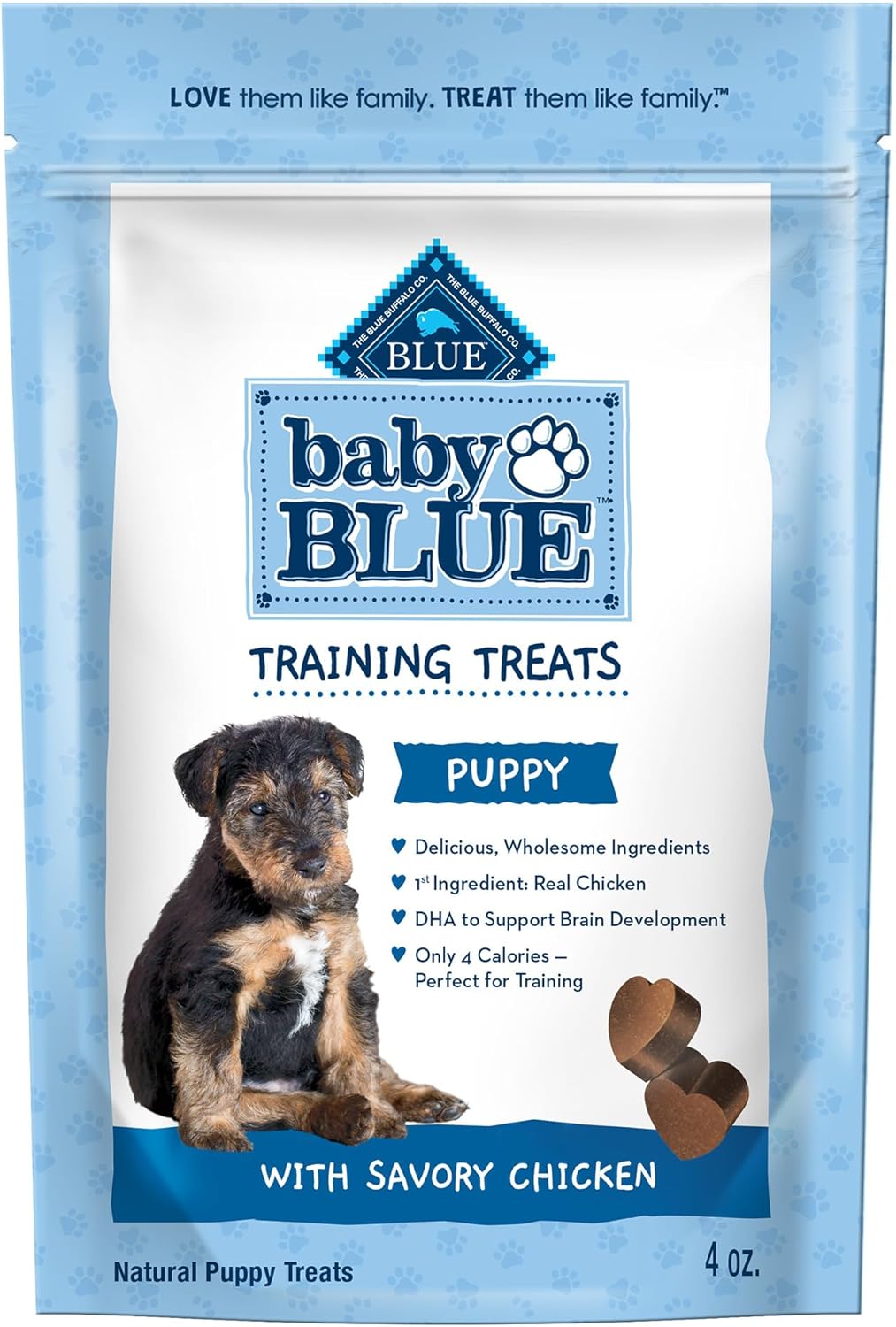
| Best Budget Treat for Dachshund Puppy A low-cost option that still meets puppy safety and flavor needs | Blue Buffalo Baby BLUE Training Treats 4 oz |  |
| Best Soft Treat Gentle, easy-to-chew treats ideal for teething or small mouths | Zuke’s Puppy Naturals Salmon Treats 5 oz |  |
| Best Grain-Free Treat Treats made without grains for sensitive stomachs or ingredient preferences | Stella & Chewy's Wild Weenies Chicken |  |
| Best Bite-Sized Treat Small, uniform pieces designed for quick rewards during training sessions | Milk-Bone Original Biscuits Puppy |  |
| Best Training Treat Highly palatable, low-calorie treats formulated for frequent repetition | Pupford Soft & Chewy Training Treats 5 oz |  |
| Best Premium Treat Higher-end ingredients and quality for owners willing to spend more | The Honest Kitchen Meaty Littles Puppy Treats |  |
Wellness Soft Puppy Bites 8 oz
Best Overall Treat for Dachshund Puppy

| Flavor | Lamb & Salmon |
|---|---|
| Age Range Description | Puppy |
| Item Form | Wafer |
| Unit Count | 8 Ounce |
Wellness Soft Puppy Bites are bite-sized, soft training treats made for puppies with a tender texture and simple ingredients. They are typically used as quick rewards during training sessions or as occasional supplemental snacks; each piece is low calorie which makes them convenient for repeated reinforcement. The recipe centers on lamb and salmon, and includes salmon-derived DHA to support brain development, while avoiding wheat, corn, soy, and artificial colors. The soft wafer form and small size let puppies chew and swallow fast, which speeds up high-repetition training and reduces interruptions. Because they are grain-free and made in the USA, they suit owners looking for limited-ingredient, premium treats. Limitations to note are that the bag is only 8 ounces so frequent trainers may need multiple bags, and the product is formulated specifically for puppies under one year so adult-only formulas might be a better fit for older dogs. Ingredients like chickpeas and potatoes add texture and carbs, so dogs with very specific allergies should check the full list first.
Best for: Puppy owners who need a soft, low-calorie treat that dogs can eat quickly during fast-paced training and who prefer limited-ingredient, grain-free options.
Less Ideal for: Buyers looking for long-lasting chews, larger bulk packs for extensive daily training, or treats formulated for adult dogs should consider other options.
- Soft, tender texture made for young puppies and sensitive mouths
- Small, bite-sized wafers that are quick to chew and ideal for rapid training repetitions
- Includes salmon for DHA to support brain development
- Grain-free recipe with no added wheat, corn, soy, or artificial colors
- Made in USA with a short, recognizable ingredient list
- Small 8 oz bag may require frequent repurchase for heavy trainers
- Formulated specifically for puppies under one year rather than adults
Verdict: The best all-around treat for a dachshund puppy that balances appealing flavor, appropriate size, gentle texture, and sensible puppy nutrition for everyday rewarding.
Blue Buffalo Baby BLUE Training Treats 4 oz
Best Budget Treat for Dachshund Puppy
| Flavor | Chicken |
|---|---|
| Age Range Description | Puppy |
| Item Form | Semi Moist |
| Unit Count | 4 Ounce |
| Allergen Information | Corn-Free, Soy Free, Wheat Free |
These Baby BLUE Savory Chicken training treats are soft, bite-sized morsels designed for puppy training and intermittent rewards. Made with real chicken as the first ingredient and a semi-moist texture, they are easy to break or feed quickly during multi-step training sessions. The formula includes DHA for cognitive development and omega fatty acids to support skin and coat, while LifeSource-inspired nutrients and no corn, wheat, or soy aim to reduce common allergens. In practice the treats are highly palatable to most puppies and the small pieces minimize interruptions during repetitious drills. The 4-ounce bag is convenient for short outings or a training class, but frequent trainers may find the pack small and need to replenish often. Nutritional specs show modest protein and fat levels appropriate for treats rather than meal replacement, so they work best as rewards rather than primary food. Overall these treats balance taste and puppy-friendly texture, though the small package size limits how long one bag lasts for heavy training schedules.
Best for: Puppy owners focused on efficient, frequent reward-based training who want a tasty, soft treat that is easy to portion and gentle on young digestive systems.
Less Ideal for: People who run long, intensive daily training sessions or need bulk packaging for many repetitions should consider larger multi-pack options.
- Real chicken listed as the first ingredient for strong palatability
- Soft, semi-moist texture is easy to break and quick to deliver during training
- Includes DHA and omega fatty acids to support cognitive development and skin and coat
- Free of corn, wheat, soy and artificial colors or preservatives
- Small 4-oz bag may not be economical for heavy daily trainers
- Treat nutrient levels are modest so they should not replace regular food
Verdict: The best budget treat for a dachshund puppy that delivers acceptable ingredients, safe small-piece sizing, and palatability without straining your food budget.
Zuke’s Puppy Naturals Salmon Treats 5 oz
Best Soft Treat

| Flavor | Salmon & Chickpea |
|---|---|
| Unit Count | 5 Ounce |
| Item Form | Pellet |
| Age Range Description | Puppy |
| Special Ingredients | all-natural |
Zuke's Puppy Naturals Salmon treats are soft, pellet-style rewards designed for puppy training and on-the-go snacks. Each treat is chewy and low in calories, making it easy to deliver multiple rewards during short training sessions without overfeeding, and the soft texture is gentle on teething mouths and sensitive gums. The recipe lists real salmon first and includes fish oil to supply DHA and EPA intended to support brain development, while the formula excludes corn, wheat, and soy. The pouch is resealable for freshness and convenient to carry on walks or hikes. On the downside, the treats contain cane sugar and malted barley extract, so owners monitoring added sugars or grain derivatives may prefer alternatives, and the 5 oz pouch is relatively small for heavy trainers. In practice these work well as a high-value, easy-to-chew option for puppies that need frequent, palatable reinforcement, especially during early training and socialization.
Best for: Puppy owners who need a truly soft, highly palatable treat for frequent training rewards or for puppies with sensitive or teething mouths.
Less Ideal for: Owners seeking grain-free or zero-sugar veterinary therapeutic treats or those who need bulk quantities for extended pro-level training sessions should consider other options.
- Soft, chewy texture suitable for teething puppies and sensitive mouths
- Made with real salmon and fish oil providing DHA and EPA for brain support
- Small, low-calorie pellets allow frequent rewards without excess calories
- Resealable pouch for freshness and easy portability
- Free from corn, wheat, and soy
- Contains added sugars and malted barley extract which some owners may avoid
- 5 oz pouch is a small quantity for intensive training sessions
Verdict: The best soft treat for puppies that need easy-to-chew textures due to small teeth or teething, while still being flavorful and portion-friendly for training.
Stella & Chewy's Wild Weenies Chicken
Best Grain-Free Treat

| Flavor | Chicken |
|---|---|
| Item Form | Raw |
| Unit Count | 3.25 Ounce |
| Life Stages | All Life Stages |
| Special Ingredients | grain-free |
Stella & Chewy's Wild Weenies are tiny, freeze-dried raw chicken treats designed for training and everyday rewards. Each bite is made from primarily cage-free chicken and organs and is shelf-stable so you can carry them in a treat pouch without refrigeration. The texture is soft enough to break into smaller pieces for frequent reinforcement but dense enough that pieces do not crumble into dust, which helps during focused training sessions. With a simple ingredient list and grain-free formulation, these treats are easy to feed to dogs with grain sensitivities and work well as a high-value reward for picky eaters. The bag is small, so frequent trainers may need multiple packs, and caloric density means you should keep treats under 10% of daily calories. Also there is limited variety in flavor in this SKU if you want rotation. For Dachshund puppies these treats give concentrated protein boosts and simple ingredients without added fillers, making them practical for short training sessions or meal toppers in moderation.
Best for: Owners who prioritize a short, meat-forward ingredient list and need a highly motivating, grain-free training treat for a small-breed puppy.
Less Ideal for: People who want low-calorie bulk training treats or multiple flavor options from a single package should consider other formats or larger sizes.
- High meat content made from chicken and organs for strong protein and palatability
- Freeze-dried shelf-stable format that does not require refrigeration
- Soft texture that breaks easily for small training-sized rewards
- Grain-free and minimal ingredient list suitable for dogs with grain sensitivities
- Small 3.25 oz bag may run out quickly for frequent trainers
- High protein/calorie density means portion control is needed to avoid exceeding treat-calorie limits
Verdict: The best grain-free treat for owners seeking simple ingredient lists or to avoid grain-related sensitivities while still offering a tasty reward.
Milk-Bone Original Biscuits Puppy
Best Bite-Sized Treat

| Flavor | Original |
|---|---|
| Age Range Description | Puppy |
| Item Form | Stick |
| Unit Count | 96 Ounce |
| Number of Items | 6 |
These Milk-Bone Original Biscuits are bite-sized crunchy treats designed for puppies and sold as six 16-ounce boxes in a single pack. They are typically used as training rewards or daily snacks and are formulated with added vitamins, minerals, calcium, vitamin D and DHA to support growth and brain development. The mini size makes them easy to break into smaller pieces for rapid, repeatable reinforcement during short training sessions, and the crunchy texture doubles as a simple dental scrub. Ingredients include whole wheat and meat and bone meal and the product guidance suggests 1-4 biscuits per day or one biscuit per 5 pounds of puppy bodyweight, which helps avoid overfeeding during frequent rewarding. Limitations to consider are the wheat and soy ingredients that may not suit pups with specific allergies and the use of preservatives such as BHA/BHT and sodium metabisulfite for shelf stability. For routine training with a small-breed puppy, these are convenient, portion-friendly treats, though owners with sensitivity concerns may prefer limited-ingredient or preservative-free alternatives.
Best for: Puppy owners who need a low-effort, easily portioned treat for frequent training and short reinforcement sessions, especially with small or young dogs.
Less Ideal for: Owners seeking a preservative-free, limited-ingredient, or grain-free training treat for a puppy with known food sensitivities should consider alternative products.
- Small, mini-sized biscuits suitable for quick rewards and easy portioning
- Formulated with vitamins, calcium, vitamin D and DHA to support puppy growth
- Sold in a multi-box pack for long training use without frequent repurchase
- Crunchy texture can help reduce tartar buildup with regular use
- Clear feeding guidance included to help avoid overfeeding during frequent reinforcement
- Contains wheat and soy which may trigger allergies in sensitive puppies
- Includes preservatives such as BHA/BHT and sodium metabisulfite that some buyers avoid
Verdict: The best bite-sized treat for training and frequent rewarding because the small pieces prevent overfeeding and allow rapid, repeatable reinforcement.
Pupford Soft & Chewy Training Treats 5 oz
Best Training Treat

| Flavor | Chicken |
|---|---|
| Item Form | Bite-Sized Treat |
| Unit Count | 5 Ounce |
| Special Ingredients | Chicken, Sweet Potato |
| Animal Food Diet Type | Limited Ingredient |
Pupford Soft & Chewy Training Treats are bite-sized, chicken-flavored rewards designed for frequent use during training and enrichment. The treats come in a small pouch and have a soft, chewy texture that makes them easy to break into pieces or feed whole to young pups and dogs with sensitive teeth. Each treat is made from a short ingredient list that includes chicken and sweet potato and is free from artificial colors and fillers, which supports use with dogs that benefit from limited-ingredient snacks. With under 2 kcal per treat and a high protein claim, these are useful for extended training sessions without adding excess calories. They are intended for one-bite rewards, which helps keep sessions moving and reduces crumb mess. Limitations: the pouch is a 5 ounce size, so power users or trainers who reward very frequently may need to buy multiple packs, and the product information does not list guaranteed analysis values beyond general claims so buyers with strict allergy concerns should check ingredients closely.
Best for: Puppy owners and trainers seeking a soft, hypoallergenic-style reward for teething pups or dogs with sensitive mouths who need frequent, low-calorie treats during sessions.
Less Ideal for: Households that reward constantly or train multiple dogs at once and need bulk quantities or complete nutrient breakdowns for strict medical diets.
- Soft, easily chewable texture suitable for teething puppies and senior dogs
- Limited ingredient recipe focused on chicken and sweet potato, reducing exposure to fillers
- Low calorie per treat (<2 kcal) for frequent rewarding without weight gain
- Bite-sized pieces that minimize crumbs and keep training sessions fast
- Small 5 oz pouch may be insufficient for heavy trainers or multi-dog households
- Nutrient details are summarized by claims rather than full guaranteed analysis on the listing
Verdict: The best training treat for owners who need highly motivating, low-calorie rewards that are easy to break into tiny pieces for repeated use.
The Honest Kitchen Meaty Littles Puppy Treats
Best Premium Treat

| Flavor | Lamb & Salmon |
|---|---|
| Age Range Description | Puppy |
| Item Form | Chewable |
| Unit Count | 4 Ounce |
| Specific Uses For Product | Training |
These Meaty Littles are bite-sized, soft jerky treats made from human-grade lamb and salmon and designed specifically for puppy training and everyday rewarding. They function as low-calorie, high-protein rewards you can hand out repeatedly during short training sessions or use as enrichment on walks because each piece is small and tender enough that you do not need to break it. Key features include added DHA from salmon for brain development, pumpkin for digestion, vitamin E for immune support, and omegas for skin and coat health, along with a limited-ingredient recipe free from corn, wheat, soy, meat meals, and artificial preservatives. The resealable 4 oz bag and chewy texture make them convenient for a training pouch and appealing to picky puppies that prefer meaty flavors. On the downside the package is small for frequent treating and the premium, human-grade sourcing means this is pricier than standard training bites, so it is best used as a high-value reward rather than an everyday bulk treat. For owners prioritizing ingredient quality and flavor, these perform very well in real-world training use.
Best for: Puppy owners who want a gourmet, ingredient-forward training treat and are focused on targeted nutrition and flavor to motivate picky or developing puppies.
Less Ideal for: Buyers who need large quantities for frequent mass-rewarding or who prioritize lowest cost per treat should consider more economical training bite options.
- Human-grade lamb and salmon recipe for strong savory flavor
- Formulated with DHA, pumpkin, vitamin E and omegas for targeted puppy nutrition
- Soft, bite-sized pieces suitable for fast training rewards without breaking
- Limited-ingredient formula without corn, wheat, soy, meat meals, or artificial preservatives
- Resealable 4 oz bag is convenient for training pouches and travel
- Small 4 oz package may run out quickly during heavy training sessions
- Premium human-grade sourcing makes it more expensive than standard training treats
Verdict: The best premium treat for owners who prioritize superior ingredient sourcing, higher meat content, and refined recipes for occasional indulgence or special rewards.
Choosing the Right Treat Dachshund Puppy: Key Factors to Consider
Size and Portion Control
Dachshund puppies have small mouths and short jaws, so treat size affects how easily they can be chewed and swallowed. Choose treats that are small enough to deliver quick rewards without requiring long chewing sessions. If a treat is larger, make it easy to break into uniform pieces so you can use multiple rewards during a single training session without overfeeding.
Consistent portioning also helps manage calories. Puppies are growing rapidly, so frequent treats can push daily calorie intake above recommended levels if portions are not controlled. Look for treats that clearly state portion guidance or that are inherently bite-sized for multiple short rewards.
Texture and Chewability
Soft, pliable treats are better for puppies with developing baby teeth and for breeds that can have dental crowding. A treat that crumbles easily reduces the risk of hard chunks that could strain young teeth or present choking hazards. For teething puppies, slightly chewy textures can be soothing, but avoid overly tough or rigid chews that require heavy gnawing.
Texture also influences how quickly a puppy eats the treat. Fast-crumbing snacks are ideal for quick reinforcement, while slightly denser chews may prolong engagement but should still be manageable for a small jaw.
Ingredient Simplicity and Allergen Considerations
Puppies can be more sensitive to rich or unfamiliar ingredients. Treats with a short, clear ingredient list make it easier to spot potential allergens and to identify the primary protein source. Common sensitivities include certain grains, beef, and dairy, so single-protein or limited-ingredient options allow you to isolate causes if a reaction occurs.
Avoid treats with long lists of artificial colors, flavors, or preservatives when possible. Natural preservatives and minimal fillers reduce the chance of gastrointestinal upset and support steady growth.
Calorie Density and Nutritional Balance
Because puppies have high energy needs but small stomachs, calorie-dense treats can unintentionally cause weight gain if given too often. Prefer treats with moderate calorie counts per piece or those designed specifically for training that offer low calories per bite. Also consider whether the treat contributes useful nutrients such as omega fatty acids, vitamins, or joint-supporting components appropriate for growing dogs.
Track daily treat calories alongside the puppy's regular diet to ensure total intake aligns with growth-stage recommendations from your veterinarian.
Digestibility and Fat Content
Lower-fat, highly digestible treats reduce the risk of vomiting, diarrhea, or pancreatitis in sensitive puppies. Ingredients like novel proteins or easily digestible carbohydrates tend to be gentler on young digestive systems. Steer clear of greasy, high-fat snacks and heavy dairy-based formulations that can upset a delicate puppy stomach.
If your dachshund puppy has a history of loose stools or sensitive digestion, introduce any new treat gradually and observe stool quality and appetite over several days.
Functional Benefits and Training Format
Think about what role the treat will play. For intensive training, low-calorie, easy-to-chew treats that you can dispense rapidly are most effective. For teething relief, look for softer textures with mild, appealing flavors that encourage gentle chewing. Some treats add oral-care benefits by helping reduce tartar buildup, while others include supplemental nutrients to support skin or joint health.
Choose a format—lickable, soft bite, or tiny crunchy bits—that matches how you plan to train and how your puppy prefers to eat. Matching function to purpose improves both training outcomes and the puppy's enjoyment.
How Should I Introduce New Treats to My Dachshund Puppy?
Introduce new treats slowly and in small amounts. Offer a single small piece the first day and watch for any changes in stool, vomiting, or skin irritation over the next 48 to 72 hours.
If your puppy tolerates the new snack well, gradually increase frequency while balancing treat calories against the daily ration from the puppy food. Use treats primarily during short training sessions or as occasional rewards rather than as meal replacements.
- Start with one-quarter to one-half of the usual piece for the first offering.
- Monitor stool consistency and appetite for three days after introduction.
- If any digestive upset appears, stop the new treat and consult your vet.
What Textures Work Best During Teething?
During teething, puppies often prefer softer, slightly chewy textures that soothe sore gums without requiring excessive force. Look for pliable treats that give slightly under pressure but do not disintegrate into large hard fragments.
Avoid extremely hard bones or rigid chews that could damage developing teeth. Soft chewables designed for puppies provide relief while being easier on small jaws.
- Choose soft, flexible chews rather than rigid bones.
- Consider refrigerated soft treats for extra gum-soothing coolness.
- Rotate textures to keep chewing interest without overloading one type.
How to Use Treats Effectively During Training
For training, use tiny, high-value bites that can be consumed in one or two quick mouthfuls. Short-lived treats allow you to reward frequently, which improves reinforcement and keeps the session energetic. Keep most rewards small and reserve slightly larger or special treats for major milestones.
Keep treats in an accessible container and maintain consistent timing between the desired behavior and the reward. Pair treats with verbal praise and gentle petting to reinforce the command in multiple ways.
- Use 10 to 20 small pieces during a focused short training session rather than a few large treats.
- Reserve premium pieces for rare or difficult behaviors to increase motivation.
- Break larger treats into uniform pieces to maintain consistent reward value.
Recognizing and Managing Food Sensitivities
If your dachshund puppy develops itching, chronic ear infections, loose stools, or recurrent vomiting, a treat ingredient may be contributing. Switch to limited-ingredient treats featuring a single novel protein or novel carbohydrate and monitor for improvement over several weeks.
Keep a simple log of treats offered and any symptoms to help identify patterns. When in doubt, work with your veterinarian to rule out medical causes and to design an appropriate elimination or rotation plan.
- Use a food-and-treat diary to track reactions.
- Try single-protein treats during an elimination trial.
- Introduce one new treat type at a time to isolate causes.
Are Dental-focused Treats Appropriate for Puppies?
Some dental treats are formulated specifically for younger dogs and can help reduce soft plaque while encouraging chewing. For puppies, choose dental snacks that are gentle and sized for a small mouth. Avoid very abrasive or hard dental chews that are designed for adult tooth structures.
Dental treats can complement daily tooth-brushing and chew toys, but they should not replace manual dental care. Use them as part of a broader oral hygiene routine suited to a puppy's developmental stage.
- Select dental treats labeled safe for puppies or soft enough for developing teeth.
- Combine treats with regular brushing and veterinary dental checks.
- Monitor chewing intensity to ensure the treat is not too hard.
Storing and Handling Puppy Treats Safely
Keep treats in a cool, dry place and follow any on-pack storage instructions. For soft or moist treats, refrigerate after opening if recommended. Proper storage preserves freshness and reduces the risk of mold or contamination.
Check expiration dates and discard treats that show signs of spoilage, off-odors, or visible mold. For multi-ingredient treats, freeze small portions for longer storage while maintaining quality.
- Seal opened packages tightly or transfer to an airtight container.
- Label homemade or repackaged treats with the date prepared.
- Discard treats past the expiration date or with unusual smells.
How We Chose the Best Treat Dachshund Puppy
We evaluated treats for dachshund puppies using criteria that reflect this breed's anatomy, developmental needs, and common sensitivities. First, portion size and breakability: treats had to be small or easily portioned to suit tiny mouths and to allow multiple rewards during a training session. Second, texture and chewability: options were assessed for softness and friability so puppies with developing teeth can gnaw them safely without struggling. Third, ingredient clarity: we prioritized limited-ingredient formulas and recognizable protein sources to reduce the chance of food sensitivities. Fourth, digestibility and fat content: lower-fat, easily digestible recipes were favored to lessen gastrointestinal upset in young dogs. Fifth, functional benefits: treats that offered dental support, added vitamins, or training-specific formats were considered positively. Sixth, manufacturing transparency and safety signals such as clear ingredient lists and appropriate labeling were taken into account. We excluded treats formulated only for adult dogs, items meant solely as long-lasting chews for heavy chewers, and products with unclear ingredient sourcing. The list focuses on snacks appropriate for frequent rewards, teething puppies, and dachshund-specific size and sensitivity concerns.
Our full evaluation process is outlined in our review methodology.
FAQ
How many treats can I give my dachshund puppy each day?
It depends on the treat calorie content and your puppy's overall diet. A good rule is to limit treats to no more than 10 percent of daily calories. Use small, low-calorie pieces during training and adjust meal portions to keep total intake appropriate for growth.
Can I use human food as treats for my puppy?
Some plain human foods are safe in very small amounts, but many are too rich or toxic to dogs. Avoid foods with onions, garlic, excessive salt, or xylitol. When in doubt, pick a veterinary-approved puppy treat or check with your veterinarian before sharing human foods.
When should I stop giving soft treats and introduce chewier options?
Transition timing varies. As adult teeth emerge and your veterinarian confirms dental maturity, you can gradually introduce firmer chews. Continue to avoid very hard chews until you are confident your puppy can handle them safely.
Are low-calorie training treats effective for reinforcing behavior?
Yes. Low-calorie treats that are small and flavorful are ideal for frequent reinforcement. The key is high palatability paired with immediate delivery after the desired behavior, not the absolute size of the reward.
What should I do if my puppy chokes on a treat?
Stay calm and try to remove the obstruction if visible and reachable. If the puppy is coughing or breathing, monitor closely. If breathing is impaired, seek emergency veterinary care immediately. Practice safe portioning and choose appropriately sized treats to reduce choking risk.
Final Verdict
Prioritize small size, soft chewability, and simple ingredients when choosing treats for a dachshund puppy. Balance treat calories with regular meals and pick textures that soothe teething but do not require excessive gnawing. Be ready to swap to limited-ingredient options if you suspect sensitivities, and use treats primarily as training rewards or occasional supplements to a complete diet. The right treat will support training, comfort teething, and avoid unnecessary digestive upset. Focus on function and safety, and you will have an easier time reinforcing good behavior while keeping your puppy healthy and comfortable.

