

If you care for a dog with limited or no chewing ability, treats must be both safe and satisfying. You want options that avoid hard textures, provide good nutrition, and are easy to break into small portions for controlled feeding. This guide presents our top shortlisted treats for toothless dogs, focusing on gentle textures, digestibility, and ingredient profiles. Each pick was evaluated for palatability, ease of use, and how well it meets the needs of dogs that cannot chew normally. Read on to find soft, practical treat choices and the criteria we used to assess them.
Top Picks at a Glance
| Best Overall Treat for Toothless Dogs An all-around soft, palatable option that most toothless dogs tolerate | Get Naked Biteables Senior Soft Treats 6oz |  |
| Best Budget Treat for Toothless Dogs A low-cost soft treat that remains palatable and easy to chew | Vitakraft Meaty Morsels Chicken 4.2 oz |  |
| Best Soft Treat Extra-tender chews designed to crumble or mash with little effort | Buddy Biscuits Softies 8 oz |  |
| Best Puree-Style Treat Squeeze or lickable treats for lick-trained dogs and easy feeding | INABA Churu Bites Chicken & Cheese Variety |  |
| Best High-Calorie Treat More concentrated calories to help underweight or low-appetite dogs | Canine Carry Outs Beef Treats 47 oz |  |
| Best Single-Ingredient Treat Minimal-ingredient soft options for sensitive stomachs and allergies | PureBites Mini Lamb Treats |  |
| Best Premium Treat Higher-end soft treats with superior ingredients and texture control | Stella & Chewy's Wild Weenies Chicken |  |
Get Naked Biteables Senior Soft Treats 6oz
Best Overall Treat for Toothless Dogs

| Flavor | Chicken |
|---|---|
| Age Range Description | Senior |
| Item Form | Soft Treat |
| Unit Count | 6 Ounce |
Get Naked Biteables Senior Soft Treats are small, soft chews made with real chicken and New Zealand green-lipped mussel aimed at supporting senior dogs during daily rewarding or training. They are grain-free and use sweet potato and tapioca starch as carbohydrate sources, which keeps the texture tender and easy to chew for older mouths while avoiding corn, wheat, and soy. The formula includes chondroitin and green-lipped mussel to provide joint-supporting nutrients, and each treat is low in calories so they can be given multiple times per day. Directions list an allowance for daily feeding, so they work well as routine rewards or supplemental joint support rather than a replacement for veterinary supplements. Limitations: these are soft treats rather than hardened dental chews, so they will not provide the abrasive scrubbing action of a chew designed to remove tartar, and owners seeking explicit plaque control should use them alongside brushing or an approved dental chew. Ingredients are generally simple, but anyone monitoring specific additives should check the full list for glycerin and flavor components.
Best for: Seniors needing soft, grain-free rewards and owners who prioritize joint-supporting ingredients and simple, recognizable sources of protein.
Less Ideal for: Buyers whose priority is mechanical dental cleaning or tartar removal should choose a firm dental chew with proven abrasive action instead.
- Grain-free recipe suitable for dogs with corn, wheat, or soy sensitivities
- Soft, easy-to-chew texture suitable for seniors or dogs with dental issues
- Contains joint-supporting ingredients including chondroitin and New Zealand green-lipped mussel
- Real chicken listed as the first ingredient for palatability and protein
- Low calorie per treat, allowing multiple daily rewards without large calorie load
- Not a hard dental chew and does not provide abrasive tartar removal
- Contains ingredients like glycerin and natural flavors that some owners may avoid
Verdict: The best overall treat for toothless dogs that balances ultra-soft texture, strong flavor, and easy portioning so most senior or edentulous pets will accept it and owners can use it confidently.
Vitakraft Meaty Morsels Chicken 4.2 oz
Best Budget Treat for Toothless Dogs

| Flavor | Chicken with Sweet Potato |
|---|---|
| Item Form | Chunk |
| Unit Count | 4.2 Ounce |
| Age Range Description | All Life Stages |
| Specific Uses For Product | Training |
Vitakraft Meaty Morsels are small, super-soft dog treats made with over 70% meat and gently oven-roasted to a tender, two-layer texture. They are typically handed out as training rewards, broken into smaller pieces for frequent reinforcement, or used as pill pockets for dogs that have trouble chewing. The moist, meaty filling and soft outer layers make them especially easy for senior dogs or toothless pets to eat without vigorous chewing. The bag is sold in a compact 4.2 ounce size that helps keep batches fresh for occasional use, and the recipe lists chicken, potato, and liver near the top with no artificial colors or added sugar. Limitations are the small package size if you plan to use them daily for multiple dogs, and the ingredient list includes potential cross-contact allergens noted on the label, so owners of dogs with specific sensitivities will want to check the notice. For buyers prioritizing an inexpensive, ready-to-use soft treat for senior or toothless dogs, these deliver pleasant flavor and easy handling in everyday situations.
Best for: Budget-conscious owners who need a reliably soft, meaty treat for rewarding, snacking, or making pill pockets for senior or toothless dogs.
Less Ideal for: Households that require large-volume treat supplies or strict control over allergen-free recipes should consider larger or specialized options instead.
- Very soft, oven-roasted texture suitable for dogs with missing or worn teeth
- High meat content (over 70%) for strong savory flavor
- Breaks apart easily for use as training treats or pill pockets
- No artificial colors or added sugar listed
- Small 4.2 oz bag may require frequent repurchasing for regular daily use
Verdict: The best budget treat for toothless dogs that keeps costs down while still offering a soft, moist texture and acceptable flavor for everyday rewarding and snacking.
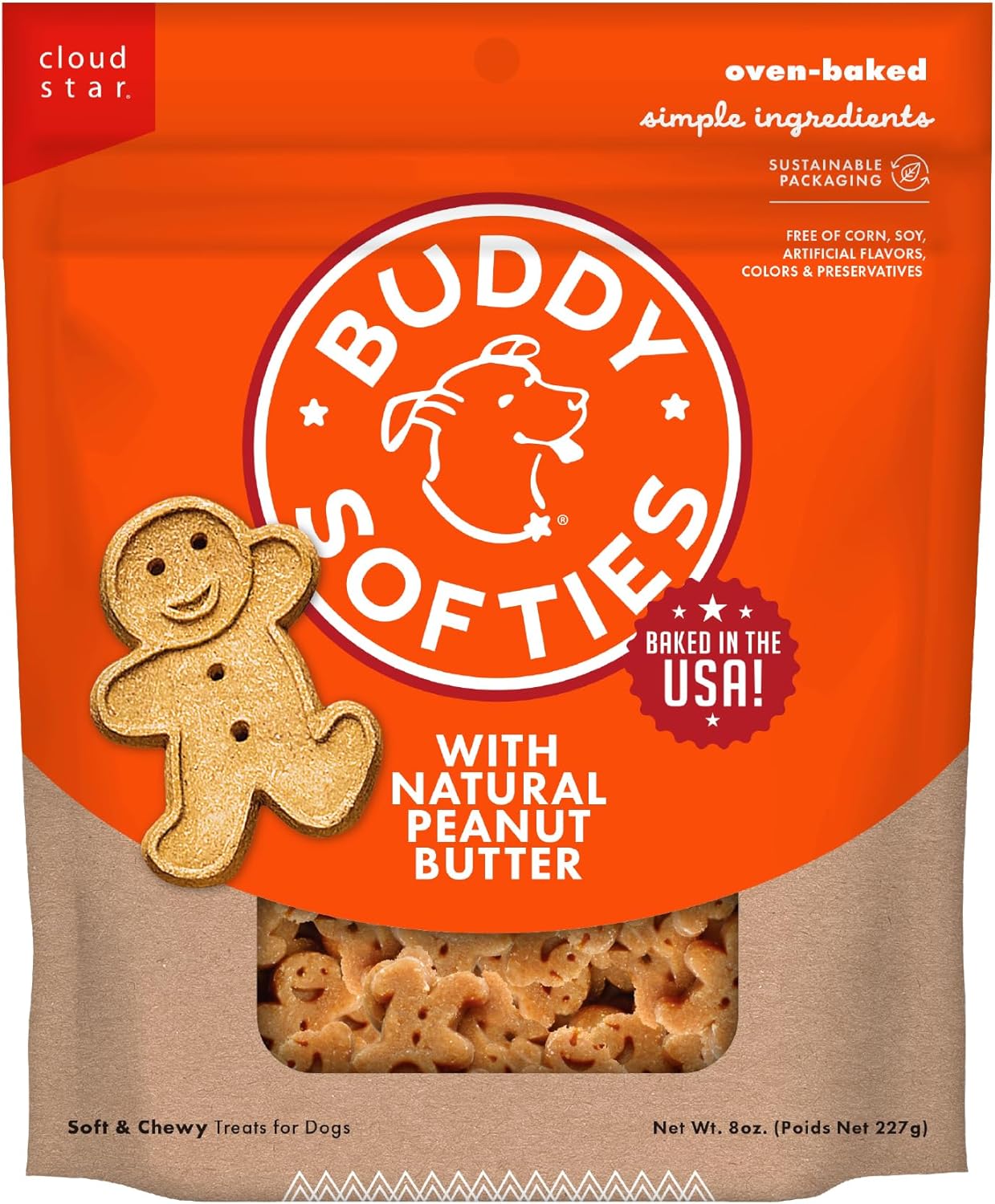
Buddy Biscuits Softies 8 oz
Best Soft Treat
| Flavor | Peanut Butter |
|---|---|
| Item Form | Chewy |
| Unit Count | 8 Ounce |
| Target Species | Dog |
Buddy Biscuits Softies are bite-sized, soft-and-chewy peanut butter treats designed for everyday snacking and training. They are oven-baked from a short ingredient list that includes whole wheat flour, peanut butter, brown rice flour, and glycerin, which produces a moist, tender texture that many dogs find highly palatable. In practice these treats work well as small rewards during training or for handing out as a calm snack since they do not require breaking into pieces first. The packaging lists all life stages and all breed sizes, and the bag format makes them easy to store and carry. Important limitations: they contain whole wheat and peanuts, so they are not suitable for dogs with specific grain or peanut allergies, and the texture—while soft—still holds form so very frail mouths may need pieces moistened further. For owners seeking an affordable, flavorful soft treat with recognizable ingredients, these are a solid everyday option.
Best for: Buyers who need an everyday soft treat that is flavorful and easy to portion for training or snacking and who prioritize simple, recognizable ingredients.
Less Ideal for: Owners seeking grain-free or peanut-free options or those who need ultra-dissolving treats formulated specifically for dogs that cannot chew at all should look elsewhere.
- Soft, chewy texture suitable for many dogs and training rewards
- Short, simple ingredient list with real peanut butter listed
- Oven-baked production and familiar gingerkid shape that dogs respond to
- Packaged as a small 8 oz bag that is easy to carry and use for sessions
- Contains whole wheat and peanut so not appropriate for dogs with grain or peanut allergies
- May still require additional softening for dogs with extremely fragile mouths or no teeth
Verdict: The best soft treat category for dogs lacking teeth, offering extremely tender consistency that dissolves or breaks apart easily for comfortable eating and safe swallowing.
INABA Churu Bites Chicken & Cheese Variety
Best Puree-Style Treat

| Flavor | Chicken & Cheese Variety |
|---|---|
| Item Form | Wet |
| Unit Count | 20 Count |
| Special Ingredients | Vitamin E |
| Allergen Information | Grain-Free, Preservative-Free |
INABA Churu Bites are small, tubular wet treats with a soft baked outer and a creamy, lickable Churu filling that makes them easy to hand-feed or use as a pill pocket. Each pack contains 20 individually portioned tubes in a chicken and cheese variety that deliver about 16 kcal per piece and 72% moisture, so they add hydration while staying low-calorie. The grain-free, preservative-free recipe includes added vitamin E and is thin and soft enough to smear on a spoon or squeeze from a tube for toothless dogs or seniors with limited chewing ability. Practical benefits include tidy single-serve tubes for training sessions or travel and a texture that encourages reluctant eaters to lick or lap the filling. Limitations are that these are treats not meals, so use sparingly and monitor total daily calories, and the pouch-style tubes require disposal and can be messy if over-squeezed. For owners who need a truly toothless-friendly, lickable format, these deliver convenience and palatability in a compact package.
Best for: Dog owners who need a truly lickable, spoonable treat for toothless or senior dogs and who prioritize easy hand-feeding, pill hiding, and small training rewards.
Less Ideal for: People looking for a complete meal replacement or large-volume, low-packaging treats should consider other options; dogs that prefer crunchy textures will not benefit from this product.
- Creamy, lickable center suitable for dogs that cannot chew
- Individually portioned tubes keep servings fresh and are convenient for training or travel
- High moisture content (72%) helps with hydration for seniors and toothless dogs
- Grain-free and free from preservatives and artificial colors
- Sold as a treat only and not nutritionally complete as a meal replacement
- Tube packaging creates single-use waste and can be messy if not squeezed carefully
Verdict: The best puree-style treat for toothless dogs that provides a lickable, spoonable format ideal for dogs who need completely toothless-friendly textures or for hand-feeding.
Canine Carry Outs Beef Treats 47 oz
Best High-Calorie Treat

| Flavor | Beef |
|---|---|
| Unit Count | 47 Ounce |
| Item Form | Stick |
| Age Range Description | All Life Stages |
Canine Carry Outs Beef Flavor treats are soft, chewy stick-style snacks sold in a large 47-ounce bag for frequent rewarding. They are designed with fun shapes and a pronounced beef taste to catch a dog's attention during training or as an everyday reward. In practice the soft texture makes them easy to break or portion for multiple rewards in a single session, and the large bag keeps a steady supply on hand for high-volume treaters. Ingredients include real beef flavor and common bakery-style components, so they offer high palatability but are not a limited-ingredient or grain-free option. Feeding guidance recommends small numbers relative to bodyweight to avoid excess calories. For very powerful chewers or dogs that need long-lasting dental engagement these soft sticks will not provide extended chewing time, but for portion control and high-value reinforcement they work well and are convenient to store and use.
Best for: Owners who give frequent training rewards or need a high-volume, easy-to-portion treat for a large dog that prefers soft, meaty flavors.
Less Ideal for: People seeking long-lasting chew toys for powerful chewers or owners requiring grain-free or single-protein treats for dietary sensitivities should look elsewhere.
- Large 47-ounce bag supplies many training rewards without frequent repurchasing
- Soft, chewy texture that is easy to break into portions during training
- Strong beef flavor and fun shapes increase appeal and quick engagement
- Rawhide-free formulation reduces some choking and digestibility concerns
- Not formulated as grain-free or limited-ingredient; contains wheat and corn ingredients
- Soft texture is not suitable for dogs that need long-lasting chewing or dental work
Verdict: The best high-calorie treat for toothless dogs who need extra energy or difficulty maintaining weight, delivering dense nutrition in a soft, easy-to-eat form.
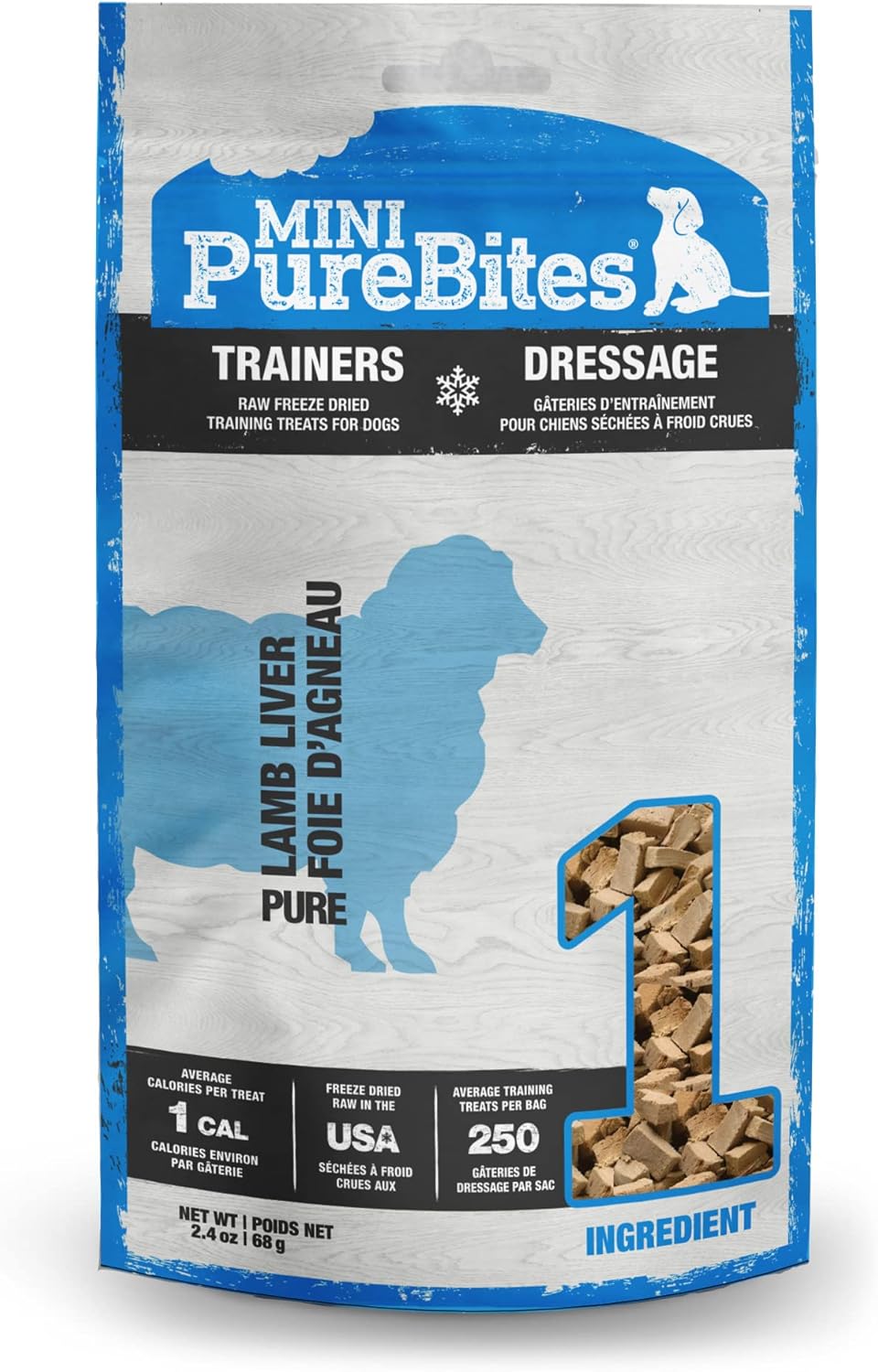
PureBites Mini Lamb Treats
Best Single-Ingredient Treat
| Flavor | Lamb |
|---|---|
| Item Form | Wafer |
| Unit Count | 3 Ounce |
| Special Ingredients | Lamb liver |
| Allergen Information | Grain-Free, Hypoallergenic, Preservative-Free |
These PureBites Mini Lamb treats are single-ingredient, freeze-dried lamb liver pieces designed for training, topping food, or as a limited-ingredient snack. Each piece is made from human-grade New Zealand lamb liver and freeze-dried to concentrate protein while keeping the treats lightweight and shelf-stable; the product is meant for intermittent or supplemental feeding. The small wafer-style cuts and tiny serving size make them easy to break into micro rewards for fast training sessions or to sprinkle over meals as a high-value topper. Because the bag contains only one ingredient and lists no fillers, preservatives, or grains, it simplifies elimination diets and reduces the chance of cross-reactive ingredients. Limitations include the very small bag size and concentrated flavor, which means frequent purchases if you use them often, and they are intended as supplemental treats rather than a meal replacement. Store them in a cool, dry place to keep them crisp.
Best for: Buyers managing elimination diets or dogs with protein sensitivities who need a single-ingredient, high-value training treat or meal topper.
Less Ideal for: Owners who need long-lasting bulk supply or a multi-ingredient treat for variety should consider larger or mixed-protein options.
- Single human-grade ingredient (lamb liver) reduces exposure to other proteins and additives
- Freeze-dried to preserve nutrients and provide high protein in a tiny portion
- Very small pieces that are easy to break for micro-rewards during training
- Grain-free, hypoallergenic, and preservative-free formulation suitable for sensitive dogs
- Low calorie per treat, useful for frequent training without adding many calories
- Small 2.4 oz bag yields relatively few treats so you may need to repurchase often
- Intense lamb flavor may be too strong for dogs that dislike organ meats
Verdict: The best single-ingredient treat for toothless dogs with sensitivities, offering a single, soft protein or produce source so owners can avoid common triggers while still providing a palatable reward.
Stella & Chewy's Wild Weenies Chicken
Best Premium Treat

| Flavor | Chicken |
|---|---|
| Item Form | Raw |
| Unit Count | 3.25 Ounce |
| Life Stages | All Life Stages |
| Special Ingredients | grain-free |
Stella & Chewy's Wild Weenies are tiny, freeze-dried raw chicken treats designed for training and everyday rewards. Each bite is made from primarily cage-free chicken and organs and is shelf-stable so you can carry them in a treat pouch without refrigeration. The texture is soft enough to break into smaller pieces for frequent reinforcement but dense enough that pieces do not crumble into dust, which helps during focused training sessions. With a simple ingredient list and grain-free formulation, these treats are easy to feed to dogs with grain sensitivities and work well as a high-value reward for picky eaters. The bag is small, so frequent trainers may need multiple packs, and caloric density means you should keep treats under 10% of daily calories. Also there is limited variety in flavor in this SKU if you want rotation. For Dachshund puppies these treats give concentrated protein boosts and simple ingredients without added fillers, making them practical for short training sessions or meal toppers in moderation.
Best for: Owners who prioritize a short, meat-forward ingredient list and need a highly motivating, grain-free training treat for a small-breed puppy.
Less Ideal for: People who want low-calorie bulk training treats or multiple flavor options from a single package should consider other formats or larger sizes.
- High meat content made from chicken and organs for strong protein and palatability
- Freeze-dried shelf-stable format that does not require refrigeration
- Soft texture that breaks easily for small training-sized rewards
- Grain-free and minimal ingredient list suitable for dogs with grain sensitivities
- Small 3.25 oz bag may run out quickly for frequent trainers
- High protein/calorie density means portion control is needed to avoid exceeding treat-calorie limits
Verdict: The best premium treat for toothless dogs for owners willing to spend more on refined ingredient lists, specialized soft textures, and consistent palatability tailored to senior or toothless pets.
Choosing the Right Treat Toothless Dog: Key Factors to Consider
Texture and Compressibility
Texture is the single most important consideration for toothless dogs. A treat that is easily compressed between fingers or that dissolves quickly in the mouth reduces the risk of choking and makes it possible for the dog to taste and swallow without relying on molars.
Look for descriptions like soft, paste-like, or powdered treats that rehydrate. How a treat behaves when pressed or mixed with a little water tells you whether it will be manageable for a dog that cannot chew. Hard, crunchy, or heavily fibrous textures should be avoided because they require chewing to break down.
Ingredient Digestibility
Digestibility affects how comfortable your dog will feel after eating treats, especially for older dogs that often have sensitive stomachs. Simple, high-quality proteins such as single-source meats or gentle plant-based proteins tend to be easier to digest than complex blends or unknown byproducts.
Avoid long ingredient lists with fillers, artificial colors, or heavy preservatives. Ingredients that are easy on the gut improve acceptance and reduce the chance of gastrointestinal upset after a treat, which is particularly important when you plan to give multiple small rewards throughout the day.
Nutritional Balance and Calorie Control
Treats should not unbalance your dog's overall diet. For dogs with limited mobility or medical issues, extra calories can contribute to weight gain. Choose treats with modest calories per serving and a reasonable balance of protein and fat.
Portion size matters more for toothless dogs because you may need to give frequent small rewards. Look for treats that are easy to split or that come in sachets or single-serve formats to limit unintended overfeeding while still delivering meaningful nutrients.
Palatability and Flavor Appeal
A treat must be appealing enough for a dog to accept it without needing to chew hard. Strong natural flavors from meat or fish, or lightly savory formulations, help entice dogs that lack normal chewing satisfaction.
However, palatability should not come at the cost of poor ingredient quality or excessive additives. The ideal treats balance flavor with recognizable ingredients and avoid heavy salt or sugar. If a dog is picky due to dental pain or medication, softer, strongly aromatic options can increase acceptance.
Safety and Choking Risk
Even soft treats can present a choking hazard if they are too large or do not break down reliably in the mouth. Choose treats that can be portioned into small pieces or that dissolve quickly when wet.
Pay attention to shape and packaging instructions. Treats marketed for seniors or toothless dogs often include portioning guidance. Never offer whole pieces that are larger than a comfortable swallow for your dog, and supervise the first few feedings to confirm the treat breaks down safely.
Form and Ease of Administration
Treats come in many forms: soft chews, pouches, pastes, powders, or moist bites. For toothless dogs, options that can be smeared on food, squeezed from a tube, or rehydrated are particularly useful. These forms make it easy to deliver medication or hide supplements.
Consider how you plan to use treats daily. Single-serve pouches reduce handling and contamination risk, while squeeze tubes let you apply precise small doses. Ease of administration reduces stress for both pet and owner and increases consistent treat use.
How Can I Safely Give a Treat to a Dog with No Teeth?
Start by choosing a soft treat that you can break or mash easily. Offer a pea-sized piece first to see if it dissolves in the mouth or requires chewing. If your dog swallows without distress, the treat is likely safe for regular use.
When introducing any new treat, supervise the dog until you confirm it breaks down reliably. For added safety, moisten firmer treats with a little water or dog-safe broth to speed breakdown. Always consider portion size relative to your dog's body weight and overall daily calories.
- Test a small portion to verify it dissolves or can be swallowed whole.
- Moisten treats with water or broth if needed to aid breakdown.
- Supervise initial feedings and adjust portion size as necessary.
Are Paste or Puree-style Treats Better than Soft Chews?
Paste and puree formats can be ideal because they eliminate the need to chew entirely and can be applied directly to the tongue or food. They are especially useful for administering medication or supplements that might otherwise be hard to hide.
Soft chews still work well when they compress easily, but some dogs may prefer purees for the texture. Choose the form that your dog accepts, and consider variety to prevent boredom while maintaining safety.
- Pastes are easy to dose and useful for medication delivery.
- Soft chews offer a more treat-like experience if they compress quickly.
How to Manage Calorie Intake when Rewarding Frequently
Frequent rewarding can unintentionally add a lot of calories. To manage weight, break treats into smaller portions or use low-calorie formulations. You can also reserve higher-calorie soft treats for special occasions and rely on tiny single-serve portions for daily reinforcement.
Consider using part of your dog's regular meal as a reward to keep overall calories steady. This approach maintains training consistency while avoiding weight gain.
- Split treats into tiny pieces for frequent rewards.
- Use low-calorie or single-ingredient soft options for regular reinforcement.
Tips for Hiding Medication or Supplements in Toothless Dogs
Choose a soft, malleable treat that can mask smell and taste without requiring chewing. Pastes and squeezable treats are particularly effective because you can blend medication into the treat and squeeze a small portion into the mouth or onto food.
Test the mixture first to ensure the medicine does not change the texture excessively. If your dog is reluctant, try warming a small amount in your hand to intensify aroma before offering it.
- Mix pills or powders into paste-style treats for easier administration.
- Use a tiny dab at a time and observe swallowing before offering more.
When Should I Consult a Veterinarian About Treat Safety?
If your dog coughs, gags, or shows signs of distress after attempting to eat soft treats, consult your veterinarian promptly. Also seek advice if your dog has a swallowing disorder, recent oral surgery, or chronic gastrointestinal issues that could be affected by new treat ingredients.
A veterinarian can recommend specific textures or ingredient restrictions and may suggest alternative feeding strategies or therapeutic diets suitable for toothless dogs.
- Consult a vet after any choking or repeated gagging events.
- Ask about ingredient restrictions for gastrointestinal or metabolic conditions.
How We Chose the Best Treat Toothless Dog
We started by narrowing the field to treats formulated or suitable for dogs with no teeth or very limited chewing ability. Priority went to products with a clearly soft or easily dissolvable texture and straightforward ingredient lists that lower the risk of digestive upset. We also considered palatability signals such as protein sources and natural flavoring, plus portioning convenience for controlled treats during training or medication delivery. Specific evaluation criteria included: texture profile and how easily a treat can be mashed or dissolved; ingredient quality and presence of digestible proteins; caloric density relative to portion size; additive and preservative profile; nutrient balance for everyday treat use; and packaging or dosing that helps portion control. We excluded treats that require significant chewing, are high-choke risk, or contain poorly defined meat-byproducts. Final selections favored items that make it simple to reward or medicate toothless dogs without creating eating hazards.
Our full evaluation process is outlined in our review methodology.
FAQ
Can a toothless dog eat wet food as a treat?
Often yes. Wet food generally has a soft, easily swallowed texture that many toothless dogs tolerate well. Use small spoonfuls or chilled portions to make handling easier and supervise the dog the first few times.
Are rawhide or dental chews safe for dogs without teeth?
No. Rawhide and most dental chews require significant chewing and can present a choking hazard for toothless dogs. Choose soft, dissolvable formats instead.
How can I determine the right portion size for frequent rewards?
Portion size depends on your dog's weight and daily calorie needs. Start with very small pieces, such as quarter-inch bites or pea-sized amounts, and monitor weight and satiety. If in doubt, discuss portioning with your veterinarian.
Will my dog miss the chewing experience if treated only with soft treats?
Some dogs may miss hard textures, but toothless dogs adapt quickly. You can provide textural variety through safe enrichment like gentle-smelling treats or interactive attention without requiring chewing.
Can I use human soft foods as treats for a toothless dog?
Occasionally. Plain, cooked plain meats, soft cooked vegetables, or small amounts of plain yogurt can work, but avoid added salt, seasonings, onion, garlic, and xylitol. Check with your veterinarian before introducing new human foods.
Final Verdict
Choosing treats for a toothless dog means prioritizing safe textures, clear ingredients, and portion control over novelty. Focus on options that break down easily, provide digestible protein, and let you give rewards without increasing choking risk or excess calories. Balance palatability with nutritional quality, and prefer forms that let you dose or hide medication when needed. With the right tradeoffs—softness, safety, and sensible calories—you can continue rewarding and bonding with a toothless dog while supporting overall health and comfort.

