

Keeping your tiny dog's teeth clean matters for comfort, breath, and long-term oral health. Small mouths, delicate gums, and fussy short-snouted breeds create unique challenges that make a standard human toothbrush impractical. This guide covers six shortlisted toothbrush options that are designed for small mouths and easier at-home care. We evaluated ergonomics, brush head size, bristle softness and visibility to highlight options that make daily brushing less stressful for both pet and owner. Read on to find the type of toothbrush that best fits your dog's mouth, tolerance level, and your routine.
Top Picks at a Glance
| Best Overall Toothbrush for Tiny Dogs A well-rounded choice that fits small mouths and daily use | H&H Pets Toothbrush Small 8-Pack |  |
| Best Budget Toothbrush for Tiny Dogs An affordable, no-frills option that still cleans effectively | MoonyMars Tuft Head Toothbrush Small |  |
| Best Compact Toothbrush A smaller-form brush designed for tight mouths and easy control | PETHROOM Pet Toothbrush XS |  |
| Best Soft-Bristle Toothbrush Extra-gentle bristles to protect sensitive gums and enamel | Ultra Soft Nano Dog Toothbrush Kit |  |
| Best Electric Toothbrush Powered brushing for faster plaque removal in small mouths | Petsie Electric Dog Toothbrush Small |  |
| Best Premium Toothbrush A higher-end brush with better materials and ergonomic design | petsmile Professional Pet Toothbrush |  |
H&H Pets Toothbrush Small 8-Pack
Best Overall Toothbrush for Tiny Dogs
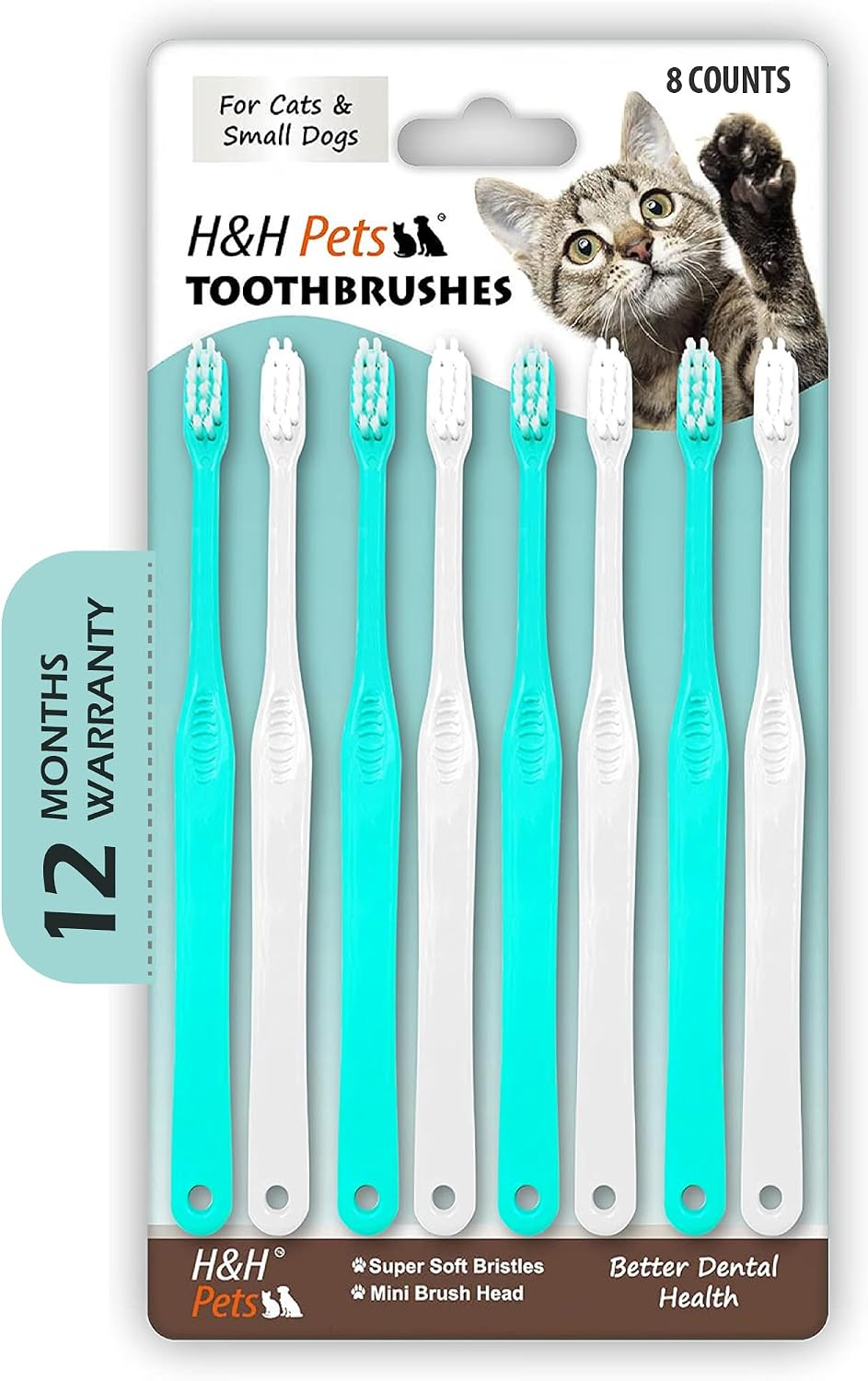
| Pack count | 8 count |
|---|---|
| Bristle type | Ultra-soft |
| Intended use | Cats, puppies, and small breed dogs |
These H&H Pets extra-small toothbrushes are built for tiny mouths and sensitive gums, using human-grade ultra-soft bristles and a compact angled head to reach front and back teeth. In everyday use you hold the brush like a regular toothbrush or slide it gently along the gumline to remove soft plaque and food debris; the flexible bristles are forgiving on thin enamel and tender gums so brushing is less likely to cause discomfort. The small single-head design and two color options make it easy to assign brushes if you have multiple pets, and the eight-pack provides spares while you establish a daily routine. Limitations are that the brush is manual and designed for light, frequent brushing rather than aggressive tartar removal, so heavy calculus will still need professional cleaning. Bristles may wear with months of daily use, but replacement is inexpensive given the pack size. For Yorkies with sensitive gums this brush balances effective gentle cleaning with a size and softness that helps make brushing tolerable and consistent.
Best for: Owners of Yorkies or similarly small-breed dogs who prioritize gentle daily brushing to protect sensitive gums and thin enamel while keeping plaque under control.
Less Ideal for: Owners seeking a toothbrush to remove heavy tartar buildup or those who prefer powered brushes for faster cleaning results.
- Ultra-soft human-grade bristles minimize irritation on sensitive gums
- Extra-small angled head reaches front and back teeth in tiny mouths
- Eight brushes per pack provide replacements and allow one-per-pet
- Flexible bristles help remove plaque without risking gum damage
- Manual brush not intended to remove heavy tartar or replace professional cleaning
- Bristles can wear down with long-term daily use
Verdict: The best overall toothbrush for tiny dogs balances small-head reach, gentle bristles, and comfortable handling for consistent at-home dental care.
MoonyMars Tuft Head Toothbrush Small
Best Budget Toothbrush for Tiny Dogs

| Bristle material | PBT |
|---|---|
| Quantity | 1 PCS |
| Intended for | Cats & Small Dogs |
| First available | March 21, 2026 |
This single-piece tuft head toothbrush is built for targeted cleaning of tiny mouths and works like a precision tool more than a full-size pet brush. It uses an ultra-fine PBT-bristle tuft to reach between teeth and along gumlines, which helps remove plaque and tartar in hard-to-reach spots on kittens and small dog breeds. The micro head and soft bristles make the brush gentle enough for sensitive gums while still allowing detailed scrubbing on front and side teeth. The ergonomic plastic handle is lightweight and easy to position for one-handed use, though the small single tuft means you need patience and repeated short passes to clean a whole mouth. It is durable for regular home use but comes as only one brush in the pack, so you may want extras for rotation while one dries. This is a straightforward, no-frills option that gives cost-conscious owners a compact, effective tool for spot-cleaning and maintaining dental hygiene between professional cleanings.
Best for: Budget-conscious owners of tiny dogs who need a small, maneuverable brush to tackle plaque in tight spots and who are willing to do short, focused brushing sessions.
Less Ideal for: Owners looking for a full-mouth, quick-clean solution or multi-brush kits for frequent rotation should consider larger heads or multi-piece sets instead.
- Micro tuft head reaches tight spaces between teeth and along gumlines
- Ultra-fine PBT bristles are soft for sensitive gums while still cleaning plaque
- Lightweight ergonomic handle makes one-handed positioning easier
- Durable one-piece plastic construction resists bristle shedding
- Sold as a single brush so you may need backups for drying and rotation
- Not a time-saver for full-mouth cleaning since the tiny tuft requires multiple passes
Verdict: The best budget toothbrush for tiny dogs offers reliable plaque removal and a small, maneuverable head at a low price for cost-conscious pet owners.
PETHROOM Pet Toothbrush XS
Best Compact Toothbrush

| Head size | 10 × 5 mm |
|---|---|
| Bristle diameter | 0.08 mm |
| Recommended for | Cats, kittens, small dogs |
| Handle | Hexagon ergonomic lightweight |
The PETHROOM Extra-Small (XS) toothbrush is built for precision cleaning in tight mouths. It has a 10 × 5 mm ultra-compact rounded head and 0.08 mm micro PBT bristles that are intentionally very soft, so you can clean back molars and narrow spaces with minimal discomfort to the pet. The hexagon-shaped ergonomic handle is lightweight and gives a secure grip for controlled strokes, and the head shape and angle are tuned to reach tartar along the gumline in smaller mouths. In practice this brush works well for pets that resist larger brushes or have sensitive gums because light pressure is effective with the micro bristles. The brush is not heat-stable so avoid boiling and replace it once bristles fray or the pet chews it. Because the head is very small, brushing takes slightly longer to cover all surfaces compared with a larger brush, but it excels at accessing crowded molars and inner teeth. For owners focused on careful, tooth-by-tooth cleaning of small dogs, this model is a practical, gentle choice.
Best for: Owners of small dogs who need a compact, gentle brush to access back molars and narrow areas and who prioritize comfort during daily or gradual tooth-by-tooth cleaning.
Less Ideal for: People looking for a firmer brush for rapid heavy tartar removal or for large breeds that need broader coverage.
- Ultra-compact 10 × 5 mm rounded head reaches back molars and tight spaces
- Ultra-fine 0.08 mm PBT bristles are very soft for sensitive gums and gradual desensitization
- Ergonomic hexagon handle is lightweight and provides a secure grip for controlled brushing
- Designed head angle and curve help remove tartar along the gumline in small mouths
- Very soft bristles may require slightly longer brushing sessions to remove heavy buildup
- Not suitable for pets that vigorously chew brushes and not heat-resistant
Verdict: The best compact toothbrush is sized specifically for tiny mouths so owners can reach all teeth and clean accurately without stressing the dog.
Ultra Soft Nano Dog Toothbrush Kit
Best Soft-Bristle Toothbrush

| Item model number | br3 |
|---|---|
| Manufacturer | she'o |
| Date First Available | May 27, 2024 |
This kit supplies three small, soft-headed brushes and a compact clear case designed for small dogs and cats with sensitive mouths. The set includes a three-sided head for simultaneous front/back/side cleaning, a flat nano-bristle head for reaching rear teeth, and a 360 silicone brush for gentle gum care, so you can pick the best shape for a nervous pet. The ultra-soft nano bristles and silicone surfaces are intended to minimize gum irritation and reduce the chances of bleeding compared with stiffer brushes, and the medium-length handle gives reasonable control when working inside a small mouth. The transparent storage box keeps brushes sanitary and compact for bathroom storage. Limitations are that the heads are sized for small breeds only, so they will not be efficient for larger mouths, and the simple plastic handle and compact case are basic compared with higher-end ergonomic or electric options.
Best for: Pet owners with small dogs or cats who prioritize gentle, low-irritation brushing for tender gums and need multiple head shapes to find what their pet tolerates.
Less Ideal for: Owners of medium or large dogs or people seeking an electric toothbrush or more ergonomic, heavy-duty dental tool should look elsewhere.
- Three brush shapes cover different cleaning needs: three-sided, flat nano-bristle, and 360 silicone
- Ultra-soft nano bristles and silicone heads reduce gum irritation for sensitive mouths
- Small heads and medium-length handle suited for small breeds and cats
- Transparent storage case keeps brushes clean and easy to locate
- Brush heads and handle are sized for small breeds only and are not suitable for larger dogs
- Basic plastic handle lacks ergonomic or powered cleaning features
Verdict: The best soft-bristle toothbrush prioritizes gentle but effective cleaning to protect delicate gums and reduce discomfort during brushing for small dogs.
Petsie Electric Dog Toothbrush Small
Best Electric Toothbrush

| Item model number | PETTOOTHBRUSH-L |
|---|---|
| Batteries | 1 Lithium Ion required |
| Manufacturer | Vis Health |
| Date First Available | March 25, 2024 |
This Petsie electric toothbrush is built for low-stress daily brushing of small dogs and uses a vibration-free design with electrolytic technology to break down plaque and tartar without noise or scrubbing. It is used like a conventional powered brush: attach the size-appropriate replaceable head, guide the lit brush along each side of the mouth for the 60-second timed cycle, and track sessions with the companion app. The electrolytic dual-metal beams provide a chemical-free way to loosen buildup, and the quiet operation and built-in light make it easier to brush nervous puppies without fights over toothpaste or loud motors. The included app and reminders help make brushing consistent, and the manufacturer claims the rechargeable battery can last up to a year of daily use between charges, reducing recharge hassle. Limitations to note are that it requires size-matched replacement heads and that the electrolytic method is different from mechanical scrubbing, so owners used to oscillating brushes should expect a different feel and may need to monitor effectiveness on heavy tartar.
Best for: Puppy owners who prioritize a quiet, low-stress daily brushing routine and want an easy-to-use tool that encourages consistency without loud vibration.
Less Ideal for: Owners seeking an aggressive mechanical scrub for existing heavy tartar or those who prefer traditional vibrating/oscillating toothbrush sensations.
- Silent, vibration-free operation reduces stress for anxious or skittish puppies
- Electrolytic technology targets plaque and tartar without toothpaste or aggressive scrubbing
- Built-in 60-second timer, light, and companion app make consistent daily routines easy
- Replaceable, size-specific brush heads let you keep the handle and swap heads as puppy grows
- Long-lasting rechargeable battery designed for up to a year of daily brushing between charges
- Requires purchasing size-specific replacement heads every few months
- Electrolytic cleaning feels different from mechanical brushes and may require monitoring for heavy tartar
Verdict: The best electric toothbrush provides efficient, low-effort cleaning with a small rotating or sonic head suited to tiny dogs that tolerate powered devices.
petsmile Professional Pet Toothbrush
Best Premium Toothbrush

| Item model number | FF-MS9X-TQWW |
|---|---|
| Department | Pet Supplies |
| Manufacturer | petsmile |
| ASIN | B07Z6JDLKY |
The petsmile Professional Pet Toothbrush is a dual-ended brush that brings a veterinary-style 45° brushing angle to at-home pet care, with a larger head for molars and a smaller head for hard-to-reach spots. Its center and angled rows of soft DuPont nylon bristles are sized to clean below the gum line and polish enamel while remaining gentle on sensitive gums, making it suitable for puppies as well as adult dogs and cats. The ergonomic handle helps maintain a secure grip during two-minute brushing sessions when a pet is squirmy, and the brush is explicitly intended to pair with Petsmile toothpaste for a clinically supported cleaning routine. It is built for daily use and aims to reduce plaque and tartar buildup that can lead to more serious health problems. The brush does not include toothpaste, so expect to purchase the Petsmile toothpaste separately to get the full VOHC-recognized system benefits.
Best for: Pet owners who want a clinic-style, easy-to-use toothbrush and are willing to invest in a premium brushing routine for puppies and adult pets to improve long-term oral health.
Less Ideal for: Owners looking for an all-in-one kit that includes toothpaste or replaceable heads out of the box should consider alternatives that bundle those items.
- Patented 45° angled head targets below the gum line like veterinary cleanings
- Dual-ended design accommodates both large teeth and tight, hard-to-reach spots
- Soft DuPont nylon bristles clean gently, suitable for sensitive gums and puppies
- Ergonomic handle provides a secure grip for steadier brushing sessions
- Toothpaste is sold separately so you must buy the Petsmile paste to complete the recommended system
- Single brush may wear over time and does not list replaceable heads
Verdict: The best premium toothbrush offers superior build quality, refined bristle materials, and ergonomic handling for owners willing to invest in long-term dental care.
Choosing the Right Toothbrush Tiny Dog: Key Factors to Consider
Brush Head Size and Shape
Brush head size determines how easily you can reach molars and inner surfaces in a tiny dog's mouth. Smaller, tapered heads allow targeted cleaning without forcing the mouth open widely, which reduces stress for the animal.
Head shape matters because narrow, rounded or angled heads slide between teeth and along the gum line more effectively than wide flat designs. Look for designs explicitly sized for small breeds or with replaceable small heads so you can maintain hygiene without swapping to a larger tool later.
Bristle Type and Softness
Bristle softness is critical for tiny dogs whose gums are thin and prone to irritation. Soft or extra-soft nylon and silicone bristles clean plaque while minimizing abrasion. Denser bristles can remove more buildup but may feel harsh on sensitive gums.
Consider silicone bristles for puppies or dogs with inflamed gums because they are gentler and easier to rinse. For regular adult tiny dogs, a balanced density of soft nylon bristles typically offers effective cleaning without discomfort.
Handle Ergonomics and Grip
Good handle design gives you control while brushing a small, sometimes squirmy dog. Non-slip grips, short handles, or angling that keeps your hand out of the dog's face let you maintain steady, gentle strokes.
Ergonomic handles reduce wrist strain during short daily sessions and help you reach awkward angles without forcing the dog's mouth. Some designs include thumb rests or contoured shapes that improve leverage for precise brushing.
Access to Back Teeth and Angle of Reach
Tiny dogs' back teeth are tucked deep in a small mouth, so a toothbrush that permits angled reach matters. Angled necks, slim brush heads, or dual-headed designs can help you access molars and premolars without pushing the jaw open excessively.
Consider whether the tool lets you clean both outer and inner surfaces. Tools that require less mouth opening lower the risk of triggering a gag reflex or causing the dog to resist.
Hygiene, Maintenance, and Replaceable Parts
Regular cleaning of the toothbrush and periodic replacement of brush heads prevent bacteria buildup and keep brushing effective. Materials that tolerate frequent rinsing and air-drying reduce odors and contamination risk.
Replaceable heads are convenient for longevity and cost-effectiveness, especially if you brush daily. Also check whether the brush components are easy to separate for thorough cleaning and whether the materials resist mold or discoloration.
Safety and Material Quality
Materials should be non-toxic and free of small parts that could detach and become a choking hazard. Soft, flexible materials reduce the chance of injuring gums, but they must still be robust enough to resist tearing or fraying.
Avoid brittle plastics or glue joints that can separate. Durable construction extends the life of the toothbrush and reduces the chance of accidental ingestion or injury during enthusiastic chewing.
How Often Should I Brush a Tiny Dog's Teeth?
Daily brushing is ideal for preventing plaque and tartar buildup, but even a few times per week can make a meaningful difference. Short daily sessions condition the dog to the routine and reduce the amount of plaque that needs more vigorous cleaning later.
Start with brief, gentle strokes and gradually increase duration as the dog tolerates it. Consistency matters more than session length early on; a two-minute total daily effort split into short bursts is better than infrequent long sessions that the dog resists.
- Aim for once daily when possible.
- If daily is not possible, target at least three times per week.
- Keep sessions short and calm to build tolerance.
What Toothbrush Designs Work Best for Nervous or Squirmy Small Dogs?
For nervous tiny dogs, consider soft silicone finger brushes or ultra-small angled heads that feel less invasive. Finger brushes let you maintain gentle, tactile control and can be less threatening than a rigid handle.
Short handles with textured grips and quick-release heads help you move efficiently during brief sessions. Using a routine and positive reinforcement like a calm voice or a small reward after brushing helps reduce resistance over time.
- Try finger-style silicone brushes for initial training.
- Use angled or trimmed heads to reduce mouth opening required.
- Combine brushing with calm cues and praise.
Can a Toothbrush Reach Tartar on Tiny Dogs or Is Professional Cleaning Required?
At-home brushing is effective at removing daily plaque and slowing tartar formation, but established tartar often requires a professional cleaning to remove safely. Regular brushing reduces how often professional cleanings are necessary and helps keep gums healthy between visits.
If you notice persistent yellowing or hard deposits that do not respond to gentle brushing, consult a veterinarian for an exam. Avoid attempting aggressive scraping at home, which can damage enamel and gums.
- Daily brushing prevents most tartar buildup.
- Visible hard deposits usually need professional attention.
- Do not use sharp tools at home to scrape tartar.
Which Toothpaste Types Pair Best with Toothbrushes for Tiny Dogs?
Use toothpaste formulated for dogs; these are flavored to encourage acceptance and are safe to swallow. Gel formulas can cling to bristles and reach crevices, while foamy pastes rinse away easily. For tiny dogs, milder flavors and gel textures often work best because they are less likely to trigger refusal.
Avoid human toothpaste. When selecting a dog paste, look for enzyme-containing formulas that target plaque buildup without harsh abrasives. A small smear is enough for each session on a tiny dog's brush head.
- Choose dog-specific toothpaste, ideally with enzymes.
- Use a pea-size or smaller amount for tiny mouths.
- Test mild flavors to improve acceptance.
How to Introduce a Tiny Dog to Daily Brushing
Gradual introduction reduces fear and creates a positive association. Start by gently touching the dog's muzzle and lips, then move to rubbing the teeth with your finger and a dab of dog paste. Progress to a finger brush or small head for very short intervals, rewarding calm behavior consistently.
Keep sessions positive and brief at first. Build up to a routine where brushing happens at a similar time each day so the dog learns to expect it. Patience and steady progression are more effective than forcing a single long session.
- Begin with finger rubbing and a treat after.
- Introduce the brush gradually with a small amount of paste.
- Increase duration slowly over several weeks.
Cleaning and Storing Toothbrushes for Tiny Dogs
Rinse brushes thoroughly after each use and allow them to air-dry in a clean area. Replace heads or entire brushes on a regular schedule if bristles show wear, fraying, or discoloration. For silicone brushes, boiling briefly or using pet-safe disinfecting methods can help keep them hygienic.
Store brushes in a ventilated container, not sealed plastic bags, to prevent mold growth. Labeling replacement dates can help you remember when to swap heads so the brush remains effective and sanitary.
- Rinse and air-dry between uses.
- Replace when bristles fray or discolor.
- Store ventilated and track replacement dates.
How We Chose the Best Toothbrush Tiny Dog
We focused on features that directly affect how well owners can brush the teeth of tiny dogs and how comfortable the experience is for the animal. Our evaluation emphasized brush head size, bristle type and density, handle ergonomics and grip, ease of reaching back teeth, and materials that tolerate frequent cleaning. We prioritized tools that reduce gag reflex and avoid over-sized heads that can injure lips or gums. Also considered were ease of replacing brush heads or sanitizing the tool and how well designs accommodate short muzzles or narrow mouths. We excluded full-scale power tools or devices intended for medium and large dogs that are impractical for very small mouths. Products that used unsafe materials or lacked a secure, non-slip grip were not considered. Final selections were based on a blend of practical design features and durability indicators relevant to tiny dog dental care.
Our full evaluation process is outlined in our review methodology.
FAQ
How long should a brushing session last for a tiny dog?
Aim for about one to two minutes of effective brushing per session, focusing on a few teeth each time if the dog cannot tolerate longer. Shorter daily sessions are better than infrequent long ones.
Are finger brushes safe for very small puppies?
Finger brushes can be safe and less intimidating for small puppies, provided they are soft, properly sized, and only used under supervision. Use gentle pressure and check for signs of discomfort.
What if my tiny dog refuses to open its mouth?
Work gradually with positive reinforcement: touch the lips, offer toothpaste on your finger, and reward calm behavior. If resistance continues, try a smaller head or a finger-style brush and keep sessions very brief.
Can I use human toothpaste in an emergency?
Human toothpaste should be avoided because it often contains ingredients unsafe for dogs. If an emergency makes dog toothpaste unavailable, use plain water and postpone brushing with paste until a dog-safe product is available.
How often should I replace a small toothbrush head?
Replace the head when bristles show visible wear, fraying, or discoloration, which is often every few months with regular use. Replace sooner if the brush becomes contaminated or the dog chews it.
Final Verdict
For tiny dogs, prioritize a toothbrush with a small, narrow head, soft bristles, and an ergonomic handle that lets you brush gently and precisely. Regular short sessions, paired with a dog-safe toothpaste, prevent plaque buildup and reduce the need for more invasive interventions. Balance comfort and cleaning effectiveness: if a design causes stress, choose a gentler style even if it removes slightly less plaque at first, then increase frequency. With patience and the right tool, you can maintain oral health and make brushing a manageable part of routine care.

