

Finding the right treats matters for a Shiba inu puppy because snacks shape training progress, nutrition, and chewing habits during early development. The wrong treat can disrupt housetraining, create choke risks, or add unnecessary calories. This guide highlights the top shortlisted treats for Shiba inu puppies, chosen for texture, ingredient quality, and training suitability. Below we summarize what to expect from each type and why those factors matter so you can pick treats that help reinforce good behavior while supporting steady growth.
Top Picks at a Glance
| Best Overall Treat for Shiba Inu Puppies A balanced all-around treat that suits most Shiba Inu puppies | Blue Buffalo Baby BLUE Training Treats 4 oz |  |
| Best Budget Treat for Shiba Inu Puppies Affordable treats that still deliver decent nutrition and palatability | Blue Buffalo Bits Salmon 4 oz |  |
| Best Premium Treat Higher-end treats with superior ingredients and careful sourcing | Pupford Freeze Dried Training Treats 4 oz |  |
| Best High-Protein Treat Treats focused on higher protein content for growth and energy | Bully Max High Protein Dog Treats 400g x2 |  |
| Best Soft Treat Tender, easy-to-chew treats ideal for small mouths and training | Zuke's Mini Naturals Chicken 16 oz |  |
| Best Training Treat Small, low-calorie bites made for frequent rewards during training | Pupford Soft & Chewy Training Treats 5 oz |  |
| Best Grain-Free Treat Limited-ingredient treats without grains for sensitive tummies | Smart Cookie Rabbit Jerky Strips 3oz |  |
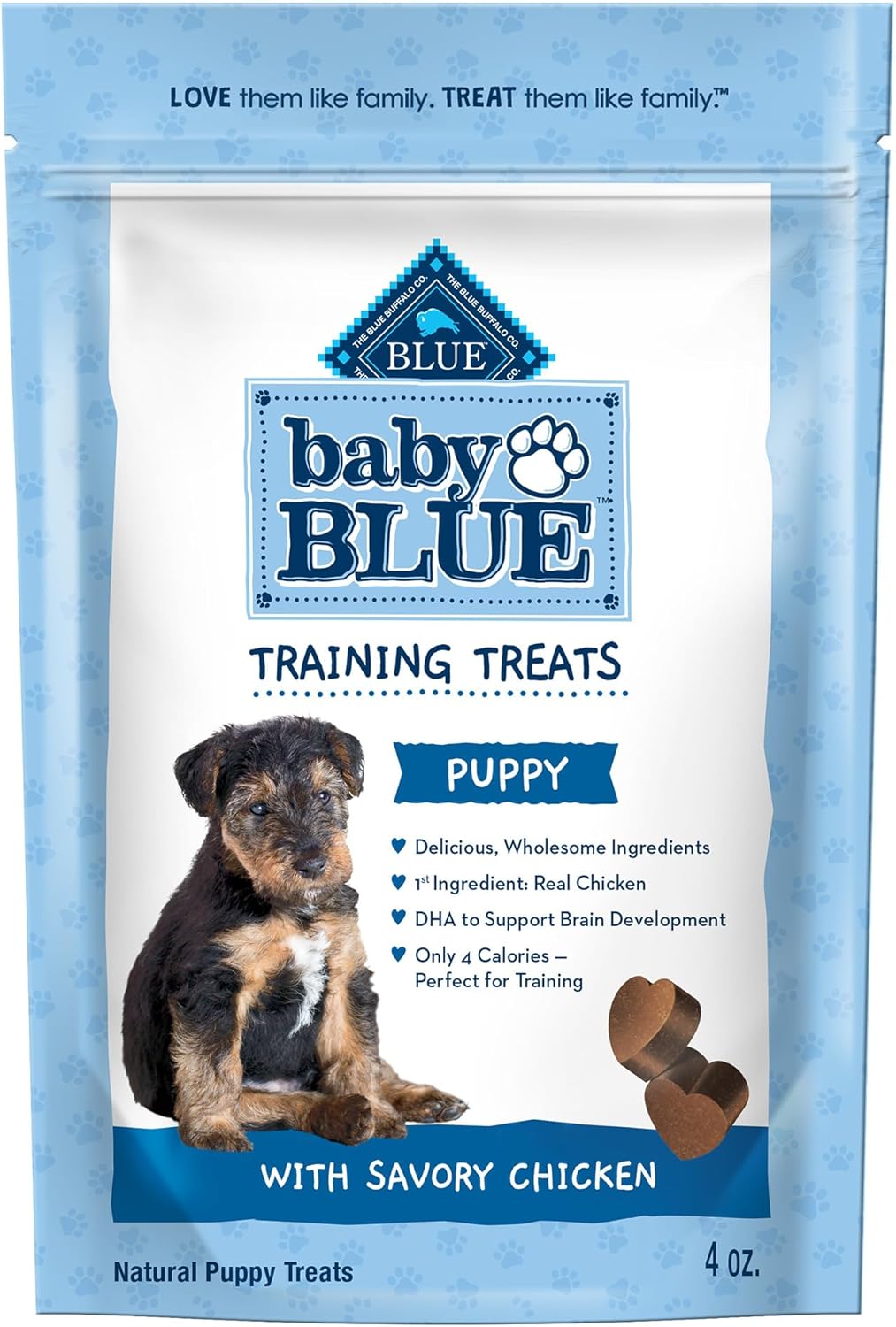
Blue Buffalo Baby BLUE Training Treats 4 oz
Best Overall Treat for Shiba Inu Puppies
| Flavor | Chicken |
|---|---|
| Age Range Description | Puppy |
| Item Form | Semi Moist |
| Unit Count | 4 Ounce |
| Allergen Information | Corn-Free, Soy Free, Wheat Free |
These Baby BLUE Savory Chicken training treats are soft, bite-sized morsels designed for puppy training and intermittent rewards. Made with real chicken as the first ingredient and a semi-moist texture, they are easy to break or feed quickly during multi-step training sessions. The formula includes DHA for cognitive development and omega fatty acids to support skin and coat, while LifeSource-inspired nutrients and no corn, wheat, or soy aim to reduce common allergens. In practice the treats are highly palatable to most puppies and the small pieces minimize interruptions during repetitious drills. The 4-ounce bag is convenient for short outings or a training class, but frequent trainers may find the pack small and need to replenish often. Nutritional specs show modest protein and fat levels appropriate for treats rather than meal replacement, so they work best as rewards rather than primary food. Overall these treats balance taste and puppy-friendly texture, though the small package size limits how long one bag lasts for heavy training schedules.
Best for: Puppy owners focused on efficient, frequent reward-based training who want a tasty, soft treat that is easy to portion and gentle on young digestive systems.
Less Ideal for: People who run long, intensive daily training sessions or need bulk packaging for many repetitions should consider larger multi-pack options.
- Real chicken listed as the first ingredient for strong palatability
- Soft, semi-moist texture is easy to break and quick to deliver during training
- Includes DHA and omega fatty acids to support cognitive development and skin and coat
- Free of corn, wheat, soy and artificial colors or preservatives
- Small 4-oz bag may not be economical for heavy daily trainers
- Treat nutrient levels are modest so they should not replace regular food
Verdict: The best overall treat for Shiba Inu puppies that balances flavor, portion size, nutrition, and texture for everyday rewarding and positive interactions.
Blue Buffalo Bits Salmon 4 oz
Best Budget Treat for Shiba Inu Puppies

| Flavor | Salmon |
|---|---|
| Item Form | Semi Moist |
| Unit Count | 4 Ounce |
| Specific Uses For Product | Behavior |
| Special Ingredients | all-natural |
Blue Buffalo BLUE Bits Salmon are bite-sized, soft-moist training treats made with real salmon as the first ingredient and formulated for intermittent or supplemental feeding. They are designed for use during training sessions or as everyday rewards and include DHA, omega fatty acids, and natural ingredients intended to support cognitive development and skin and coat health. The soft texture makes them easy to break into smaller pieces for frequent reinforcement, and the salmon-first recipe plus lack of corn, wheat, soy, and poultry by-product meals will appeal to owners seeking cleaner ingredient lists. On the downside the 4 oz bag is small for heavy trainers and the treats contain added sugars and glycerin for texture, so they are not intended to replace a balanced diet. For someone prioritizing a reasonably healthy treat on a budget these provide good ingredient quality and strong palatability in a convenient training format.
Best for: Owners who need an affordable, ingredient-focused training treat that still offers real meat first and functional nutrients for cognitive and coat support.
Less Ideal for: People who want large bulk bags for high-volume training sessions or those seeking zero-added-sugar, single-ingredient treats should look elsewhere.
- Real salmon listed as the first ingredient for a high-quality protein source
- Enhanced with DHA and omega fatty acids to support cognitive and skin/coat health
- Soft-moist, bite-sized pieces that are easy to break for frequent training rewards
- Free from corn, wheat, soy, and poultry by-product meals which simplifies ingredient concerns
- Small 4 oz bag can run out quickly during intensive training
- Contains cane sugar and vegetable glycerin, so treats include added sugars and calories
Verdict: The best budget treat for Shiba Inu puppies that keeps costs low while offering acceptable ingredients, portion control, and puppy-friendly taste.
Pupford Freeze Dried Training Treats 4 oz
Best Premium Treat

| Flavor | Beef |
|---|---|
| Item Form | Pellet |
| Unit Count | 4 Ounce |
| Ingredients | Beef Liver, Beef Heart, Mixed Tocopherols (Natural Antioxidant) |
These freeze-dried beef liver treats are made from just a few natural ingredients and are built for everyday training. The pellets are bite-sized and lightweight so you can give multiple rewards in a short session without overfeeding, and the dry texture keeps hands and treat pouches clean during walks, classes, or clicker work. Because they are essentially meat, they are highly motivating for most dogs and work well for shaping behaviors, recall practice, and reward-based training. The simple ingredient list and low calorie profile also make them a reasonable choice for dogs with sensitive stomachs or owners tracking intake. Limitations include the small 4 ounce pouch, which will be used up quickly with frequent sessions, and the single-flavor profile may not suit dogs that need stronger variety to stay interested long term.
Best for: Trainers who want a simple, highly motivating everyday reward that stays mess free and supports frequent, low-calorie reinforcement.
Less Ideal for: People looking for large bulk quantities or multiple flavor mixes for long-term variety should consider larger or multi-flavor packs.
- Single-ingredient, natural meat formula that boosts motivation
- Freeze-dried, low-odor pellets that do not make hands or pockets messy
- Small, bite-sized pieces suitable for rapid repetition during training
- Low calorie so you can reward frequently without large calorie load
- Small 4 oz pouch can be depleted quickly with heavy training use
- Only one flavor option in this listing limits variety for picky dogs
Verdict: The best premium treat for owners who prioritize top-quality ingredients, sourcing transparency, and richer nutrition for their growing puppy.
Bully Max High Protein Dog Treats 400g x2
Best High-Protein Treat

| Flavor | Beef |
|---|---|
| Protein | 32% protein |
| Form | Biscuits |
| Container Type | Resealable, stand-up pouch |
| Unit Count | 2 Count |
Bully Max High Protein Dog Treats are crunchy beef-liver biscuits formulated to deliver 32% protein and added amino acids for muscle support. They are intended for use as training rewards, meal toppers, or post-exercise snacks and come in resealable stand-up pouches that help keep treats fresh. The firm, crunchy texture provides some everyday dental abrasion while also serving as a satisfying training reward, and the formula includes taurine, L-lysine, and DL-methionine to support muscle metabolism and recovery. Ingredients list real beef liver as the first ingredient alongside vegetables and vitamins, and the treats are grain-free and free of corn, wheat, and soy for dogs with mild sensitivities. Trade-offs are that these are concentrated, calorie-dense rewards so portion control is important for weight management, and the crunchy biscuit format may not suit dogs that need soft or small training bites. For high-energy, performance-oriented dogs that need extra protein during training cycles, these treats offer a practical, nutrient-forward option that doubles as a dental-aid snack.
Best for: Active Cane Corso owners seeking a high-protein, nutrient-dense training reward to support muscle maintenance and recovery during regular training or performance work.
Less Ideal for: Owners who need low-calorie, soft, or very small training rewards for frequent repetition or dogs with dental sensitivity should consider alternative treat formats.
- High protein content (32%) supports muscle maintenance and recovery.
- Real beef liver listed as the first ingredient for strong palatability.
- Includes targeted amino acids (lysine, methionine) and taurine for muscle and heart support.
- Resealable stand-up pouch preserves freshness and is convenient for training sessions.
- Crunchy texture provides mild dental abrasion while dogs chew.
- Calorie-dense formula requires careful portion control to avoid excess weight gain.
- Biscuit hardness may not be suitable for dogs that prefer soft treats or have dental issues.
Verdict: The best high-protein treat for puppies needing extra protein to support healthy growth, energy, and muscle development during active stages.
Zuke's Mini Naturals Chicken 16 oz
Best Soft Treat

| Flavor | Chicken |
|---|---|
| Unit Count | 16 Ounce |
| Item Form | Bites, Bits, Tender, Soft |
| Specific Uses For Product | Training |
| Allergen Information | Allergen-Free |
Zuke's Mini Naturals Chicken are bite-sized, soft training treats intended for frequent rewards during sessions or short outings. Each treat is low in calories (about 2 calories per piece) and made with real chicken plus fruits and vegetables, which makes them appealing to most puppies and easy to break or carry on long walks. The soft texture and small size let trainers give rapid reinforcement without interrupting flow, and the resealable pouch preserves freshness for on-the-go use. Formulated without corn, wheat, or soy and fortified with added vitamins and minerals, these treats double as a lightweight snack between lessons. Limitations include a simple ingredients list that contains glycerin and cane sugar, so owners managing strict low-sugar or specialized medical diets should consult their vet before regular use. Also the bag is a single 16 ounce size which may be large if you prefer smaller trial packs. For standard puppy training where frequent, desirable rewards are the priority, these treats are a practical choice.
Best for: Puppy owners and trainers who need a highly rewarding, low-calorie treat to use repeatedly during short training sessions and outings.
Less Ideal for: People managing veterinary-prescribed diets that restrict sugars or specific ingredients, or owners who prefer trial-size or single-serve packaging.
- Very small, soft bites suited for frequent training rewards
- Low calorie per treat (about 2 calories) so you can reward often
- Made with real chicken plus fruits and vegetables
- Resealable pouch for freshness and easy portability
- Contains cane sugar and glycerin which may be undesirable for strict low-sugar diets
- Only sold in a single 16 oz bag size which may be more than needed for some puppy owners
Verdict: The best soft treat for puppies and training sessions because it’s easy to chew, quick to eat, and gentle on developing teeth.
Pupford Soft & Chewy Training Treats 5 oz
Best Training Treat

| Flavor | Chicken |
|---|---|
| Item Form | Bite-Sized Treat |
| Unit Count | 5 Ounce |
| Special Ingredients | Chicken, Sweet Potato |
| Animal Food Diet Type | Limited Ingredient |
Pupford Soft & Chewy Training Treats are bite-sized, chicken-flavored rewards designed for frequent use during training and enrichment. The treats come in a small pouch and have a soft, chewy texture that makes them easy to break into pieces or feed whole to young pups and dogs with sensitive teeth. Each treat is made from a short ingredient list that includes chicken and sweet potato and is free from artificial colors and fillers, which supports use with dogs that benefit from limited-ingredient snacks. With under 2 kcal per treat and a high protein claim, these are useful for extended training sessions without adding excess calories. They are intended for one-bite rewards, which helps keep sessions moving and reduces crumb mess. Limitations: the pouch is a 5 ounce size, so power users or trainers who reward very frequently may need to buy multiple packs, and the product information does not list guaranteed analysis values beyond general claims so buyers with strict allergy concerns should check ingredients closely.
Best for: Puppy owners and trainers seeking a soft, hypoallergenic-style reward for teething pups or dogs with sensitive mouths who need frequent, low-calorie treats during sessions.
Less Ideal for: Households that reward constantly or train multiple dogs at once and need bulk quantities or complete nutrient breakdowns for strict medical diets.
- Soft, easily chewable texture suitable for teething puppies and senior dogs
- Limited ingredient recipe focused on chicken and sweet potato, reducing exposure to fillers
- Low calorie per treat (<2 kcal) for frequent rewarding without weight gain
- Bite-sized pieces that minimize crumbs and keep training sessions fast
- Small 5 oz pouch may be insufficient for heavy trainers or multi-dog households
- Nutrient details are summarized by claims rather than full guaranteed analysis on the listing
Verdict: The best training treat designed to be low-calorie, highly palatable, and small enough for repetitive rewarding during obedience and behavior training.
Smart Cookie Rabbit Jerky Strips 3oz
Best Grain-Free Treat

| Flavor | Rabbit |
|---|---|
| Item Form | Strips |
| Unit Count | 3 Ounce |
| Animal Food Diet Type | Limited Ingredient |
These rabbit jerky strips are a single-ingredient, dehydrated dog treat designed for sensitive stomachs and pups with food allergies. They are used as small training rewards or occasional snacks and come in thin strips that break into bite-size pieces for puppies. The product is just rabbit meat with no grains, fillers, or added preservatives, which reduces the number of potential triggers for digestive upset or allergic reactions. Being low-fat and protein-forward, they provide a meaty reward without heavy calories, and the dehydrated texture holds up well for handheld training sessions. Limitations are that a single-ingredient jerky has no added vitamins or functional supplements, and highly active chewers may finish strips quickly rather than engage with them as longer-lasting chews. Also the product is sold in a 3 ounce bag, so frequent trainers may go through it fast and need to repurchase more often. For owners prioritizing a very short ingredient list for sensitive puppies, these strips deliver a simple, effective option.
Best for: Puppy owners who need an extremely short ingredient list to minimize digestive upset or allergic reactions and who use small, frequent rewards during training.
Less Ideal for: Owners who want long-lasting chew toys, fortified treats with added nutrients, or larger bulk packs for heavy trainers should consider other options.
- Single ingredient formula reduces exposure to common allergens
- Dehydrated strips break into small pieces suitable for training puppies
- Grain-free and free of fillers, additives, and preservatives
- Low-fat, high-protein profile appropriate for sensitive digestion
- Small 3 oz bag may not last long for frequent training sessions
- Not fortified with vitamins or functional supplements
Verdict: The best grain-free treat for puppies with grain sensitivities or owners preferring limited-ingredient options while still providing tasty rewards.
Choosing the Right Treat Shiba Inu Puppy: Key Factors to Consider
Texture and Size
Puppies have smaller mouths and less developed chewing ability, so treat texture is critical. Soft, easily breakable treats let you deliver quick rewards without interrupting training for long chewing sessions. Too hard a treat increases the risk of tooth damage or choking, while oversized bites require more chewing time and reduce training efficiency.
Also consider how well a treat can be portioned. Thin or crumble-friendly options let you stretch each piece into multiple rewards, which is useful during high-frequency reinforcement. For teething puppies choose softer formulations that soothe gums rather than hard chews that can aggravate sensitive teeth.
Ingredient Quality and Digestibility
Young dogs have sensitive digestive systems and may react to common fillers or artificial additives. Look for treats with a clear primary protein source and minimal artificial colors, flavors, or unnecessary preservatives. Ingredients like whole proteins, limited carbohydrate fillers, and recognizable additives reduce the chance of stomach upset.
Digestibility matters for frequent rewarding because treats often make up a meaningful portion of daily calories during training. Better digestibility reduces loose stools and improves nutrient absorption. If your puppy has known sensitivities, choose single-protein formulas or limited-ingredient options to simplify dietary management.
Calorie Density and Portion Control
Treats can quickly add up in a puppy's daily calorie budget, which affects growth and weight management. Lower-calorie, high-flavor treats let you give more repetitions during training without exceeding recommended daily intake. Always check calorie information and break treats into smaller pieces for high-volume sessions.
Portion control also influences how often you can reward without replacing balanced meals. For growing Shiba inu puppies aim for treats that permit many small rewards rather than a few large ones so training remains consistent without disrupting nutrition.
Palatability and Motivation
A treat that consistently motivates your puppy makes training more efficient. Palatability depends on flavor, aroma, and texture. Puppies differ in preferences, so variety in protein types can help you find what reliably gets attention. High-value treats are useful for difficult behaviors or distractions, while milder-flavored options work for routine cues.
Bear in mind that highly strong-smelling or very rich treats are best reserved for intermittent use to avoid dietary imbalance. Testing small amounts across training contexts will reveal which treats hold up as reliable motivators.
Safety and Choking Risk
Small-breed puppies can be at higher risk for choking if a treat is too large or has hard, brittle edges. Choose treats specifically labeled or described as suitable for puppies and that break into small, manageable pieces. Avoid treats with tough, stringy textures or rigid bones that could splinter.
Also consider whether treats require supervision. Some chews are meant for solitary chewing and may pose hazards if left unattended. For training, prioritize bite-sized, soft options that reduce the need for constant monitoring.
Allergen Considerations and Food Sensitivities
Shiba inu puppies may show sensitivities to common proteins or additives. Identifying potential allergens such as beef, dairy, wheat, or soy helps narrow treat choices. Limited-ingredient or single-protein treats make it easier to isolate triggers if reactions occur.
When introducing a new treat, follow a slow trial period and watch for digestive upset, skin changes, or itchiness. If your puppy has a veterinary-diagnosed allergy, coordinate treat choices with that guidance and prefer hypoallergenic formulations when available.
How Often Should I Give Treats During Training?
During intensive training sessions use very small pieces and reward frequently for correct responses. Short bursts of 5 to 10 repetitions with immediate rewards are more effective than long sessions with sparse treats. For basic obedience aim for multiple short sessions daily rather than one long session.
Balance training treats with the puppy's daily food intake. If you are using treats for most of the reinforcement in a given day, reduce meal portions slightly to avoid excess calories. Monitor weight and stool quality and adjust treat frequency or portion size as needed.
- Use micro-rewards during drilling (tiny breakable pieces).
- Reserve higher-value treats for challenging behaviors or high-distraction environments.
- Limit training to several short sessions rather than prolonged practice.
What to Do when Your Puppy Has a Sensitive Stomach
If your Shiba inu puppy shows loose stools, vomiting, or itchiness after treats, switch to a limited-ingredient option with a single, novel protein and simple carbohydrates. Introduce the new treat in small amounts and observe for 3 to 5 days before making a full switch.
You can also reduce serving frequency and choose lower-fat, gentle formulations. Probiotic-fortified treats or those with added prebiotic fiber sometimes help, but discuss persistent symptoms with your veterinarian to rule out underlying conditions.
- Conduct a short trial when introducing new treat ingredients.
- Prefer small, bland training rewards while monitoring recovery.
- Consult your vet if symptoms persist beyond a few days.
Can Treats Support Dental Health During Teething?
Some soft dental treats or textured chew formulations can provide gentle massage to gums during teething without the hardness that risks tooth damage. For a teething puppy choose options explicitly described as suitable for young dogs and avoid very hard chews that could crack emerging teeth.
Short supervised chew sessions can soothe discomfort, but do not rely on chewing alone for dental care. Combine appropriate treats with regular gentle brushing and veterinary dental checks as your puppy grows.
- Look for softer dental textures designed for puppies.
- Use chews in short supervised intervals to prevent swallowing large pieces.
- Maintain a regular brushing routine alongside treat use.
How to Choose High-value Versus Everyday Training Treats
High-value treats are strong-smelling or very flavorful and should be reserved for difficult behaviors, distractions, or initial training of new cues. Everyday treats should be lower in calories and mild in flavor so you can use them frequently without upsetting nutrition balance.
Mixing both types in your training toolkit helps maintain motivation. Use everyday treats for repetition and reserve a few high-value pieces in your pocket for when you need to secure attention or reward exceptional responses.
- Use high-value treats sparingly to maintain their effectiveness.
- Keep everyday treats small and low-calorie for frequent reinforcement.
- Rotate a few favorites to prevent loss of interest.
Storage and Shelf Life Tips for Puppy Treats
Store treats according to packaging instructions, usually in a cool, dry place. Some natural or limited-ingredient treats have shorter shelf lives and may need refrigeration after opening. Proper storage preserves flavor and reduces the risk of spoilage that could harm a young puppy.
Check expiration dates and inspect treats for changes in smell, texture, or color before offering them. Smaller resealable bags or portioning into airtight containers can help maintain freshness after opening.
- Portion treats into small containers for daily use.
- Discard any treats that show mold or off-odors.
- Follow any refrigeration instructions on packaging.
How We Chose the Best Treat Shiba Inu Puppy
We focused on factors that directly affect how safely and effectively treats work for young Shiba inu dogs. Our selection favors treats with appropriate texture for small mouths, clear ingredient lists free from common irritants, and formulas that provide protein and essential nutrients without excessive fillers. We prioritized options that are easy to break into training-sized pieces, have consistent palatability, and show minimal risk for choking or gastrointestinal upset when used in typical serving amounts. Excluded from consideration were treats designed exclusively for adult dogs, large-breed chews that present a size or hardness risk, and novelty items with unclear ingredients. We also filtered out products lacking straightforward packaging information about calorie content or primary protein source. Final choices reflect a balance of texture, ingredient transparency, digestibility, and suitability for frequent reward-based training.
Our full evaluation process is outlined in our review methodology.
FAQ
Are soft treats better than crunchy ones for Shiba inu puppies?
Soft treats are usually safer and easier to portion for puppies because they reduce choking risk and can be broken into many small rewards. Crunchy treats may be acceptable in small pieces but can be harder for teething puppies to chew and increase the chance of gagging.
How many calories from treats are appropriate for a puppy?
Treat calories should generally be a small portion of daily intake, often under 10 percent when using treats frequently for training. Exact needs depend on age, weight, and activity level, so monitor body condition and adjust meal portions accordingly.
What if my puppy refuses a new treat?
Puppies can be picky. Try offering a different protein or a softer texture, warm the treat slightly to increase aroma, or reserve that treat for special occasions. If refusal continues, test a small sample of another treat type until you find a consistent motivator.
Can I use human food as treats for training?
Some plain human foods like small pieces of cooked chicken or boiled egg can work as short-term high-value rewards. Avoid seasoned, fatty, or toxic foods and keep human-food rewards extremely small and infrequent to prevent nutritional imbalance.
When should I start using treats with my Shiba inu puppy?
You can begin using treats from the first days of basic training to reinforce desirable behaviors and build positive associations. Start with very small pieces and adjust texture and portion size as the puppy grows and develops better chewing control.
Final Verdict
Choose treats that fit your training routine and your puppy's digestive tolerance. Prioritize soft, portionable textures for frequent rewards, clear ingredient lists to minimize stomach upset, and calorie-conscious options to protect healthy growth. Balance everyday low-calorie treats for repetition with a few high-value pieces for challenging training moments. Focus on safety, portion control, and consistent positive reinforcement to build good habits in a Shiba inu puppy. With the right mix of treats and training structure you can progress quickly without compromising nutrition or dental health.

